Showing search results for ''

Nazareth and Galilee Private Tour, from Haifa Port

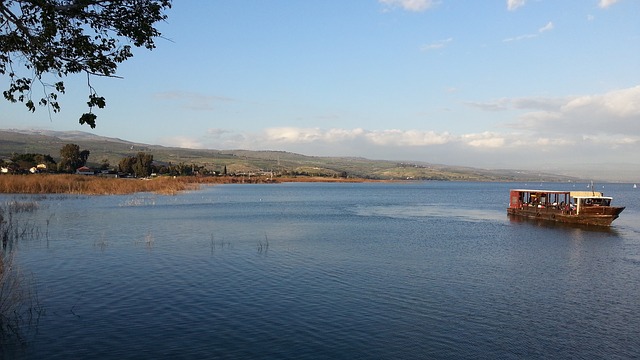
Our tour begins at Haifa port where, after meeting your private guide, drive through Galilee stopping to take in views of the Jezreel Valley. Explore Nazareth, the capital of Northern Israel and the city where Jesus spent his formative years. Visit the Basilica of the Annunciation, the spot at which the Angel Gabriel appeared before Mary and announced that she was with child, and, next door, the Church of St. Joseph, the site at which it is believed Jesus’s father had his carpentry shop. Stop for a photo opportunity at Mary’s Well (the ‘Virgin Fountain’) whose waters are believed to have magical powers, before wandering in the bustling old shuk (market), a wonderful place to purchase dark coffee, locally-made sweet treats, and souvenirs.Head to Tabgha to visit the Multiplication of the Loaves and Fish in Tabgha and drive to the Mount of Beatitudes on the shores of the Sea of Galilee, stopping off at different points to enjoy the stunning scenery and the peaceful atmosphere. Perhaps lunch at the excellent fish restaurant at Kibbutz Ein Gev.Travel onto Capernaum, historically a picturesque fisherman’s village, and now the site of an ancient synagogue unearthed by archaeologists. Estimated to have been inhabited since the 1st century, today, the site is under the joint control of Franciscan monks and Greek orthodox priests.From the northwest shores of the Galilee, drive onto Yardenit, located on the banks of the Jordan River and the spot at which it is said John the Baptist baptized Jesus. Today, it is a spiritual center for Christian pilgrims, who come from across the globe to be immersed in the waters. Enjoy the peace and tranquility of the site, before returning to Haifa with your private guide for drop-off back at the port or your hotel.

Jerusalem Private Tour, from Haifa Port

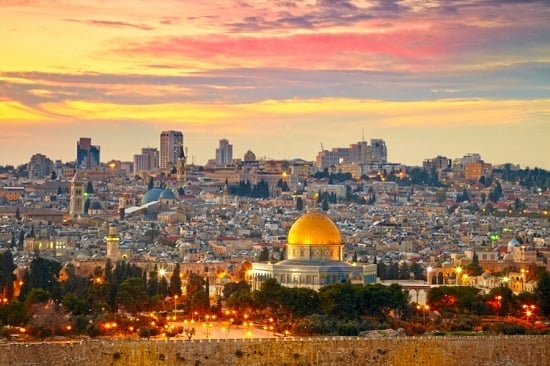
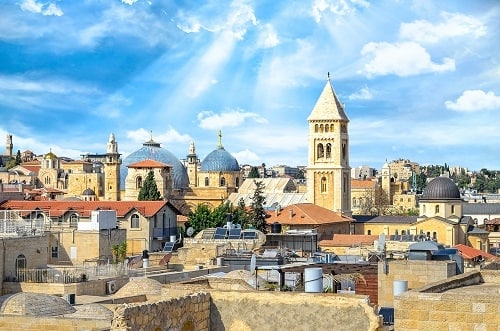
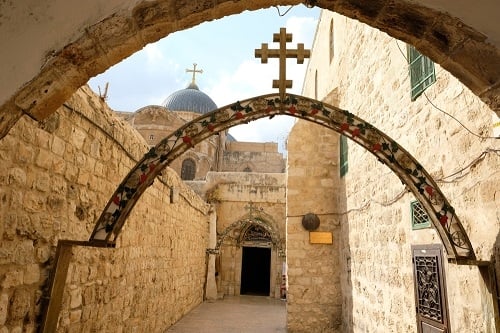
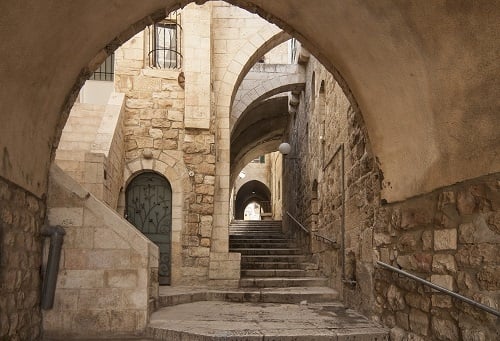
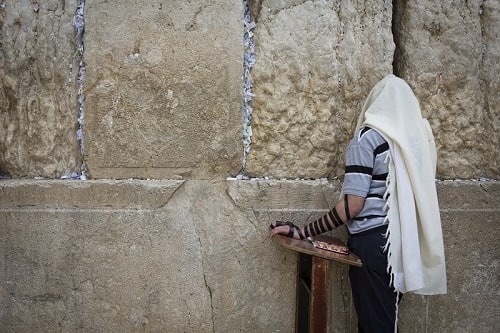
After you have met your private guide at Haifa port, journey to Jerusalem by air-conditioned bus, which takes around two hours. Entering the city, stop at the Mount of Olives and gaze at a panorama of Jerusalem, including the wondrous Dome of the Rock. Journeying on through the Kidron Valley, stop at the Garden of Gethsemane, the place Jesus spent in prayer the night before he died and walk in the peaceful garden there. Then head on through Mount Zion to Jerusalem’s fascinating Old City, its walls erected over 2,000 years ago. Walk through the Armenian quarter, full of colorful and eye-catching ceramics and then the Jewish quarter, before arriving at the Western (Wailing) Wall. The last remaining structure of the Second Temple, it was built by King Herod and destroyed by the Romans.After soaking up the atmosphere there, walk along the ‘Cardo’ - a busy Byzantine thoroughfare, now renovated and full of stores and galleries. Continue onto the Via Dolorosa, the route Jesus took as he carried his cross to the place of his crucifixion, stopping at various ‘stations’ along the way, which will lead you to the Church of the Holy Sepulchre. After a break for lunch, continue on through the Muslim quarter and wander in the lively, Levantine bazaar there, packed full of glass, pottery, spices, coffee and souvenirs. Finally, leave the Old City for a short visit to the New City. The Jaffa Road is a lively place, full of street musicians, coffee shops and the famous Mahane Yehuda market, and provides a real snapshot of daily life in the city. Your excursion ends with your being dropped off back at Haifa Port.

Jerusalem & Bethlehem Private Tour, from Haifa Port

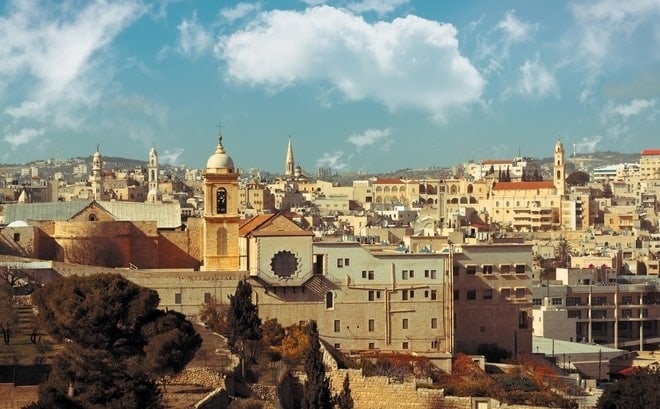
After being picked up by your private guide, travel by air-conditioned bus from Haifa port to Jerusalem, around a two-hour ride. Stand at the top of the Mount of Olives and gaze out at panoramic views of the city, including the stunning Dome of the Rock. Pass through the Kidron Valley and the Garden of Gethsemane, where Jesus was said to have prayed the night before his crucifixion. Then begin your walk through the Old City in the Armenian Quarter, wandering through ancient Byzantine roads and into the Jewish Quarter, where you can stand in awe in front of the Western Wall. Also known as the Wailing Wall, this is the equivalent of an open-air synagogue and a site that it is extraordinarily holy for Jews, being the last remaining wall of the Second Temple.Walk through the Cardo, a bustling thoroughfare in Roman Times, and into the Christian Quarter, retracing the steps of Jesus along the Via Dolorosa. Then enter into the Church of the Holy Sepulchre, noting the carved crosses in the stone walls. This is the site where Jesus was both crucified and buried and is a focal point for Christian pilgrims. Then onto the Muslim Quarter, full of spices, coffee pottery and more. Journey onto Bethlehem, around 30 minutes drive, and stroll through Manger Square, flanked by both the Church of the Nativity and the Mosque of Oman, then explore the Milk Grotto where the Virgin Mary was said to have nursed Jesus. It is also possible to visit the Roman Catholic St. Catherine’s church, as well as the Greek Orthodox Church nearby. Then return to Haifa Port with your guide to rejoin your cruise ship.

Haifa and Acre Private Tour, from Haifa Port

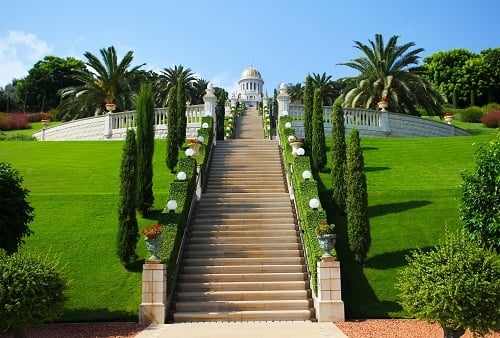
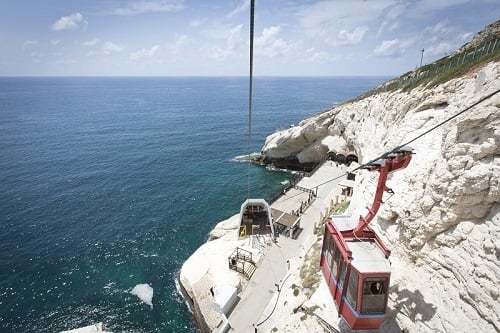
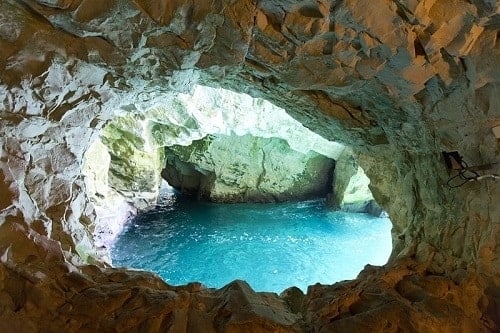
This private tour begins in Haifa, with a visit to the spectacular Bahai Gardens. Set out in the form of 19 sculptured terraces that descend down a steep hill, admire the array of flowers, before paying a visit to the famous Shrine at the base of the grounds. Journey onto Rosh Ha Nikra (in Hebrew “The Head of the Grottos’), the most northerly point in Israel’s Western Galilee and the only place where sea meets white chalk cliffs. Descend in a cable car (a short but very steep ride!) into ancient limestone grottos that, for a long time, were inaccessible to the public. Experience the power of the sea, as waves crash around you, and enjoy the unique views as you walk through the tunnels.Continue with your private guide onto Acre, a beautifully-preserved Crusader City, conquered by Romans, Byzantines, Ottomans and Turks to name but a few and today home to a mix of Jews, Christians and Arabs. Walk through the narrow streets, past the Knights Halls and Turkish baths, stopping at the ancient walls and moat. Wander in the old Bazaar, where you can drink strong black coffee, sample locals sweets and purchase souvenirs. Enjoy the stone architecture, savour the ancient atmosphere and visit the prison, last used in Ottoman Times by the Turks and the gallows used by the British 75 years ago. Wander through the Templars Tunnel, today completely excavated - enter at one end, walk along a wooden deck and emerge next to a turquoise blue sea and an invigorating breeze. Finally, take a break at the small fountain, next to the Templars Hall, and relax under the branches of the huge trees there. At the day’s end, return to Haifa port with your private guide.

Caesarea and Tel Aviv Private Tour, from Haifa Port

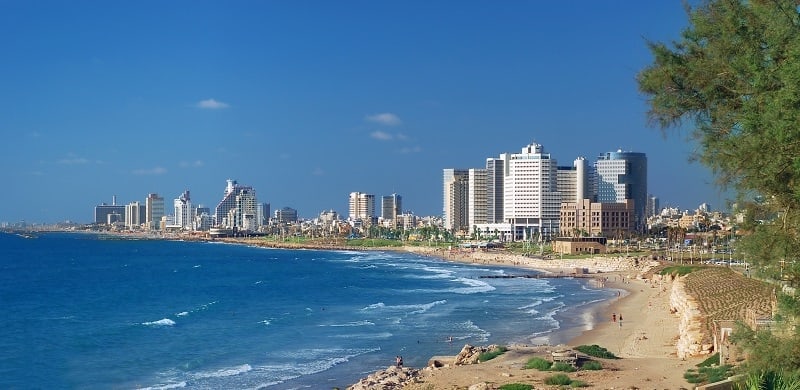
Driving south from Haifa port with your private guide, we begin our tour at Caesarea. Initially a tiny fisherman’s village, the site flourished after being conquered by Alexander the Great, and then transformed by King Herod into a magnificent city. Today an impressive national park, walk around the astonishing Roman ampitheater, tour the hippodrome and stare at palace floors decorated with mosaics. Bursting with archaeological treasures, there is no shortage of impressive structures including an old synagogue, bathhouse and obelisk. Afterwards, perhaps stroll along the harbor walls, take in the beautiful views and enjoy the peace and serenity of this lovely place. Continuing onto Jaffa, driving along the busy Tel Aviv promenade, we will spend time exploring the charming Artists Quarter, full of winding, narrow alleyways, hand-decorated signs and packed with modern galleries. Jaffa is both beautiful and historical, and home to a number of Biblical stories, the most famous of which involved Jonah being swallowed by a whale. Explore local churches and walk across the Wishing Bridge, from which you can see beautifully renovated local buildings, and watch fishermen casting their rods into the fishermen the deep blue Mediterranean.To complete our tour, we then make the short drive to Tel Aviv, and spend a little time exploring some of the cities most famous landmarks. These include the Hall of Independence (where Israel’s David Ben Gurion announced the establishment of the state in 1948), stylish Rothschild Boulevard (packed with buildings designed in the German “Bauhaus” form) and Rabin Square, where Israel’s Prime Minister Yitzhak Rabin was assassinated in 1995 and where now stands a moving memorial. You are then free to remain in Tel Aviv and enjoy the city’s eclectic cafe and bar scene, or return with your private guide to Haifa port.

Jerusalem Private Tour, from Ashdod Port

After being met by your private guide, drive up into the hills of Jerusalem in your air-conditioned vehicle. Stop at Mount of Olives, with its panoramic views, the highlight of which is the astonishing Dome of the Rock. Drive on through the Kidron Valley, via the Garden of Gethsemane, where Jesus prayed the night before his death, and enjoy a stroll through the beautiful garden. Afterwards, travel on to the Old City of Jerusalem, over 2,000 years old and made up of four very distinct quarters. Firstly walk through the Armenian Quarter, enjoying the brightly-coloured ceramics, then into the Jewish Quarter, home to the Western (Wailing) Wall. Built by King Herod and destroyed by the Romans, it is the last remaining structure of the Second Temple and today acts as an open-air synagogue for religious Jews. Journey on through the ‘Cardo’ - in Byzantine times a major thoroughfare - and today renovated and full of small galleries and stores. Wander into the Christian Quarter, where Jesus walked Jesus, along the Via Dolorosa, finally arriving at the Church of the Holy Sepulchre, the site at which he was crucified and buried and today a focal point for Christian pilgrims around the world.Break for lunch at a place of your choice, then continue in the Muslim quarter, enjoying the atmosphere of a Middle Eastern bazaar and drink a cup of dark Arabic coffee before bargaining for sweets and souvenirs (your guide will help you in this regard). Finally, travel onto Jaffa Road in Jerusalem’s New City, which provides an excellent snapshot of life in the capital, with its cafes, street scenes and famous Mahane Yehuda food market. Stroll around the area there before returning to Ashdod port for drop-off at your hotel.

Jerusalem & Bethlehem Private Tour, from Ashdod Port

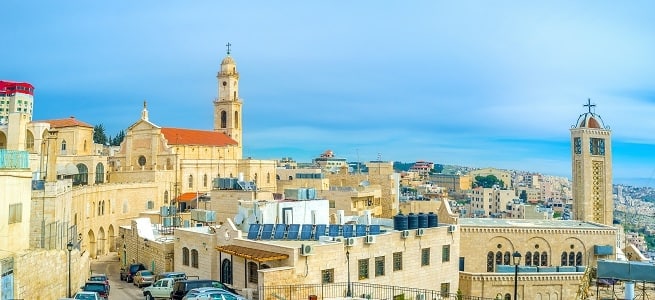
Leaving from Ashdod Port, this private tour - complete with guide - gives you the opportunity to spend a full day in Jerusalem and Bethlehem. Travelling by air-conditioned bus, as you enter Jerusalem gaze at the astonishing views of the city from atop the Mount of Olives. Travel through the Kidron Valley and stop at the Garden of Gethsemane, where Jesus spent his last night as a free man, praying before his crucifixion. Stroll through the Armenian Quarter of the Old City before arriving at the Western Wall - in Hebrew ‘the Kotel’ - Judaism’s most holy site, Today, this wall is all that remains of the Second Temple and it acts as a huge open-air synagogue where thousands of Jews gather to pray Walk through the Jewish Quarter, soaking up the city atmosphere, to the Christian Quarter, and retrace the steps of Jesus on the Via Dolorosa, at different stations of the cross. Arrive at the Church of the Holy Sepulchre and stand inside at the very spot Jesus was crucified and buried. From there, walk through the Muslim Quarter, enjoying the famous and very lively bazaar, where all kinds of souvenirs are on sale, from Hebron glass to Armenian pottery, not to mention coffee, sweet treats and exotic spices.Then continue onto Bethlehem, a half hour’s drive away, and stroll through Manger Square, one of Christianity’s most sacred sites, which is flanked both by the Church of the Nativity and the Mosque of Oman. Dating back to 339 AD, be sure not to miss the Church’s beautiful floor mosaics. Afterward, perhaps explore the Catholic Church of St. Catherine or Bethlehem’s Greek Orthodox Church. Return to Ashdod Port with your guide for drop-off back at your hotel.

Masada and Dead Sea Private Tour, from Ashdod Port

After being picked up by your personal guide at Ashdod port, journey through the extraordinary wildness that is the Judean desert, passing by the Inn of the Good Samaritan and Jericho, the world’s oldest city and a veritable oasis in the desert. Stop at the sign proclaiming “You are now below sea level” and enjoy a photo opportunity. Journey onto the impressive fortress that is Masada, built by King Herod over 2,000 years ago, and the spot at which Jewish Zealots barricaded themselves in against advancing Roman troops, before committing suicide en masse rather than surrendering. Masada, today, is a UNESCO World Heritage Site and, perched on a hilltop, cannot fail to take your breath away.Take a cable car to the top, staring out at the long, impressive Snake Path below (winding 400 meters up the hill) and enjoying astonishing views of the surrounding area. Atop the fortress, explore the ancient synagogue and bathhouse and gaze at the remains of a church, circa the Byzantine era, used by monks from as far back as the 1st century. Also, feel free to explore the museum there, full of archaeological treasures. Travel onto the Dead Sea, famed for its salty waters, black mud (rich in minerals and perfect for smearing all over your body), and sulphur pools. Truly one of the world’s most unique places. float in the sea. Relax in an environment that is guaranteed to leave you feeling re-energized, whilst enjoying the peace and quiet of the surrounding Negev Desert. Then return with your personal guide to Ashdod, enjoying views of the enchanting wilderness.

Caesarea and Tel Aviv Private Tour, from Ashdod Port

Driving north from Ashdod port to the shores of Caesarea, we arrive one of Israel’s most impressive ancient monuments. Back in Phoenician times a mere fisherman’s village, it was later conquered by Alexander the Great but only with the advent of King Herod was its potential realised and the village turned into a magnificent and prosperous port and city. Named after Augustus Caesar, you will have time to walk in the national park, tour the hippodrome and Roman amphitheater and gaze at the remains of a mosaic floor in the ruined palace. Wherever you turn, you are confronted with impressive structures including a synagogue, obelisk and bathhouse. We will then continue onto Jaffa, where we will wander in the narrow streets of the charming Artist’s Quarter, take in the beauty of the port and enjoy breathtaking Mediterranean views.Associated with some of the Bible’s most famed stories - notably Jonah and the Whale - Jaffa is not only steeped in history but also breathtakingly beautiful, as we will see when we stand at the top of the hill and admire the Mediterranean and the port below.For the last part of our day, we journey on to Tel Aviv, where we will explore some of the Tel Aviv’s s most famous landmarks, including Rothschild Boulevard, famed for its Bauhaus style of architecture, the Hall of Independence, where David Ben Gurion proclaimed the establishment of the State of Israel and Rabin Square, where Israel’s Prime Minister Yitzhak Rabin was assassinated in 1995 and where now stands a memorial to him. At the day’s end, either remain in the city and enjoy a drink or even dinner at one of Tel Aviv’s many cafes and bars, or return with our guide to Ashdod.

Jerusalem & Dead Sea Private Tour, from Ashdod Port

This private tour of Jerusalem and the Dead Sea, complete with guide, begins with you being picked up at Ashdod Port and driven to one of the world’s most holy cities. After stopping at the Mount of Olives, giving you the opportunity to take in panoramic views of Jerusalem (including a view of the golden Dome of the Rock) you begin your walk through the Old City. Stroll through the Armenian Quarter and admire the brightly-coloured ceramic tiles and pottery, and onto the excavated Cardo - a bustling main thoroughfare in Roman times and today full of modern stores. Continue onto the Western Wall (‘Kotel’ in Hebrew), a site incredibly holy to Jews and the last remaining structure of the Second Temple, destroyed by the Romans in 70AD. Afterwards, walk in the footsteps of Jesus, along the Via Dolorosa, stopping at the Stations of the Cross, Step inside the magnificent tChurch of the Holy Sepulchre, the place where Jesus was both executed and buried, and a focal point for Christian pilgrims today.Continue on in your private car, with your guide, to the Dead Sea, passing through the Judean Desert. As you travel, you will see ancient Jericho in the distance and have the chance to stop for a photo opportunity at the sign stating that you are now below sea level! Arriving at the Dead Sea, float in its saline-rich waters (so salty you can even read a newspaper!) When you reach the Dead Sea you can enjoy the beach and float in the saline-rich water. If you choose, you can also take some of the black mud on the shores and use it as a face or body mask - the health benefits are tremendous - or simply relax in the nearby sulphur pools. After your time relaxing here, you will be driven back to your hotel in Ashdod, feeling relaxed and rejuvenated.

Jerusalem and Dead Sea Private Tour, from Haifa Port

Your private tour begins at Haifa Port, from where you drive south to Jerusalem. Take in a panoramic view of this extraordinary city, in particular the golden Dome of the Rock, whilst standing at the Mount of Olives. Then continue through the Kidron Valley to the Old City, which is 2,000 years old and can only be accessed on foot. Begin your visit there in the Armenian quarter, where brightly-ceramic tiles and pottery are on display, then continue into the Jewish Quarter, walking along the Cardo. In ancient times, this was a major Byzantine thoroughfare but today has been completely renovated and is full of modern stores. Then stand in awe at the Western Wall, the last remaining structure of the Herodian Second Temple and destroyed by the Romans. Today, it serves as an open-air synagogue, where Jews flock to prayer. From there, walk through the Christian Quarter, following in the footsteps of Jesus as he trod the Via Dolorosa. At the end of this route, you will arrive at the Church of the Holy Sepulchre, the spot where he was both crucified and buried. Before leaving Jerusalem, take some time to walk in the Bazaar, where all kinds of souvenirs can be purchased. Journey onto the Dead Sea, the lowest point on earth, and a unique natural phenomenon, its waters being so salty that - literally - it is impossible not to float there. Soak in sulphur pools, and slather yourself in mineral-rich black mud, which can be found all along the shore. Enjoy the therapeutic benefits of this relaxing spot whilst gazing at the beauty of your Negev desert surroundings. Return to Haifa port, with your private guide, feeling entirely rejuvenated.

Caesarea, Galilee and Golan Tour, 4 Days

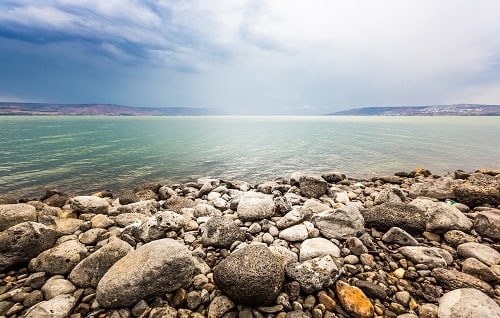
See a wide range of attractions with this 4 day northern Israel tour package. Stay in a Kibbutz hotel and spend time in the Galilee, Golan Heights and along Israel’s Mediterranean coast. Visit Caesarea; Haifa; the Crusader city of Akko; the sea caves of Rosh HaNikra; Nazareth; Capernaum; Banias and Tiberias on the shore of the Sea of Galilee. Stop at the baptismal site of Yardenit on the River Jordan.

Jewish Tour, 3 Days

On this 3 day Jewish tour of Israel visit historical landmarks, natural wonders and iconic religious sites. See the ancient city of Caesarea and explore Israel’s Mediterranean coast. In Jerusalem discover the Old City, pray at the Western Wall and see the underground City of David. Learn of Masada’s Jewish heroes and tour Herod’s palace fortress on Masada’s summit. Relax and unwind on one of the fabulous Dead Sea beaches.

Israel and Jordan Tour Package, 10 Days

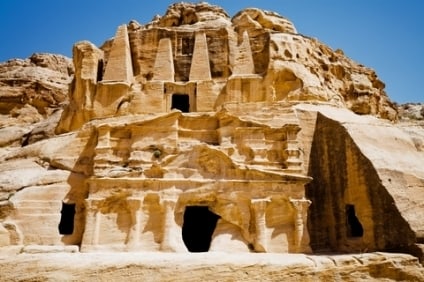
Explore the rich history and breathtaking landscapes of Israel and Jordan on this 10-day guided tour.In Israel, visit some of the most iconic and meaningful sites, including Nazareth, the Sea of Galilee, Jerusalem, Caesarea, Acre, Masada, and the Dead Sea.Then spend two days in Jordan, where you'll explore the otherworldly landscapes of Wadi Rum, relax in the coastal city of Aqaba, and walk through the ancient stone-carved city of Petra, a UNESCO World Heritage Site.This journey offers a perfect mix of history, culture, and natural beauty across two extraordinary countries.

Metsuke Dragot

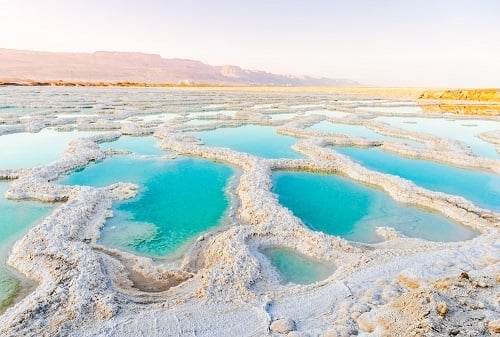
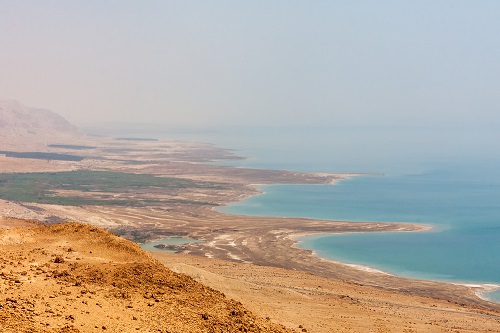
Metsuke Dragot is situated along the northwestern shore of the Dead Sea in the Judean Desert. The site is a popular stop on desert safaris. Metsuke Dragot means rank or gradient cliffs in Hebrew and it looms above Murabat Wadi, a dry ravine facing the Dead Sea just 6 km away. You may imagine it is a dry landscape but it is actually rich with desert streams, secret caves and lush vegetation.An ecologically friendly community has been built on the edge of the cliffs offering a number of facilities and levels of accommodation from dormitories and tents to simple guest rooms. The hostels and guesthouses perched on the cliffs overlooking the Dead Sea have spectacular views.Jeep Safaris to Metsuke DragotOn a typical jeep safari into the Judean Desert, there are stops at Metsuke Dragot to take in the views and learn about local flora and fauna. Other Judean Desert safari stops may include the Qumran Caves where the Dead Sea Scrolls were found; Ras Nekeb Kamar; Wadi Tekoah; Ein Kedem hot spring pools and the Dead Sea. Metsuke Dragot is a great base for extreme sports, hiking and climbing in the desert. Visitors on jeep excursions can enjoy hospitality in a traditional Bedouin tent.The Beach at Metsuke DragotBelow the cliffs and across route 90 is the Metsuke Dragot beach. The beach attracts a mixed bunch of people who come to escape the hustle and bustle of the rat race. You can see hippie-types, nudists, families and groups of friends all enjoying the beach’s rock pools, the sea and waterfront reeds and trees. It is a place to really relax and connect with nature and yourself.Near the shore of the Dead Sea at Metsuke Dragot you can see where a sweet water stream flows into the salty Dead Sea. In contrast, there is a natural thermo-mineral sulfur spring that reaches temperatures of 50°C. Thanks to the winter flood water that flows down through the Judean Desert to Metsuke Dragot and into the Dead Sea it is the only Dead Sea beach with sand rather than large pebbles.Want to explore Metsuke Dragot? join our Judaean Desert Jeep Tour.

Tzadikim Graves, Tiberias

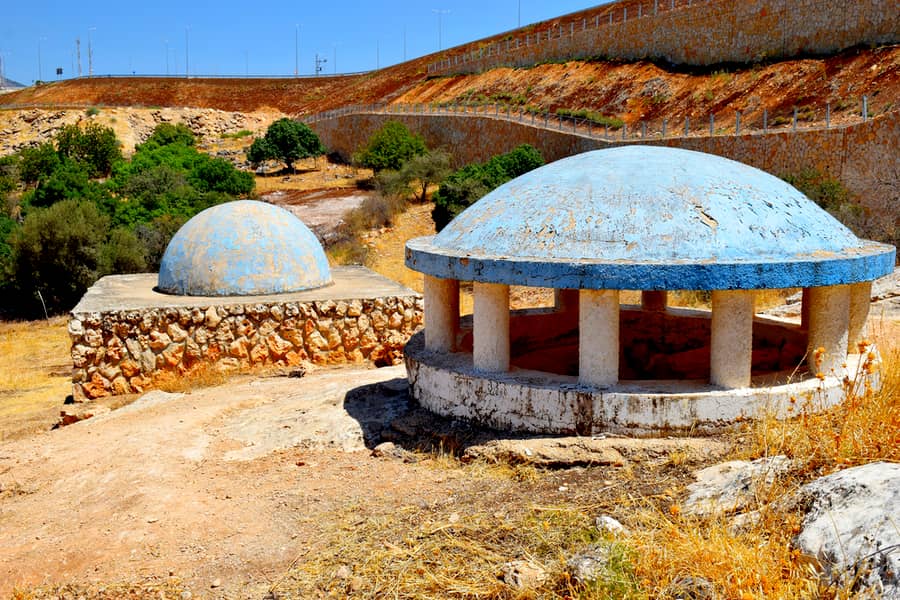
The Graves of Pious Jews in Tiberias are visited by Jews from across the country who come to pay their respects and pray. The Talmud tells us that praying at the graveside of a pious Jew increases the chance that your prayers will be answered. When praying at the graves of these great Sages and famous Rabbis your prayers are said to have more merit. Many believers have testified to miracles and abundant blessings following a visit to one of the "Kevra Tzadikim" in Tiberias.The Maimonides Tomb, TiberiasPerhaps the most famous and popular Kivra Tzadikim in Tiberias is the tomb of Moshe ben Maimon also known as "Rambam and as Maimonides." Rambam came from Cordova, Spain, and traveled through North Africa, living and working as a doctor in Egypt where he died in 1204.It is said that on his death bed Rambam told his sons that he wanted to be buried in Israel. The Rambam's remains were brought to Israel by the camel and he was buried where the camel stopped. Rambam's grave is centrally located and easy to find although some of the other graves are best visited with a Jewish Israel tour package. Alongside Maimonides's grave are the tombs of Rabbi Yohanan ben Zakkai and Isaiah Horowitz (c.1555 - 1630).Rabbi Meir Ba'al HaNess TombIn the ancient Tiberias cemetery is the grave of Rabbi Meir Ba'al HaNess, also called the Miracle Maker. This great Sage studied under Rabbi Akiva in the 2nd century and took part in the Bar Kochba Revolt. Also in the ancient Tiberias cemetery is the tomb of Rabbi Haim Abulafya who founded the Jewish settlement in Tiberias in around 1740.Rabbi Akiva TombOne of the most important graves in Tiberias is that of Rabbi Akiva (50 - 135 AD). This famous tzadik was a leading scholar and a contributor to the Mishnah and Midrash HaLacha. He is even called the Chief of the Sages in the Talmud. Rabbi Akiva is said to have taken part in the Bar Kokhba Revolt against the Romans (Third Roman-Jewish War) which resulted in his execution. Today his tomb is a popular pilgrimage site especially on the eve of Yom Kippur. The Tomb of Rabbi Akiva is located at the western entrance to Tiberias.The Mothers' TombAt the Mothers' Tombs are the graves of Zilpah and Bilha, mothers to four sons fathered by Jacob; Yocheved, daughter of Elisheva and Levi as well as Zipora, Moses' wife. These righteous women are buried in the Kiriat Shuel neighborhood of Tiberias. These tombs are particularly popular with women praying for fertility.

Diamond Factory Tiberias

The Caprice Diamond Factory in Tiberias is a regular stop on organized tours visiting the Galilee. It is a great opportunity to learn about one of Israel’s leading industries and maybe even to make a purchase. The Tiberias factory was one of the first in the country and it is one of the most advanced in the world. It is the first to have the prestigious ISO9002 Standard Certificate which assures the highest quality diamond products. At the factory gold, diamond, precious gem and semi-precious gem jewelry is designed, manufactured and marketed. The products are shipped to Caprice stores in Israel and around the world as well as being sold directly to the customer. The factor employs 50 experts who work to produce exquisite jewelry. Caprice is a member of the Ramat-Gan Diamond Exchange and operates branches in Tiberias, Jerusalem and at the Diamond Exchange in Ramat-Gan.Visiting the TiberiasDiamond FactoryA visit to the diamond factory includes the diamond museum; jewelry showroom; an audiovisual show and the gemologists showroom. In the Diamond Museum you can learn about the 4C’s criteria for grading diamonds – carat weight; color grade; clarity grade and cut grade. The audio presentation takes you through the process of producing fine diamond jewelry. You can take your time in the showroom and visitor center seeing incredible jewelry.

Artists' Colony, Safed

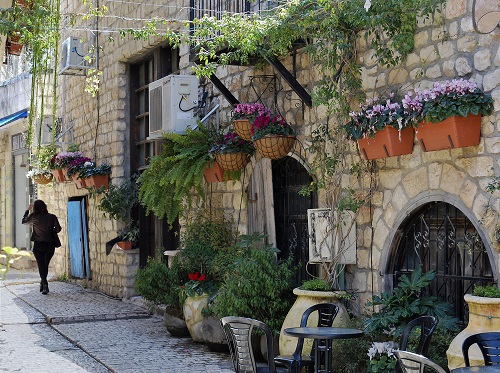
Although Safed is best known as the hilltop city where Kabbalah (Jewish mysticism) was born it is also the site of a thriving artists’ colony. The city’s beauty and spirituality attract creative artists who are inspired by the picturesque stone buildings, brightly painted window shutters, houses draped in vines with colorful window boxes, cobblestone streets and views of the surrounding hills from every point.The winding narrow alleys with cobblestone paving and stone buildings are the setting for studios, galleries and artist’s stores. The artists are new immigrants as well as Israelis. As early as the 1940s the Safed Artists’ Quarter was home to artists such as Ziona Tagger, Mordechai Levanon, Shimshon Hotzman, Yitzhak Amitai and Aryeh Merzer. To encourage art and develop Safed the young State of Israel offered artists incentives, a house and gallery if they would live in Safed for a minimum of 180 days a year. Over the years artists have come and gone with many new artists establishing their galleries in Safed.Galleries, Artists and StudiosThere are studios where you can see the artists at work and other artists’ stores where the sales person is the artist himself. There are both multi-artist galleries and galleries devoted to single artists. The General Exhibition is Safed’s main multi-artist gallery with ever-changing displays. There is a sculpture garden in the back yard of an ancient house and galleries with intriguing names like Fig Tree Courtyard and Caanan Gallery.The Art of SafedIn Safed’s Artists’ Quarter, you can see photography, prints, sculpture, ceramics, handmade jewelry, paintings and Judaica. One of the most unique types of art on display is micro-calligraphy where passages from religious Jewish tests are written in minute lines which create the image desired. From a distance the art work looks like it is made up of lines but on closer inspection you can see the scriptures and verses written in a line. Many of the artists are religious Jews who incorporate their faith and Kabbalah images into their art work.

Ein Kerem

Ein Kerem is a neighborhood of Jerusalem where time has stood still. It has been associated with the biblical village of Beit Hakerem. The neighborhood has a pastoral village atmosphere which is reinforced by the lush vegetation, lovely stone buildings, old-world charm, and narrow alleyways. The area has several artist’s galleries and studios; restored historic stone homes; ancient convents and quaint cafes. Nestled in a peaceful valley surrounded by stone-terraced agricultural plots, natural groves, and slopes covered in wildflowers, it is reminiscent of rural England. It is often called a village within a city because of its houses draped in ivy and bougainvillea with courtyard cafes, and picturesque churches. Ein Kerem (or Ein Karem, meaning “spring of the vineyard”) is a great place to get away from the hustle and bustle of the city. Ein Kerem is the traditional hometown of Mary’s cousin Elizabeth and her husband Zechariah, and the birthplace of their son John the Baptist. Christian Landmarks in Ein KeremMary’s Spring - According to tradition Mary traveled to Ein Kerem to visit her cousin Elizabeth. They met at an ancient spring (Mary’s Spring or the Fountain of the Virgin) where women would come to draw water. Both women were pregnant at the time but Elizabeth only discovered that she was with child when she met Mary and “the baby leapt in her womb and she was filled with the Holy Spirit.” (Luke 1:39-42). Church of the Visitation - A path leads from the spring up to the Church of the Visitation, built on the site of Elizabeth and Zechariah’s summer home where Mary stayed until Elizabeth gave birth to John. Parts of earlier churches can still be seen incorporated in the present Franciscan lower church dating back to 1862. The upper level of the church was designed by the Italian architect Antonio Barluzzi and completed in 1955.The church features some beautiful frescos by Vagharini including a biblical scene where Vagharini painted Barluzzi into the crowd. The church is built into the side of the rocky slope and in the church is a niche known as the Stone of Hiding where baby John was hidden during Herod’s Massacre of the Innocents.Church of Saint John the Baptist - The Catholic Church of the Nativity of St. John the Baptist (also called St. John in the Mountain) marks the site of John the Baptist’s birth at his family home in the heart of Ein Kerem. The Franciscans bought the land and with the help of funding from the Spanish monarchy rebuilt the church incorporating elements of an earlier Crusader and Byzantine church. The church features stunning paintings, mosaics, decorative tiles, and a grotto identified as St. John’s birthplace. The most recent renovations of the church were done in 1939 to designs by Barluzzi. This church shouldn’t be confused with a Church of Saint John the Baptist in Jerusalem’s Old City and with the 1894 Eastern Orthodox Church and Convent of St. John the Baptist, also in Ein Kerem.Other religious sites in Ein Kerem include the 1860 Notre Dame de Sion Convent where you can enjoy tranquil gardens and stay in the convent guesthouse; and the Russian Orthodox Cathedral of All Saints of Russia (Gorny Monastery) complex where there are three churches. Ein Kerem AttractionsEin Kerem is famed for its culinary scene where all styles of cuisine are served up in magical courtyard restaurants and cafes. Top Ein Kerem eateries can be found on Maayan Street and Ein Kerem Street including the well-known Charlotte, Inbal, Karma, Milah, and Pundak restaurants. Culture enthusiasts should check out the Eden-Tamir Music Center where classical music is performed. You’ll find plenty of artists’ studios and galleries simply by wandering the lanes of Ein Kerem. Art lovers will also want to see the Chagall Windows in the Abbell Synagogue of the Hadassah Ein Kerem Hospital (not to be confused with the Hadassah Hospital on Mount Scopus). In 1962 the artist Marc Chagall gifted the series of 12 stained glass windows to the people of Israel; they are located in the hospital’s Abbell synagogue. The windows are full of symbolism and typical Chagall imagery, the artist was particularly inspired by Jacob’s blessings to his 12 sons and Mosses’ blessings to the 12 tribes. To visit Ein Kerem join one of Jerusalem Private Tours.

Madaba, Jordan

Madaba is one of the top tourist destinations in Jordan, located 30km southwest of Amman along the ancient King’s Highway. Madaba has a history that can be traced back to the Bronze Age. Madaba is mentioned in the Bible (Numbers 21; 30 and Joshua 13:90) as a Moabite border community. The city has become popular thanks to its Byzantine and Umayyad-era mosaics. Thanks to this treasure trove of ancient mosaics Madaba has become known as the “City of Mosaics.”Top Attraction of Madaba – The Madaba MapThe reason people visit Madaba is mainly to see the world’s oldest existing map of the Holy Land, aptly called “The Madaba Map.” The mosaic map was created using over a million tiny pieces of colored stone. The map is embedded in the floor of a church in Madaba. Although the artist who created the mosaic is unknown we do know that it was made in the mid-6th century during the Byzantine Era. The mosaic would have originally covered over 15.5m by 5.5m with the map depicting an area from Lebanon to the Nile. Unfortunately, only about a third of the work has survived. The map orientation is with the east at the top, where maps today show the north. The Jordan River is shown flowing from left (north) to right (south). Although it is a primitive depiction of the Holy Land it is regarded as the most accurate that predates the modern era of cartography. The Madaba Map depicts Biblical locations; regions; places where important events took place and landmarks indicative of the cities. For example, Jericho is shown encircled by palm trees; John is depicted baptizing Jesus in the Jordan River and Jacob’s Well is shown at Shechem. The map also shows plants and animals including a lion, gazelle and fish in the river where there are boats and ferries. The center of the existing portion of the map focuses on Jerusalem which is seen from above and labeled “Holy City.” The city’s famous walls, the Roman colonnaded street, the Cardo and buildings including the Church of the Holy Sepulcher are identifiable. Most of the landmarks are from the New Testament rather than the Hebrew Torah. In 746 a huge earthquake left Madaba in ruins and the town was abandoned leaving the mosaic forgotten. In the 1880s Christians settled in Madaba to rebuild the city away from persecution by Muslims in other parts of the country. In 1896 when construction began on a new Greek Orthodox Church on the site of the early Byzantine Church the mosaic was uncovered. When the new St. George’s Church was constructed it incorporated the mosaic into the design. The purpose of the map, commissioned in the church has been debated. It may have been to help pilgrims find their way to the holy sites; to depict what Moses may have seen looking down from nearby Mount Nebo or simply to enhance the experience of the church goes.Other Madaba AttractionsVisitors can see the Madaba Map as well as the remains of five other ancient mosaics in Madaba. The city also holds a wealth of excavated remains that trace the city’s history from the Early Bronze Era to modern times including a 9th century BC fortified wall and a 3000-year-old Iron Age temple. Other attractions in Madaba include the thermal mineral springs at Hammamat Ma’in; the weaving rooms of Mukawir Village and the Madaba Archeological Park.

Jaffa Museum

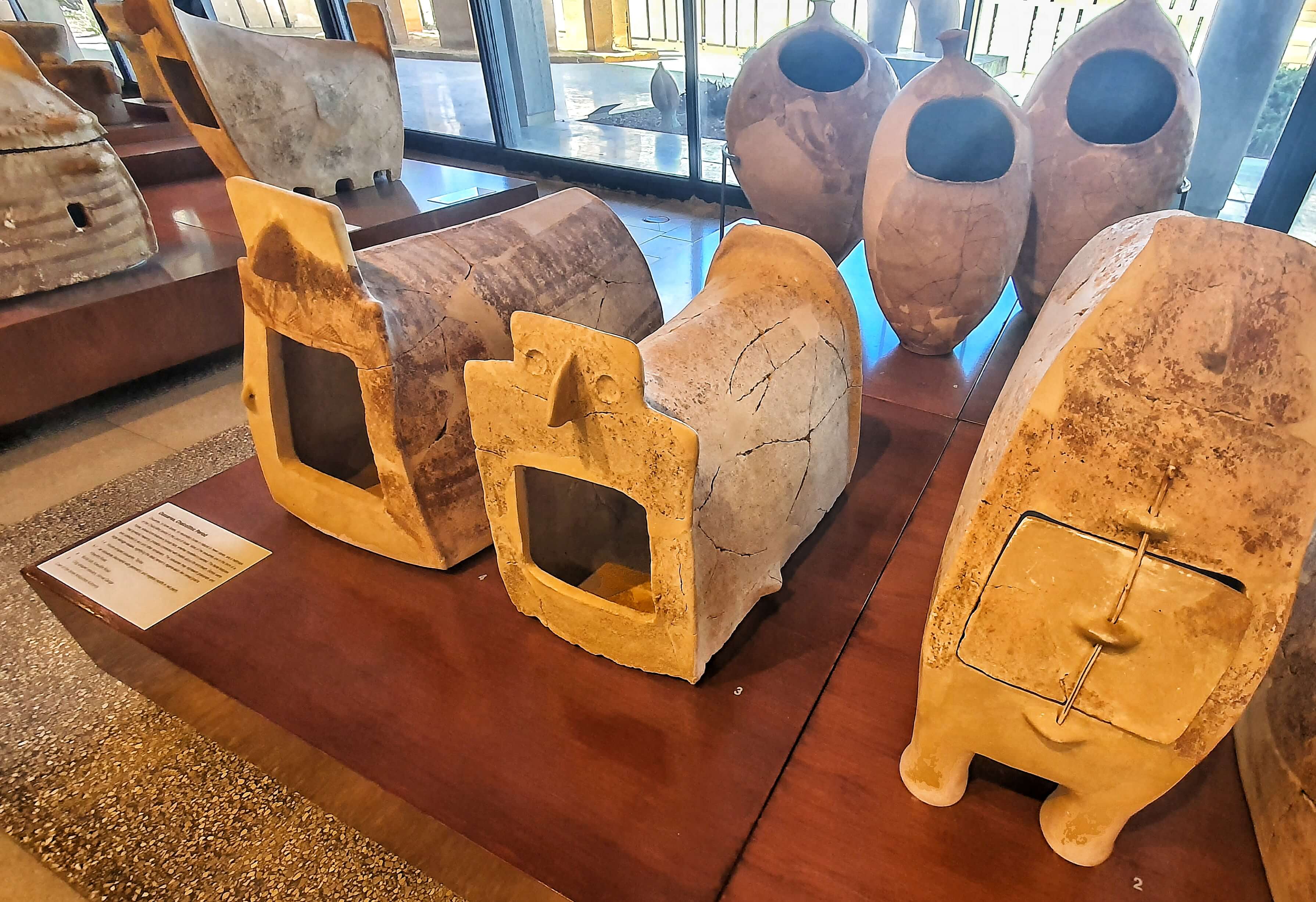
Plan Your VisitOpen Times - Sunday-Thursday 10:00-16:00, Friday 10:00-14:00, Saturday 10:00-18:00 Pro Tip: Phone ahead, as their hours vary.Prices - FreeAverage Visit Duration - 1 hour.Popular Times - Saturdays.Special Events - Regular temporary exhibitions, and special events during national school holiday periods.Tours - Tour Jaffa with a professional guide and make this museum one of the stops on your itinerary. For temporary exhibitions, there are often talks with the artists and guided tours at noon on Fridays.Jaffa Museum of Antiquit ies explores the history of Jaffa through a wide range of exhibits from archaeological treasures to contemporary artwork by local artists. Jaffa was an ancient port city that welcomed pilgrims, armies, merchants, and immigrants. Many regimes, religions, and cultures made their way through Jaffa leaving their mark. At the museum, you can learn about the endless succession of civilizations that inhabited Jaffa, going back thousands of years, including the Canaanites, Egyptians, Persians, Phoenicians, Greeks, Romans, Byzantines, Ottomans, and British. The museum exhibits change regularly with new and exciting additions as the city continues to grow and new archaeological finds are made.Pro Tip: If you’re asking for directions you might need to say you’re looking for the Old Saraya House, the Jaffa Museum, or the Antiquities Museum. On Google Maps, search for “Jaffa Museum”.The Jaffa Museum Building - Al-SarayaIn addition to the museum exhibits, the building itself is worth seeing. The structure houses the museum and an Arab-Hebrew Theater. Jaffa Museum of Antiquities is housed in an 11th-century Crusader fortress which has been destroyed and rebuilt several times. The present version of the museum building dates back to the 18th century and the Ottoman Empire when it was called Al-Saraya al-Atika, and served as an administrative office for the municipality, and later as the post office, and a prison. On a visit to the museum, you can explore the building and see architectural features from the Crusader and Ottoman periods, such as the Crusader colonnaded halls and vaulted ceilings.Pro Tip: You may hear the building referred to as the “Old Saraya”, as there are two buildings in Jaffa called Saraya. The museum building or Old Saraya, and a second Saraya building, or “New Saraya” that was built to replace the original Saraya building as the Ottoman government offices. It is located at al-Qibla, around Clock Tower Square.In 1733 a local Christian family headed by Hanna Dawud Damiani bought part of the building and converted it into a soap factory that became the largest soap factory in Palestine. The soap factory was abandoned during the War of Independence in 1948 and remained unoccupied and neglected until it was restored for the opening of the museum.Highlights of Jaffa Museum of Antiquities8th-century transcription of Sennacherib, King of Assyria.Personal and household items that belonged to a Jewish family living in Jaffa during the Roman era, about 2000 years ago.Bronze Age pottery was discovered in Jaffa.Roman and Byzantine-era glasswareStone ossuaries from the Herodian and Roman periods.Contemporary art.Know Before You Go - Jaffa MuseumLocated at 10 Mifratz Shlomo Street, Jaffa the museum is surrounded by gardens, stone pathways, and other historic landmarks and attractions such as the Hamam.The museum is fully accessible.There is parking nearby.Pro Tip: If you are visiting without an organized tour call ahead as the museum is often closed for special group visits and events.

Jaffa Port

Plan Your VisitOpen Times:The city of Jaffa is open 24/7; Stores generally open Sunday to Thursday 08:00 to 17:00, and half-day on Fridays. Stores and shops in the flea market are closed on Saturdays.Prices:Entrance to the city is free. Each attraction has its own fee.Average Visit Duration:You could spend 1-4 hours exploring the Jaffa port area.Popular Times:Avoid the midday sun and visit in the morning from about 10 am or in the afternoon after 14:00.Pro Tip: Try to be in Jaffa in the late afternoon to watch the sunset over the sea.Special Events:Special services are held at Easter and Christmas as well as Jewish and Muslim holidays.Tours of Jaffa:Join a Tel Aviv tour, or take a private tour in Tel Aviv. There are foodie market tours, and you can also enquire at the Jaffa Visitor Center for any local tours. The best option is a Jaffa walking tour.The first thing you’ll be told about Jaffa is that it is one of the oldest ports in the world, but it is much, much more than that. Today, Jaffa is part of a joint municipality with Tel Aviv and the two adjacent cities can be toured together. You can even walk from Tel Aviv, along the seafront promenade, all the way to Jaffa which stands dramatically on a high cliff overlooking the Mediterranean.Pro Tip: On summer nights you’ll find buskers entertaining on the streets of Jaffa.Welcome to the old Jaffa port!What Makes the Jaffa Port Special?It's home to a unique community of Jews, Christians, and Muslims who coexist harmoniously most of the time. Jaffa is also a foodie heaven, home to the iconic bakery, Abuelafia, the famous Dr. Shakshuka, and trendy Cafe Puaa to name a few. The port area is loved by artistic souls: There are fascinating galleries, artists’ studios, and antique stores that give the port's surroundings the feel of an artists’ colony.The old Jaffa Port, with the towers of Tel Aviv in the backgroundThe old Jaffa port has numerous historical sites from many different eras, and it is simply a beautiful area that might remind you of Jerusalem because of the uniform structures, built with the same white stone.History of Jaffa PortThe port of Jaffa has been in operation since the Canaanite period (about 3300-1200 BC). The city is mentioned in the Bible as “Joppa”, the port where Jonah departed for Tarshish. For thousands of years, it was the primary entrance point to the Holy Land, and pilgrims, armies, immigrants, and merchants docked here. It is also where St. Peter had his vision and brought Tabatha back to life. The city was conquered by various empires including the Egyptians, Philistines, and Assyrians. It flourished under Roman rule, and in the 7th century AD continued to thrive under Islamic rulers.The Jaffa Port in the 19th centuryDuring the Crusader period, the city changed hands from Muslims to Christians, and Richard the Lionheart was captured here in 1191. Then came the Ottomans who remained until the late 19th century. It was in 1799 that Napoleon conquered the city before moving on to be defeated at Acre. In the late 19th century the city grew exponentially until it was overcrowded and Jews left Jaffa to establish a settlement that grew to be Tel Aviv.Pro Tip:Note that the Jaffa Old Port is not the same as the Old Port of Tel Aviv which is at the other end of the Tel Aviv promenade.Views of the old Jaffa PortIn the last decade, Jaffa has undergone a complete makeover to preserve historical landmarks and improve infrastructure and public spaces. It has become a cultural, commercial, and tourist hub with loads of attractions and points of interest.What to See at Jaffa PortOld Jaffa Visitors CenterThis should be your first stop on a visit to Jaffa. At the Visitors’ Center on Kedumim Square, you can pick up a map, and get information about any special events. If you choose you can also pay to enter Jaffa Tales, which is an archaeological site underneath the main square, and reached via the Visitor Center. The site is brought to life with multimedia to teach about 4000 years of Jaffa’s history.St. Peter’s ChurchThis large church and monastery date back to 1654 and has been rebuilt several times since then. The structure we see today was constructed in 1894 and paid for by the Spanish Empire, hence the Spanish architecture and the stained glass windows depicting Spanish saints. The beautiful St. Peter's Church in JaffaIt is dedicated to Saint Peter who spent time in Jaffa. There are regular services held in several languages and tourists can visit the church Monday - Friday 8:00 - 11:45 and 15:00 - 17:00; Saturday 9:00 - 11:45 and 15:00 - 18:30 plus Sunday 9:00 - 11:45 and 15:00 - 19:00.ProTip: On the church grounds are the remains of an earlier structure where Napoleon spent the night.Nalaga’at CenterJust a few steps from the Jaffa harbor is a historic building that holds a very special theater and restaurant. The center, “Nalaga’at” or “Please Touch” is a non-profit arts and cultural center, for the deaf and blind.Nalaga’at Center in Jaffa (Image source: Yonatan Meital CC BY-SA 4.0) The visually and hearing-challenged team performs in the theater and serves the food in the restaurant where you can have a “dine in the dark” experience.Pro Tip: You can visit even if there isn’t a performance on. Pop in to learn more about the center, and enjoy a coffee in the cafe.Jaffa Flea MarketThis market is unlike any other market in the country. Although it has been gentrified, it is still authentic and a little rough around the edges. Call it disheveled or just full of character, here you’ll find stores and stands spread across several streets south of the clock tower. The stalls sell everything you can imagine, including the kitchen sink. The carpet stalls lay their rugs, and carpets on the sidewalk, antique stores place statues at their doors, and furniture stores use the road to display tables, chairs, beds, and more.Don't miss the best market in Jaffa! In the covered alleys there are piles of second-hand jeans, old and new jewelry, household items, cheap clothing, electronics, toys, musical instruments, spices, nuts, vintage items, and more. At Jaffa Flea Market you’ll find both genuine and fake goods, junk, and treasures. The market has also become a popular hangout after dark when bars and restaurants open up.Pro Tip: All the market stalls and stores are closed on Saturday but cafes, restaurants, and bars are open. On Thursdays, the market stays open late, and there is often public entertainment in the summer evenings.HaPisgah GardensThis is a green space on the hilltop overlooking the sea and the Tel Aviv seafront. It connects with other gardens including HaHammam Garden, HaMuze’on Garden, Abrasha Park, and Sha’ar Ra’amses Garden. You can explore all of these gardens as they connect seamlessly.The replica of the Ancient Egyptian Ramses II gate at HaPisga Gardens See the replica of the Ancient Egyptian Ramses II gate, make a wish on the Wishing Bridge, and the neo-Mayan sculpture depicting the fall of Jericho, Jacob’s dream, and the binding of Isaac.Pro Tip: Every Saturday in July and August there is free entertainment at HaPisgah Gardens’ amphitheater.Ilana Goor MuseumHoused in an 18th-century building at 4 Mazal Dagim St south of Kedumim Square, this museum exhibits work by local artist Ilana Goor.The Ilana Goor Museum (Image source: The official Ilana Goor Museum website) The collection is inspired by tribal art, but even if it is not to your taste, it is worth visiting just to see the magnificent building’s interior.Pro Tip: Go up to the terrace for panoramic views and great photo ops. If you’re interested in art then there are other galleries to visit in Jaffa, including the Har-El Gallery; the Gordon Gallery, Zakid Gallery, and the excellent Farkash Gallery.Mahmoudiya MosqueThis mosque consists of buildings arranged around three courtyards. The various parts of the structure were built at different periods through the 18th and 19th centuries when the city was under Ottoman rule.Visitors near theMahmoudiya Mosque Without entering the mosque you can see the tall thin minaret and a beautiful sabil or fountain embedded in the southern wall that faces the street. See the magnificent Islamic architectureClock TowerThe first thing you’ll see as you drive into Jaffa along Yefet Street is the Clock Tower which stands on a traffic island on the main road.The famous Jaffa Clock Tower It is 25 meters tall and built from Jerusalem stone. The clock tower was constructed during the Ottoman era, to commemorate the silver jubilee of the reigning Ottoman sultan.Andromeda’s RockLegend has it that the cluster of black rocks just off the shore of Jaffa are the rocks mentioned in the Greek myth of Andromeda. According to the myth, King Cepheus’s wife Queen Cassiopeia boasted that their daughter Andromeda was more beautiful than any mermaid. Hearing this the mermaids appealed to Poseidon to punish the vain humans. Poseidon sent a sea monster and a deluge of water to destroy the city, so King Cepheus decided to sacrifice his daughter to save the city. Andromeda was tied to the famous rocks off the shore of Jaffa and left for the sea monster. Luckily, Perseus rescued Andromeda by fighting the monster, the monster fell into the sea and turned into black rocks.Andromeda's Rock. (Image source: Dmitry Mishin)Jaffa Port lies at the southern end of Tel Aviv’s beachfront promenade; it is one of the oldest ports in the world. For over 3,000 years the port has served the Holy Land as a fishing port and welcomed merchants, pilgrims, travelers, conquerors, and immigrants.Jaffa Port has been completely restored and preserved; it is now a picturesque historic area with ancient stone lanes leading down to the water’s edge. Jaffa Port is home to restaurants, cafes, art galleries, and stores that inhabit the restored warehouses and port buildings.

Dizengoff Street

Dizengoff Street in Tel Aviv is a vibrant and bustling thoroughfare where every corner holds a new surprise. From chic boutiques and cozy cafes to lively bars and street performers, it’s the perfect spot to experience the city’s dynamic energy and discover hidden gems.This iconic street runs from Ibn Gvirol Street in the south to HaYarkon Street, near the Tel Aviv port area in the north. The northern end of Dizengoff Square is more up-market, with designer-name stores while the southern end is home to Dizengoff Shopping Center.Dizengoff and Jean Jaures StreetsThe street is named after Tel Aviv’s first mayor Meir Dizengoff, and is famed for its cafe culture, trendy eateries, and as a shopping destination. Since its establishment in the 1930s, the fortunes of Dizengoff Street have risen, fallen, and risen again; today a visit to the vibrant street is a must when in Tel Aviv.Highlights of Dizengoff Street, Tel AvivGINA Gallery - The Gallery of International Naive Art is a fascinating exhibition space focused on the refreshing innocent style of painting made popular through the works of Paul Gauguin, Grandma Moses, and Henri Rousseau. The gallery features both Israeli and international artists of this genre.Dizengoff Square - This traffic roundabout has undergone numerous changes over the years, but has remained a gathering point for locals and visitors, as well as a popular venue for protests and special events. It is a convenient reference point when navigating the city as six of Tel Aviv’s main streets converge here and are connected by pedestrian walkways.The renovated Dizengoff SquareDizengoff Center - Just off of Dizengoff Square, at the intersection of Dizengoff and King George Street, this shopping center has two sections connected by skywalks above Dizengoff Street. It was one of Tel Aviv’s first shopping centers constructed in the 1970s and completed in 83’. The center has about 420 stores, a multi-screen cinema (Lev Cinema), restaurants, and cafes.Sign of Dizengoff Street against the background of Dizengoff CenterBauhaus Center Tel Aviv - Tel Aviv has earned UNESCO status as “The White City” for its high concentration of Bauhaus and International Style architecture. Visit the center to learn more about the Bauhaus style.Eyal Ofer Pavilion for Contemporary Art - This beautifully designed, super-modern exhibition space is an extension of the Tel Aviv Museum of Art and hosts a variety of exhibitions throughout the year. The pavilion is part of Tel Aviv’s cultural hub that includes the national theater, Habima, and the Charles Bronfman Auditorium, the permanent home of the Israeli Philharmonic Orchestra. Some of the greatest names in music and entertainment worldwide have performed here.Beit Lessin Theater - Established in 1980, this unique theater presents original productions and contemporary American and European plays. The theater company is also known for showcasing original Israeli material specifically material touching on current social and political situations.Eat, Drink, and Be Merry on Dizengoff St.Bar 223 - Neighborhood-style bar with an impressive cocktail menu.Cafe Popular - As the name says, this place is popular, particularly with the “in” crowd.Kirsch Cafe and Bakery - Sumptuous breakfast dishes, and picturesque outdoor seating.Rova Wine Bar - A great place for vegan food.Goocha Dizengoff - A popular, non-kosher seafood restaurant.Pankina - Classic Italian dishes served in a warm and friendly atmosphere with indoor and outdoor seating.Dizzy Frishdon - If you want to party with locals, and enjoy a buzzing bar with DJ performances, and excellent food, stop at Dizzy’s, #121 Dizengoff.Concierge - Enjoy happy hour at this vibrant and lively bar restaurant.We Like You Too - At the corner of Dizengoff and Ben Tsion Blvd. and at the corner of Dizengoff and Ben Gurion Blvd. are two popular coffee kiosks where you can enjoy fresh sandwiches, pastries, and coffee. Pro Tip: Don’t miss their delicious pastries!Tamara - This juice stands on the corner of Dizengoff and Ben Gurion Blvd. and has gained a faithful following of locals in addition to the freshly squeezed juices they offer unique popsicles and smoothies.La Shuk - At #92 is an upbeat authentic Mediterranean market restaurant.Cafe CUCU - At #83 is this cute, trendy Parisian-style eatery with sidewalk seating.

Rothschild Boulevard

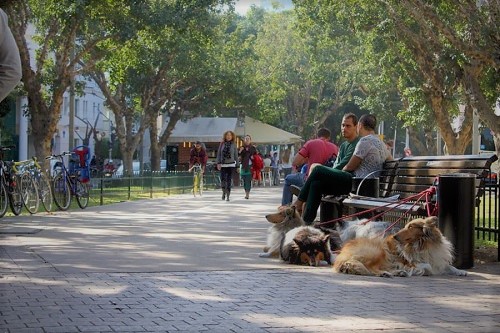
Without a doubt, Rothschild Boulevard is one of the most interesting and beautiful streets in Tel Aviv. It holds history, and iconic architecture, and is home to a trendy cafe culture and top restaurants. Rothschild is one of the most expensive streets in the city and is truly in the heart of the city connecting many of the famous streets where you’ll find top attractions, clubs, and restaurants.Rothschild Boulevard, Tel AvivThe boulevard runs from Herzl Street in the south to HaBima Square in the north and is flanked by the Neve Tzedek neighborhood in the southwest and the financial district on the northeastern side of the boulevard.Rothschild Boulevard has a distinctly French feel with its pretty gardens, and wide central tree-lined pedestrian strip with bike lanes, benches, and public art.During the day the bustling boulevard is frequented by professionals from the adjacent financial district; locals enjoying brunch; people taking their dogs for a walk; pensioners relaxing in the shade of the ficus and poinciana trees, and hipsters or celebs at the sidewalk cafes. At night Rothschild turns into a lively nightlife area with many top pubs, dining venues, and clubs.Plan Your VisitLocation - Rothschild Boulevard, Tel AvivOpen Times - 24/7Prices - FreeAverage Visit Duration - 1 hourSpecial Events - As one of the most important streets in the city, Rothschild is often the site of festivals, happenings, and special events, especially during Israel’s national holidaysTours - The best way to learn about the stories that hide behind Rothschild Blvd.’s buildings is to take a guided Tel Aviv tourHistory of Rothschild BoulevardSderot Rothschild was constructed over 100 years ago in 1909 when a group of Jewish families left the adjacent overcrowded city of Jaffa to establish their own community alongside Neve Tsedek, the first Jewish neighborhood built outside Jaffa’s walls.It was originally named Rehov HaAm (The People’s Street) but soon after its construction it was renamed in honor of the generous benefactor, Rothschild. The city developed rapidly, with the boulevard as its main thoroughfare. Its original two-story homes were replaced by eclectic or neo-Oriental style structures in the 1920s. Then, in the 1930s many of the homes along Rothschild Blvd. were replaced by Bauhaus and International style buildings designed by Jewish architects who had immigrated from Europe.In the years that followed Rothschild Blvd. was home to many national leaders and cultural figures. Some of the buildings were replaced with modern structures but many of the original buildings have been preserved. Rothschild Blvd. is part of the White City of Tel Aviv, a UNESCO site recognizing the high concentration of Bauhaus and International style architecture in the city.Through the 1960s and into the 80s, the boulevard fell into neglect. In 1995, work began on revitalizing the boulevard with the help of architect Moti Bodek. As part of the redesign bike paths were added, and public areas were rehabilitated. The dramatic transformation drew locals and tourists to the revitalized area and culture and leisure activities flourished.Who Was Rothschild Blvd. Named After?Rothschild Boulevard in Tel Aviv is named after the famous Jewish philanthropist, Baron Edmond James de Rothschild of the Rothschild banking family. Rothschild had generously contributed to Israel in the early days of the country's establishment and he gained respect in the Holy Land. In honor of him, it was decided to name one of the four first streets in Tel Aviv after him.Points of Interest on Rothschild Blvd.Rothschild Blvd. ArchitectureRothschild Boulevard is a great place to see some of Tel Aviv's renowned UNESCO-listed Bauhaus architecture. For example, on the corner of Herzl Street and Rothschild Boulevard is a house built in 1909 by one of Tel Aviv's 60 founding families, the Eliavson family. The Russian Embassy building, constructed in 1924 is another of the boulevard's architectural highlights.Historic Snack and Beverage Kiosks on Rothschild Blvd.On the corner of Rothschild and Herzl Street, you can see a restored historic kiosk where you can buy a drink or snack. When the new neighborhood was first established, not all the residents of Rothschild Blvd. agreed on bringing businesses into the area. A compromise was found by allowing this small, circular kiosk.Food kiosk at Boulevard RothschildNachum Gutman MosaicNear the southern end of Rothschild Blvd. at around #7, is a pond with a centerpiece of three slabs bearing mosaics by one of Israel’s greatest artists and authors Nachum Gutman. The mosaics originally stood in Bialik Square outside Tel Aviv’s old City Hall but it was moved to its current position in 2008. The mosaics were completed in 1979 and depict the history of Tel Aviv and Bible stories in brilliant colors and patterns. Gutman depicts the history from Jonah being swallowed by a whale, all the way through to the construction of the modern city. On the back of the slabs are quotes from the Bible.Pro Tip: If you’re interested in art, Rothschild is home to the Alon Segev Gallery, Sommer Contemporary Art Gallery, and the Rothschild 49 Art Gallery.Independence HallIndependence Hall is closed for renovations and will reopen sometime in 2025. Until the renovations of Independence Hall are complete, there is a temporary visitors center in the East Lobby of the Shalom Meir Tower.Perhaps the top historic attraction along the boulevard is Independence Hall, originally the home of Tel Aviv’s first mayor, Meir Dizengoff, who converted the building into an art museum. When it came time to sign the Declaration of Independence in 1948, the museum was the only venue large enough to accommodate the gathering of leaders.Today it is a museum where you can learn about this historic event. In front of Independence Hall are a large fountain and an equestrian statue of Meir Dizengoff, the first mayor of Tel Aviv.You can follow The Independence Trail which connects several landmarks that together tell the story of the establishment of the State of Israel. It includes highlights like the Great Synagogue, the Haganah Museum, the first branch of the Bank of Israel, and of course Independence Hall on Rothschild Boulevard. Pick up a map of the Independence Trail from the information booth opposite #11 Rothschild Blvd.Tel Aviv Founders Monument and FountainRight outside Independence Hall, along the pedestrian area in the middle of the boulevard is a pond and monument installed in 1949 to commemorate 40 years since the neighborhood was first established, and to mark the site where Tel Aviv’s first water tower once stood. On the monument, you can see the city’s original logo which was designed by Nachum Gutman. The logo features a lighthouse as Gutman said that Tel Aviv would be a light unto the nations.A few steps from the pond is a statue of Meir Dizengoff, Tel Aviv’s first mayor who served the city for 25 years and contributed to the establishment of Tel Aviv. The equestrian statue stands opposite Independence Hall, Dizengoff’s former home.Rothschild 22 TowerAs a stark contrast to the pastel-colored historic houses on Rothschild is the 29-story tower building at #22 that is home to offices, banks, and a hotel on the higher floors.Pro Tip: If you can frame the shiny building with the historic houses on Rothschild you’ll have a brilliant Instagram shot!Hagana MuseumHaganah was a pre-state military organization of the Jewish underground. You can visit the Hagana Museum at #23 Rothschild, once the home of Eliyahu Golmb, one of the founders of the Haganah to learn about Israel's defense force history. Early leaders used the house for clandestine meetings. A bonus of visiting this museum is that you get to see inside one of the Bauhaus buildings.Lederberg HouseAt #29 on the corner of Allenby and Rothschild, you can see a large ceramic mural on the side of Lederberg House, built in 1925. The mural was designed by Ze'ev Raban, a member of the Bezalel art movement. The murals depict a Jewish pioneer working in the fields, a shepherd,

Independence Hall, Tel Aviv

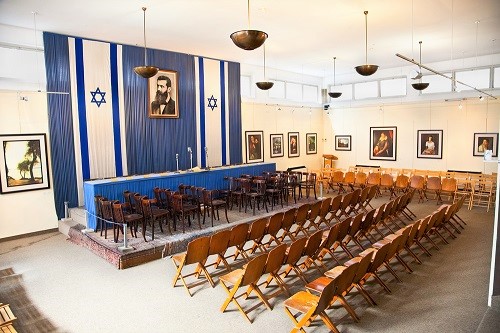
Plan Your VisitLocation: 16 Rothschild Boulevard, Tel Aviv-YafoOpen Times: Sunday to Thursday 09:00-17:00, Friday and holiday eves 09:00-14:00Prices: Adults 24 ILS, students 18 ILS, children 5-18 yrs 16 ILS. These prices may change: The place is under renovation, to be completed in 2025; with the reopening of the museum, it will be somewhere between $10 and $25.Average Visit Duration: 30 min-1 hour.Popular Times: Weekday mornings.Relevant Tours: When the Independence Hall reopens there will be walking tours of the Independence Trail. If you take a privateTel Aviv tour, ask your guide to stop at this important Israeli landmark.Do you want to see where it all began? Where the State of Israel was born? Then visit Independence Hall, a small, unassuming building in the heart of Tel Aviv. Imagine, a gathering of some of the most iconic names in Jewish history, including David Ben Gurion, Golda Meir, and Moshe Sharett.The main hall at the museum, where Israel's independence was declared in 1948Here they stood on 14 May 1948 and signed the Declaration of Independence. On a visit to Independence Hall you can learn all about the history of the building and about that important day. There are authentic artifacts, historic photographs, and several fascinating displays.Note:The Independence Hall is undergoing extensive renovations and will reopen sometime before the end of 2025. When the museum reopens it will be nothing like the former museum - stay tuned!History of Independence Hall, Tel AvivDizengoff HouseIn 1909 a group of Jewish families gathered near where Independence Hall stands today. They held a lottery for plots of land in Ahuzat Bayit, the new Jewish neighborhood established outside the walls of adjacent Jaffa. Meir Dizengoff acquired plot number 43 and built his family home. Dizengoff went on to become Tel Aviv’s first mayor. The family lived here through the 1920s first as a single-story home and later they added a second floor.A Tel Aviv city council meeting, 1910In the 1930s, after the death of Dizengoff’s wife, he donated the building to the city to establish an art museum. From 1932, the Tel-Aviv Museum of Art occupied the building while Dizengoff continued to live in an apartment on the roof. Rooms were added and renovations were made to accommodate the museum. The building was given a new façade and a wide staircase at the entrance.Dizengoff was a significant figure in establishing the city of Tel Aviv, and he served as the city’s mayor for 25 years. He had a vision for the young city that he led to prosperity.Pro Tip: In the past Independence Hall was called Dizengoff House. Just outside the building, you can see a statue of Dizengoff riding a horse.May 14, 1948At 16:00 on 14 May 1948 just 8 hours before midnight when the British Mandate in Palestine expired, a group of Jewish leaders gathered in the Tel Aviv Museum of Art, as there was not yet a government building. The event was not widely publicized as they didn’t want to risk the British attempting to prevent Israel’s establishment.Ben Gurion opened the ceremony by banging his gravel on the table and the 250 people present spontaneously began singing the country’s new anthem. Then in the shadow of a picture of Theodor Herzl, flanked by two Israeli flags, Ben Gurion read out the Scroll of Independence. It took 16 minutes. Israel Declare Independence, 1948Then one after the other, the members of the National Council signed the declaration. The ceremony ended with a rendition of Israel’s new national anthem, Hatikvah, played by the Israel Philharmonic Orchestra. The event was broadcast live on the new radio station, Kol Yisrael as its first transmission.Pro Tip: There is an Independence Trail that you can follow that leads you past the most important buildings in the city’s history including the Gutman House, Great Synagogue, Haganah Museum, and Independence Hall (among other places). Pick up a map of the trail from the information center located opposite 11 Rothschild Blvd.Establishment of Independence HallThe Museum of Art eventually moved to new premises and in 1973, the building became Beit Hatanach, a Bible Museum exhibiting art and historic artifacts related to the Bible and Eretz Israel.In 1978, on the 30th anniversary of the State of Israel, a decision was made to restore the building to be as it was when the Declaration of Independence was signed and to recreate that historic scene. The Independence Hall building (Image source: Talmoryair CC BY 3.0)Original and reconstructed items were gathered, and Declaration Hall was recreated on the first floor to look as it did at the historic ceremony. The rest of the building became the Heichal Haatzmaut Museum (Independence Hall Museum), dedicated to all things related to the country’s independence.What to Expect from Israel’s Independence HallAs you look at the exhibits you will hear a rare recording from the day of the declaration ceremony. Listen to Ben Gurion’s speech, and the Philharmonic Orchestra playing Israel’s national anthem.Historic photographs of the building during different stages of its existence.Historic photographs from the day of the declaration ceremony.The original Declaration Scroll is the document signed at the declaration ceremony by the dignitaries.The recreated hall where the declaration ceremony was held, with desks and chairs that were used on that day with names indicating who sat where.A short movie about the history of the house.Documents related to the declaration ceremony.Exhibits on the history of Tel Aviv-Yafo.Pro Tip: Until the renovations of Independence Hall are complete, there is a temporary visitors center in the East Lobby of the Shalom Meir Tower. The entrance is from 4 Ahuzat Beit Street, and the exhibition is on the ground floor. Here you can see three exhibitions focused on Tel Aviv, independence, and Dizengoff. Entrance is free and the tower is open Sunday to Thursday 07:00-19:00 and Friday and holiday eves 07:00-14:00, Saturday and holidays, closed.

Yitzchak Rabin Square

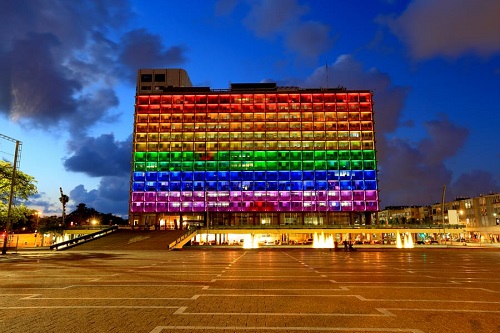
Yitzchak Rabin Square is a large public square in Tel Aviv often used for large events, protests, celebrations, and parades. The square is flanked by Ibn Gabirol Street; Malkhey Yisrael Street; Hen Boulevard and the City Hall building stands at the north end. In 1995 the name of the square was changed from Kikar Malkhay Yisrael (Kings of Israel Square) to Rabin Square following the assassination of Prime Minister Yitzhak Rabin that took place here.The Assassination of Yitzchak RabinOn November 4th, 1995 a peace rally in support of the Oslo Accords took place in the square. At the end of the rally, Prime Minister Rabin took the stage. As he went down from the stage towards his waiting car Rabin was shot by Yigal Amir, a young ultranationalist radical. In the following days, crowds gathered in the square mourning Rabin. There were many candles lit and people wrote about the loss and their emotions on the lower walls of the City Hall building.What to See at Rabin SquareToday visitors can see where Rabin was assassinated and a part of the graffiti wall has been preserved. There is a memorial at the northern corner of the City Hall where the shooting took place. The memorial is made of broken rocks in the ground representing the “earthquake” created in the Israeli conscience and politics by the assassination. At the southern end of the square is a memorial sculpture commemorating the Holocaust by Yigal Tumarkin. The sculpture takes the form of a large upturned metal triangle with bars filling in the sides. Seen from above it forms the shape of the Star of David. In 2010 an ecological pool surrounded by deck and a recreational area was created near the Holocaust sculpture. The pool has koi, water vegetation and lotus flowers, a fountain, and signs explaining the ecological relationship between the water, fish, and plants.To visitYitzchak Rabin Square, join our Tel Aviv and old Jaffa Private tour.

Zichron Yaakov

Zichron Yaakov is a quaint rural town surrounded by idyllic countryside 35km south of Haifa. The town has a fascinating history and is synonymous with Israel’s wine industry.History of Zichron YaakovIn 1882 the land where Zichron Yaakov stands today was bought by Romanian Jews but within a year almost all the settlers had died of malaria or left. In 1883 Baron Edmond James de Rothschild assisted the remaining settlers and named the town Zichron Ya’akov (Jacob’s Memorial) in honor of his father. Rothschild had the main street designed to resemble a French village with houses that backed onto inner courtyards. In 1885 Rothschild helped establish Israel’s first winery - the Carmel-Mizrahi Winery. During the First World War Zichron Yaakov resident, Aaron Aaronsohn and his family started a spy network called NILI to supply the British with information about the Turkish rulers. In 1917 Aaron’s sister Sarah was captured and tortured by the Turks before committing suicide rather than reveal information. Following WWI the town flourished with more wineries opening in the area and new industries developing.Highlights of Zichron Ya’akovAny trip to Zichron Ya’akov starts on Rothschild’s French-style pedestrian-only street (Hamayasdim Street). The picturesque street is lined with trees and historic houses that have been turned into restaurants, boutiques, galleries, and cafes. Zichron Yaakov is a foodie destination with restaurants offering original creations and artisan food products.Nili’s intriguing story of espionage is retold in the Aaronsohn House Museum. Here you can learn about the NILI spy ring and the tragic events that took place in this house. The original 1886 Ohel Ya’akov Synagogues still stands. It has marble interior walls; blue and white detail and stained glass windows. The First Aliyah Museum is housed in Rothschild’s former office building and offers exhibits on the original settlement of Zichron Ya’akov and Rothschild’s involvement in the town. On the outskirts of Zichron Ya’akov is the Rothschild family tomb in a beautiful botanical garden.As a key location in Israel’s most famous wine route visitors can tour a number of local wineries including Tishbi Winery, Smadar Winery, Somek Winery, and Carmel Winery housed in the original building.To visit Zichron Yaakov, bookCaesarea, Zichron and Haifa Private Tour.

Beit NILI

Beit NILI is a museum house in the small rural town of Zichron Ya’akov. The house is associated with “NILI” an underground Jewish espionage network that existed during World War I from 1915 to 1917. During that time NILI helped the British in their fight against the Ottoman Turks who ruled Palestine and in the British attempt to gain control of Palestine. The group chose to side with the British (unlike the majority of Jews at the time). The word “NILI” is an acronym for the Hebrew phrase from the Bible meaning “The Eternal God of Israel will Not Lie.”NILINILI was established by Aaron Aaronsohn, his sisters Sarah and Rivka, brother Alexander and dozens of others. The members of NILI would gather information about Ottoman activities and pass them on to the British via homing pigeons or at Atlit where the British warship Managam would dock. Several events in 1917 led to the Turkish discovery of NILI and they proceeded in threatening the Jewish settlers to give information leading to the apprehension of NILI members. Sarah Aaronsohn was captured and tortured before she committed suicide; two other members were executed in Damascus and others were arrested and imprisoned.NILI MuseumThe museum is in the former home of the Aaronsohn family who headed NILI. In the house, you can see historic photos of members of NILI, documents and exhibits related to the era in which NILI operated. Watch a short film describing the codes and ways the members of NILI would pass secret messages between them. Visitors are given a guided tour of the house which is still furnished in the original furniture and household items used by the Aaronsohn family. See the courtyard, library, kitchen, the cache of hidden weapons and secret escape route. A visit to the NILI Museum adds another perspective to Israel’ history and offers the chance to learn about a story of heroism not known by most.To visit Bein NILI, book Caesarea, Zichron and Haifa Private Tour.

Nahum Gutman Museum of Art

Plan Your VisitOpen Times:Sunday closed. Monday-Thursday 10:00-16:00, Friday and holiday eves 10:00-14:00, Saturday 10:00-15:00.Prices:Children under 18 free, Adults, 30 ILS, Israeli pensioners and students 15 ILS, Tel Aviv-Jaffa residents 21 ILS. Pro Tip: Pensioners from abroad pay 25 ILS.Average Visit Duration:1 Hour.Popular Times:Mid-day. The nearest parking lots are at 12 Yehuda Halevi Street and on the corner of Pines Street.Special Events:The museum offers special activities for families and children including art workshops, creative activities, story hour, and museum tours adapted for younger visitors.Relevant Tours:The museum offers guided tours of the exhibits and of Neve Tzedek. To get the most out of a visit to the museum, join a private Tel Aviv tour and include a stop at the Nahum Gutman Museum of Art.The Nahum Gutman Museum of Art is housed in Neve Tzedek, the first neighborhood of Tel Aviv.Neve Tzedek is a beautiful neighborhood well worth exploring. The museum is named after one of Israel’s greatest artists, Nahum Gutman, and the permanent collection includes Gutman’s paintings, sculptures, and drawings. The Gutman Museum in Tel Aviv (Image source: Talmoryair)In addition, there are thematic exhibitions of Gutman’s work together with works by contemporary Israeli artists. Part of the museum is dedicated to prints, postcards, lithography, and posters created by Nahum Gutman. There are also displays of the many books transcribed and illustrated by the artist.Who Was Nahum Gutman?Nahum Gutman was born in 1898 in the village of Talansht, in Bessarabia (modern-day Moldova) which was under Russian control at the time. He immigrated to Israel with his family in 1905. Growing up he attended the famous Herzliya Gymnasium in Tel Aviv and at age 15, he went on to study at Israel’s most famous art school, Bezalel. Studies were put on hold during World War I. Gutman traveled to Europe to continue his studies and there he met many great artists who influenced his work. He developed his unique style through his willingness to try new things.As an artist he drew on his own experiences as an immigrant, building a new life in a foreign country, and his travels. Gutman was inspired by artists such as Henri Rousseau, Raoul Dufy, Renoir, and Picasso.Gutman's workstation, one of the museum's exhibits (Image source: Tamarah CC BY-SA 2.5)Nahum Gutman’s paintings often depict scenes from Arab villages, and rural scenes such as orange groves, and shepherds as well as more gritty urban scenes. For example, he did a series of paintings depicting Jaffa’s brothels. Every artist evolves over their lifetime and their styles can change. With Gutman, his work became lighter, and more free-spirited than his earlier paintings.Gutman was also a prolific children’s book writer and was awarded the 1978 Israeli Prize for Children’s Literature. Nahum Gutman lived through the Ottoman, and British rule of Palestine, he saw Israel gain independence in 1948, and he went on to see the country flourish and prosper before he passed away in 1980.Pro Tip: Visit Bialik Square in Tel Aviv to see beautiful mosaics by Gutman that tell the story of the city, its people, and its history.History of the Nahum Gutman Museum of ArtThe museum building was constructed at 21 Shimon Rokach Street as the residence of the Shulman family in 1887. It was one of 48 new homes built in the first neighborhood of Tel Aviv, Neve Tzedek.Neve Tzedek is also home to arguably the best ice cream shop in the city, Anita’s just a 4-minute walk from the museum. Twenty years later the building became the headquarters of Hapoel Hatzair newspaper, and the editors, Yosef Aharonovich, Dvora Baron, and Yosef Haim Brenner lived in the building. One of Gutman's famous works in the Museum (Image source: Lishay Shechter)The building became a hub of literary activity and a meeting place for intellectuals, artists, and writers, earning it the name Writers’ House (or Writers Home). It remained the home of the newspaper from 1907 to 1914. The building was abandoned in the 1960s, and in 1992 it was among several historic structures in the White City to be renovated and restored. Then in 1998, the Nahum Gutman Museum of Art was opened thanks to the donation of Gutman’s work by his family.Highlights of the Gutman MuseumOne of the museum rooms has been recreated to look like Gutman’s studio and authentic artifacts from his studio are on display.The Nahum Gutman Museum has an events hall and gift store.This museum brings together artwork from various contemporary eras including Gutman’s work.The museum’s permanent collection includes about 200 of Gutman’s creations.
By Petal Meshraki
0 views

10 Best Art Museums in Tel Aviv: Jewish colors, International Fame

Tel Aviv’s an exciting, dynamic young city, and as well as its pulsating nightlife, sandy white beaches, and foodie culture, it’s also home to several excellent art museums and galleries, where old meets new and classic meets contemporary. Moreover, the city that never sleeps is also home to a thriving street art scene - so if you’re the kind of person who likes seeing art in every place you walk, consider taking a Tel Aviv Graffiti tour, where new creations appear on the walls of the Florentin, Jaffa,and Nahalat Binyamin neighborhoods almost every day.Whether you’re interested in classic or modern artworks, jewelry design, sculptures, and ceramics, or local street graffiti, get yourself down to some of these spots, to find out what the art scene in the White City is all about!1. Tel Aviv Museum of ArtWhen it comes to Tel Aviv galleries, your first stop has to be the Tel Aviv Museum of Art, which is the country’s largest art museum and home to a rather impressive collection of both temporary and permanent exhibits. Here you can see masterpieces by Chagall, Monet, Rodin, and Klimt (to name but a few).Inside the Tel Avi Museum of ArtThe museum also has plenty of temporary exhibits, areas relating to drawings and prints, as well as an entire section related to Israeli art from the early pre-state days. Outside, there’s a pretty sculpture garden, and the museum offers many activities for children. This museum is also a stone’s throw from the Sarona complex and its gourmet food market, which is a great place to wander around and stop for a bite to eat afterward.2. The Helena Rubinstein/Eyal Ofer PavillionAn annex of the Tel Aviv Museum of Art, this modest-looking pavilion was established in 1959 and named after Helena Rubenstein (founder of the eponymous cosmetics empire). Later on, when the city realized they needed more space, the Tel Aviv Museum of Art was set up and this pavilion was used for housing a library and space for temporary exhibitions which attracted artists both from Israel and across the globe. One of the artworks presented in the museum, byBen Hagari (Image source: The official Eyal Ofer Museum website)In the spring of 2023, after a substantial endowment was made by the Ofer family, ‘upgrading’ the space to museum requirements, the name was changed to the Eyal Ofer Museum of Contemporary Art. Kicking off a new reign with an outstanding exhibition devoted to Giacometti and his exquisite sculptures, it’s a bright and airy space that is likely to gain itself quite a reputation in years to come.3. Ramat Gan Museum of Israeli ArtJust outside of Tel Aviv lies the Ramat Gan Museum of Israeli Art which, as the name implies, is a home to Israeli art in all of its forms - paintings, sculpture, media, etc. Recently it has made a name for itself by unveiling over 200 works in the “B’aretz Ahavati” (In the Land of My Love) exhibition, which opened in September 2023.The Ramat Gan Art Museum (Image source: Talmoryair CC BY 3.0)Expect to see works by Menashe Kadishman, Moshe Huperfman, and Micha Ulman, as well as pieces by younger artists. It’s a small museum but well worth exploring if you’re in the neighborhood.4. Nahum Gutman Museum of ArtThis small but interesting museum can be found in the charming Neve Tzedek neighborhood and is dedicated to the artist Nachum Guttman who lived here. Born in Moldova (in what was then the Russian Empire), his family moved to Ottoman Palestine in 1905, Gutman pioneered a distinctly ‘Israeli’ style, moving away from European influences and working in several mediums, including pen and ink, watercolor, oils, and mosaics.Image source: Ran Erde, screenshot from the official Guttman Museum websiteThe Nachum Gutman Museum documents his memories of Tel Aviv and Jaffa, providing a fascinating glimpse into the lives of both Jews and Arabs living in the area at that time. As well as this, there are temporary exhibitions relating to photography, sculpture, ceramics, and watercolors, making this a lovely little place to pop into if you’re in the neighborhood.5. Rubin MuseumBorn in Romania, to a poor religious Jewish family, Reuben Ruben moved to Paris to study before emigrating to British Mandate Palestine in the early 1920s. He subsequently became a famous painter, drawing on Biblical themes and landscapes of the Holy Land in what today is known as the ‘Eretz Israel’ (‘Land of Israel’) style.One of Rubin's wonderful creations (Image source; The official Rubin Museum website)Today, you can visit the home where he both lived and painted - the Rubin museum is on the charming Bialik Street, just round the corner from the Carmel Market. Inside, there are many of his paintings, including landscapes of Galilee, Tel Aviv from early times, and ‘Jerusalem views’ as well as exhibits from Israeli artists. Since the studio has been preserved, you get a sense of who he was. And if you’re going with kids, don’t miss the children’s workshop that operates in the basement.6. Adina Plastelina StudioFor anyone curious about jewelry-making techniques, a visit to the Adina Plastelina studio in the Artist’s Quarter in Jaffa is a must. Founded in 2003 by designers Sam and Adi Leder, they found fame using the ancient technique of ‘Millefiori’ (in Italian, this means ‘one thousand flowers’). First used in the 14th century, using colorful glass rods fused together, the glass is pulled to make a thin cane, then cooled and cut into slices, and each piece looks like a flower!Video source: The official Adina Plastelina websiteUsing precious metals and polymer clay, these slices are set into molds, reheated, and fused to create unique jewelry. Adina Plastelina is situated in an old Ottoman building, which gives you an idea of the history of the area, and there’s a small ‘museum’ there too, with antiquities dug up during renovations. Afterward, take a walk by the harbor or stroll across to the Jaffa Flea Market (Shuk ha Pishpeshim’) to search for retro and vintage bargains from local merchants. If you want to explore the area and learn just how marvelous it is, you can always opt for a guided walking tour in Jaffa.7. Ilana Goor MuseumAlso situated in Old Jaffa, the Ilana Goor museum was established in 1995 by the artist herself and is home to a diverse collection of works, including drawings, paintings, sculptures, video art, antiques, and design objects. A mixture of pieces designed by Ms Goor herself and objects she collected on the world travels in the last five decades, what makes the museum even more special is that it’s her home and it’s quite possible you’ll bump into her whilst there.The Ilana Goor Museum (Image source: The official Ilana Goor Museum website)The stone building itself dates back to 1742 and was used as an inn by pilgrims journeying to Jerusalem. By the mid 19th century, it housed a factory that made olive oil and after 1948, part of the structure was home to a synagogue used by Libyan Jews. In 1983, Ilana Goor bought the building, hoping to use it to house her art collection and it seems that dream was realized!8. Center for Contemporary ArtIf edgy art is your thing, don’t miss the Centre for Contemporary Art, which, is aleading Israeli institution for the commissioning and presentation of experimental modern art in Tel Aviv. Designed to inspire, reflect, and provoke visitors, it offers a program of exhibits in Hebrew, Arabic, and English and has made a name for itself as a dynamic hub for creative types.Do you like Modern Art? TheCenter for Contemporary Art will be right up your alley!Exhibits are changing constantly and are often inspired by a theme or concept put forward by the gallery. It’s all very ‘subculturish’ and an intriguing part of the Tel Aviv art gallery landscape. Even better, the CCA also offers weekly workshops for children aged 6 and up so it’s a great place to teach young kids about modern art.9. Sommer Contemporary Art Gallery/Hanina GalleryThe Sommer Contemporary Art Gallery, founded in 1999, recently moved from the historic Rothschild Boulevard to an emerging ‘artists' neighborhood’ in south Tel Aviv named Kiryat HaMelacha, and if you’re curious about cooperative art spaces where old and new Tel Aviv artists come together, this is a place to head.Housed in a building that was once a Judaica factory, Sommer’s exhibitions feature a mix of prominent local artists, up-and-coming talent, and international artists who have a great reputation.An exhibition by Gregor Hildebrandt in the Sommer Contemporary Art Gallery (Picture by Avi Amsalem, taken from the officialSommer Contemporary Art Gallerywebsite)Nearby is the Hanina Gallery, a collaborative space run by 16 individuals that is not-for-profit and promotes diversity and dialogue in its exhibitions.The entire area boasts a diverse scene - it’s full of studios and artisans and today more than 32 galleries are operating in the area.10. Design Museum HolonJust a twenty-minute journey from Tel Aviv, the Design Museum in Holon is a spot no modern architecture lover should miss. Dreamed up by Ron Arad (who was inspired by Frank Lloyd Wright’s Guggenheim classic), the building is created out of Corten steel - six huge bands of metal, almost like ribbons, in dramatic reds and oranges.The Holon Design Museum (Image source: The official Holon Design Museum website)The permanent collection houses many artifacts, including textiles, lights, furniture, and limited-edition objects. Enjoy four distinct areas - older Israeli designs (from the 1930s until 2000), contemporary design (from 2000 to the present), works by up-and-coming students of design within Israel, and an international contemporary design section.The museum itself is small, but is a good place to spend an hour or so, enjoying the constantly changing exhibits and workshops. The fact that it encourages young designers and students to use the building as a creative resource is even better - and what better place to think outside the box in a space this unusual?If you’re planning on traveling outside of Tel Aviv to other popular Israeli spots, we recommend considering professional guidance: Dead Sea tours, Masada tours and guided trips in Jerusalem will enrich your experience considerably.For more about our travel company, feel free to contact us by email or phone, and to read about life in Israel, take a look at our blog.
By Sarah Mann
0 views

Jabotinsky Institute, Tel Aviv

Plan Your VisitOpen Times:Sunday -Thursday 08:30- 16:00, closed Friday, and Saturday.Prices:Adults 20 IL, children (5yrs-18yrs) 15 ILS. Pro Tip: The entrance fee to the Jabotinsky Museum gives you free entry to the Etzel Museum.Average Visit Duration:1 hour.Popular Times:The institute is often visited by groups of schoolchildren so it is best to arrive in the afternoon when there are less likely to be large groups of students.Special Events: There are regular workshops, lectures, seminars, and special events, especially during Israeli school holidays.Relevant Tours:On a private tour of Tel Aviv, you can include a stop at the Jabotinsky Institute.The Jabotinsky Institute was established over 70 years ago to preserve the legacy of Ze’ev Jabotinsky. The part of the institute that interests tourists is the institute’s museum which focuses on the life and works of Jabotinsky and the Revisionist Movement. This museum is a hidden gem that will give you an excellent overview of the early days of the country, and the heroic Zionist organizations that worked tirelessly to lay the foundation for the State of Israel.The life and work of Ze'ev Jabotinsky (Image source: The official Jabotinsky Institute website)The Jabotinsky Institute is located on the 1st floor of Metzudat Zeév or Jabotinsky House. Metzudat Zeév is one of the oldest tower blocks in the city and was built on the site of the original shack where members of the Revisionist Zionism Movement would meet.Pro Tip: In the same building are the Irgun Museum, and the Partisan and Fighters Museum as well as several offices of organizations and businesses.Who Was Zeév Jabotinsky?Vladimir Jabotinsky (1880-1940) was a prominent Jewish political figure, Zionist leader, and writer. Born in Odessa, then part of the Russian Empire, Jabotinsky became involved in Jewish activism early in his life. He initially aligned with the socialist Zionist movement, but later broke away to form the Revisionist Zionist Movement.Jabotinsky advocated for a more assertive and militant approach to achieving Zionist goals. He emphasized the importance of Jewish self-defense and called for the establishment of a Jewish state on both banks of the Jordan River. His political ideas and strategies often clashed with mainstream Zionist leadership.Jabotinsky with his wife and son (Image source: The official Jabotinsky Institute website)Throughout his life, Jabotinsky was involved in various political and military activities. He organized self-defense units during periods of anti-Jewish violence in Eastern Europe and played a key role in the creation of the Jewish Legion during World War I. However, his vision of a Jewish state did not materialize during his lifetime.Vladimir Jabotinsky's legacy lives on through the Revisionist Zionist Movement and the political ideologies he promoted. His writings, including essays, articles, and speeches, continue to influence discussions on Jewish identity, Zionism, and the geopolitics of the Middle East.What Was Jabotinsky’s Revisionist Movement?The Revisionist Zionist Movement was officially established in 1925 by Vladimir Jabotinsky. It was a fraction of the Zionist Movement that believed in a more aggressive approach to attaining a Jewish State. They held demonstrations, appealed to international powers, and used force to protect themselves from attacks.The Revisionists challenged mainstream Zionist notions, advocating for territorial ambitions in Eretz Israel. Despite tensions between the various Zionist factions, the Revisionist Movement’s impact endured, shaping the trajectory of the State of Israel and influencing ongoing discussions about Jewish identity and the geopolitics of the Middle East.The Revisionist movement lasted until the 1940s, and following Jabotinsky's death in 1940, his followers continued to be influential in Israeli politics and contribute to the establishment and evolution of the modern State of Israel. The legacy of the Revisionist Movement persists, and its ideological descendants have been active in Israeli politics, leaving a lasting imprint on the country's political landscape.What To Expect From the Jabotinsky MuseumThe Life and Times of Ze’ev JabotinskyJabotinsky’s life, beliefs, and political ideology are presented in a dynamic and inspiring way. Visitors are taken through the various stages of Jabotinsky’s life from his childhood in Odessa to his death in New York, and his state funeral in Israel 24 years later. There is an emphasis on the establishment of the Revisionist Movement, the New Zionist Organization, and the Betar Youth Movement. There are 14 three-dimensional displays presented with audio and visual effects. A 15-minute film is presented on six screens and features an imaginary conversation between Jabotinsky and his son.The National Sport - Af-Al-Pi ImmigrationThis section of the museum consists of a film and exhibit telling the story of the Revisionist Movement’s illegal immigration. Starting from 1934, 30 ships of Jewish immigrants entered British-ruled Palestine illegally. In total approximately 20,000 immigrants arrived safely in Eretz Israel thanks to the movement which saved them from the fate of awaiting European Jews. The HQ of the Revisionist movement in the 1930's (Image source: The official Jabotinsky Institute website)Jabotinsky was instrumental in orchestrating the operation and he playfully referred to it as the National Sport. The interactive experience takes museum visitors into the exhibit in a “boat” so that they get a taste of what it might have been like for those early immigrants.The visual and sound effects surround the visitors giving them an immersive experience that includes the occasional splash of seawater onto the boat.Pro Tip: This experience is presented in English, Hebrew, French, and Russian.Highlights of the Jabotinsky Museum, Tel AvivThe ArchiveThe archive of the documents, publications, news clippings, and photographs of the Revisionist Movement. The archive holds over a million items relating to the institutions and movements that existed at the time of Israel’s establishment. For example, there are documents about the Herut Party, Lehi, Etzel, Likud, and the Betar Movement. There are assistants on hand to help you find anything specific you are looking for and there are reading rooms, computers, and a microfilm reader. Note that the archive material is predominantly in Hebrew.Pro Tip: The institute hosts study days and seminars.Historical ExhibitsThe museum features exhibits chronicling Jabotinsky's life, from his early years in Russia to his involvement in Zionist activities and the establishment of the Revisionist Zionist movement.Personal ArtifactsVisitors can see personal artifacts belonging to Jabotinsky, providing insights into his life, including letters, manuscripts, and personal belongings.The Jabotinsky LegacyThe museum explores Jabotinsky's ideological contributions, emphasizing his vision for a Jewish state and the principles of the Revisionist Zionist movement.
By Petal Mashraki
0 views

Tel Aviv on a Rainy Day: Fantastic Indoor Attractions

When you say ‘Tel Aviv’ what often comes to mind is a sun-drenched city in the Mediterranean, full of sandy white beaches on which visitors are sunbathing and swimming from dawn to dusk. And that’s not untrue - after all, the city’s promenade and coastline are a fantastic attraction for anyone visiting Israel.But what many people don't know is that Tel Aviv is far more than beaches! it’s also home to some fantastic galleries, museums, and markets, in which you can spend many a rainy day. Because this city does have a ‘colder season’ and whilst it’s short and relatively mild, there are still instances where you’ll want to be inside!When is winter in Tel Aviv?Tel Aviv’s winter technically falls between December and February and whilst the weather is still pretty mild, it will still rain periodically. And when it does rain, you will certainly know about it although it’s quite possible that after a couple of hours of a downfall, the sun will come out again.The sea might get stormy. Tel Aviv during the peak of winterHowever, unlike the ‘real’ cold winter in Israel (think the hills of Jerusalem, mountains inthe Golan Heights,or the empty Negev desert), temperatures are rarely that cold, and even when it’s raining, you’ll probably need nothing more than a light coat and an umbrella!What to do in Tel Aviv during Winter?So if you are visiting Israel in the winter, and find yourself sitting in Tel Aviv watching the raindrops fall outside, whilst you’re eating breakfast, what should you do? Don’t worry - there’s more than enough to keep you occupied and are a few ideas that never fail:Awesome Culture: Tel Aviv MuseumsRainy days are just meant for museums and Tel Aviv obliges no end on this front. Top of your list is the Tel Aviv Museum of Art which has a wonderful collection of both classical and contemporary art - from international artists like Van Gogh and Chagall to Israeli artists such as Kadishman and Gutman. Even the building itself is an artwork. The Tel Aviv Art MuseumFrom there, head towards the Carmel Market to Bialik Street, where you’ll find the Rubin Museum. This accomplished painter, who drew in what came to be known as the ‘Eretz Israel’ style (biblical themes and Holy Land landscapes) and Rubin’s studio from the mid-20th century is still preserved, with plenty of his paintings on display.The local art is original and eye-catchingFrom Bialik Street, it’s a hop, skip, and jump to Ben Gurion’s House, a tiny building packed full of history. David Ben Gurion was the first Prime Minister after the establishment of the State of Israel and this is the house in which he lived and worked. A brilliant intellectual and scholar, not only can you see how he lived but there’s a massive book collection there because when he wasn’t running the country, Ben Gurion was a huge reader.Move onto Ramat Aviv (just fifteen minutes by bus or cab from the city center) where you’ll find a lot more to explore. Start at ANU - the Museum of the Jewish People - which is essential to visit if you want to understand more about the history, theology, and culture of the Jews from around the world and through thousands of years - you can easily spend several hours here since there are so many exhibits.How did the Jewish people come to be? the story might surprise you!Then onto the Palmach Museum, which - using an interactive theme - tells the story of the underground defense organization that fought the British in the lead-up to the War of Independence. Visual and audio tools bring to life the stories of real people as you wander from room to room and this particular set-up means that it’s an excellent place to bring kids and give them a fun history lesson. And if you’ve still got the energy, nearby there’s the Rabin Center, set up to commemorate the legendary Yitzhak Rabin, Israel's prime Minister, who was assassinated in November 1995, by a Jewish extremist. An old Radio device used by the Palmach during the Israeli Independence war (Image source:Oshra Dayan CC BY 2.5)Walk through the exhibit and learn not just about Rabin himself but wider society at the time (both before and after independence) concurrently - on one side, it’s his life, on the other it’s major moments in the history of Mandate Palestine and Israel.Visit Some Great Tel Aviv GalleriesTel Aviv’s art scene is inspiring, no doubt about it - the city is full of studios, galleries, installations, and street art and from fringe to mainstream and contemporary to old-style, there’s plenty to explore when the weather is poor.Come and see the latest creations!Begin in Neve Tzedek on lovely Shabazi Street, where you can pop into the Forte Gallery. They have a beautiful collection of artwork and sculptures in all styles and prices and the staff are extremely friendly and knowledgeable. They try to showcase local artists and their exhibitions rarely disappoint.Five minutes walk from Forte is the Chelouche Gallery, a sophisticated space that showcases exhibitions from artists both in Israel and around the world. Paintings, sculptures, and audio/visual creations are quite inspiring and the gallery shares its space with a bookstore and a cute cafe on the first floor.Known as the ‘White City’ because of its enormous number of Bauhaus buildings, no modern architecture fan should miss a visit to the Bauhaus Center. Located on trendy Dizengoff Street in downtown Tel Aviv, it has a permanent exhibition of buildings in this ‘international style’ upstairs and a book and gift store downstairs, where you can pick up posters, jewelry, and design objects.Bauhaus Archcitecture in Tel AvivThe Gordon Gallery, established in 1966, is one of the oldest galleries on the scene and even though it’s now moved from Gordon Street to the Sapir Centre, in industrial south Tel Aviv it still has a reputation for innovative and exciting exhibitions which represent a wide range of Israeli artists.In the Artist’s Quarter of Jaffa, don’t miss the Adina Plastelina studio, whose owners use an ancient jewelry technique named ‘Millefiori’ (‘one thousand flowers’ in Italian) where colorful glass rods are fused then cooled, and made into flower shapes. Housed in an old Ottoman building, it also boasts a small ‘museum’, in which you’ll see antiquities that were dug up during renovations.The lovely Artist’s Quarter of JaffaJust around the corner is Frank Meisler, a world-renowned gallery, full of high-end metal sculptures that are really unique. They also sell candlesticks, mezuzahs, and lots of Judaica, which is perfect if you’re looking for souvenirs from Israel. It’s also in a beautiful location, atop a hill, with fabulous views of the Mediterranean Sea below.Enjoy Eating and Drinking in Tel AvivThere’s nothing like a rainy day for finding a good cafe, bar, or restaurant and tucking into a slice of cake, a huge bowl of salad, a tempting pizza, or a full-blown meal. And - foodie alert - foodie alert - the culinary scene in this city has really taken off in the last few years and whether you’re into street food, local cuisine, gourmet food markets, or looking to visit one of Tel Aviv’s top 10 restaurants, you’re unlikely to leave dissatisfied.The local restaurants have some of the most creative cuisine you'll ever tasteThe Sarona Food Market is a must-visit for anyone who loves food - it’s home to endless small stores inside, selling high-quality oils, wines, cheeses, and meats. Inside the market, there are plenty of stalls where you can pick up food to go to - from falafel to ramen and empanadas to hamburgers, the choice and quality are great.Sarona, historically, was home to German Templars who arrived in Israel in the 19th century and the houses all around the market have been beautifully renovated, many with bars and restaurants you can sit in. If you'd like to get a better feel of the city's awesome food culture, you could take aCarmel Market food tour with included tastings; Don't worry, the market has roofs covering every passageway and food stand.Check Out The Tel Aviv CafesTel Aviv has a reputation for its cafe scene - often small, cozy and independently owned, which means they all have their unique style. Try Cafe Xoho for a health-conscious fare - juices, salads, and all kinds of veggie plates. Round the corner on King George is the Little Prince, a local institution, with used books (both in Hebrew and English) and comfy chairs for relaxing in.The city's cafes always have such a great atmosphere!Close to the Carmel Market, in the Yemenite Quarter, don't miss Cafe Yom Tov, which has great coffee, not to mention granola with acai and fabulous shakshuka, and in hipster Florentin, there’s Tony & Esther, which serves not just beverages and light snacks but full meals (the smashed meatballs and potato come highly recommended!).And if you’re in Old Jaffa on a rainy day, there are two cafes you really shouldn’t miss. Cafe Pua has been around forever and with the kind of decor that belongs in your granny’s house, and their charming mismatched crockery, jugs of lemonade, and a menu that has a bit of everything, no wonder it’s so loved. Nor should you walk past Vista Coffee, which not only serves great caffeinated beverages but also hand-crafted cocktails, if the rain is falling hard!When visiting a Cafe in Tel Aviv, one should always check out the deserts!Finally, whether you’re visiting Israel for the first time, or a return visitor because you love the country so much, consider taking one of day trips around Israel for a busy but worthwhile day out. We also offer Tel Aviv guided tours, where you can explore street food markets, learn about local graffiti artists, and stare at elegant Bauhaus buildings in the historic part of the city. Don’t hesitate to contact us by email or phone - we’re here to help you get the most out of your stay!
By Sarah Mann
0 views

Three Days in Tel Aviv: The Perfect Itinerary

So you’re visiting Israel and want to spend some time in the city that never sleeps? Well, the good news is that you’re going to enjoy every moment. Jerusalem might be Israel’s ancient capital, packed full of history, but Tel Aviv is where you go to experience a modern, vibrant, bustling city where there’s plenty to do, by day and by night!We’re often asked, when people are planning their Tel Aviv itinerary, how much time you need to see the City that Never Sleeps and our general view is at least two days and probably three. This gives you time to really get a flavor of the white city- the art, the food, the culture, and the people.And because there’s so much to do, if you want to get the most out of your stay then Tel Aviv guided trips are a great way to pack plenty in and get the inside scoop, courtesy of a local guide. In the meantime, a perfect Tel Aviv itinerary for you!Day 1: The Carmel Market, the Yemenite Quarter, and the BeachThere’s no better way to start your Tel Aviv trip than downtown, at the bustling Carmel Market. Established back in the 1930s, it’s one of the city’s top attractions, and with good reason. The ‘Shuk ha Carmel’ is the city’s largest and busiest market, where you can pick up everything from fruits and vegetables to exotic spices and beautiful Judaica (perfect if you’re looking to buy souvenirs from Israel).Sweets at Carmel Market, Tel AvivThe Carmel is packed with street food stands, local restaurants (serving up all kinds of Middle Eastern fare, from hummus and malawach to sweet knafeh and halva, as well as cute coffee shops, where you can sit and people watch.From there, wander through the adjacent Yemenite Quarter, full of tiny old houses and narrow streets, down to the Mediterranean, where you can take a long walk along the beachfront. Tel Aviv’s beaches are incredible - white and sandy, with clear water and cafes dotted all around, where you can order a glass of something and stare at the sea.Just sit back and enjoy the sound of the waves!If you have the energy, walk up past the Hilton Beach to the Tel Aviv Port and stroll around (there’s a lovely indoor food market) then either grab a cab on one of the many local buses and head to the Tel Aviv Art Museum for a bit of culture, before a stroll down beautiful Rothschild Boulevard.For your evening plans, we’d suggest drinks and then dinner on trendy Dizengoff Street, which is one of the city’s favorite handouts. Spicehaus serves wonderful cocktails in a ‘Chemistry lab’ environment (servers wear white coats and drinks come in thermos flasks) or for something more traditional and understated, try the elegant Imperial Bar. For some eclectic fusion food, eat at La Shuk (by Dizengoff Square), orhead to Ha Kosem for typical Israeli street food - the falafel and hummus make it the most popular joint in town for locals.Israeli cocktails are the best!Of course, foodies (who will be in their element in this city) should consider taking a Tel Aviv Food Tour, where a guide who really knows their stuff will guide you around the Carmel Market and introduce you to the many culinary secrets of this fantastic little spot.Day 2: Old JaffaThere’s no better place to spend one of your three days than in Old Jaffa, which isn’t just beautiful and utterly picturesque but is also packed to the brim with history. The ancient Jaffa port, situated on the Mediterranean, is a good place to begin - watch fishermen throw their rods into the sea, stroll along the boardwalk, and stop for coffee by the harbor.Welcome to the Jaffa Port!Jaffa’s also home to the beautiful catholic church of St, Peter’s (famed for its ‘cathedral-like’ interior) Kedumim Square (complete with a Wishing Bridge and Biblical statutes), and a nearby Artist’s Quarter, packed with studios that sell jewelry, art, sculptures, and hand-blown glass objects.No visit to Jaffa would be complete without a wander around the famous flea market (‘Shuk ha Pishpeshim’ in Hebrew) which is a treasure trove of antiques, vintage, and retro items, not to mention small boutiques and cafes all around.Come and cross the Wishing Bridge!Jaffa is also full of fantastic places to eat lunch and dinner - for a touch of magic, head to the Old Man and the Sea for a memorable fish dinner (overlooking the sea, where your catch has just been found),Pua in the Flea Market (a local institution, with reasonably priced local food, mismatched crockery and a retro vibe) or Gemma, a buzzy little Italian place with fantastic pizzas and cocktails.To understand the history of this part of Tel Aviv, and what makes it so special, we’d recommend taking a walking tour of Jaffa - a local guide can fill you in on the long and fascinating history of this historic city, and take you to off-the-beaten-track spots that you might never find otherwise.Day 3: Street Art - Nahalat Binyamin, Florentin and Neve TsedekStart your third day in the city exploring the cool Tel Aviv street art scene, which is fun, thought-provoking, edgy, and subversive all at once. Start in Nahalat Binyamin, a pretty pedestrianized street filled with renovated buildings and lovely cafes.Visit the famous Nakhlat BinyaminOn Tuesdays and Fridays,Nahalat Binyaminhosts an Arts and Crafts Fair where all items (from jewelry and puppets to paintings and ceramics) are handmade by local Israeli artists.From there, continue your wanderings down in Florentine, which is Tel Aviv’s most hipster hangout. The Levinsky Market is a good place to grab a cup of coffee or a light bite, before heading off down the main drag - Florentine - and through the side streets, into the industrial area, where you’ll find street art and graffiti everywhere you turn.Street Art in FlorentinA short walk away is Neve Tzedek, the first Jewish neighborhood to be established outside of Jaffa in 1887. Once neglected and down-at-heel, today it’s utterly charming and bourgeois, full of chic boutiques, trendy restaurants, and art galleries. It’s also home to the Suzanne Dellal Centre, renowned for its contemporary dance performances, and the prestigious Israeli dance company Bat Sheva.You’re spoiled for choice when it comes to dinner - there’s the upscale sushi restaurant TYO on Shabazi, Meshek Barzilay (gourmet vegan creations that will thrill even the most committed carnivore), and Florentina, which is an excellent Italian kosher dairy restaurant with fabulous focaccia and chocolate desserts to die for.The Israeli Sushi is the best in the Middle EastAnd for anyone that really wants the lowdown on the art scene in Tel Aviv, we’d highly recommend a Tel Aviv Graffiti Tour, where you’ll take a deep dive into the artists behind the creations, with stories that will make the murals, graffiti and the buildings on which you’ll find them come to life.Beyond the Tel Aviv Itinerary: What's Next?If you feel like heading outside the city, why not take one of ourday tours in Israelaround the country? From the ancient cities of Jerusalem and Akko to the Dead Sea, Masada Fortress, Galilee hills, and Golan Heights, the choice is yours.Check out our blog to read more or contact us by email or phone for further information.
By Sarah Mann
0 views

7 Best Vegan Restaurants in Tel Aviv [Taste-Tested!]

Tel Aviv is known for being one of the most vegan-friendly cities in the world, with dining options at every turn for those who crave plant-based cuisine. Whether you’re looking for a casual eatery or a chic dining experience, the chances are you can find it here. From seitan burgers and south Indian thalis to healthy salads and dairy-free desserts, one thing’s for sure- you’re not going to go hungry when visiting the white city.Here are what we think are some of the best vegan restaurants in Tel Aviv…the only question is which one are you going to try first!1. Meshek BarzilayIn the picturesque neighborhood ofNeve Tzedek, you won’t just find beautiful-renovated houses and leafy side streets but the ‘Boho chic’Meshek Barzilay, which serves upscale and elegant food in relaxed yet intimate surroundings. A trailblazer when it comes to serving locally sourced and seasonal produce, their creative and regularly-changing menu and always crowded restaurant show just how good vegan fare can be.Semolina bowl filled with soy, lentils, and chickpeas in beet soup (Image source: The official Meshek Barzilay website)Appetizers we’d recommend include the eggplant ceviche. The avocado mousse with oyster mushrooms and the black bean pate (served with an onion and garlic confit). All of the mains are delicious, but the beetroot tortellini, artichoke pizza, and veggie ‘beef bourguignon’ are exceptional. For dessert, it has to be the seasonal fruit panna cotta, served with coconut butter crumble and matcha ice cream.Service is professional, the drinks menu varied and there’s even a deli next door where you can pick up products to take home. What more can you ask for? (Our tip: take home some of their ‘chocolate leaves’).2. GoodnessIf you’re the kind of vegan that hankers after the occasional plate of ‘junk food’ then head toGoodnesson Tel Aviv’s King George Street. Their varied menu has something for everyone but what many diners seem to return for are their burgers and fries, which are all plant-based but taste incredible (particularly the cheeseburger with the ‘egg’ on top). Onion rings, ‘chicken’ nuggets, and their famous vegan shawarma also go down a treat and if you’re not too hungry, their hot dog will really hit the spot.A burger made from Beyond Meat (Image source: The official Godeness website)Other dishes on the menu worth trying include the beetroot soup, cauliflower crepe, sliced tofu, and, of course, their famous milkshakes (which are divine). Goodness is always busy (with good reason) and the friendly, helpful staff are just another reason to give this place a try. And for anyone interested in vegan food, nearby you can take awalking tour of Tel Aviv’s Carmel Marketand pick up some local goodies yourself.3. Dosa BarIndian food lovers alert! Up in the Old North, close to the Namal port and a stone’s throw fromTel Aviv’s Hilton Beach, there’s a spot you have to visit - the Dosa Bar - which, in its own words, offers 'healthy power food’ from the East which is not just 100% vegan but also sugar and gluten-free. Yes, this cute little eatery, which has plenty of outdoor seating and fairy lights strung up all over, has made a name for itself for serving the famous pancakes (dosas) filled with delectable ingredients, for which Southern India is so well-known.The vegan charm of Dosa Bar (Image source: The official Dosa Bar website)Choose from the original (made with potato batter, spicy onion, black mustard, and cumin seeds, the sweet potato (‘the orange’) the beetroot, Thai pumpkin, and sweet peas (‘the green’), or the beetroot, spinach and tofu curry (‘the purple’) and gobble it up with some delicious chutneys that accompany it.Dosa Baralso serves curries and thalis (round platters with a little bit of everything) and makes a mean mango lassi.This really is authentic Indian food at a pretty reasonable price and the quick but friendly service makes this one not to miss.4. OpaThis chic and innovative restaurant headed by chef Shirel Berger has really made its mark on the Tel Aviv vegan scene with its meticulously prepared dishes that have locals and tourists alike singing its praises from the rooftops. The emphasis atOpais less on large portions and more on quality food that’s beautifully presented - so both a feast for the eyes and the tastebuds.Image source: Opa's official Google Maps page; Pic uploaded by OpaRather than ordering a la carte, the restaurant offers diners a fixed ten-course tasting menu which is designed to be both creative and surprising. Dishes are not trying to ‘recreate’ non-vegan food and the waiters will give you explanations of everything they put before you. Original creations include smoked blueberries in an asparagus green sauce, ‘lion’s mane’ mushrooms, and dishes entirely composed of fennel/tomato and hazelnut ‘ice cream’ and all of the flavors are complex and precise.Opa isn’t a place to go if you’re ravenous - even though it’s doubtful you’ll leave hungry - but more for a culinary experience. Book in advance for this artistic food experience!5. Cafe MichelangeloThe fact that so many committed carnivores rave aboutCafe Michelangelomeans they must be doing something right. This stylish little eatery, on a quiet and rather nondescript street very close to the famousJaffa flea market, ticks all the boxes if you’re looking for tasty veggie and vegan food - not to mention delicious dairy-free cakes for an afternoon treat.Image source: The Cafe Michaelangelo official Google Maps page; Pics uploaded by Cafe MichaelangeloThe ‘Jaffa breakfast’ which comes with spreads like tahini, hummus, and sweet potato is very yummy. The artichoke sandwich, couscous and mushroom burger, and Asian noodle salad all come recommended. As for dessert, don't miss their lemon tart. Wash it down with some of their homemade lemonade or a latte with turmeric and - if you’re sitting outside - engage in some people-watching in this historic and beautiful neighborhood.6. The Green CatIf you’re a veggie who wants to go vegan but isn’t sure you could give up cheese, then before you give up head over tothe Green Catin south Tel Aviv. This Italian vegan restaurant has gained a stellar reputation in the city for serving ‘cheese’ atop its Neapolitan pizza that’s so good even cheese-lovers can’t tell the difference - and whether you order a slice, a personal pie or a huge family pizza, you’re guaranteed to smile when it arrives.Try the Green Cat Pizza! (Image source: The official Green Cat website)Yes, the Green Cat only uses cashew ‘mozzarella’ cheese, not to mention other high-quality vegan ingredients for the toppings - think yam, olives, and slices of seitan (‘pretend pepperoni’). The homemade tomato sauce is rich and flavoursome and the herbs they add in just make it even more heavenly. The Green Cat has a chilled vibe, plays laid-back music, and serves beer on tap - and next door is a club named Levontin 7 that has regular live concerts. Easily one of the best vegan pizzerias in Israel.7. AlegriaAlegria, which means ‘joy’ in Spanish, is a small restaurant, somewhat off the beaten track in Tel Aviv, but that shouldn’t be a reason to deter you from dining here, because this is a place where high-quality vegan food and joyfulness go hand in hand and with a menu that’s always got something new to offer the customer, no wonder it’s a regular haunt for so many locals.Alegria: High-quality vegan food (Image source: The official Alegria website)Where to begin? The sabich (a traditional Iraqi sandwich, served with a delicious mango-like sauce) is fantastic, the sandwiches are made with fluffy focaccia and the fennel soup is heaven in a bowl. Alegria is also famous for its salads - healthy creations and generous portions too - not to mention their vegan cheese (which you can also buy, along with pastries, at their specialty shop next door, to take home). Mains include tofu patties and vegan burgers, and if you’ve got a sweet tooth, try their ‘cheesecake’ along with an iced frappuccino. Not cheap, but undoubtedly worth it.If you’re visiting Israel and looking for things to do, why not consider taking one of our popularIsrael day tripsincluding Jerusalem’s Old City, the Dead Sea and Masada, and the Galilee? Or, for a more urban experience, think about one of our guidedTel Aviv tours- from markets to biking and graffiti art to Bauhaus architecture, you’ll find something intriguing.For more information,contact usby email or phone, and to read more about life in Israel, take a look atour blog.
By Sarah Mann
0 views

Tel Aviv With Kids: 9 Family Summer Attractions

Think that Tel Aviv's all about nightlife? Well. whilst it does have a reputation for being a 24/7 destination, the good news is that there’s plenty to do if you like to wake early and sleep early.The fact is that whilst everyone seems to know that Tel Aviv’s a serious party city, as well as the endless galleries, museums, boutique stores, and top restaurants, Tel Aviv is also a great place to bring kids on holiday.Taking a Family Holiday in Tel AvivSomething that you’ll notice quite quickly on arrival in this city is just how child and family-friendly it is. Like many Mediterranean cities, children are welcome everywhere - family is everything both in Jewish and Muslim culture here, and not only are children welcome, but they’re adored.Take the family to Israel and you won't be sorryIn the last twenty years, also, there’s been a lot of investment spearheaded by the city Mayor - more green spaces, better transport, a whole new promenade, and playgrounds everywhere. Cafes, restaurants, and public spaces are all child-friendly, and because it’s such an easy city to walk around (it’s flat) or cycle in (there are bike lanes everywhere) you don’t even need a car to get between places.Children's Activities in Tel AvivSo what is there to do for children in Tel Aviv? Here are a few of the activities we think your kids will adore:1. Ramat Gan SafariSee Africa in Tel Aviv! The fantastic Ramat Gan Safari (the largest of its kind in the Middle East) is the perfect day out for kids because there’s so much to see there.Come and see the Ramat Gan Lions! Divided into three parts, in the first area, you’ll see animals roaming freely from your car (or zoo bus). The second area is an actual zoo, with petting areas for young kids and the last is the lion enclosure. You could bring a picnic and make a day of it.2. Meymadion Water ParkThe largest water park in Israel, stretching over 25 acres, Meymadion is a fabulous place to spend a day. In the heart of Tel Aviv, Ganei Yehoshua, has all kinds of attractions for kids - meteor slides, slalom slides, fast and slow tube slides, artificial wave pool, semi-Olympic swimming pool, adventure pool, and more.The Meymadion Water Park (Image source: The official Meymadion Website) This spot is right next to the huge Park Hayarkon, and you can combine your visit with a picnic and a walk in some urban nature.3. Tel Aviv PortTheTel Aviv Port(Na'Mal, in Hebrew) is great for kids because it has not just a wonderful boardwalk (offering magical views of the Mediterranean) but also a carousel for the young kids and a ‘Skyjump’ where older kids can let off steam, jumping on trampolines and clambering up climbing walls.The Tel Aviv Port Outside are lots of cafes, restaurants, boutique stores, and places selling gelato and frozen yogurt. This is also a pretty good place for some luxury shopping, as the Ports shops have some of the best international and local brands in the city.4. Park HayarkonA lush, green oasis in Tel Aviv, Park Hayarkon is located close to the Port and is perfect for cycling, jogging, taking a rowing boat out on the river that runs through it or just sitting under the trees.Hayarkon Park Further down there’s a bike rental area as well as a Tropical Garden, mini-golf, and petting zoo. If you want to see some local wildlife, head for Rosh Tzipor (Bird's Head) bird sanctuary, and check out the Cactus gardens; Golden Jackals are running free in the park, playing on the grass around you.5. Nahalat BinyaminNahalat Binyamin is a pedestrianized street that, twice weekly, hosts a wonderful arts and crafts market where Israelis sell their wares. What’s special about this place is that everything you see is actually made (and not just sold) by the stall owner. You’ll see jewelry, soaps, puppets, colorful clocks, puzzles, and Judacia - all great if you are looking for souvenirs from Israel.Nakhlat Binyamin, Tel AvivAnd on the next street is the Shuk ha Carmel - Tel Aviv’s liveliest and bustling market, where you can pick up anything and everything, including street food, cold lemonade, hummus, and fruits and veggies. Taking a food tour of the Carmel Market is also a lot of fun for foodies, whether they’re old or young.6. Old JaffaIn the south of Tel Aviv lies Jaffa, one of the oldest cities in the world. Mentioned in the Bible famously as the place where Jonah fled God and ended up in the belly of a whale, today it’s home to a host of attractions including a port (full of cafes and restaurants), a charming Artist’s Quarter (with narrow, winding alleyways full of galleries) and a square with sculptures and the beautiful St. Peter’s Church.St. Peter’s ChurchMoreover, on the other side of the main road lies the Shuk haPishpeshim - the Jaffa Flea Market - which is the perfect place to hunt for a bargain. Full of vintage clothes, old vinyl, souvenirs, jewelry, and furniture, it’s the perfect place for kids to find hidden treasure. All around are cute cafes selling delicious salads, typical Israeli food, and yummy malabi and knafeh (traditional Arabic desserts).7. Luna Park Tel AvivThis theme park has attractions to suit the entire family - from the slow (and sedate) Ferris wheel which gives you the chance to see Tel Aviv from above to breathtaking rides and a ‘Black Mamba’, crazy roller coaster, and centrifugal force rotator for those who want an adrenaline rush.The rides are great! Just note that for certain activities, your child has to be over 120 cm in height. At the Luna Park, once you've paid your entrance fee you can enjoy as many rides as you want for as long as you want.8. Tel Aviv’s BeachesThe beaches of Tel Aviv are nothing short of magnificent. With white powdery sand, glittering blue water, a boardwalk that’s perfect for jogging, cycling, Segwaying, or strolling, and free workout stations all the way along, no kid wouldn’t be happy spending a day here.The best beaches in the Middle East!From Metitizim (next to the Port) and Hilton (great for surfers) to Gordon (where you can play volleyball) and Jerusalem (where Israelis play ‘matkot’ - their favorite paddleboard game - from morning to night, you can rent chairs, loungers, and umbrellas and either bring your food or pick up ice cream, snacks, drinks, and meals from the many cafes and restaurants along the promenade.9. Guided Day Trips From Tel AvivSomething great about Israel is that it’s a small country, which means you can see a lot in a short period using public transport (Israel has excellent trains and buses), a private rental car, or by takingday trips from Tel Avivheaded by a professional guide.Jerusalem: a short train journey from Tel Aviv, and with the famous Old City, the Bloomfield Science Museum, the Biblical Zoo, and the next-door aquarium, Jerusalem makes for a great day out for all the family.Have you seen our Lemurs?The Dead Sea and Masada: what child wouldn’t want to float in the Dead Sea - a place so salty no living creature can survive? Or explore Masada - an ancient fortress to which you ascend by cable car, in the middle of a desert?The Galilee: the Sea of Galilee is beautiful, tranquil and as well as being home to all kinds of holy sites, it’s also got a water park and many areas where you can camp out at night - something children love!Best Family Hotels in Tel AvivBudget Hotel:The Spot HostelDon’t be put off by the word ‘hostel’ - this is a cut above your average offering and if you’re on a budget and looking for comfortable, clean accommodation that won’t burn a hole in your wallet, then this is the ‘spot’ for you.The Spot Hostel is in north Tel Aviv, close to the Port, Park Hayarkon, and some excellent beaches. Families can book two interconnecting rooms and use their excellent kitchen to prepare meals. The Spot also has a screening room (which kids will love), a laundry room (which parents will love), and a bar that serves snacks, drinks, and plenty of traditional bar food.Mid-Range Hotels: Arbel SuitesRight in the beating heart of Tel Aviv, close to Dizengoff Square and Gordon Beach is the Arbel Suites Hotel, which is a great choice of accommodation for those who like the personal touch at a price that’s not budget but not exorbitant either - comfortable, clean, very stylish and intimate (it’s not a huge place).The Arbel Suites Hotel (Image source: The Official Arbel Suites Website)Tucked away on a quiet street, each room or suite has a kettle, microwave, and fridge so that you can prepare simple food yourself.Downstairs, they have free tea, coffee, water, and cookies and a lovely patio with a fish pond that kids adore. Breakfast is included but served just up the street at the trendy Cafe Dizengoff and the staff go out of their way to help - if you need a cot or a high chair, just ask.Luxury Hotels: Royal Beach HotelThis is definitely not a cheap option but the Royal Beach Hotel, just a stone's throw from the charming Yemenite Quarter and Neve Tzedek neighborhoods, and overlooking the Mediterranean, has become a real favorite with families since it opened a few years back.As well as a reputation for high-quality food (the breakfast is excellent and their kosher restaurant - West Side - has two swimming pools (one for children) and a kid’s club, where you can drop off the little ones before enjoying some much-deserved time for yourselves.The amazing views of the Royal Beach Hotel (Image source: The Official Isrotel Hotels Website)The family rooms are spacious and beautifully designed, and the hotel concierge tends to go above and beyond, to accommodate the needs of guests - whether you need to borrow a stroller, find a restaurant, or arrange a babysitter for the evening. In conclusion, this is the place to book if cost is not your primary considerationIf you’re visiting Tel Aviv, or wider Israel, and would like more information about the wide range of tours we provide, feel free to contact us by email or phone - with almost 40 years of experience in the travel business, we can help you make this holiday one you’ll never forget!
By Sarah Mann
0 views

Is it Safe to Travel to Tel Aviv?

Tel Aviv has a well-deserved reputation for white sandy beaches, quirky independent cafes, fantastic bars, and legendary nightlife, With its tree-lined streets, Mediterranean feel, and young and liberal population, it’s an incredibly popular place to visit, and plenty of PROguided trips in Tel Aviv will show you its splendor.A tourist enjoys the Tel Aviv Carmel MarketHowever, watching the news can often leave people thinking of visiting a bit anxious - wondering if Israel is a ‘hotspot’ for trouble turmoil or war. Not surprisingly then. we’re always asked if it’s safe to travel to Tel Aviv. And we always say ‘yes’ in return, because whilst there are things to watch out for (as with every city you visit, as a tourist) it’s still remarkably safe and friendly.Is Tel Aviv a safe city to walk around at night?Tel Aviv is known as the Non-Stop City and with good reason - it’s a place where there’s action 24/7 and no more so than when the sun goes down. Known for its vibrant scene, it’s got plenty of bars that stay open until very late and nightclubs that often don’t close until the sun has risen!The good news, however, is that it’s an incredibly safe destination to walk around. For much of the year, because the temperature is so clement, you’ll see people out and about way after midnight, and at 3 am it’s not rare to see locals on the streets walking their dogs, popping out to the convenience stores, eating ice-cream or simply coming home from a night out on the town.The streets of Jaffa are full of life even at nightViolent crime is extremely rare and, should you feel uncomfortable and shout out on the street, the chances are that ten friendly locals will run to your aid. As with all cities, you should be careful with your belongings (don’t leave them unattended on the beach, if you decide to go into the Mediterranean for a quick dip) but it’s surprising just how honest people are and how you’ll often see things left behind in cafes and on buses returned to their owners. What’s the political situation like in Tel Aviv?The Middle East has a reputation for being a volatile part of the world and, for sure, some tensions flare up and abate, periodically, in this part of the world. Israel has had its share of ups and downs since the establishment of the state in 1948, and if you watch the news from far away, it often seems that it’s a dangerous place.However, it's quite common for tourists to arrive in Israel and head to Tel Aviv and soon be shaking their heads at how laid back and ‘chilled out’ the city is. Tel Aviv has a reputation for being a bit of a party city, but even those who don’t party often find themselves wiling away their days drinking coffee and soaking up the sun’s rays, rather than worrying about the state of the world.Israeli people just walk the streets as usualDuring 2023 however, large rallies and anti-government protests have sprung up throughout the country, with their largest always being in Tel Aviv. They began weekly, on Saturday nights, at Kaplan Street, in the Sarona area, but some are held mid-week and in the day.The vast majority of the time, protests are very peaceful although occasionally there has been some conflict between the police and protestors. However, since these rallies and gatherings are being held in an area far from where tourists usually visit (Kaplan Street is not close to the beach the shopping area of Dizengoff, or the beautiful backstreets and the old Jaffa Port) the chances are that you may not even be aware that protests are being held.Finally, it’s important to remember that Israelis are very vocal when it comes to politics - no one holds back, everyone is very clear in their opinions, and often when you see two people yelling at each other in the street, this means nothing more than they’re having a high-spirited discussion!What kind of situations should I be vigilant about in Tel Aviv?As we’ve said, Tel Aviv is a very safe city, compared to many you’ll travel in Europe or North America, but there will always be people trying to pull the wool over your eyes, wherever you travel. The main things you might want to watch out for are:1. Taxis.If you’re going to be taking a cab, either ask the driver to put the meter on before setting off (you can insist upon it - it’s the law) or agree on a price beforehand. If you have a smartphone, you can download the ‘Gett’ app and order a taxi directly, rather than take your chances with one on the street.2. Bicycle Theft.This is the most common kind of theft in Tel Aviv - seriously! If you are renting a bike privately (which is not a City Bike) then make sure you have a good lock with you.3. Pickpockets. As with any big city, you’re always going to have to be vigilant when it comes to your possessions. Most theft takes place on the beach (as we said, if you want to take a dip ask a friendly local or fellow tourist to guard your wallet and phone!Is Tel Aviv a safe place for women to travel alone?Israel is a modern and liberal country where women are active and involved in every part of society. Tel Aviv is, by far and away, the most progressive part of the country, and very modern in every sense of the word, so it’s a great place for females to travel alone. Not only does everyone speak English, which helps if you need to ask for help (and many people speak Russian, French, and Spanish too), but women who travel to Israel alone consistently say how safe they feel. The streets are well-lit at night (and busy) and the locals are very friendly. Chances are that if a man did harass you and you told someone on the street about it, they’d go and shout at him!A girl at night eating cotton candy at the Tel Aviv PortOf course, if a woman is traveling solo, but wants to meet others on her trip, there’s always the option of booking an organized tour - whether you want to rent a bike, explore the Jaffa Flea Market, or go on a food tour in Carmel Market, there will be other people who want the same thing and it’s a good chance for you to make new friends.The Bottom Line: How Safe Is Tel Aviv?Tel Aviv has just had a bumper tourist summer and the coming months look busy too so we have no hesitation whatsoever in telling you to visit. Of course, if you feel even the slightest bit nervous, you can always book an organized package tour to Israel - this way, your accommodation and itinerary will be organized for you and you’ll also have a guide with you, just in case you have any problems or simply want advice on where to buy your souvenirs from Israel!Judaica in an Israeli MarketWhether it’s your first time in Israelor you’re a returning visitor, there’s so much going on, and, having been in this business for over 30 years, we’re old hands at knowing what kinds of things people like to do on holiday in the Holy Land. All of our guides are certified and licensed by the Ministry of Tourism and between them speak several languages. We offer all kinds of accommodation and whether you’re a Christian pilgrim, a backpacker or simply looking for a holiday with family-friendly activities in Israel, we can help.So If you have any questions or queries or would like to know more about all the day trips, privately-guided tours, and packages we offer to Israel, and also to Jordan, don’t hesitate to contact us by email or phone.
By Sarah Mann
0 views

24 Hours in Jerusalem: The Perfect Itinerary

Jerusalem is the city everyone wants to see on a trip to Israel - and there’s no need to explain why. Beautiful, mysterious, evocative, home to three major world religions and with a history that makes the mind boggle, wandering its streets, exploring its holy sites, and drinking in the atmosphere of this unique place is something few people forget.The inner courtyard of the Tower of David in JerusalemBut what do you do if you only have 24 hours in Jerusalem?After all, this is a city with a history that stretches back thousands of years, a treasure trove of a walled city, full of ancient buildings, places of worship, and nods to Kings, Sultans and Crusaders at every turn. But Jerusalem is far more than the Old City - it’s also got galleries, museums, an artist’s quarter and a lively central market. So where should you begin?Don’t panic - you can really do a great deal in a day. You can take a well-structured, professional guided tour in Jerusalem, or just plan on your own. It's possible - just take a deep breath, put on some comfy shoes (Jerusalem is hilly and the Old City is closed to motor vehicles), and get ready to walk your heart out. Oh, and set the alarm early, because you’ve got a jam-packed itinerary!Head to the Old CityYou could spend days, if not weeks, exploring this one square-kilometer stretch of Jerusalem, surrounded by ancient walls, but even if you have just two or three hours, you can still see a great deal.Walk along the Via Dolorosa, where Christ carried his cross, en route to his crucifixion, towards the Church of the Holy Sepulchre, one of the most important sites in Christian history. TheGreek Chapel of the Church of Holy Sepulchre in JerusalemExplore the Dome of the Rock and Temple Mount (over which the Prophet Mohammed is said to have flown, on his night journey to Mecca). Continue onto the Western Wall, the site holiest to Jews, then explore the Cardo (a major thoroughfare in Roman times).Also put a little time inside to shop for souvenirs- glassware, Armenian pottery, wooden crosses, spices, halva, dates - the Old City Bazaar has it all.Take a stroll around the Mishkenot Sha’ananim and Yemin Moshe neighborhoodsMishkenot Sha’ananim was the first neighborhood outside the Old City Walls to be constructed, on a hill directly opposite Mount Zion. Today it's popular with artists and writers and there’s plenty going on, culturally, inside its famous Music Centre.Montefiore Windmill in the Mishkanot Shaananim neighborhood (Photo by Dmitry Mishin)Stroll its beautiful streets and look down on the Sultan's Pool, then move onto Yemin Moshe, another beautiful neighborhood, and home to one of Jerusalem’s most famous landmarks- the Montefiore Windmill. You can actually go inside and see its history (there’s a photographic exhibition of the life and times of the building). This area has beautiful quiet homes and narrow cobbled streets…it’s a joy to wander.Continue onto the Israel Museum or Yad VashemIf you want to grab lunch, then either head downtown to the pedestrianized Ben Yehuda area, where there are lots of cafes and restaurants, or grab some Israeli street foodfalafel, hummus, sabich, shawarma…Israel has the most delicious ‘grab and go’ options, which are cheap and nutritious, not to mention fresh juice stands on every block.The local street food is delicious!Then you have a choice - with only one day in Jerusalem, you’ll have to choose between two incredible museums.The Israel Museum is home to some world-famous exhibits including an excellent art collection, a model of the Second Temple and the Dead Sea Scrolls (discovered in a cave in 1947 by a shepherd boy, close to the Qumran Caves). These are housed in a wonderfully designed building which is a pleasure to walk in. In the Israel Museum, you can also see replicas of synagogues found around the globe (Venice, Curacao, Cochin) and explore their beautiful sculpture gardens.Alternatively, head to Yad Vashem, Israel’s national monument to the Holocaust. Using video footage, photos, artifacts and personal testimony, explore the lead-up to the greatest tragedy in Jewish history - the mass murder of millions of European Jews. Yad Vashem is not an easy place to visit, but the museum is incredibly educational and a trip here is always moving and worthwhile.Explore Mahane Yehuda and NachlaotHead on to Mahane Yehuda, Jerusalem's famous bustling market, where you can pick up all kinds of fruits and vegetables, not to mention grab street food, coffee and beer. It’s a real ‘snapshot’ of life in the capital, and it’s also home to some great street graffiti (on the shutters of the stores, which are pulled down at the end of each day). A Street Market in JerusalemMahane Yehuda is also the perfect place to take a food tour or to visit on Thursday nights, when its packed full of young people enjoying the end of the week (Friday and Saturday - the Jewish sabbath - are the official weekends in Israel).Next door to the market is Nachlaot, an area that’s popular with students. Full of tiny courtyards, cobbled streets and narrow alleyways. Some people call it the Soho of Jerusalem (though that may be going too far!) Stop for coffee in one of its lovely cafes, wander past ancient synagogues and pop in to some of the neighborhood's vintage shops and art galleries.Enjoy cocktails and then dinner at Notre Dame or the Mamilla HotelFinally, and you really deserve it by this time, it’s time to sit back and rest. And what better way to do it than with cocktails (or a glass of wine, or a cold lemonade) at one of the capital’s ‘view to die for’ restaurants?Here, we have to recommend both the Mamilla rooftop and the Notre Dame restaurant. Both offer staggeringly beautiful views of the Old City, not to mention diverse menus.Mamilla Hotel (Image source: Mamilla Hotel official website)The Mamilla Rooftop restaurant is kosher, for those who keep the Jewish dietary laws and serves excellent grilled meats and fish, goose liver and duck (the veggies can opt for salads and their excellent mushroom risotto). They also offer Shabbat lunches, although these have to be prepaid.Notre Dame is famous for its ‘cheese and wine’ offerings - over 40 gourmet cheeses and an extensive wine list. They also have meze plates, fantastic salads, a range of pasta and some excellent steaks. And if you have room for dessert, order their orange creme brulee - it’s divine.That’s it - you’ve been on your feet all day, seen a lot of sights, and had a wonderful evening with good food, overlooking the Old City of Jerusalem. Now go and get the good night’s sleep you truly deserve.Feel free to contact us by email or phone, if you’d like further information about any of the package tours, day trips, or privately-guided trips we offer around this incredible country.
By Sarah Mann
0 views

The Complete Guide to Tel Aviv Street Art

Want to visit a city with style, creativity, and charm at every turn, particularly in its backstreets? Then head to Tel Aviv, the vibrant modern, and non-stop capital of Israel. And once you’ve finished sunning yourself on sandy white beaches, dancing till dawn in nightclubs, and exploring the amazing food scene, consider hitting the streets to seek out the cool street art scene.Graffiti on a store entrance in Florentine, Tel AvivWhether you’re strolling the picturesque backstreets of Nahalat Binyamin and the Yemenite Quarter, enjoying the Bohemian vibes of Florentin, or getting lost in beautiful Old Jaffa, chances are that you’re going to be stumbling across some street art. And it takes all forms too- from powerful murals with social and political messages to fun and funky pieces guaranteed to make you smile.Bold, Colorful, and SubversiveTel Aviv street art and graffiti are constantly changing too, because the city has so many young creative people around. New pieces are constantly appearing on the walls, and they’re less likely to be commissioned than spontaneous, subversive, and even unsanctioned. Moreover, the Tel Aviv Municipality has recently begun hosting artists, who love to ‘take over the streets’ with bold and colorful creations.Naturally, the artworks can get politicalAnd whilst you can explore the scene yourself, the best way to see and understand it is as part of a Tel Aviv graffiti tour, with a local guide who’ll give you rare glimpses of an Israel many tourists never see, along with plenty of social commentary no doubt!Untold Beauty in Nahalat BinyaminThe pedestrianized street of Nahalat Binyamin, in downtown Tel Aviv, is known for its bi-weekly arts and crafts market and the bustlingCarmel Market, which runs parallel. But it’s also got loads of street art on which you can feast your eyes.AMural in Nakhlat BinyaminArtists whose creations you’re likely to stumble across include Imaginary Duck, Know Hope, Michal Rubin, and Adi Sand (and many more besides). Giraffes and flamingos sit side by side with murals of Theodor Herzl (who, long before the creation of the State of Israel, envisaged a country where Jews could be independent) and German women in attire from the 1930s, reminiscent of the decadent cabaret culture that existed before the rise of the Nazis. Look out for the ‘Bubble Woman’, Who’s Your Daddy Now’, and the thought-provoking ‘ In Complete’.The "Who's Tour Daddy Now" text, hidden by our PRO guideAnd don’t miss Rami Meiri’s beautiful mural of two friends playing the violin and accordion, whilst standing on a balcony, next to flower pots- it says a lot about the heart and soul of this neighborhood.Sassy Street Art in FlorentinHistorically a very working-class neighborhood, Florentin today is arguably the city’s most hipster area, full of small cafes and bars, funky boutiques, and a nightlife scene that will challenge the most hardy party-goer.Street art in FlorentinWith its Bohemian vibes, and a whiff of ‘underground culture’ to it, if you’ve only got the chance to explore one part of Tel Aviv’s street art scene this should be it.Heading down the main street of Frenkel and into Abarbanel and the industrial zone, you’re bound to stumble across pieces by Dede, one of Israel’s best-known street artists, and on the scene now for over a decade. He’s known both for his animal creations and simple ‘band-aid’ black and white pieces.A mural dedicated to some of the heroes who died in the October 7th mass terror attack The entire area is full of pieces that scream ‘satire'- lots of political commentary (if you take a tour, your guide will be able to explain the Hebrew words and phrases to you). The artist Dioz has quite a few pieces here- especially the large murals with prominent faces, showing rows of tiny teeth and exposed brain matter!A soldier rescues a child - an artwork dedicated to the IDF's efforts during the October 7th mass terror attackMuch of the graffiti and street art is also unsigned- so you’ll just have to speculate on what kind of creative mind dreamed up what you’re seeing.Alice in Wonderland, Musical Greats, and Lady in FurThe whole area is full of eye-catching graffiti, but there are two you shouldn't miss. The first is ‘Alice in Wonderland’ which is close to Chelouche Street. It’s not at eye level so don’t forget to look up. In the style of Banksy, it’s painted by artist Jonathan Kis Lev and it’s one of his earlier works - simple but beautiful.Close by, he’s also highlighting a few of the musical greats whose lives were tragically cut short courtesy of drug addiction- Kurt Cobain, Amy Winehouse, Jim Morrison, etc.) and at the end is a blurred face which some speculate might be his own.The 27 Club Graffitti in FlorentinAnd then there’s ‘Lady in Fur’ by Miss K- in Cruella de Ville style, she’s wearing a leopard fur draped around her neck, and her green face, cigarette holder, and tiny purse are all drawn to perfection! (Nearby, she’s also drawn a ‘wise old owl’ in blue, with two sets of eyes!)Creative Commentary in JaffaJaffa’s got an emerging street art scene which can be found mainly around the famous Shuk haPishpeshim- the Jaffa Flea Market- but also in the trendy adjacent Noga neighborhood. Top of the artists here has to be Mr. Bombastic (identity unknown) who’s famous for his ‘Shalom’ and ‘Salaam’ (meaning ‘Peace’ in Hebrew and Arabic respectively) which is as much a commentary on daily life in Jaffa (a ‘mixed’ city, where Jews and Muslims co-exist) as an art statement.Graffiti in Southern Tel AvivYou’ll also see plenty of poetry and slogans on the walls, as well as an area close to the Jaffa port where many international artists were brought in (courtesy of a project run by Rachel Meijler, a gallery owner in the city who wanted it to be a way to ‘overcome’ political tensions- here you’ll see a paper airplane flying out of a wall by Viegas (Brazilian) a grey tiger by Sundancer (from South Africa) and blue Indians sailing in a purple sea by Cranio (from Brazil).There’s also some great graffiti of Mr. Donald Trump, along with his trademark hair and rosy cheeks, proclaiming ‘Make Jaffa Great Again!’ and some great pieces by Nitzan Mintz (Dede’s art partner) close to the harbor.Here Today, Gone TomorrowOne final thought- it’s important to bear in mind that street art and street graffiti are dynamic and constantly changing. Something you’ll see on a wall one week may well not be there a few days later- it might have been removed, deleted, painted over…Sure, street art guides and roundups are fine- up to a point- but by the time they’ve been researched and gone to print, the works they’ll point you to may already be redundant!Tel Aviv Street ArtThis means that taking a street art tour in Tel Aviv is really the best way to go- it’s guaranteed to be a unique experience because you may well be stumbling upon something that’s only gone up the previous day!If you’re visiting Israel and looking for things to do and see, check out our wide range of day trips- from the ancient, magical Old City of Jerusalem to the Dead Sea and Masada and from Biblical Nazareth and the Galilee to the Herodian and Crusader ruins of Caesarea and Akko. There’s also some great street art on display in Jerusalem (particularly in the Mahane Yehuda market) and downtown Haifa, the beautiful northern city in Israel that overlooks the Mediterranean and is the gateway to the Galilee.
By Sarah Mann
0 views

The Perfect Itinerary: How to Plan a Romantic Weekend in Tel Aviv

If you’re looking for a place in Israel to get away from it all for a couple of days with your beloved, chances are you’re not going to think ‘Tel Aviv’ immediately. Nicknamed the ‘non-stop city’ because of its young population and famous nightlife, its reputation for fast living precedes it.But don’t write it off too fast because it’s also a city where you can kick back. White sandy beaches, a long promenade overlooking the Mediterranean, cool museums, unusual architecture, and fantastic food mean that planning a romantic weekend in Tel Aviv isn’t as hard as you’d think. take a guided tour in Tel Avivto enrich your experience.Day 1: A Colorful FridayAs far as romantic activities in Tel Aviv go, it might not scream ‘love’ but we’d start the weekend off with a little bit of culture - either at the Tel Aviv Art Museum (which is home to some world-famous pieces, both by Israelis and also international artists) or a Bauhaus tour, since there are more buildings in the famous 1930’s German architectural style in this city than any other in the world.After you’ve finished, head down trendy Rothschild Boulevard, one of Tel Aviv’s most lovely and lively streets, filled with locals cycling, walking their dogs, or drinking coffee at one of the endless cafes that line it. And after a twenty-minute stroll, you’ll arrive at your next destination.Tel Aviv’s bustling Carmel Market is buzzing like nothing you can imagine on a Friday afternoon when people are there to pick up food for the weekend, meet friends for lunch (the market is full of food stands and small cafes, serving local fare), and wander through the arts and crafts market next door at Nahalat Binyamin.Have some fun in the market!When you’re ready to grab some lunch, head for the Shlomo and Doron hummus joint (tasty and filling) then to Cafe Yom cafe for coffee and cake, or the Beer Bazaar (with over 100 Israeli craft beers on tap) if you’re in the mood for something stronger. Note that there are some great Tel Aviv food-tasting tours of the Carmel Marketyou could take if you're a true foodie. Next, you'll walk north for a while until you hit Gordon Beach - the perfect place for loved-up couples to watch the sunset.Once you’ve freshened up at your hotel and had a power nap, head out for some pre-dinner cocktails at one of the city’s top spots. Spicehaus, on Dizengoff Street, serves up ‘chemistry lab’ creations in thermos flasks, with all the waiters in lab coats and is always fun.Don't miss the Israeli sunset!If you’re looking for something more elegant and understated, however, try the Imperial, an upscale hotel bar, serving craft cocktails, both old-fashioned and modern. Named one of the World’s 50 Best Bars in 2017, there’s a reason it never seems to go out of style (and if you go early enough, you can enjoy their Happy Hour).And now you’re ready for dinner. There are so many top restaurants in Tel Aviv that you’re spoilt for choice, but for an intimate, romantic evening, we’d go either with Taizu or Alena at the Norman. Taizu is famous for its Asian cuisine and seafood-rich dishes, small plates, and great flavors (not to mention the astonishing desserts dreamed up by pastry chef Ana Shapiro). Alena is not to be sneered at either - this fine dining experience, inside the luxurious Norman Hotel, makes you feel like you’re in Europe, with elegant surroundings, flawless dishes, and exceptional service.And that’s it for day one! Now get some sleep.Day 2: A Magical SaturdayOld Jaffa surely has to be one of the most romantic places in Tel Aviv. Start your morning with breakfast at one of the many independent cafes around the famous flea market (‘Shuk ha Pishpeshim’) - although the market itself is closed on Saturdays, you can wander through the streets, shop at some of the boutiques then head across Yefet Street to the sea.You'll fall in love with the views of Jaffa!Stroll through the backstreets of the Artists Quarter - cobblestones, narrow winding alleys, and beautiful stone buildings are everywhere, not to mention studios where you can pick up paintings, sculptures, and jewelry from talented craftsmen and women. Walk through Abrasha Park, across the ‘Wishing Bridge’ (make a wish), past St. Peter’s Franciscan church, and down the hill, to where you’ll find the sea.The Jaffa port is simply lovely. There you’ll see locals fishing, drinking Arabic coffee, families wandering around, and musicians busking. You can stroll along the harbor, looking out at glorious Mediterranean vistas, or even take a boat out if you’re curious about the view from the water. If you’re in the mood for a little culture, check out the Ilana Goor Museum (with magnificent rooftop views) or for those who prefer magic and the mysteries of spoon-bending, take a tour of the nearby Uri Geller Museum.The old Jaffa PortWalk along the waterfront, heading north until you arrive at Neve Tzedek. This picturesque area was established in 1887 and was the first neighborhood to be built outside the walls of ancient Jaffa. It’s trendy and affluent today, home to some excellent restaurants and tiny boutique stores, great for picking up a few Israeli souvenirs.Stop at Anita for gelato, explore the Suzanne Dellal Center (home to a performing arts center and the Bat Sheva modern dance troupe), and from there, grab a bus, a cab, or an e-bike and head to the Park Hayarkon, This is Tel Aviv’s green lung where you can hire a boat and row along the river that runs through it. By this time, it might be close to golden hour so watch out for the golden jackals that live there - reputation has it that they come out at dusk to hunt, but the ones who live in Park Hayarkon are tame and love to play with each other!A pack of Golden Jackals in the ParkAfter a quick refresh back home, head out for pre-dinner drinks at either Bellboy, an intimate cocktail bar with a retro feel and the finest crafted drinks you can imagine, or Speakeasy, a rooftop lounge bar that has live music performances, wowza margaritas, and views of Tel Aviv to die for.And for your romantic last night dinner together? It’s got to be either Popina or Manta Ray (both close to Neve Tsedek). Popina is a chef's restaurant, that serves innovative and beautifully presented French food - the tasting menu of six different plates is a great way to sample their cuisine, and their wine list is truly impressive.Alternatively, head to Manta Ray where you can feast on seafood whilst overlooking the Mediterranean - it’s literally on the beach, and warm evenings you can hear the waves lapping as you enjoy shrimp, lobster, crabs, and an array of salads, whilst sipping at an apple martini. A weekend you won't forget!Head back home sated…and a little sad that your romantic weekend in Tel Aviv is over. If you’re visiting Tel Aviv and Israel and looking for ideas of places to visit, check out our travel blog, which takes a deep dive into all things relating to Israel. And if you’re based in Tel Aviv but want to travel further afield, consider taking a Masada and the Dead Sea private tour, or a guided day trip in Jerusalem - the eternal city. If you want to add some adventure to the mix, check out this Petra and Wadi Rum 2-Day trip from Tel Avivand feel like Indiana Jones in the mystical lost city.
By Sarah Mann
0 views

Field Tested: 11 Best Museums in Tel Aviv

Tel Aviv is a popular tourist destination for many reasons- white, sandy beaches, quirky cafes, and legendary nightlife. It’s also a fantastic place to cycle and enjoy markets and vintage stores. And there are so many good restaurants in Tel Aviv that it’s a foodie paradise. But what many people don’t know is that it’s also a city that offers tourists plenty of culture.There are all kinds of museums in Tel Aviv- from large institutions to small out-of-the-way spots that are definitely worth exploring when you’re visiting the Holy Land. From art to design and history to magic, you could spend your entire break here improving your mind!So, culture vultures, the only question now is which one should you hit first?1. Tel Aviv Museum of Art, central Tel AvivThe Tel Aviv Art Museum boasts an enormous collection of both classical and contemporary art, showcasing works not just by artists in Israel but across the world. Spread over five floors, dive into German expressionism, surrealism, and Impressionism (and a lot more). Don’t miss works by Chagall and Van Gogh, and pieces by world-renowned artists such as Nahum Gutman and Menashe Kadishman.One of the Museum's exhibitions; see the variety!There’s also a lovely sculpture garden outside and afterward, why not take a stroll on nearby Rothschild Boulevard, one of the city’s most picturesque streets, which is full of renovated Bauhaus buildings and charming eateries? 2. Eretz Israel Museum, north Tel AvivThe Eretz Israel Museum (Museum of the Land of Israel’) is located close to Park Hayarkon in Ramat Aviv and is a part of Tel Aviv University. Essentially, it's an archaeological and historical museum where each of its pavilions is dedicated to a different field but it’s a lot more than just ‘history’.Eretz Israel Museum. Photo credit: Dmitry MishinThere’s a wide array of coins, glass, stamps, and antiquities on display, alongside photographic displays (recent exhibits include ‘Local Nature, World Nature’ and ‘Photo Watchmaker: Israel Olstein’). It recently hosted the Tel Aviv Biennale of Craft and Design 2023 and on the grounds outside you’ll find ancient mosaics, a flour mill, and a reconstructed olive press! Oh, and the kids will love the planetarium!3. Palmach Museum, north Tel AvivOn the same street as Eretz Israel (above) is the Palmach Museum, telling the story of the underground defense organization named the Palmach - one of the forces that fought in favor of the founding ofthe State of Israel in 1948. Offering both children and adults an interactive and immersive experience, it’s a great way to learn more about Israeli history.Visitors in the Palmach Museum's exhibition (Image source: The Official Palmach Museum website)Using visual and audio tools, inside the Palmach Museum you’ll take a journey with some of its members, and learn about their personal stories, and exceptional bravery. Less of a traditional museum and more of a tour through rooms containing films and panorama, it brings this critical period of Israel’s past to life with very human tales.4. Ilana Goor Museum, JaffaSet in the beautiful and historic city of Jaffa, the Ilana Goor Museum was established in 1995 and features works not just by Ms. Goor herself but also by prominent Israeli and international artists. Home to close to 500 works, its paintings, drawings, furniture, jewelry, statues, sculptures, and fashion accessories are a delight to behold - and the view of the Mediterranean from its roof is unparalleled!The Ilana Goor Museum (Image source: The Official Ilana Goor Museum Website)Even better, the museum is housed inside a stone building that dates back to 1742 and is the home of Ilana Goor (visitors often bump into her whilst wandering its rooms). After you’ve visited, why not take a walking tour of Jaffa - through charming cobbled streets, the beautiful Artists Quarter, the famous Jaffa flea market (the ‘Shuk Hapishpeshim’), and the ancient harbor?5. Rubin Museum, downtown Tel AvivIn the heart of Tel Aviv, close to theCarmel Market, lies the Rubin Museum, showcasing the artworks of the Israeli artist Reuben Rivlin. Born in Romania to a poor orthodox Jewish family, Ruben studied in Paris before emigrating to British Mandate Palestine in 1923 and became an accomplished painter, in the ‘Eretz Israel’ style, drawing on biblical themes and Holy Land landscapes.One of Rubin's wonderful artworks (Image source: The Official Rubin Museum website)The Rubin Museum, on Bialik Street, is the house where he both lived and painted and houses a large number of his paintings (including ‘Jerusalem Views’, ‘Early Tel Aviv’, and ‘local landscapes’) as well as guest exhibits by Israeli artists. Reuben’s studio is preserved, so you get a sense of the man himself, and there’s also a children’s workshop that operates in the basement.6. ANU - Museum of the Jewish People, north Tel AvivANU- also known as theMuseum of the Jewish People- is a museum that does exactly what it says- tells the extraordinary, unique, and ongoing story of the Jewish people. Located close to Tel Aviv University, it’s undergone major renovations and is a must-visit for anyone who wants to understand the culture, history, and theology of Jews around the world.The ANU MuseumANU boasts interactive and photographic exhibits, ‘Jewish heroes’ (designed especially for younger children), stories of Jewish identity and culture, historical artifacts, stories on the influence of the Bible, and even a section entitled ‘Jewish Humor’ (after all, there are an awful lot of Jewish comedians around!) Don’t miss this museum and put aside a few hours because it has a lot to offer.7. Ben Gurion House, downtown Tel AvivLocated on (you guessed it) Ben Gurion Street, in the heart of Tel Aviv, and just a block from the beach, this tiny house packs a big punch for anyone interested in the history of the State of Israel. After all, David Ben Gurion was the nation’s first Prime Minister - it was he who read out the Declaration of Independence on May 14th, 1948, and, for many Israelis, is still regarded as a great hero and ‘father’ of the nation.The Ben Gurion House Museum in Tel Aviv (Image source: The Official Ben Gurion House website)It’s a small house but has been preserved entirely, so you can see just where he lived. A brilliant yet humble politician, this man was also a scholar and intellectual - all over Ben Gurion's house you’ll see thousandsof books in different languages. Wandering the house, you get a personal insight into the man himself - you can even see his small bedroom (from where he conducted the Suez Campaign in 1956, whilst he was sick from flu). It’s free to enter and doesn’t take long to see but is recommended.8. The Yitzhak Rabin Center, north Tel AvivA great military leader, leader of Israel’s Labour Party, and co-signatory of the original Oslo Accords, the legendary political Yitzhak Rabin was assassinated in November 1995, by a Jewish extremist in an act that shook Israeli society to its core. Over one in five citizens queued for hours to file past his coffin and on the day of his funeral, millions were left in tears as President Clinton and Rabin’s granddaughter gave eloquent and moving eulogies.The entrance to the Rabin Center, Tel Aviv (Image source: The Official Rabin Center website)The Rabin Centre was set up to remember his legacy and is an excellent way to learn about not just Rabin himself but the history surrounding the War of Independence and the tumultuous years that followed the creation of Israel. As you walk through the exhibit, on one side you follow Rabin’s life while, simultaneously, on the other, you see events unfollowing in Mandate Palestine and Israel. Very well laid-out, and thoughtfully presented, it’s worth a visit.9. Design Museum HolonA quick 20-minute cab or bus ride from Tel Aviv will take you to Holon, a typical Israeli city that most tourists will never see. However, the fact that it’s home to the Design Museum means that since 2016, when it opened, more and more people have been making the journey there, and few leave disappointed.The Design Museum in HolonYou could visit here just for the design of the building itself- this Ron Arad creation can be seen from a distance, with its sinuous steel ribbons in burnt orange providing the perfect Israeli Instagram opportunity. Inside, there are all kinds of exhibitions that change regularly, all devoted to contemporary design around the world, including students in design schools around Israel.10. The Blind Museum HolonEver wondered how you'd manage in the world if you were deprived of your sight? At the Blind Museum in Holon (also known as the Children’s Museum) you’ll find out just how. For about one hour, you’ll enter a series of pitch-black rooms which your eyes can’t adjust to a blind guide will lead you through, and you’ll begin to understand just how challenging it can be to live without sight.Try the unique experience of the Blind exhibition!This is an extremely popular museum, so you need to book way in advance, but it’s well worth the visit - at its conclusion, you can talk with your guide and ask questions. It’s a very humbling experience, teaches you never to take your sight for granted, and a trip you won’t forget in a hurry.11. Uri Geller Museum, JaffaFinally, for those who like a little magic dust sprinkled into their daily lives, there’s the Uri Geller Museum and because it’s overseen by the man himself, we couldn’t leave it off the list. The Israeli illusionist, psychic, and magician, who shot to fame on TV around the world due to his miraculous ‘spoon bending’ powers, now leads guided tours (by appointment only) around the museum, which is located in a beautiful stone building next to the Jaffa port, overlooking the Mediterranean.The Uri Geller Museum in Jaffa (Image source: The Official Uri Geller Museum website)Inside, you’ll be able to enjoy an array of artifacts from his career, including the famous ‘Peace Cadillac’ covered in two thousand bent spoons (many of which belonged to notable figures) and all kinds of other objects associated with his long career. Uri himself is said to be a great storyteller and good at captivating his audience with tales of his amazing life. Highly recommended!Whether you’re visiting Israel for the first time, or returning because you loved your last trip so much, check out our blog - which is full of tips and stories about life in Israel. Also, consider taking one of our Tel Aviv guided tours, where you can explore street food markets, learn about local graffiti artists, and stare at elegant Bauhaus buildings in the historic part of the city. Don’t hesitate to contact us by email or phone- we’re here to help you get the most out of your stay!
By Sarah Mann
0 views

7 Best Thai Restaurants in Tel Aviv [Taste Tested in 2023]

Israel’s a foodie destination, no doubt about it - and not because of its incredible array of local dishes people love to check. In the last decade or so there’s been an explosion in Asian cuisine, particularly in Tel Aviv,which is renowned for its trendy restaurant scene and ‘push the boat out’ food concepts.And it’s Thai food that really seems to attract diners - with its complex flavors, a perfect balance of herbs and spices, and low-fat content, it’s a cuisine no one’s getting tired of.So if you’re looking for some of the best Thai restaurants when visiting Tel Aviv, read on. Whether you’re in the mood for gourmet fare in upscale surroundings or simple street food to grab and go whilst on aTel Aviv tour,we’ve got you covered. Here’s our guide to the Thai food in Tel Aviv that you don’t want to miss.1. Thai House Restaurant, Central Tel Aviv (Bograshov Beach)Fantastic food and a vibrant atmosphere make the Thai House restaurant in Tel Aviv an institution and an excellent place to head for lunch or dinner. A stone’s throw from the beach, they serve up authentic food that doesn’t try to be sophisticated but is incredibly tasty- and not too costly either.The Thai House Restaurant (image: the official Thai House website)You can’t go wrong with anything you order, but highly recommended dishes include the Pia Pahd Unchai (strips of stir-fried sea bass with ginger, shitake mushrooms, and bean sprouts), Gaeng Jiao Waan (green coconut milk curry with eggplant, basil, and lime) the Neua Tun soup (with beef beck, bok choy and celery) and their Pahk Bong Moo Krop (crispy pork belly with spicy peppers). Walk off the calories afterward on the Tel Aviv beach promenade (‘tayelet’) or take a stroll along the famous Dizengoff Street, just a minute's walk in the other direction.2. Taizu Restaurant, Business DistrictAcclaimed chef Yuval Ben Neria opened Taizu in 2013 after journeying through South East Asia and has been wowing diners ever since, with his creative, elegant dishes. As a result, not only is it tough to get a table here but it’s pricey- nevertheless, it’s a real dining experience and the creations you’ll sample are quite extraordinary.The Taizu Restaurant (image: the official Taizu website)The Taizu ‘concept’ is based on the five Chinese elements- water, fire, metal, earth, and wood and we’d recommend either the tasting menu or shareable plates. From the spicy Thai salad and lemongrass-infused steak to crab curry and betel shrimp, and an excellent wine list, you; 'll be in heaven. Finish with their ‘mango ball’ dessert - you won’t regret it. Taizu is certainly not cheap, but it is a real experience.3. Nam, Old North (close to Metzitzim Beach)On Tel Aviv’s famous Dizengoff Street, in the ‘Old North’ neighborhood, Nam is famous for its friendly service and great atmosphere, not to mention delicious (and, if you want it, very hot!) food. The staff are incredibly knowledgeable and always ready to advise, and the simple but attractive decor (with ceiling fans swooshing above you in high summer) leaves you relaxed, from the moment you take your seat.The NAM Restaurant (image: the official NAM website)Dishes you have to try include the spicy papaya salad, noodles with beef and broccoli, Pad Kra Pow (a national dish), and their famous ‘jungle’ curry (not for the fainthearted!). Nicely blended cocktails, fruity desserts, and many vegetarian and vegan options make this one not to miss. Booking in advance is essential. Afterward, perhaps take a stroll in the Park HaYarkon or the Namal port.4. Tiger Lily, SaronaFor a real taste of the Far East, Tiger Lily in the Sarona Market (Israel’s largest indoor food market) is worth checking out. Using freshly-caught fish and seasonal produce, it’s a trendy place where the menu changes regularly and you can sit at the bar, watching your food be cooked before you.The Tiger Lilly Restaurant (image: the official Tiger Lilly website)Try their sour fish soup with lemongrass, chili, and shallots or their shrimp pancakes…for mains, the green curry with chicken is a winner and the classic Pad Thai, but with tofu, is a good choice for veggies. The cocktails (all Asian-inspired) are divine - try the ‘Coconut of Bangkok’ (rum, triple sec, grenadine, tapioca, and coconut milk). Afterward, take a stroll around the Sarona Complex (the area was built by German Templars in the mid-19th century and has been beautifully renovated, complete with gardens and a lily pond).5. Jasia, Old JaffaSituated in the heart of Old Jaffa, in a charming stone building, Jasia serves beautifully prepared Asian fusion cuisine, and Thai food lovers will not be disappointed because not only are the portions generous but the flavors are complex. Think spicy fried shrimp with glass noodles, warm mushroom salad, spicy massaman curry, and coconut jelly desserts are all fantastic, and since it’s an Asian fusion restaurant, you can mix and match with dim sum, gyoza, and sushi.The Jasia Restaurant (image: the official Jasia website)Jasia also has a bar that offers premium Asian liquor, and delicious desserts (try the coconut jelly). They have outdoor seating, which is perfect on hot summer evenings, and the staff are exceptionally warm and welcoming. And since Jaffa is one of the most sought-after sites on any trip to Tel Aviv, take a walk around the area afterward- walk through the famous Jaffa port, through the Artists’ Quarter, and finish your evening at the Ottoman Clock Tower.6. Kab Kem, Business DistrictIn Thai, ‘Kab Kem’ means a meeting between friends or family, bound up in celebrations or enjoyment of leisure time, and you’ll get this vibe when visiting this restaurant, which is a spin-off from their sister restaurant, Thai House (see above). Take your time when you come here; you can choose between ‘bites’ with drinks (if you’re not too hungry) or the full menu experience, but whatever you end up going with, expect intense flavors and live music at this buzzy, casual joint.The Kab Kem Restaurant (image: the official Kab Kem website)Dishes we’d recommend at Kab Kem include white fish with tamarind in banana leaves, pork belly slices, shrimp with chili, and mint and tofu skewers. Bartenders are friendly and knowledgeable and will even make cocktails for you that aren’t on the menu. For dessert, it just has to be the pineapple crème Brule. Oh, and if you order before 7:30 pm, it’s 20% off your bill…so what are you waiting for?7. Eisan Thai, Carmel MarketFinally, if you’re looking for authentic Thai flavors that won’t break the bank, then take a trip to Tel Aviv’s famous Carmel Market, where you'll find ‘Eisan’. This is a local restaurant, with simple decor, it’s located just behind the main market, close to the Yemenite Quarter. As well as the fun neighborhood vibe, Eisan’s helpful staff, extensive menu, and generous portions make it endlessly popular with young Israelis who’ve just returned from trips to the Far East and are craving a taste of Bangkok.The Eisan Restaurant (image: the official Eisan website)Everything on the menu is great, but we’d particularly recommend the coconut soup with shrimp, the saku (little tapioca parcels, stuffed with mushroom or meat), red coconut curry with vegetables, and Gai Pad King (chicken stir fry with ginger). Afterward, stroll around the area (full of cafes, bars, and the market itself) and if you’re a foodie, perhaps take a Carmel Market Food Tour (which doesn’t feature Thai restaurants but will give you a taste of the Middle East!)
By Sarah Mann
0 views

Shuk haCarmel and Beyond: the Best Markets in Tel Aviv

Tel Aviv is the beating heart of Israel and has enough to keep any visitor on their toes for a few days- beaches, museums, nightlife, and shopping. And if you’re looking for places to shop, hitting the markets in Tel Aviv is always a good idea.The Carmel Market in Tel Aviv is where almost everyone spends an hour or two and, whilst it’s fantastic, it’s not the only show in town. Tel Aviv markets come in all shapes and sizes too- from arts and crafts to vintage treasures and from gourmet food produce to local spices, there’s little you can’t find.Whether you want to explore them independently or as part of a tour in Tel Aviv, we know you’ll find at least one on the list below that you’ll fall in love with!Carmel Market (Shuk HaCarmel)The Carmel Market, Carmel Street (corner Allenby) |Sundays to Fridays 8 am to 6 pmTel Aviv’s largest and most famous market really has to be on your bucket list. In the heart of the city, it’s vibrant, chaotic and on Friday lunchtimes, before the Jewish sabbath- Shabbat- comes in, so crowded that you’ll have to push your way through! But it’s worth it, because the atmosphere here is unique- and also because there’s almost nothing you can’t buy here, from fresh produce, local cheeses, and exotic spices to swimsuits, floppy hats, and sunglasses for your chillout days at the beach.Great food at Carmel MarketThe Carmel is packed with street food stalls (South American empanadas, Thai banana fritters, Chinese wonton dumplings) but there are also plenty of local cafes and restaurants too - Shlomo and Doron are famous for its hummus, Café Yom Tov is perfect for coffee and a pastry and Miznon Getzel will leave you smiling (if you’re feeling adventurous, order their blintzes with smoked duck and Gouda cheese).Sarona Market, Tel AvivSarona Market, 3 Kalman Magen Street, Tel Aviv |Open seven days a week, with varying hoursLocated close to the business district, in a neighborhood that was originally settled by German Templars and in the last ten years has been beautifully restored, Sarona Market isIsrael’s largest indoor food market. For anyone who has even a passing interest in gourmet produce cuisine, it shouldn’t be missed - the variety of cheeses, spreads, and meats alone will blow you away.Try the local Dim Sum!Inside are endless booths where you can pick up street food but there’s also ample opportunity to purchase local wines, oils, dips, and spices. From upscale pita pockets and rotisserie chicken to unusual Dutch cheeses and crispy gyoza, your tastebuds will soon be tingling. Outside, all around Sarona, there are manicured gardens complete with a lily pond- so just sit on the grass (or at one of the many picnic beaches) and get tucked in…Jaffa Flea Market (Shuk haPishpeshim)Jaffa Flea Market, Olei Zion Street, Jaffa|Sunday - Thursday 9 am - 6 pm, Friday 9 am - 2 pmYou’d be a fool not to wander over to Jaffa if you’re visiting Tel Aviv, and aside from the picturesque harbor, charming backstreets, stone houses, and vibrant artists’ quarter, this ancient city boasts the famous Jaffa Flea Market (the ‘Shuk HaPishpeshim’ as the locals call it). Antiques, carpets, vintage items, jewelry, retro clothes…you name it, you can find it here.A visitor enjoying the Jaffa Flea MarketAs well as the main area (where vendors spread their wares out on the floor) this part of Jaffa is chock-a-block full of cafes, bars, and restaurants- from the legendary Puaa café and Yafeh Kanafeh (if you decide to indulge in one of these sweet pastry, but don’t tell your dentist) to Beer Bazaar (boasting more than 100 Israeli craft beers) and the hopping Shafa Bar - the market and surrounding area are hard not to fall in love with.Tel Aviv Port Market (Shuk ha Namal)Tel Aviv Port Market, Hangar 12, Namal Port, Tel Aviv |Monday - Sunday, 8 am - 8 pmClose to both the city’s Hilton and Metzitzim beaches, and a stone’s throw from the green lung of Tel Aviv - Park Hayarkon - you’ll find the Tel Aviv Port market, which is upmarket and, like Sarona, a magnet for foodies. Located in a beautiful building, overlooking the Namal (port) and close to the Mediterranean, it’s full of pretty stores with a wide array of local and international products that will soon have you parting with your hard-earned cash. Tel Aviv Port Market (image: the Official Port Market Website)What makes it even more exciting is that the people behind its creation are all culinary big-wigs in Israel, so you know that every product on sale- from hand-churned butter and fabulous Galilee and Golan Heights olive oil to fresh seafood and homemade pasta- cuts the mustard! On Friday mornings, there’s also a local farmer’s market outside- and whilst the produce is a little pricey, it is quality and seasonal. Farm to table at its very best!Levinsky Market Tel AvivShuk Levinsky, Levinsky Street (corner of Ha’Aliya) |Sunday - Friday: 9 am to 5 pmOff the beaten track, in a working-class neighborhood in south Tel Aviv, you’ll find the Greek and Persian-inspired Levinsky Market, which, of late, is gaining a reputation with hipsters and young Tel Aviv. Unlike Carmel, there are not too many tourists here, but should you venture here, you could end up picking up all kinds of teas, spices, nuts, and dried fruits from the local vendors.Spices at the Levinsky MarketThe Levinsky market is also home to all kinds of humble ‘hole in the wall’ restaurants, serving endless unusual fare- try Georgian Khachapuri (a cheese-stuffed bread) at ‘Aachot’, halva from the Yom Tov Delicatessen, Yemenite stew at Saluf & Sons and the cheese and spinach bourekas at the Puny bakery. And for those who love to cook, pop into the Pereg spices store- their za’atar herb blend is legendary.Nachalat Binyamin Arts & Crafts MarketNahalat Binyamin, Midrahov Nahalat Binyamin (corner Allenby) |Tuesday and Fridays: 9am - 5pmEstablished in 1988, this is a fantastic arts and crafts market that runs twice a week (Tuesdays and Fridays) on the pedestrianized street of Nahalat Binyamin, which itself is lined with Parisian-style cafes and local musicians. The market is exceptional in that it sells only items that are hand-made by locals (which means you can actually chat to the vendor about how they came to create it).The Nakhlat Binyamin Arts & Crafts MarketNahalat Binyamin is the perfect place to treat yourself to something special, or to buy a souvenir of Israel for friends back home- there’s beautiful jewelry, unusual prints, wooden clocks, children’s puzzles, fancy soaps, and even mini kaleidoscopes on sale, and all kinds of traditional Judaica, ranging from hand-blown glass mezuzahs to Hanukkah candelabra. And because nothing is mass-produced, you are really helping support small business owners.Dizengoff Center Food MarketDizengoff Centre Building B, 50 Dizengoff Street (corner of King George Street) |Fridays: 9 am - 2 pmFinally, located within the famous Dizengoff Centre mall, you’ll find a small but quite decent food market, operating once a week, where there are plenty of grab-and-go options from over 50 vendors. From Moroccan Harira spicy soup and Yemenite malawach (a delicious flaky flatbread), cholent stew (traditionally served on Shabbat), and malabi (a fantastic rosewater milk pudding), it’s Levantine cuisine at its best.Traditional cuisine is offered at great prices at the local food marketAs well as the food market, there are often a few designers selling clothes and jewelry there but if you’re in the mood for shopping, the Dizengoff Centre itself is in the heart of the White City. The entire street is full of trendy boutiques, and quirky coffee shops (all independently run) and the neighborhood has a wealth of Bauhaus buildings, which aren’t just for those curious about modern architecture!
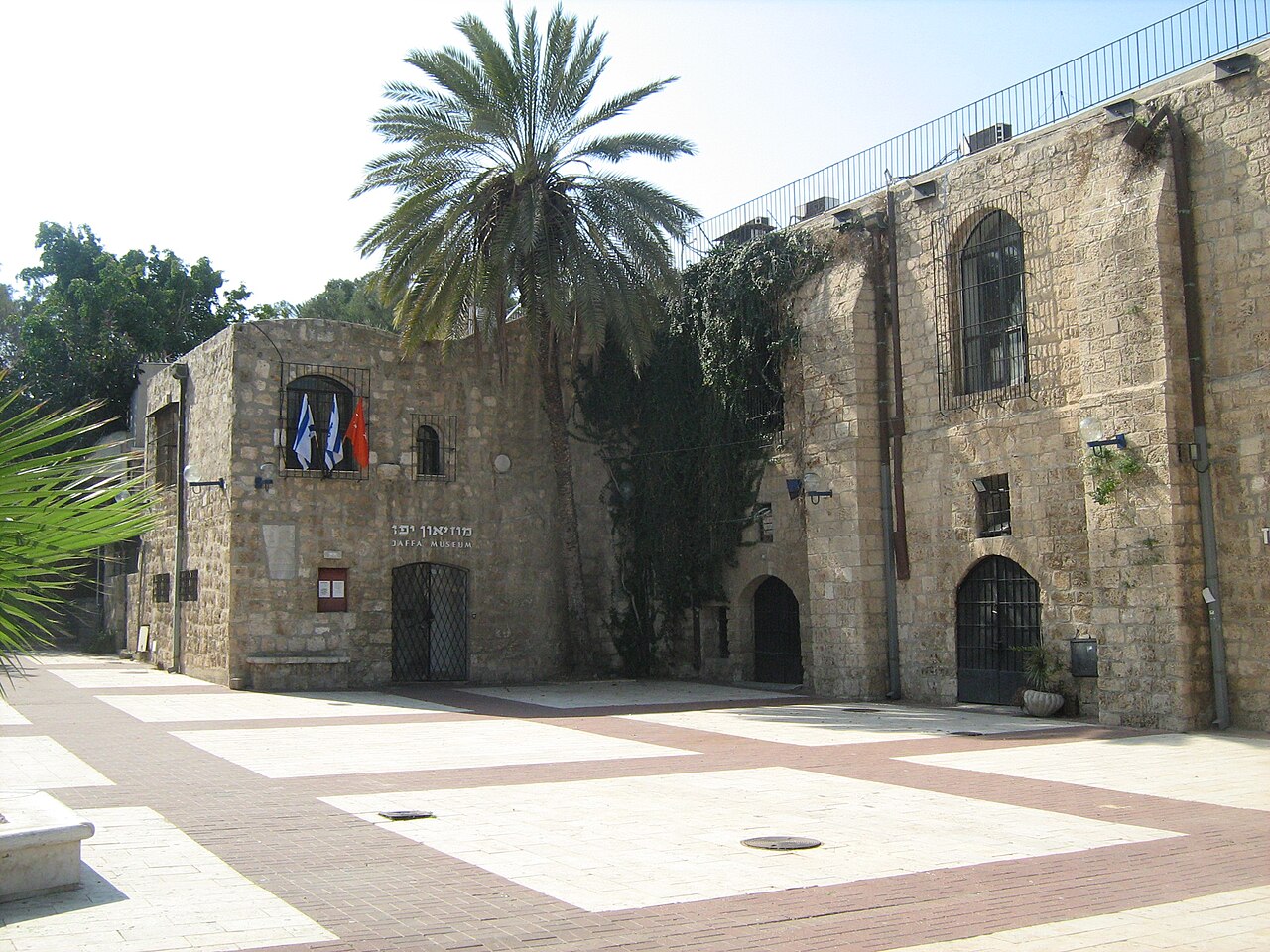
By Sarah Mann
0 views