Showing search results for ''

Osho Israel International Festival at Giv’at Haviva

The Osho festival has been taking place since 2008; it is a celebration of life and spirituality. Firstly, for those who are not sure, Osho is the name given to an Indian guru, professor of philosophy and spiritual leader called Bhagwan Shree Rajneesh (1931-1990). Osho was against organized religion; promoted meditation to music, the importance of humor, creativity and advocated an open attitude towards sex. The movement can loosely be described as one branch of Western New Age thought. The Osho Festival celebrates the teachings of Osho on the green Campus of Givat Haviva, 45 minutes north of Tel Aviv. Giv’at Haviva is a center dedicated to building a socially cohesive society. It is the largest Osho festival in the world.The festival is a moving and spiritual experience for many and influences many lives. The festival takes place over the course of three days during which the campus becomes a small village and vision of a utopic life. Over the course of the three days there are spiritual workshops, a conference of awareness, creative workshops, parties, dancing, relaxation and freedom. There is a large swimming pool, expansive lawns, quiet places to meditate, camping areas, sleeping rooms, kid’s activities and natural vegetarian food on sale. Drawing on the teachings of Osho there are more than 1000 different experiences on offer at the festival in 10 air-conditioned halls and across the green campus. Workshops include dance movement, silence workshops, nutritional awareness, breathing and feeling, yoga, body therapy, meditation and relationship workshops among others. At night there are musical performances on three stages by leading artists and a great festival atmosphere. The range of musical genres includes everything from spiritual music, punk and grove to mellow acoustic and mystical Indian music. The parties beneath the stars continue late into the night.Practical InformationWhere: Giv’at Haviva, off route #574 between Barkai, Gan Hashomron and Harish.When: July/August each year.Cost: Tickets include all festival events approximately 320ILS-420ILS depending when you buy the tickets. This price includes the use of the camp ground. If you prefer it is possible to rent a room on the campus.Contact: 052 888 3040
By Petal Mashraki
0 views

Following the Gospel Trail

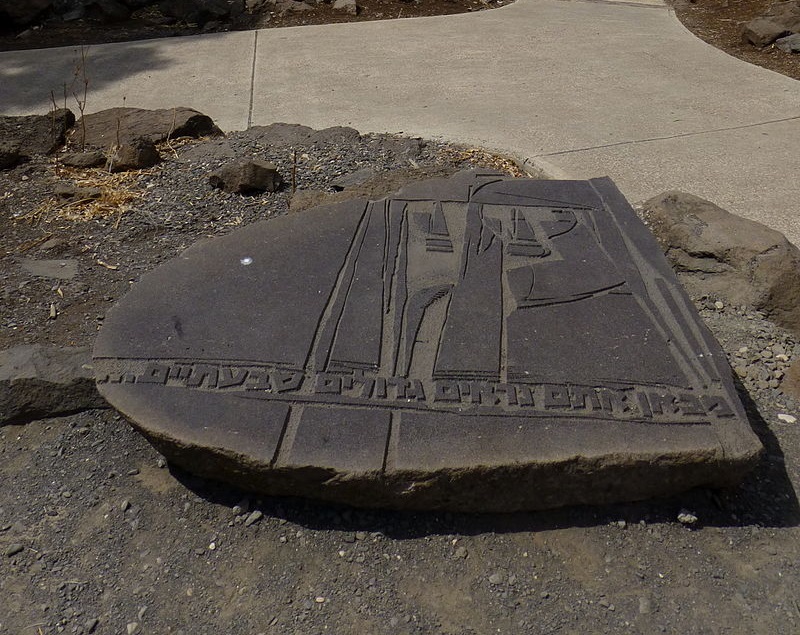
In Israel you can literally follow in the footsteps of Jesus, visiting the many locations where he preached, lived and died. The Gospel Trail (also called the Jesus Trail) is a moderate hike route which has been devised linking several significant points mentioned in the Gospel so that those following the trail can not only enjoy the gorgeous countryside of northern Israel but also visit biblical sites.Stones With The Colorful Christian Religious Drawing.Photo credit: © ShutterstockThe Gospel Trail runs through Galilee, often called the cradle of Christianity because it was here that Jesus grew up and where he returned to preach during his ministry. Jesus grew up in Nazarethand later based himself in Capernaum during his ministry when he went from village to village preaching God’s word.The Gospel Trail opened in 2011 today it covers 60 km of signposted footpaths and roads which trace historical and biblical routes where Jesus is believed to have walked when he left Nazareth for Capernaum on the northwestern shore of the Sea of Galilee. The signposts which mark the route are hewn into basalt rock to blend into the natural surroundings. Each signpost features scriptures relating to the Biblical events which took place at that location. Along the way, there are also information stands, picnic sites, and benches.It is possible to follow the trail on foot, bike, by car, or combine those using different forms of transport on different stretches of the trail. You can choose which segments of the route you follow according to your interests and your fitness level. There are even stretches of the trail which are wheelchair accessible.The thorn crown.Photo by Samuel Lopes on UnsplashThe Gospel Trail RouteThe Gospel Trail runs from Nazareth to Capernaum. The route begins at Mount Precipice, on the southern outskirts of Nazareth, and travels through valleys and limestone hills via Beit Qeshet Oak Reserve, Magdala, Tabgha and finally reaches Capernaum on the edge of the Sea of Galilee. The route incorporates pathways that have been used by shepherds, travelers, farmers, and merchants since ancient times. The route ends at the Capernaum Center from where you can reach the Sea of Galilee where a dock has been constructed so that followers of the trail can pray at the water’s edge and enjoy the breathtaking views across the water.Gospel Trail Points of InterestNazareth – The city where the Angel Gabriel appeared to Mary to tell her of her future pregnancy and son. It is also the city where Jesus grew up. One of the highlights of Nazareth is the Church of the AnnunciationTsipori National Park – This was the administrative capital of Galilee in Jesus’ lifetime. In addition to the amazing nature, there is an archeological site dating back to the 2nd century. It is most famous for its Byzantine mosaics on an ancient synagogue floor.Cana – Here Jesus performed his first miracle turning water into wine. Visitors can see the Wedding Church and museum.Mount of Beatitudes, Israel.Photo credit: © ShutterstockIlaniya – This small Jewish community was one of the earliest farming community settlements. Today the community offers visitors a model 20th century farm, the ruins of a Byzantine synagogue, and some ancient caves.Roman Road – The route crosses an ancient Roman road that would have been used by Jesus. During his lifetime it was a major thoroughfare running east to west.Kibbutz Lavi – One of only a few orthodox religious kibbutzim; it was founded in 1949 and today is known as a major producer of synagogue furniture.Horns of Hattin – A decisive battle took place here between the Crusaders and Saladin in 1187. From the double hills, there are brilliant views across the Galilee.Nebi Shu’eib – The site of the traditional Tomb of Jethro, father-in-law of Moses. Today the site is marked by a large Druze mosque and complex.Arbel National Park – There are gorgeous views from these dramatic cliffs where the Romans conquered the Hasmonean rebels.Interior of the Church of the Multiplication, Tabgha. Photo credit: © ShutterstockMigdal (Magdala)– This is the site of the ancient town of Magdala, the hometown of Mary Magdalene. Here there are several Roman-era ruins.Sea of Galilee – Israel’s largest freshwater lake is also the site of many biblical events. It was here that Jesus walked on water and calmed the storm. Today you can take short cruises on the lake, swim and enjoy the beaches.Jesus Boat – A 1st-century fishing boat was discovered in the Sea of Galilee; it has been preserved and is on display at Kibbutz Ginosar.Tabgha – Visit the Church of the Multiplication of Loaves and Fishes and see where Jesus appeared to his disciples after his resurrection.Mount of Beatitudes – This was the site of the Sermon on the Mount. Today the mount is topped by a beautiful church.St. Peter’s Primacy, Tabgha– This church on the water’s edge was built in 1933 and marks the site where Jesus made Peter head of the church. The church holds the Mensa Christi, a slab of rock thought to be where Jesus sat with his disciples.Capernaum – Jesus based himself in Capernaum while preaching in Galilee and there are several mentions of Capernaum in the Bible. This is also where Jesus performed a number of miracles and where you can see St. Peter’s House.You can continue on from Capernaum to visit the city of Tiberias, the Jordan River, Mount Tabor, and Mount Precipice as a continuation of the Gospel Trail. Most of these sites can be covered with Nazareth and Galilee toursor Christian Israel tour packages.Sea of Galilee view. Photo credit: © Shutterstock
By Petal Mashraki
0 views

The Mountain Top City of Safed

Safed (Tsfat) is often overlooked by tourists but is another fascinating corner of this amazing and diverse country. The mountain top city of Safed in the Galilee is known as the birthplace of Kabbalah, the ancient mystic side of Judaism. The city is in the clouds perched 900 meters above sea level; it has a spiritual and mysterious atmosphere, old synagogues, and is steeped in history. Its location offers gorgeous mountain views, the weather is mild and there is even snow in Safed in the winter.Galilee landscape near Safed.Photo credit: © ShutterstockThe History of SafedA legend tells us that Safed was established by the son of Noah after the flood. During the Roman era, it was a fortified Jewish town and it is mentioned in the Jerusalem Talmud as one of five elevated locations where bonfire would be lit to announce the timing of the new moon and festivals during the Second Temple era. The city was a Crusader city in the 12th century and the site of the largest Knights Templar fort in the Middle East. In the 13th century, the Egyptian Mamluk Sultan Beibars took the mountain top city but a community of Jews remained further down the mountain. The Muslim city grew and new structures were built; this continued into the Turkish Ottoman era when Safed was the capital of the Safed Sanjak (district). The Seraya Ottoman fortress has survived.After the expulsion of the Jews from Spain in 1492 many respected rabbis settled in Safed including Kabbalists Moshe Kordovero, Shlomo Halevi Alkabetz, Isaac Luria, and Joseph Caro. During the 16th century, Safed became known as the center of Kabbalah thanks to the many learned Jewish scholars in the town and Safed’s close proximity to the area where Rabbi Shimon Bar Yochai (Rashbi) wrote the Kabbalistic Book of Zohar.Safed street. Photo credit: © Dmitry MishinAlthough still a Muslim town there was a strong Jewish community. In 1577 a Hebrew printing press was established in Safed and there were 32 synagogues in the town. Safed was affected by an earthquake in 1759 and again in 1837 and the town also suffered at the hands of Druze rebels and the plague. Moses Montefiore visited Safed several times and helped finance the repair of the town.During the British Mandate Jews and Arabs continued to live in Safed under tense relations. By 1948 and the establishment of the Jewish state Safed was home to about 1,700 Jews and about 12,000 Arabs. A battle ensued when the Muslim Arabs attacked the Jewish Quarter; after an intense conflict the Jews prevailed and almost all the Safed Arabs fled. In the 50s and 60s, the city became known for its artists’ colony; Jewish artists from around the world settled here to enjoy inspiration from the beautiful scenic surroundings and spiritual atmosphere. In the 2000s many Ethiopian and Russian Jewish immigrants settled in Safed joining the predominantly Ashkenazi Jews and adding to the diverse culture of the city. The city remained a place of religious learning and spiritual enlightenment and has a community of both religious and secular Jews as well as small Russian Christian and Maronites communities.The city of Safed, overlooking the Sea of Galilee.Photo credit: © ShutterstockWhat is Kabbalah?Kabbalah is a Jewish discipline and school of thought consisting of esoteric teachings intended to explain the relationship between man and God; the nature of the universe and the meaning of existence. It is the philosophical study of the nature of being through Jewish writings; the origin of evil; the role of man; reincarnation and the concealed and revealed God. Kabbalah has become more widely known in recent years thanks to well-known followers like Madonna and Justin Kuchner.Visiting SafedAny visit to Safed should start at the Tourist Information Center on Alkabetz Street. The center provides information to tourists as well as hosting several impressive exhibits and an introductory film about Safed. The Tourist Center encompasses excavated homes from the 1500s which are open to the public for free.The Old City of Safed is built of stone similar to Jerusalem with narrow cobbled lanes flanked by stone houses. There are ornate arched entrances to the homes, colorful wooden shutters on the windows, bright window boxes, domed ceilings, and other features reminiscent of a Spanish Kahal (Spanish Jewish Quarter) of the Middle Ages.The Safed Artists’ Quarter consists of several lanes with artists’ studios, stores, and galleries. Most of the artwork is inspired by the Kabbalah, Torah, or the general spiritual feel of the city. The works include paintings, drawings, textiles, metalwork, and sculptures. There are also handmade candles, religious items, Judaica, glassware, handmade musical instruments, and microcalligraphy where a picture is created using minute Hebrew letters and texts from the Bible as the lines and shapes in the design.At Safed Synagogue, the Old City of Safed, Israel.Photo credit: © ShutterstockSafed’s has two famous synagogues with similar names both of which are top tourist attractions. The Ari Synagogue is named after Rabbi Isaac Luria (The ‘Ari Hakadosh‘) who arrived here in 1570 and developed the Lurianic Kabbalah which teaches that secrets embedded in the Torah can reveal how to strengthen our relationship with God and our fellow man. The synagogue has a small alcove where the Ari is believed to have sat and studied with the spirit of the Prophet Elijah.The Gerigos Synagogue was built by Spanish Jews who had adopted Christianity under duress during the Spanish inquisition and arrived in Safed via the Greek island of Gerigos. On arrival in Safed, they were not readily accepted by Safed Jews and built their synagogue on the outskirts of the city. The Ari would come to the field next to the Gerigo Synagogue to sing Psalms on a Friday afternoon welcoming the Sabbath. Following Ari’s death, the Gerigos Jews were accepted into the Jewish community and their synagogue was renamed Ari Ashkenazi after Ari’s Ashkenazi mother. The Ari Ashkenazi Synagogue holds the precious Elijah’s Chair where traditionally the godfather would sit during a baby’s circumcision ceremony. Abuhav Synagogue, Safed. Photo credit: © ShutterstockTradition holds that if an infertile couple sits on the chair they will be blessed with a child within the year. The Joseph Caro Synagogue is named after Rabbi Joseph Caro a 15th-century Spanish exile who had settled in Safed. He is believed to have been charged by God with the task of compiling an easily understandable yet comprehensive book of Jewish Law which would ensure the continued practices and customs of the Torah by Jews at the time. It is believed that God sent an angel to sit with Caro in a Safed cave where he wrote this summary of Jewish Law called the Shulhan Aruch. Rabbi Caro was head of the Rabbinical Court in Safed. The Joseph Caro Synagogue was built on top of the cave where he wrote the Shulhan Aruch. The synagogue has an ornate handmade wooden Ark (where the Torah scrolls are kept) and it is possible to see the famous cave beneath the synagogue.The Abuhav Synagogue is an ornate place of worship with a domed ceiling painted with Kabbalistic images. The synagogue holds ancient Torah scrolls which are still used in religious services including a 100-year-old scroll written by Rabbi Abuhav.If you have time to include a visit to Safed in your Israel itinerary, you won’t be disappointed! Liked this article? If you do, you are welcome to join our one-day to tour to Safed.The artist's studio in Safed, Israel.Photo credit: © Shutterstock
By Petal Mashraki
0 views

A Bird’s Eye View of Israel

Israel may not be the land of skyscrapers like some other countries but it does have a number of places where you can get a great view of the famous skylines and natural wonders. Here is a list of some of the best places in Israel to get a bird’s eye view. The list goes from northern Israel to Eilat in the south.Azrieli Towers at night, Tel Aviv.Photo by Shai Pal on Unsplash1. Mount ManaraTake Israel’s longest cable car 1940 meters to the top of this mount which is part of the Naftali Mountain range. The mountain top is 750 meters above sea level. From the top, you can see the Golan Heights, Galilee, Hermon Mountain,Hula Valley, and Israel’s most beautiful farmlands. There is a range of fun activities at Mt. Manara including a mountain slide back to the bottom.2. Eshkol Tower, HaifaThis is the main campus tower of the University of Haifa on Mount Carmel. The observation deck is on the 27th floor of the 102-meter high tower and gives you sweeping views down the mountainside and across Haifa. It was designed by Oscar Niemeyer and was the first building in Israel to use the curtain wall system. The observation deck is not always open to the general public so call the Hecht Museum ahead of time.3. Yefe Nof Balcony, HaifaLooking down the beautiful terraced garden past the golden-domed Shrine of the Bab in Bahai Gardens you can see the city below and the sea beyond that. On a clear day, you can see up and down the coast. Tel Aviv Port Area Aerial View. Photo byShai PalonUnsplash4. Azrieli Center ,Tel-AvivThe ultimate observation deck in Tel-Aviv (and perhaps the most famous in the country) is on the top floor of the Azrieli Center Circular Tower, Tel-Aviv’s tallest building. The tower is one of a complex of three towers, a circular, square, and triangular tower. The observation deck is completely enclosed and gives you a 360° view of the city below. It is on the 49th floor and also has a kosher fine-dining restaurant. There are telescopes and informative maps indicating the sites below. The observation deck is accessed by an elevator from the mall at the bottom of the tower.5. Rehavam Ze’evi Observation Point, JerusalemThis promenade on the edge of the Mount of Olives looks down over an ancient Jewish cemetery. You can look out across the hills of Jerusalem and across the Old City walls to the Dome of the Rock.Eilat waterfront with a whale in the Red Sea.Photo by Et Yan on Unsplash6. Mitzpe Ramon Visitor’s CenterPerched 300 meters above the Ramon Crater this center provides not only an amazing view across the crater and Negev Desert but also informative audio-visual presentations and models of the local geography. There is a rooftop observatory where you can look down onto the dramatic desert landscape of Mitzpe Ramon.7. Underwater Observation Tower, EilatOn a visit to the marine park where there are aquariums, 3D films, and many marine-related attractions you can also enjoy a view across the Eilat coastline. A distinctive white tower is located at the end of a walkway that juts out into the Red Sea. You can walk up a spiral staircase to the windy top of the tower and look out across Eilat. You can also descend beneath sea level and visit the underwater observation deck!View of Bahai gardens and Haifa Bay, Israel.Photo by Levi Meir Clancy on Unsplash
By Petal Mashraki
0 views

A Coin Exhibition at the Davidson Center

Coins have always been, first and foremost, a means of payment, but they have also been used to communicate messages. We also look at coins for the evidence they provide for commercial, religious and cultural relations. The coins that found their way to Jerusalem, are testimonies to the importance of the capital as a cosmopolitan center and focus of pilgrimage. In times of peace, Jerusalem attracted visitors, traders and pilgrims of all religions. In times of war, the political and strategic importance of Jerusalem brought invading and conquering armies into the city. All these visitors also left their mark in the coin finds in Jerusalem, especially from the excavations close to the Temple Mount.This exhibition focuses on the international character of Jerusalem, and of the Temple Mount in particular, by showing a selection of hoards and isolated coins discovered during the excavations of Prof. Benjamin Mazar between 1968 and 1977. The wide geographic provenance of these coins extends from the Sasanian empire in Persia, Chartres in France and Carthage in North Africa. The coins provide exceptional insight into the relationships between different peoples, the coins they used and the value they placed in those coins.All the Roads Lead to JerusalemDuring excavations in Jerusalem, and close to the Temple Mount in particular, a large number of coins coming from distant places in the Mediterranean was found. The ten coins exhibited here represent a wide range of mints, periods and materials. Some of the coins are most unusual in our region, such as the silver drachm from Ephesos in Ionia, southwest Turkey; the gold aureus of emperor Tacitus struck in Rome and the bronze follis of the Byzantine emperor Constantine IV minted in Syracuse, Sicily. Other coins, such as Carthage or Ravenna – whose provenance might seem curious – were actually integral part of the coins in circulation during the fifth and sixth centuries CE. Some of the cities mentioned here, such as Constantinople (today Istanbul), Antioch in Syria and Alexandria in Egypt constitute the most common mints from which coins circulated in our region in the Hellenistic through the Byzantine periods. Some of these “foreign” coins also figure in the Jewish tradition. For instance, the silver sheqels and half-sheqels minted in Tyre (in Lebanon), were singled out as the ideal means of payment of the half-sheqel head tax to the Jerusalem Temple.The Sasanian Coin HoardEleven Sasanian silver drachms from the hoard are exhibited here. The hoard was discovered within a drainage channel which was part of the central sewage drain of a large public latrine, built in the Roman period and still in use during the Byzantine period. It seems that the owner lost this handful of coins around 535 CE, at the time he was in the public latrine. The coins in the hoard date from the period between governor Peroz (463-484 CE) to the days of king Khusro I (531-535 CE). The coins come from several cities in Iran, among them Shiraz, Kerman, Ray, Hamadan (Echbatana) and Merv. These types of coins are characteristic of the Sasanian rulers in Iran. On one side is the bust of the king and an inscription in Pahlevic; on the other side is an altar flanked by two priests. Depicted is a sacrifice scene, deriving from Zoroastrianism. Sasanian coins minted before the Persian conquest of 614 CE are quite rare finds in Israel. The coins are evidence of the peaceful relations between the Byzantine empire and the Sasanian kingdom during that period.The Fatimid Coin HoardThree gold Fatimid hoards were discovered in 1968-1969. The hoard exhibited here includes fifty-one gold coins, dinars and quarter-dinars, dated from 982 to 1095 CE. Most of the coins were minted during the last fifteen years of reign of caliph Al-Mustansir (1036-1094 CE). This ruler is known as the one who brought the Fatimid dynasty to its zenith. The high gold content of the coins gives evidence to the dynasty’s prosperous economy. The design on most of the coins is a central “bull’s eye” with three concentric circles of legends around it. The majority of the coins were struck in Egypt and North Africa, in Misr (Cairo, Fustat), Alexandria, al-Mansuriyya and Mahadiyya; a number of coins were struck in Syria-Tripolis, Akko and Tyre. One dinar is not Fatimid but Almoravid, from the city of Sijilmasa in Algeria.The latest coins in the hoardare dated to year 1095 CE, when Jerusalem was under Seljuk rule. Therefore, it seems likely that the coins were brought to the city when the Fatimids reconquered Jerusalem in 1098 CE. A short time later, in 1099 CE, the city was conquered by the Crusaders. Presumably, coins were hidden in this occasion. The uniformity of the hoard, and the historical circumstances, suggest that this is an emergency hoard, abruptly concealed upon the Crusader’s arrival and never recovered by its owner.A Hoard of Feudal French Coins and a Papal BullaA hoard of French coins and a lead papal bulla dated to the Crusader period were uncovered during the excavations in 1968 and 1971. Both exceptional finds are dated to the twelfth century CE and were found in a sector that was under the control of the Order of the Templars. The hoard was discovered in a drain channel; the bulla within a room surrounded by walls of the Crusader period. The hoard yields seventy-five debased silver thin deniers, seventy-four struck in the city of Chartres, and one minted in Blois. The coins are anonymous, most probably dated to the time of count Thibaut V (1152-1191). All the Chartrain coins belong to the same type, depicting a stylized head of a king on the obverse, and on the reverse a Maltese cross surrounded by the inscription: +CARTIS CIVITAS.Similar hoards were discovered in France and elsewhere in the Mediterranean, along the routes used by the Crusaders. Due to the chronic lack of local coinage in the Latin Kingdom’s treasure, European currencies flood the East and circulated alongside with the local coins. The uniformity of the hoard suggests that the coins arrived in Jerusalem from Europe already as a single group, most probably belonging to a pilgrim or knight who deposited them for safekeeping with the Templars. The lead bulla, naming Pope Alexander III (1159-1181 CE) was impressed in Rome. Lead bullas were used as official seals on important documents, and were frequently utilized by officials of the Latin Kingdom. While several bullas have been discovered in our region, papal bullas are extremely rare. This is the first bulla of its type ever discovered in an archaeological excavation. The name of the pope is inscribed on one side; the portraits of Saint Peter and Saint Paul, fathers of the Christian church, appear on the other side, together with abbreviations of their names: S(ANCTVS) PA(VLVS) S(ANCTVS) PE(TRVS). The appearance of this bulla in Jerusalem is evidence to the close relations existing between Rome and the Holy City during the tenure of Alexander III. His papacy is characterized by a large number of edicts issued to the Latin Kingdom in general and the Order of the Templars in particular. It seems most likely that the hoard and the bulla were among the possessions which the Templars abandoned when the city of Jerusalem capitulated to Saladin in 1187.Acknowledgments:Curators: Gabriela Bijovsky, Dr. Hava Katz, Israel Antiquities AuthorityDesign and Production: Studio Avidani, JerusalemProject manager: Gad KlierStudio photography: Clara Amit, Israel Antiquities AuthoritField photography: Israel Antiquities Authority; Dr. Eilat MazarCoin illustrations: Pnina AradArabic translation: Fawzi IbrahimEditing: Dr. Zvi Gal, Dr. Donald T. Ariel, Israel Antiquities AuthorityCoin Loans: Israel Antiquities Authority
By Petal Mashraki
0 views

A Visit to the Jerusalem Shopping Malls

In Israel a mall is referred to as a “canyon” pronounced the same way as the Grand “Canyon”. You will find many Israeli brands, international brand stores and a wide range of entertainment opportunities in the malls. Jerusalem in particular has a number of large and impressive malls.Malcha MallLocated in the affluent south west Jerusalem Malcha neighborhood this is the city’s largest shopping mall. The mall has more than 250 stores spread over three levels with a total of 37,000m² of commercial space. The stores include Zara, H&M, Office Depot, Mango, SuperPharm, Toys R Us and supermarkets. In addition to the stores there are service oriented businesses like banks, tailoring services, ATMs, opticians, money changers, hairdressers, florists, post office and spa treatment services. You can even find play areas here and a synagogue as well as cinemas. There is a huge food court which is completely kosher. There is parking for up to 3,000 cars, the first two hours are free and after that each hour costs 5ILS. Open hours are Sunday to Thursday 09:30 – 22:00 and Friday 09:30 – 15:00. The mall is closed from 15:00 on Friday until an hour after sundown on Saturday and until 23:00 on Saturday night.Mamila MallLocated next to Jaffa Gate of the Old City this is one of the most attractive malls in the city. The mall consists of a central promenade with boutique-style stores on either side. Following the mall promenade from the entrance on King David Street all the way to the end you will be able to walk right into the Old City. There are two levels to the mall which also connects to a luxury hotel. There are a number of cafes with outdoor seating; the café’s on the upper level have great views onto the Old City. Mamila Mall is open from Sunday to Thursday 10:00 to 23:00; Friday 09:30 to 15:30 and on Saturdays from one hour after sundown until 23:00. The mall parking is free for the first hour, 12ILS for each consecutive hour (or 3ILS for each 15 minutes) and alternatively 48ILS for the whole day.Center 1 MallLocated at the Central Bus Station this is a very convenient mall to reach. The mall has two floors with about 70 stores spread over 15,000m² of commercial space. There is covered parking for a fee. The mall is geared towards the Orthodox Jewish community with all of the food outlets being Kosher Mehadrin (Glatt) and the lady’s only gym, Lady Giraffe Gym is located here. Perhaps the biggest plus point of this mall is that you can wait for your bus in the air conditioned mall! The mall is open Sunday to Thursday 10:00 to 21:00, Friday 10:00 to 15:00 and on Saturday from an hour after sundown until midnight.Lev Talpiot MallThis is a mall for those looking for plenty of activities as there are a number of great places of entertainment especially for the young and young at heart. The mall is located at 17 Haoman in the Talpiot neighborhood and has about 90 stores. The entertainment venues are concentrated on the roof top where there is mini-golf, trampoline bungee, water ball (where you are inside a giant ball rolling on the surface of the water) and a dance bar. The mall is across the street from a movie complex. The mall has a bowling alley, restaurants and cafes. The mall is open Sunday to Thursday 09:00 to 20:30; Friday from 09:00 to 14:30 and Saturday from half an hour after sundown until 23:00.
By Petal Mashraki
0 views

The Hipster's Guide to Tel Aviv

Hipsters are always looking for cool unusual things to do no matter if they are in their local neighborhood or on vacation. Even Tel Aviv has its hipster hang-outs and hipster clubs, pubs, cafes and attractions. Here are some great ideas for hipsters in Tel Aviv.Hipsters love the urban vibe, melting pot of cultures, indie music, alternative styles, non-mainstream fashion from vintage to thrift stores and organic artisan food. These gentrified bohemians will feel right at home in Tel Aviv.Tel Aviv Hipster HotelsTel Aviv is full of hipster-friendly hotels like Brown Hotel TLV where there is a hot bar scene and worn leather wing chairs in the lobby. Mendeli Street Hotel is a chic beach-side hotel popular with solo hipster travelers who enjoy the integrated local art and the boutique feel of this remodeled 70s Brutalist building.Tel Aviv’s Hipster NeighborhoodsYou’ll find yuppie hipsters hanging out in cafes in the Neve Tzedek neighborhood. This is a picturesque part of the city with many restored historic buildings. The neighborhood boasts quaint book stores, art galleries and trendy bars along Shabazi Street.Neve TzedekFlorentin is Tel Aviv’s ultimate Hipster neighborhood and it has been compared to New York City’s Brooklyn. Florentin took second place in a list of top international Hipster neighborhoods. The neighborhood even inspired a television series about the cool young residents of this area. If you ignore the more run down parts of Florentin you can enjoy the many cozy cafes, friendly bars and delicious food with local artists, students, foreign residents and up and coming entrepreneurs. Check out Taxidermy Bar with its unique décor or mellow at The Pasaz Allenby. Rothschild 12 is a good place for free live entertainment and urban-chic while Satchmo is the place to go for hip jazz. Tel Aviv has some innovative art museums and independent galleries; many are located on Gordon Street. In Holon hipsters will love the Design Museum and the Israeli Museum of Caricature and Comics. Hipsters should also check out Shenkin Street for bohemian chic, Rothschild Boulevard and the organic farmers’ market at Tel Aviv Port.Hipster Nightlife in Tel AvivFlorentin is also the neighborhood to head to when the sun goes down as the best nightclubs are here including Hoodna. Radio EPGB is a bar for trendsetters but it is not easy to find and so maintains some of its exclusive feel. You’ll hear great music like the Beatles, Don McLean and Radiohead and on Sundays there is a drag show. HaMinzar at Allenby 60 is one of the cool hipster bar/restaurants in Tel Aviv. It is an unassuming space but the food is delicious and the people fascinating.Tel Aviv is literally hipster heaven. Everywhere you look there is some cool individual trying something new or reinventing what already exists in the most hip and indie way.
By Petal Mashraki
0 views

Camping Around the Sea of Galilee

When you camp around the Kinneret (the Sea of Galilee) you are literally camping “around” the Sea of Galilee as you can see from the campground names which are usually identified with the name of the beach they occupy. Israelis love to camp and you can find campgrounds suited for families and others more suited to youngsters. Here we have listed some of the facilities on offer at each site but there may be more facilities.Camping Around the Sea of Galilee. Photo by Adam Sherez on UnsplashTake into account that during the Israeli school holidays the campgrounds get very full and very noisy with individual sound systems and all-night gatherings around a BBQ. But another thing about Israelis is they love to include all those around them so you won’t be left out. Camping is a great way to meet the locals. There is no ideal location to camp on the Kinneret as the total distance around the Sea of Galilee is 55 km so everything is pretty close. Whether you want to be close to Tiberias would perhaps be the only factor to consider in terms of location. Otherwise, choose the style of campground you prefer and the one with the facilities you need.Jordan Park CampgroundThis campground is run by the JNF (Keren Kayemet L’Yisrael or KKL) and is within Jordan Park which covers 250 acres northeast of the Kinneret alongside the eastern channel of the Jordan River. It is one of the area’s largest campgrounds. The campground is free to enter if you walk in but there is a fee per car. At several points in the park, there are streams from the Jordan River, and some deep enough to swim. Here you can find electricity outlets, lighting, restrooms, showers, water coolers, camping tables, a small amusement park, mini-market, lawns, and a place to pitch your tent. Uba Kayak, a popular kayak rental business is located in the park. You can kayak on the Jordan River from here. Nearby there is an opportunity to go horseback riding. This is considered a unique campsite and is operated from April to November.Tiberias. Photo by Thalia Tran on UnsplashAmnon BeachLocated near Kfar Nahum at the northern end of the Kinneret this campsite has many facilities and is popular with Christians who recognize this site as Capernaum. Tents and caravans can use this site and there are picnic tables, benches, shaded areas, showers, restrooms, and parking.In the summer there are water sports and attractions for the kids. You can enjoy a buffet breakfast from the beach cafeteria and if you keep Shabbat you can pre-order food for the Sabbath. You can rent mattresses and chairs from the cafeteria as well. The beach is not serviced by a lifeguard. Price of camping (at time of publication) 150ILS per car for 24 hours.Bereniki BeachStretching for over 2.5 km to the west of the Sea of Galilee this is a quiet beach near Tiberias which is popular with Israeli families and youths. It has shady trees, night lighting, showers (cold water only), restrooms, cafeteria, tables, umbrellas, chairs (no charge), BBQ stands, and campers are allowed to play music.There is a small area which is serviced by a lifeguard and swimming is only allowed in this area from 9 am to 5 pm. The rest of the beach is an unofficial beach and swimming is at your own risk. The beach is wheelchair-friendly. Here as with many of the camp beaches, you pay for the parking rather than the camping. It costs 5.9ILS for each of the first 3 hours and 2.1 for each hour after that so 24 hours camping would cost you 61.8ILS.Shores of the Sea of Galilee, Israel.Photo credit: © ShutterstockDugit BeachThis campsite is located on the northeastern side of the Sea of Galilee and is considered one of the most beautiful beaches surrounded by a picturesque forest. Here you can canoe, sail and partake of other water sports. There is room for tents, a mini-market, cafeteria, and restaurant. There are cold water showers, restrooms, lighting, and lifeguard service. Playing loud music and even bringing loudspeakers into the area is strictly forbidden. Here (like most of the Sea of Galilee campgrounds) you pay for the parking (62ILS for 24 hours) and can then camp. The fee is by the hour. The campsite is wheelchair accessible and chairs and tables can be rented.Gofra BeachOffering room for up to 300 tents this campground on the eastern shore of the lake 2km north of Ein Gev has restrooms, showers, a mini-market, cafeteria, camping equipment, small refrigerators for rent, playgrounds, and moorings for boats. The facilities and accommodation options are expansive. The site only operates during the spring and summer.There is daily cleaning of the beach, lifeguard service, BBQ stands, and a beautiful 1,500-meter long beach, and a small forest. Access to the beach is only on foot. This campsite is suitable for caravans or you could rent one of their caravans for 250ILS for 24 hours. You can even rent a tent which has 6 mattresses, chairs, and tables.View of the Sea of Galilee.Photo credit: © ShutterstockGreen BeachThis is a Blue Flag beach and one of the most beautiful in the area. This beach-park campground is 3km north of Nof Ginossar on the northwestern side of the Sea of Galilee. It is a well-kept beach with lawns up to the sand and shady trees. There are parking, showers, restrooms, camping tables, lighting, and a convenience store.The park operates year-round. Animals, jet skis, sound systems, and generators are prohibited. It is possible to rent tents, mattresses, tables, and chairs. One tent, a table, and 4 chairs will cost you 245ILS for the night. You can bring your caravan to this campsite or rent one (750ILS-1799ILS). The campground offers several deals like tent, mattress, chair, table, and breakfast for 119ILS per person.Haon BeachThe campsite is next to the Haon Holiday Village, south of Kibbutz Haon and the beach is shared by guests of the Holiday Village and campers. The beach runs for 1km and there is a lifeguard service. There are restrooms, showers, tables, benches, umbrellas, refrigerator rental, electrical outlets, and BBQ stands. There is wheelchair access to the campsite but no organized wheelchair access to the water.Camping supplies.Photo by Brina Blum on UnsplashJordan-Kinneret BeachThis beach runs for 0.5km and is a family beach campground. For this reason, it is a quieter beach than others and amplifying sound systems are prohibited. Playing music (not using an amplifier) is allowed from 8 am to 11 pm. There is no lifeguard service. The campground offers restrooms, showers (with 24 hours hot water), picnic tables, a mini-market, refrigerator rental, lighting, and a place to recharge mobile phones. The campsite is not suitable for wheelchair access.Lavnun BeachThe Lavnun Beach is a string of three beaches together with Halukim and Kursi so there are three areas for pitching a tent. The site offers water sports (kayaks, water skiing, paddle boats, etc). You will find drinking water, a place to wash your dishes, ball courts, a restaurant, cold water showers, a place to recharge mobile phones, and an exciting, young atmosphere.This beach is popular with the young Israeli crowds so expect plenty of noise especially during the Israeli holidays. Israeli teens like to camp here and bring their karaoke machines, so expect an all-night party. There is a lifeguard service but limited wheelchair access. Cost is approximately 70ILS for 24 hours for parking and camping.Water sports at the Sea of Galilee. Photo credit: © ShutterstockSussita BeachJust north of Ein Gev this beach is about 0.5km long on the eastern shore of the Sea of Galilee and is managed by the Ein Gev Kibbutz. It is named after a car that used to be produced in Israel and has sentimental significance for a lot of Israelis. This is an unofficial beach so there is no lifeguard service and swimming is not allowed.The campground operates from April to the end of October. Groups camping on the grass area near the beach should be pre-arranged but you can pitch your tent on the beach as well. There are tables, restrooms, shade, lighting, showers, and a cafeteria. The beach is not wheelchair-friendly as there are 11 steps down from the parking lot to the beach. The cost of camping here is 100ILS per car.Tzinbari BeachThis is one of the Kinneret’s most famous beaches and campsites, it is a venue for many summer festivals. The beach runs for 1km and there is a lifeguard service in a small central area from 9 am to 5 pm. Here you will find water slides, a baby's pool, electrical outlets, lighting, a place to pitch your tent, indoor lodging, beach umbrellas, shade, chairs, locker rooms, cold water showers, a place to recharge mobile phones.There are also restrooms, water sports, lighting, a restaurant, loads of parking, and wheelchair access is limited due to stones and pebbles plus reaching the water requires going down several steps. Amplified sound systems are not allowed in the southern part of the area which is indicated by signs.Sunset view at the shores of Kinneret. Photo credit: © Shutterstock

By Petal Mashraki
0 views

Christian Holidays in Israel

As with other Christian communities across the globe Israeli Christians celebrate the traditional religious holidays although as a Jewish country the Christian holidays are not national holidays. If you want to enjoy Christian holidays in Israel you should head for the largest Christian communities which congregate in Nazareth, Jerusalem and Bethlehem. Israel is home to a number of Christian denominations including Greek Orthodox, Roman Catholic, Armenian Orthodox, Syrian Orthodox, Ethiopians and Copts as well as other smaller denominations. Sometimes the denominations celebrate the Christian holidays on different days and have additional holy days unique to their faith.Lighting candles in the Church of the Holy Sepulchre. Photo credit: © Dmitry MishinChristmas in IsraelChristmas in Israel is observed by most Christians on December 25th. Orthodox Christians celebrate Christmas on January 6th– 7th 2014 with a procession from Jerusalem’s Old City to the Monastery of Mar Elias and on to the Church of the Nativity in Bethlehem where midnight services are held. Armenians celebrate Christmas on January 19th.Holy Week in IsraelHoly Week begins with the celebration of Christ's triumphal entry into Jerusalem on Palm Sunday, culminating in the commemoration of the Mystical or Last Supper on Holy or Maundy Thursday and the Passion of Jesus on Holy or Good Friday. Holy Week concludes with Christ's repose in death and descent into Hades on Good or Holy Saturday.Palm Sunday in IsraelPalm Sunday in Israel is celebrated by Catholics and Protestant Christians who walk from the Mount of Olives down into the Old City as they sing and hold palm fronds. The Orthodox and Armenian communities together with other Christian denominations enjoy a Palm Sunday procession through the Church of the Holy Sepulchre with palm fronds. A priest taking part in the Palm Sunday Procession. Photo byGrant WhittyonUnsplashGood Friday in IsraelGood Friday in Israel sees Christians following the Via Dolorosa through Jerusalem’s Old City. Other ceremonies are held at the Garden Tomb.Holy Saturday in IsraelHoly Saturday sees the Patriarch perform the Ceremony of the Holy Fire as he lights a candle in the tomb and soon the church is full of Christians holding lit candles.Easter in IsraelEaster Sunday the Orthodox Armenian and Catholic communities attend mass in churches across the country including the Holy Sepulchre. Protestants attend the Sunrise Service at the Garden Tomb in Jerusalem. Easter Monday at Emmaus is marked by masses in various Catholic churches and some pilgrims make the 30km walk from Jerusalem to Emmaus-Latrun for mass. More information on Easter celebrations in Israel can be found in the articles Easter in Jerusalem and Easter in Israel.Ascension Day in IsraelAscension Day is celebrated by Catholics at the Chapel of the Ascension, a midnight mass continues until morning followed by a procession to ViriGalilaei Church and back. Pentecost is celebrated 50 days after Easter when the Holy Spirit descended upon the Apostles.Exaltation of the Holy Cross is celebrated by Catholics with mass at Calvary in the Holy Sepulchre; an Orthodox evening procession goes from the Chapel of St. Helena in Deir el-Sultan to the Holy Sepulchre and the Armenians celebrate with morning Divine Liturgy in St. James Cathedral, Jerusalem.Garden Tomb, Jerusalem.Photo byJonny GiosonUnsplashOther Christian Holidays in IsraelIn addition to the above Christian holidays in Israel, Catholics celebrate many additional feast days and events including the Eve of Epiphany; the Feast of the Annunciation is celebrated with a procession through Nazareth to the Church of the Annunciation where vespers are held and mass the following day. The Visitation of the Virgin Mary is celebrated in Ein Kerem and Jerusalem culminating with a procession through the Christian Quarter; Nativity of St. John the Baptist; on Assumption Day Catholics gather at the Abbey of Dormitionon Mt. Zion; Nativity of Mary is celebrated with a mass at St. Anne’s Church in Jerusalem and the celebration of the Immaculate Conception.Additional Orthodox Christian holy days include the Feast of St. Basil; the Feast of St. Simeon is celebrated in the house of St. Simeon in Katamon, Jerusalem; the Dormition of Theotokos and the Nativity of Mary are celebrated in Jerusalem’s St. Anne’s Church. The Russian Orthodox Church celebrates the finding of the head of St. John the Baptist at the monastery on the Mount of Olives with morning services.The Ethiopian Orthodox Christian community celebrates Timkat in Jerusalem Old City’s Ethiopian Church. Many of the events mentioned for Orthodox Christians are observed by the Ethiopian community.In addition to the other Christian holidays, the Armenian community celebrates the Feast of St. James the Minor with a service in St. James Cathedral in Jerusalem; the Feast of St. Vartan the Warrior is celebrated with morning services in St. James Cathedral and the Feast of the Holy Cross of Varak is celebrated in the Holy Sepulchre.If you wish to bookChristian day tours in Israel or to join a Christian tour package, feel free to visitour websiteArmenian Catholic Patriarchate, Jerusalem.Photo credit: © Shutterstock
By Petal Mashraki
0 views

Churches of Nazareth

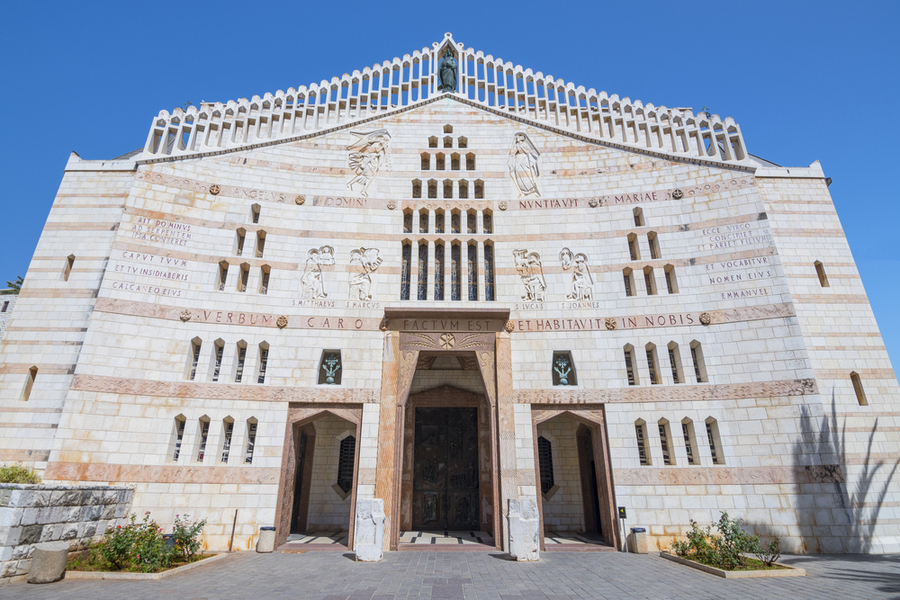
Nazareth, in northern Israel has one of the country’s largest Christian communities; it was the Holy Family’s biblical home town where Jesus spent about 25 years of his life. The modern city has about 30 Christian places of worship several built over holy sites marking where biblical events took place.Church of the Annunciation, Nazareth. Photo credit: © ShutterstockChurch of the Annunciation, NazarethPerhaps Nazareth’s most famous church, Basilica of Annunciation stands on the spot believed by the Roman Catholic Church to be where the Angel Gabriel appeared before Mary and told her she would have a son who would be the son of G-d. The Greek Orthodox and Coptic Church have alternative annunciation sites in Nazareth.The church that stands today was constructed in 1969 over Byzantine and Crusader churches which were also constructed to commemorate the site of this holy event. The church has two levels the lower level is an excavated Roman-era dwelling or grotto believed to have been Mary’s childhood home. The remains of the earlier Byzantine church and Crusader church can be seen in the grotto.The grotto has a 5th century floor mosaic and holds an 18th century altar next to two 4th century columns. There are stairs leading to a small cave called Mary’s kitchen, from there an exit leads to the courtyard. The upper level serves as the parish church. The Upper Church has a 51.8 meter high cupola which lets in natural light.Church of the Annunciation, Nazareth.Photo credit: © ShutterstockIn the church courtyard there are 43 mosaics depicting Mary and child, each mosaic comes from a Christian community in a different nation around the world. Each figure of Mary is depicted with the physical characteristics and traditional dress as the country the mosaic came from, so for example the Singaporean Mary has slanted Asian eyes.The church that stands today was constructed in 1969 over Byzantine and Crusader churches which were also constructed to commemorate the site of this holy event. The church has two levels the lower level is an excavated Roman-era dwelling or grotto believed to have been Mary’s childhood home. The remains of the earlier Byzantine church and Crusader church can be seen in the grotto.The grotto has a 5th century floor mosaic and holds an 18th century altar next to two 4th century columns. There are stairs leading to a small cave called Mary’s kitchen, from there an exit leads to the courtyard. The upper level serves as the parish church. The Upper Church has a 51.8 meter high cupola which lets in natural light.In the church courtyard there are 43 mosaics depicting Mary and child, each mosaic comes from a Christian community in a different nation around the world. Each figure of Mary is depicted with the physical characteristics and traditional dress as the country the mosaic came from, so for example the Singaporean Mary has slanted Asian eyes.Door ornament at the Annunciation Church, Nazareth. Photo credit: © Dmitry MishinSt Gabriel Greek Orthodox Church of the AnnunciationThe screen is of carved wood and decorated wood panels with brightly colored paintings of religious icons and scenes from the Bible. The spring where Mary went to draw water is located in the crypt of the church and still flows today. Visitors can see the well and 1,000 year old steps leading down to the spring. The grotto walls are cool and you can hear the gentle flow of the water and see grooves in the side of the well where the ropes holding buckets must have dug into the stone.Greek Catholic ChurchThis church constructed in 1887 stands in the Nazareth old market adjacent to the Synagogue Church. The Greek Orthodox Catholics or Melkites are a separate denomination to the Greek Orthodox having split from the church in 1724. Today the Melkites make up about 25% of Christians in Israel. Visitors enter the church through a gated courtyard; the Synagogue Church is entered through the same gate.Inside a traditional Templon or decorated screen separates the altar area from the main body of the church. Above the screen are paintings of religious icons. The interior is predominantly white with artwork and gold decoration. There are elaborate chandeliers and a gold-painted wooden priest’s chair imported from Greece. The exterior has two tall bell towers. Within the Melkite compound is a school, guesthouse, and convent.Church of St. Joseph, Nazareth. Photo credit: © ShutterstockSynagogue ChurchThe Bible tells us that it was here that Jesus proclaimed he was the Son of G-d. His claim to be the Messiah enraged the people who then led him to the Mount of Precipice where they attempted to throw him to his death. A 12th century Crusader church is located two meters below ground level and visitors need to descend seven steps to reach the simple church. The unadorned church interior has exposed brickwork and a stone altar.Church of St. JosephThe Church of St. Joseph is built over the traditional site of Joseph’s home and workshop and over a cave used in the Roman era for food and water storage. The site was identified as the Holy family’s home and Joseph’s workshop as early as the Byzantine period when it became a place of worship.Then during the Crusade period a new church was built on the site and following its destruction in 1263 it was rebuilt in 1754. The present structure was constructed in 1914 on the earlier churches. Visitors can descent into the grotto beneath the church where there is an altar and the remains of the previous structures. Church of St. Joseph, Nazareth. Photo credit: © ShutterstockChurch of Our Lady of FrightThe ruins of this Franciscan church (1882) stand on a barren hillside overlooking the city. It is said to mark the spot where Mary stood when she watched in fear as her son Jesus was led by the townsfolk to the edge of the mountain to be thrown to his death. The people were angry that Jesus had proclaimed himself to be the Messiah but they didn’t succeed in killing him as he “…passed through the midst of them went his way.” Luke 4:22.Christ ChurchThis is a Protestant-Anglican church constructed in 1871; it was the 2nd Anglican Church to be built in Palestine. The church’s original design included a tall steeple which was never completed due to lack of funds. The cross-shaped church has a traditional Gothic Revival design. Today the church has a congregation of about 40 families and there are services in Arabic every Sunday.Salesian ChurchA major part of this church’s beauty is in the breathtaking location on a ridge overlooking the city; it is possible to walk from the church down into the city center. The large white church was constructed in the French neo-Gothic style and has twin towers on the façade. Within the church is a life-size statue of Jesus as a young boy created by sculptor Bognio.There are beautiful large stained glass windows that flood the space with natural light and high vaulted ceilings supported by pillars made of clusters of columns. The church is administered by the Roman Catholic Salesians founded in the 19th century by Saint John Bosco. The cavernous church has great acoustics and is often used for concerts and recitals.Nazareth and Sea of Galilee tour by Bein Harim Tourism Services. Photo credit: © Dmitry MishinMensa Christi ChurchNot to be confused with the Greek Catholic Orthodox Churchthis church is located in downtown Nazareth near Mary’s Well and according to the Greek Orthodox tradition was the site of the annunciation. Several churches have been built and then destroyed over this holy site; the present church was constructed in 1767 on the ruins of a Crusader church. The church has a simple exterior with a tall thin bell tower while the interior is more elaborate. There is a traditional Templon, or dividing screen separating the hall of the church from the altar area.As Jesus spent part of his childhood in Nazareth, in his parent’s Jewish community, he would have prayed in a synagogue thought to have stood where this church now stands. The church is located in the center of the Old City marketplace adjacent to the Greek Catholic Church and is administered by the Melkite Greek Catholics.The Jesus Table Church was constructed in 1861 around a piece of chalk rock believed to have been the table on which Jesus ate with his disciples after his resurrection. (Mark 16). The rock bears marks made by pilgrims as early as the 17th century. The quaint dome roofed church has a stone tablet above the entrance which features the date (1861); the Franciscan symbol of the 5 crosses and another of the hands of Jesus and Francis of Assisi crossed over a crucifix. The Mensa Christi is mentioned in several places in the Bible and is also associated with a location in Tabgha.To see the churches of Nazareth consider joining one of Nazareth tours.Annunciation Church, Nazareth.Photo credit: © Dmitry Mishin
By Petal Mashraki
0 views

Health Benefits of the Dead Sea

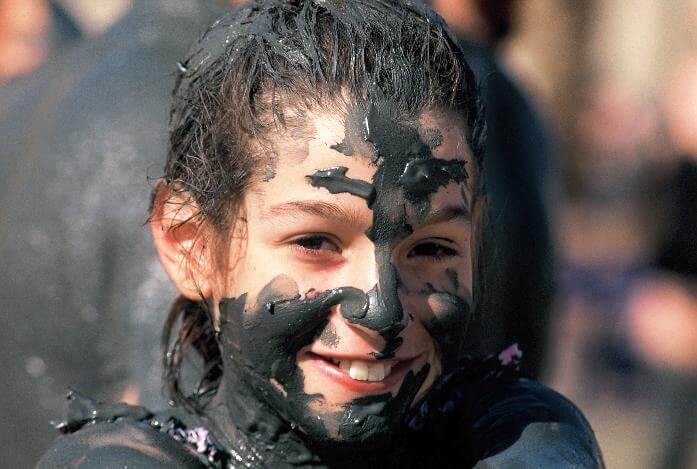
Many want to visit the Dead Sea as it is an iconic site and one of the most amazing wonders of the world. People want to be able to say they’ve been to the “lowest point on Earth”. But another, and arguably more important reason to visit the Dead Sea is that it can be good for your health. For thousands of years the Dead Sea environment has attracted visitors who come to enjoy its health promoting properties.Dead Sea SunAt approximately 417 meters below sea level the harmful solar rays have further to travel and thus are filtered on their way through the air, by air molecules, water vapor and aerosols (minerals). This leaves only the useful and beneficial rays which reach the Dead Sea. The region has pleasant weather with sunny days almost the entire year.AirThe air in the Dead Sea environment has a high oxygen density of 15% above the average levels. The air is also dry, virtually allergen free and there is little humidity so that those with repertory problems find it easier to breath. The air at the Dead Sea is specifically healthy for those with asthma. The high concentration of bromine and magnesium in the air relaxes and relieves tension.WaterThe highly saline water of the Dead Sea has a unique composition of minerals and therapeutic salts. The water is 32% salt as compare to the salt level in ocean water of 3%. When you swim in the sea your skin is stimulated and nourished easing joint ailments, relaxing the nerves and stimulating the circulation system. The saline density prohibits the body from sinking so that you can relax (mentally and physically) while floating on the water.Dead Sea MudPeople floating in mineral rich Dead Sea water The mud which forms the sea bed and the banks of the sea, contains the same rich mineral mix found in the water so that this handy natural skin “mask” can be smoothed over the skin to allow the minerals to be directly absorbed. The mud stimulates blood circulation and can help those with rheumatism. The sea and mud contain sulfur, magnesium, calcium, chloride, sodium, bromide, potassium and other trace elements. In all there are 21 essential minerals and 12 are unique to the Dead Sea.A combination of the air, filtered solar rays, mineral rich water and mud can be beneficial to those suffering from skin diseases, specifically psoriasis, arthritis and dermatitis. The Dead Sea benefits not only your health but your looks as the mud and water cleanses and softens your skin. You’ll find that after a visit your skin will feel and look rejuvenated. The benefits don’t have to end when you leave the Dead Sea as Dead Sea products are sold around the world and at the Dead Sea itself. At the Dead Sea you can even buy bags of the black mud to take home with you!Some tour options to The Dead Sea >>
By Petal Mashraki
0 views

Hot Events in Israel this July 2018

July is perhaps the best time to visit Israel if you are looking for amazing events, parties, shows and fantastic weather. Here is a line-up of just a few of the events in Israel this July.2-16 July – Cirque du Soleil-Quidam, Nokia Arena, Tel Aviv.This world famous multidiscipline performance of circus acts, acrobatics, music, lighting effects, dance and magic will be in Israel for the second time.3 July – DJ Armin Van Buuren, Nitzanim BeachJust a short drive south from Tel Aviv is the Nitzanim Beach where you can dance the night away to the sounds of DJ and radio show host Armin Van Buuren who won Word’s Best DJ for four consecutive years.9-17 July – Jerusalem Film Festival, Jerusalem CinematequeJerusalem Film FestivalSee a selection of international films as well as top Israeli films premiering at the Jerusalem Film Festival. There will be guest speakers from abroad representing the international film industry as well as special events in and around the Cinemateque.13 July – CocoRosie, Gesher Theatre, Tel AvivThis sister duo from the US turns heads with their unique folk rock music. Their style is a blend of many musical genres and they have earned a cult-like following since forming their band.22-24 July – Bobby McFerrin and Chick CoreaFour performance venues – Herzliya Zappa Club, Rishon LeZion, Live Park Amphitheatre Tel Aviv and Binyamina.For jazz fans this is an opportunity to see two legendary greats perform together. McFerrin is a 10 time Grammy winner and Corea is the world’s most influential jazz performer. McFerrin is best remembered for his hit “Don’t Worry Be Happy.”27-31 July – In-House Jerusalem, in private homes and neighborhoods in JerusalemAudiences are invited in to unusual venues and private homes in Jerusalem to experience unique performances. Seven neighborhoods will host the happenings which include multi-media performances, sound and light shows and home cooked meals. It is a great opportunity to see local life and small communities.28-30 July – Lo BaShamyim Festival, Upper GalileeThis unique festival looks at Jewish thought and culture through music, art, live performances and guest speakers from the religious world in the spirit of Judaism. The event will include music, panel discussions, guided tours of the Galilee and more.28-30 July – Karmiel Dance Festival, KarmielThis annual dance festival presents a wide range of dance styles including classic, jazz, modern and folk dancing. You can join in workshops, be in the audience or enjoy the magical atmosphere in the city while festival events are held all around.30 July – Suede, Yad Eliyahu Arena, Tel AvivBritish rock band Suede bring back the 90s with their popular songs like “Beautiful Ones “ and “Saturday Night.”31 July – Among the Vineyards, Merom HaGalilThis festival is held annually on the Israeli “Valentines” day or the day of love – Tu b’ Av. The festival presents a range of musical performances by top Israeli artists and bands. Festival events include tours of the region, tastings of the many organic and fresh produce from the Galilee and a farmers’ Market. Events take place in a number of small villages throughout the Merom HaGalil region in the Upper Galilee.
By Petal Mashraki
0 views

Ice-Skating in Israel

Although Israel is a hot country you can escape the heat and have some fun at several ice rinks spread throughout the country from the extreme north to the extreme south.Canada Center, MetullaThis is Israel’s oldest and best known ice rink; it is where the professional skaters train. All of the professional skating competitions in Israel are held at this Olympic standard rink. It is possible to take ice skating lessons here or just come for fun. The center has other sporting facilities including a great indoor pool.Open Hours: 10:00-16:00 Monday to SaturdayPrice: 85ILS or 75ILS online for entrance to the rink, skate rental and entrance to the center’s indoor pool.ISkate, Gate 8 Luna Park, Tel-AvivThis 500m² rink is attached to the Tel-Aviv Luna Park amusement park. The rink provides lockers, protective gear and skate rental. The rink is attractive with winter-themed decoration. Private lessons are available.Note: Only people over 6 years old and taller than 3.7 meters can skate here.Open Hours: 15:00-22:00 Monday to Friday and Saturdays 10:00-22:00Price: 67ILS for the first hour, 35ILS for the second. You can “freeze” your time and use the remaining time on your ticket at a later date within the same month.Ice Park EilatEilat’s ice rink is at the center of a huge mall under a large domed ceiling. The upper level of the mall is open to the rink so that you can look down on the ice from above. This is the largest complex of its kind in the world. The Olympic size rink is 1,800m². Throughout the open hours there is music and even ice skating performances every couple of hours. Alongside the rink are other attractions like a mini-amusement park, video arcade and a “snow-globe” play area for little kids. The rink surpasses the Metulla rink and will probably become the venue for future competitions. There is a skate school where you can take lessons.Open Hours: Sunday to Friday 10:00-23:00 and Saturdays and holidays 10:00-24:00Price: 76ILS
By Petal Mashraki
0 views

Ideas for a Day Tour in Netanya

The city of Netanya, also known as the Israeli Riviera, is on the northern Mediterranean coast of the Sharon coastal plain of Israel. Netanya is the largest city on the coast between Tel Aviv and Haifa and is known for its international atmosphere, perhaps due to the large population of French residence. The city’s location places it within easy access of both the attractions in the north and central Israel. Nature lovers can also find beautiful parks and reserves like the Black Iris Reserve and Ramat Poleg just outside the city and a chance to participate in outdoor activities like horse riding and hiking.Netanya is a beach resort city with wide stretches of sandy beach along the length of the city. A series of promenades run parallel to the beach with stores, restaurants, cafes, playgrounds, sports facilities, art galleries, and benches. 12km of beach run along the edge of the city and visitors can try a number of water sports just off the coast. One of the many Netanya beaches which offers water sports, kayak hire, and has a Dive Shop and Hapoel Marine Sports Club is the Amphi Beach. Herzl Beach is great for families as the beach is lined with outdoor cafes and playgrounds. From the beachfront, a pedestrian street takes you into the city center.Along this street and into the city you will find unique boutiques and stores selling a range of goods. Part of Netanya’s charm is the small-town feel of the stores which are run by the owners rather than being impersonal big-name brand chain stores. For the brand names and international chain stores rather head for Netanya’s mall. View of Netanya.Photo by Shai Pal on UnsplashIn the Netanya mall, you’ll find up-market fashion boutiques, entertainment, and eateries. For a taste of the Middle East and a totally different shopping experience visit the Netanya market. There is a daily open-air fresh produce market with stalls selling exotic spices and produce straight from the farms. In the industrial area (which is not far from the city center) you’ll find an outdoor market selling all manner of goods – clothing, shoes, household goods, accessories, jewelry, and more.Netanya has several museums including the Museum of Yemenite Jewish Heritage where you can learn all about this unique culture and their history. The Beit Hagdudim (Jewish Legion) Museum looks at the history of the Jewish Legion during World War One. Netanya has many small art galleries each displaying unique Israeli art. When the sun goes down Netanya offers nightclubs, music clubs, theatre, and beachfront strolls along the many promenades.
By Petal Mashraki
0 views

The Royal Automobile Museum, Amman

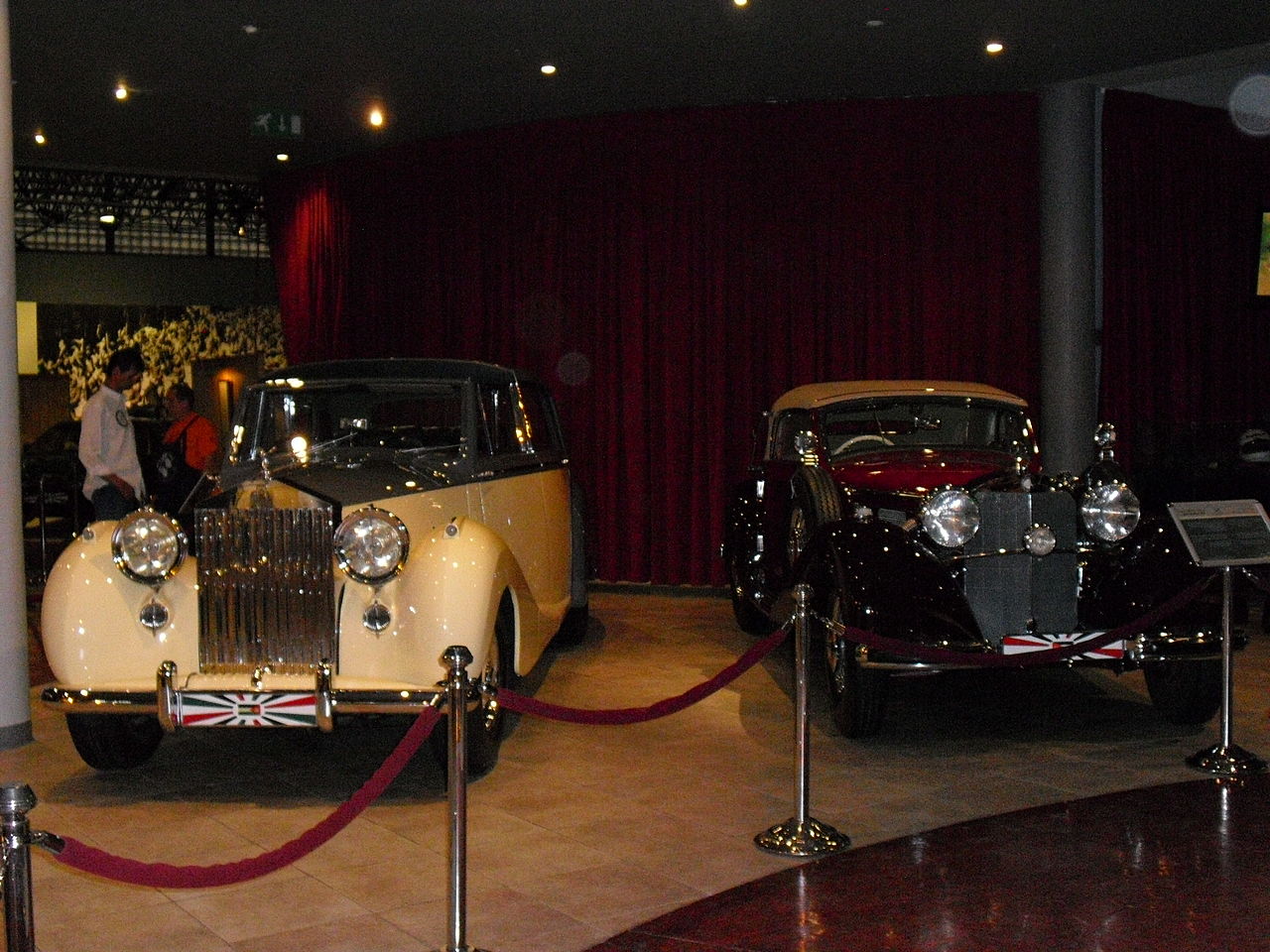
Plan Your VisitOpening Times:The museum is open Sunday to Thursday from 10:00-19:00; Friday from 11:00-19:00, and Tuesday the museum is closed.Prices: The entrance fee is 3 JOD; We recommend taking the audio guide for 5 JOD to get the most out of the museum.Average Visit Duration:About 2 hours; most visitors tour the museum in chronological order to get a sense of the progression of history.Popular Times:The best time to visit the museum is in the early morning or late afternoon.Relevant Tours:You can combine a visit to the Royal Automobile Museum with a Jordan tour from Israel,The Royal Automobile Museum is located alongside the Al Hussein Public Park inAmman, Jordan. It holds an impressive collection of rare vehicles and motorcycles from Hussein bin Ali’s personal car collection.History of the Royal Automobile MuseumThe vehicles on display in this museum began arriving in Jordan as early as 1909. The museum was established by King Abdullah of Jordan in 2003 and was the first automobile museum in the region. Today it holds cars spanning from 1916 to the present day and served as a tribute to the late King Hussein.Luxury Cars in the Museum (Image source: Hosse CC BY-SA 3.0) The car collection tells the story of Jordan’s history together with the historic photos that form a backdrop for the cars. Through the cars, Jordan’s history can be traced back to the Great Arab Revolt, and tells a unique story of the country under the rule of His Majesty King Abdullah I in the 1920s, through King Hussein’s 47-year reign, and up to the present era of King Abdullah II.What to See at the Royal Automobile Museum, AmmanOn display are 80 cars and motorcycles from King Hussein's personal collection.The Martian Rover and Real-Life TroncycleSee the Rover used in The Martian, one of the Hollywood movies filmed in Wadi Rum. This propwas gifted to the country in thanks for their hospitality. The Museum also has a Neutron Motorcycle, a bike designed after the famous lightcycle from the movie TRON.The Neutron Bike (Image source:Ankur Panchbudhe CC BY 2.0The Packard Dual Cowl PhaetonThis stunning vehicle was specially built for King Faisal of Iraq in 1938. Faisal ascended the throne in the same year as King Husein in 1953 and was assassinated in 1958. The car was found in Lebanon in 1970 and exported to the US, before arriving in Jordan. It is the only vehicle of its kind in existence.Mercedes Benz 280GEThis car carried the casket of King Hussein during his funeral procession.

Wadi al Mujib

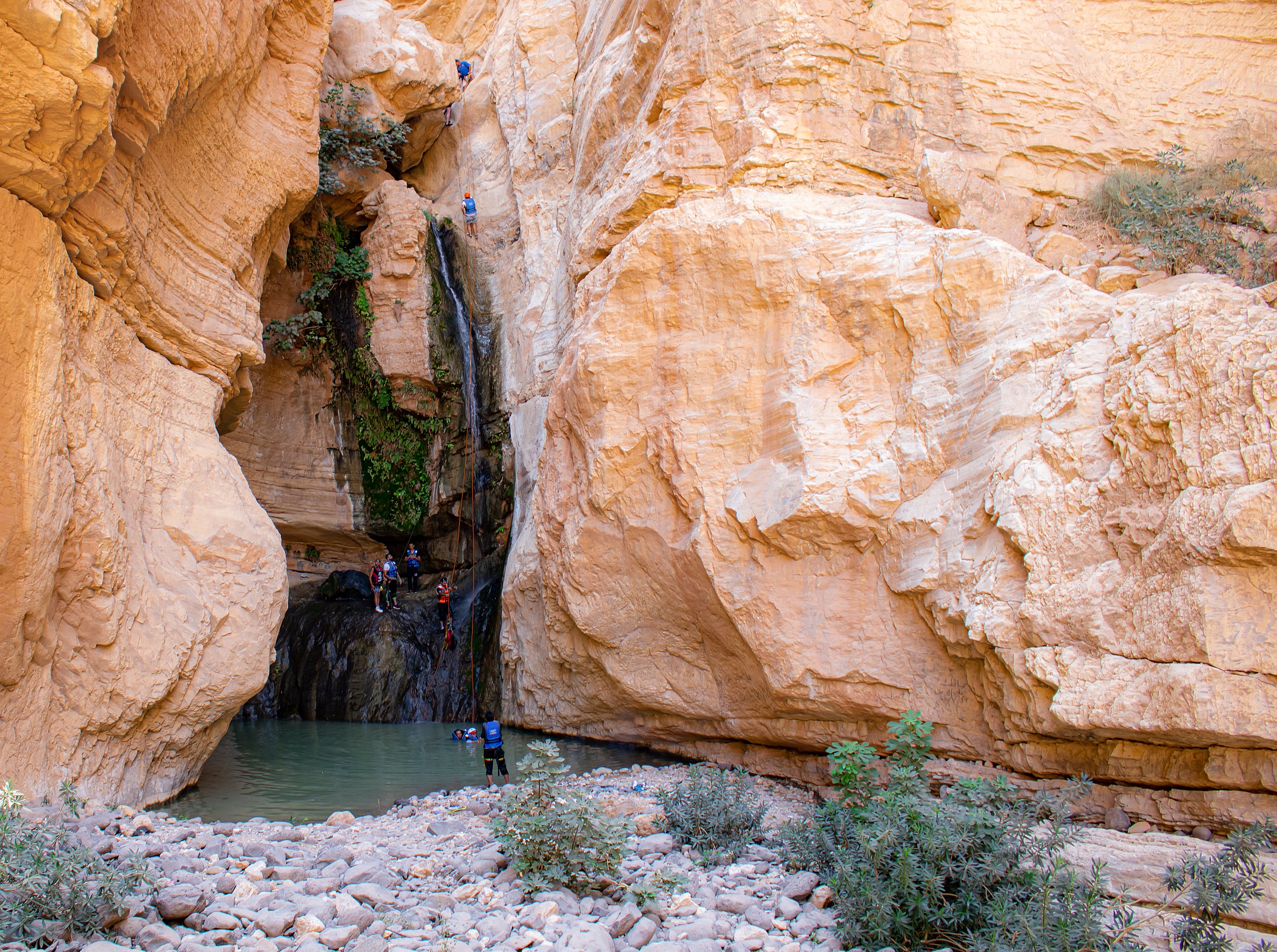
The Mujib River (also called the Arnon Stream) is a river that runs through Jordan and empties into the Dead Sea. The river runs for 70km, 4m of which flows through Wadi al-Mujib, the Mujib Gorge. Sections of this beautiful wadi have become popular tourist sites like the Mujib Biosphere - the lowest Nature Reserve in the world - that stands at the western end of the river. The river stretches from the Desert Highway to the Dead Sea, and the gorge has a 1km drop to the water below.History of Wadi al-MujibThe canyon was formed during the last ice age when the Dead Sea's water level was much higher than it is today. It flooded into the lower areas of the canyon and ran along the banks where sediment formed. As the climate changed over thousands of years, the water level of the Dead Sea dropped, but the river remained flowing through the canyon.The gorge was known as Aron Stream in the Bible and is mentioned as a borderline between the Moabites and the Amorites. This is also where Moses is believed to have led the Israelites on their journey into the Promised Land.In 1987 the Royal Society for the Conservation of Nature created a 212km² reserve to help preserve the environment and indigenous birds. In 2011 the biosphere reserve was declared a UNESCO site.What to See and Do at Wadi al-MujibVisit the Biosphere ReserveThis wildlife reserve stretches from the Kerak mountains in the north to the Madaba mountains in the south and between the King’s Highway and the Dead Sea. The elevation within the reserve varies from 410m below sea level on the shore of the Dead Sea to 900m above sea level in some places.Seven tributaries flow through Wadi Mujib year-round, feeding natural springs and creeks, and creating magnificent biodiversity: Over 300 distinct species can be found here, including rare predators such as the Syrian Wolf and the Mountain Cat. Birdwatching fans will relish in the avian variety, which peaks during migration seasons. Pro Tip: The Biosphere Reserve is about 1.2 hours from Amman, so you can combine it with your visit to the city.Hike Through Wadi al MujibYou can take a wet hike along the river and see waterfalls and gorgeous scenery. There are several excellent hike trails of different lengths. The most popular route is along the Mujib Trail which covers 15km. For an easier course, try the Siq Trail which ends at a picturesque waterfall. Perhaps the most challenging trail through Wadi al Mujib is the Canyon Trail which starts at the Mujib Adventure Center and follows the Dead Sea Highway to the south. The route includes a descent through a 20m-high waterfall. The Ibex Trail is the only one available in the winter and takes hikers along the shore of the Dead Sea. Pro Tip: keep your Camera handy; animals just tend to pop by when you walk near the water. Canyoning, Abseiling, and ZipliningSeveral companies offer extreme sports activities in Wadi al-Mujib including canyoning and abseiling. For canyoning in Wadi al-Mujib, you should book a trek through Amman or Madaba. There is also a zipline in the Mujib Biosphere Reserve that is made up of two parallel cables so that two people can take the ride simultaneously. The Zipline travels for 100m along a slope of 9m extending from the Visitor Center. Ma’in Hot Spring ResortThis beautiful resort was created around a natural hot spring on the shore of the Dead Sea. It is located about 30km from the Jordanian city of Madaba - famous for the Madaba Map. Both locals and tourists love to relax at the Ma’in Hot Spring Resort and enjoy excellent restaurants, spa treatments, and pampering.Plan Your VisitOpening Hours:An open reservation; The Ibex Trail tour starts at 08:00.Prices: The Siq Trail (unguided) and the Ibex Trail (guided tour) cost 21 JOD each. Average Visit Duration: Plan to spend 2-4 Hours at Wadi al Mujib.Popular Times: Most of the reserve trails are open from April to October, but this site has lots to offer during winter as well. Either way, mornings are the best time to visit the reserve.When visiting the reserve you will need your passport or ID. To participate in the wet trails you must be over 18 years old.All trails through the Biosphere Reserve need to be booked in advance. Bookings can be made through the RSCN Wild Jordan office in Amman.Accommodation and refreshments are also available in the reserve.

Roman Theatre, Amman

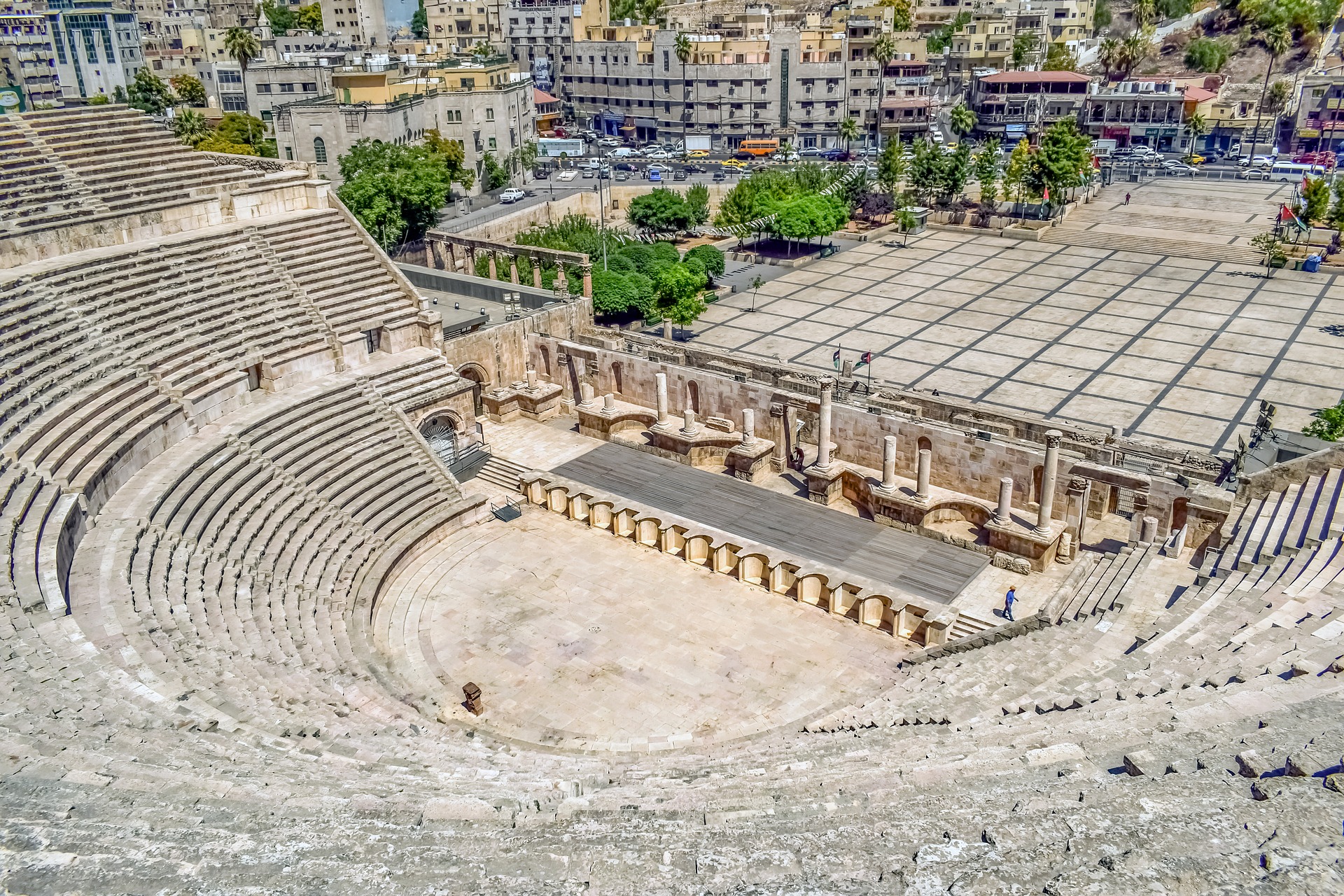
The Roman Theater in the Jordan capital of Amman was carved into Jabal Al-Jofeh on the northern side of the hill in 138-161 BC. Today it is one of the top attractions of Amman and a popular performance venue; This is a great place to get your fill on History, Archeology, and culture.History of Amman Roman TheaterThe magnificent theater was constructed when Amman was part of the Roman Empire, during the reign of Emperor Antoninus Pius. He was a big fan of the arts and encouraged the construction of theaters, and cultural centers. At the time the city was called Philadelphia, after the Ptolemaic ruler, Philadelphus. Construction took place between 138AD and 161AD, and the theater became the central attraction of the city.In 1957 work began on restoring the ancient structure. Although the restoration was not done with the original materials, it still looks like it did 2000 years ago. And today the theater is used for performances, concerts, and special events.What to See and Do at the Amman Roman TheaterAmman’s Roman theater has the classic design of Roman theaters with a stage; an Orchestra (the ground-level open area between the stage and seats); a Cavea (the audience seating area), and the Scaenae (a decorative, permanently built stone background to the stage). Pro Tip: Get the best photos of the Roman theater in the morning and the best views of the city from the top tier of the seats before sunset.The CaveaThe Roman Theater in Amman could accommodate 6,000 people in the audience, sitting on the steep tiered steps. You might notice that the theater was built facing north. This was so that the audience would not have the sun in their eyes when watching performances. There are a total of 44 rows in the cavea. 2,000 years ago the audience would have been divided by social rank with the rich and powerful sitting near the front, and the poor, slaves, women, and foreigners sitting in the upper section.Roman Theater MuseumsOn either side of the Roman structure are two small heritage museums, the Museum of Popular Traditions and The Folklore Museum. If you want to see statues that once adorned the theater, visit the Jordan Museum in the city.Amman Roman ForumA public square (Roman Forum) once stood in front of the theater. It was added by Emperor Commodus. At the time this would have been one of the largest forums in the Roman Empire, measuring 100m by 50m. What remains today are a few of the columns that stood around the square and some Roman paving stones.The OdeonJust east of the large Roman Theater, you can see a smaller Roman performance venue called the Odeon, which could seat 500 spectators. At the same site is the Nymphaeum, an ornate fountain built in 191AD and dedicated to the water nymphs.Plan Your VisitOpening Hours: Winter (November through April) 08:00-16:00; summer 08:00-18:30; April and May 08:00-17:30; holy month 08:30-18:00. The museums that flank the Roman Theater have the same open hours.Prices: Entrance Fee is 2 JOD, and covers the site's museums as well.Average Visit Duration: Plan to spend 1-2 hours at the Amman Roman Theater.Special Events: The Roman Theater in Amman hosts regular performances and cultural events, like the popular Al-Balad Music Festival.Relevant Tours: You can combine a visit to the Roman Theater with a tour of the Amman Citadel which is located nearby. Even if you are on a short tour from Israel to Petra, try to extend your stay in Jordan to include time in Amman and a visit to the Roman Theater.

Amman Citadel

The Amman Citadel (Jabal Al-Qal’a) stands on one of Amman’s seven hills in the Jordanian capital. The ancient hilltop remains to look down on the city of Amman as a constant reminder of Jordan’s role in ancient history. Today it is an archaeological site, but the citadel has a long and illustrious past. To understand the importance and size of the Amman Citadel, imagine that it would have been larger than iconic Roman structures such as the Forum, Coliseum, or Pantheon in Rome. The impressive Roman complex includes tombs, stairs, walls, arches, and columns from various periods, but the site is not yet fully excavated.History of the Amman CitadelAs early as 1800-1200 BC, the Bronze Age, Citadel Hill was fortified with 1,700-long walls that surrounded the hill. In the Iron Age Citadel Hill became the capital of the Kingdom of Ammon, also known as Rabbath Ammon. The Amman Citadel Inscription was recovered from this period and is the oldest known inscription in the Ammonite language.Various conquering empires occupied the citadel over the years including the Neo-Assyrian Empire in the 8th century BC, Neo-Babylonian Empire in the 6th century BC, and the Seleucids in the 3rd century. But most of what has survived at the Amman Citadel site dates back to the Romans who arrived here in about 30 BC and remained into the 1st century AD. There are also archaeological remains from the Byzantine era (3rd century AD) and Umayyads (7th century AD). During the Ayyubid rule, in the 13th century, the citadel lost its importance and a watchtower was constructed on the hill.What to See at Amman Citadel Temple of HerculesThe remains of the Temple of Hercules are the most significant Roman remains in the complex. An inscription tells us that the temple was built sometime between 162-166 AD while Geminis Marcianus was governor of the Province of Arabia. When it was first constructed the temple would have been 30 meters by 24 meters, with an additional outer sanctum more than twice that size. The facade boasted six tall columns. Two 13.5 meter-high columns have survived as well as several broken columns.Hercules’ HandA colossal 12-meter-high statue of Hercules once stood at the temple. But it was destroyed by an earthquake. Today the only part of the statue that remains is a very Instagramable hand, or rather three fingers of a hand.Umayyad PalaceDuring the Umayyad period (661-750 AD) a large palace complex was built on Citadel Hill. It may have been built on the remains of an earlier Byzantine structure as the palace mimics the pattern and layout of Byzantine architecture. The ruins include a restored entrance chamber topped with an impressive dome, and a monumental gateway or kiosk. Within the palace complex, you can also see the remains of a mosque, residential buildings, and a large water cistern.Jordan Archaeological MuseumThis museum was built on Citadel Hill in 1951 to hold the artifacts found at the site. The collections are arranged chronologically, so you can see the site's history and how it changed over thousands of years. Museum highlights include the Ain Ghazal statues, large-scale lime plaster, and reed figures dating back to approximately 7250 BC-6250 BC.Byzantine ChurchSee the ruins of a Byzantine-era church, including parts of its original floor mosaic and pillars.Plan Your VisitOpening Hours: Winter (November through April) 08:00-16:00; summer 08:00-18:30; April and May 08:00-17:30; holy month 08:30-18:00.Prices: Entrance is 2 dinars, but free with the Jordan Pass which also gives you free admission or discounts for over 40 other sites like Petra Archaeological Park, Wadi Rum, and the Madaba Mosaic Map site. Average Visit Duration: Plan to spend 1-2 Hours at the Amman Citadel.Popular Times:Try to visit in the late afternoon, when there are fewer crowds and cooler weather.Visiting the Amman Citadel with a guided tour is also an option; this way you can learn a lot more about the site. You can also combine a trip to Israel and Jordan with a stop at the Amman Citadel.

Seven Pillars of Wisdom, Jordan

The Seven Pillars of Wisdom is the largest, most famous rock formation of the otherworldly Wadi Rum. These are seven distinct elements that seem like they're leaning and supporting each other (an awesome life lesson, for a rock). Visitors say it's a must-see for every visitor to Jordan; The tranquil, colorful desert around it creates a special atmosphere that is hard to explain - Butthe pics they take are just spectacular.The Seven Pillars of Wisdom(byDavid Stanley CC BY 2.0)History of The Seven Pillars of Wisdom, JordanGeologists say the Seven Pillars of Wisdom's peak exposes just how old this formation is. It's compiled of the two most prominent rock types in Wadi Rum: Quartz Sandstone from the Paleozoic era – half a Billion years ago, and under it, there's a layer of granitoids from the Precambrian era, over 4.5 Billion years old.The massive rock was named after Thomas Edward Lawrence's book "The Seven Pillars of Wisdom: A Triumph"; the writer knew the area very well; He was the famous "Lawrence of Arabia", British leader of the Arab uprising against the Othman Empire in 1916.The rock formation from distance. The view is just Martian (by paalia CC BY 2.0)The local Bedouin had a less distinguished name for the rock: In ancient times, remote and secluded mountain ranges were considered dangerous and were given names to represent possible risks in order to discourage the populous. So this Majestic rock was called Jabbal Al-Mazmar, or "the mountain of Plague". Don't worry, it's just a name.Where is the Seven Pillars of Wisdom rock?The rock formation towers over its surroundings in the northwest of the wadi, and is very hard to miss; this is one of the first things you'll see when arriving at the Reserve. It’s located 3km Northwest of the Alameleh Inscriptions site, and less than 2km from the Martian-looking Wadi Rum Big Red Sand Dune. Most Wadi Rum Tours will take you there, and you'll shoot some incredible photos; somehow, the Seven Pillars of Wisdom just can't look bad in pics.What to See and do at the Seven Pillars of WisdomThe Wadi Rum Area is filled with beautiful spots such as the famous Um Furth Rock Arc, and the Red and Yellow dunes. Southeast of the mountain you'll find the Mushroom Rock, as well as some historically interesting spots like Lawrence's House.The 4X4 rides are the best way to get around Wadi RumBut the best way to experience Wadi Rum is a Jeep trip, that will take you to many interesting spots. If you stay there overnight, you can also enjoy activities offered by local glamping sites – such as Camel rides, Stargazing, and hikes.Plan Your VisitOpening Times:always there; It's a mountain. Tours and lone visitors reach it from dawn to dusk.Prices:Free if you can get there on your own - which isn't recommended for people who don't usually travel the desert. Local guides can be pricy, so most visitors just take an organized tour that includes this attraction.Average Visit Duration:20-30 minutes. Could take hours, If you want to hike around it.Popular Times:The best time to visit is in the early morning or late afternoon, to avoid the heat.Special Events:The surrounding campsites hold stargazing tours several times a week and offer amazing views of the Milkey Way from the dark, secluded wilderness.Relevant Tours:Petra and Wadi Rum Tours from Eilatwill get you there, and you'll see the area's amazing rock formations. Such Petra+Wadi Rum Tour is a great solution for making the most of your trip: It will cover many attractions, and also take you to the marvelousPetra Treasury, theRoyal Tombs, theSiq, and much more.

Um Fruth Rock Bridge

The Um Fruth rock bridge is one of Wadi Rum's most famous spots: a rocky arch molded by wind and water over eons until it looks just like an elevated walkway, 15 meters high. Don't even think about missing this great photo op.History of the Um Fruth rock bridgeJordan is famous for amazing things ancient cultures created within nature, such as the Nabatean Lost City of Petra – a beautiful capital, all carved into red canyon walls. But the Um Fruth rock bridge is 100% natural: Water and wind grind the rock's basis, so it gradually dissolves. The famous Rock Bridge (by Thraen CC BY-SA 4.0)In time, water sources can dry out or change course due to seismic activity or human involvement such as dams, and this is how we get stone arches like the Um Fruth rock bridge.How do you get to the Um Fruth rock bridge?The Bridge is located in the southeast part of the Wadi Rum reserve, about 4km west of the famous Burdah Rock Bridge. Most Wadi Rum Tours will take you there by Jeep, Camel, or on foot.Is it Hard to Climb the Um Fruth rock bridge?The climb isn't difficult, but still won't be suitable for small children and the differently abled. Note that there are no safety ropes around, but the rock is both wide and stable – so just watch your step.Hard to climb? not so muchPlan Your VisitOpening Times: always there; It's a Rock. Tours and lone visitors reach it from dawn to dusk.Prices: Free if you can get there on your own - which isn't recommended for people who don't usually travel the desert. Local guides can be pricy, so most visitors just take an organized tour that includes this attraction.Average Visit Duration: 20-30 minutes; note that sometimes there's a line - this is a VERY popular spot.Popular Times: The best time to visit is in the early morning or late afternoon, to avoid the heat. Special Events: The surrounding campsites hold stargazing tours several times a week and offer amazing views of the Milkey Way from the dark, secluded wilderness.Relevant Tours: Petra and Wadi Rum Tours from Eilat will get you there, and you'll see the area's amazing rock formations. Such Petra+Wadi Rum Tour is a great solution for making the most of your trip: It will cover many attractions, and also take you to the marvelous Petra Treasury, the Royal Tombs, the Siq, and much more.

Mamluk Castle (Aqaba Fortress)

One of the top attractions of Aqaba, the Red Sea port city in Jordan, is the Mamluk Castle. It is also known as the Aqaba Fortress or Aqaba Castle. This well-preserved historical site tells the story of Aqaba’s conquerors and rulers over the course of hundreds of years.History of Mamluk CastleThe structure was completed in 1517 under the Mamluk Sultan Qanswah al-Ghawri. ProTip: Spot the Arabic inscription in the gateway showing the date of construction.The main entrance to Mamluk CastleThe fort was used as a travelers’ inn or Khan. Muslim pilgrims en route to Mecca could stop here to rest and renew their supplies for the rest of the journey. The fortress was used and renovated by several Arab dynasties and survived a Crusader attack in 1116. The Turkish Ottomans controlled the area, including Aqaba and the fortress until the Arab Revolt in 1916 when Sharif Hussein bin Ali al-Hashimi, in alliance with Britain and France (and with the help of Lawrence of Arabia) managed to oust the Turks. The fortress played an important role in the revolt and was a heavily defended stronghold of the Turks. The revolt continued until October 1918, and in 1917 most of the fort, including the west wall and the northwest tower, was destroyed by British bombs.Today a tall flag pole stands in the Great Arab Revolt Plaza, next to the fortress commemorating the Arab Revolt.In 1922 Transjordan was recognized as a state under the British Mandate which lasted until 1946 when Jordan gained independence. Since then the Jordanian authority has slowly been restoring and preserving precious monuments like the Aqaba Fort.What to See and Do atMamluk CastleThe rectangular-shaped fortress had towers at each corner and in the middle of the northern wall stood the two-towered gatehouse. Above the entrance of the fortress, you can see a machicolation (an opening in the battlement where hot oil, tar, or water could be thrown down on attacking forces below) adorned with a large coat-of-arms of the Hashemites, commemorating victory during the Arab Revolt. ProTip: This is one of the best photo ops at the Mamluk Castle.The Mamluk Castle ruinsWithin the walls would have been a two-story structure with rooms used for pilgrims during the Ottoman era and used as army barracks during the Arab Revolt. A mosque once stood by the south wall, but all that remains of this structure are the Qiba and Mihrab.The fortress had rooms beneath the ground that predated the Mamluks fort, but they were destroyed during the Crusader attack of 1116 and by an earthquake in 1068 before being abandoned.The structure we see today dates back to the 16th century. ProTip: If you’re at the fortress it is a short walk to the adjacent Aqaba Archaeological Museum housed in Sharif Hussein’s former residence.The Fortress facadePlan Your VisitOpen Times: Sunday to Thursday 08:00-17:00 (and until 16:00 in winter); Friday to Saturday 10:00-17:00 (and until 16:00 in winter.Prices: 3 JD or if you join a Petra tour from Israel that visits the fortress, the entrance will be included. Note that The Jordan Pass includes Aqaba Castle.Average Visit Duration: You could spend up to an hour exploring the fortress.Popular Times: Tourists visit the Aqaba Fort throughout the day but because of the heat it is always recommended to do your Aqaba sightseeing in the morning or afternoon.Special Events: The Aqaba Traditional Arts Festival is in February and showcases traditional Bedouin arts and crafts.Relevant Tours: Join a 2-day Petra tour from Israel that includes a panoramic tour of Aqaba. Here you can find a goodPetra tour from Tel Aviv and recommendedPetra tours from Eilat.

Djinn Blocks

Djinn Blocks is a fascinating and historical site located in Petra, Jordan. The site was discovered by the Swiss explorer Johann Ludwig Burckhardt in 1812. Petra, known as the Red City, was once a thriving city of the Nabatean Kingdom and is now a UNESCO World Heritage Site.The Djinn Blocks, Petradjinn blocks (by Gerd Eichmann CC BY-SA 4.0)Tourists are drawn to the Djinn Blocks for their unique and impressive appearance, as well as their historical significance. Visitors often marvel at the intricate carvings and the sheer size of the blocks. The Djinn Blocks are also favored for their stunning views of the surrounding desert and mountains, making them a popular spot for photos and picnics.History of the Djinn BlocksThe Djinn Blocks are massive sandstone blocks, carved into various shapes and sizes, giving them a unique and striking appearance. These blocks were used as tombs and were carved by the Nabateans over 2,000 years ago.The Djinn Blocks are considered some of the best examples of Nabatean architecture and engineering, and they offer a glimpse into the rich history of Petra.The road to the Djinn Blocks (by Dosseman CC BY-SA 4.0)Locals believe these blocks were created to house spirits, to guard both the living and the dead. Djinn is, in fact, the original Genie – the wish-granting magical creature we all know and love. But Arab folklore depicts them as shape-shifting entities, neither good nor evil – that can take control of a person's body for their exploits. The Djinn Blocks were built to appease the spirits, hoping they'll guard their surroundings at night.What to See and Do in the Djinn BlocksThe Djinn Blocks is the first attraction you'll see as you walk into the Petra Archeological Park. Located about 350 meters from the parking lot, right on the main path - this is not a site you'll miss. Visitors like to take their pictures with these "Genie Apartments", and some hold out their hand to the stone and make a wish, hoping the spirit will be in their favor.Make a wish, maybe the Djinn will help out. The Djinn Blocks (by Dennis Jarvis CC BY-SA 2.0)If you'll continue walking down the main road, you'll reach some of Petra's most popular attractions:The Obelisk TombAbout 50 meters from the blocks, right across the main path, you'll find the Obelisk Tomb; its massive pylons - erected to honor a dignified Nabatean merchant over 2,000 years ago - tower over the main path and create a lovely photo op. Visitors like to go up into the tomb chamber itself and take photos of the Djinn Blocks from above.The SiqIf you'll head west on the main path, you'll note its descent into the mountain range – until you'll see the Siq: a lovely gorge with smooth walls and interesting colors. The is the road to Petra, and after a walk through the rosy cliff, you'll see the Petra Treasury.The Petra TreasuryAlso known as Al-Khizneh, this is the most famous spot in Jordan, and one of the most beautiful archeological sites in the entire Middle East. The treasury's huge façade compiled of columns, and intricate decorations and has a large urn at its top.The Petra Treasury, view from the ridgeline The locals believe this place still holds an ancient, hidden treasure. Visitors who stay overnight can also see the treasury get lit with candles several times a week – see the next section for details.Plan Your VisitOpening Times:Summer 06:00-18:00; Winter 06:00-16:00.Prices:90 DOJ, but travelers who join a Petra tour from Israel will have the entrance price included in their price.Pro Tip:If you’re not visiting Petra with a guided tour, buy the Jordan Pass for a discount to the Petra Archaeological Park.Average Visit Duration:20 minutes,Popular Times:The best time to visit Petra is in the early morning or late afternoon.Special Events:A magnificent candlelight spectacle takes place in front of the Treasury on Monday, Wednesday, and Thursday at 20:30. The path leading towards the Treasury and the Treasury itself is lit up with over 1,500 candles. The show features bedouin music, a light show, and tea.Relevant Tours:EveryPetra 1-Day Tourwill take you past the Djinn Blocks. Note that thePetra Archeological Parkholds many marvelous attractions you just won't reach unless you plan a2-day Petra tour. That way you could see MUCH more, such as the amazingPetra Monastery, andQasr Al-Bint temple. With aPetra tour from Tel Aviv, you’ll see two countries on one trip.

Obelisk Tomb

The Obelisk Tomb in Petra, Jordan, is a magnificent structure that stands as a testament to the rich history and cultural heritage of the region.The Obelisk Tomb This unique monument is believed to have been created by the Nabateans, an ancient Arab people who once inhabited the area and left behind a legacy of incredible architectural achievements.History of the Obelisk TombBuilt in the 1st century CE, this beautiful structure combines traditional Nabaean architecture with Hellenistic, Egyptian, and even Indian elements. It used o have five obelisks, representing the five Nabatean noblemen buried in its halls - but the western obelisk - the tallest of the bunch - was destroyed under unknown circumstances.The Obelisk Tomb was first discovered by European explorers in the 19th century, and since then it has become a popular tourist destination for those visiting Petra. Visitors are drawn to the tomb's intricate details and stunning architecture, as well as its rich history and cultural significance. Many tourists enjoy exploring the numerous carvings and inscriptions that adorn the walls and pillars of the tomb, which offer a glimpse into the lives and beliefs of the Nabateans.What to See and Do at the Obelisk TombThis lovely attraction is hard to miss: it sits on the main road to Petra, about 400 meters from the parking lot. The tomb is compiled of a lower facade, called Bab al-Siq by the locals; this element marks the entrance to the deep gorge leading to Petra itself - located just a few minutes walk from the tomb.The Tomb's upper floor contains burial niches and a splendid viewInside, you'll see a resting and dining hall, with three benches that were used for feasts in honor of the deceased. The stairs up will take you to the burial halls themselves. This is a great photo location, with interesting light and shadow.As you walk down the main road to the west, you'll see some of the most popular and special points of interest in the Petra Archeological Park:The Djinn BlocksThe Djinn Blocks sit just over the main road, 50 meters from the tomb. These are massive blocks built in ancient times as houses for desert spirits - the Djinn. These legendary apparitionswere the inspiration behind the wish-granting Genie we all know. The Nabateans built these structures to appease the spirits, and even today people lay their hands on the blocks and make wishes.The Djinn Blocks (by Gerd Eichmann CC BY-SA 4.0)The SiqAfter a few hundred meters, you'll note that path's descent: it will lead you to the Siq - a stunning gorge with smooth walls and mesmerizing colors. This is the road to the lost city of Petra, and the famous Petra Treasury.The Petra TreasuryLocals call it Al-Khizneh; this is the most captivating and remarkable structure in the park, considered its crown jewel. The treasury's enormous façade has large columns, and intricate ornamentations, and its splendor is a sight to behold.The Petra TreasuryPlan Your VisitOpening Times:Summer 06:00-18:00; Winter 06:00-16:00.Prices:90 DOJ, but travelers who join a Petra tour from Israel will have the entrance price included in their price.Pro Tip:If you’re not visiting Petra with a guided tour, buy the Jordan Pass for a discount to the Petra Archaeological Park.Average Visit Duration:20 minutes,Popular Times:The best time to visit Petra is in the early morning or late afternoon.Special Events:A magnificent candlelight spectacle takes place in front of the Treasury on Monday, Wednesday, and Thursday at 20:30. The path leading towards the Treasury and the Treasury itself is lit up with over 1,500 candles. The show features bedouin music, a light show, and tea.Relevant Tours:EveryPetra 1-Day Tourtakes you past the Obelisk Tomb. But note that thePetra Archeological Parkharbors many fantastic attractions you just won't reach unless you plan a2-day Petra tour. That way you could see MUCH more, such as the amazingPetra Monastery, andQasr Al-Bint temple. With aPetra tour from Tel Aviv, you’ll see two countries on one trip.

Kedumim Square, Jaffa

Plan Your VisitOpen Times: The square is open to the public 24/7 and the attractions and restaurants here each have their open hours.Prices: Entrance to the square is free.Average Visit Duration: About 30 minutes.Popular Times: Kedumim Square is charming at any time of day, visit at lunchtime to enjoy a meal in one of the restaurants, or visit at night when the square is beautifully lit up.Special Events: In the summertime (July-August) the municipality provides free entertainment in the square. The square is the main hub of the Jaffa Nights Festival during the summer months.Relevant Tours: Several Tel Aviv tours and Jaffa-centric experiences such as a Jaffa walking tour will stop at Kedumim Square.Kedumim Square or Kikar Kedumim, (literally translated as Antiquities Square) is in the heart of Old Jaffa, and the perfect place to start exploring this ancient port city. You can’t miss Kedumim Square even if you try, as the city’s top attractions surround it. The Kedumin Square (Image source: Mattes)It is an essential stop for anyone looking forattractions in Jaffaas this is where you’ll find the Jaffa Visitors Center. Beneath the square are archaeological excavations that can be seen at the museum in the Visitors Center. The surrounding buildings are built of beautiful pale sandstone.You’ll find art galleries, restaurants, cafes, souvenir stores, and boutiques here. This is the place to come if you just want to hang out and soak up the atmosphere, or if you want to visit all the top attractions.How to find the Kedumim Square? You’ll enterJaffafrom Tel Aviv, along Yefet Street where you’ll see the city’s most famous landmark, the OttomanClock Tower. The Old City of Jaffa and Kedumim Square are west of the Clock Tower.It is easy to explore Jaffa on foot, and if you turn right just after the clock tower you’ll arrive in the Old City. Pro Tip: If you turned left you’d end up in the Jaffa Flea Market which is also worth visiting. If you take Mifratz Shlomo Street it is a 7-minute walk to the square, and you’ll pass the Mahmoudiya Mosque. Alternatively, keep going along Yefet Street a little further before turning right on Louis Pasteur Street. This route is a 13-minute walk to the Old City.Things to See and Do in Kedumim Square, JaffaZodiac FountainIn 2011 artists Varda Ghivoly, Ilan Gelber, and Navot Gil created this fun fountain.It features the twelve zodiac signs carved out of chalkstone.The Zodiac FountainAt night theZodiac Fountainis lit up bringing the zodiac characters to life. Legend has it that it is a magic wishing well, and if you throw a coin in and make a wish it will come true.Kedumim Visitor Center JaffaYour most important stop in Kedumim Square is the Visitors Center which also houses the Jaffa Museum known as Jaffa Tales. The staff is accommodating providing information about the city’s attractions, and selling tours, and maps. The information about Jaffa is available in Russian, German, English, Arabic, Hebrew, Spanish, and French.Jaffa Tales MuseumThe museum is accessed via the Visitor Center and offers a multi-media glimpse into 5,000 years of Jaffa history. At the museum, visitors walk along walkways through the archaeological excavations beneath Kedumim Square.The museum also known as Jaffa Tales takes you on a journey back in time using genuine archaeological artifacts, animated displays, and holograms of historical figures who tell their story. The two video presentations at the museum are available in Hebrew, Arabic, French<, German, Spanish, Russian, and Chinese. Note thatentrance is by prior arrangement.Attractions Within 3 Minutes of Kedumim SquareThe Wishing BridgeJust one minute from Kedumim Square is the famousWishing Bridge, it features twelve bronze plaques, each with a zodiac sign. Yes, you may have noticed Jaffa has fountains, streets, statues, and bridges with an astrological theme.The Wishing BridgeSaint Peter’s ChurchThis impressive church is named after Saint Peter who spent time in Jaffa. It was here that he brought Tabitha back to life. TheSt. Peter’s Churchisreminiscent of a European basilica and has a stunning interior.St. Peter's ChurchZodiac LanesFrom Kedumim Square there is a network of narrow stone alleys named after the zodiac signs that lead down to the old port. The lanes are quaint with brightly colored doorways dripping with vines and bougainvillea, perfect for Instagram shots. On the way, you’ll pass several art galleries and boutique stores.Pro Tip:One of the most famous galleries here is the Ilana Goor Museum on Mazal Dagim Street (Gemini Street).The PromenadeFrom Kedumim Square continue north in the direction of Tel Aviv and follow the upper promenade that offers spectacular views of the coastline.

Mitzpeh Gadot

Mitzpe Gadot is a lookout point in the Golan overlooking the Hula Valley. The spot has a fascinating history; it is the site of a former Syrian bunker and offers a breathtaking view.History of Mitzpe GadotIn 1946 the state of Syria was created giving a large area of the Golan Heights to the new country. From 1948 when Israel was established to 1967 the kibbutzim and villages in the Hula Valley were targeted by Syrian snipers who took aim from the Golan. During those 19 years, there were at least 400 shootings and more than 1,000 shells fired at Israeli communities. During the 1967 Six-Day War, Israel pushed the Syrians back across the border taking a section of the Golan Heights creating a buffer zone between the two countries and Syrian sipper fire. In 1981 Israel officially annexed the area and all residents were given Israeli citizenship. Since then this area has been almost completely free of conflict. Mitzpe Gadot is the site of a Syrian bunker from the era prior to 1967.Eli CohenEli Cohen (1924-1965) was a famous Israeli spy who infiltrated Syria and became the chief advisor to the Syrian Minister of Defense while feeding information back to Israel. Cohen convinced the Syrians to plant Eucalyptus trees around each of their outposts and then told the Israeli’s to look out for eucalyptus groves as targets. He was eventually captured and hanged in Syria. Mitzpe Gadot was one of the Syrian posts where eucalyptus trees were planted. Cohen’s intel about the Syrian construction of three rows of bunkers and munitions helped in the Israelis capture of the Golan.Mitzpe Gadot TodayToday Mitzpe Gadot remains a beautiful hillside where you can look down over the Israeli kibbutzim. There is a memorial in honor of fallen soldiers who fought in gruesome battles in this area during the 1967 and 1973 wars and the Lebanon campaign of 1982. The site is planted with eucalyptus trees and there is an audio guide telling of Eli Cohen and the history of the area.Want to visit Mitzpe Gadot and hear it's fascinating history? book a Private Tour to the GolanHeights.

Elisha's spring

Elisha’s Spring (also called the Prophet’s Fountain and Elisha’s Fountain) is a freshwater spring near the archaeological mound of Tel Jericho where remains of settlements were found dating back to about 8,000 BC. The people who settled here so long ago would have done so to take advantage of the freshwater which is such a scarcity in the harsh desert environment just north of the Dead Sea. Elisha’s Spring makes Jericho an oasis or City of Palms in otherwise dry surroundings. The perennial spring continues to produce plenty of water which has a temperature of 26°C.Elisha Healed the WaterElisha is a venerated prophet in Islam, Judaism and Christianity and for this reason, the spring is also called the Prophet’s Fountain. Elisha is mentioned in Kings II 2:19-22 when the people of Jericho came to Elisha and told him that the city had a good location near water but it was not good water and could not irrigate the land. Elisha called for a jar of salt which he then threw into the water saying that the water was healed and would never again cause death or unfruitful land. From that point on the water was pure.Visiting Elisha’s SpringToday Elisha’s Spring lies across the road just east of Tel Jericho (Tel es-Sultan) and about 2km northwest of the modern city of Jericho. Visitors to Jericho can stand overlooking the spring where it exits the ground near the red-roofed pumping house and look down on the water teeming with fish. The pumping station provides Jericho with water and small waterways are redirected to fields for irrigation. Another viewing point of Elisha’s Spring is at the site of a pond and fountain fed by the spring under the shade of a fig tree. A beautifully tiled sign behind the spring reads:” Jericho – the Oldest City of the World” and “Elisha Spring Fountain.”To visit Elisha's Spring in Tel Jericho join a tour to Bethlehem and Jericho.

HaPisga Garden (Abrasha Park)

Take a stroll along Tel Aviv’s beachfront promenade, starting in the north, perhaps at the Tel Aviv Port. Just before you reach the old port city of Jaffa, you’ll reach HaPisga Garden (the Garden of the Peak or Summit Garden), named for its location on the peak of a rocky outcrop which is crowned by Jaffa. Spread out below HaPisga Garden is the spectacular view along Israel’s Mediterranean coast looking north to Tel Aviv. Continue a little further and you’ll be in Jaffa.Many people walk straight through HaPisga Garden, or they bypass it altogether, but this fascinating patch of green holds some interesting stories. It is connected seamlessly to HaMidron Garden, HaMuze’on Garden, and Sha’ar Ra’amses Garden. HaPisga Garden can be approached from several entrance points including crossing the Zodiac Bridge from Kedumim Square in the heart of Old Jaffa.Plan Your VisitLocation - HaPisga Garden (Abrasha Park), HaPisga Street, Tel Aviv-JaffaOpen Times - 24/7Prices - FreeAverage Visit Duration - 1 hourSpecial Events - The park, and in particular the amphitheater is a venue for outdoor concerts and events including the annual Jaffa Nights Festival, and the International Student Film Festival. Every Saturday in June between 17:00 and 23:00 the park welcomes people to “Picnic in Pisga”, bring your picnic basket and spread out a blanket on the grass as you watch the city lights in the distanceTours - The best way to learn about the stories that hide behind HaPisga Garden is to take the Tel Aviv day tour or the Jaffa walking tourHistory of HaPisga Garden (Abrasha Park)HaPisga Garden holds historical significance, situated atop a hill that overlooks both Tel Aviv and the ancient port city of Jaffa. Originally established as a park in the early 20th century, it was later renovated and reopened to the public, blending its rich past with modern amenities.Why is it called Abrasha Park?HaPisga Garden is also known as Abrasha Park in honor of Avraham (Abrasha) Schechterman, deputy mayor of Tel Aviv in the 1950s and one of the initiators of the development of Jaffa.The park was designed by Avraham Karvan, who was the chief gardener of the city of Tel Aviv for about four decades. Although he never studied landscape gardening he was responsible for creating many of the city’s public gardens and open spaces. The park has benches where you can sit and enjoy the 360-degree view across the sea and city, as well as nearby restaurants, cafes, art galleries, and historical monuments waiting to be discovered.What to See in HaPisga Garden (Abrasha Park), JaffaGate of Faith - This sturdy square stone arch was sculptured by Daniel Kafri from Galilee stone. It stands at the highest point of Abrasha Park. The stone is carved with three biblical scenes, Jacob’s dream, the fall of Jericho, and the sacrifice of Isaac. The design of the sculpture in the shape of an arch symbolizes the entrance to the Promised Land. The Gate of Faith stands on an observation platform where there are panoramic views.Amphitheater - There are regular performances in this outdoor venue.Napoleon’s Cannons - The famous French general, Napoleon Bonapart spent time in Jaffa in 1799, and after making a speedy retreat a number of his army’s cannons were abandoned. Today they can be seen in Abrasha Park.Archaeological Remains - In the southeastern part of the garden there are excavation areas. Stone bridges cross above the ancient remains so you can look down from the bridges to get a glimpse of the past.HaPisga Garden (Abrasha Park) in Jaffa is more than just a scenic stop along Tel Aviv’s coastline; it’s a vibrant blend of history, art, and natural beauty, with stories that invite exploration at every turn. As you stroll through its paths, admire the sweeping Mediterranean views, discover the historic monuments, or pause at the Gate of Faith to reflect on the rich cultural significance of this place, you'll gain a deeper appreciation for the legacy that Jaffa brings to modern-day Israel.Whether you’re here to enjoy a peaceful picnic, attend a lively outdoor event, or explore on a guided tour, HaPisga Garden offers an experience that perfectly captures the soul of Jaffa. With its panoramic views, archaeological remnants, and connection to Jaffa’s fascinating past, HaPisga Garden provides a serene yet captivating escape that resonates with visitors and locals alike.

Church of St. Catherine

St Catherine’s Church is located within the Church of the Nativity compound in Bethlehem. St. Catherine’s is the Bethlehem parish church and part of a Franciscan Monastery. The church is one of the top attractions in the city and stands on the site where Jesus appeared before St Catherine of Alexandria in the 4th century and predicted her martyrdom. The Catholic church and its Franciscan monastery exhibit elements from structures of different historic periods. The church is part of a UNESCO-listed World Heritage Site. St. Catherine’s Church is the venue for the Christmas Eve Midnight Mass held annually on the 24th of December and broadcast live around the world to millions of Christians.History of St. Catherine’s ChurchOn this site in 1347, a shrine was dedicated to St. Catherine. In 1882 the structure was expanded thanks to funding by the Emperor of Austria. The new structure incorporated elements of a 12th century Crusader Church and Charter House as well as the 5th-century Sanctuary of St. Jerome that once stood here. The church and specifically the cloister were redesigned in 1948 by renowned architect Antonio Barluzzi. In 2013 the church was expanded to accommodate more worshipers.St. Catherine of AlexandriaSt. Catherine lived in the 4th century in the Egyptian city of Alexandria. She was a princess and a scholar who adopted Christianity after having a vision of the Virgin Mary and infant Jesus. She is known for having converted many people to Christianity at the young age of 14. She was martyred at the age of 18 at the hands of Roman Emperor Maxentius at a time when the Romans were persecuting Christians. Catherine was hung on a spiked wheel after being beheaded. From St. Catherine, we get the “Catherine Wheel.” Angels took her body to Mt. Sinai (Mt. St. Catherine) where her relics are now held. St Catherine is venerated mostly by the Eastern Orthodox Church and she is celebrated on her feast day on 24-25th November.What to See in the Church of St CatherineAt the entrance of the church, you can see beautiful arches that have been incorporated from the Crusader-era St. Jerome’s Cloister. It is possible to enter the Church of St. Catherine from the north transept; the underground caves, via the adjacent Nativity Church and through the church’s Cloister of St. Jerome. The large church has a nave and two aisles with a raised choir. The stunning stained glass window that creates a backdrop to the main altar was added in 2000 and depicts the nativity scene. Topping the roof of the church is a statue of Saint Catherine. Barluzzi’s design of the cloister incorporates column and their capitals from the 12th-century monastery. Standing at the center of the cloister is a statue of Saint Jerome. The original shrine that was once just a small part of the Franciscan Monastery is now part of the altar dedicated to St. Catherine. There is also an altar dedicated to Mary where you can see an 18th-century statue of Jesus as a young child. The church is connected to the adjacent Church of the Nativity by an underground passage.The Caves beneath St. Catherine’sThe highlight of a visit to St. Catherine’s is a visit to the underground caves. Steps lead you down beneath the church to grottoes holding several shrines and ancient tombs. A passage leads from the caves to the adjacent Church of the Nativity. Among those buried in the caves are St Paula, her daughter Eustochium and St Jerome. It was in one of these grottoes that St. Jerome is believed to have translated the Latin Bible into the vernacular.Want to visit St. Catherine Church? Join our Half day tour to Bethlehem.