Showing search results for ''

Ein Gedi Half Marathon

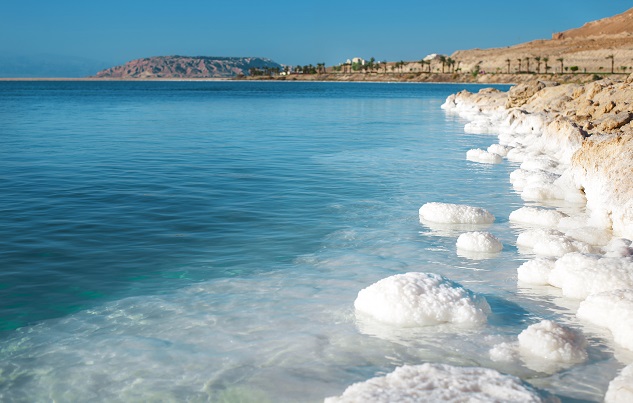
Shalom Marathon or Dead Sea Half Marathonwhen: Annually in February. February 16th, 2013Where: Starting from the Ein Gedi Spa, Dead Sea, Israel.This annual half marathon is organized by the Tamar Regional Council and has been held for the last 19 years. Each year the road race has grown in importance and in the number of participants. This marathon has the unique statues of being the “Lowest Race on Earth” as the starting line is at the Ein Gedi Spa on the shore of the Dead Sea – the lowest point on Earth. The dramatically dry and hot weather of the Dead Sea region makes this a particularly challenging race although the race is held in February when the weather is relatively mild. The marathon route runs along the shores of the Dead Sea past striking scenery and Mount Masada.Runners can choose to compete in 5 competitions: half marathon, 10km race, 5km race, walking competition, children’s competition or the hand-bike half marathon. The Ein Gedi Marathon is also called the Shalom Marathon as it strives to promote peace and cooperation between the different sectors of society. In 1999 the Palestinian flag was carried during the race as a symbol of peace. Runners come to the Dead Sea from around the world often taking first place. In 1997 Bernard Boiya from Kenya took first place.
By Petal Mashraki
0 views

5 Day Trips from Tel Aviv

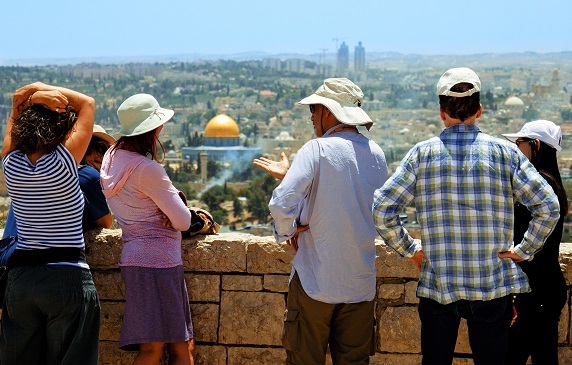
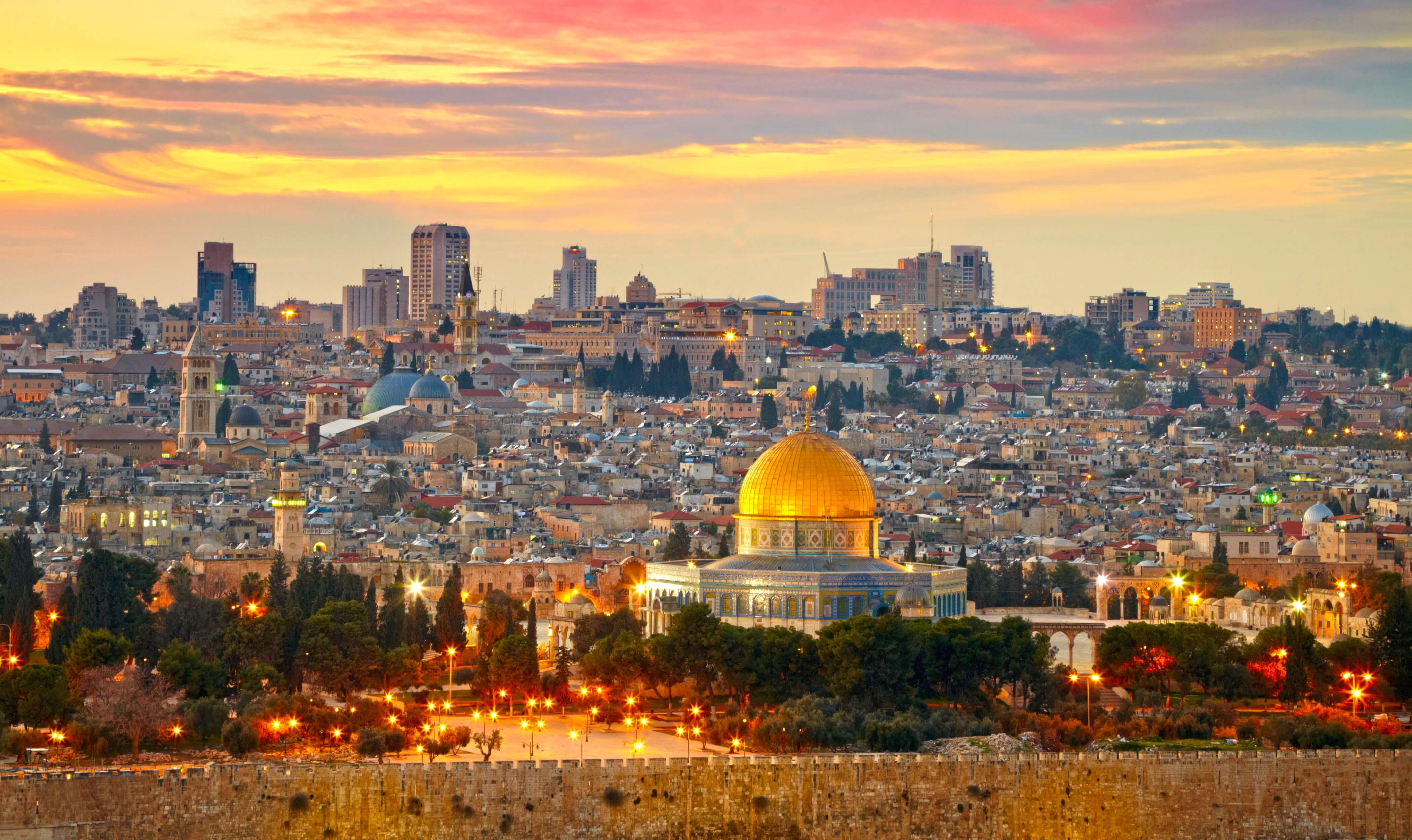
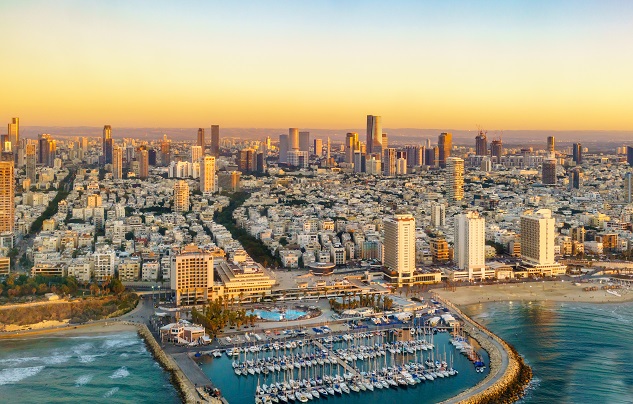
Tel Aviv is located in the center of Israel and has highway and public transportation links to cities across the country. Luckily Israel is not that big so you can easily base yourself in Tel Aviv and make day trips to other destinations. Take a look at these day trips from Tel Avivand Israel day tourswhich give you a good variety of top tourist destinations and less obvious day trip choices.Jerusalem Trip from Tel AvivJerusalem is one of the must-see destinations in Israel and is only an hour away (depending on traffic) from Tel Aviv. If you are taking a day trip from Tel Aviv then don’t waste any time and start your trip with a walking tour of the Old City. Most of Jerusalem’s top attractions are in the Old City; here you can see the Church of the Holy Sepulchre, the Western Wall, and Temple Mount where the Dome of the Rock stands. In the Old City, there are many exquisite stores, eateries, museums, and other places of interest.You can go into the “new” city and enjoy the hustle and bustle of the capital or alternatively visit the churches on the Mount of Olives. The Mount of Olives is home to the beautiful Church of All Nations, the Russian Orthodox Church, Pater Noster Church, the Chapel of the Ascension, and Dominus Flevit Church. Families might like to visit the Biblical Zoo and others might be interested in visiting Yad Vashem Holocaust Museum or the Israel Museum.The Dead Sea and Masada Day Trip from Tel AvivNo trip to Israel is complete without a trip to the Dead Sea which lies 87 km south of Tel Aviv. This unique body of water is the lowest point on Earth. The Dead Sea water is three times as salty as the ocean. The mud that lines the banks and floor of the Dead Sea is rich in minerals that can benefit your general health and specifically your skin. Being the lowest point on Earth it is also the furthest point from the sun and so you can avoid the dangerous sun rays and just get the benefits of the sun. The Dead Sea air is also good for your health as it hashigh levels of oxygen and is pollen-free.While you are in the Dead Sea region you can tour Masada which is only a short drive away. Masada is a “mesa” or flat-topped rock outcrop which rises majestically out of the desert. Masada’s summit was the site of an ancient Roman palace complex and many of the structures have survived. Masada was also the site of a significant event in Jewish history and is a symbol of Jewish devotion to national freedom and faith. Visitors to Masada can take a cable car (or walk up the Snake Path) to the summit and tour the remains of the palace complex.Galilee or Golan Heights Day Tripfrom Tel AvivIf you fancy a day trip to a place with amazing sites to see and unbelievably beautiful views then tours to Galilee or the Golan Heights are a good choice. The North of Israel overflows with natural wonders and biblical sites. It is also the most recommended destination if you want to reconnect with nature and are looking for gorgeous countryside landscapes. Galilee (meaning 'district' in Hebrew) was the source of the English name for the "Sea of Galilee". In Hebrew, the lake is called Kinneret (from kinor - 'harp', describing its shape). The attractions on the way, like Megiddo, Sea of Galilee, Katzrin, or Mount Bentalcombine remarkable scenery with the fascinating historical human story. You can cover many Christian landmarks of Galilee (Nazarethwith itsChurch of Annunciation,Tabgha, Capernaum, etc) in aone day trip to the Sea of Galilee.Petra Day Trip from Tel AvivBelieve it or not, you can even take a day trip from Tel Aviv to Petra in Jordan and be back in Tel Aviv the same evening! There are organized tours that start in Tel Aviv with a short flight down to Eilat Israeli’s southernmost city.From there tours continue across the Israel/Jordan border and on to Petra.Petra is a UNESCO site and one of the Seven Wonders of the World. The city was created about 2300 years ago when the Nabataean people carved Petra’s buildings out of the red-hued desert cliffs. The ancient structures have survived and include temples, tombs, and homes each with intricately carved facades and cavernous interiors.On a tour to Petra, you can learn about the ingenious water gathering system the Nabataeans used to keep Petra’s 20,000 residents supplied with water. Also, learn of the trade routes which passed through Petra and the civilizations which inhabited Petra after the Nabataeans left. At the end of the day, visitors are taken back across the border to Eilat for the return flight to Tel Aviv.The West Bank Day Trip from Tel AvivBethlehem and Jericho are not only the ultimate destination for Christians exploring the Holy Land but also a must-see for the fans of biblical archeology.Regardless of your faith, there are some iconic Christian sites in the West Bank and they are all well worth visiting, especially with a guided Bethlehem tour.Bethlehem, the birthplace of Jesus, has several significant attractions including the top of the to-do list Nativity Church and Shepherds' Field, where angels first announced the birth of Christ. Jericho, the most ancient city on earth, mentioned in the Bible, has lasted through the ages to this day. See the famed sycamore tree that Zacchaeus, the tax collector, climbed to see Jesus entering Jericho, the excavations at Tell es-Sultan, and Mount Temptation where Jesus spent 40 days in the wilderness.
By Bein Harim Team
0 views

Christmas in Bethlehem

Christmas in Israel can be magical and a truly spiritual experience. There are services in local churches (mainly in Jerusalem, Nazareth and Bethlehem) as well as services held at the locations where Christmas events took place. Many tour buses leave Jerusalem on Christmas Eve to services in Shepherds' Field where an angel appeared to the shepherds on Christmas Eve. The tours continue to the Lutheran Church in Bethlehem and end off at the Church of the Nativity in Bethlehem for the Midnight Mass.Christmas tree in Bethlehem.Photo credit: © ShutterstockOf all the Christmas celebrations in Israel, perhaps the largest and most moving is at the Church of the Nativity in Bethlehem on Christmas Eve, where gather in Manger Square to be a part of the celebration of Jesus’ birth on the spot where the events unfolded.Christmas in Bethlehem includes processions through the streets, carol singing, and religious services which can all be an extremely spiritual experience.Roman Catholics celebrate on the 24th of December at Saint Catherine’s Church in Bethlehem, as well as on the 5th and 6th of January when the Epiphany is commemorated. Greek, Coptic, Romanian, and Syriac Orthodox Christians celebrate Christmas on the 6th of January in Bethlehem. For those belonging to Orthodox denominations, it is customary to join into one of the many religious processions that are held in Bethlehem. Armenians tend to hold their services at the Basilica of the Nativity, although this falls a few weeks later than Protestant/Catholic times (usually the third week of January). These processions always pass through Manger Square, close to the site where it is believed that Jesus was born. For Protestants, it is a different matter.Some of them, of course, will attend evening services in their local churches whilst others will make the trip to the Church of the Nativity or Shepherd’s Field. For Protestants who want to travel to Bethlehem from Jerusalem, the YMCA organizes an evening trip. In Jerusalem, popular Protestant and Anglican churches include the Lutheran Church of the Redeemer and St. George’s.Nativity scene, stained glass, Church of St. Catherine, Bethlehem.Photo credit: © ShutterstockChristmas traditions in Bethlehem tend to be in the same vein as those in Europe and North America. A week or two before 25th December lights will be put up, as well as other decorations, and flags will fly. Christians often paint crosses on the doors of their home and traditional Christmas markets are held, selling all kinds of fare associated with the holiday. If you look in the windows of peoples’ houses, you may also see miniature Nativity scenes on display.On 24th December - Christmas Eve - an afternoon parade is held in the center of the town and all of the residents, not to mention pilgrims and tourists, crowd the streets in an attempt to get a bird’s eye view of the celebrations. At the head of the Parade are officers on horses and behind them a man - also on a black horse - carrying a cross. Following him are government and church officials. Once the parade has arrived at the Church of Nativity followed by a man riding over a black steed and carrying a cross. After him comes the churchmen and government officials. After the parade has entered the Church of the Nativity, a statue of the ‘Holy Child’ is placed inside. The honored guests then descend down a long flight of stairs which leads them into a grotto. There can be seen a silver star - this is the place that marks Christ’s birth.In Nazareth, there are Christmas Eve parades and firework displays as well as church services. In all over 90,000 foreign visitors arrive in Israel annually to celebrate Christmas. Christmas is celebrated also in Haifa and in Jaffa. It is important to remember that throughout the rest of Israel you could probably not even notice that it is Christmas in Israel as unlike America and Europe the streets and stores are not decorated, there is no Santa ringing a bell outside shops, and Christmas music cannot be heard in the streets. Book a tour to the Christmas Eve in Jerusalem & midnight mass in BethlehemInside the Church of St. Catherine, Bethlehem.Photo credit: © Shutterstock
By Petal Mashraki
0 views

How to Save Money on a Trip to Israel

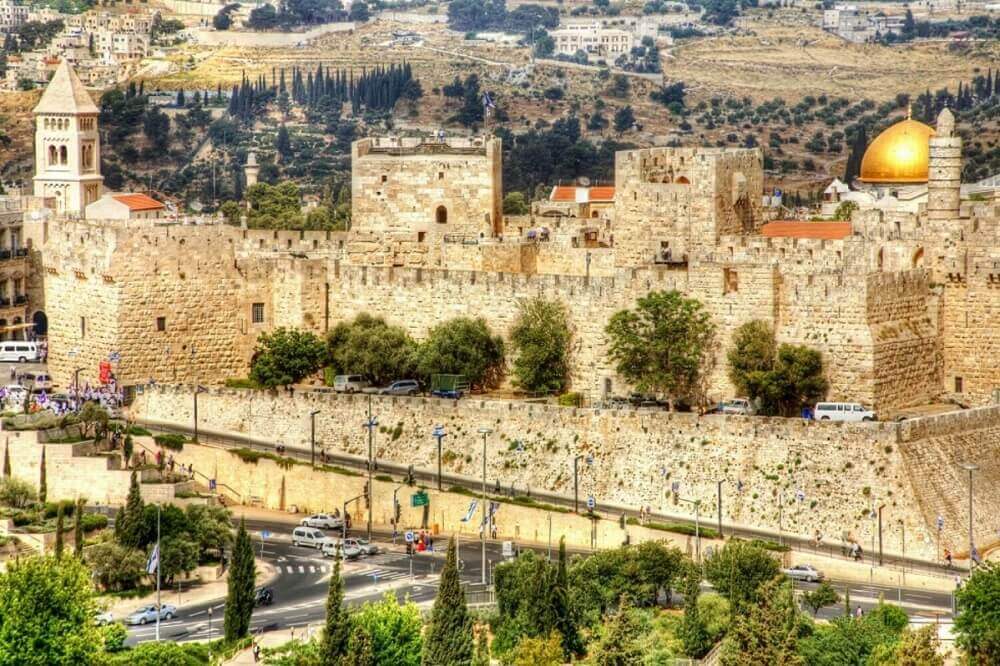
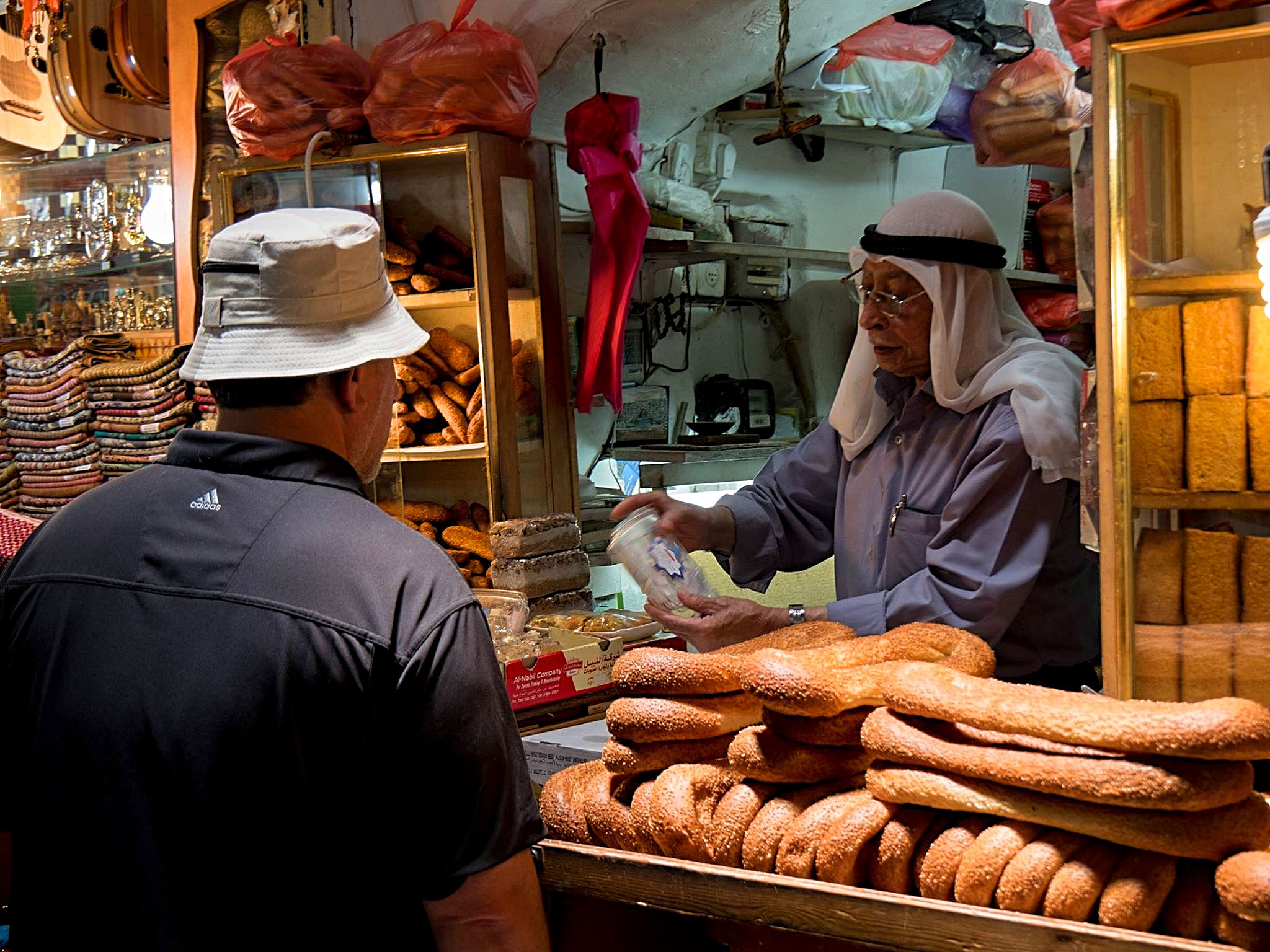
Here are some top tips for saving money if you are visiting Israel on a budget. You can save money in many small ways when you travel to Israel. Make your trip to Israel low-cost using these budget travel tips.The Old City of JerusalemVisit Israel in the Off-Season but not During HolidaysIf you travel to Israel in the off-season you will get cheaper airfares and cheaper hotels. Unlike some countries Israeli attractions do not close down in the winter. You’ll find it is business as usual throughout the country no matter what time of year you visit. Not only that but the weather is hot most of the year so traveling off-season will not mean missing out on outdoor activities. Be careful not to book during one of the Israeli national holidays when prices soar, hotels are booked up and attractions are crowded.Free Attractions in Israel One of the best ways to discover Israel is simply to take a walk through the streets or countryside. You can enjoy many sites for free in Israel like the Old City in Jerusalem where you can see the Wailing Wall, Dome of the Rock and the Church of the Holy Sepulchre all for free. In Tel Aviv you can enjoy Jaffa and the Bauhaus architecture of Tel Aviv just by going for a walk. The same goes for rural areas where there are well signposted hike trails to follow for free. Israeli beaches are free and there are many beautiful parks to enjoy for free.There are almost no free museums in Israel although some museums are free for those under 18 years. Visitors can tour the Baha’i Gardens in Haifa for free and in Tel Aviv and Jerusalem there are a few free guided walking tours. Some tickets to attractions in Jerusalem can be bought as “bundle tickets” giving you entrance to several places with the same ticket.National Parks CardIf you enjoy the outdoors and if you will be visiting several national parks it could be worthwhile buying a National Park membership. You will need to work out if this is cheaper than paying individual entrance fees depending on the places you want to visit. For example Masada (cable car not included), Bet Guvrin, Caesarea and Ein Gedi are national parks. You can buy the tickets from the entrance of any national park. Available tickets include the Blue Card which allows you entrance to three sites within two weeks for 78 ILS; the Green Card which gives you entrance to six sites within two weeks for 110 ILS and the Orange Card which gives you unlimited visits within two weeks for 150 ILS.Israeli Public TransportIsrael has an excellent public bus system which can get you to most parts of the country. The train system is rather limited yet reasonably priced. You can save money by avoiding taxis and sticking to public transport. There are “sherut” buses, which are shared minibus taxis that travel a set route but will pick up and drop off travelers anywhere along the way. Sherut buses can be useful especially on Shabbat when bus services are limited. If you have chosen to rent a car then shop around for the best gas prices. You’ll find different prices depending on the gas company and depending on whether you fill-up your gas tank by yourself or have the petrol attendant do it for you.Budget Accommodation in IsraelLike other top travel destinations Israel offers a wide range of accommodation options from luxury hotels to hostels and even Airbnb. Try the Airbnb options as well as IYHA hostels which are of a high standard and well located for tourists. You can get cheaper hotel accommodation in Israel by traveling in the off-season and shopping around for the lowest price online.Eating in Israel on a BudgetIsrael has some amazing street food; you’ll find humus, shawama and falafel available at very reasonable prices. If you eat mainly from Israeli falafel and shawama “fast food” outlets instead of sit-down restaurants you’ll save a lot of money. For a snack or coffee try Cofix, a chain of coffee shops where all the prices are kept at about 5 ILS. You can also buy your meals at a local market. In Tel Aviv visit Carmel Market and in Jerusalem try Machane Yehuda Market. At Israeli markets you can find low-cost fresh produce, cheese, baked goods and more.Guided Group ToursTo get to some attractions it can be more convenient (and even cheaper) to join a group day tour. Day tours include pick-up and drop-off from a central location, transportation, entrance fees and the services of a knowledgeable guide
By Petal Mashraki
0 views

Tiberias Marathon January 2018

The Tiberias Marathon 2018 is one of the most anticipated Israel events. The race is officially called the Tiberias International Winner Marathon. It is also known as the Sea of Galilee Marathon as it takes place on the shores of this famous sea in northern Israel. The Tiberias Marathon 2018 is one of Israel’s top events and constitutes the Israel Open Championship. The 2018 race will be held on the 5th January 2018 and will be the 41st Tiberias Marathon. In addition to the full marathon there is a 10k run and special festive happenings.The Tiberias Marathon 2018 CourseOver 2,000 runners are expected to take place in this major sporting event. The route starts and finishes in the city of Tiberias, the largest city along the shore of the Kinneret (Sea of Galilee). The marathon course travels around the Kinneret from Tiberias on the western shore, along the southern shore and to Kibbutz Ein Gev on the eastern shore before doubling back and returning to Tiberias. Part of the route takes runners along the recently paved Barniki and Shikmim Beaches, right on the edge of the water. Participants can choose to run the full marathon; a 10 km race or a half marathon of 21 km. The marathon route takes you past breathtaking scenery with the beautiful Sea of Galilee on one side and the mountains, pastures and forests of the Galilee and Golan on the other. The race takes runners through the Jordan Valley past ancient historic landmarks and across the Jordan River.This is a road running marathon but most of the course is through rural landscapes. It is winter in January in Israel and so the weather is cool and perfect for the run.Sea of Galilee Marathon Special EventsIn addition to the run there will be other sporting events and happenings. As with other major sporting events around the world there will be water stations for the participants; music playing in the background and a festive atmosphere.Stalls will be offering a variety of sporting goods and other market-type goods. Participants can enjoy a pasta feast on the night before the race.Practical DetailsIf you would like to participate in the Tiberias Marathon or get additional information then you can check out the Tiberias Marathon website which has a Hebrew and English version. The marathon will take place on 5th January 2018. The full and half marathon will start at 7:30 a.m. and the 10K run will start at 7:55 a.m. The final date for registration is 31 December 2017 and the entrance fee is 285 ILS.
By Petal Mashraki
0 views

Hanukkah in Israel

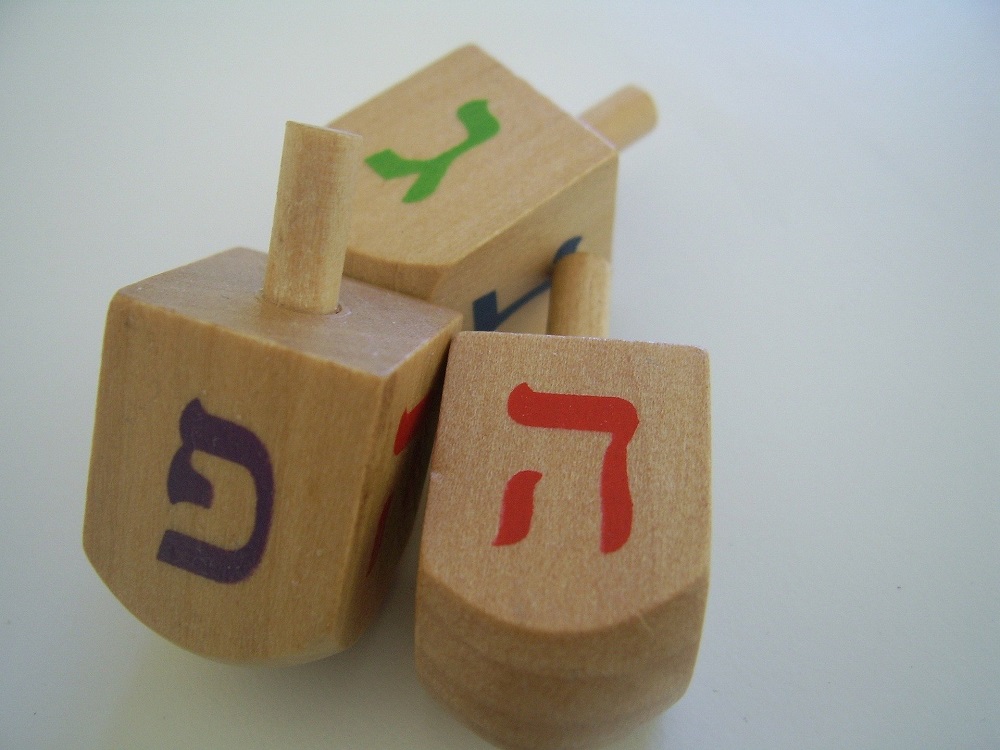
Each year Jews celebrate the holiday of Hanukkah which is often called the “Jewish Christmas” because it occurs in December. If you happen to be in Israel during Hanukkah you will be lucky enough to share in this special celebration. Unlike Christian holidays the date of Hanukkah changes each year because of the Jewish lunar calendar. In Israel Hanukkah is a week-long school holiday but there are no days observed like Shabbat so all top attractions in Jerusalem and other cities as well as stores remain open as usual. There are many special events put on to keep Israeli school kids busy and to entertain locals and visitors alike.Hanukkah menorah against the background of Tanach page. Photo byDiana PolekhinaonUnsplashWhat is Hanukkah?The Hanukkah holiday celebrates an event that took place in the 160 SBC. During that time Palestine was ruled by Greek-Syrians and Jews were persecuted. Jews were forbidden to worship, many were murdered, scrolls were burnt and the Holy Temple in Jerusalem was desecrated. A small group of Jews rose up against their oppressors and fought back in the “Maccabean Revolt.” The Jews were victorious and proceeded to restore the Temple and rededicate it. Part of rededicating the Temple was lighting the Menorah (a seven-lamped candelabra which had to remain lit eternally. When the Maccabees came to light the Temple’s Menorah they found that only a small jug of the required pure olive oil remained. The oil should have been sufficient only to light the lamp for one day. However, a miracle occurred and it remained lit for eight days by which time more oil had been found.To commemorate the events of Hanukkah Jews light candles on an eight-armed candelabra (called a Hanukkia). On the first night of Hanukkah one candle is lit and each successive night an additional candle is lit until all eight are lit. In addition, there is the 9th candle in the middle of the Hanukkiah which is used to light the others. The symbols of Hanukkah are light, oil, the hanukiah, and the dreidel – a spinning top.Two Hanukkah menoras with lit candles. Photo byshraga kopsteinonUnsplashHow is Hanukkah Celebrated in Israel?Bearing in mind the symbols of Hanukkah you will see a lot of fried foods (commemorating the miraculous oil) in Israel during Hanukkah. The most famous Hanukkah food is the doughnut or sufgania. This is a round doughnut with no hole in the middle but instead, it is filled with jam. Every café, restaurant, and kiosk will be selling sufganiot. These days there are many different kinds of sufganiot, from chocolate to alcohol flavored! An estimated 24 million sufganiot are eaten in Israel each Hanukkah. The symbol of light and the hanukkiah can be seen in Israel during Hanukkah. Each Israeli household displays a hanukkiah on the windowsill.Special Events in Israel during HanukkahHanukkah ShowsDuring the Hanukkah holiday in Israel, there is a plethora of theatrical productions, musical shows, concerts, and dance productions geared towards families. The most famous of these Hanukkah shows is the Festigal, a spectacular extravaganza of bright costumes, comedy, music, and dance. Top Israeli performers often appear in the Festigal. The Festigal is held annually in Tel Aviv. A more recent addition is Motek Shel Festival which is the same idea but geared towards a younger audience.Hanukkiah with 5 lit candles. Photo byRobert ThiemannonUnsplashHanukkah ToursSpecial walking tours of Jerusalem and the religious city of Bnei Brak are organized so that you can see the many hanukkiot displayed in the windows of private homes. This kind of Hanukkah tour takes place at night and includes walking through neighborhoods where many hanukkiot are displayed.The lighting of the HanukkiahEach city has a large hanukkiah set up in a public square. The hanukkiah is ceremoniously lit on the first night of Hanukkah. On the subsequent nights of Hanukkah, the city’s hanukkiah is often lit automatically. The most famous candle lighting ceremonies you can see take place next to the Western Wall in the Old City of Jerusalem. Each year on the first night of Hanukkah a torch Relay starts in the city of Modi’in and travels to the Western Wall in Jerusalem where the giant hanukkiah is lit.Museums during HanukkahMost museums hold special themed exhibits or workshops during Hanukkah. Science museums often hold demonstrations of light experiments. Other museums display artistic variations on the hanukkiah or hold kids' workshops where they can create their own hanukkiah, spinning top, or candles. Savivon, or dreidel. Photo byTetiana SHYSHKINAonUnsplashYou will definitely find special events and activities relating to Hanukkah at the Children’s Museum in Holon; the Eretz Israel Museum in Tel Aviv; the Bible Lands Museum in Jerusalem; the Israel Museum in Jerusalem; the Tel Aviv Museum of Art and at the Tower of David Museum in the Old City of Jerusalem. The Bloomfield Science Museum holds an annual MakeLight exhibition.In addition, there is the Museum of Edible Oil Products in Haifa which naturally ties in with the Hanukkah theme. The Hasmonean Village recreates the Hanukkah story each year; the Ein Yael Oil Festival is held in Jerusalem.Hanukkah Parties in IsraelOf course, the Israelis party whenever there is a good excuse! And Hanukkah is no exception. You will find bars, pubs, and clubs across the country holding Hanukkah parties throughout the holiday.Holiday of Holidays HaifaThe Haifa municipality holds special events on weekends throughout December. The Holiday of Holidays activities and shows celebrate Christmas, Hanukkah, and Eid al-Fitr.
By Petal Mashraki
0 views

The American-German Colony, a Tel Aviv Hidden Gem

If you want to discover a really magical hidden gem in Tel Aviv then visit the American-German Colony. This small Tel Aviv neighborhood of just a couple of streets has unique houses built over 150 years ago by American settlers. Each structure has a fascinating story to tell about the Americans and the German Templers who took up residents after the Americans abandoned the Tel Aviv neighborhood. There are 10 wooden houses with two floors; a porch and facades featuring wooden carved details. This tiny Tel Aviv neighborhood is sandwiched between Jaffa and Florentine.The American Colony Tel AvivIn 1866 a group of 157 men, women and children of the Christian Lovers of Zion left Maine and traveled to Palestine. Their mission was to develop the Land of Israel and prepare Palestine for the establishment of a Jewish nation in the Promised Land. As soon as their leader George Adams had purchased land they began building one of the first neighborhoods outside of the walls of Jaffa.They built in the New England wood and clapboard-style using prefabricated structures they had brought with them from Maine.Their settlement was not easy. Many died, the land was difficult to farm, there was fighting among the settlers and their resources were limited. Just two years after their arrival there were only approximately 24 of the original American settlers remaining.The German Templer Colony Tel AvivA few years after the Americans abandoned the fledgling Tel Aviv neighborhood the German Templers arrived in Jaffa in 1869. They bought the abandoned colony homes and took up residence. Led by Pastor Hoffman the Templers aimed to prepare Palestine for the Second Coming. A large property at#8 Auerbach Street was sold to the Templers in 1871 and became Tempelstift, the Templer headquarters which is known today as Beit Immanuel. In 1904 the Templers built the Immanuel Church. During the Second World War many of the German Templers in Palestine became Nazi sympathizers and were expelled by the ruling British. The abandoned colony fell into disrepair. By the 1980s the American-German Colony houses were scheduled for demolition. Thanks to the efforts of American historian Reed Holmes and his wife Jean Carter the colony was preserved.What to See and Do in the American ColonyBeit Immanuel/ Hotel du ParkThe Tempelstift was constructed at #8 Auerbach Street in 1873 housing the Templer offices, community hall and school. In 1878 the Templers moved their headquarters and sold the property to Baron Plato von Ustinov (the grandfather of actor Peter Ustinov). Ustinov added a second floor to the building and made further architectural changes. Ustinov took up residence on the top floor and the building became the luxury Hotel du Park in 1895. It hosted many famous guests including Emperor Wilhelm II in 1898. Later the hotel was sold to the London Society for Promoting Christianity among the Jews. In the 1970s the property became a gathering place for Messianic Jews. Today it is a guesthouse, mission and community center. Beit Immanuel Guest House has a room which holds displays on the history of the American-German Colony.Grand Hotel/ Jerusalem HotelAnother of the standout buildings is the Grand Hotel constructed by the Drisco brothers alongside the Hotel du Park at #6 Auerbach Street. The three storey building was the first stone structure in the Tel Aviv neighborhood. It was later bought by Ernest Hardegg, the son of one of the original Templer settlers and he renovated the property and reopened it as the Jerusalem Hotel. The Jerusalem Hotel operated from 1870 to 1940 and was the first luxury hotel outside the Jaffa walls. The historic hotel has recently undergone intensive renovations and will soon reopen as the Drisco Hotel.Norton HouseThe home of Ackley Norton at #4 Auerbach Street was one of the largest homes in the neighborhood. Norton was a wealthy ships’ captain and many festivities and parties were held in his home. The two storey wooden house built in 1866 became a religious mission in 1926; it housed the first state-sponsored haute-couture brand, Maskit in the 1950s and later the legendary Keren Restaurant. The Norton House will soon reopen as part of the newly renovated Drisco Hotel.Immanuel ChurchThe Immanuel Church on Be’er Hoffman Street towers above the low-level homes of the colony. It was a later addition to the community, completed in 1898. Not long after its completion the church became the German Evangelical Church serving the Templers and Evangelists in the community. The restored and renamed Immanuel Church has been home to the Norwegian Lutheran church since 1955. The church is open to visitors Tuesday to Friday 10:00 to 14:00.The Maine Friendship HouseThe house at #10 Auerbach Street was built in 1866 by the original American settlers using one of the wooden structures brought from Maine. In the 1890s the Templers doubled the size of the house with a stone addition. Jean and Read Holmes purchased the old colony house in 2002 and began restoration. Today it is the Maine Friendship House and site of a museum focused on the American Colony. The museum displays authentic items from the American settlement period including farming equipment and a wooden board carved with the initials of the house’s original owners. You can tour the house and watch an introductory film about the American Colony. The Maine Friendship House is open Friday noon to 15:00 and Saturday from 14:00 to 16:00.
By Petal Mashraki
0 views

Bethlehem’s Top Attraction

One of the most popular tours to Israel is to the city of Bethlehem. This sacred Christian city is one of the top things to do in Israel. Visitors usually choose to take an organized tour to Bethlehem rather than traveling independently due to the fact that Bethlehem is in the West Bank. Reaching Bethlehem involves crossing a border and heightened awareness of security. The Church of the Nativity is Bethlehem’s top attraction and one of the most popular places to visit in Israel.Site of the Nativity, Bethlehem The Church of the Nativity marks the place believed to be where Jesus was born. It was on this spot that the nativity story unfolded. Arriving in Bethlehem for a national census Joseph and the pregnant Mary found no room available. Eventually they were offered to spend the night in an inn keeper’s manger where he kept his animals.In the 1st century animals were often kept in caves near or behind the family home. For this reason the “manger” which is encompassed by the Church of the Nativity is in fact a grotto. People often envision the manger as a barn and are surprised to find that it was a small cave or grotto. In the heart of the Church of the Nativity is the Sacred Grotto. A silver star marks the site on the ancient stone floor within the grotto.History of the Nativity SiteThe earliest mention of the manger site in Bethlehem was by Justin Martyr in c.160 AD followed by mention by Greek historian Eusebius of Caesarea. The structure we see today was commissioned by Christian Roman Emperor Constantine and his mother St. Helena in 326 AD. The church was built around the Sacred Cave. The original structure was replaced in 530 AD by a larger church but parts of the Constantinian floor mosaics can still be seen.Miraculously the church was not destroyed when the land came under the rule of the Persians and later Muslim rulers. During the Crusader era of the 11th century, Baldwin I and II were crowned in the Church of the Nativity. Under the Crusaders the church was renovated and redecorated. The church remained untouched under the Mamluks and Ottomans although precious marble was removed by the Ottomans for use in construction on Temple Mount. Today the church is shared by the Roman Catholics, Greek Orthodox, and Armenian Churches.Highlights of the Church of the Nativity, BethlehemFeatures of the church to notice include the Door of Humility, a small entrance floor designed so that you have to bow to enter, thus showing respect. The Ottoman doorway was also intended to prevent looters from entering with their carts. The church nave is lined with 44 columns each with paintings of saints and Mary with baby Jesus. The paintings date back to the Crusader era. The majestic columns are made of pink-hued limestone and date back to the 4th century structure. Also see the remains of 12th century wall mosaics and the 6th century baptismal font. Before leaving the church see the 6th century bronze gates at the southern and northern entrances to the Grotto.
By Petal Mashraki
0 views

Welcome to Tel Aviv Ben Gurion Airport

Ben Gurion Airport (Tel Aviv airport code TLV) is Israel’s main airport located 19 km from Tel Aviv’s city center and 40 km from Jerusalem. The airport is among the top five airports in the Middle East thanks to its excellent design, service and because it is one of the world’s most secure airports. The security at Tel Aviv airport is high priority due to the delicate political situation in the region. In 2004 the airport opened after extensive renovations, modernization and the addition of Terminal 3. Today the airport has two terminals; Terminal 1 for domestic and low-cost international flights and Terminal 3 for international flights.Ben Gurion Airport ServicesAt the Tel Aviv airport you will find travel agent representatives, car rental companies, ATMs, a place to buy a local mobile phone SIM and convenience stores. There is an excellent information desk and customer service counter. You will find signage in English, Arabic and Hebrew. There is multi-level parking for both temporary and long-term parking. Throughout the Tel Aviv airport there is free WiFi. The airport is fully accessible. There is an airport synagogue.Tel Aviv Airport FeaturesThe airport’s stunning duty-free hall has a circular design with a dramatic ceiling-to-floor waterfall in the center. There are duty-free stores selling a range of local and foreign products. While you do some shopping and wait for your flight you can enjoy a meal or drink at one of the restaurants and cafes. Throughout the airport the ceilings are high giving an open-plan spacious feel. Although there are no hotels in the airport complex there are several hotels near Ben Gurion in Tel Aviv.Ground TransportationArrival and departure routes from Tel Aviv airport are via private vehicle, taxi, public bus and train. There is a pick-up and drop-off point for passengers and an easy to find taxi station right outside the arrivals hall. You can catch the Ben Gurion airport train to cities across the country including Tel Aviv city center, Jerusalem and Haifa.If you are on a package tour with Bein Harim Tourism Services or just need a pick up / drop off at Ben Gurion you can pre-book airport transfers.As of June, 2021, all travellers to Israel must have a negative COVID-19 PCR test result. The test must be taken within 72 hours prior to the scheduled departure to Israel. This requirement applies to people with a vaccination certificate or a certificate of recovery. All passengers (Israeli citizens and foreign nationals), including vaccinated and recovered passengers, who arrive in Israel must submit an entry statement (Inbound Passenger Clearance) within 24 hours prior to the scheduled departure time to Israel. To check the current Israel travel COVID-19 restrictions feel free to read this article.Foreign nationals must have an entry permit certified by the Population and Immigration Authority. On arrival in Israel, all inbound passengers must have a COVID-19 PCR test done at their own expense. All travellers must register for the COVID-19 test at Ben Gurion airport website prior the arrival. It is recommended to pre-book. The airport transfer can be booked for one hour after the scheduled test time (the test time should be specified in the transfer booking comments).Besides the COVID-19 test, visitors arriving in Israel pass though passport control, proceed to baggage claim and pass through customs. Travelers aged 17 and over are permitted to enter with no more than one quart (0.94 liters) of hard liquor, two quarts (1.89 liters) of wine, half a pound (226.79grams) of tobacco and no more than 6 pounds (2.72kg) of food. You can bring in up to $200 worth of electrical goods and gifts. After passing customs you exit into the Arrivals Hall (Greeters’ Hall). Ben Gurion is located 40 minutes from Jerusalem and about 20 minutes from Tel-Aviv. Transport is readily available by rental car, taxi, bus and train. As you exit the Arrivals Hall you will see signs directing you to the various transport options."According to a decision by the government of Israel and in accordance with Aviation Regulations, all passengers departing from Israel, except recovering and vaccinated passengers, will be required to present a negative covid-19 test (PCR) before boarding the aircraft, taken no more than 72 hours before takeoff. Attention, upon arrival, you must present a printed copy of your covid-19 test results! It is important to note that many destination countries also require the vaccinated and recovering to present a negative covid-19 test before boarding. It is recommended to check the requirements of destination countries when booking your tickets.Departing passengers can be tested for COVID-19 at Ben Gurion Airport. The tests are carried out by Omega, through Check2fly. Departing passengers, click here to book a COVID-19 test. As a result of the pandemic, a lot of changes have been made in operating processes at Ben-Gurion International Airport. The services provided to passengers at Ben-Gurion International Airport have been significantly restricted, as have movements by passengers and aircraft", - the airport website says.On leaving the country travelers should arrive at Terminal 3 three hours before their flight. There are 10 self-service check-in stations or you can check-in through the usual airline desks. Travelers will be asked pertinent security questions like “did you pack your own bag” and “did anyone ask you to take something onto the plane for them” and then you proceed to check-in.After check-in and receiving your boarding pass you move through to the area where hand luggage is checked. You can then enter the duty-free area. Duty free is open 24/7 and is centered on a beautiful rotund with walkways leading off to the various departure gates. Israeli duty-free is one of the cheapest in the world! In the same area you will find money exchange points, children’s play areas, Xbox 360 game stations, smoking areas, a mother and baby room, post office, banks, a synagogue, restaurants and cafes. V.A.T. Refunds can be obtained from the Changeplace counter in the duty-free area or in the check-in area. If the goods are going to be packed in your checked-in luggage stored in the airplane hold then you can get your V.A.T. refund from a counter in the check-in hall. You will need to show the goods you have purchased and the receipts for them. The refund is given on goods valued at $100 or more and bought from stores registered with the Ministry of Tourism.Ben Gurion Airport Services available at the airport include baggage storage at the western parking lot on the ground floor; a first aid clinic open 24/7 near entrance 21 in the gallery of the Greeters’ Hall; information counters; 3 V.I.P. lounges; a police station in the parking lot opposite Terminal 1 and with posts in Terminal 3 Greeters’ Hall next to entrance 11 and public telephones operated by either Telecards or coins. Every effort has been made to make the airport accessible for wheelchairs and visually or hearing impaired. Ben Gurion offers free WiFi throughout the airport and there are free luggage trolleys. Have a safe flight!
By Petal Mashraki
0 views

What to Expect from Israel Weather

The short answer to “what to expect from Israel weather” is sunshine! The weather in Israel is generally hot, sunny and pleasant most of the year. If you are planning a trip to the Holy Land you probably won’t encounter any problem with the weather in Israel.From about April to October there is continual sunshine and from November to March the weather is cooler with occasional rain storms and cloudy days. December to February are the wet months and July and August are the hottest months. Tel Aviv has an average of 3300 sunshine hours a year.Tel Aviv, Haifa, Herzliya and Natanya WeatherAlong the west coast of Israel (Tel Aviv, Haifa, Natanya) the weather is hot and humid in the sunny months and mild and rainy in the winter. You can enjoy the sea breeze which helps to cool down the coast. The average temperature in Tel Aviv is about 14(°C)-18(°C)in January and 26(°C)-30(°C)in August, the country’s hottest month. The sea is warm enough for swimming from about June to November.Jerusalem, Bethlehem and Nazareth WeatherInland cities like Jerusalem, Bethlehem and Nazareth which have elevated locations experience colder winters than the coast. The winter is still mild compared to Europe but it does get cold. In January and February the elevated cities and the Golan Heights mountain range can experience snow. The weather is particularly chilly in Jerusalem at night. During the hotter months of the year the inland cities do not have the same high level of humidity as the coast. Average temperatures in Jerusalem are about 6(°C)-12(°C)in January and 20(°C)-29(°C)in August.Israel Weather North and SouthThe weather in northern Israel is hot in the summer but the cooler months are similar to those in southern Europe. The mountain tops can be covered in snow and the rainfall allows for the thriving farmlands and vineyards. In Tiberius on the edge of the Sea of Galilee average temperatures are 8(°C)-17(°C)in January and 23(°C)-36(°C)in August.In the southern region of Israel there are dry deserts which experience harsh summers and hot winters spotted with heavy downpours. Summer is not the best time to visit southern Israel and the temperatures are unpleasantly hot. In Eilat, Israel’s southernmost city the best time to visit is not necessarily in the hottest months of July and August. You can enjoy a sunny beach holiday in Eilat in spring and autumn. Sunshine is virtually guaranteed year-round in the Dead Sea and Eilat regions. Average temperatures in Eilat are about 10?C-20?C in January and 26(°C)-38(°C)in August.SharavDuring the summer months Israel can experience heat waves, called “sharav” or “hamsin.” The air becomes dry and extremely hot as the wind blows in from the Egyptian desert. Temperatures can reach about 40(°C). The sharav usually ends with a down pour of rain which settles the heat and dust providing relief from the heat.When to Visit Israel and What to PackYou can enjoy a sunny holiday in Israel virtually year round. Just be prepared for cloudier days in the winter months and the occasional rain. No matter when you visit be sure to pack a light sweater, light jacket or sweat shirt for the cooler evenings. If you will be based in Jerusalem or the Golan Heights warmer evening clothes are even more important.
By Petal Mashraki
0 views

Visiting Eilat

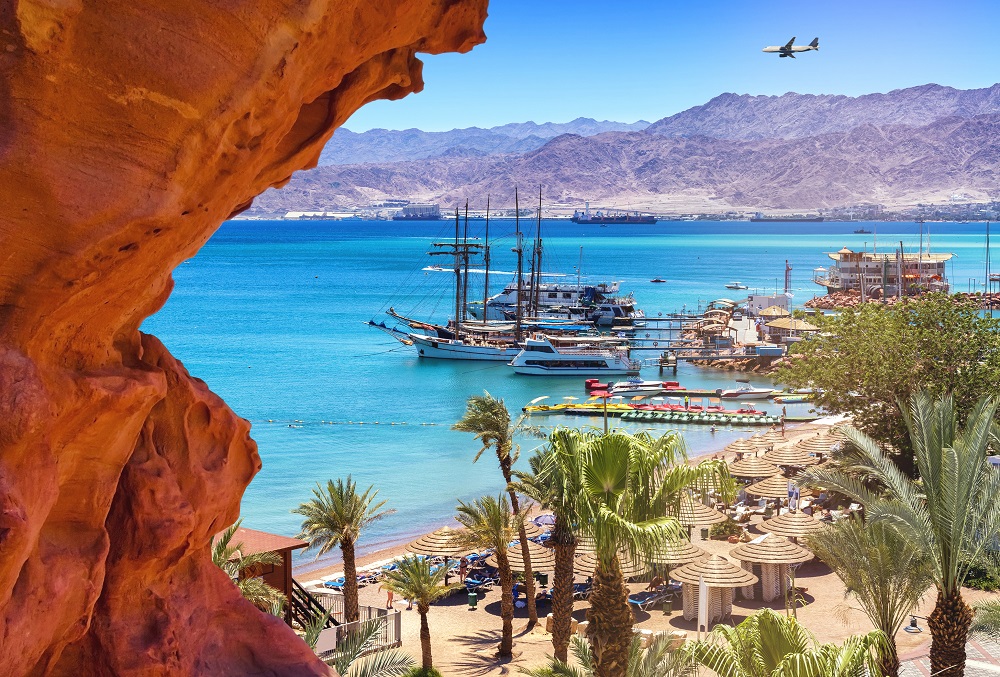
The city of Eilat is located at the southernmost point of Israel. For this reason it is not always included in travel itineraries. Jerusalem, Tel Aviv and other top destinations in Israel are relatively close together but reaching Eilat requires a short flight or a long drive.However leaving Eilat off your travel itinerary is a big mistake! Eilat is unlike any other city in the country.Corals in Eilat Aquarium.Photo by Tamara Malaniy on UnsplashEilat is the ultimate beach resort city and the Eilat weather is perfect. From early spring to late autumn the Eilat weather is sunny and virtually without rain. Summers are very hot and humid while the winters are cooler with occasional showers. Eilat is located on the edge of the Red Sea where there is crystal clear water and coral reefs close enough to the shore to explore safely and independently. You simply have to rent a snorkel and wade into the water to see the tropical fish and coral reefs. The Red Sea is Eilat’s major attraction, although there are other things to do in Eilat. There are many beaches in Eilat and companies offering boating excursions and water sports. Eilat is home to the Dolphin Reef, a unique site where dolphins are free to come and go from an enclosure where they are fed and cared for. The dolphins move between the open sea and the enclosed area while people come to see them being fed and even to dive with the dolphins.Eilat HotelsSome of Israel’s finest hotels are in Eilat. Eilat hotels offer resort-style accommodation with lavish swimming pools, all-inclusive deals, entertainment, and stunning sea views. There are Eilat hotels to suit every budget from hostel accommodation to five-star luxury. Among the Eilat hotels there is a hotel that is adults-only; a hotel that is focused on offering sports activities and several spa hotels.Queen Of Sheba Hotel, Eilat.Photo credit: © ShutterstockEilat AttractionsIn addition to the beach, water sports, and dolphins Eilat has many land-based attractions. There is King’s City, a theme park featuring stories from the First Testament, and the Coral World Underwater Observatory, an aquarium complex on the Red Sea. At night you can enjoy a waterfront market; a musical fountain; clubs; bars or go to the IMAX Theatre. If you go into the surrounding desert you can visit Timna Park, an area of natural rock formations, stunning scenery, and archaeological sites.Shopping in EilatEilat is a Free Port Zone which means that there is no value-added tax on items you buy. Shopping in Eilat is cheaper than in any other part of the country and the city boasts several malls. The Ice Mall is a large shopping complex built in a circle around a huge ice rink. You can rent skates or watch ice skating performances which are presented regularly throughout the day in the summer.Petra tours from EilatYou could also consider visiting Petra and Wadi Rum while in Eilat. Tour toPetra and Wadi Rum is a great adventure.Advance reservations should be made. To explore these spectacular sites with the best guides, make sure to join a Petra tour with a reliable tour operator.Getting to EilatThe easiest and fastest way to reach Eilat is to fly from Tel Aviv to Ramon airport. The flight takes about 30 minutes. There are flights from Tel Aviv’ Ben Gurion airport. There are several ways of getting from Tel Aviv to Eilat. You could take a bus to Eilat or an organized tour. Along the way see sites like Masada and the Dead Sea.Shopping mall in Eilat.Photo credit: © Shutterstock
By Petal Mashraki
0 views

Amazing Spring Break Trips to Israel

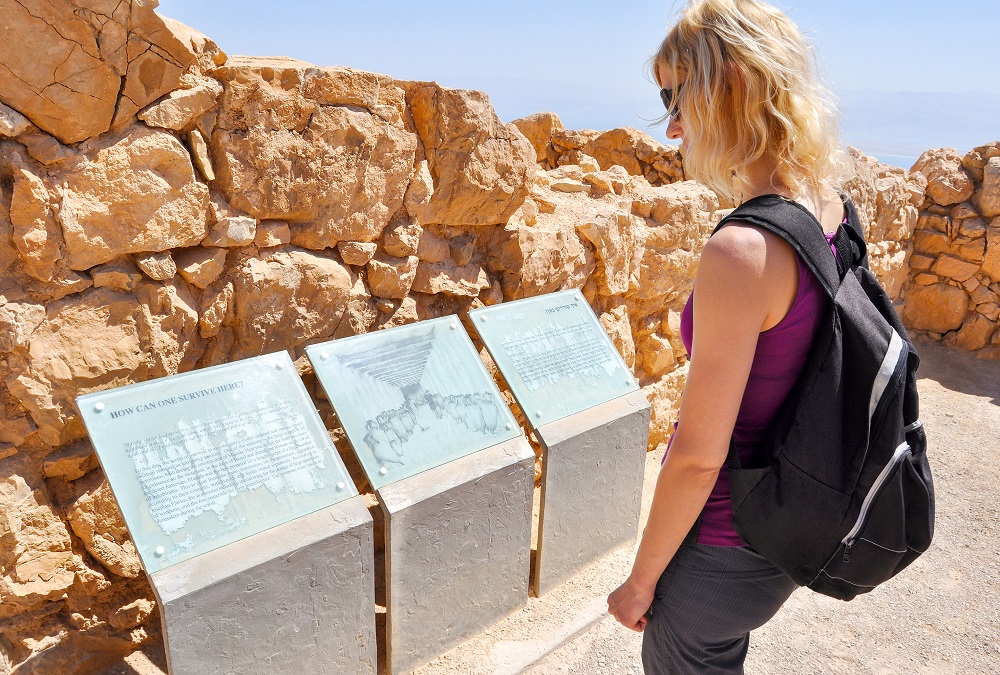
You can spend your spring break doing many things. Chances are, there are pretty good partying going on wherever you came from, and if you think of Israel as your spring break destination, it means you want more. You want to party, sure, but for you that’s not enough. So let us tell you how you can combine your big chill with a spiritual journey, in one of the most amazing Israel tours offered by BeinHarim Tours.Masada: The Epic MountainMasada, an ancient Jewish fort seating on top of a square shaped mountain in southern Israel, is known as a place where Jewish warriors fought Roman soldiers until the bitter end; rather than surrender and convert, the people of Masada chose instead to take their own lives and remain faithful to their God.If you were to come by Masada during the sunrise, you might be surprised by the amount of praying people you will see. Masada is not just a mountain; it is a monument of great spiritual importance. While there are means of transportations to the top of the mountain, many tours prefer to take the longer way and make the challenging climb to build Masada as a spiritual journey which makes it absolutely unique.What to see: during the evening, an impressive multimedia light show takes place on the Masada site and retells the story of the battle for Masada.Where to eat: Taj Mahal resturant, located in Ein Bokek, is a great eastern food place with cheerful atmosphere and unique dishes. Located at Leonardo Inn Hotel in Ein Bokek.Where to stay: Harrods Dead Sea hotel is close to both Masada and the dead sea. The hotel is known for its spectacular design and great service, and is completely Kosher.masadaThe Dead Sea: The Earth’s Lowest Point is also Its Most RelaxingThe Dead Sea is a beautiful and unique place. Considered the lowest point on earth’s surface, the Dead Sea is filled with helpful minerals, great views and great weather. Because of its proximity to Masada, nearly every day tour of the ancient city is supplemented by a visit. If you like combining exciting travel with relaxation, make sure to get a tour of Masada that includes the Dead Sea.What to see: the best thing to do is go on a hike. Get yourself a guide and go hit the mountains!What to eat: Auvers, a restaurant located in Ein Gedi kibbutz, stands in front of an impressive and ancient baobab tree and serves some of the best food in the area. The restaurant is located in the Ein Gedi Hotel.Where to stay: David Dead Sea Spa Resort is a professional hotel which had become a favorite for many Israelis because of its great service and short distance from the dead sea.the dead sea
By Petal Mashraki
0 views

The Red Sea Jazz Festival

The Red Sea Jazz Festival is an annual event held in the gorgeous beach resort city of Eilat, Israel on the edge of the Red Sea. Since its initiation the festival has grown in size and importance. The Red Sea Jazz Festival plays an important role in fostering Israeli jazz talent and has also earned itself a reputation in the international jazz scene. The event takes place over four days in August at the music-inspired Prima Music Hotel and other Eilat venues.jazz festival The Red Sea Jazz Festival hosts a special tribute to Israeli jazz with lots of performances spanning the full spectrum of the Israeli jazz scene, showcasing the multicultural tapestry of Israeli jazz. The festival includes Israel’s greatest jazz performers who have established careers both in Israel and internationally. At the festival, there are both veteran pioneer artists responsible for establishing the jazz culture in Israel and new up-and-coming Israeli artists. The festival follows a special format to salute the legendary Israeli jazz artists with original productions showing the development of jazz through the generations. In addition, usually, there are several big-name international acts including such artists as The Chick Corea Trio, Avi Lebovich and The Orchestra; Aharale Kaminsky; Albert Piamenta; Guy King; TATRAN; Quartet to Afrika; Shlomi Shaban; Shalom Hanoch and Maya Belsitzman among others.Few festivals manage to continue for 30 years and this is a testament to the strong legacy and unique character of the event. In addition to the live performances, the festival offers other special events like the Red Sea Jazz Festival Young Jazz Program. Young musicians will be able to join a workshop run by some of the festival performing artists. The festival hosts the Israeli Jazz Convention, discussion panels, lectures, master classes, workshops for the public, and in the mornings special jazz performances geared towards children aged 5-10 years. One of the traditions of the Red Sea Jazz Festival is the Jam Session held at the Crowne Plaza Hotel poolside. The jam session starts at 11 pm and the jamming continues into the night. Throughout the festival, there are usually sunset jazz cocktail events on Mosh’s Beach near the Eilat Port. Entrance is regularly free and the cocktails will be accompanied by a selection of young bands.Queen of Sheba hotel EilatEilat is the ultimate beach resort; during the festival, visitors will be able to enjoy the incredible Red Sea where there are natural coral reefs, schools of tropical fish, and even dolphins. There are water sports for the whole family, cruise excursions, dreamy beaches, and amazing malls. Eilat is a duty-free port city so you can shop-til-you-drop. Be sure to visit the Ice Mall which has an ice rink in the center. Visitors can also take excursions into the surrounding desert to places like Park Timna, the Dead Sea, and Masada. From Eilat, there are convenient day trips to Petra, Jordan, one of the seven wonders of the world. Eilat has wonderful restaurants, many specializing in seafood and you will find that Eilat hotels rival the best beach resort hotels worldwide. Visitors can enjoy the Red Sea Jazz Festival and a fantastic holiday.Practical Information:When: usually in August. Performances and events take place throughout the day from 10 are to 1 am.Where: At select Eilat venues including the Crowne Plaza Hotel; Jazz Cinema; Port arena; Red Note and the Sea Club.
By Petal Mashraki
0 views

Top 5 Water Hike Trails in Israel

Israel has many hike trails which go through streams offering some relief from the heat as you hike. These water hike trails are usually free and sign posted so that you can follow the colored lines painted on rocks to show you the route. For these hike trails wear good walking shoes or sandals that you don’t mind getting wet and a swimming costume or clothes to change after completion of the hike. You’ll have a good time following the many streams which criss-cross Israel, keeping cool and enjoying the gorgeous countryside. These wet hike routes are greatattractions for families with kids.Majrase National Park, Israel.Photo credit: © Doron Nissim. Published with permission of the Israel Nature and Parks AuthorityEin MaboaEin Maboa or En Fawwar spring runs through the Wadi Kelt (Prat River) riverbed carrying water from the Judean Hills near Jerusalem to the Jordan River. This is a very easy hike, in fact, there is hardly any hiking involved at all; rather the fun is in swimming in the spring pool. Each day an underground karstic cave fills up with subterranean water and only when the cave is full does it empty into a pool where the water remains for about 20 minutes before continuing on its journey.From the car park walk about 300 meters to an old British Mandate-era pumping station. Water flows out of the spring at this point into a pool which would have been part of the pumping station. After about 20 minutes the pool empties as the spring water continues on its course. In this area, you can see the remains of ancient mosaics on the ground. A few meters downstream you can see the remains of an ancient aqueduct.Prat River (Wadi Kelt). Photo byChristian BurrionUnsplashZaki TrailThis water trail follows the last part of the Meshushim Stream which flows from the Yehudiya Nature Reserve into the Sea of Galilee. The walk takes about 3 hours and much of the trail is in the water. This is not a loop trail so if arriving in one car you will have to make the walk back to your starting point after completing the route. The river is quite wide and about knee-deep with gorgeous green trees and vegetation on both sides protecting hikers from the sun. At some points along the trail there is deeper water so bring water wings if you are with children who can’t swim. If the trail is too long for you it is possible to exit the water trail at several points and follow the road back to the parking area. The Majrase is another water trail running parallel to the Zaki Trail.Yehudiah Waterfall, Israel.Photo credit:© ShutterstockNahal Amudׂׂׂ(Amud Stream)This is a challenging trail in northern Israel when taken from the Sea of Galilee to the Mediterranean but you can also do a small section in a couple of hours. The most popular section is Nahal Amud not far from Safed. The trail goes alongside the stream with several points for jumping in along the way. This is a perennial stream that runs through a valley from Safed and empties in the Sea of Galilee but there are several points of entry including Meron where there is a parking lot and the start of a circular 4km route.Nahal Kziv (Kziv River)Together with the Monfort Trail, this is one of the most beautiful trails to follow in Israel. Meandering through the green Galilee following a perennial stream and passing by a Crusader Fortress, mountains, and a spring tunnel. There is an easy 6km circular route that requires some climbing towards the end but is suitable for all ages. Amud Stream National Park.Photo credit: © Afiw Bkreia. Published with permission of the Israel Nature and Parks AuthorityThere are other trails here that are not circular. You can enter the ancient spring tunnel (Ein Tamir) if you want but be sure to bring a flashlight. The Spring Tunnel ends in a dead-end so you have to double back to get out. This is a wonderful place to see wildflowers especially in spring (April-June).Nahal HaShofet (Shofet River)This water hike takes you through a landscape of HaZorea Forest and the greenery of the Ramat Menashe Biosphere Reserve in the Mount Carmel area. It is an easy hike suitable for the whole family and can be completed in 1-2 hours. Part of this hiking trail is fully disabled-accessible. The water flows in this stream year-round starting near Kibbutz Ein HaShofet, joining the Kishon Stream southeast of Kibbutz HaZorea. There are several routes you can take but the most popular one is a circular route.Mount Carmel, Israel. Photo credit: ©Manu Grinspan. Published with permission of the Israel Nature and Parks Authority
By Petal Mashraki
0 views

Akeldama and St. Onuphrius Monastery

Akeldama (Aramaic for Field of Blood) is the traditional site where Judas Iscariot died. It is located in the Valley of Hinnom, near Jerusalem. This pretty valley has been identified with the biblical site of child sacrifices to the pagan god Moloch. It is mentioned in numerous historic writings as a place of brimstone and fire, hell, and damnation. Because of its association with these abominable activities, the name of the valley is found in the Hebrew word for hell - Gei-Hinnom. In the New Testament, Jesus refers to Gehenna as a place of unquenchable fire where both the body and soul are destroyed. The association with hell is long gone, and this picturesque valley is a popular spot for picnics, hiking, and rock climbing.Monastery of Saint Onuphrius in AkeldamaThe Greek Orthodox Monastery of Saint Onuphrius stands where Judas Iscariot is believed to have hung himself. It is built on the southern slope of Hinnom Valley and faces Mount Zion and Jerusalem’s Old City. In Matthew, we read how Iscariot was so riddled with shame after betraying Jesus, that he took his payment from the priests and threw the silver coins back to the priests in the Temple. They said they could not take it because it was blood money. So the money was used to buy a potter’s field to make a cemetery for strangers and non-Jews. The monastery, on the site of the biblical potter’s field, at Akeldama is surrounded by ancient burial tombs and caves. Many hold the bones of visiting pilgrims from foreign lands who never made it home. The caves may have been occupied by hermits before the monastery was constructed. The monastery was built in 1874 on the remains of an earlier church and burial caves. It is dedicated to the 3rd-4th-century monk and hermit, Onuphrius. He traveled to the Holy Land from Egypt and spent time in solitary prayer in one of the caves near the monastery. The saintly monk was famed for wearing only a loincloth of leaves, and for having an extravagant beard that reached his feet. His food was brought to him by birds and angels every Sunday. Burial Caves at St. Onuphrius MonasteryOn the grounds of the monastery are numerous burial tombs where bodies were laid until they had decomposed. Then the bones were collected and placed in an ossuary. The Crusaders added a Charnel house, an underground vault where human bones are stored. Here they placed thousands of bones from over 50 patients who died each day in the Knights of St. John’s Hospital in Jerusalem’s Old City. One of the highlights of the monastery is the chapel, housed in a Second Temple period burial cave. The chapel has existed since the early 4th century. You can still see the openings carved in the cave walls, where bodies would have been placed. There is also a cave that is believed to be where the apostles hid from the Romans after Jesus’ arrest. On the same site as the monastery is the Tomb of Saint Juvenalius, the first Orthodox Patriarch of Jerusalem.Two silver scrolls dating back to 600BC were found in an excavated tomb near the monastery. The scrolls were inscribed with blessings from the Book of Numbers and are the earliest known texts from the First Testament. Today the monastery is run by a group of Greek Orthodox nuns. The feast of St. Onuphrius is celebrated at the monastery each year on June 25.If you are interested in visiting Akeldama, feel free to join one of our Jerusalem private tours.

Terra Sancta Museum

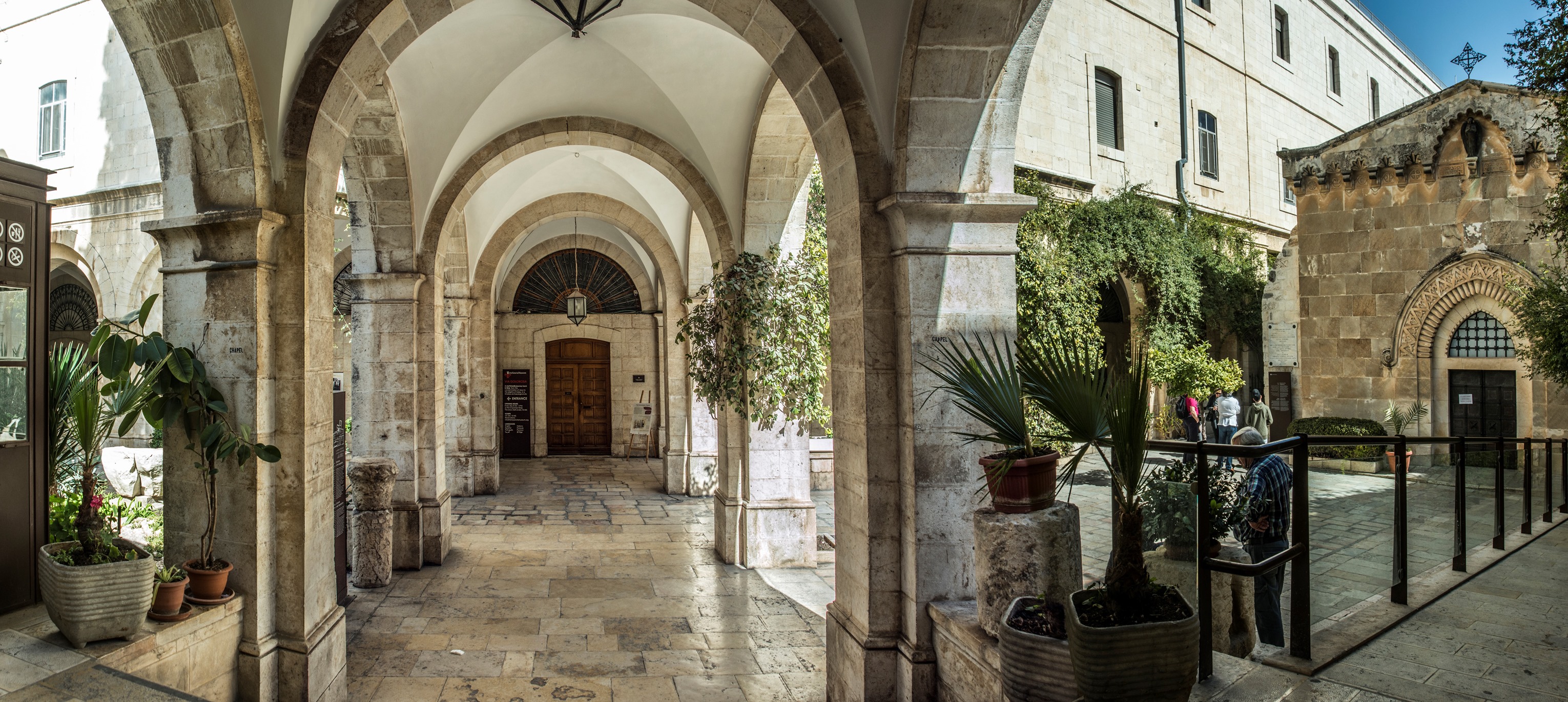
In the heart of Jerusalem’s Old City is the Terra Sancta Museum (Museum of Holy Land) which preserves the archaeological heritage of Christianity in the Holy Land. The museum treasures have been protected by the Franciscans for over 800 years. The museum’s multimedia and archaeological sections can be found in the Monastery of the Flagellation along the Via Dolorosa. In 2023, a third section is planned which will be housed in the Monastery of St. Savior. This section will exhibit pieces donated to the church by European royal families over the years.Archaeological Section of the Terra Sancta MuseumSince their arrival in the Holy Land in the 14th-century, the Franciscans have developed various Christian sites. They have also been involved in a number of archaeological digs that have produced a collection of antiquities. Their collection presented in the Terra Sancta Museum takes visitors through Christian history using the archaeological findings. The artifacts are displayed in six ancient rooms which themselves have been excavated. The museum is housed in authentic archaeological surroundings including a Byzantine cistern, Herodian rooms, Mamluk structures, and Crusader remains. On display in these ancient rooms are frescoes, ceramics, sarcophagi, lamps, coins, and mosaics. A second wing of the museum takes visitors through the important events in Jesus’ life. The displays tell the story of daily life in the New Testament era. In addition, there is a collection of artifacts from Egypt, Mesopotamia, and Jordan. Visitors to the museums can see a 15-minute audio-visual presentation covering the history of Jerusalem from the biblical era, through the reign of Herod, the first pilgrims to Jerusalem, and the rule of Suleiman the Magnificent to the present day. The presentation uses creative digital animation and has a lively narration available in nine languages.

Jerash Ruins

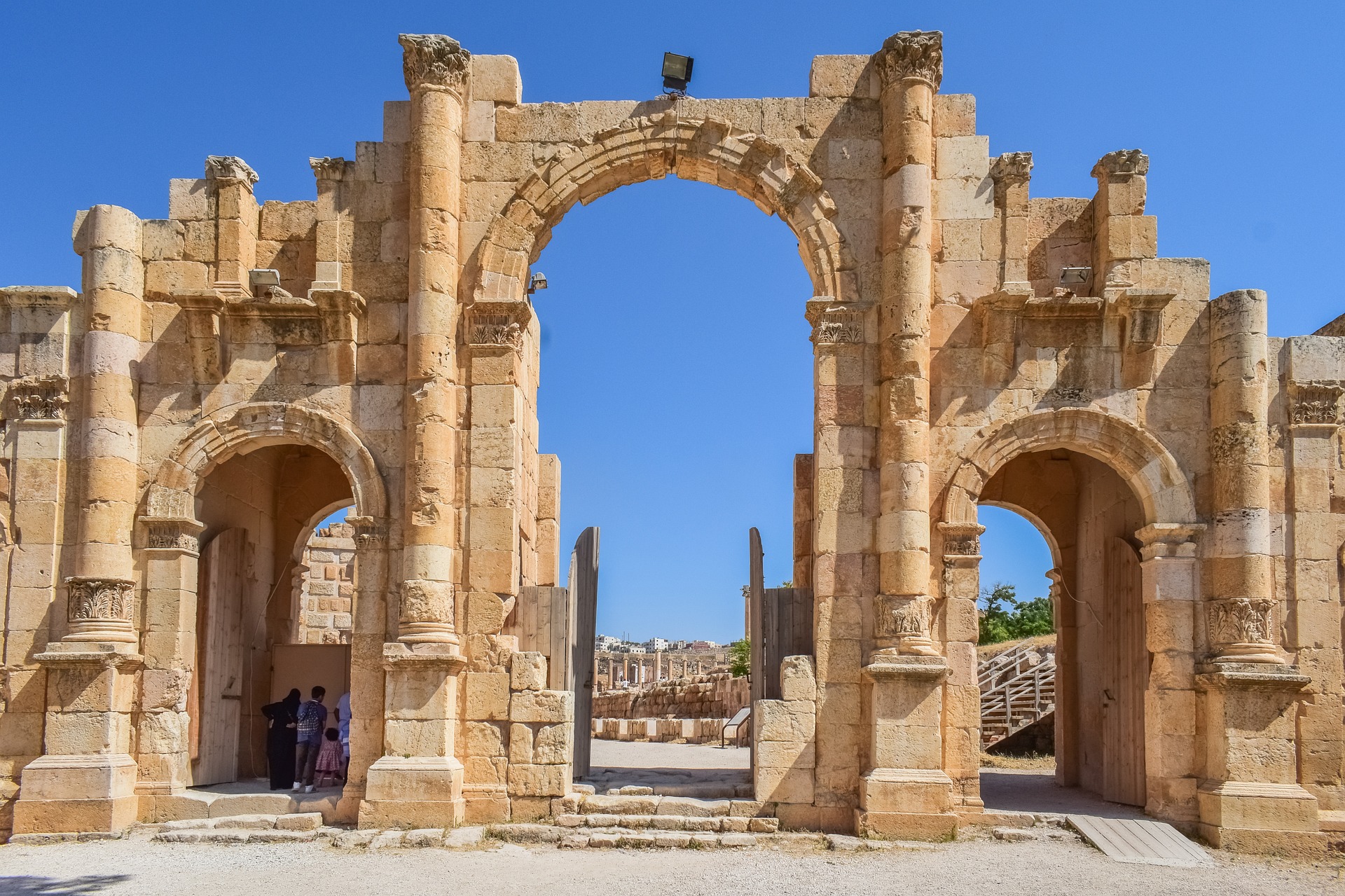
Jerash - commonly known as Pompeii of the Middle East - is one of the top attractions in Jordan, second only to Petra and Wadi Rum in the south. It is located in northern Jordan, about 48 km north of Amman. Fabulous views and intriguing stories await every visitor, with plenty of photo ops.History of Jerash RuinsThere is archaeological evidence at Jerash dating back to the Neolithic period when the site was called Tal Abu Sowan. And human remains have been found here from 7500 BC. Jerash was a thriving city throughout the Greek, Roman, and Byzantine periods but most of it was destroyed by an earthquake in 749 AD. The structures that have survived mostly date back to the Roman era when the city was constructed by Emperor Hadrian. The Roman city was known as Gerasa and was one of the ten Roman cities of the Decapolis League. The Turks built a fort on the ruined city walls in 1120, and Jerash was captured by Baldwin II, King of Jerusalem in 1121 and completely destroyed. The city was ruined and forgotten until the 16th century when a small Muslim settlement was established.Excavations that began in 1925 have revealed several structures and pottery from the Middle Islamic and Mamluk periods and remains from other periods in history. Today, Jerash is considered one of the finest examples of a Greco-Roman city and a must-see for every archeology fan.Major Structures ofJerashJerash is vast, and holds many points of interest, but here are the most important structures – without them your visit won't be complete.Hadrian’s Arch ofJerashLocated at the entrance to the site, this 21-meter-tall gateway is a triumphal arch built in 129 AD to commemorate the arrival of Emperor Hadrian. The gateway bears intricate carvings and decorations.JerashHippodromeThe ancient sports field was built in the 1st-3rd century and could seat 15,000 spectators. JerashOval ForumThe Oval Forum or Oval Plaza is the only Roman forum with this shape. It is well-preserved and many of the original eight-meter-high columns have survived or been reconstructed. The impressive Oval Forum is featured in most brochures advertising tours of Jordan. Pro Tip: To the left, behind the Oval Forum is the ruined Sanctuary of Zeus. The ruins are not very impressive but from there you have an excellent view of the Oval Forum.South Theater of JerashNo Roman city would be complete without a theater. The theater at Jerash has been heavily restored and today is quite impressive. It was constructed in 90 AD and could seat 3,000 spectators.Cardo Maximus ofJerashYou can walk along the colonnaded Roman street that cuts through the city. It stretches for 800 meters from the North Gate to the Oval Forum.JerashByzantine CathedralBy the 4th century, Jerash had become predominantly Christian and they needed a place of worship. The cathedral was constructed in the early 5th century on the ruins of the Roman Temple of Dionysus. There are a number of additional early churches nearby but the cathedral is the most important of these sites.JerashNymphaeumThis large ornate public fountain was built at the end of the 2nd century.Artemis Sanctuary ofJerashThis 2nd-century structure is thought to have been the largest temple in Jerash. Part of the temple has been beautifully reconstructed and you can enter through the gateway, climb the stairs, and reach the inner temple where the altar terrace is situated. The temple has 11 of the original columns that surrounded the sanctuary platform.North Theater of JerashThis theater is considerably smaller than the main Jerash theater, and it could seat 1,500 spectators when it was renovated in the 3rd century. The semi-circular theater was destroyed by an earthquake in 749 AD but has been reconstructed.Pro Tip: Get a view across Jerash from the top tier of the North Theater.What to See in Jerash?Start exploring Jerash from the main entrance and follow the Cardo Maximus to reach all of the essential archeological structures.Alongside the Ruins of Jerash is an archaeological museum where findings from the site are displayed. Your entrance ticket to the ruins includes a free entrance to the museum.Plan Your VisitOpening Hours: Winter (November through April) 08:00-16:00; summer 08:00-18:30; April and May 08:00-17:30; holy month 08:30-18:00.Prices: Entrance is 10 dinars, but free with the Jordan Pass which also gives you free admission or discounts for over 40 other sites like Petra Archaeological Park, Wadi Rum, and the Madaba Mosaic Map site. The entrance ticket to Jerash includes the adjacent Archeological Museum.Average Visit Duration: Plan to spend 2-3 Hours at the Ruins of Jerash.Popular Times: Friday is the busiest day to visit Jerash.Special Events: Jerash hosts the annual Jerash Arts and Culture Festival, usually from July 28th to August 6th.Jerash Tours: Visit the Jerash Ruins independently as a day trip from Amman or with a guided tour. You can also combine a trip to Israel and Jordan and include a visit to Jerash. There are also multi-day Jordan tours that include other destinations like the Dead Sea, Aqaba, Petra, and Amman.

The Petra Monastery (Al Dayr)

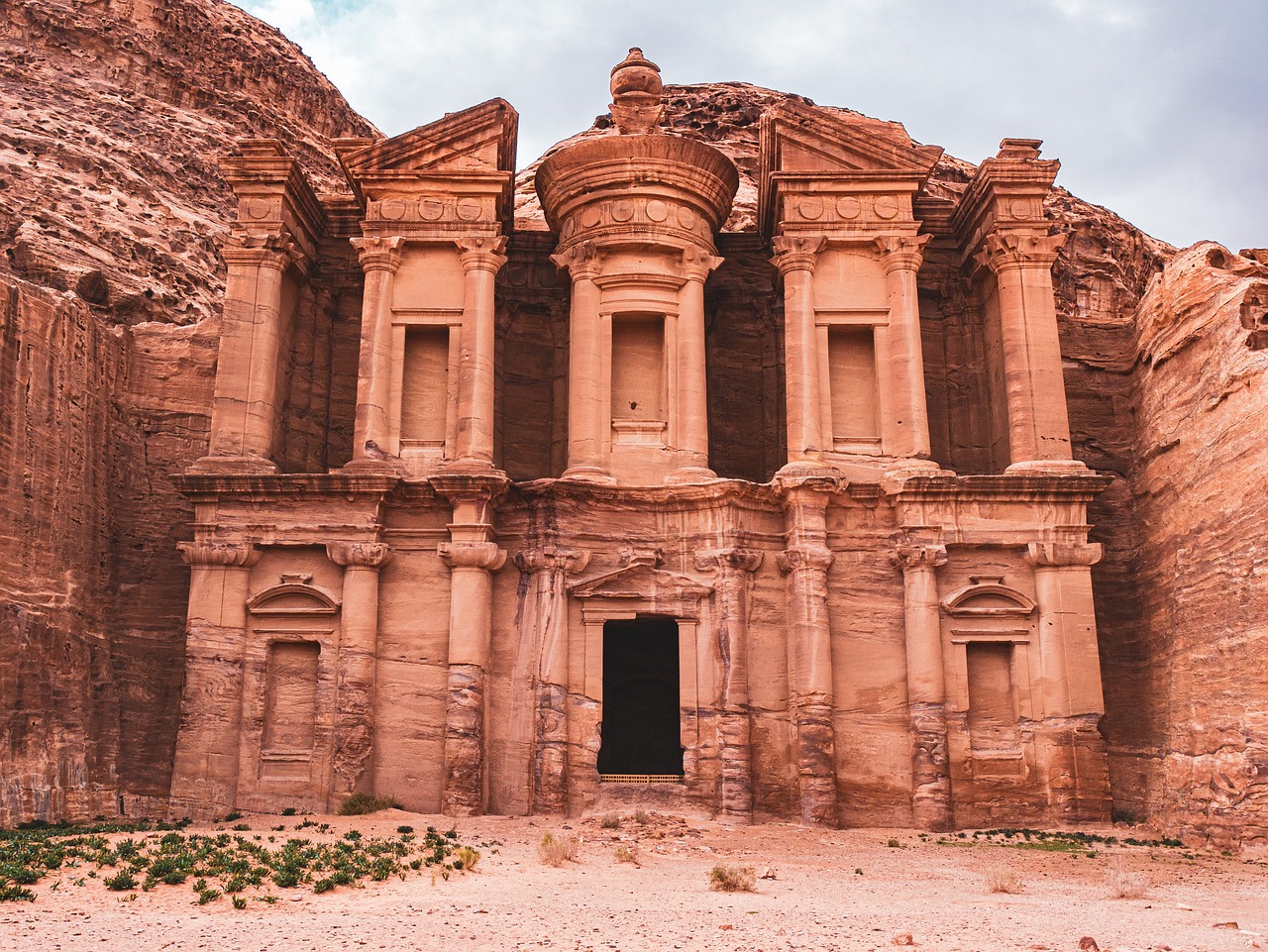
Everybody knows Petra is one of those travel destinations that will take your breath away: The ancient Nabataeans people carved the Red City out of massive sandstone cliffs in the Jordanian desert over 2,400 years ago. Today the Petra Archaeological Park includes hundreds of monuments from different periods in history including the marvelous Monastery also known as Al Dayr. Apart from the Petra Treasury, Al Dayr is the most visited monument in Petra.The Petra MonasteryThe Monastery stands on a hill in the northwestern part of Petra apart from the other, more popular Petra sites. This means you’ll be able to get awesome shots of it without millions of tourists standing in your way.History of the Monastery at PetraAl Dayr probably dates back to the middle of the 1st century AD and would have been built as a tomb or place of worship for the Nabataeans, an ancient Arab civilization that can be traced back to the 6th century BC. The Nabataeans were skilled engineers and merchants who controlled the ancient trade routes that passed through Petra from the Arabian Peninsula to the Mediterranean. In the Byzantine era, the Monastery was probably used as a church.In more recent history the Monastery at Petra was featured in the 2009 movie Transformers.How to Get to the Petra MonasteryThe Best way is to take the Shuttle to the Village of Little Petra, north of the Petra Archeological Park. There, you can take a 4X4 ride to the mountain range leading to the Monetary.Next is a walk on the ridge, as you take in the amazing views; the path is easy and takes about an hour. There are plenty of refreshment stops and Bedouin tent stands on the way. After several stone steps, you'll reach the iconic Petra Monetary.The path leading to the Petra Monastery Then you can take the long stairway down – 850 steps carved into the rock, and go back to the main Petra road. Here you can just go from one attraction to another:The more challenging wayis to go through the road East to West by foot, then Climb the 850 stairs of Ad Dayr Monastery and go back. Note that this one is only for hiking enthusiasts, who enjoy an 8-mile trek and a steep climb.Pro Tip: If you really think you won’t make it, you can hire a local to take you up on his donkey. Oh, and if you’re walking look out for the donkey turds along the steps!What to See in the Monastery of PetraYes, the Petra Monastery is definitely one of the best places for a birds-eye view across the Wadi Araba valley around Petra! But when you reach the Monastery you’ll see several signs saying “this way for the best view” so you’ll have to decide which one is more worthy.The flat area in front of the Monastery was probably leveled out by man to make space for social gatherings or religious events. The Monastery itself consists of an intricately carved rock-cut facade that soars 47 meters high above those standing in the open area below. The facade is 48 meters wide and features typical Greco-Roman elements like a pediment, and a conical roof topped with an urn. All of these features were carved directly out of the rock face. But it is not just a beautiful facade, you can actually go inside the Monastery deep into the rock.photos8.com (CC BY 2.0)The interior is a square chamber and in the wall, at the far end, you can see a niche cut into the rock framed by pillars. When the Monastery was in use, the walls would have been plastered and painted but none of the ancient interior decors has survived.You might wonder why the Monastery has such a mish-mash of architectural styles (mainly Hellenistic and Mesopotamian-western Asia). Well, this is typical of Nabatean architecture because so many travelers and merchants passed through the ancient city bringing with them ideas and knowledge from other cultures. You’ll see that the Monastery’s facade looks like structures you’d see in Athens. But the tall tower-like structures on both sides of the facade; the single square chamber inside, and the 8-meter wide entrance are reminiscent of Mesopotamian architecture.How to Prepare For the Petra MonasteryYou’ll need at least 2 liters of water as a visit to the Monastery will take you about 2-2.5 hours (including hiking there, visiting, and hiking back). Try to visit Petra in the morning or late afternoon to avoid the heat, and if possible, don’t travel to Petra at the height of summer. Not only is it scorching hot but the crowds come in droves during the summer.The Trail from the site to the Siq (by Alexey Komarov, CC BY 3.0)Pro Tip: Give yourself plenty of time to see the Monastery at Petra. It is about a 1.5-hour walk from the Visitor Center to the start of the Monastery hike, then you have the climb, the sightseeing, and the return hike back down. To do it justice, the Monastery can’t really be squeezed into a rushed trip to Petra. Rather take a 2-day tour where you stay overnight somewhere nearby like in Wadi Musa, and then continue exploring the Petra Archaeological Park the next day. Note that the site isn't wheelchair accessible, and includes climbing rocky stairs.Plan Your VisitOpening Times: Summer 06:00-18:00; Winter 06:00-16:00Prices: 90 JOD, but if you are part of a Petra tour from Israel the entrance will be included in the tour price.Average Visit Duration: The average time spent at the Petra Monastery is 30-40 minutes.Popular Times: Early morning or late afternoon to avoid the sun. A tour of Petra probably won’t include the Monastery because of the time it takes to get there. So you will have to visit the Monastery on your own or with a private guide.Special Events: Petra By Night is a spectacular show with 1,800 candles. It takes place on Mondays, Wednesdays, and Thursdays at 20:30.Relevant Tours: One-day Petra tours usually don’t include Al Dayr, due to its distance from other attractions. But you can get there and back by yourself when your group has free time to look around if you take a two-day Petra tour. More and more people tend to take a Petra tour from Tel Aviv or Jerusalem, to cover both Israel and Jordan countries in one trip.

The Siq

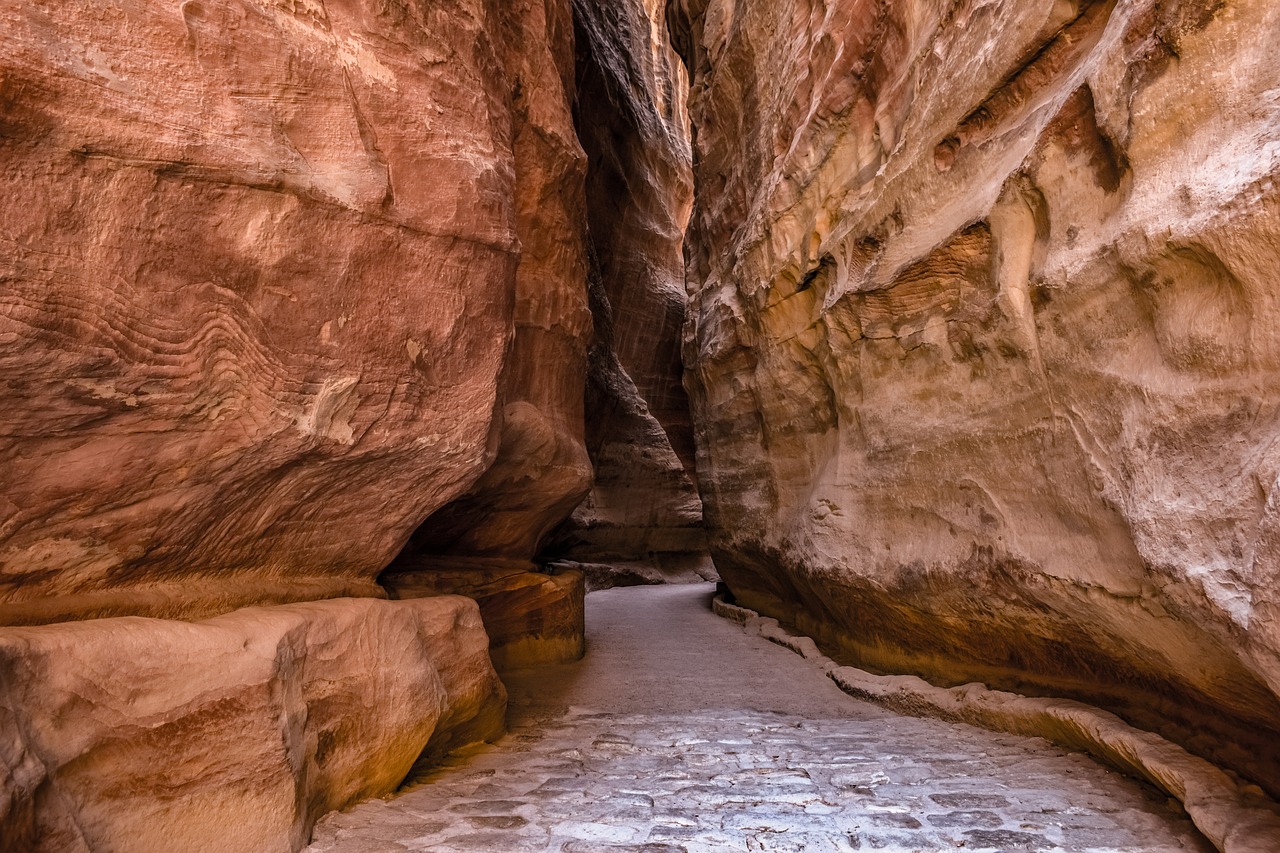
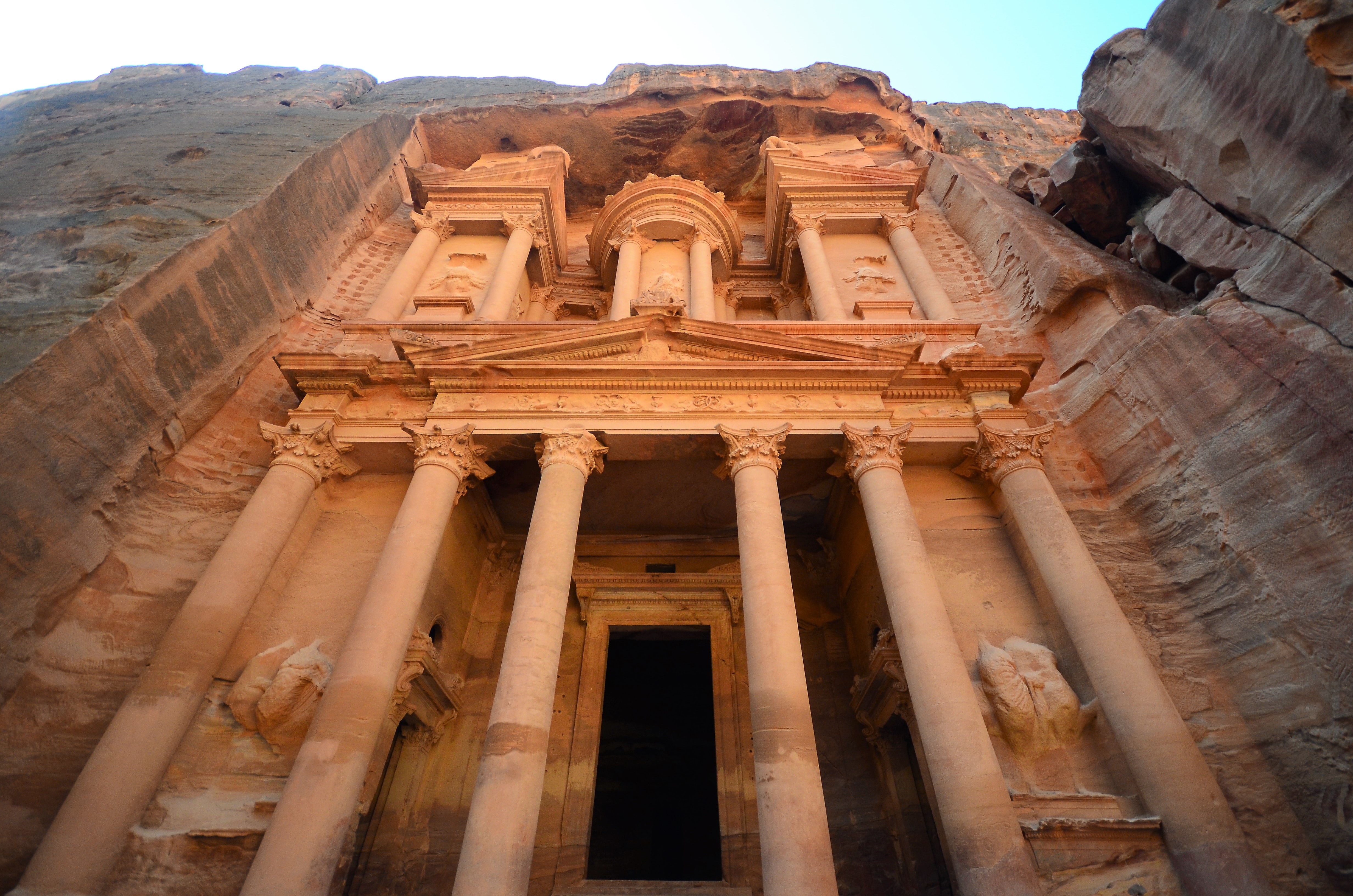
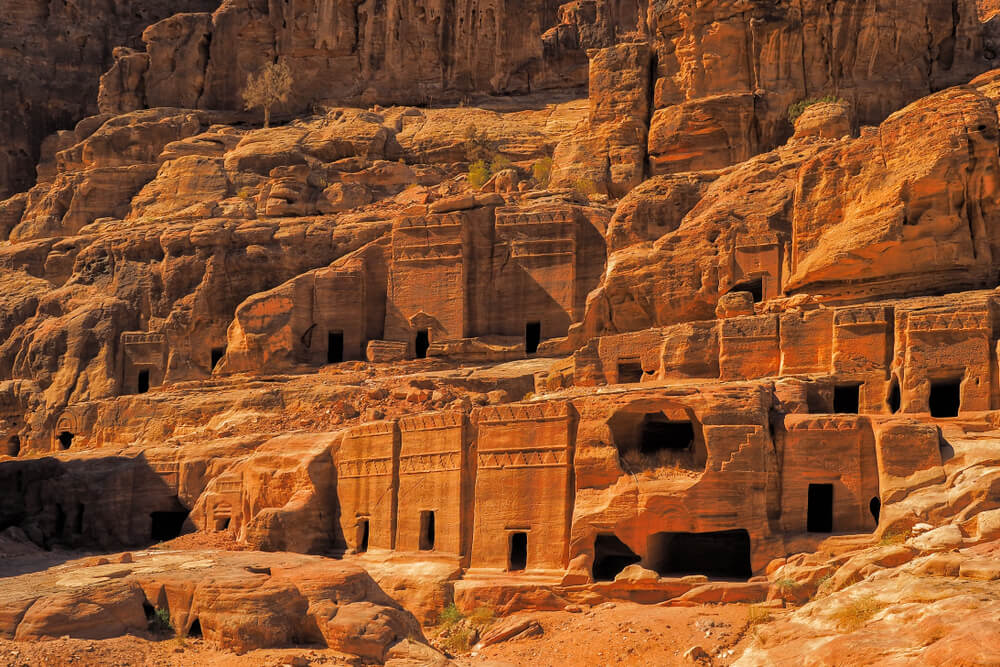
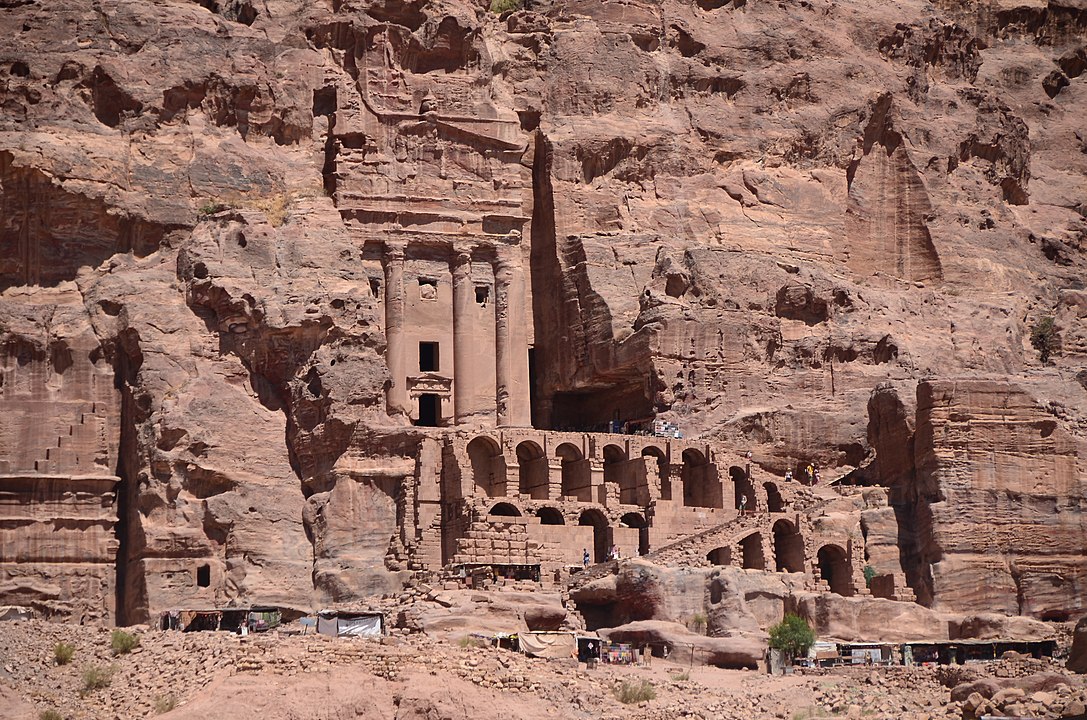
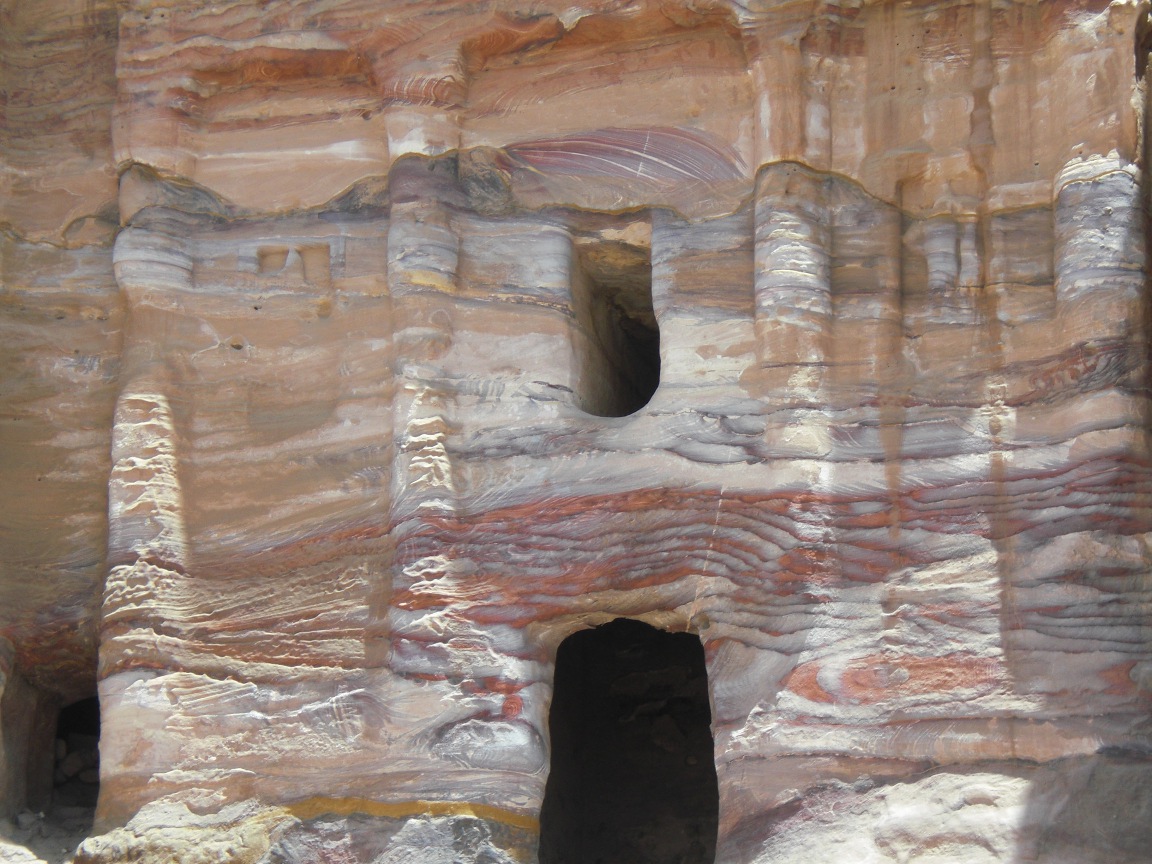
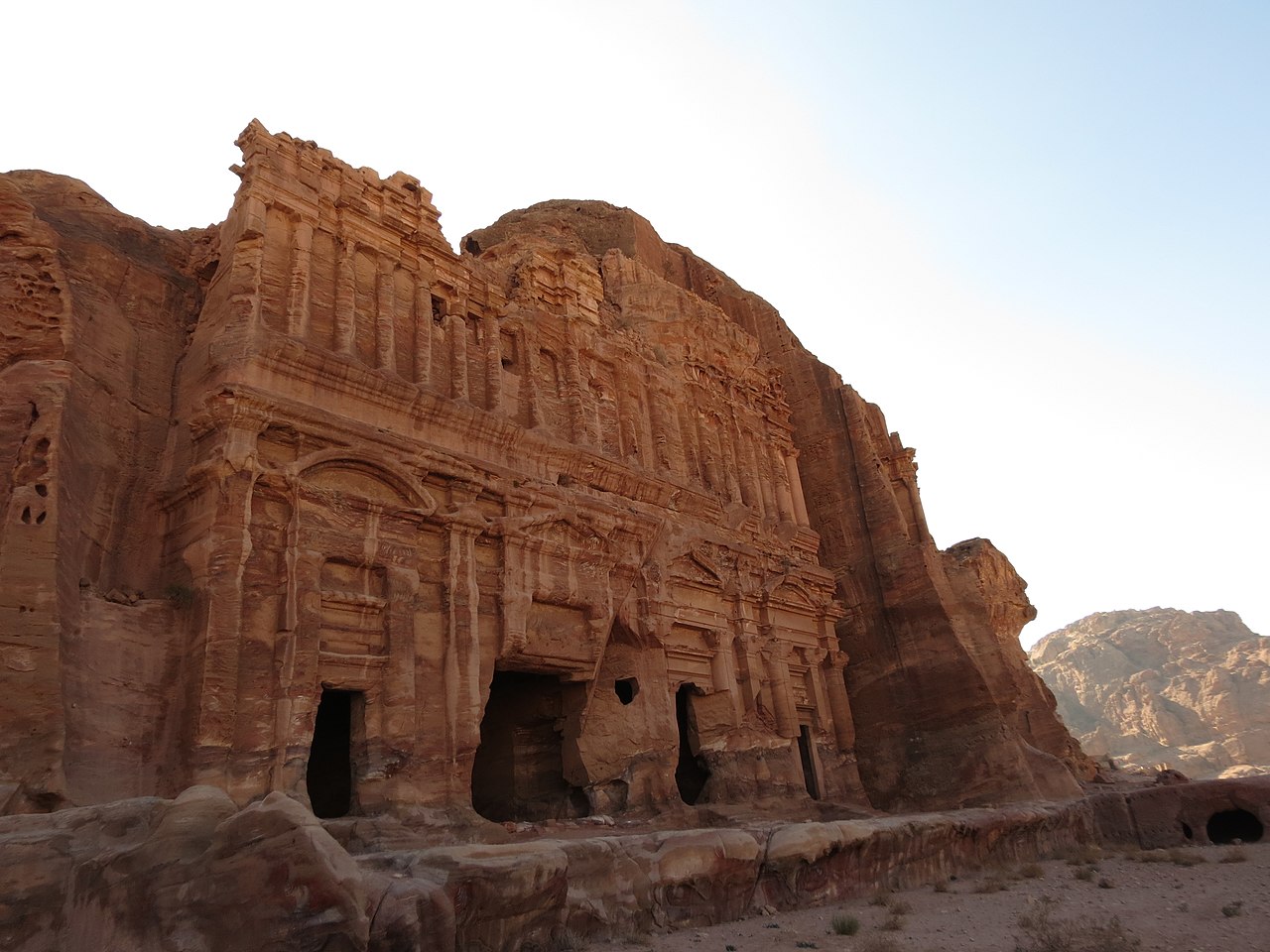
The Siq is an interesting geological phenomenon: an earthquake tear that formed a long, colorful path confined by soaring cliffs. It feels like being in a mountain's pocket - and most visitors are so amazed by its beauty, they almost forget what incredible ancient attractions await them further down the path.Welcome to the SiqThe Siq is the main way to see the Petra Archeological Park; it connects many of the site's most popular structures and is your easiest way in and out. Let's make sure you won't miss anything on the way.History of the SiqIt was created by tectonic forces eons ago, as a geological fault, later to be smoothed by water flowing down from the ridges and the nearby valley, Wadi Musa. In that, it's different than standard canyon channels which are shaped initially by water drainage. The result is a long and constricted path – in several parts, not wider than 3 meters – engulfed by towering cliffs, 90 to 180 meters high. The Siq itself is about 1.2km long.You can either walk or rideIn ancient times, the Siq was used as a caravan route entering the Lost City of Petra – the capital of the Nabatean Kingdom. Its narrow, serpentine form helped limit access and hold enemies at bay; the geography helped the Nabatean city grow and flourish. Many of Petra's most significant structures were carved into the red cliffs, and the Siq is the path that helps us go between them.How Long is the Siq in Petra?1.2km, and its deepest, darkest part which looks otherworldly, is about 160 meters long. The oath takes about 20 minutes to walk through, but you will want to stop and appreciate the view, take loads of pics, and enjoy the cool breeze.What to See and Do in the SiqThe Siq itself is gorgeous; you can walk or take a Donkey/Gulf Cart ride that will take you deep between the cliffs until you'll reach the bottom of the gulch and stand in front of the huge, red passage. As the cliffs become as high as skyscrapers, you'll know you've reached the Siq.The Walls are marvelous! Pro Tip: Some of the main Petra points of interest will appear behind the curves, and you can use the Siq to frame your pictures.The Treasury of PetraThis is the most popular spot in the Petra Archaeological Park and probably Jordan. Its gorgeous facade was carved into the rosy cliffs over two millennia ago, to serve as a mausoleum for King Aretas IV in the 1st century AD. Its name was derived from an old Bedouin tale, about a lost treasure hidden within its caverns.The Petra TreasuryThe Royal TombsThe lost Nabatean City had many distinguished rulers, all given impressive palace-like burial structures carved into the stone. Don't miss the huge Urn Tomb which offers some fantastic views of the lost city, the colorful Silk Tomb, and the majestic Palace Tomb. These spots are perfect for everybody who loves ancient architecture, archeology, and Indiana Jones movies; if you see levers on the walls - don't pull them!Left to Right: The Palace Tomb, the Corinthian Tomb, the Silk Tomb (by David Stanley CC BY 2.0)The Colonnaded StreetThis lovely walkway was a part of the old city and was renovated under Roman occupation in 106 BC. In Nabatean times, this was the main Petra Street, going through markets and a civic courtyard. The street leads to the beautiful Qasr Al-Bint Temple and offers plenty of photo ops along the way.The Colonnaded StreetPlan Your VisitOpening Times:Summer 06:00-18:00; Winter 06:00-16:00Prices:90 DOJ, but travelers who join a Petra tour from Israel will have the entrance price included in their tour. Pro Tip: If you’re not visiting Petra with a guided tour, buy the Jordan Pass for a discount to the Petra Archaeological Park.Average Visit Duration:The Siq is a path you walk through, and it takes about 20 minutes.Popular Times:The best time to visit Petra is in the early morning or late afternoon.Special Events: A magnificent candlelight spectacle takes place in front of the Treasury on Monday, Wednesday, and Thursday at 20:30. The path leading towards the Treasury and the Treasury itself is lit up with over 1,500 candles. The show features bedouin music, a light show, and tea.Relevant Tours:Every tour of Petra will go through the Siq, as this is the main route to take if you want to see most of the site's attractions. But note that a one-day tour of Petrawon't be enough and you'll miss the most special spots; If you take atwo-day Petra touryou could see MUCH more, such as the amazingPetra Monastery,Qasr Al-Binttemple,The Colonnaded Street, and include the Petra by Night show. With a Petra tour from Tel Aviv, you’ll see two countries on one trip.

The Treasury of Petra (Al-Khazneh)

The Treasury of Petra is the most photographed structure in the Petra Archaeological Park in Jordan. This incredible facade was carved from red cliffs by the Nabataean people about 2,000 years ago. The Treasury was not a treasury - but a mausoleum for the 1st century AD Nabatean King Aretas IV, later used as a place of worship. But it got its name from the Bedouins who lived in the area in the 19th century and thought the structure holds a hidden treasure.The Petra TreasuryIt is an iconic structure, one that you will never forget. And if it looks familiar, it could be from the movie Indiana Jones and the Lost Crusade.Pro Tip:One of the best photo angles of the Treasury can be found just before you exit the main path, by framing the structure by the cliffs; Keep reading and see how it's done.History of Al Khazneh - The Treasury of PetraThe city of Petra was built as early as the 4th century BC by the Nabataean people, a nomadic and mysterious Arab tribe. Petra was an essential stop along the ancient trade routes through Arabia and at its peak, Petra was home to about 20,000 inhabitants. The Roman Empire reached the region, and Petra was eventually annexed by the Romans in about 106 AD. The Treasury is believed to have been built in the 1st century AD when the city would have already been exposed to Greek and Roman architectural styles.A view from the neighboring ridgeOf all the structures that the Nabataeans carved out of the cliffs in Petra, the Treasury is perhaps the most impressive and a feat of ancient engineering. After the decline of the Nabataean city, it was forgotten until being rediscovered in 1812 by the Swiss explorer Burckhardt. By the 1920s Petra was already a popular tourist attraction for Europeans.What to See at The Petra TreasuryThe Treasury has a mix of several architectural styles which was typical of Nabataean architecture in the 1st century. You can spot elements of Egyptian, Roman, Greek, and Syrian architecture in the Treasury. Pro Tip: Spot the reliefs of the Egyptian goddess Isis, the Greek goddess Nike, and Dioscuri from Greco-Roman mythology.The exterior view of the Treasury is the best-known part of the structure. It is two stories high and measured 39m tall and 25.3m-wide. The facade features Corinthian capitals, intricate carvings, and friezes of mythical figures. Bedouin tradition holds that the stone urn above the entrance contained great treasures of a pharaoh. You can spot bullet holes in the stone urn from past attempts to shoot down the urn to get the legendary treasure.Use the cliffs in your compositionUnfortunately, you can’t go inside the treasury at petra. In the past, it was possible to enter the Treasury but to protect it from the hordes of tourists it is now off-limits. But don’t worry, the facade is the best bit. Inside the Treasury is the tomb of Nabataean King Aretas IV and a plain main chamber, flanked by two smaller chambers and an antechamber.The Best Way to See the Treasury at PetraAs mentioned, get there as early as you can. If you’re on a tour from Israel you’ll probably arrive at a reasonable time. The Treasury is about 1.2km from the Petra Visitor Center at the end of the narrow gorge called the Siq. It is the first structure you see as you emerge from the Siq.Pro Tip: you can get the perfect Instagram shot from above by following one of the two paths up to the cliffs above. Treasury Viewpoint #1 (the official path) is a 1.5hrs hike and starts at the Royal Tombs. Treasury Viewpoint #2 is the shorter, but a more precarious path. The path starts to the left of the Treasury. It is a 20-30 minute walk to the top. This can be a dangerous route so be warned!Plan Your VisitOpening Times: Summer 06:00-18:00; Winter 06:00-16:00Prices: 90 DOJ, but travelers who join a Petra tour from Israel will have the entrance price included in their tour. Pro Tip: If you’re not visiting Petra with a guided tour, buy the Jordan Pass for a discount to the Petra Archaeological Park.Average Visit Duration: Plan to spend 30 minutes to an hour at the Petra Treasury.Popular Times: The best time to visit Petra is in the early morning or late afternoon.Special Events: A magnificent candlelight spectacle takes place in front of the Treasury on Monday, Wednesday, and Thursday at 20:30. The path leading towards the Treasury and the Treasury itself is lit up with over 1,500 candles. The show features bedouin music, a light show, and tea.Petra TreasuryTours: On a one-day tour of Petra you will see the Treasury, but not much else; If you take a two-day Petra tour you could see MUCH more, such as the amazing Petra Monastery, Qasr Al-Binttemple, The Colonnaded Street, and include the Petra by Night show. With a Petra tour from Tel Aviv, you’ll see two countries on one trip.

Street of Facades, Petra

The Street of Facades leads into the main center of the ancient city of Petra, Jordan. As the name suggests, the street is flanked by several outstanding facades carved into the rock cliffs about 2,000 years ago by the Nabataeans. The Nabataean monuments along the Street of Facades are believed to have been the tombs of senior Nabataean officials in Petra dating back to the end of the 1st century BC and the beginning of the 1st century AD.The Street of FacadesWhere is the Street of Facades?When you enter the Petra Archaeological Park you walk through a narrow gorge called the Siq. After about 1 km the Siq opens onto a clearing where you are faced by the famous Petra Treasury (Al-Khazneh), one of the most photographed structures in the Middle East. When you pass the Treasury, the Siq gradually widens into the Street of Facades. Follow the Street of Facades, stopping to see the various monumental structures on the way until you reach the Tomb Anesho at the far end of the street.The Street of Facades at dawnWhat to See on and Do in the Street of FacadesThe tombs that flank the Street of Facades are carved out of the rock high up on the cliffs like a row of doorways. There are more than 40 tombs and homes carved into the rock.ProTip: The tombs are accessible to tourists, unlike many of the other structures in Petra, so you can go inside and explore.The street of FacadesThe facades have suffered weather damage over the years but if you look carefully there are some fascinating details worth noting. The facades were probably originally covered with stucco and painted in bright colors (there are traces of the paint on one of the facades).Tombs not to miss on the Street of Facades:Tomb 67. It has a funeral chamber high up on the cliff. Legend has it that a thief once hid in this chamber so it has been given the name “Thief's Tomb”.Tower Tomb. This tomb is over 15 meters high and it is carved on three sides. The tomb has 17 graves with some interesting carved details on the door frame.Uneishu Tomb. The last tomb is the Tomb of Anesho, it was the tomb of Queen Nabatiyeh Shaqilh II who held the throne for her son Rabil II from 70 to 76 AD.The tombs above the Street of FacadesPlan Your VisitOpen Times: The Street of Facades is in the Petra Archaeological Park that is open in summer from 06:00-18:00 and in winter from 06:00-16:00Prices: Entrance is 90 JOD, but on a Petra tour from Israel the entrance is included in the tour price.Average Visit Duration: You have to walk down the Street of Facades to get to the rest of the Petra structures. So you could walk straight through without entering any of the tombs or you could explore the structures and take more time. The average time spent on the Street of Facades is 40-60 min.ProTip: The Street of Facades is not the most impressive part of Petra. From a distance, the tombs don’t look very interesting but you should enter at least one to get an idea of the tombs. Popular Times: Early morning or late afternoon to avoid the sun. Special Events: Petra By Night is an evening show that takes place outside the Treasury on Mondays, Wednesdays, and Thursdays at 20:30.Relevant Petra Tours: All visits to Petra will include a walk down the Street of Facades. Tours probably won’t stop at any of the tombs. If you take a two-day Petra tour you will have an extra day to explore the tombs along the Street of Facades independently. Consider taking a Petra tour from Tel Aviv so you can cover two countries in one trip.

Petra Theater (Nabatean Theatre)

Not so far from the jaw-dropping beauty of El-Khazneh - the treasury of Petra, and the Nabatean lost city's Royal Tombs, sits the Petra Theater. in the 1st century it was a place of captivating performances, and you can still feel the magic in the air. No wonder so many visitors to the Petra Archeological Park say it's such a recommended stop.History of The Petra TheaterThe Theater, sometimes called the Petra Roman Theater, was built under the rule of Aretas IV, one of the most significant Nabatean kings. He was influenced by the trends of his times; when Herod the Great, king of Judea start building theaters on the other side of the river Jordan - Aretas decided to do the same.The Petra Theater But his theater had a local twist: It was carved in Nabatean fashion, with decorative elements of native tradition. The size and general outline were Roman, yet the Petra Theater was more Nabatean than foreign.Pro Tip:It was said that the carved theater had awesome acoustics, even superior to the roman designs. So if you've brought a Guitar on your trip, you just have to play there.How do you get to the Petra Theater?You can reach the theater through the Street of Facades; it's about 400 meters Northwest of the famous Petra Treasury, and 600 meters Southeast of the Great Temple.The Theater, towering over the main stagePlan Your VisitOpening Times: Summer 06:00-18:00; Winter 06:00-16:00.Prices: 90 JOD, but travelers who join a Petra tour from Israel will have the entrance price included in their price. Pro Tip: If you’re not visiting Petra with a guided tour, buy the Jordan Pass for a discount to the Petra Archaeological Park.Average Visit Duration: 20-30 minutes,Popular Times: The best time to visit Petra is in the early morning or late afternoon.Special Events: A magnificent candlelight spectacle takes place in front of the Treasury on Monday, Wednesday, and Thursday at 20:30. The path leading towards the Treasury and the Treasury itself is lit up with over 1,500 candles. The show features bedouin music, a light show, and tea.Relevant Tours: Every Petra 1-Day Tourwill give you enough time to get from the Royal Tombs to the Petra Theater. But note that the Petra Archeological Park holds many marvelous attractions, you just won't reach unless you plan a 2-day Petra tour. That way you could see MUCH more, such as the amazing Petra Monastery, andQasr Al-Bint temple. With a Petra tour from Tel Aviv, you’ll see two countries on one trip.

The Urn Tomb (The Court)

The Urn Tomb is one of the most popular spots in the Petra Archeological Park. Like the other Royal Tombs right next to it, the Urn Tombholds ancient Nabatean nobility, whose exact identity is still a matter of academic argument; most scientists think this one belongs to King Malchus II or King Aretas IV. What makes this tomb special?History of the Urn Tomb in PetraThe Urn Tomb was carved into the rock around 70 AD, long after the Nabateans were influenced by Hellenistic culture. Most of this site's archeology is from the second half of the 1st century, including the most famous piece - The Treasury of Petra (Al-Khazneh).The Urn Tomb in Petra (by Bernard Gagnon CC BY-SA 3.0)This tomb is a good example of the combination of local and Greek designs: The tomb has an impressive 26 by 16.49-meter facade, and you'll have to climb a flight of stairs to reach the entrance. Inside you'll find a row of columns and a square, leading to the primary chamberThis square is known by the bedouins as Al-Mahkamah - the courtyard - and it is believed the place was used for trials in ancient times. The name Urn Tomb comes from a Jar crowning its pediment. The court's rear wall exposes another page in the tomb's history: an inscription etched in stone around 447 AD declares the place as a Byzantinechurch. During these times, the Urn Tombs were expanded with round niches.Pro Tip:The Urn Tomb courtyard is a great spot for taking photos of Petra itself.(by Dosseman CC BY-SA 4.0)Plan Your VisitOpening Times: the Petra Archaeological Park is open from 06:00-18:00 in summer and until 16:00 in winter.Prices: There is a 90 JOD admission fee to the Petra Archaeological Park. For visitors on a Petra tour from Israel, admission is included. Pro Tip: If you’re visiting Petra independently, buy the Jordan Pass for a discounted admission ticket to Petra Archaeological Park.Average Visit Duration: The average time spent at the Royal tombs is 60-120 minutes, this might vary if you are on a Petra tour. The Urn Tomb can be covered in 30 minutes.Popular Times: Try to get to the site early to avoid crowds and to cover all the essential Petra structures.Special Events: Petra at Night is a dazzling candlelight spectacle that takes place in the Petra Archaeological Park on Monday, Wednesday, and Thursday at 20:30 in front of the Treasury.Relevant Tours: If you took a one-day tour of Petra you will be able to include a stop at the Royal Tombs. But to explore them in depth and see much more, it's better to choose a two-day Petra tour. This way you won't miss the amazing Petra Monastery, Qasr Al-Bint temple, The Colonnaded Street, and include the Petra by Night show. With a Petra tour from Tel Aviv, you’ll see both countries on one trip.

Silk Tomb, Petra

No trip to Jordan is complete without visiting Petra, a city carved out of red-hued desert cliffs by the Nabataean people over 2,000 years ago. When you’re there you’ll see many stunning rock-cut structures including a series of Royal Tombs. The Royal Tombs are really special and shouldn’t be missed! One of the most exceptional is the Silk Tomb, also known as the Streaked Tomb because of the dazzling shades of the eroded sandstone facade.The amusing colors of the Silk Tomb in Petra (by Ahron de Leeuw CC BY 2.0)Pro Tip: To see the colors of the Silk Tomb facade at their best, visit in the late afternoon when the sun sets and casts light on the stone. The tomb was named the Silk Tomb because of the rich colors of the facade which appears like an iridescent piece of silk draped on the rock. It is uncertain who was buried in the Silk Tomb, but like the other Royal Tombs it dates back to the first half of the 1st century.Where is the Silk Tomb?If you follow the main route through Petra after you go past the Siq along the Street of Facades you will reach a path that takes you to the right, just after you pass the Petra Theater on your left. Follow this path to reach all the Royal Tombs.The Silk Tomb on the left, next to the Corinthian Tomb(by Guillaume Baviere CC BY 2.0) The series of tombs starts with the Urn Tomb, followed by the Silk Tomb. If you continue on this route you will reach the Corinthian Tomb, Palace Tomb, and the Tomb of Sextius Florentinus.What to See and Do at the Silk TombSilk Tomb FacadeThe facade is 10.8 meters wide and 19 meters high. It features a central opening flanked by two columns on each side. (actually, they are pilasters, columns carved into the rockface, not free-standing). The colors are truly remarkable with horizontal stripes of red, pink, white, brown, black, yellow, and orange.The beautiful colors of the surrounding rocks make for a lovely photo-opAbove the first level of the facade is a second story with another opening directly above the main entrance. Further up a third level features a freeze of two sets of steps carved into the facade. If you look closely you can see carved niches in the facade holding weather-worn relief figures. Pro Tip: Even harder to spot is the tiny sword deity high up on the facade opposite the left set of steps. Ironically, the damage from environmental conditions has exposed the underlying colors of the sandstone.Inside the Silk TombOnce through the entrance, the tomb opens up to a 90m² chamber. Pro Tip: This is one of the few Petra structures where you can go inside. The space would have been used for religious ceremonies and rituals to honor the dead.Plan Your VisitOpen Times: 06:00-18:00; and until 16:00 in winter.Prices: Entrance to the Petra Archaeological Park is 90 JD unless you are on a Petra tour in which case the entrance is included in the tour price. Pro Tip: The Jordan Pass provides a discount to the Petra Archaeological Park. Average Visit Duration: The average time spent at the Silk Tomb is 40 min.Popular Times: The Silk Tomb’s facade looks best when the sun is shining on the iridescent rock and highlighting the brilliant colors. Special Events: Although there is no special event at the Silk Tomb, there is a nighttime show in Petra that takes place on Monday, Wednesday, and Thursday at 20:30 in front of the Treasury; the whole area is lit with thousands of candles, and it's highly recommended. Relevant Tours: The Silk Tomb is usually included in guided Petra tours. And if you join a 2-day Petra tour you will definitely have time to explore the Silk Tomb. With a Petra tour from Tel Aviv or Petra tour from Jerusalem, you’ll see Jordan and Israel in one trip!

Palace Tomb, Petra

body can stay indifferent in front of the great Palace Tomb of Petra: This ancient relic of the Nabatean kingdom is one of the most beautiful spots of the Petra Archeological Park and a must-see for visitors. History of the Palace Tomb, PetraLike the other Royal Tombs in Petra, the Palace Tomb was built in the latter half of the 1st century AD, to serve as the last resting place for the most significant Nabatean kings. Just like the impressive Petra Treasury - the most famous structure of the park - This tomb was also carved into the cliffs and was influenced by Hellenistic designs - but here starts the difference: Not all of this tomb was carved, and researchers don't know why.The Palace Tomb in Petra(By xorge CC BY-SA 2.0)The first thing you'll notice about the Palace Tomb is the huge façade is 49 meters tall and 46 meters wide, which makes it one of the largest in Petra. It was constructed in three stories, and the top one reach over the cliff; it was built over the carvings, maybe to resemblea Hellenistic or roman castle.While preserved brilliantly, the sands of time did grind the top of the structure, and several blocks fell from the top in the winter of 1988. UNESCO helped the Jordanian government in financing the building's conservation, for future generations to enjoy.As you walk into the lower story, note its four shrines and paths of decorated columns leading into the tomb's four burial halls. The second story looks identical at first glance, but its columns are different, and you'll note the large square graves, carved into the walls like Petra's structures. Note that the light falls differently there, giving you a chance for some creative photography.The entrance to the Palace Tomb in Petra (By Bernard Gagnon CC BY-SA 3.0)Plan Your VisitOpening Times: Summer 06:00-18:00; Winter 06:00-16:00.Prices: 90 JOD, but travelers who join a Petra tour from Israel will have the entrance price included in their tour. Pro Tip: If you’re not visiting Petra with a guided tour, buy the Jordan Pass for a discount to the Petra Archaeological Park.Average Visit Duration: 20-30 minutes, Popular Times: The best time to visit Petra is in the early morning or late afternoon. Special Events: A magnificent candlelight spectacle takes place in front of the Treasury on Monday, Wednesday, and Thursday at 20:30. The path leading towards the Treasury and the Treasury itself is lit up with over 1,500 candles. The show features bedouin music, a light show, and tea.Relevant Tours: Every tour of the park goes through the Royal Tombs area, but you might not have enough time to explore and take all the pics you want if you're on a one-day tour of Petra; If you take a two-day Petra tour you could see MUCH more, such as the amazing Petra Monastery, Qasr Al-Bint temple, and include the Petra by Night show. With a Petra tour from Tel Aviv, you’ll see two countries on one trip.

The Sextius Florentinus Tomb, Petra

The Tomb of Sextius Florentinus is one of a series of tombs in the Petra Archaeological Park in Jordan. Like the rest of Petra, the tomb was hewn out of massive red cliffs in the desert over 2,000 years ago.The Tomb of Sextus Florentinus(by Dosseman CC BY-SA 4.0)The work was probably done by Nabataeans but this tomb was for a Roman official. When Rome annexed the Nabataean city of Petra in 106AD they sent officials to run the province - and Sextius Florentinus served the empire as one of those governors.Who Was Sextius Florentinus?Sextius Florentinus was a senator in ancient Rome who died between 127 and 130 AD. During his lifetime he held several important positions in the Roman government under Emperor Trajan and Emperor Hadrian. While serving in the Province of Arabia as governor, he died of unknown causes. Florentius had asked to be buried in Petra and so his son had a tomb prepared for him in the famous Nabataean city.Where is the Sextius FlorentinusTomb?The tomb is within the Petra Archaeological Park, a few hundred meters northeast of the Palace Tomb (the Palace Tomb is the Royal Tomb furthest from the Street of Facades) in the direction of Wadi al-Mataha. Pro Tip: You may wonder why it is so far from Petra’s city center; Under Roman rule, burials were not allowed in the city.What to See and Do at the Sextius Florentinus TombTomb FacadeThe tomb facade is one of the most interesting parts of this structure although it has suffered from being exposed to the weather for thousands of years. The facade is carved out of rock and consists of two floors. It is 37.10 meters wide and stretches to a height of 9.16 meters. On the first floor are four columns and a gateway. The upper floor of the facade shows the remains of columns and above the entrance is a triangle and an urn carved into the rock. Statues stand above and on the side of the arched entranceway.The Arch above the tomb facadeThick half-columns flank the central entrance. A semi-circular arch with tympanum relief of a woman surrounded by vines tops the entranceway. She is thought to be a goddess of vegetation. Pro Tip: See if you can identify the same goddess in the pediment of the Treasury. The center pediment is topped with a carved urn similar to the one at the Urn Tomb. The horned column capitals are a distinctive feature of Nabataean architecture. Above the entrance is an inscription that glorifies the governor’s accomplishments. A narrow slit on the right side of the facade allows light to enter the interior chamber.Interior of the Sextius FlorentinusTombStep into the tomb and see the five loculi or burial niches carved into the back wall and three carved into one of the side walls. Pro Tip: One of the reasons worth including this tomb on your Petra visit is that it is one of the few structures in the park that can be entered. The interior’s exposed rock has beautiful bands of red, gold, and brown colors in the sandstone.Inside the Tomb of Sextus Florentinus (by Dosseman CC BY-SA 4.0)Plan Your VisitOpening Times: Petra is open in summer from 06:00-18:00 and in winter from 06:00-16:00.Prices: It costs 90 JOD to enter Petra Archaeological Park. But if you are part of a Petra tour from Israel the entrance price is included.Average Visit Duration: The average time spent at the Tomb of Sextius Florentinus is 30 min. Take into account the time it takes to walk to the tomb.Popular Times: Petra group tours usually don’t go as far as the Tomb of Sextius Florentinus, so it is one of the less crowded structures in the park. Pro Tip: Visit the tomb in the late afternoon when the lateral sunlight highlights the facade to its best advantage. Special Events: The tomb has no special events but the Petra Archaeological Park holds a nighttime cultural show on Mondays, Wednesdays, and Thursdays at 20:30.Relevant Tours:Many Israel and Jordan tours are relevant here; you can join a 2-day Petra tour where you have a guided tour on the first day and the opportunity to explore independently on the second day when you can visit the Tomb of Sextius Florentinus.

The Colonnaded Street

The Colonnaded street of Petra was the heart of the ancient city over two millennia ago, and still has lots to offer: Many of its 72 beautiful columns still stand, and visitors love to walk between them, take great pics and marvel at the beauty of the lost Nabatean capital.History of the Colonnaded Street, PetraThis street connected the eastern entrance path to Petra to the core of the city and was designed to impress visitors and foreign dignitaries; like the rest of Petra, it was influenced by Hellenistic architecture, and beautiful marble columns accompanied visitors as they walk from the Siq path through the Street of Facades, and into the bristling urban area.The Colonnaded Street The Colonnaded Street was broadened to 6 meters during the Roman occupation, and received further beautification, such as a Nymphaeum fountain, bubbling with water from Wadi Musa creek. This was Petra's main street, surrounded by market areas, the town square, and the royal palace.What to See and Do in the Colonnaded StreetThe street itself is beautiful and holds plenty of photo ops behind and around every column. Pro Tip: you can sometimes see local crew dressed as Nabatean soldiers, standing guard near the old gate ruins. If you'll find the right frame, without too many tourists around, you can take a super-authentic shot.The Palace Tomb, seen between the columnsThe street will lead you between some of Petra's main attractions, prime photo locations, and several spots you shouldn't miss. The street also holds some important site installations such as WiFi hotspots and bathrooms. Here are the best points of interest for you:The Great Temple of PetraThis complex of worship was completed in the early 1st century, by order of Aretas IV, one of the greatest Nabatean kings. The great Temple of Petra used to be about 20 meters tall, and you can still see how elaborate its halls, temples, and holy groves were In ancient times.Pro Tip: This temple is elevated enough to offer great views of its surroundings, and get a nice picture of the Royal Tombs area to the East.The Petra Pool and Garden ComplexThis area was one of the most impressive and luxurious in ancient times: a garden with a large swimming pool, complete with an island pavilion – like the superb gardens of Athens or Rome. The Pool had a complicated water management system and served the Nabatean elite.Qasr Al-Bint TempleThe Temple of Qasr al-Bint is rather unusual in the Petra scenery: It's a standard structure, which wasn't curved into the ruby cliff. It was completed around 30 BC as a place of worship, dedicated to the important Nabataean god, Dushara. The local Bedouin believes this was also a palace, built for the biblical Pharaoh’s Daughter.Qasr Al-bintThe Temple of the Winged LionsThis temple, dedicated to the Nabateangod of luck, is located across the street from Qasr Al-Bint. Besides worship, it was used as a holy workshop for figurines representing local deities, usually made of bronze, Iron, and marble. in time, the temple housed other workshops as well, making ceramics, and even perfumes.The Petra MonasteryThe Petra Monastery (Also known as Al Dayr) stands on a hill in the northwestern part of Petra apart from the other, more popular Petra sites. This means you’ll be able to get awesome shots of it without millions of tourists standing in your way. Note that the street won't take you there directly, and the closest you'll get is the bottom of the hill on which Al Dayr sits. Expect an 850-stone-stair climb – or Learn about easier ways to get there inthis quick guide.Plan Your VisitOpening Times:Summer 06:00-18:00; Winter 06:00-16:00.Prices:90 DOJ, but travelers who join a Petra tour from Israel will have the entrance price included in their tour.Pro Tip:If you’re not visiting Petra with a guided tour, buy the Jordan Pass for a discount to the Petra Archaeological Park.Average Visit Duration: While you can walk from start to finish in 30 minutes,The Colonnaded Street holds plenty of attractions, each with its own visit duration.Popular Times:The best time to visit Petra is in the early morning or late afternoon.Special Events: A magnificent candlelight spectacle takes place in front of the Treasury on Monday, Wednesday, and Thursday at 20:30. The path leading towards the Treasury and the Treasury itself is lit up with over 1,500 candles. The show features bedouin music, a light show, and tea.Relevant Tours: Not every tour of Petra will go through the Colonnaded Street all the way. Note that aone-day tour of Petrawon't be enough and you'll miss many of the unique spots in the western part of the city; If you take atwo-day Petra touryou could see MUCH more, such as the amazingPetra Monastery,Qasr Al-Binttemple,and include the Petra by Night show. With a Petra tour from Tel Aviv, you’ll see two countries on one trip.

Great Temple, Petra

Plan Your VisitOpening Times:Summer 06:00-18:00; Winter 06:00-16:00.Prices:90 JOD, but travelers who join a Petra tour from Israel will have the entrance price included in their price.Pro Tip:If you’re not visiting Petra with a guided tour, buy the Jordan Pass for a discount to the Petra Archaeological Park.Average Visit Duration:20-30 minutes,Popular Times:The best time to visit Petra is in the early morning or late afternoon.Special Events:A magnificent candlelight spectacle takes place in front of the Treasury on Monday, Wednesday, and Thursday at 20:30. The path leading towards the Treasury and the Treasury itself is lit up with over 1,500 candles. The show features bedouin music, a light show, and tea.Relevant Tours:EveryPetra 1-Day Tourwill give you enough time to get from the Royal Tombs to the Petra Theater. But note that thePetra Archeological Parkholds many marvelous attractions, you just won't reach unless you plan a2-day Petra tour. That way you could see MUCH more, such as the amazingPetra Monastery, andQasr Al-Bint temple. With aPetra tour from Tel Aviv, you’ll see two countries on one trip.The Great Temple of Petra, located in the ancient city of Petra in Jordan, is a magnificent structure that has stood the test of time. This temple was built by the Nabateans, a nomadic Arab tribe, in the 1st century BC, and is considered one of the most impressive structures in Petra. The temple is richly decorated with columns, pediments, and sculptures. The entrance is marked by a monumental arch, one of the iconic symbols of Petra.The Petra Great temple (by Bernard Gagnon CC BY-SA 3.0)The Petra Great Temple is not only a testament to the architectural and engineering prowess of the Nabateans, but it also provides a glimpse into the rich cultural heritage of this ancient civilization.History of the Great Temple, PetraThe temple was built in the 1st century BC and served as a place of worship for the Nabatean people, who were heavily influenced by Greek, Roman, and Egyptian cultures. The temple was rediscovered in 1812 by Swiss explorer Johann Ludwig Burckhardt, who is credited with being the first Westerner to lay eyes on Petra and the Great Temple. Since then, the temple has been extensively studied and preserved, and it remains one of the most important archeological sites in the Middle East.How to get to the Great Temple, PetraAs you walk down the Siq, the main entrance from the east, you'll see marvelous attractions such as the famous Petra Treasury. This is followed by the Street of Facades, where you'll see the path leading to the Petra Royal Tombs.The Colonadded Street, from the Temple to the Royal tombsThe Columns of the Colonnaded Street can be seen about 200 meters from the Treasury, and the Great Temple is located a few meters south of the main road, on an elevated groundWhat to See and Do in the Great Temple of PetraThe temple itself is a thing of beauty and a great place to take in the intricate details and marvel at the Nabatean's architectural skills.As you enter the temple, you will be greeted by a large, open courtyard, surrounded by columns and porticos. The walls of the courtyard are adorned with intricate carvings, depicting scenes from the Nabatean culture, such as camel caravans, hunting scenes, and agricultural activities.Beyond the courtyard is the main chamber, which is said to have served as a place of worship. The chamber is beautifully preserved, with an altar in the center.The Great Temple, PetraRecently conducted excavations near the Great Temple in Petra have uncovered the remains of what appears to be a public pool and accompanying gardens. The area was previously believed to have served as a marketplace due to its expansive and open layout. However, through the use of the ground-penetrating radar, archeologists made the surprising discovery of the pool.Not far from the temple, you'll find some of the most popular and interesting spots in the entire Archeological Park:The Royal TombsThese mausoleums, dedicated to the greatest of Nabatean Kings, were carved into the rosy cliffs in order to impress: every visitor in ancient times could see their splendor from the main street, and tourists still say they're magnificent. You can feel like Indiana Johns as you explore the mighty 3-story Palace Tomb, take interesting pics of the colorful Silk Tomb, and see the mysterious Urn Tomb. The Colonnaded StreetRunning from the Siq to the western hills, this used to be Petra's main route. Dozens of columns stood here 2,000 years ago, and many still do. Visitors love to use these columns to frame their photos and videos.The Petra TheaterThis Theater combines Hellenistic design with local Nabatean elements and was carved into the rock. The acoustics are great, and so are the pictures visitors take.The Petra MuseumThe Petra Museum has great exhibits that will show you the abundance of relics and tools excavated from the site, and beautiful statues found at the Great Temple. The story of the Nabatean kingdom's rise and fall is fascinating, and the museum tells it very well.A Temple Column, from the Museum's collection (by Michael Gunther CC BY-SA 3.0)