Showing search results for ''

Israel and Jordan Borders

Israel is a country with an enormous amount to see and do, and many tourists find that a week or two isn’t enough to do it justice. However, if you have the time and inlincation, we’d highly recommend a trip across the Israel-Jordan border, where you can visit Amman, the Wadi Rum desert and, of course, the magnificent ‘lost city’ of Petra. Built by the Nabateans in 312 BCE (making it one of the oldest cities in the world), it’s a fantastic attraction which few who see it ever forget.Israel-Jordan Yitzhak Rabin/Araba Border Crossing.Photo credit: © Sarah MannBelow, let’s take a look at the three border crossings between Israel and Jordan, along with plenty of practical information and helpful hints. If you’re thinking of crossing the border, hopefully, this short guide will enlighten you and make your journey relatively smooth and hassle-free...There are three border crossings between Jordan and Israel.1. Jordan River / Sheikh Hussein / Beit Shean Crossing (North)Located in the north of Israel, relatively close to the Sea of Galilee (in the Jordan Valley), this is perhaps the quietest of the three crossings. The Jordan River border crossing operates every day of the year, save for Yom Kippur (the Jewish Day of Atonement) and Eid al-Hijra (the Muslim New Year). On religious holidays, hours are subject to change - you can check this on the Israel Airports Authority (IAA) or call them at (972) 03 972-3333. For almost every nationality, it is possible to acquire a visa for Jordan at this crossing (prior permission is not necessary). The border office is open on Sunday - Thursday: 06:30 - 22:00. Friday - Saturday: 09.00 - 20.00.Roman Theatre, Amman, Jordan. Photo credit: © ShutterstockTravelling to the Sheikh Hussein CrossingSuperbus - the number 16 bus runs from Beit Shean and only costs 6 NIS (2 USD) but, unfortunately, does not go all the way to the crossing - it will drop you 1km away and you will either have to walk or take a taxi the remaining distance. Superbus can be reached at 1-700 700 181.Nazarene Tours - This company runs coaches several times a week, beginning in Nazareth early in the morning and arriving in Amman around 2 pm. The approximate cost is 90 NIS (28 USD) one way. For a detailed timetable, click here.Egged -Egged buses run to Beit Shean both from Jerusalem and Tel Aviv and the journey, in both cases, takes approximately 2 hours and costs around 50 NIS (16 USD). This is a great way to reach the southern edge of Israel. and get on a Petra Tour from Eilat.Taxi -A private taxi from Beit Shean to the border (approx. 5 km) will take about 15 minutes. For the exact cost, call Oren Taxis at (972) 52 912-9606.What about a rented car? It is not always possible to enter Jordan with your vehicle - we would recommend parking at the lot next to the terminal (a fee is payable).Our advice: unless you have a good reason to cross here on your own, it might be easier to use one of the other two crossings (see below) since it is probably the least convenient and most costly way to travel between Israel and Jordan. If you'll take a Jordan Guided Tour, you'll also enjoy the convenience of border crossing arrangements and support.Temple of Hercules in Amman, Jordan.Photo credit: © ShutterstockCrossingIsrael-Jordan Border overSheikh Husseinand Heading to AmmanOnce you have passed through the Israeli side and paid your exit fee (107 NIS, or 34 USD) you will need to take a shuttle bus (compulsory) a few hundred metres to the Jordanian side. The cost of this bus is 2 USD.When you exit the terminal, you will notice that you are more or less standing in the middle of nowhere and there is no public transport whatsoever on the Jordanian side. Once you’ve come to grips with this, you have two options for getting to Amman. A taxi to the city of Irbid will cost about 20 JD, and from there, you can take a bus to Amman. Alternatively, a taxi directly to Amman may take less time, but it could get pricey since the driver will also realize that. Whilst you are, at some level, a hostage to the taxi drivers there, don’t panic! A certain amount of negotiation is expected and it is in everyone’s interests that you take the cab, so don’t be afraid to bargain. A taxi to Irbid should cost around 20 Jordanian dinars ($30) and take an hour. To Amman, you should pay double, i.e. 40 JOD or $60 and it should take two hours.Crossing Israel-Jordan Border over Sheikh Hussein with a Tour GuideAfter paying your Israeli border tax, and crossing through passport control, take the shuttle (see above) to the Jordanian side. Please note: your passport must have at least 6 months' duration remaining. Any VAT tax refund for goods purchased in Israel must be claimed in the Israeli terminal. Any individual with dual Israeli nationality must cross the border using their Israeli passport. At the Jordanian end, your English-speaking guide will be waiting for you, to give you any help you need. You will then be able to purchase your visa (approx 40 Jordanian dinars or 60 USD). There is a money exchange on site.Amman, Jordan. Photo by Stefanos Orovas on Unsplash2. Yitzhak Rabin / Wadi Araba Crossing (South)Located in the far south of Israel, 325 km from Amman, theWadi Araba border crossing sits on the Red Sea and connects the two resort towns of Eilat and Aqaba. Normal Operating Hours: Sunday - Thursday: 06:30 - 20,00. Friday - Saturday: 08.00 - 20.00.Like the Sheikh Hussein crossing, in the north of the country, this border is also closed on Yom Kippur and the Muslim New Year. Also, as above, on religious holidays, hours are subject to change - (check with the Israel Airports Authority) and it is, for the most part, easy to purchase a visa at this crossing. The exit fee on the Israeli side is 107 NIS (33,5 USD) and should be paid either in shekels or dollars. This crossing has free parking, a currency exchange booth, and vending machines and is accessible for disabled people. Due to the pandemic, this crossing is operating with limited opening hours and closes each afternoon at 1 pm. This means day tours of Petra are currently unavailable.It is possible to purchase an entry visa for Jordanat this border (see above, the cost being the same as at theBeit Sheancrossing). Worth noting is that the longer you stay in Jordan, the less you will pay when departing this country (presumably this is to encourage people to stay longer than a day trip). If you arrive and depart from Aqaba, and have stayed more than 3 nights in the country, your exit tax of 10 JOD will be waived.View of Amman, Jordan.Photo by Ayman Yusuf on UnsplashTaking a Group Tour to PetraIf you travel as part of organisedIsrael and Jordan tours,your entry documents will be organised by the company and guide. Without a doubt, if you want to travel to Petra, then you should use this crossing. You are far more likely to have a shorter waiting time and journeying to Aqaba, across from Israel’s Eilat - takes only 10 minutes, with Petra being another 2-hour drive. The organized tour option is the most convenient for most tourists, and many like to take a Jerusalem to Petra Touror a Petra Tour from Tel Aviv.Travelling to the Yitzach Rabin Border IndependentlyIf you are driving, it is a long, straight road south to Eilat from the centre (about 4 hours drive from Tel Aviv/Jerusalem) and it is possible to park your car in the free parking terminal at the border. Egged buses also run regularly from major cities to the south and once you are at the bus station, either you can take buses that travel regularly from Jerusalem and Tel Aviv to Eilat and once you have arrived at the bus station, you can either take a taxi to the border or a public bus. Quotes of 50 ILS ($15) from taxi drivers can usually be bargained down to 35 NIS ($10). It is a short ride, but the best you can do is try to bargain him down to 25-35 ILS (7.5-11 USD). If you want to save money, take the public bus (which leaves every hour and costs 4 NIS) and ask for the Eliot stop. The only problem is that you’ll then have to walk about 1.5 km further along, and in the summer when temperatures can soar way past 42 degrees (109F) this may completely exhaust you.If you rented a car, you can drive directly to the border terminal, where there is a free parking lot.The Siq, is the entrance to the City of Petra. Photo credit: © ShutterstockCrossing Israel-Jordan Border at Yitzhak Rabin/ArabaThe actual crossing is usually quite fast and comfortable and whilst the terminal is not renovated, or air-conditioned, it usually takes no more than 30 minutes to half an hour. As before, you need to pay your exit tax but then you can simply keep walking (it’s a two minutes walk). On the Jordanian side, you can purchase your visa (if you don’t have one) and then head-on. Most people are heading to Petra and the first city that you have to pass through is Aqaba. If you’re not travelling as part of a tour to Jordan (i.e. on a coach) you’ll have to face the ‘taxi mafia’ to make the 12-minute ride to Aqaba, since there are no public buses. This can be amusing, irritating or downright infuriating, depending on your experience!Essentially, cab drivers there are trying to make as much money as they can since you are a ‘captive audience’. It is quite common if you try to get into a taxi with one or two people you’ve met at the crossing, the taxi drivers will shake their heads and tell you you can only travel with people you know. This way, they get more fares! The smartest way to deal with this is to arrange who you want to ‘taxi pool’ with before you come out into the parking lot, and insist to the cab driver that you are a group. Good luck!Cost of a Taxi to Petra or AqabaTaking a taxi directly to Petra is probably the quickest and most convenient way to travel on your own but it will cost you - around 50-55 Jordanian dinars ($70-$75). Alternatively, you can take a taxi to Aqaba (approx. 10 JOD or 15 USD - although you should bargain!) and then hire a taxi for a cheaper price (around 30 JODs/ 42 USD).If you have time, want to save some cash and are adventurous, you can also take the public minibuses, which leave from the downtown bus station there. They run from 6 am onwards, hold 10 people and only leave when the bus is full, so you might have to wait a bit. However, the cost is only 5 JOD ($7.5) and you’ll get to meet a few people too! Two hours later, ‘inshallah’ (’as God wills it) as they say in Arabic, you will have arrived in Petra.The Treasury, Petra, Jordan.Photo credit: © Shutterstock3. Allenby Bridge/King Hussein Bridge Crossing (Center)The Allenby Bridge border (named after a British commander during the time of the Mandate) lies between the first two borders (see above) and is situated on the Jordan River, about 5 km from Jericho and close to the Dead Sea.About an hour’s drive from Jerusalem (57 km) and another hour’s drive from Amman (53 km), this border crossing is situated in the south of the Jordan Valley. It is important to note that this crossing is only available for foreign tourists, diplomats and some Palestinians. Those who have Israeli citizenship can not cross into Jordan from here. Normal Operating Hours: Sunday - Thursday: 07:30 - 24.00. Friday: 07.30 - 15.00. Saturday:07.30 - 15.00. The terminal has a currency exchange booth, a cafeteria and restaurant, a section where you can buy insurance and a VAT refund area. It is also wheelchair friendly.From Israel into JordanThe most important thing to know, in advance, is that if you are trying to cross into Jordan using this border crossing, you will NOT be able to purchase a visa here. You must apply for a visa at a Jordanian consulate beforehand (either in Jerusalem or Tel Aviv) and should allow anywhere between 3-10 days before it is processed.The most important thing to know before trying to cross into Jordan via the King Hussein Bridge, and perhaps the biggest drawback, is that Jordan does not issue visas at this border. You must apply for a visa at a Jordanian consulate beforehand, and it can take anywhere from 2-15 days to receive it. For more details, contact Jordanian consular services.The second thing to know is that this is the crossing at which you will probably wait the longest to pass. Many Palestinians from the West Bank, who wish to travel internationally, use this route to access the airport in Amman and as well as the high volume of traffic, there are strict security checks. Royal Tombs, Petra.Photo credit: © ShutterstockTravelling to the Allenby Bridge from JerusalemIf you are travelling as an individual you can either take a private taxi (approximately 400 NIS / 125 USD), a yellow taxi van from the Damascus GateBus Station in East Jerusalem (approx. 20 NIS) or an Egged bus 961 (approx 20 NIS / 6,5 USD). Please note that the Egged bus (like the other crossings) will not drop you directly at the crossing - it’s a 2 km walk from the bus stop.After showing your passport and paying an exit tax of 107 NIS (33,5 USD), you will need to take a 15-minute bus ride to the Jordanian side. This bus costs 5 JOD and 1.5 JOD per bag. The buses can be sporadic, so make sure you are not in a rush. After passing through customs, you can either take a minibus to Abdali Station in Amman (7 JOD or 11 USD) or a private taxi (approximately 50-55 Jordanian dinars or 70-75 USD).Crossingthe Allenby Bridgeback into IsraelVisas (if necessary) must be obtained from the Jordanian Embassy in Amman, before crossing here and private cars and tour buses cannot cross here - you will be required to change vehicles. Depending on how long you have stayed in Jordan, you will have to pay an exit tax when crossing the border from Jordan to Israel. If you have stayed more than 3 nights, it will be waived.Wadi Rum desert. Photo by Karam Hamadneh on UnsplashTips for the CrossingIf you’ve already read the above, you’ll quickly realise that public transport at the northern and southern crossings, on the Jordanian side, is pretty limited. This is why many people decide to take organised tours of Petra and Jordanor travel to Jordan within the framework of your Israel and Jordan tour package - it will save you a great deal of hassle.We recommend that you wear comfortable footwear whilst in Jordan (particularly when hiking in Wadi Rum or Petra) and as it is a Muslim country (albeit not overly so) dress modestly. Women should aim to cover their shoulders and knees (no spaghetti tops or tight T-shirts). Drink plenty of fluids in the spring and summer months, as it is incredibly hot. We recommend not drinking water from the tap, but rather buying it in sealed bottles (which are easily available throughout the country).COVID-19 UpdateAs of August 2021, travelling across the Israel-Jordan border is still relatively challenging, because of the COVID-19 pandemic. The southern border, between Eilat and Aqaba, has re-opened but has restricted hours, with early afternoon closing. A review of this is planned for some time later in the summer.Insofar as the Beit Shean and Allenby Bridge borders are concerned, there is no concrete information as to when they will reopen since a rising infection rate means that tourists are still not able to enter Israel. As soon as Bein Harim begins receiving incoming groups, we hope to resume our regular tours to Jordan but, at this point, we do not know when this will be.Mountains around Petra, Jordan. Photo by Sam Power on Unsplash
By Sarah Mann
0 views

Walking in Jesus’s Footsteps in the Holy Land

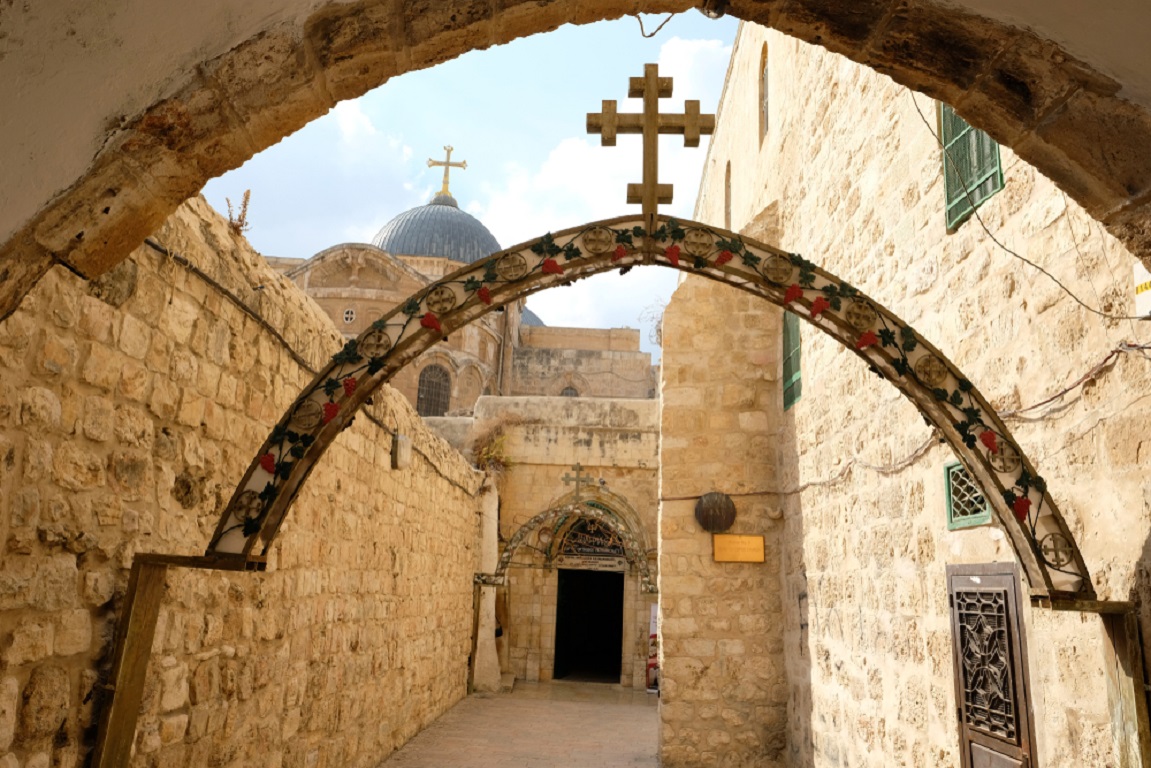
Israel is the ultimate travel destination for Christian travelers. The country is steeped in Biblical history, and it was here that Jesus was born, lived, and was crucified. You can visit the places where Christ spent his life, and literally walk in Jesus footsteps. Join an Israel Christian tour and have a once-in-a-lifetime experience in the land of the Bible.Tour the 15 top-rated attractions and iconic Christian landmarks of the Holy Land.Visit Nazareth - the Holy Family’s HometownIt all started in Nazareth. Here Mary and Joseph had their family home and it was in Nazareth that Jesus spent his childhood. Nazareth is a city in northern Israel with a charming Old City where several churches commemorate Biblical events. It is easy to imagine Nazareth as a Biblical town with Mary fetching water from the communal well, Joseph working in his carpentry, and Mary first learned of her miraculous pregnancy. Don’t miss this must-see Christian destination.1.Church of the AnnunciationThis church marks the place where the Angel Gabriel came to Mary to tell her of her future son. Christian visitors say that this church is one of the most memorable stops on a Nazareth tour.2.Church of Saint JosephIf you join aNazareth and Sea of Galilee Tour,you can visitthe grottoes beneath this church that could have been the Holy family’s home and Joseph’s carpentry. You can have a special moment of prayer in the grotto chapel.3.Mount PrecipiceThe Mount of the Leap is an important biblical site located just a few minutes from Nazareth. This is where Jesus leaped from the mount after being chased and rejected by the people of the town.Visit Bethlehem - Where Christianity Was BornJoseph and Mary made the journey south from Nazareth to Bethlehem where Jesus was born. Bethlehem is one of Israel’s best destinations and home to several top Christian attractions. The city is in the Palestinian West Bank, south of Jerusalem. If you don’t want to miss any important Christian sites then the best way to visit Bethlehem is with a guided tour. Book a Bethlehem Half Day Tour to see incredible sacred sites including the place where Jesus was born.4.Church of the NativityThis 4th-century church was built around the Holy Grotto where Jesus was born. Tours arrive in Manger Square and then enter this magnificent church that will leave you in awe.5. Milk GrottoSee for yourself where Mary nursed baby Jesus. Christian tradition holds that a drop of Mary’s milk fell to the ground and turned the cave walls white.Jericho - The Ultimate Christian Baptismal Site6. Qasr el-Yehud On a Jericho, Dead Sea, and the Jordan River Tour you can get baptized at the Qasar el-Yehud baptismal site near Jericho. This authentic spot on the River Jordan may have been where John baptized Jesus. It is also believed to be where the Israelites crossed over the Jordan into the Promised Land.Top Christian Sites in GalileeAfter Jesus was born in Bethlehem he returned to Nazareth with his family where he spent his childhood. Years later, Jesus embarked on his ministry, preaching the word of God in villages around the Sea of Galilee. Join a popular Sea of Galilee tour or a tour focused on Christian landmarks in the Galilee like the Sea of Galilee, Cana, Magdala & Mt. of Beatitudes Tour. See where Jesus lived, and walk-in his footsteps through the breathtaking scenery of Galilee.7. Capernaum Once a biblical fishing village, Capernaum is home to archaeological excavation of two ancient synagogues. Here Christ performed several miracles and could have taught at the ancient synagogues.8.The Baptismal Site YardenitBeing baptized in the Jordan River is a once-in-a-lifetime experience for Christian visitors to Israel. At Yardenit the river has been made easily accessible with steps and railings leading into the water so that you can be baptized.9.Mount of Beatitudesoverlooking the magnificent Sea of Galilee is the Church of the Beatitudes that stands the Mount of Beatitudes. Don’t miss seeing where Jesus gave his Sermon on the Mount.10. Tabgha and Church of MultiplicationEnjoy the serenity of this charming church on the edge of the Sea of Galilee. At Tabgha, you can see where Jesus shared fish and loaves among the multitude.11. Mt. Tabor and Church of TransfigurationMount Tabor overlooks the Jezreel Valley in Lower Galilee. This sacred Christian site is where the transfiguration of Christ took place. The Mount Tabor, Tzippori, Beit Sheárim Private Touris a top pick for Christians that want to see where the transfiguration took place.Walk-in Jesus’ Footsteps through JerusalemJerusalem is without a doubt the top destination in Israel. It was where Jesus visited as a boy and where he spent the last week of his life, Passion Week. The city is home to the most important Christian sites in the world. As you walk in Jesus’ footsteps along the stone-paved lanes of Jerusalem, you will be amazed at the beauty of this city. Jerusalem is packed with religious, historic, and archaeological sites that can be seen on a Jerusalem Old and New Tour.12.Holy Sepulcher ChurchThis church is the top Christian site in the world and a highlight of the Jerusalem Old City Tour. The massive 4th-century church encompasses Golgotha and the Tomb of Christ. The Holy Sepulchre Church is a must for travelers following in the footsteps of Jesus.13.The Garden TombThe Garden tomb is a place of Christian worship, and some traditions believe it to be the site of Christ’s burial. The tomb is a valid pilgrimage site, yet most experts agree that the Garden Tomb is not where Christ was buried and rose from the dead.14.Garden of GethsemaneAt the foot of the Mount of Olives is the garden where Jesus came to pray and was arrested on the eve of his crucifixion. The peaceful garden is one of the top Christian sites to visit on tours of Jerusalem. The Garden of Gethsemane and other significant Christian sites on the Mount of Olives can be included in a Jerusalem Old City Private Christian Tour.15. Room of the Last SupperJust outside the Old City walls is Mount Zion, home to the Room of the Last Supper. Here Christ dined with his disciples on the eve of his crucifixion. The Room of the Last Supper (Cenacle) is one of the top 10 Christian attractions in Israel.Israel, the land of the Bible, is a bucket-list destination for all Christians. As you tour the holy sites of Nazareth, Bethlehem, Galilee, and Jerusalem you will be walking in the footsteps of Christ. Now is the time to see the Holy Land, and rejuvenate your faith, by visiting the place where Christianity was born. You can discover the treasures of the Holy Land and explore the many sacred places you’ve only ever read about in the Bible. Book an Israel Christian tour today, and see for yourself where Jesus was born, lived, and died.
By Petal Mashraki
0 views

Things to Do and See Near Tel Aviv

Once you’ve arrived in Tel Aviv, it’s easy to stay put - with its sandy beaches, endless independent cafes and hipster neighborhoods, many tourists never venture outside the city. But that’s a pity because there’s plenty to do just a short distance away from the White City. So if you’re looking for a few hours away from the hustle-bustle, here are a few suggestions.RamleMost tourists never venture to Ramle, and that’s a shame because it’s really worth a visit. Just half an hour south-east of Tel Aviv, this working-class city is ethnically diverse - Jews, Muslims and Christians co-exist comfortably (with the city’s 60,000 Jews coming from over 50 different countries, including Ethiopia, Argentina and India). Ramale also has a fair few attractions, including a bustling market, a beautiful church, an old tower and - wait for it - the chance to take an underground boat ride!Yes, indeed. In the 1960s, in the midst of constructing a nearby highway interchange, workers stumbled upon Ramle’s Old City (dating back over 1000 years). And what they found was astonishing - colorful mosaics, ceramic jars (with inscriptions in Arabic) jewelry and gold bars and coins (which are on display today at the local museum).Most impressive of all - arguably - were the deep cisterns and drainage canals. Today, a highlight of any tour of Ramle is a visit to the Pool of Arches, an outstanding example of Muslim architecture. Built in 789 CE by the Caliphof Baghdad, it was originally a large aqueduct, with an almost square basin. Today, you can take a gondola ride (well, a rowing boat!) through this underground lake, sailing past stone columns which hold up a beautifully- arched ceiling.It is astonishing to think that this Pool or Arches has survived almost 1,200 years (in which time there was an enormous earthquake in Ramle, which destroyed much of the city).Our tip: eat lunch at Maharaja, an authentic and cheap Indian eatery close to the market. You can also pick up spices and Indian sweets there.Alexander WineryFounded in 1996, this family-owned boutique winery in the heart of the Sharon region has won international awards for its cellars, and is a wonderful place to sample wines. Their guides are known for being friendly, engaging and knowledgeable and the winery itself is set in beautiful surroundings.The tasting room itself has plenty of space and for 100 NIS you will receive a selection of wines, olives (marinated in their own olive oil), bread and cheese. Yoram Shalom, the charming proprietor, left his job as a photographer with Israeli television to open the vineyard and is often around to show visitors around and answer questions about the business.This family regard wine-making as a labour of love and when you take a tour here you learn just as much about the people involved in the process as you do the wines themselves. Only 30 minutes drive from Tel Aviv, it’s a fantastic way to spend a few hours.Derech Hefer 15, Beit Yitzhak-Sha'ar Hefer.Design Museum, HolonOpened in 2010, this intriguing museum is the first of its kind in Israel devoted exclusively to design. Dreamed up by the acclaimed architect, Ron Arad, the Holon Design Museum aims to act as an engaging experience both for children and adults, as well as those who have no background in the subject.Divided into two spaces (the Design Lab and the Collection Windows) it showcases objects as diverse as chairs, eyeglasses, jewelry and a do-it-yourself sundial for the kids! The exterior of the museum is particularly striking - comprised of five sinuous bands of red Corten weathering steel, these ‘ribbons’’ both support the structure and give it a ‘flowing’ feel.Ben Shemen ForestAn oasis of greenery in Israel’s center, this forest is only 30 minutes drive from Tel Aviv (about half-way to Jerusalem). Full of pine trees and cyclamen, it is the perfect place for a family day out, since it has picnic areas, bicycle trails, and beautiful scenic trails too. Around the forest are observation points, as well as areas of archaeological interest (eg. graves from the era of the Maccabees).If you’re feeling ambitious, head off on the Anava Trail, 25 kilometers long (and circular) which passes the Monks Valley and gives you great look-out opportunities across the surrounding area.Moreover, if you visit on Friday or Shabbat, whilst it will be busy you’ll also have an opportunity to pick up food and drink first from one of the stalls at the main parking lot - freshly-baked laffas and some local beer are a great way to begin a hike! Directions: From Highway 1, turn East at the Ben-Shemen Interchange to Maccabim and Re’ut (route 443).Shefayim Water Park, NetanyaShefayim Water Park is about a 30-40 minute drive north of Tel Aviv and the ideal place to bring the kids in Israel’s long hot summer months. It boasts 22 different slides, (including a slalom), a wave pool or tubing track. There is also a large pool and a separate pool for young children.Shefayim has quite a few numbers of cafes and restaurants (moderately to expensively priced) but you are allowed to bring your own food and drink, so why not think about a picnic? Please note, however, that glass bottles are not allowed into the park. There’s plenty of shaded areas (and astroturf to sit on) as well as a paintball area, if you get tired of splashing around on the slides!The park is open daily from May to October but it’s advisable to call ahead as occasionally it is booked out for private group events. Also, take into account that it’s a very popular attraction so it can get very crowded.Our advice? Buy your tickets online, in advance, and arrive at least 30-45 minutes before the park opens. Then when you walk in, head straight to the large pool and grab a sunbed with an umbrella! Once that’s bagged, you’re set for the day.Directions: Drive north towards Netanya on Highway 2 and exist at Kvish HaHof, ten minutes north of Herzilya.
By Sarah Mann
0 views

Traveling in Israel Without Planning

Traveling to Israel requires some planning although if you want to you can leave a good part of your time unplanned for exploring the country. There are many people who travel without a plan and simply arrive at their destinations, ask locals and the tourist information office for tips and advice and take it from there. There is very little additional planning needed for Israel as compared to other destinations. However, to make the most of your time it is best to do a little research and give yourself a basic outline for your trip.Basic Planning for Israel that You Can't AvoidTraveling without a plan is great but to make sure you're even allowed off the plane you should check if you need a visa to Israeland if so get that sorted out. Another part of planning for a trip to Israel that just can't be avoided is knowing which public holidays are happening while you are in the country. Israel's many national and religious holidays often involve a complete shutdown of public transport and attractions. This goes for the 24 hours from sundown on Friday to sundown on Saturday as well. During Shabbat the open hours and transportation in Israel are limited, and even non-existent in some areas. You should also check out any special events happening while you are in Israel. For example, when Israel hosted the Eurovision Song Contest in 2019 accommodation in Tel Aviv scarce and you wouldn't have been able to arrive without booking your accommodation. You also need to plan for the Israeli weather. Throughout the year you will need sun protection, especially in the summer.Do you Need to Make Plans for Security on a Trip to Israel?If you're wondering if you need to make any special plans for security in Israel the answer is no. You will find Israel is one of the safest places you visit; women can walk alone at night in the large cities and feel safe. Israel, unfortunately, has had ample experience of terrorism and conflict so security measures are entrenched in the Israeli psyche. Besides being vigilant Israelis are used to going about their daily business and living full and rich lives without letting any political situation or regional conflict ruin their fun.Having a General Plan for Your Israel TripDon't forget to include theDead Sea in your trip in IsraelEven if you don't want to arrive in Israel with a ridged itinerary it is a good idea to consider basing yourself in different regions of the country so you can conveniently explore the nearby sites without traveling long distances each day. I suggest dividing your time between northern Israel, central Israel (Tel Aviv), Jerusalem and southern Israel (Dead Sea or Eilat). Spend a few days based in each of these areas and do your daily sightseeing from there. You might also want to plan for any highlights you don't want to miss – shows, attractions or natural wonders. Some need to be booked in advance to avoid missing. Israel has excellent public transport and plenty to see so you shouldn't have too much trouble just getting up in the morning and setting off for an adventure.How to Travel in Israel without PlanningAn organized group tour in Israel - Most of the services you need in one pack.So if you have covered the essential basic plans mentioned above you can then relax and play the rest by ear. There are a few ways to make an unplanned trip to Israel even better. Once you get to your hotel or hostel have a chat with the reception staff or concierge to get tips on what to see and where to go. They will probably give you a free street map to help you get around if you are in Tel Aviv or Jerusalem. Connect up with locals and get their input. Wander the streets just people-watching, shopping, and spotting the incredible architecture. Spend time on the beach, in parks, pubs, markets or side walk cafes. If you feel like you haven't covered the top attractions, you can always take a day tour. Alternatively if you want to take all planning out of your trip to Israel then join one of the Israel package tours where all guided tours and accommodation are included and organized for you. No stress, no planning, just sit back and let the tour company do all the work.A Little Bit of Planning Goes a Long WayHowever much you want to be a free spirit and arrive in the Holy Land ready to go, a little bit of planning will make your trip more interesting, trouble-free and enrich your experience. Have a guide or guide book so that you know what you're looking at when you stare at structures that are 2,000 years old. Plan how to spend weekends when transport and businesses close down and do your longer journeys on weekdays. I also suggest booking at least some of your accommodation as hotels are expensive in Israel and you can find better deals online than in the middle of the night wandering the streets like Mary and Joseph when there is "no room at the inn."
By Petal Mashraki
0 views

Jerusalem Street Art

Think Israel and what comes to mind? A beautiful mediterranean coastline, set against pristine beaches...churches, mosques and synagogues in biblical terrain...exotic fruits and spices in Levantine markets...desert palms, the exotic Red Sea and a shimmering Lake of Galilee? Yes, you’d be right on all counts...because you get a lot of bang for your buck in this country. But what you probably don’t expect to find is a thriving ‘street art’ scene in this part of the world.Think again. Street art has taken Israel’s capital, Jerusalem, by storm in the last few years and whilst the scene isn’t quite as well established as in its neighbor, Tel Aviv, what you can find in this spiritual mecca is quite impressive. So if you’ve had your fill of museums, holy shrines and ancient history, fear not...just grab your camera and head off to one of the areas below to check out the creative scene...TalpiotThis Jerusalem neighborhood isn’t particularly hip and happening, but it is home to some incredible artwork which sprang up after the Walls Festival Jerusalem came to town in the spring of 2018. This international mural festival was held with the aim of using public art as a means of changing the face of urban neighborhoods.Artists from across the globe who displayed there include the Brazilian “Bicicleta Sem Freio” (Bicycles without Brakes). Rouhan Wang from China and Eina and Gan, who go by the name of Brothers of Light (yes, indeed they are brothers). If you look at the Brothers’ enormous orange canvas, you’ll see it’s packed with tiny details that highlight both the local neighborhood and the land of Israel itself. Along with palm trees and camels, you’ll also spy a Dove of Peace (holding an olive branch), the same white bird that was sent out by Noah from his Ark, after the great flood.You’ll also see Hamsas (also known as Evil Eyes) - a traditional good luck charm for both Jews and Arabs - and even a local lottery booth! (Israelis love to play the lotto!)Besides these murals, Talpiot home to the studio of Dan Groover, who paints both bold street art and bright graffiti.The First Station and the Artists' Colonyin the Fall of 2019, street artists from around the world gathered in Jerusalem in a ground-breaking new venture - a collaboration set up to paint a series of murals, as part of the city’s Biennalle. In two months, they produced sixteen pieces on-site - nine at the First Station (ha Tachana Rishona) and seven at the Artist’s Colony (Hutzot ha Yotzer).The First Station is a major center of culture, entertainment and culinary innovations in Jerusalem and the Artist’s Colony is a beautiful lane, close to the Old City’s Jaffa Gate, lined with studios. Artists in the Bienalle venture included Leonore Mizrahi-Cohen (who left Brooklyn for the Holy Land), Itamar Palogi (an Israeli who lived both in Italy and Germany), Hillel Smith (based in Washington DC) and Judy Tal Kopelman (a native of Jerusalem). Combining lush colors with Middle Eastern style, there are Jewish themes running through the designs. Even better, these wonderful, brightly-colored pieces are all staying up permanently, breathing vitality into the area and transforming the spaces... so get down there and take a look for yourself.(Our tip: don’t miss the hand-painted fish!)Mahane YehudaMahane Yehuda is Jerusalem’s biggest market (in Hebrew: shuk). Loud, colorful, busy and full of life from early morning to late afternoon, it’s the best place to buy fruit and vegetables, Levatine spices, and sweet challah bread (a Friday special). Sitting with a small cup of thick, black coffee, in one of its many cafes, it’s the perfect place to watch the locals and really soak up some Jerusalem atmosphere. And at night, the atmosphere is just as busy, with restaurants and bars opening their doors and making it a fun place to grab dinner or a drink.But there’s something else in the market too - street art. But there is a catch - it’s not visible whilst the market is operational. Why? Because it’s painted on the shutters of the stands, which are rolled up from morning to night!So if you’re curious about this recent phenomenon, the best time to wander there is on Shabbat, when the normally-frenetic market is closed.What you’ll see is a mixture of famous faces - some from the past, others contemporary. They are the brainchild of Solomon Souza, a British-Israeli artist and former Yeshiva (a religious study center for young men) student. Armed with spray paint, he begins his craft at night and as dawn breaks, the market shutters hold new and unusual paintings. They first sprang up in 2015, after Souza and his friend Hahn (who eventually took on the role of producer in this “Shuk Gallery” project) decided to liven up the place and get people thinking about the faces they were painting.And indeed you do. Characters as diverse as Mahatma Gandhi (the Indian freedom fighter) and Yehudi Menuhin (the acclaimed violinist) appear close to Rabbi Joshua Heschel (an influential American rabbi) and Hannah Senesh (a Jewish World War II heroine). Biblical scenes stand next to a painting of Steven Spielberg; Albert Einstein isn’t far from Bob Marley, who’s across from Jonathan Pollard. Over the years, Souza has even begun taking requests from local owners, most of whom are more than happy to have their shutters painted! And he and Hahn have grand plans - eventually, they hope that the entire market will be awash with their colorful designs, at which point they can give tours of the market and explain in more detail the stories behind the faces.And if you want to donate, feel free - this is a not-for-profit venture, aimed to bring art to the area and enhance peoples’ experience of a wander through the neighborhood.Our tip: wander there on Shabbat, when most of the city’s residents are at synagogue, at lunch or having a snooze. And if you’re really taken with his work, hop a plane to Goa, India, where he’s currently transforming local villages!Street art - it’s really food for the soul.
By Sarah Mann
0 views

The Best Dead Sea Beaches

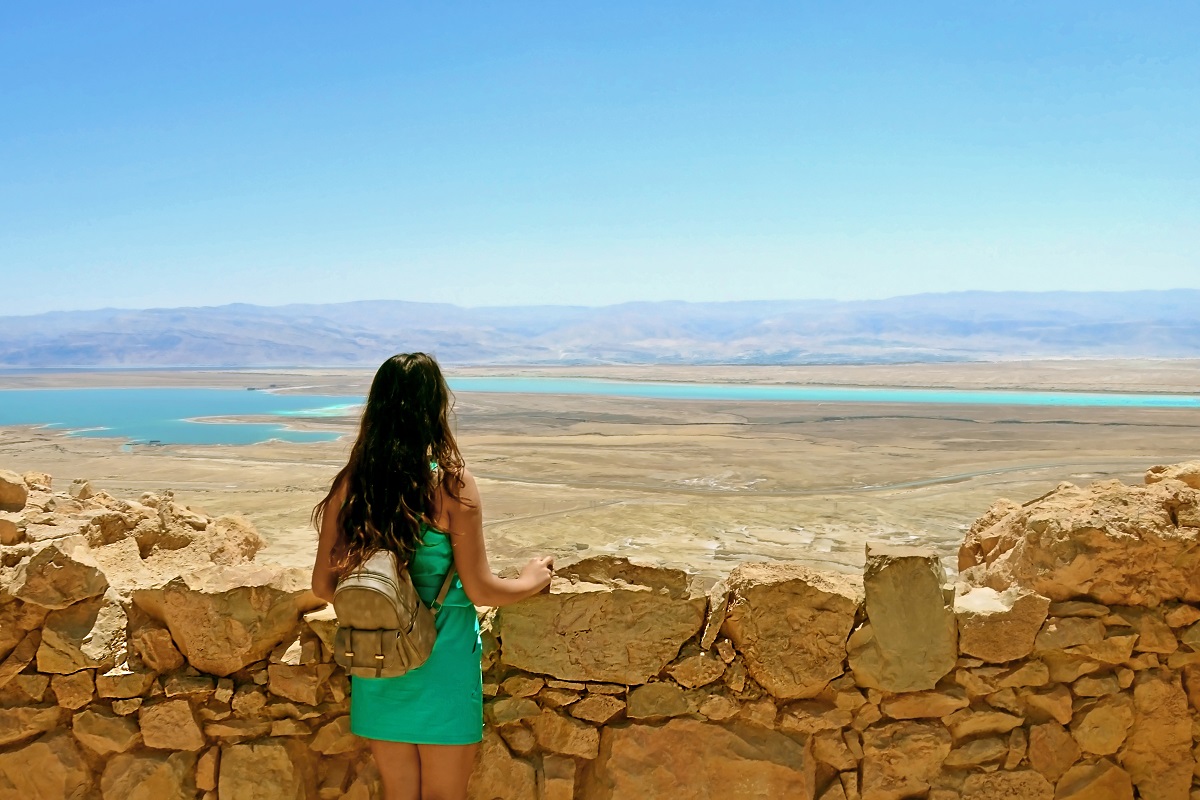
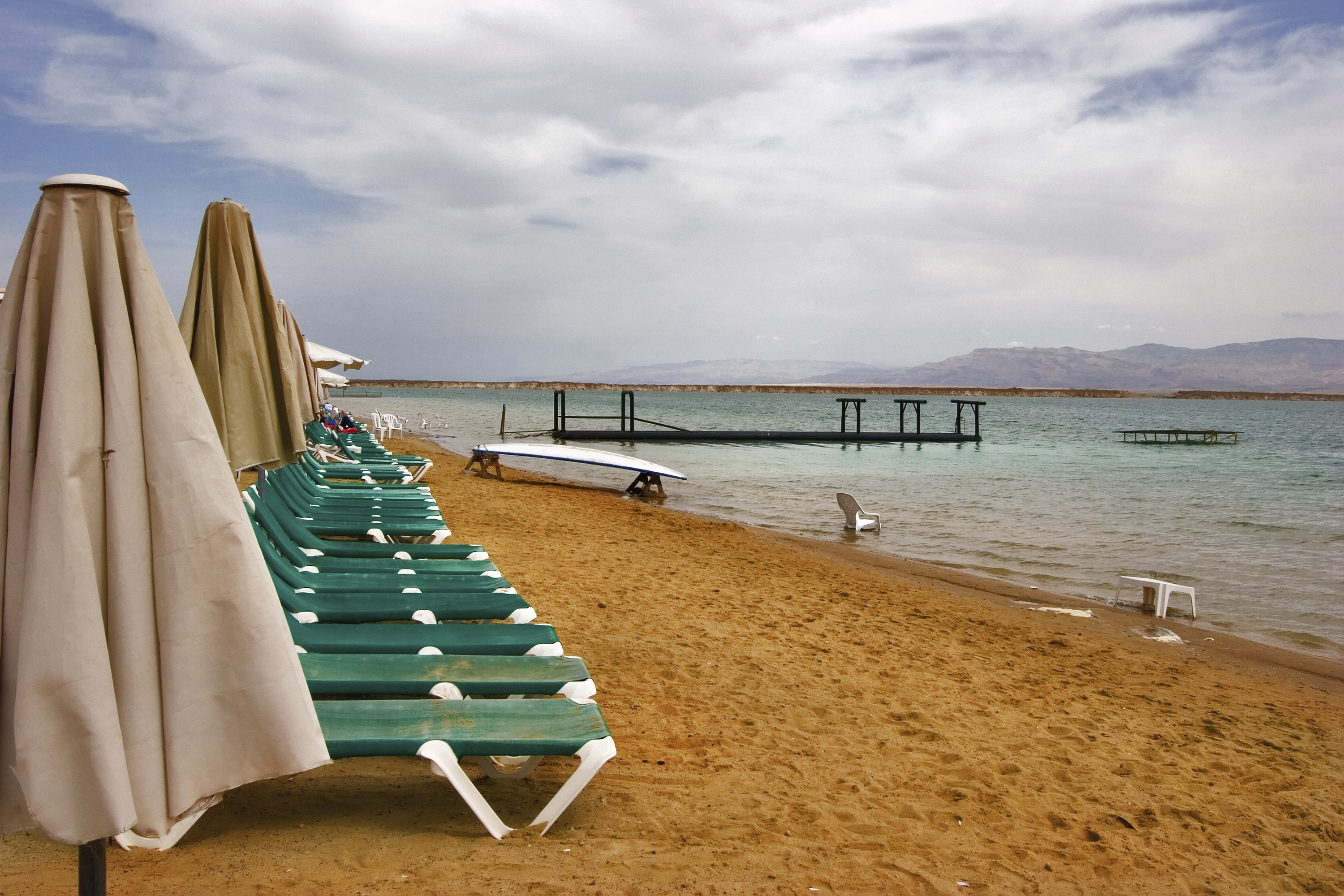
One of the must-see destinations in Israel is the Dead Sea, mainly because it is completely unique and the lowest point on Earth. The Dead Sea is an elongated strip of water with the northernmost of two basins measuring 50km long and 15kn wide. The sea divides Israel on the western shore from Jordan to the east. The low altitude of the Dead Sea makes the environment unique. The water is 9.6 times saltier than the ocean and the air at this altitude is rich in oxygen. Dead Sea Shore.Photo credit: © ShutterstockEven the sun is healthier at the Dead Sea as the sun rays are low in dangerous UV rays. All of these factors together with the mineral-rich black mud of the sea bed that can be used as a natural skin mask make the Dead Sea a popular destination. Along the western shore of the Dead Sea are several hotels, spas, and beaches offering a range of facilities. Here is a list of the best Dead Sea beaches to help you choose where to experience this spectacular natural wonder.Northern Dead Sea BeachesThe northern beaches are easiest to reach from Jerusalem being only half an hour south of the capital. Most of the northern beaches are private, which means you will have to pay an entrance fee (50-100 ILS) and can enjoy many beachfront amenities. Kalia Beach, Dead SeaThis is one of the best beaches for those looking for a complete range of facilities. You'll be able to use the toilets, lockers, showers, beach chairs, and umbrellas. There is a snack bar, Bedouin tent restaurant, a bar, parking, lifeguard, BBQ area, souvenir store, and even sulfur baths. All amenities are included in your entrance fee and you can camp here for an additional fee. On the beach, you'll be provided with Dead Sea mud to smother on your skin. This is a calm, quiet beach away from the large hotels in Ein Bokek. If you take one of the Dead Sea tours you could possibly spend time on Kalia Beach or a similar excellent Dead Sea beach.Open: Summer 8 am – 7 pm. Winter 8 am – 5:30 pm.Fee or Free: Entrance fee (16,5 USD)Kalia Beach, the Dead Sea. Photo credit: © Dmitry MishinBiankini Beach, Dead SeaBiankini is the Dead Sea beach with the most facilities, a laid-back daytime atmosphere, and a vibrant nighttime bar. The private beach amenities are provided by the Biankini Resort Village. There is a beachfront restaurant selling oriental food. Visitors can enjoy Middle Eastern music as they lounge on the sand and use amenities such as the spa, swimming pools, kid's club, and stores. There are top-quality beach cabins and bungalows at the Biankini Resort Village, beach chairs, umbrellas, a snack bar, billiard tables, minimarket, lifeguard service, and free parking. When the sun goes down the restaurant turns into a nightclub but continues its Middle Eastern theme with live performances, karaoke, and sometimes even belly dancing!Open: 8 am – 6 pm. Fee or Free: Entrance fee (25 USD).Biankini Village Resort, Dead Sea. Photo credit:©Biankini Village ResortNeve Midbar Beach, Dead SeaThis is a wide, sandy beach with lawns bordering the sand, camping areas, bungalow rental, a swimming pool, restaurant, and parking area. You can find the natural black Dead Sea mud on the shoreline. Enjoy a drink or meal on the restaurant terrace overlooking the sea and sometimes you can even catch a live performance or festival on Neve Midbar. There is a lifeguard on duty; a Dead Sea products store, toilets, showers, beach chairs, and sunshades. This is a great choice for families, groups, and singles. However, there is a steep walk down to the water's edge and there have been reviews saying the beach is not kept clean.Open: 9 am – 6:30 pm. Fee or Free: Entrance fee (15,5 USD)Neve Midbar Beach.Photo credit: ©Neve Midbar BeachDead Sea Beaches in the Ein Gedi AreaEin Gedi Spa Resort Beach, Dead SeaIf you've come looking for a beach near the Ein Gedi Nature Reserve or Ein Gedi Kibbutz you will have found that Mineral Beach and the old Ein Gedi beach are closed due to the danger of sinkholes. However, Ein Gedi Spa Resort Beach is open. Here you can enjoy spa treatments using Dead Sea products. Amenities on the beach include lifeguard service, toilets, showers, beach chairs, and sunshades. There is a shuttle from the spa complex to the beach. You can use the natural Dead Sea mud as a skin mask and soak up all the beneficial salts and minerals. There is a large outdoor pool overlooking the Dead Sea and the spa has six thermos-mineral sulfur pools. Take a look around the spa's health and beauty store and enjoy a meal in the spa restaurant, ice cream store, or snack bar.Open: 8:30 am – 5 pm. Fee or Free:Entrance fee (24 USD)Mineral Beach, Dead SeaCLOSED UNTIL FURTHER NOTICEEin Gedi Beach, Dead SeaCLOSED UNTIL FURTHER NOTICEEin Gedi Spa Resort Beach, Dead Sea. Photo credit: ©Ein Gedi Spa Resort BeachDead Sea Beaches in the Ein Bokek AreaThe southern beaches of the Dead Sea are free although there are a few private beaches where only guests at the adjacent spa resorts can use the beach. Ein Bokek is about a 2-hour drive from Jerusalem but offers beachfront hotels, amenities, and a wide, sandy beach.Segregated Beach, Dead SeaThis public beach is used by the religious community and is divided into a men's bathing area and a woman's bathing area. The beach has a lifeguard on duty and there are beach amenities including open-air fresh-water showers, toilets, and water fountains. This free Dead Sea beach is well maintained and can be visited during the week but not from sundown on Fridays to sundown on Sunday morning.Open: Monday-Friday, 7 am – 4/6 pm, closed Saturday. Fee or Free: FreeTravelers enjoying the Dead Sea on their guided tour. Photo credit: © ShutterstockEin Bokek Beach, Dead SeaEin Bokek is the area where most of the Dead Sea hotels are concentrated. A rather new beach promenade runs along the shore in front of the hotels connecting Ein Bokek's two beaches. Ein Bokek beaches are free and most hotels have access straight to the sand. This year-round stretch of beach is great for the young and old. The Ein Bokek South Beach and Central Beach both have amenities that include lifeguard services; beach chairs; sunshades; water fountains; BBQ areas; outdoor fresh-water showers and nearby snack bars. Camping is prohibited on the Ein Bokek beach except during the holidays when there are designated areas for overnight stays.Open: 24/7 with services 7 am – 5 pm. Fee or Free: FreeNeve Zohar Beach, Dead SeaThis is the southernmost stretch of Dead Sea beach located about 3km south of Ein Bokek in Neve Zohar. The beach is free although there are some facilities you can pay for like reclining beach chairs. Also available here are toilets, changing rooms, outdoor fresh-water showers, and a snack bar. During holidays and the summer season, there is a lifeguard on duty. Open: 24/7 with services available 7 am – 5 pm. Fee or Free: FreeTo view the list of beaches in Israel feel free to check this article.Ein Bokek Beach. Photo by Tristan MIMET on Unsplash
By Petal Mashraki
0 views

Tel Aviv - Explore the Nonstop City

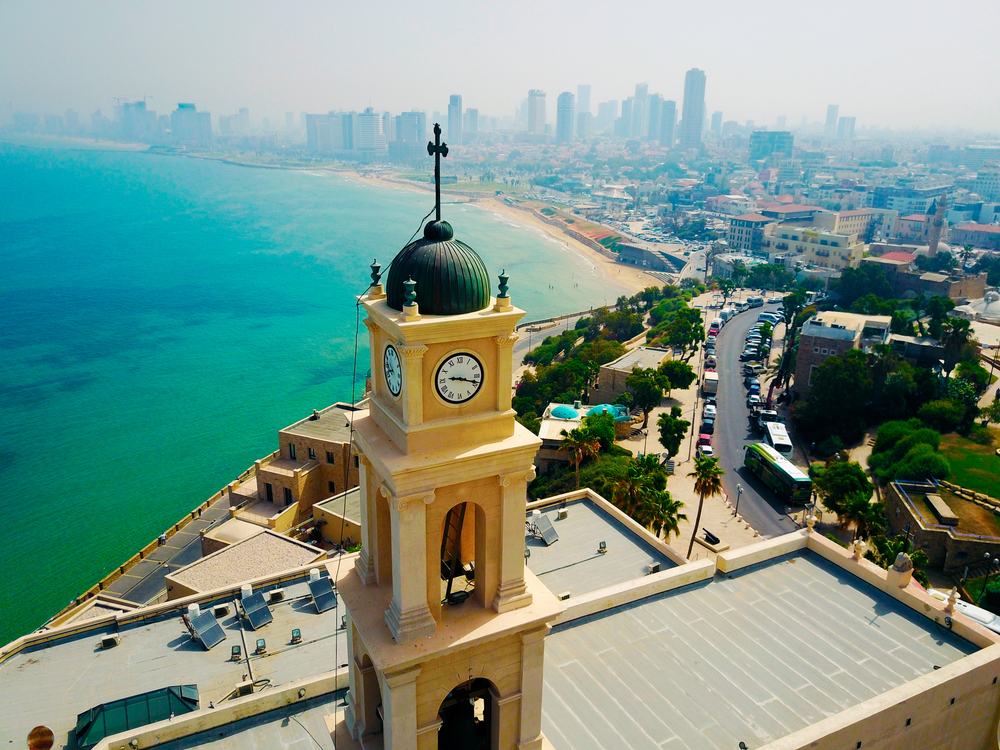
Tel Aviv is easily accessible to people across Europe for a short city break or weekend get-away. You could choose to go to another European city but being able to hop over to the Middle East for the weekend is even more special! On a city break in Tel Aviv you can choose to relax and pamper yourself go sightseeing party all night shop til’ you drop or take part in outdoor activities and extreme sports.A lifeguard tower on Tel Aviv's Beach. Photo by Guy Tsror on UnsplashTel Aviv is nicknamed the “Big Orange” because the city never sleeps like the Big Apple and it is called the “White City” for its UNESCO-listed Bauhaus architecture. Tel Aviv truly has it all as a city break destination. After a short flight, you’ll arrive at Ben Gurion Airport, a 30-minute ride from Tel Aviv. Settle into your hotel and start to unwind. There are hotels to suit all budgets from historic boutique hotels to simple hostels.Relax and Pamper Yourself on a Tel Aviv City BreakFor starters there are the stunning Tel Aviv beaches just minutes from the city center you’ll find an attractive promenade running the length of the 13 sandy beaches and the Mediterranean beyond. The beachfront is lined with top restaurants, pubs, and hotels. If you want to indulge and pamper yourself Tel Aviv has many excellent spas. You could even go further afield and visit one of Israel’s hot springs at Ga’ash, Hamat Gader, Hamei Yoav, Tiberias, or the Dead Sea. At the Dead Sea, you can get unique spa treatments that use the natural minerals and salts found in the Dead Sea water and mud.Tel Aviv City Breaks for FoodiesFoodies will be spoilt for choice in Tel Aviv; there are many top chef restaurants serving world-class cuisine. Many of the best restaurants have brilliant sea views while others are in the heart of the city. Visit the farmers’ market at Tel Aviv’s old port; the fresh produce market and small hole-in-the-wall restaurants at Carmel Market; Levinsky spice market and the gourmet market at the Sarona Center. Don’t leave without sampling the Tel Aviv street food and enjoying a good pita stuffed with falafel and hummus.Exhibition at Tel Aviv Old Port. Photo credit: © Dmitry MishinHaving Fun on a Tel Aviv City BreakTel Aviv is home to a great amusement park with thrilling rides for the whole family. There are numerous parks, like Yarkon Park, a safari park, and a bird safari. You could chill out at one of the cinema complexes or rent a bike and explore the city. Other places of entertainment in Tel Aviv include Escape Rooms, trampoline centers, playgrounds, climbing walls, and much more.Nightlife on a Tel Aviv City BreakTel Aviv truly is the city that never sleeps; nightclubs and bars only really come to life after 11 pm and they continue buzzing until the early hours of the morning. You won’t have to look far to find places of entertainment after dark. Visit underground clubs near Rothschild Blvd. hipster bars in the historic Neve Tzedek neighborhood; arty clubs around HaHashmal Street and the bohemian hang-outs of Florentin. If you’re not into night clubs Tel Aviv has wine bars, ballet, opera, concerts, and theatre.Shopping in Tel AvivYour shopping choices in Tel Aviv are numerous and diverse. You could stick to the traditional markets like Carmel Market or the flea market in Jaffa. Visit Nahalat Binyamin market for hand-made arts and crafts. Visit the upmarket fashion stores at Kikar HaMedina or travel to one of the large malls like Azrieli Tower. In Tel Aviv, you can find everything from traditional items and locally made goods to international name brands.Tel Aviv Gay Pride, 2018. Photo credit: © Dmitry MishinOutdoor Activities on a Tel Aviv City BreakIn Tel Aviv you can rent a bicycle and use the many cycle paths; go rowing in the Yarkon River, do water sports at the beach, join locals on a morning jog try yoga at Tel Aviv Port at sundown visit a local gym, or take a trip out to the countryside for bird-watching. Tel Aviv locals love exercising outdoors and the parks and beachfront are always full of dedicated fitness enthusiasts.Sightseeing in Tel Aviv on a City BreakTel Aviv has excellent museums including the Museum of Art, Design Museum Holon, Bauhaus Museum, Museum of the Jewish People, and the Eretz Israel Museum. There are historic landmarks including the site where the Declaration of Independence was signed on Rothschild Blvd. and the houses of famous artists and political figures. Don’t miss Jaffa, now a joint municipality with Tel Aviv this ancient port city has narrow lanes flanked by stone houses leading down to the water’s edge, excellent restaurants, markets, art galleries, and museums. Also visit Sarona, a restored German Templer settlement, and the American-German Colony neighborhood.Seeing the Rest of Israel on a Tel Aviv City BreakThere are plenty of tours in Israel from Tel Aviv that take you to locations across the country including Jerusalem, the Galilee, Golan Heights, Dead Sea, and more. This way you can see more of the county without having to bother with logistics and transportation issues. The day tours include a complimentary pick-up from Tel Aviv and return you at the end of the day. All you have to do is choose your destination and book the tour, the rest is taken care of for you.An old house in Neve Tzedek, Tel Aviv.Photo credit: © Dmitry Mishin
By Petal
0 views

The Israel National Trail

Criss-crossing the entire land of Israel, and stretching just over 1000 kilometres (around 630 miles), the Israel National Trail (‘Shvil Israel’) is the kind of experience every hiker will remember for years after. National Geographic have listed it as one of the world’s “most epic” trails and when you hike it you’ll understand why...it marries mountains with desert, coastal plains with green fields, snow-capped hills with warm waters in the Red Sea, Roman and Crusader ruins with Arab/Druze villages...basically, it’s a taste of everything the land of Israel encompasses.Rare OpportunityIt also offers the hiker something else too - a chance to understand more about the Biblical significance of the land as well as the opportunity to meet Israelis from every walk of life...not just those whose villages and towns you’ll pass through, but those who will aid you practically, as you continue on your journey. (But more of that later.)The trail itself is easily marked in colorful stripes - blue white and orange - and is the brainchild of Avraham Tamir and Ori Dvir, who love hiking and nature. Inaugurated back in 1995, first and foremost its aim is to give hikers the chance to experience Israel in its most natural settings. What’s also great about the National Israel Trail is that you don’t have to complete the entire stretch. If you're not an expert hiker, or you only have a few days to spare, that’s fine - you can focus on one particular part of it or even take day trips. But for any ardent hiker, between 4-6 weeks will need to be set aside in order to complete the entire stretch.Trail AngelsOn a practical level, strong boots, snacks, and a hardy water bottle are all must-haves, particularly for when you’re in remote areas of the trail. The SPNI (Society for the Protection of Nature) sells high-class topographical maps, in English, with an emphasis on the hiking trails - they are an invaluable resource!There’s also more good news - all along the route, you’ll be able to call upon the services of “Trail Angels”. These wonderful people provide hikers with a place to shower/sleep, kitchen facilities, and quite often dinner, or at the very least a coffee and a chat, in their homes. Getting to meet locals in their natural habitat? It doesn’t get much more authentic than this! Some Trail Angels also partake in a water-burying scheme (in the desert areas) which really comes in handy when you’re halfway through your day and parched.It’s up to you whether you want to work your way up or down the country, but since trekking in Israel’s summer can be unbearable, we suggest you begin your journey in the autumn or winter. Here’s an example of an itinerary, beginning in the south, in mid-February.Timna, the Arava and the NegevStart your journey in Eilat (on the tip of the Red Sea), and spend your last day of ‘freedom’ on the beach, enjoying views of Jordan, Egypt, and Saudi. With its endless palm trees and clement waters, it’s the ideal place to enjoy some R&R.Trekking through the Eilat Mountains, and the Arava desert, pass through Timna Park - 15,000 acres set in a valley shaped like a horseshoe, surrounded by Mount Timna and some very steep cliffs. The geology is quite fascinating (our tip: look out for the Pillars of Solomon, two sandstone columns that tower above you). Heading up through the vast desert expanses, you’ll pass Kibbutz Neot Samdar (they sell excellent vegetarian produce) and arrive in Mitzpe Ramon, a small town that sits on the edge of the magnificent Ramon Crater. (It’s actually possible to hike, bike, or take a jeep tour inside the crater). About 35 kilometers north, you’ll arrive at the Midreshet Ben Gurion, an intimate community that boasts scientific institutes, the burial site of David Ben Gurion (Israel’s first Prime Minister), and some striking views of Wadi Zin. Call upon Trail Angel Arthur du Mosch, who leads tours of the desert, is an expert horse-rider and actually caught a leopard in his home, many years back!Judean HillsThe Judean Desert, Israel.Photo credit: © ShutterstockHead north through the Negev to the Yatir Forest, Israel’s largest forest which, despite receiving very little rainfall, is home to some of the country’s most varied woodlands (including a unique eucalyptus with red blossoms). Enjoy some archaeology - the Yatir Ruins (associated with the Biblical city of Jatti).From there it’s into the Judean Hills. Don’t miss the breathtaking views inside the ‘British Park’ and sites such as the Luzit Caves, Kidon Ruins, and Monastery of Beit Jamal. Trek through dirt tracks, pass caves and look over Highway 1, which served as a battleground in Israel’s 1948 War of Independence. The trail continues through the Sharon coastal area, including Tel Aviv. The ‘White City’ (named after its Bauhaus Buildings) can be a good place to enjoy a couple of days’ rest, some good coffee, and sandy beaches.Carmel and the GalileeIt’s then north to the Carmel...an incredibly lovely part of the trail, with wondrous views of the Galilee and steep ravines in which you can hike. The path runs through Kibbutz Yagur, where you’ll find more helpful Trail Angels. Dip your feet in the Nakhash Stream, sip at your water bottle and breathe in the clean air.Further north, you’ll arrive at Mount Tabor, rising up from the very flat Jezreel Valley. Green all year round, it provides magnificent observation points. (Our tip: don’t miss the caves and the Greek Orthodox/Franciscan churches).Mount Meron, the Yesha Fortress, and the Upper GalileeAbout 70 kilometers north, just after the spiritual center of Safed, you’ll arrive at Mount Meron which, at 500 meters above sea level, is Israel’s largest peak. It is home to ‘Elijah’s Chair’ (a huge lectern-shaped rock that is rumored to be where the great prophet sat). Parts of the area are a protected nature reserve - and don’t miss the village of Meron either (where you’ll find the tomb of Rabbi Shimon bar Yochai).Another 30 km north, you’ll arrive at the imposing Yesha Fortress - built by the British during the Mandate period. Today it’s used by the Israeli border police. Hike up the path that leads to a splendid panorama of the Hula Valley below. On your left, you will see the villages of Metula and Kiryat Shmona and, across the Valley, the Golan Heights (whose peaks might even still have snow on them).You will also find at the site a plaque that remembers the 28 men who died fighting here in the War of Independence (our tip: don’t miss the small grove nearby that has 28 trees planted in memory of the men). The last part of the trail - the Hula Valley, Upper Galilee, and Naftali Ridge - will see you hiking when spring has truly arrived - with luck you will have blue skies and sunny days, and all around you will be fields carpeted with brightly colored crocuses.On the eastern side of the Naftali cliffs, the trail will afford you views of planted forests (after the Second Lebanon War, a reforestation project was undertaken). Don’t miss the Saadia Scenic Lookout, the Manara Cliff, and the Shepherds Spring. And by then, you’re homeward bound and you can honestly say you know the land of Israel a great deal better!
By Sarah Mann
0 views

Explore Haifa

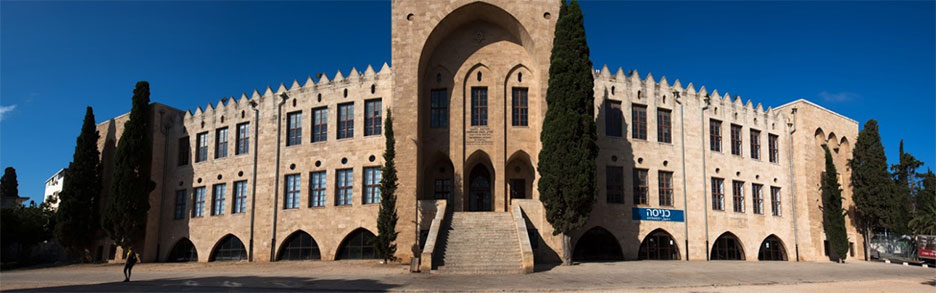
Set on the Mediterranean, and sloping down a mountain, Haifa is Israel’s third-largest city and the center of the county’s north. It might be smaller and less assuming than Tel Aviv, and perhaps doesn’t offer the ‘wow’ factor of Jerusalem, but it does have a charm all of its own. Many tourists skip Haifa or just spend a few hours there, to see the world-famous Bahai Gardens (with their beautifully manicured flower beds and fountains) but that’s a pity because Haifa (and the surrounding area) has a great deal to offer the visitor. Here are some of its top attractions, many of which are family-friendly and ideal for a morning or full-day out.Haifa Bay View from the terraces of Bahai Gardens.Photo credit: © ShutterstockMadatech, the Museum of ScienceHoused in a magnificent building that dates back to the Ottoman empire and was the original home of the Technion (Israel’s world-famous university), the facade itself is sure to delight every architect lover. Inside, Madatech offers all kinds of activities relating to science and technology - gravity, optics, mirrors, telescopes to name a few, and the exhibits are designed in such a way that children will love it and adults will find it equally fascinating.Many of the exhibits are set up not just to be looked at but engaged with - kids can play with water, gears, and pulleys, check out flying machines and even try out a crash simulator! Madatech is the kind of museum that encourages kids to partake in hands-on science experiments that are both thrilling and challenging. Want to build an eco-home or understand prisms of light? You’re in the right place. And there’s even something for toddlers - a mirror maze! You can purchase tickets online and a family card works out at good value. Even better, the museum is free of charge each Wednesday (unless that day falls upon a national holiday).Madatech, Israel National Museum of Science Technology and Space, Haifa.Photo credit: © ShutterstockStella Maris Lighthouse and Carmelite MonasteryDating back to the seventeenth century, this beautiful lighthouse suffered severe damage in World War I although afterward it was restored. During World War II, the British Army (who were ruling Israel under the Mandate) rented it from the Carmelites, in anticipation of a Nazi invasion. In the event, they stayed on until 1948, when the State of Israel was declared and since then the lighthouse has been used by the Israeli Navy. The Stella Maris Lighthouse is a wonderful place to watch the sunset and whilst it is closed to the public, it’s easy to find a beautiful spot nearby and enjoy the view.Near the lighthouse is a Stella Maris Carmelite Monastery, built over a cave in which it is said Elijah the Prophet once lived. This large and imposing building today serves as a pilgrimage center for tourists who come from all over the world and the church itself houses a collection of antiques. Inside, you will find a lovely cupola and ornate altar, along with statues of Mary and Jesus, wall mosaics, and icons. (Fun fact: the monastery once served as a hospital for Napoleon’s soldiers). There is also another monastery in the Haifa area - Muhraka Monastery - which is 27 kilometers away and situated in the tiny Druze village of Daliat-el-Karmel.Muhraka Monastery, Haifa. Photo credit: © ShutterstockLouis PromenadeOne of the best places to wander and gaze out over all of Haifa has to be the Louis Promenade on Mount Carmel. Stretching along the top of the city, it’s an excellent look-out point and also well-located, being close to museums, hotels, and shops where you can buy souvenirs. Locals love this place - in the morning you’ll see elderly people chatting, in the afternoon people jogging, and, at night, couples strolling on a romantic date. And since Israel is a Mediterranean country, boasting long, hot summers, the promenade is an ideal spot to find a bench and soak up some rays.The German Colony, HaifaNo day in Haifa would be complete without a stroll in the fashionableGerman Colony, with its red-tiled roofs and stone buildings (built by the Templars in the 19th century). With a wide selection of cafes and restaurants, it’s the perfect place to grab a bite and watch the world go by."I love Haifa" video mapping project in the German Colony Haifa, Israel.Photo credit: © Or PazCarmel National ParkThis lovely national park, which makes up a large area ofMount Carmel - offers visitors a great day out. With its rivers, cliffs, hills and vales, and Mediterranean flora and fauna,Carmel National Parkis an ever-changing ecological area. It has many different hiking trails (all easily marked and quite reachable). The scenic look-out points are simply magnificent and it is beautiful at any time of the year (in the spring, the grass is a carpet of brightly-colored flowers...in the winter, rain can make it particularly verdant).Historically, Carmel Park was inhabited by humans dating back 100,000 years ago and, since then, archaeologists have discovered over 200 ‘living’ areas. Around the park, there are special areas set aside for studying and maintaining the delicate ecology, making it a perfect place to hike, stroll or come with friends and family for a picnic. There are many amenities, including a restaurant, playgrounds, bicycle paths, and a Druze hospitality center that serves tea and snacks. Admission cost - 20 NIS.Carmel National Park.Photo credit: © Tal NitzanThe Hanging Bridge at Nesher ParkFor the sporty, the active, and those who thrive on adrenalin rushes, this has to be the ‘go-to’ Haifa attraction. Located on the northern side of the Carmel, south of the town of Nesher, this park offers a magnificent central feature - a seventy-meter suspension bridge that stretches across the Nahal Katia river.Made out of steel ropes and strong beams, it sways as you cross it (warning: stepping on this bridge is not for the faint-hearted). Designed to blend into the natural features of Nesher park, as you walk across (clutching the sides!) the views of the forest are quite awe-inspiring. If you’re not into this kind of high-octane activity, simply enjoy the breathtaking views of the entire area (the forest, the Carmel, and the Mediterranean) from their observation deck. But for those who like adventure, this feeling of ‘simply hanging’ between the sky and the ground must be something very special. An engineering marvel which makes for a fine excursion!German Colony, Haifa.Photo credit: © Shutterstock
By Sarah Mann
0 views

Tel Aviv Markets

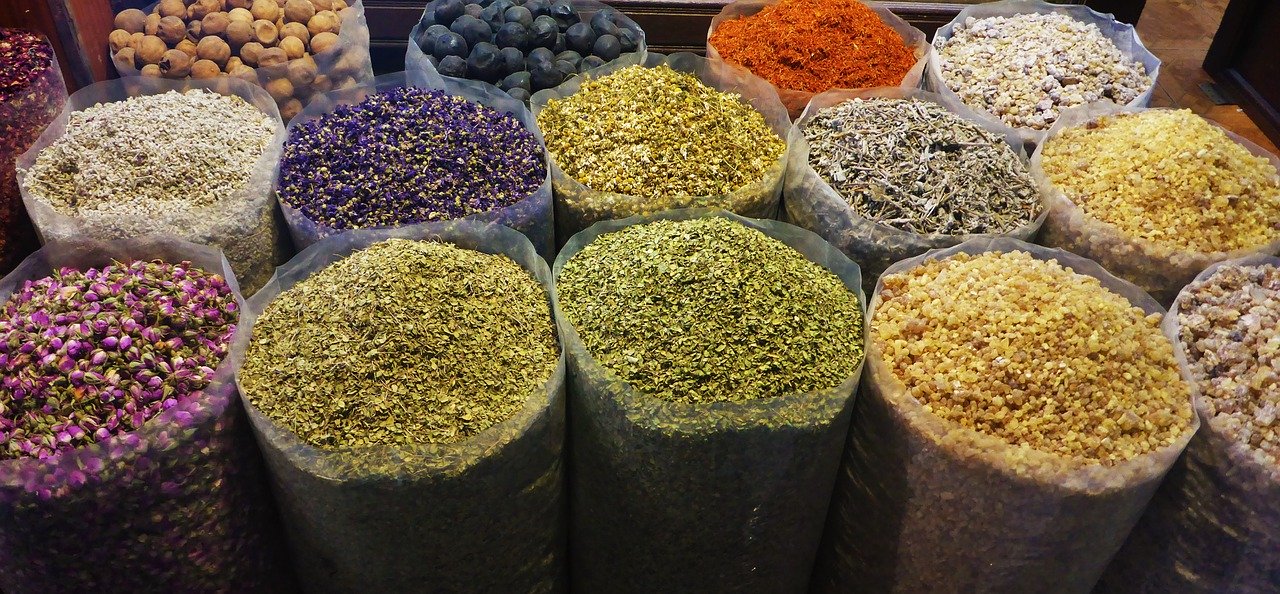
Experiencing Tel Aviv's markets (shuk or souk) is a must on any visit to Israel. All of your senses will be stimulated by the cacophony of sounds; delicious and strange aromas; spices and clothing in every color of the rainbow and the diverse mix of people on the streets. Tel Aviv has markets to suit all tastes and preferences; there are elegant and sophisticated markets; rough and dirty market; markets where the focus is on food and others where you'll just want to people-watch and hang-out with local hipsters. At Tel Aviv markets you'll find produce fresh from the farms; gourmet delicacies; clothing; rip-offs of luxury brands; authentic handmade textiles and junk with a few hidden gems to be discovered. Visit any of these Tel Aviv markets for an experience to remember.One of the Carmel Market stalls, Tel Aviv.Photo credit: © ShutterstockCarmel Market (Shuk HaCarmel) – For Rough and Ready Day to Day ShoppingTel Aviv's most famous and central market, Shuk HaCarmel is the market visited by most tourists to Tel Aviv. The Shuk runs along HaCarmel Street from Allenby Street towards the beach, ending at a park near the Intercontinental Hotel. The market is usually very crowded with streams of people going in both directions; it's loud and a little grubby (authentic). Stalls on both sides sell groceries, fruit, and vegetables, clothing, meat, fish, sweets, spices, household goods, toys, rip-off luxury items, jewelry, perfume, gadgets, and more. Shuk HaCarmel has become a hot spot for foodies who come to sample the food sold at eateries and cafes, each with its own unique dishes. Some of the eateries double as street bars where patrons stand on the sidewalk. The food on offer comes from multiple cultures and is often a fusion of many. Don't hesitate to wander through the side streets that lead off the shuk's main drag. Here you'll find hole-in-the-wall eateries, bars, beautiful crumbling buildings, and some small unique stores and stalls.Spices at Carmel Market. Photo credit: © ShutterstockSarona – For Sophisticated Gourmet Goods and Elegant SurroundingsSarona is a restored German Templar Colony originally established in 1871. Today the historic buildings house sophisticated stores and up-market restaurants. In the complex is the Sarona Market; an indoor culinary market with stylish décor reminiscent of La Boqueria in Barcelona. With a focus on food and kitchen products Sarona is cleaner; more expensive and less crowded than other Tel Aviv markets. The specialty goods on sale make it a destination specifically for buying and eating food and not for souvenirs or people watching. If you are a foodie, then Sarona is a must. The products on sale come from across the globe and are diverse in their flavors and cultural origins. Some of the stalls are operated by top Israel chefs and the adjacent restaurants are also gourmet. Unlike most other Tel Aviv markets, Sarona is open seven days a week including Saturdays. There are regular special events such as cooking demonstrations and musical performances.Assorted necklaces at Jaffa Flea Market. Photo byTamara MalaniyonUnsplashLevinsky - For Hipster Hang-Outs and Ancient Spice StoresThe Levinsky Market in the Florentin neighborhood was once the "bad" end of town; then it morphed into a bohemian neighborhood and finally into a gentrified haven for hipsters with some of the old neighborhood charm thrown in. In the 1950s the market vendors were mainly Iranian and Iraqi Jews selling spices. Now a new generation has blended old with new and stalls sell a mix of traditional market goods and modern necessities. You'll find stores selling Middle Eastern spices from large sacks that spill out onto the sidewalk; dried fruits and nuts; household goods and everyday items. Several restaurants and cafes spread out across small tree-covered plazas and some eateries have even gained a faithful following with customers lining up along the street. Enjoy traditional foods from different cultures from Tunisian sandwiches to Polish salted herring.Jaffa Flea Market.Photo credit: © ShutterstockJaffa Flea Market (Shuk HaPishPashim) – For Antiques, Junk, and Hidden TreasuresThe Shuk HaPishPeshim is perhaps the most unique market you can find in Tel Aviv. At first glance the market offers heaps and heaps of junk – some stalls look like they have been stacked high with all those bits and pieces everyone has in one of their kitchens draws. On closer inspection some of the market stalls sell genuine antiques; others sell second-hand goods in bad condition and some of the stalls sell a mix of the two – so you have to dig out the good stuff. Here you'll find vintage items; authentic antiques; classic furniture; souvenirs; home appliances; top designer stores; musical instruments; accessories; car parts; artwork; jewelry; and clothing – new and second-hand. Like most of Tel Aviv's markets, Shuk HaPishPashim has become a popular foodie destination. After nightfall, the market stalls shut down and the place turns into a vibrant nightlife destination with lively bars and chef-style restaurants.Carmel Market, Tel Aviv.Photo byNicole BasteronUnsplashNahalat Binyamin - For Arts, Crafts, Bauhaus, and Parisian-style CafesRunning parallel to Carmel Market and connected by several lanes is Nahalat Binyamin, a wide, pedestrian-only street lined with Bauhaus houses and some pretty impressive graffiti art as well. The stores in the buildings along Nahalat Binyamin mainly sell fabric but the real attraction is the market set up along the street each Tuesday and Friday. The stalls specialize in handmade arts and crafts and you'll often find the artist or designer manning the stall. Some of the items on sale include wind chimes, handmade soap, unique handmade jewelry, paintings, toys, and organic products. This sophisticated market is somewhat reminiscent of European markets. The outdoor cafes along the street will remind you of a romantic European movie with picturesque bougainvillea dripping over the buildings, umbrellas, and bustling waiters serving brunch. Nahalat Binyamin has a more relaxed atmosphere than Carmel Market; here you can linger, enjoy an ice cream or coffee; watch street performers, and get to know local artists.More Tel Aviv MarketsBelieve it or not, there are even more markets in Tel Aviv! In an addition to the top Tel Aviv markets listed above you can also explore Bezalel Market for budget items on King George Street; Shuk HaNamal, an indoor farmers' market at the old port; Dizengoff Square antique market on Tuesdays and Fridays; the Greek Market in Jaffa; Rothschild Allenby Market for high-end cuisine and the Friday market on Givon Square for vintage everything.Fresh strawberry at one of Tel Aviv markets.Photo bybec s.onUnsplash
By Petal Mashraki
0 views

48 Hours in Tel Aviv - How to Get the Most of 2 Days in Tel Aviv

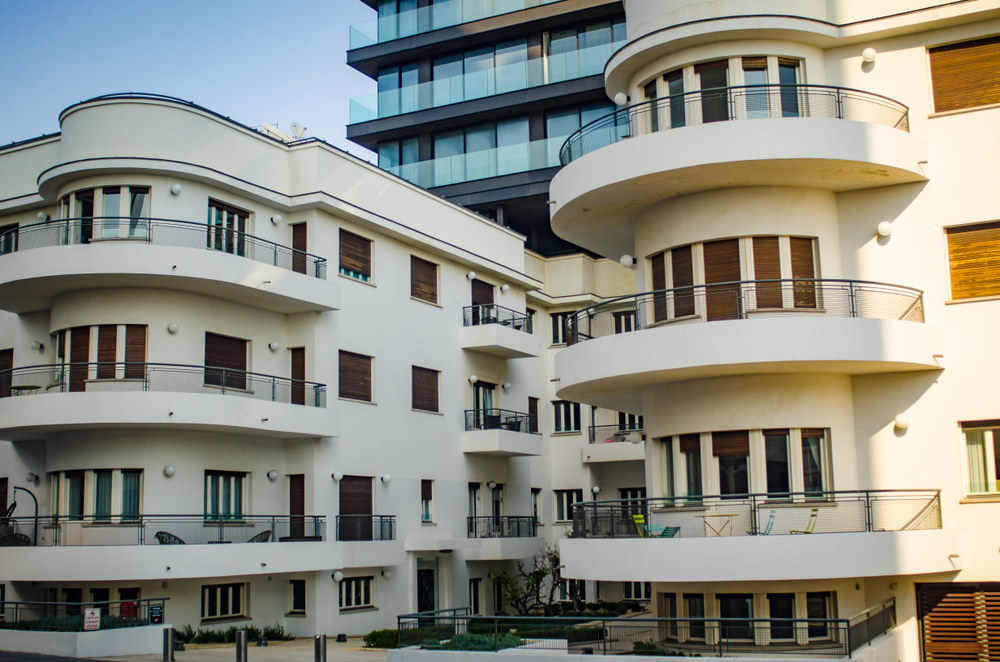
Well, it’s official - Tel Aviv has just been named by Forbes as the second-best city in the world to visit in 2020 (disclosure: the White City was only beaten by Sin City...aka Las Vegas). And for anyone who’s visited here, this decision will come as no surprise. With its miles of pristine, sandy beaches, eclectic foodie scenes, and diverse neighborhoods (historic and hipster) you’re spoilt for choice with ways to enjoy yourself. Here’s our guide to 48 action-packed hours in Tel Aviv, a taste of a city that we guarantee will leave you longing for more.Day 1A) Namal PortThe majority of Tel Aviv tours start at the Namal Port. Originally built in the 1930s and used to store Israel’s most successful export - Jaffa Oranges - the hangers are still in evidence. Today, however, it’s more of a commercial hub, with a wonderful boardwalk, plenty of fashionable stores and restaurants, and a Friday Farmer’s Market that sells high-end local produce. After you’ve wandered the area, grab a coffee or ‘limonada’ (Israelis take theirs with mint) and begin strolling south, along the promenade (‘Tayelet’) along the endless Tel Aviv beaches. Each has its own unique flavor (some are popular with surfers or dancers, others with dog-lovers of the gay community) but all have fine white sand, clear water, benches to sit and take in the view, and even free workout stations (incredibly popular with the locals, who love to stay in shape). You could also join a Tel Aviv bike tourand experience the city’s vibrant atmosphere, top landmarks, and fantastic weather riding along the beachfront promenade andthrough Park HaYarkon, along the banks of the Yarkon River where there are expansive green lawns, lush gardens, and shady trees.Or discover the mouth-watering blend of spices that go into traditional Tel Aviv street snacks like sabich on a classicalTel Aviv street food tour.B) Yemenite Quarter and the Carmel MarketAfter around 45 minutes, you’ll hit the Yemenite Quarter, a maze of alleyways, part-renovated, part-dilapidated, but full of charm. Wander the narrow streets, then tour the Carmel Market, orShuk haCarmel, Tel Aviv’s most lively and colorful bazaar which is a hive of activity before the Jewish Shabbat begins on Friday night. Take in the Levantine smells, purchase some local spices to take home, then grab lunch at Shlomo and Doron (a grandfather and grandson team) renowned for their affordable hummus, and delicious vegan toppings. Afterward, sit with the locals at Beer Bazaar, one of the market’s most popular hangouts, which stocks over 100 different craft beers from around the country. It’s always lively, with occasional musical performances as the day wears on. Walk five minutes down to the beach and watch the sun go down over the Mediterranean.C) Rothschild BoulevardAfter a quick nap, take an early evening stroll along Rothschild Boulevard, one of Tel Aviv’s most iconic streets, crammed full of Bauhaus buildings, a style that originated in 1930s Germany and which gave Tel Aviv the name of ‘White City’. To see the stunning Tel Aviv murals, join a Tel Aviv street art tour.There’s no shortage of good restaurants in the neighborhood - we’d recommend Cafe Noir, a long-established European-style bistro, with seating areas that cater both to romantic dates and those inclined to a more buzzy atmosphere. It’s rumored that they serve the best chicken schnitzel in town, but don’t take our word for it!Stroll home leisurely whilst watching Tel Aviv’s young crowd head out for fun - the city has one of the most enviable nightlife scenes in the world and it’s rumored that things rarely get started before 2 am!Day 2A) JaffaBegin your day in the ancient port of Jaffa, with a history that stretches ack 4,000 years. Wander the narrow streets (named after zodiac signs) and pop into some of the many art galleries in the neighborhood. Walk through the Abrasha Park (with its stunning views) - this area is home to St Peter’s Church (with its Spanish baroque style), the ‘Gate of Faith’ statue (made of marble from the Galilee), and the ‘Smiling Whale’ sculpture.A short stroll away is the Jaffa Flea Market and whilst the second-hand section is closed on Shabbat, there are plenty of stores, cafes, and restaurants to enjoy.For lunch, we’d recommend the quirky Pua, which has been around forever but retains a special charm. The food is fresh and simple but moderately priced and beautifully served, and the portions are enormous. Moreover, it offers plenty of vegetarian and vegan options (including pumpkin dumplings, red tahini, and fried cauliflower). Don’t hesitate to order a jug of their lemonade to go with your meal. (Fun fact: every piece of furniture in the restaurant is for sale). Another option is to join a guided Jaffa Flea Market tour "From Shuk to Chic" so that a local guide couldtake you through the labyrinth of lanes where junk, carpets, antiques and restored furniture spill out onto the sidewalk.B) Neve TsedekFrom Jaffa, take a leisurely stroll along the beachfront to Neve Tsedek, one of Tel Aviv’s oldest and most picturesque neighborhoods. Wander down Shabazi Street (the main thoroughfare), peruse the boutiques and jewelry stores then pop into the Anita gelateria for a sweet treat, or enjoy a coffee at Suzanna, a long-standing local haunt with a lovely garden in which to sit. Neve Tsedek is also packed full of cultural treasures including the Suzanne Dellal Centre (a cultural center, which is home to Israeli dance) and the Rubin Museum (who painted in a style similar to that of Matisse and was occasionally referred to as the ‘Gaugin of Palestine!’)C) Dizengoff StreetSpend your evening on Dizengoff Street which, like Rothschild Boulevard, has to be experienced. Named after the city’s first mayor, it has a bit of everything - fine-dining, casual coffee shops, glamorous cocktail bars and it’s the newly-renovated central square, complete with fountain, chairs, and trees that provide shade in the scorching summer months. Enjoy a ‘Happy Hour’ cocktail at Spicehaus (a ‘concept’ bar where the staff dress as pharmacists and the skeleton at the door reminds of your old school biology lab). Drinks are served, appropriately, in potion bottles of three sizes - and we recommend the Istanbul-Louisville Express (with gin, lychee, aloe vera, and rose flavoring). Then, a stone’s throw from the bar, have dinner at La Shuk, serving elegant, Mediterranean food (think fresh seafood, kebabs, and a medley of vegetable dishes). This is a hot spot (with a patio that’s perfect for people-watching) so be sure to make a reservation in advance.Dizengoff is always lively on a Saturday night, and so if you’ve any remaining energy, there’s always going to be a bar or coffee shop to wile away your last hour or two.
By Sarah Mann
0 views

5 Best Winter Hikes in Northern Israel

Most tourists miss out on the incredible landscapes of Israel but in fact, the Holy Land is crisscrossed with numerous interesting hike routes and has over 60 national parks and nature reserves. Each season nature paints the land with different colors and you can see animals and plants unique to each season. Winter is no exception. Israeli winters are extremely mild compared to Europe or the US and you can easily enjoy hikes across the country and especially in Northern Israel. Not only that but with the winter comes rain and hikers can enjoy abundant waterfalls flowing streams and lush vegetation and wildflowers that come alive after a thirsty summer.The Hula Lake, Israel.Photo credit:© Oksana Mats1. The Hula Lake (Agamon HaHula)Winter is the perfect time to visit Agamon HaHula (the Hula Lake). Israel is a stopover point for thousands of migrating birds each winter and the Agamon HaHula happens to be one of the most frequented spots for visiting birds. In fact, it is one of the top 10 bird-watching places in the world. For the best birdwatching, it is best to arrive very early in the morning or just before sunset. You can hike around the lake following an 8.5km path; cycle or rent a golf cart. You could spend 2-3 hours hiking around the lake. You'll enjoy the sight of huge flocks of cranes and the sound of thousands of wings flapping as they take off. On the route are several lookout huts and areas where you can see turtles, fish, beavers, water buffalo, wild boar, and other species of birds. Once this was a mosquito-infested marsh but it has been drained and rehabilitated into an idyllic park. The lake and surrounding area are beautiful even without the birds!Cranes at the Hula Lake, Israel.Photo credit:© Eli Orr2. Nahal AmudNahal Amud is one of the most popular hike destinations in Northern Israel; located near Safed the hiking route takes you east following the Amud Stream from Mt. Meron in the west to the Sea of Galilee. The hike route takes 2-4 hours to complete and can be started at either end. If you start at Mount Meron you will encounter more downhill stretches and have to follow a steep path from the nature reserve entrance to the water's edge. The route is mostly under the shade of beautiful trees and you can choose to walk in the stream or on the banks. Winter is the perfect time to follow this popular hike route which gets crowded during the summer. Some points of interest along the way include historic water-powered flour mills and natural pools. There are several points where you can cut the hike short if you want to. You could also take the shortest route and double back to the parking lot.Amud Stream, Israel. Photo credit: © Oksana Mats3. Nesher ParkThis trail is within Nesher Park not far from Haifa and is not as frequented as some of Israel's more popular hike trails so in winter you may have it all to yourself. Highlights of the hike include the two 70m-long steel hanging bridges crossing Katia River which only flows in the winter. From the bridges, there are panoramic views of the surrounding mountains and gully below. Within Nesher Park are sports facilities, footpaths, scenic lookout points, and the trail itself. The landscape includes pine and oak tree woodlands; strawberry trees and an old stone bridge. Enter the park and access the trail from Heharuv Street.Nesher National Park, Israel.Photo credit: © Oksana Mats4. The Banias National ParkThe Banias is definitely one of the most beautiful areas in Israel and especially in winter when the brilliant green of lush vegetation comes alive. Like a fairy forest out of a children's book, this corner of the country is so idyllic it has been suggested that this was the site of the Garden of Paradise.The Banias National Park is home to several streams and the longest hike trail in the area stretching for 4 hours. Some visitors to the Banias come for the scenery while others are on a Christian pilgrimage to see the place where Peter told Jesus he was the Messiah and Jesus gave Peter his blessing to lead the church. Highlights include the ancient temple ruins; the streams, rivers, and waterfalls. As you enter the park you can pick up a free map and choose which route to follow.Banias Nature Reserve, Israel.Photo credit: © Dmitry Mishin5. Carmel Scenic RouteThe Carmel Scenic Route or Derech Nof HaCarmel can be followed on foot; by bike or by car. The route travels through orchards; pine tree forests; hills; valleys and farmlands stretching for about 25km (15.5miles) onMount Carmel. Along the route, there are views of Jezreel Valley and the Galilean Hills. Hike up from the Nesher Highway to the Carmelite Monastery Deir al-Muhraka where you can take in the views from the monastery balcony. You'll see the Carmel Ridge Forests, carpets of wildflowers, scenic lookout points, rivers, dramatic cliffs, and woodlands. The Carmel Forest stretches from Ramat Menashe in the south to Haifa Bay in the north. There are several routes you could follow in this area including the Cyclamen Trail which comes alive with colorful cyclamens in the winter.Winter Hikes in IsraelNorthern Israel is a wonderful place for winter hiking although the entire country offers hiking opportunities from hikes near Jerusalem to desert hikes in Israel. No matter when you visit there are hikes to follow. Each hike in Israel has its own highlights – from the waterfalls of the north and the ancient ruins of the Jerusalem area to vineyards, natural springs, and expansive desert vistas.The Shaar HaCarmel Recreation Area, Israel.Photo credit: © Oksana Mats
By Petal Mashraki
0 views

Best Desert Hikes in Israel

Israel has snow-capped mountains; rolling green meadows; lush valleys and stark desert landscapes. Israel's deserts are concentrated in the southern half of the country and include the Judean Desert, home to the Dead Sea; the Negev Desert covering about 16,000km²; more than half the total land area of the country and the Zin Desert also known as the biblical Wilderness of Zin.There are numerous hike trails in Israel's deserts with various levels of difficulty and different lengths. The deserts offer a unique look at a fascinating ecosystem with spectacular flora and fauna; picturesque waterfalls and endless awe-inspiring views. It is best not to hike in the desert alone and you should always follow the well-marked hike trails. Bring plenty of water and wear a hat when hiking in Israel's deserts. The best way to experience Israel's deserts is to follow one of these exhilarating desert hikes in Israel.Red Canyon HikeThis is one of the most breathtaking desert hikes in Israel. The Red Canyon is part of Wadi Shani which starts in the Sinai Desert in Egypt and crosses into Israel. Over the course of thousands of years, the elements have carved through the red sandstone rocks creating this natural canyon. There are a few places along the trail where you need to use metal wedges and ladders to get through the narrow canyon. The trail is at its best from November to April when the weather is slightly cooler. You can take the 5km route or the easier 2km route from the trailhead parking lot. You'll pass a few dry waterfalls and take some sharp turns in the narrow canyon which is less than 2 meters wide at some points. You'll reach a junction where there are black markers that will take you back to the starting point if you want to take the short hike. Otherwise, continue following the green markers into the Wadi. The loop trail should take about 3 hours to complete.Ein Gedi Nature ReserveA hike through the Ein Gedi Nature Reserve; an oasis in the Judean Desert, is one of the most enjoyable and greenest hikes in Israel. The reserve is home to the Arugot Stream and David Stream. There are several trails of different lengths and levels of difficulty ranging from a family-friendly 2km trail to a challenging 10km hike trail. Much of the shorter route is along wooden walkways or well-trodden paths that are not too challenging. You'll feel like you're taking a hike in northern Israel, surrounded by lush vegetation, trees, and abundant streams and waterfalls. The short Nahal David hike from the park entrance to David's Waterfall takes just 30 minutes. The rest of the hike involves tougher terrain, a twisting route through a narrow canyon, and some steep climbs. You'll also find sections where it is easier to wade through the streams than stay on the path. Continuing through the canyon you'll reach a spot where a natural opening in the rocks creates a "window" overlooking the Dead Sea.Wadi Qelt HikeThere are plenty of hikes near Jerusalem but if you want to experience the desert then Wadi Kelt (also known as Ein Prat or Nahal Kelt) is an excellent choice less than an hour from the capital. Starting at the trailhead in Ein Prat Nature Reserve parking lot the scenic route has a total length of about 9km but there are shorter versions of 1-5km. The best time to hike through Wadi Qelt is December to March. Most of the hike is through rocky terrain and there are some parts where metal handles have been hammered into the rock to help you. You'll go through a gorge with steep cliff sides and find natural pools you can swim in. Stop at Ein Prat, the biggest spring in the valley; enjoy small waterfalls; ancient aqueducts, and the 330AD hanging Faran Monastery on the southern cliffs. The highlight of this hike is at the end of the trail when you can look up at the Greek Orthodox Monastery of St. George that was built precariously clinging to the cliffs. End the hike by returning the way you came or taking a shortcut along the top of the canyon where you can look down on the famous monastery on the opposite cliff.The Nekarot Horseshoe Hike Trail through the Ramon CraterMakhtesh Ramon (Ramon Crater) is a phenomenal massive crater formed by erosion. It is 40km long, 500m deep, and 2-10km wide. Enter the Makhtesh Ramon Nature Reserve for the best experience of the crater on the southern edge of the Negev Desert. This huge natural indentation in the landscape has vibrant colored rocks, a variety of plant life, and unusual geographical formations. Take the Nekarot Horseshoe Trail loop through the crater. At a little over 6km, this trail should take about 3 hours and is suitable for families. The trail takes you past the Saharonim Spring where pools of water bubble up from the ground; past families of agile ibexes on the rocks and steel white chalk cliffs. Depending on the season you may have to swim, wade or walk through water-filled canyons. See Ardon Mountain in the distance and enjoy the deafening silence of the desert.Ein Avdat National Park Hike TrailsEin Avdat is part of the Zin Wadi or the Biblical Zin Wilderness in the Negev Desert. It is home to the largest natural spring in the Negev and a stunning 2km-long hike trail. This short hike takes you from the Ein Avdat National Park entrance to the beautiful natural pools and back again. If you are looking for something a little longer then hike to the spring water pools and instead of doubling back climb to the top of the cliffs and return via Marl Wadi of Havarim. This 10km hike is for moderately fit hikers and is best followed from December to March. The highlight of both the short and long hikes is the chain of three Ein Avdat spring pools. The first pool (Ein Ma'arif) has cascading waterfalls; the second, Ein Avdat has a 15m-high waterfall and an 8m-deep pool; the final pool is beautiful Ein Mor. When you leave the pools you can take the vertical ladder up the cliff and head back to the starting point through gentle hills that have multiple shades of golden brown.
By Petal Mashraki
0 views

Top Hikes near Jerusalem

Jerusalem is built on a plateau in the Judean Hills; this ancient city is surrounded by rocky peaks; thick forests and lush valleys. It is incredible to think of all the pilgrims, armies and travelers – Jews, Christians and Muslims that made their way to the City of Gold on foot over thousands of years.Sataf Nature Trail.Photo credit: © Dmitry MishinWith some of the spectacular hikes around Jerusalem, it is possible to experience, in a small way, the awe ancient travelers must have felt when making their way through the rugged hills towards Jerusalem. Today the precious landscape around Jerusalem is preserved in national parks and nature reserves. Here is a selection of just some of the trails you can follow in the Jerusalem area, although there are many more.Ein Kerem to Derech HaGefen HikeThis unique and rather off-the-beaten-track hike takes you from Ein Kerem, a quant community near Jerusalem to the well-known Derech HaGefen Café. It is a short, easy hike where you can see the Jerusalem suburbs on the horizon most of the time. The bonus of this hiking trail is that you can explore the picturesque community of Ein Kerem where stone houses are draped with ivy and bougainvillea and the quaint lanes have courtyard cafes and arts and crafts stores. Leave Ein Kerem's main street, Rechov Ein Karem where an Israel Trail marker leads down to Madregot Gan Eden (Steps of Paradise). Pass the trail market indicating Derech Sorek and continue down Emek HaTeimanim Street leaving the Israel Trail. Continue on Emek HaTeimanim which becomes a lane and then a dirt path leading into the open countryside. Hike until you see a sign to Derech Hagefen. The last part of the hike is on a road (Derech Hagefen) and passes rural dwellings with charming gardens. End the hike with a meal or drink at the Derech Hagefen Café then retrace your steps back to Ein Kerem.Ein Kerem, Jerusalem.Photo byLaura SiegalonUnsplashNahal Refa'imHike Trail in Begin ParkMost hikers head to northern Israel when they are looking for winter hikes, but the best winter hike near Jerusalem is to Nahal Refaim which only flows in the winter. This hike is especially good after a few days of rain when the river is at its fullest. The hiking trail to the river banks and back again is about 2km altogether with quite a steep climb on the way back. The hike starts in Begin Park, less than a half-hour from Jerusalem. Follow the red trail markers through forests and over rocky areas. The trail crosses a road and continues on the Israel Trail taking you down a steep hill. Then cross another road and join the trail marked by green markers. At that point, the trail meets the wide, rapidly-flowing river flanked by eucalyptus trees, wildflowers, and other vegetation. If you want to extend the hike, then continue following the green markers or you could opt to retrace your steps.Givat HaTurmusim Hike through Wild FlowersHikers visiting the Holy Land often imagine they will only find desert hikes in Israel but on this stunning hike route just outside Jerusalem, you'll be awe-struck by the spectacular show of bright purple-blue "turmusim" or wild lupine flowers. You can see the flower-filled meadows in full bloom in February and March but the rest of the year you will still find yourself surrounded by breathtaking scenery. The brilliantly colored flowers stand out against a backdrop of dark green hills. Givat HaTurmusim (Lupine Hill) can be explored on a 6km circular route or you can simply scale the hill.Wild lupine flowers,Givat HaTurmusim, Israel.Photo credit: © ShutterstockShvil HaMayanot Hike TrailOn this 3km hike trail, you'll need to double-back and return to the starting point along the same route. The hike starts about 15 minutes from Jerusalem city center close to Ein Hendek on the road between Ein Keram and Moshav Even Sapir and meanders through the western slopes of the Judean Hills. Shvil HaMayanot (Trail of Springs) takes you along a chain of five natural spring pools. You'll also encounter tunnels; woodlands; olive groves and ancient ruins. At some of the springs you can see how ancient inhabitants channeled the spring water into stone-constructed pools; some of which have been restored. The route ends near the Yad Kennedy memorial. It's possible to do this hike year-round but it is best from December to April. If you want to stretch out this hike to make it longer take a detour to Handak Spring which is a tunnel spring carved into the stone and dry in the summer. If you have a flashlight you can walk into the spring tunnel.Sataf Nature TrailSataf is a site where ancient agricultural techniques, specifically terraced farming have been recreated alongside two picturesque springs – Bikura Spring and Sataf Spring. The original agricultural terraces were built 4500 years ago. Sataf is about 14km from Jerusalem and the hiking trail can be accessed from the Sataf parking lot. The hike can be done year-round and has various amenities such as a café, toilets, and picnic trails. Within the Sataf grounds are two hike trail options – the 1.5km-long Blue Trail that takes a circular route and the 2km-long Green Trail which passes the two springs. There are other longer routes including the 8.5km Red Trail which is considered one of the best in the Jerusalem area.
By Petal Mashraki
0 views

Tomb of Zechariah

Kidron Valley (Yehoshafat Valley) separates the Mount of Olives from the walls of the Old City of Jerusalem. The valley is home to several ancient monumental tombs built into the rocky slopes of the Mount of Olives. One of these tombs belongs to Zechariah, son of Jehoiada, a priest who once served in the Jewish Holy Temple that stood on Temple Mount. Who was Zechariah?Chronicles II 24:20 tells us that “the Spirit of God came upon Zechariah, the son of Jehoiada the priest… and they conspired against him and stoned him with stones at the commandment of the king.” Jehoiada is believed to have lived during the 9th century BC (the First Temple period). He was a priest and a prophet who was eventually condemned to death by stoning by the king of Judah, King Yoash. There is no inscription on the tomb associating the tomb with Zechariah. But around the 13th century Jews began praying at the tomb, and it became the traditional burial site of Zechariah. Another biblical figure, the prophet Zechariah, lived during the Second Temple period (6th-century BC). His burial site is among the tombs of the prophets on the Mount of Olives and not at the Kidron Valley site.Highlights of the Tomb of ZechariahThe Zechariah tomb has a cube-shaped base with pilasters (columns built into the flat surface of the facade) and an external staircase. The base supports a four-sided pyramid-shaped roof. Both the base and pyramid roof are carved out of a single piece of rock. Below the base is a small opening where stairs lead into an internal chamber although the tomb does not contain human remains.To visit the Tomb of Zechariah please bookJerusalem Classical Private Tour.

Mount Sodom

The legendary biblical city of Sodom was located on a hill southwest of the Dead Sea in southern Israel’s the Judaean Desert. In the Bible, God destroyed the cities of Sodom and Gomorrah for their sinfulness. God rained down brimstone and fire on the cities, while the only righteous man in Sodom, Lot escaped with his wife and daughters. As they ran from the Sodom, Lot’s wife looked back and was turned into a pillar of salt. Sodom and Gomorrah became synonymous with desolation and destruction.History of Mount SodomThe mount was born from the movements of the Great Rift Valley system and the accumulation of earth and rock which was compressed over thousands of years, burying layers of salt and creating the mount. Because of the weathering over the years, some of the rocks have separated forming stone pillars. One of these stands on the roadside, and has been nicknamed “Lot’s Wife.”Today tourists can visit the site of Sodom, not far from the shore of the Dead Sea. Present-day Mount Sodom in the Plain of Sdom consists of about 80% salt with underground salt caves and a unique mineral-rich rocky landscape unlike any other. The special rock formations at Sodom have streaks of bright white salt and the underlying salt is covered by a thin layer of limestone and clay. Sodom rises 260m (853ft) above the Dead Sea and the mountain continues to grow at a rate of 3.5cm (0.14”) each year. Nearby are a few desert springs and the agricultural villages of Ein Tamar and Neot HaKikar. Visiting SodomYou can take a hiking excursion at Sodom from the Dead Sea tourist area of Ein Bokek. There are several hiking trails including a 10.5km and a 7.5km hike. The hikes require some climbing including a steep descent from Mount Sodom on several metal ladders. For safety, it is best to follow the hike trails with a guide. Blue and red markers show hikers the trail routes that take you over the plateau summit of Sodom. The views are breathtaking, and you can see across the Dead Sea to the Moav Mountains and the Kingdom of Jordan.Sodom Salt CavesBelow ground level lies about 150 caves containing incredible salt formations; this is the world’s largest concentration of salt caves. The caves are in constant danger of collapsing, and so most of them are not open to the public. It is possible to explore the caves by rappelling with an experienced guide. Looking out from Mount Sodom across the dry salty landscape to the Dead Sea, it is easy to imagine this as the setting for the biblical destruction of Sodom and Gomorrah.If you are interested in a tour to Mount Sodom, book one of our Dead Sea Private toursand we will customize it for you.

Nahon Museum of Italian Jewish Art

This museum offers a glimpse into the world of Italian Jewry, and particularly their art, customs, and traditions. The museum is located in Jerusalem and housed in the former Schmidt Compound built in 1887. The building itself is worth seeing. It has incredible frescoes, painted ceilings, and examples of late 19th-century Orientalism. The collection includes authentic artistic artifacts depicting Jewish life in Italy from the Renaissance to the present. Highlights of the Museum of Italian Jewish ArtThe permanent exhibition is titled “Made in Italy: The Material Side of Spiritual Objects” and includes ornate metalwork objects, textiles, carved wooden furniture, rare books, and hand-decorated parchments. Through the exhibits, you can learn about the Jewish lifestyle in Italy, over hundreds of years, and to the present day. Many of the objects were rescued after World War II and the downfall of Mussolini. One of the highlights is the second oldest Torah Ark in the world.At the museum, you can see a 1701 synagogue from the Italian village of Conegliano Veneto featuring a Torah Ark with golden carved wooden decoration and walnut seats. The 300-year-old synagogue was dismantled and brought to Israel in the 1950s, then reconstructed with attention to every detail to preserve the original structure. The synagogue is still used for worship. Services are held according to the Bnei Roma tradition (Children of Rome Tradition). This is one of the oldest traditions of Judaism. The building’s painted entrance hall features frescoes painted by pilgrims visiting Jerusalem as a way of expressing their gratitude.The museum remains the heart of Israel’s Italian Jewish community and is used to host special events, concerts, conferences, and temporary exhibits. The building houses a workshop used for the conservation and restoration of textiles and wooden artifacts. There is also a research institute with a library and photograph collection.To visit the Nahon Museum of Italian Jewish Art, feel free to book one of our private tours.

Italian Synagogue, Jerusalem

The Nahon Museum of Italian Jewish Art in Jerusalem preserves the heritage of Italian Jewry going back thousands of years. The museum is home to the Conegliano Veneto Synagogue, an Italian synagogue that was dismantled and brought to Israel in 1951, then reconstructed in its entirety. The museum and synagogue are housed within a former German Compound (Schmidt Compound) built in 1875 by the German Catholic Society in Palestine as a monastery and school for girls of Syrian-Christian descent. Over the years the compound was used for various purposes including a hospice for pilgrims and a base for charitable activities.The monastery moved and the Italian community was given permission to hold prayer services in the compound in the 1940s. When the synagogue arrived in the Holy Land, it was rebuilt on the second floor of the compound building where it remains today.History of Jerusalem’s Italian SynagogueThe synagogue came from the small village of Conegliano located between Padua and Venice in northern Italy. Jews first settled in Conegliano in 1397-8 and took on the role of moneylenders. The village’s Jewish population thrived in the 16th-century but in 1637 they were confined to a ghetto. They built the synagogue within the ghetto in 1701. The last service held in the synagogue was in 1917 during World War I. Austro-Hungarian troops were passing through Italy and looking for a place to hold Yom Kippur services when they heard of the Conegliano synagogue. The synagogue was abandoned until 1951 when it was brought to Israel. Today the synagogue is open to visitors touring the Italian Jewish Art Museum in the same building. The synagogue is still used today and is the heart of the Italian Jewish community in Jerusalem.Features of the Conegliano Synagogue in JerusalemThe Rococo synagogue holds a precious Torah Ark containing the holy Torah scrolls closed within intricately carved wooden doors adorned with gold leaf. The lower section of the walls is covered with wood paneling and the reader’s table stands opposite the Torah Ark. Wooden benches are set along the length of the room. The women’s section is on an upper floor, with galleries overlooking the men’s section and intricately carved wooden screens.

Lachish

The archaeological site of Tel Lachish stands on a hill in the southern Judaean Hills. It was once a powerful city in the Kingdom of Judah that overlooked the ancient Via Maris trade route between Egypt and Jerusalem. The elevated city was surrounded on all sides by deep valleys that provided natural defense. Lachish is referred to several times in the Bible particularly in battles fought to occupy this strategically important city. Remains have been uncovered from several eras going as far back as the Neolithic period (8300-4500BC).History of LachishEarly Bronze Age (3150-2200BC) - A small settlement occupied the site and gradually grew in size. Late Bronze Age (13th-12th century BC) - During the Canaanite period, Lachish prospered under Egyptian rule. The city spread down the slopes of the hill but was not fortified. By 1140-1130 BC, Lachish had been destroyed by either Israelites or the Sea People (Philistines) and its people were dispersed. For the next two centuries, the city stood abandoned.Lachish during the Biblical EraLachish joined other Canaanite cities in the fight against Joshua in the Battle of the Amorite Kings. But Joshua was triumphant, and the Amorite cities were destroyed (Joshua 10-11). Joshua led the Israelites in conquering Lachish (Joshua 10:31-33) and destroying its Canaanite inhabitants. From the 11th to 6th century BC, Lachish protected the Israelite Kingdom’s western frontier. This is referred to several times in the Bible including 2 Chronicles 11:5-12 when King Rehoboam (King Solomon’s son) fortified Lachish. The Bible also tells us how King Amaziah found refuge in Lachish in 767BC after being defeated by the Northern Kingdom (2 Kings 14).Assyrians (8th-7th-century BC) - Assyria conquered the North Kingdom in 732 BC and destroyed most of the Israelite cities, while the southern Kingdom of Judah avoided destruction by becoming an Assyrian ally. This union did not last, and King Hezekiah turned against the Assyrians to fight for freedom. The Assyrian army, led by Sennacherib, arrived to quell the rebellion but King Hezekiah had fortified Jerusalem and other cities. The Bible tells us that Sennacherib’s forces camped near Lachish (2 Chronicles 32:9-10). Babylonians (610-538BC) - During the Babylonian era, Nebuchadnezzar destroyed all the cities in Judah. Jeremiah 34:7 tells us that Jerusalem, Lachish, and Azekah were the last cities to be destroyed marking the end of the Kingdom of Judah.Persians in Lachish (538-332BC) When the Persians defeated the Babylonians they allowed the exiled Israelites to return to the Holy Land and the cities were reconstructed, including Jerusalem and Lachish (Nehemiah 11:1,30).Hellenistic Period of Lachish The city rose and fell, and by the Hellenistic period, Lachish was abandoned.Visiting LachishThe 8th-century BC Judaean city of Lachish was a large rectangular area on a hilltop with a palace-fortress at the center. The city was surrounded by fortified walls and had sloping approach roads along the hillsides. The roads led up to a large gated complex on the west side protected by towers. Sections of the city and fortified walls have been excavated and there are walking routes through the site that pass by the most important finds.Highlights of Lachish-Assyrian ramp-Assyrian gate complex-A 44-meter deep well-13th Century BC Canaanite Fosse Temple-Hellenistic period Solar Shrine, a temple, courtyard, and inner rooms-The “Great Shaft” which was probably a cistern-The reconstructed northwestern corner of the city wall-Remains of the large palace of the Judaean governor-The main street through the city-Residential Canaanite buildings-Water systems-Gateways and towers-Visitor CenterIf you are interested in visitingLachish, feel free to book one of our private tours.

Allenby Street, Tel Aviv

Plan Your VisitLocation: Allenby Street, Tel AvivOpen Times: 24/7Prices: FreeAverage Visit Duration: 1-2 hours.Notes for Visitors: Since August 2023 the section of Allenby from King George St. to Montefiore St has been closed to traffic and will remain closed until approximately 2028 while the light rail is being constructed. Once completed it will become a pedestrian-friendly zone.Tours: To get the most out of your time in Tel Aviv and uncover hidden gems along Allenby join a tour such as the Graffiti Tour, Culinary Tour, or Tel Aviv Walking Tour.The Poli House Hotel, near the Carmel Market, Allenby StreetAny visitor to Tel Aviv will travel up and down Allenby Street numerous times during their stay. It is one of the main arteries of the city and home to several of Tel Aviv’s top attractions. This vibrant thoroughfare stretches for 2.5km from HaAliya Street in the southeast to Tel Aviv’s beachfront in the northwest. The street intersects the iconic Rothschild Boulevard and King George Street. The action never stops on Allenby! Whether it is the constant traffic, cafes, andmarkets during the day, or Allenby’s pubs and clubs that come alive at night.What to See and Do on AllenbyAllenby Street has an eclectic mix of stores selling cheap clothing, high-end designer garments, ball gowns, shoes, and accessories. You’ll also find souvenirs, jewelry stores, and a wide selection of sidewalk cafes, and restaurants. There are historic and modern buildings along the street, including Eclectic Style, Colonial, Classical buildings, and UNESCO-listed Bauhaus buildings. Parts of Allenby are neglected while others have been renovated and preserved.Opera Tower (Herbert Samuel Hotel)At the northern end of Allenby Street is an impressive modern convention center and Opera Square. This site was home to the first Israeli Parliament and the original Israeli Opera. Both have since found new homes.In the last year, the building was converted into the Herbert Samuel Hotel.The Herbert Samuel Hotel, formerly the Opera House11 Allenby StreetThis is one of 50 beautifully restored buildings on Allenby. The Eclectic Style building was designed by Alexander Levi and built in 1925.Magen David SquareSix streets pass through this intersection which forms the heart of Allenby and is considered by many to be the center of the city. From here you can reach Carmel Market, Nachalat Binyamin Street, Sheinkin Street, and King George Street.Nachalat Binyamin StreetA pedestrian street lined with restored historic buildings in pastel colors. Here you can enjoy the Nachalat Binyamin Arts and Crafts Market held on Tuesdays and Fridays.Pro Tip: Nachalat Binyamin is also famed for its street art. Join a Graffiti Tour to discover its hidden gems.Nachalat Binyamin Art Fair MarketSheinkin StreetThis street has long been considered one of Tel Aviv’s trendiest bohemian streets where chic sidewalk cafes are frequented by the city’s up-and-coming artists, musicians, and hipsters! You’ll find some unique one-off clothing stores along Sheinkin.Busy cafe on Shenkin StreetCarmel MarketJust off Magen David Square is Tel Aviv’s most famous market - Carmel Market. The bustling market has stalls selling fresh produce, clothing, and household items. It has also earned a reputation for some of the city’s best eateries.Pro Tip: This is the best place to discover Israeli street food. Join a Carmel Market Food Tour.Different kinds of Eastern sweets at Carmel Market in Tel AvivThe Great SynagogueAt #110 Allenby you’ll find Tel Aviv’s iconic synagogue built in 1926, its stained glass windows are replicas of synagogue windows destroyed in the Holocaust.The Great Synagogue on Allenby StreetHalper’s BooksIn Paris, you have Shakespeare & Co. and in Tel Aviv, there is Halper’s, a second bookstore along a narrow alleyway with a maze of bookshelves piled high.Lederberg HouseAt the intersection of Allenby and Rothschild Blvd., you’ll find a fascinating building constructed in 1925. Note the ceramic murals on the exterior walls depicting Jewish pioneers working the land, Jerusalem, and a biblical quote: “Again I will rebuild thee and thou shalt be rebuilt” (Jeremiah 31:4). The murals were created by artist Ze’ev Raban of the Bezalel Academy of Arts.Shopping on AllenbyAllenby has an eclectic mix of high-fashion luxury stores and cheap low-quality fashion stores. One area near Carmel Market has a row of stores selling evening dresses dripping with sequins, bows, and ribbons. The street is also home to souvenir stores, jewelry and accessory stores, and more. But if you want to discover the clothing stores only locals know about then take a look at the TLV fashionista's shopping guide.Allenby Street Nightlife and EateriesThis is just a small taste of what Allenby Street has to offer after dark:Giraffe - NIght and day this trendy urban kitchen is packed with people enjoying the spicy flavors inspired by East and Western cuisine.Jasmino - Classic Israeli street food on another level.Kuli Alma - A cool, slightly alternative bar/restaurant with live entertainment, art exhibitions, and a magical courtyard area.Nilus Bar - Enjoy a glass of wine or a cocktail in this warm, hipster-style establishment.Port Said - If you eat at one place on Allenby let it be Port Said, famously owned by celebrity chef Eyal Shani. They serve Israeli classics with innovative twists.Minzar Bar - A tapas bar and restaurant at # 60 Allenby serves hearty comfort food.Sputnik Bar - At #122 is this lively quirky bar/restaurant that calls itself a retro-futuristic bar.Super Falafel - At #115 is one of the many street food stores along Allenby, but this one is particularly well known as having the best falafel.History of Allenby StreetIn 1909 a group of Jewish families left the protection of Jaffa’s walls to establish a new settlement along the shore. They called their new city Ahuzat Bayit, which later became Tel Aviv. In 1911, a route called The Big Street was established through the settlement. A few years later in 1914, it was paved with concrete. After World War I the street was given its current name in honor of British General Edmund Allenby.Make-shift buildings were built along the street, and camel caravans traveled along Allenby delivering building supplies to construction sites throughout Tel Aviv. Although it was originally a busy and popular street at the heart of the new city, Allenby became run down in the 1970s-80s when the more affluent families moved to Tel Aviv’s northern suburbs.In the 1990s the municipality made efforts to clean up Allenby. Many of the historic buildings were restored, but the efforts were never completed. Today about a third of the street’s historic structures are still hidden beneath grime and graffiti.Pro Tip: Allenby is currently undergoing another transformation as the Tel Aviv light rail is being constructed. On completion, parts of Allenby will be pedestrian-only.Who Was Allenby?Edmund Allenby, also known as Viscount Allenby of Megiddo and Felixstowe, played a pivotal role in the Middle East during World War I. As the British commander of the Egyptian Expeditionary Force, he successfully led campaigns against the Ottoman Empire which ruled Palestine at the time and liberated Jerusalem in 1917.Allenby commanded T.E. Lawrence, famously known as Lawrence of Arabia who employed Arab forces to disrupt Ottoman supply lines. Lawrence captured Aqaba for the British and traveled to Jordan where he visited the enchanting city of Petra.Allenby's military successes contributed to the establishment of British authority in Palestine which continued until the establishment of the State of Israel in 1948.

Tel Aviv Cinematheque

The Tel Aviv Cinematheque is a movie complex in the heart of Tel Aviv. It first opened in 1973 offering the public alternative, fringe, arthouse, experimental, and indie movies that reflected the current culture. The films were often thought-provoking and sparked conversations on social injustice, racism, politics, and religion. Tel Aviv cinemathequeGenerally, the films were chosen to expose audiences to a wider view of the arts and provide them with a deeper appreciation of cinema. The Tel Aviv Cinematheque became a haven for thinkers and artists. It served a wider purpose than simply screening movies. The Cinematheque provided a home for filmmakers and a meeting place for cinema professionals and film aficionados.Tel Aviv Cinematheque TodayOver the years Cinematheque Tel Aviv has not lost its connection to the arts and its reputation for pushing the envelope. It still provides an alternative to commercial cinemas. But today the complex also screens the latest releases and crowd-pleasers to over 60,000 visitors each month.The center now has a new wing with six luxurious auditoriums equipped with state-of-the-art projection and sound systems. More than 1,500 films are screened at the Cinematheque each year with subject matter ranging from cult classics, alternative films, and Avant-garde indie movies to the latest Hollywood blockbusters and documentaries.Activities and Events at Cinematheque Tel AvivCinematheque Tel Aviv is also home to annual film festivals, and the venue is used for regular lectures, educational programs, and meet-and-greets with artists and film industry leaders. There is a regular program of activities that nurture an appreciation for cinema. Among the special happenings at Cinematheque are film premieres, retrospectives, film festivals, themed film series, and student film screenings. Among the top events held at Tel Aviv Cinematheque are:LGBT Film FestivalDoc Tel Aviv (international documentary film festival)TLVFestSPIRIT Film FestivalIcon Festival for Science Fiction, Fantasy, and Role-PlayingAnimax (animation and comics festival)International Children and Youth Film FestivalJazz FestivalVisit Tel Aviv CinemathequeIf you’re looking for something more than just another movie house, then the Cinematheque can provide you with an engaging experience that is much more than just going to the movies

Liebling Haus White City Center

Liebling Haus in Tel Aviv is home to the White City Center. Here Tel Aviv’s Bauhaus and International-style architecture is showcased. The White City Center is a joint project of the Tel Aviv-Yafo Municipality, the Tel Aviv Foundation, and the Federal Republic of Germany. Tel Aviv’s White City buildings were constructed from the 1930s to the 1950s. At the time, British Mandate Palestine saw an influx of European Jews including architects and artists from the Bauhaus movement. The European architectural style shaped the new city of Tel Aviv. The newly arrived architects adapted the typical Bauhaus features to suit Middle Eastern culture, climate, and available local building materials. The building designs emphasize functionality. For example, the positioning of balconies and windows allows for a cool flow of air and ventilation. Tel Aviv is a listed UNESCO World Heritage Site for having approximately 4000 modernist buildings, the highest concentration of Bauhaus buildings in the world.Liebling Haus, Tel AvivLiebling Haus has typical Bauhaus-style architecture and was the country’s first building to have elongated recessed balconies adapted from the original Bauhaus style to suit the local climate. It was designed by Dov Karmi and built by Tony and Max Liebling in 1936 as a residential building. Liebling Haus was home to three affluent immigrant families from Europe. Other significant features of Liebling Haus include the timbered pergola and the structure’s long, narrow shape. The building comprises two blocks (front and back) each with three stories and a stairwell connecting the two blocks.When visiting Liebling Haus the building itself is an attraction.Visit Liebling Haus White City CenterThe innovative design and commitment to functionality throughout is a perfect example of Tel Aviv’s White City buildings. The center’s exhibits include a timeline showing the city’s architectural development. On a visit to Liebling Haus you can get a sense of the people who once occupied this residential building and through the exhibits learn about the German migration to British Mandate Palestine in the 1930s-40s. Don’t miss the rooftop terrace that offers views across Tel Aviv. Liebling Haus (Beit Liebling) is located at 29 Idelson St, Tel Aviv and is open Sunday to Thursday 08:00-16:00, Friday 08:00-14:00, and Saturday 10:00-14:00. The entrance is free.

Kishle - Turkish prison

The Kishle Center is located south of the Tower of David Museumalong Jerusalem’s Old City walls near Jaffa Gate. Here you can see in-situ archaeological evidence from nearly every historical period. In this one location, layer after layer of Jerusalem history has been uncovered. In 1999 excavation began on the site. It took two years of careful excavation to reveal historical structures going back thousands of years. The Layers of History at KishleAmong the oldest archaeological findings at Kishle was the foundation of a wall built in the 8th-century BC by King Hezekiah to protect the city from attacking Assyrians. Part of a 2nd-century BC Hasmonean city wall was also discovered.Archaeologists uncovered sections of King Herod’s fortress dating back to the Second Temple period (516BC-70AD) and built on the remains of Hasmonean structures. Among the finds were two large walls and a draining system channeling water out of the city. There was a man-made tunnel leading to the edge of the city that would have provided an escape route in times of siege or attack.The excavation took archaeologists 10-meters below ground where they discovered evidence of Jewish life during the Crusader era. Several pools uncovered in the excavation are thought to have been dying vats used by Jews in the Middle Ages. In 1833-4 the Kishle compound was built as a military base and barracks under Egyptian ruler Ibrahim Pasha.“Kishle” was the Ottoman term for soldiers’ barracks. In 1841, power was transferred to the Turkish Ottomans and the structure became a prison and police station. Kishle prison was later used during the British Mandate period (1918-1948) to hold Jewish resistance fighters struggling against British rule to establish an independent Jewish state. The Jewish resistance fighters held at Kishle prison left their mark by scratching the star of David and the outline of Israel on their cell walls. Visiting Kishle TodayToday the Kishle Exhibition Gallery is part of the Tower of David Museum and celebrates 3,000 years of history. Visitors take a self-guided walk through the center. There are two audio-guide routes - Herod’s Palace and the Kishle, and A Bird’s Eye View of Jerusalem. There is a glass floor covering the original excavated archeological structures. Multimedia digital technology is used to bring history to life and take visitors back in time by projecting images, sounds, and lights on the ancient structures. The center’s two levels provide an exhibition space where archaeological findings are displayed including reconstructions. An elevator ride up to the center’s rooftop observation deck will bring you back to the present time with views across Jerusalem.To visit the site please book aJerusalem Classical Private Tour.

Little Western Wall

The Little Western Wall (or HaKotel HaKatan, or the Small Western Wall) is the continuation of the larger, and better-known Western Wall in Jerusalem’s Old City. The Western Wall formed part of the retaining walls that encased Temple Mount where the Second Temple (516 BC-70 AD) once stood. The retaining walls were built by King Herod in the 1st-century AD in his efforts to glorify the holy site. Originally the Western Wall would have stretched for about 0.5km (1640ft). For a long time, it was believed that only the large section of the Western Wall was the only surviving section of the Temple. But excavation revealed that the western retaining wall continued beneath ground level where it had been buried and built over and around during the following centuries. The Little Kotel is part of the Western Wall that lay hidden for all those years. It is in close proximity to what would have been the holy inner sanctum of the Temple where the Ark of the Covenant was kept and where God’s presence dwelled. Its proximity to the Holy of Holies makes it extremely important to religious Jews.Visiting the Little Western WallUnlike the larger Western Wall which faces onto the expansive Western Wall Plaza, HaKotel HaKatan can only be accessed by a narrow passage. It is not covered by other structures and stands in the open air, exposed. It is about 3-meters wide and not as high as the larger Western Wall. The area alongside the Little Western Wall is in the courtyard of Ribat Kurd, a 13th-century Muslim hospice. It is located about 200m south of the Western Wall Plaza, close to the Iron Gate (Sha’ar HaBarzel). The wall itself has been built and rebuilt several times so that only the lower two rows of stone are from the original Second Temple period. As the Little Western Wall is in the Old City’s Muslim Quarter, visits by Jews wishing to pray at the site are limited. Over the years there have been clashes between Jews coming to pray at the Little Kotel, and resident Muslims. Due to the sensitive nature of the site, visits are limited. To visit the site please book a Jerusalem Classical Private Tour.

Andromeda’s Rock

Plan Your VisitOpen Times:24/7Prices:It doesn’t cost anything to look down from Jaffa to the sea, and spot Andromeda Rock.Average Visit Duration:10-30 minutes.Popular Times:The rocks are most visible during low tide which happens about three times a day.Pro Tip: Check out online tide times to know exactly when low tide will be. Sunset is another great time to see Andromeda Rock with the sun reflecting off the sea.Relevant Tours:Every Jaffa walking tour will take you there. You could take a more comprehensive Tel Aviv tour and see more nearby attractions.As you stand on the upper level ofJaffa’s Old Cityand look down into the sea, you can spot some black rocks that appear and disappear when the waves wash over them. Andromeda's Rock in JaffaOne of these is Andromeda Rock, and the group of rocks is also referred to as Andromeda’s Rocks. They get their name from a Greek legend, about a damsel in distress, a seamonster, and a brave hero.Where is Andromeda’s Rock?You can see the group of rocks among the waves offshore, at the northern end of the Old Jaffa Port, where the harbor opens up to the sea. Pro Tip: The best view (and the best place for an Instagramable shot), is from the elevated position high in Jaffa’s Old City. Go to Kedumim Square, or stand on the upper level of HaMidron Park.What is the Story Behind Andromeda?In Greek mythology, Andromeda was the beautiful daughter of King Cepheus, the king of Jaffa, and his wife, Queen Cassiopeia. The queen would boast about her daughter’s beauty, saying she was even more beautiful than the mermaids. Well, the mermaids didn’t like this, and they went to Poseidon, king of the sea, to complain. They asked him to put the vain humans in their place and teach them a lesson.So Poseidon obliged and sent a huge wave of water and a sea monster called Cetus to destroy the city of Jaffa. King Cepheus didn’t know what to do so he consulted the oracle who advised him to sacrifice his daughter Andromeda to the sea monster to appease Poseidon. Andromeda waiting for the monster, artwork from 1636The residents of Jaffa pressured the king to give up his daughter and save the city. Eventually, Cepheus offered up his daughter to the sea monster by chaining her to the rocks just off the shore of Jaffa. She was left there awaiting her fate.Enter the hero of the story, Perseus, son of Zeus. He was passing through Jaffa and saw Andromeda out at sea chained to the rocks. He fell instantly in love and appealed to the king and queen for her hand in marriage. They said that if he could rescue Andromeda from the sea monster, he could marry her.Perseus bravely rowed out to the rocks and battled the sea monster. He cut off the monster’s head and it fell into the water, becoming sea rocks. Perseus untied Andromeda, and they returned to Jaffa and lived happily ever after.Is Andromeda’s Rock Really in Jaffa?Jaffa is not mentioned in classical literature as the site of Andromeda’s Rock. In fact, the Greek myth is set in the Kingdom of Ethiopia, which was a name used to refer to the region of northeastern Africa. The association with Jaffa happened much more recently. Perhaps the legend of the Andromeda Rocks in Jaffa arose because of Jaffa’s proximity to northeastern Africa. It is also possible that someone thought the rocks off the shore of Jaffa resembled a sea monster’s head. When you look down on the rocks from Jaffa’s Old City they do resemble a dragon (with a bit of imagination)!Israeli Sea Scouts rowing past the rocks adjacent to the Jaffa shore Pro Tip: If you want to know what you are looking for, and exactly where to look, check out “Jaffa Port” on Google Maps and zoom in on the harbor in “Satellite View” mode.Off the coast of Jaffa, you can see a group of unassuming rocks. But when you know the story behind them, these rocks become a fascinating attraction. The best place to see Andromeda’s Rocks is from Kedumim Square, the Jaffa Port, or the nearby park in Old Jaffa.The Greek Myth of AndromedaCepheus, the king of Jaffa had a daughter, Andromeda who was famed for her beauty. The king’s wife, Queen Cassiopeia boasted that her daughter was more beautiful than the mermaids. This angered the mermaids who appealed to Poseidon to punish the vain humans. Poseidon sent a deluge of water, and a giant sea creature to destroy Palestine and Jaffa.King Cepheus was distraught. He consulted with advisors and was pressured by his people to sacrifice his daughter to the sea monster, in the hope of appeasing Poseidon. And so the King had his daughter, Andromeda tied to a rock that jutted out of the sea just off the shore of Jaffa. By chance, Perseus, the son of Zeus, was passing through and saw beautiful Andromeda tied to the rocks.He fell in love at first sight and King Cepheus and his wife offered Perseus Andromeda’s hand in marriage if he could rescue her from the sea creature. Perseus flew down on his winged horse Pegasus and chopped off the monster’s head which fell into the water and became the famous rocks we see today. The rocks became an everlasting symbol of love between Perseus and Andromeda.

Stella Maris Monastery

The Stella Maris Monastery complex has an idyllic location on the western edge of Mount Carmel overlooking the magnificent forest-covered hills, and bay of Haifa. The Stella Maris Monastery location was chosen for its proximity to the biblical site of Elijah’s sacrifice, and where he challenged the priests of Baal to produce fire. When they couldn’t, Elijah miraculously produced fire on a wet altar. The mount is also where Elijah took shelter in a cave on his journey into the wilderness (1 Kings 19:8. The monastery and church marking this biblical site, are religious and historical landmarks in the Holy Land.The Carmelites and the Stella Maris MonasteryThe Catholic Order of Carmelites take its name from Mount Carmel, where their order was established. In the 12th-century several Crusaders came to live on Mt. Carmel wanting to follow a hermit-life like the Prophet Elijah had done. They found grottos on the mountain slopes and established their community. By 1214, they had obtained official recognition by the Patriarch of Jerusalem incorporating them into the church as the Carmelite Order. They built a chapel and most of the monks continued to live in the remote area, while a small group returned to France in 1254 at the end of St. Louis First Crusade. The Carmelites founded several monasteries in Europe. Meanwhile, in the Holy Land, the Crusaders were forced to leave when the Mamluks took Acre. It was over 300 years before the Carmelites returned to Mount Carmel in 1631, led by the Venerable Fr. Prosper. He oversaw the construction of a small monastery that accommodated the Order until 1767 when Daher el-Omar banished the Carmelites. Instead of leaving the hills, they established a new monastery and church built over a cave where the Prophet Elijah was said to have lived. They were not the first to build on this site, and to construct their monastery the Carmelites first had to clear away remains of the medieval Greek Abbey of St. Margaret and an ancient Byzantine chapel. The church was seriously damaged during Napoleon’s campaign in Palestine (1799) and the French used the monastery as a hospital for sick and wounded soldiers. When Napoleon retreated he left the infirm soldiers to be massacred by the Turks, and the priests were forced to leave. They later returned and gave the soldiers a decent burial. In 1821 the ruling Turk, Abdallah Pasha of Acre, ordered the complete destruction of the church. Soon after, Brother Casini began work on a new church and monastery which was opened in 1836. The Vatican declared the monastery of Stella Maris to be a Minor Basilica.Stella Maris ChurchBefore entering the church, visitors should take a look at the pillar and statue of the Immaculate Conception that stands opposite the entrance. The monument was dedicated by the people of Chili in honor of their patron saint. A pyramid memorial outside the church entrance is dedicated to the French soldiers left here to die by Napoleon in 1799. As you enter the Stella Maris Church the room immediately to your right has a permanent nativity scene on display and an exhibition of artifacts from the Byzantine church that once stood here. This magnificent church has a dome decorated by Luigi Poggi depicting scenes from the Bible including the episode where Elijah ascends to heaven in a chariot of fire. Our Lady of the ScapularAbove the altar is Our Lady of the Scapular, a statue of Mary holding baby Jesus and a scapular (religious garment). The head of the statue is the work of Caraventa of Genoa (1820) and the cedar wood body was added about a hundred years later by Riedi before being blessed by the Pope and sent to the Carmel monastery. Under the altar is the entrance to Elijah’s cave, and within the cave is a rock-carved altar. During the First World War, the statue was hidden in Haifa for safety. In 1919 a procession ceremoniously returned the statue to the church. Since then the procession has become an annual event and the second largest religious procession in the country. Each year on the same date as the original procession (first Sunday after Easter), the statue is taken from downtown Haifa, up the western slope of Mount Carmel to the church accompanied by Christian leaders and crowds of devoted Catholics.If you are interested in visiting Stella Maris Monastery, choose one of our Haifa private tours.

Valley of Hinnom

For years the exact location of the Valley of Hinnom was debated by scholars. It was thought to be either east of Jerusalem’s Old City (now identified as Valley of Josaphat), within the Old City (now identified as Tyropoeon Valley), or stretching east to west along the outer walls of the Old City, as described by Joshua.This last location is now identified with the biblical Valley of Hinnom. The Valley of Hinnom hugs the historical center of Jerusalem, surrounding the Old City and bordered by Mount Zion to the north, Jerusalem Cinematheque to the west, and the villages of Silwan and Abu-Tur. Near the southeastern corner of the Old City, the Valley of Hinnom merges with Kidron Valley. On the valley slopes stands the Greek Orthodox Onuphrius Convent. Today the valley is an open recreational green area.Excavations in Valley of HinnomExcavations in the valley revealed many burial tombs from different periods. The earliest grave dates back to the 7th-8th-century BC. Archaeologists uncovered elaborate family tombs from the 1st-century AD. These would have been owned by wealthy Jews who could afford the high price of a family tomb so close to the Holy Temple. Excavations also revealed burial sites from the Roman, and Byzantine eras, as well as remnants of cremation burials. Several other burial sites exist from the Crusader and Ottoman eras, as well as two cemeteries. Another discovery was a 7th-century BC silver scroll inscribed with a section of the Jewish Priestly Blessing.Why is it Called Hinnom Valley?The origin of the name is unknown but it may have been the name of the original owner. Valley of Hinnom is the modern name for this topographical area, but the biblical Hebrew name is Valley of the Son of Hinnom or the Valley of the Children of Hinnom. In Arabic, it is Wadi er-Rababi and in Aramaic, the valley is called Gehenna.Valley of Hinnom in the BibleThe terms Valley of Hinnom, Valley of the Son of Hinnom, and Valley of the Children of Hinnom appear 13 times in the Old Testament. The earliest reference is in Joshua 15:8, 18:16. Then in 2 Chronicles 28:3, King Ahaz of Judah sacrificed his (illegitimate) sons in the valley. The actual phrase used to describe the sacrifice in the Bible is “cause his children to pass through the fire”.So it may have been a sacrificial ceremony or the children may have simply been led safely through two lanes of fire as a religious ritual. According to Jeremiah 7:31, 19:2-6, some kings of Judah sacrificed their children by fire in the valley, and so it became cursed. In the Book of Isaiah the “burning place” is mentioned, and presumed to be the Valley of Hinnom. In 2 Kings 23:10 we read how Josiah tore down the shrine of Molech to prevent further child sacrifices. GehennomThe biblical references associating the Valley of Hinnom with child sacrifice, fire, and punishment have evolved into it being synonymous with hell. In religious Jewish texts, the valley is associated with evil, and the name ge-Hinnom became associated with hell and the fate of the wicked. In modern spoken Hebrew, ge-Hinnom is the word for hell. The word Gehenna is used 11 times in the New Testament referring to a place where body and soul are destroyed, and as a place of punishment. Even in Islamic beliefs, the name given to hell is Jahannam, which is derived from Gehenna.If you wish to visit the Valley of Hinnom, feel free to book one of our Jerusalem Private Tours.

Church of the Transfiguration

Rising 420-meters from the flat Plain of Jezreel is Mount Tabor. It once overlooked a major trade route, and it was the site of several historical battles. Ancient civilizations attached mystical significance to the gently rounded mount and it was believed to be the site where humanity and divinity could interact. Mt. Tabor is described as sacred in the Old Testament, and, although not mentioned by name in the New Testament, it is believed to be the site of the Transfiguration of Christ. Crowning the mountain are late 19th-early 20th century Catholic and Greek Orthodox monasteries separated by a wall and surrounded by beautiful gardens. The main point of interest for tourists is the Catholic Church of Transfiguration.Transfiguration of Christ on Mount TaborThe site of the transfiguration is described in Matthew 17:1-9, Mark 9:2-8, and Luke 9:28-36. Jesus took Peter, James, and John up onto a high mountain, where the disciples watched as Jesus became radiant with light. The prophets Moses and Elijah appeared and conversed with him. It was here that a divine voice from heaven affirmed Jesus as the "Son of God" before his disciples, establishing his authority above Moses and Elijah, the two most prominent figures in Judaism at the time.History of the Church of Transfiguration on Mt. TaborFrom the 4th century onward, a succession of chapels and churches were built on Mt. Tabor. All religious buildings on Mount Tabor were destroyed when the Mamluk Sultan Baybars came to power in 1263. For 400 years the mountain remained uninhabited until the Franciscans were permitted to settle there. The monks and pilgrims would climb 4300 steps to reach the summit but today there is a winding road that leads to the summit and the Church of Transfiguration.The monastery complex was built on the ruins of a 4th-6th-century Byzantine church and a 12th-century Crusader church. The present Catholic Church was designed by famous Italian architect Antonio Barluzzi and completed in 1924. He was responsible for many of the churches in the Holy Land. At the entrance to the Transfiguration Church is a bas-relief of Barluzzi.Highlights of the Church of TransfigurationThe Franciscan basilica facade features two matching bell towers flanking an arched entranceway. The towers house chapels dedicated to Moses and Elijah, who were both present at the transfiguration. Above the entrance, a large plaque bears a Latin inscription from Matthew 17 describing the transfiguration. Inside the church has a long nave and high ceiling. The high ceiling rests on large wood supports, and the main altar is elevated at the eastern end.Church Crypt: Under the elevated altar is a convex-shaped chapel and part of the earlier Byzantine church. Beautiful paintings on the curved walls of the chapel depict Christ during the transfiguration, ascension, and nativity, and as the lamb of God. Through a glass panel in the floor, you can see partial remains of the Byzantine church that once stood here. Transfiguration Mosaic: Above the main altar is a gold mosaic depicting transfiguration. In the center of the mosaic is Jesus floating on a cloud, and on either side of him are Peter, James, and John. Floating on clouds alongside Jesus are Moses and Elijah.Church Grottoes: There are three grottoes that have survived from the Crusader church; they are said to represent the three huts that St. Peter said he wanted to build for his Master, Moses, and Elijah.Whether drawn by profound biblical history, architectural splendor, or breathtaking panoramic views of the Jezreel Valley, a visit to the Church of the Transfiguration is a highlight of any journey through the Holy Land. Standing at the summit of Mount Tabor, where centuries of faith, ancient ruins, and Antonio Barluzzi’s masterpiece converge, offers visitors a rare opportunity to experience one of Christianity’s most sacred and peaceful sanctuaries.