Showing search results for ''

Ashkelon National Park

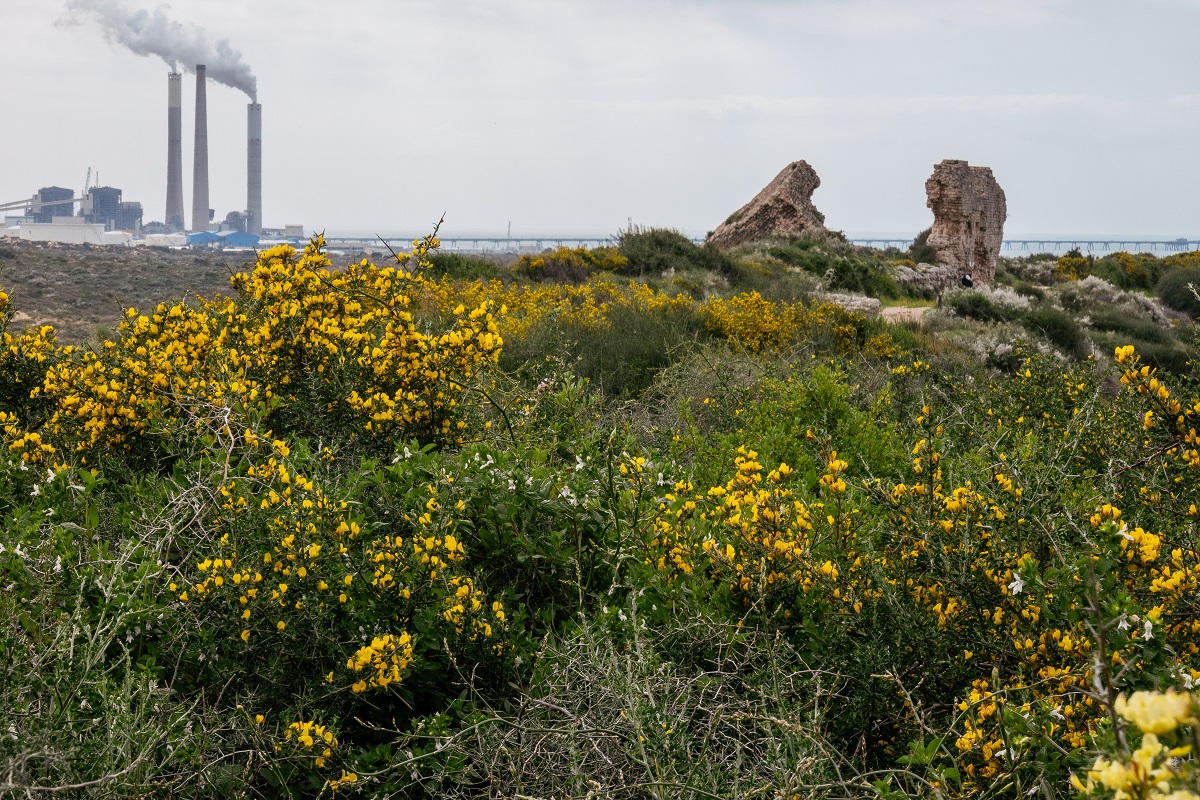
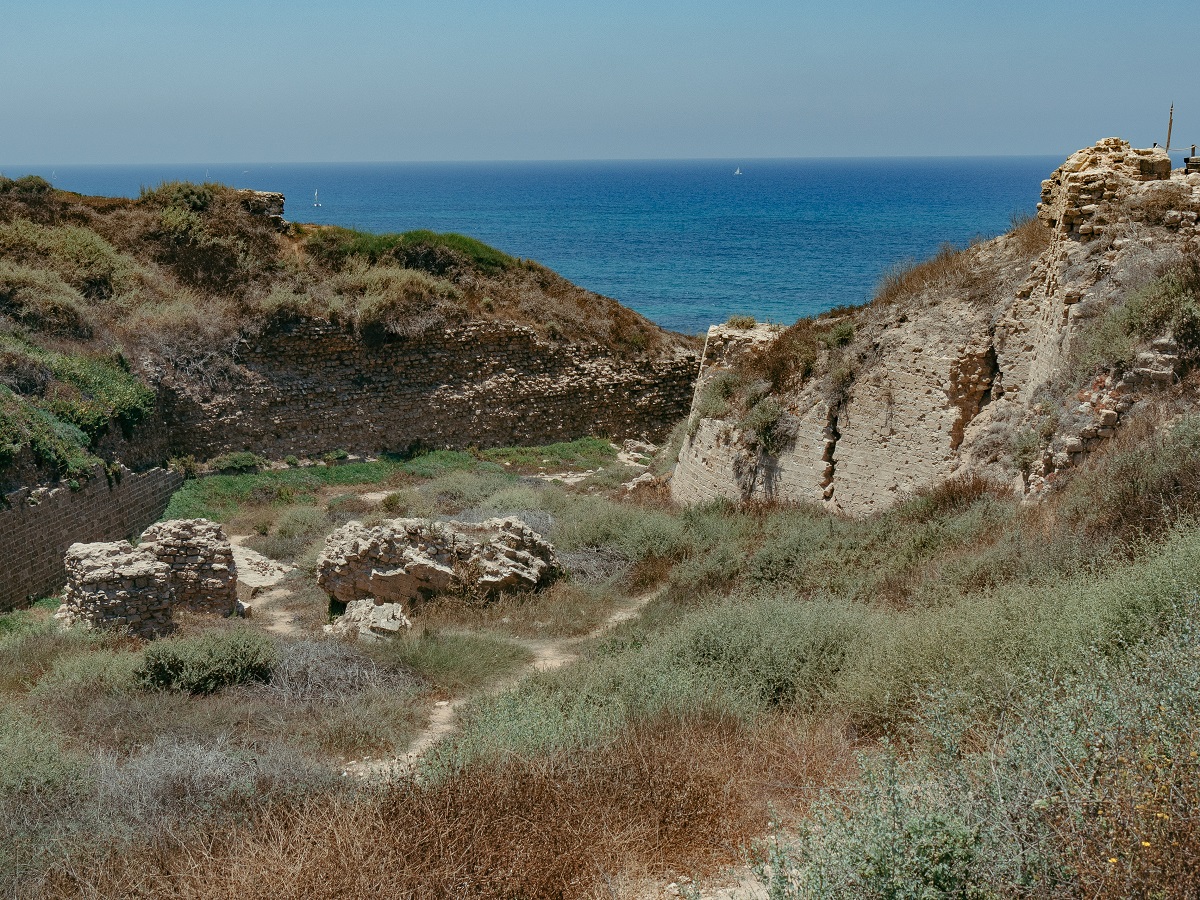
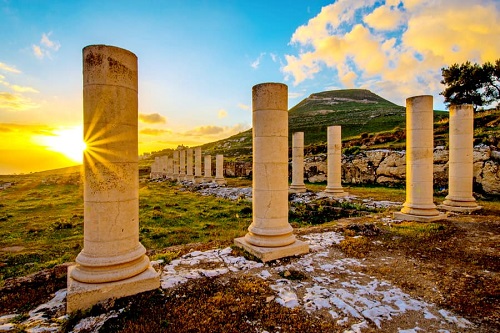
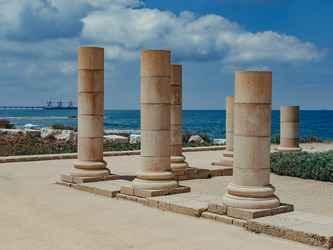
Ashkelon is a coastal city in Southern Israel, about 50km south of Tel Aviv. The city can trace its history back thousands of years. Southwest of Ashkelon is the Ashkelon National Park situated in the heart of what would have been the ancient city of Ashkelon. The park is home to archeological remains from various historic periods. Over the course of time, Ashkelon has seen civilizations come and go including Canaanites, Philistinians, Romans, Muslims, and Crusaders. The oldest archaeological findings within Ashkelon National Park date back to the Neolithic Period.Highlights of Ashkelon National ParkSpread across the hills and meadows of the park are the ruins of ancient civilizations. The park is home to a Middle Bronze Age gate (Canaanite) with the world's oldest surviving vaulted gateway dating back to 1850 BC. The gate was constructed of mud and kurkar bricks and originally was part of a 15m long; 4m height and 2m wide passageway. The gate was in use for 250 years. Other Canaanite remains include the ruins of ramparts which mark the borders of the early settlement. The southeastern part of the ramparts has been integrated into the creation of a modern amphitheater which is used for cultural events. The park covers an area once surrounded by a 12th-century wall built during the Arab dynasty of Fatimid Caliphate. The wall would have originally been 2,200m long, 50m wide and 15m height; what remains are sections of the wall in the eastern and southern parts of the park. Visitors to Ashkelon National Park can see Roman-era columns and statues as well as a temple where a small statue of a calf was found. At the heart of the national park are the remains of a Roman basilica; we can still see the 2nd-century columned structure. The park is also home to 67 Byzantine-era wells. In addition to the archaeological sites within the park, there is a beautiful beach for bathing from April to October. Ashkelon National Park is well known for its magnificent sand dunes; desert vegetation and Mediterranean plants.

HaYarkon Park, Tel Aviv

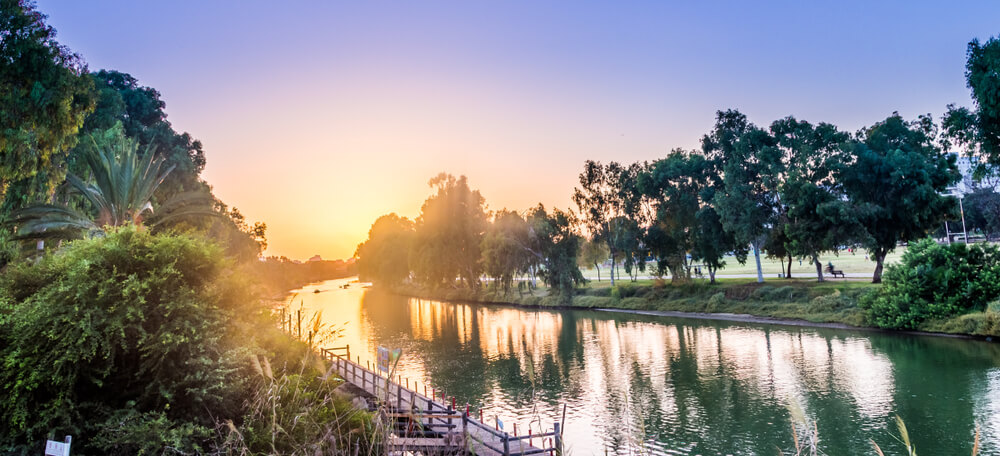
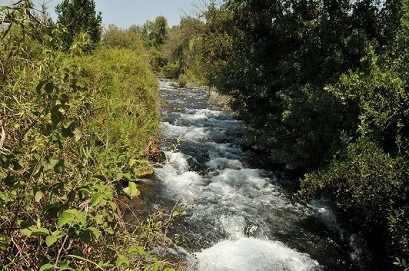
The Yarkon Park is conveniently located for easy access if you are staying in Tel Aviv. The main feature of the Yarkon Park is the Yarkon River that runs from the Rosh Ha'Ayin springs through Tel Aviv to the Mediterranean. The park is split into two parts – the Yarkon river source and Afek forming a green lung in Israel's densely populated central region and a natural border between the Sharon region and the southern coastal plain.Afek Section of the Yarkon ParkThe Afek area has a circular walking route marked out by squill trees which takes you past many interesting natural and archaeological sites. You can follow a trail from Tel Afek to the source of the Yarkon (Makorot HaYarkon) passing lily ponds with lush vegetation. There is an artificial lake and although bathing is prohibited you can enjoy the adjacent paddling pools. Explore the Antipatris Fort dating back to the 16th century during the Ottoman-era. The fort once protected the passage connecting the Shomron hills to the sources of the Yarkon. The surrounding marshes were once part of the Via Maris, Roman road that traversed the country. There is a British Mandate-era water pumping station complete with filtering pools and a structure that housed British officers guarding the water source. The Winter Pool is a habitat for amphibians, crustaceans and water insects.Yarkon Springs Area of the Yarkon ParkYou can walk along the banks of the Yarkon River and take in the views from wooden piers that jut out above the water. The walk takes you past a number of abandoned agricultural facilities used in days gone by to take advantage of the river, like the Ottoman-era Al-Mir flour mill; the pumping buildings and Kasser farm. Other highlights of this part of the Yarkon Park include the Romantic Path, covered by plants and vines which leads to the Concrete House, the first structure in Israel built of concrete in 1912 and used as a pumping station. Other historic structures within the park include the remains of a railway station built for the Palestine Railway line in 1922. There is also a British-era guardhouse or "pillbox" dating back to 1936 and used to protect the railway line and bridge. It is possible to spend the night within the park at the fenced-off night camping area where there are facilities available.If you've taken this walk along the length of the Yarkon you'll arrive in Tel Aviv's magnificent Yarkon Park where there are specialty gardens; places of entertainment; cafes and expansive lawns. Continue on a little further and you'll reach Tel Aviv's Old Port and seafront promenade. Group tours don't usually cover this great park but you could take a private tour of Tel Aviv areaand see the length of the Yarkon River.

Stalactite Cave

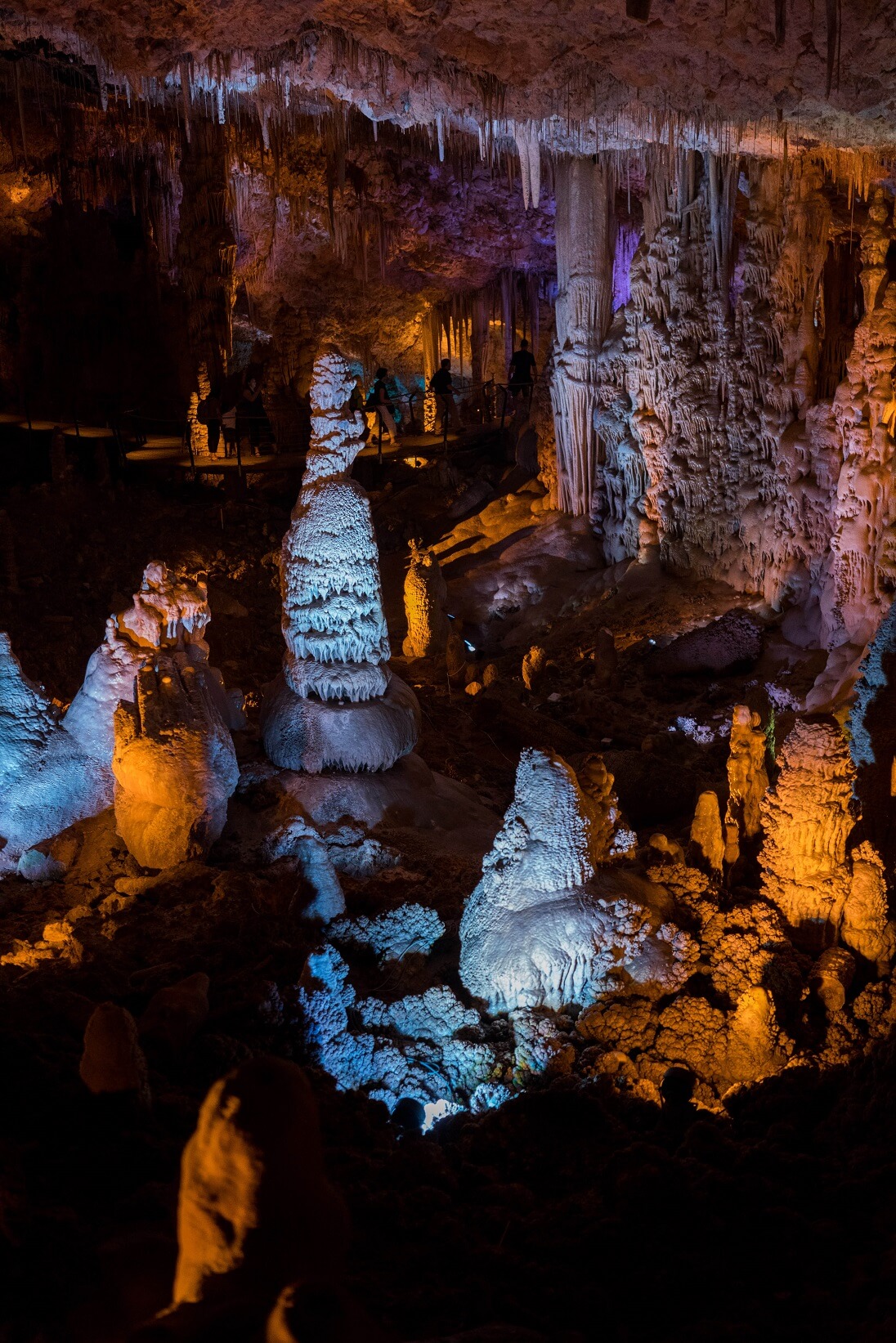
The wonders of the Holy Land go beneath the ground and can be found in magical and magnificent hidden caves with dramatic stalactites. The Stalactite Cave Nature Reserve is located on the western slopes of the Judean Hills, not far from Bet Shemesh. Here you can enjoy the natural beauty both above the ground and in the underground caves. The caves are protected and open to tourists who can visit independently or as part of aprivate tour. There is an observation area where you can look out across the nature reserve and towards the Judea plain across the city of Bet Shemesh. If you look directly down, you can see the quarry where explosions exposed the caves in 1968. An additional observation area is situated at the entrance to the cave and provides an overview of the cavernous grottoes. From the observation area at the cave opening, you can see the stalactites and stalagmites illuminated within the cave. For the best view of the stalactites, you can enter the cave and follow a market visitors route through the cave.The Creation of Stalactites and Stalagmites in Israel's Stalactite CaveThe stalactites (originating on the ceiling of the cave) and stalagmites (originating on the floor of the cave) were created over thousands of years as rainwater permeated through carbon dioxide-rich soil resulting in water containing a high concentration of calcium bicarbonate slowly dripping on the rock causing calcite shapes from the ceiling. The drops that land on the floor of the cave, continually drip on the same spot creating stalagmites, growing upwards.The Most Interesting Stalactites in the Stalactite Nature ReserveOn your walk through the cave, you'll see the landscape of stalactites and stalagmites illuminated by dramatic, colorful lighting sparking the imagination. The lights emphasize the various shapes and natural formations created by thousands of years of slow-dripping subterranean water. Among the most famous stalactite shapes in the cave are the pillar, which resembles a column; the macaroni field; Romeo and Juliette – a stalactite and stalagmite that almost touch at their tips, as if trying to kiss but not quite making it; Snow White and the seven dwarfs; the grandfather and the sculpture garden. Perhaps the best known of the natural formations within the cave are the elephant's ears.

Apollonia National Park

Apollonia National Park (Tel Arsuf) covers a 30m-high calcareous sandstone promontory above the sea just north of Herzliya Pituah; half an hour north of Tel Aviv. The park holds a stunning location with sea views at every turn and long sandy beaches below the high ridge. This national park consists of two adjacent areas – the Apollonia National Park and Sidna Ali National Park both home to ancient ruins from several eras including Roman, Crusader, and Mamelukes.Ancient ApolloniaApollonia was originally settled by Phoenicians in the 6th century BC and named Arsuf after their god, Reshef. When the Greeks arrived they renamed the city Apollonia after their god Apollo who they identified with the Phoenician god Reshef. Under the Romans in the 1st-3rd century AD, Apollonia was further developed and expanded. At the park, you can see an excavated Roman villa that was destroyed by an earthquake in 118 AD. During the Byzantine Era (4th - 7th century AD) the city was renamed Sozousa and reached its peak, covering 280 dunams and gaining prosperity through agriculture and glass production. Excavations revealed 12 furnaces that were most likely used for glass making. At the entrance to the park, you can see a glass furnace from the 6th century AD Byzantine era. In the 7th century, the Muslims took the city and its size and prosperity were reduced.The Crusader Fortress of Arsur at ApolloniaCrusaders claimed the city in 1101; they rebuilt the city and constructed an impressive fortress. We can still see the remains of the Crusaders' 4.5m-deep moat and the eastern city gate. Crusaders built their fortress in 1241 for Balian of Ibelin, Lord of Arsur. The fortress was modeled on British fortresses and probably designed by a European architect. The fortress had an external fortified wall; an interior fortified wall and an inner keep or donjon. In 1261 the Mameluke Sultan Baibars began his campaign to capture Israel and so the fortress and city of Apollonia were handed over for protection to the Hospitaller Knights, a Catholic military order. The Knights Hospitaller defended the fortress but to no avail. The fortress was eventually captured by the Mamelukes in 1265 after a 30-day siege and the fortress was systematically destroyed.Muslim Era Structures in Apollonia National ParkThe Sidna Ali Mosque was constructed in 1481 and named after a Muslim soldier who fell in battle fighting the Crusaders at Apollonia. The picturesque mosque has a 21m-high minaret and alongside the mosque is an ancient cemetery.Visitors to Apollonia National ParkThe breathtaking location of this park on cliffs overlooking the sea offers views up and down Israel's Mediterranean coast. It also offers the chance to see preserved and resorted remains from the various eras set among magnificent surroundings.

Hai-Bar Yotvata Nature Reserve

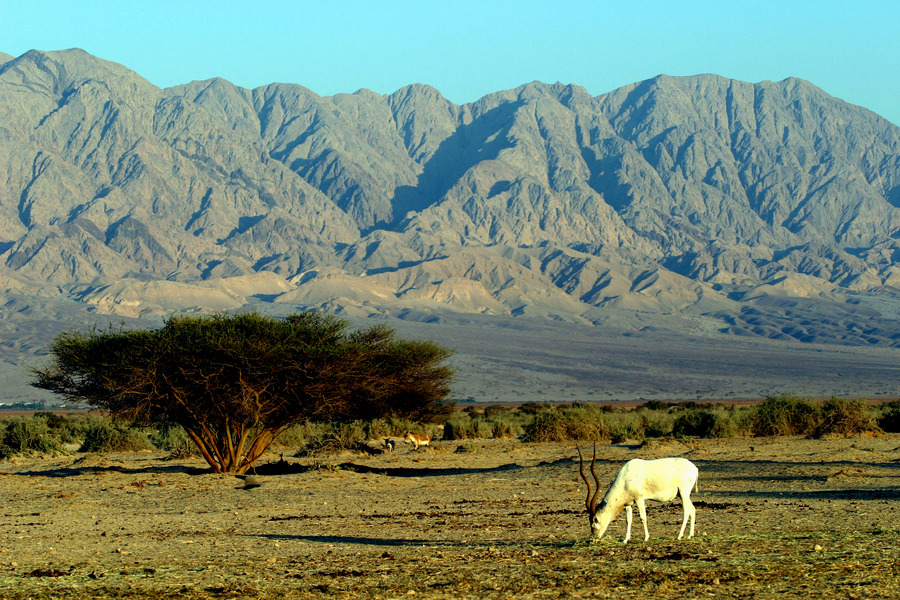
The Yotvata Hai-Bar Nature Reserve is a pleasant surprise waiting for you in the Negev Desert. You might drive past Kibbutz Yotvata along the Arava Road on your way to Eilat, and even stop to try their excellent dairy products. But if you venture further, you’ll find this hidden gem - a haven for indigenous desert animals. Hai Bar was established in the 1960s as a public organization under the auspices of the Parks and Nature Reserves Authority. In the 1970s a large area on the Yotvata salt flats was allocated for the reserve, and in the 1980s more land was added to the reserve. Today it is a popular stop along the route between central Israel and Eilat in the south. It can also be visited along with nearby attractions that include the Dead Sea and Masada.Highlights of Yotvata Hai-Bar Nature ReserveThe site covers 3,000-acres (12km²) and is home to endangered species and animals of the Negev that are locally extinct. Many of the animals are mentioned in the Bible and have inhabited the Holy Land for thousands of years. The reserve rescues, breeds, and nurtures these animals. The ultimate goal is to reintroduce them to their natural habitat, in the Negev Desert. Among the animals at Hai Bar are red-necked ostriches, addax, cheetahs, Griffon vultures, Nubian ibex, hyenas, Persian and Arabian leopards, Arabian sand cats, and more. This incredible project works hard to reestablish the wildlife of Negev. They’ve found particular success with the Asian wild ass and Arabian oryx, both brought back from the brink of extinction. Visiting Yotvata Hai-Bar Nature ReserveFind the reserve on the Arava Road between Yotvata Kibbutz to the north, Timna Park to the south, Hashayarot Cliffs to the west, and the Jordanian border to the east. The entrance to the reserve is from the southern end opposite Kibbutz Samar. If you have a car you can follow the driving path that snakes its way through the park. Unfortunately, this route is designated for vehicles only. There is also a predators center and a camping area at the entrance to the park. If you enjoy Hai-Bar Yotvata, why not check out Carmel Hai-Bar Nature Reserve, a similar attraction in the forest-covered mountains near Haifa that nurtures animals from the Carmel Mountain area.

Eilat Coral Beach

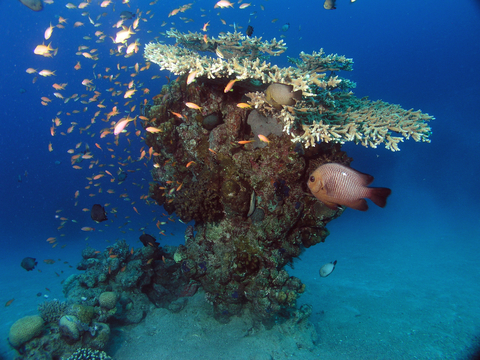
Eilat is Israel's stunning beach resort city on the edge of the Red Sea. Along the shoreline, you have the red mountains as a backdrop and a view of Jordan across the translucent water. Each of Eilat's beaches is unique but none as magnificent as Coral Beach, home to natural coral reefs.The beach is situated about 7km south of Eilat's city center along Taba Road and faces Coral Beach Nature Reserve, one of the most beautiful marine reserves in the world. The reefs lie parallel to the shore stretching for more than 1.2km and reaching depths of 6-12m. There are over 100 types of coral and more than 650 species of sea life in the reef off Coral Beach. These coral reefs are among the northernmost reefs in the world and as such are home to unique invertebrates and fish rarely seen in other reefs.Highlights of Coral Reef Beach, EilatCoral Beach is great for families thanks to the shallow wading pools near the shore. On one side of the reef, there are bridges built out over the water so that visitors can easily observe the reef and divers and snorkelers have easy access without damaging the reef or its inhabitants. There are lookout points over the reef where visitors can enjoy the views of the reef without actually diving.It is possible to rent a diving mask and snorkel at the beach and go swimming along the edges of the reef. Divers can see even more of this underwater wonderland by going closer and deeper into the sea. The beach has all the seafront amenities you might need including toilets, showers, sun loungers, deck chairs, showers, and an adjacent store and restaurant.Coral Beach as a Conservation AreaAlthough this beach offers incredible access to coral reefs it is also vigorously protected to minimize damage by human interference. Visitors have been provided with bridges so that they can view the reef without harming it and signs, markers and barriers to ensure that the reefs are protected even when visitors are swimming nearby. Vulnerable areas of the reef have been cordoned off so that access is limited; for example, the heart of the reef – the Japanese Gardens cannot be directly accessed by swimmers and divers. There are regular awareness talks and guided tours explaining the importance of conservation. Other measures in place to protect the coral reefs include laws, regulations and daily cleaning of the beach. The number of visitors allowed on the beach at any one time is limited and there is a small entrance fee required.

Good Samaritan Museum

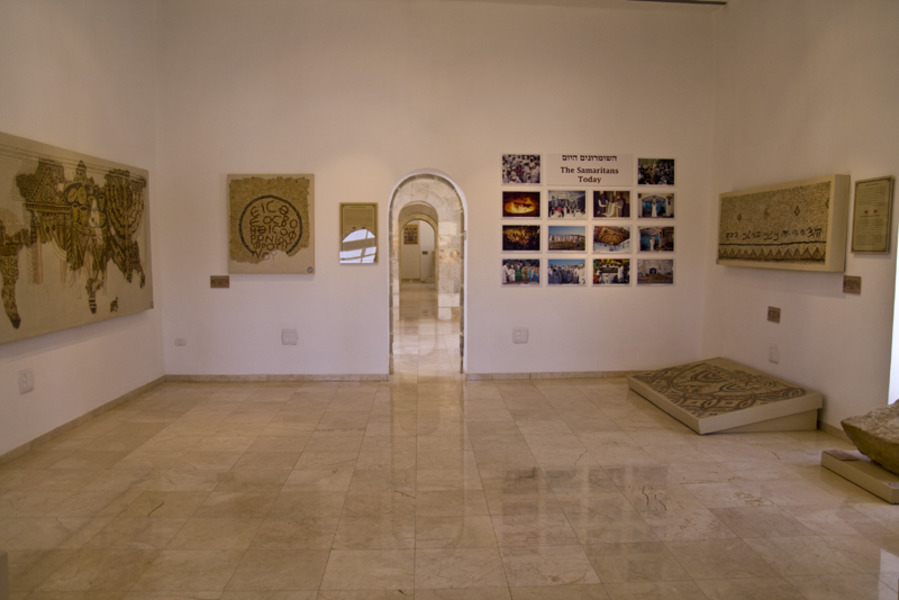
Located just off the main highway between Jerusalem and the Dead Sea, the Good Samaritan museum (‘Khan al-Hatrura’ in Arabic) boasts a number of archaeological artifacts, an ancient church and courtyard, and, most importantly, a wide variety of mosaics from the Byzantine era.The museum is named after the parable told by Jesus concerning a man who was robbed, beaten and left for dead. He was subsequently found and aided by a ‘Good Samaritan’ even though Samaritans and Jews were, by no means, on good terms at that time. The parable, today, for Christians symbolizes friendship, brotherhood, and mercy.In the 6th century, a large monastery was built here, with a cistern in its center. The floor of the prayer house was constructed out of tiny mosaic tiles, most of which were taken from the grounds by pilgrims, who wanted something to remember their journey by. Today, as you enter the building, you will see an enormous ‘Gaza mosaic’ depicting all kinds of animals. This is a reconstruction of the original design, comprised of over 1.6 million tiles!The building in which the museum is housed was, in Ottoman times, an inn for travelers. Today, it is the only mosaic museum of its kind in Israel (and one of only three in the world). Without a doubt, it is a treasure trove for anyone interested in archaeology. The mosaics there have been collected from churches and synagogues around Israel. Many of the mosaics have Hebrew, Greek and Samaritan inscriptions on them, with designs that are typically geometric (as was customary in Byzantine times). Others are adorned with animals and flowers. During the preservation process, many of these mosaics have been cast in natural substances like lime and sand, just as they would have been centuries ago. On display are also pieces from an excavation that took place in the area - including coins, pottery, a dining table, and even a stone coffin. In what was once a cave, there is now a tiny cinema where visitors can watch a short film about the history and customs of the Samaritan community. The museum’s admission fee is reasonable and included in the price is parking and a free audio guide. If visiting in the hot summer months, it is advisable to take sunscreen and a hat since some of the exhibits are outside. Other places of interest in the vicinity are the old Crusader ruins of the Castellum Rouge (‘Red Fortress’), the St. Gerasimos Monastery and the Qumran National Park.Masada is about an hour’s drive from the museum. Want to visit Good Samaritan Museum? Book our Bethlehem & Jericho Private Tour.

Herodion Park

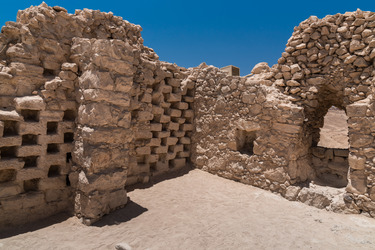
Constructed by King Herod the Great in 40 BCE, the Herodion National Park is an impressive archaeological site, containing the remains of both a palace-fortress and a small town. Known as the “Mountain of Franks” and “Jabal al-Fourdis,” the palace was built on the edge of a desert after the adjacent mountain had been partially destroyed by Herod’s army. This meant that his fortress was the highest in the area and therefore a safe place by which to protect the valley and his kingdom. Herod was a master builder and filled the area with beautiful gardens, extravagant living quarters and heavily fortified ramparts. When the Jews rebelled against the Romans in 66 CE, they moved to the palace and built a ritual bath (“mikvah” in Hebrew). After the destruction of Jerusalem’s Second Temple, it became a place of refuge for them. Conquered and destroyed by the Roman Army in 70 CE, today the Herodion remains a sight to behold.Herodion PalaceThe palace itself consisted of four watchtowers, large courtyards, a banqueting area, a Roman theatre, and a large bathhouse. With its cold, warm and hot rooms (some lined with mosaics and frescoes) the bathhouse served as an important part of daily life and its dome remains in reasonable condition today, after 2,000 years of wars and earthquakes. The synagogue at Herodion - which archaeologists believe was built out of a dining area - Herodion is considered to be one of the oldest in the region.Burial Tomb and Underground TunnelsIn 2007, Herod’s mausoleum was discovered on the eastern slope of the Herodium by Professor Ehud Netzer. Inside was a broken sarcophagus, decorated urns, and some impressively wide steps. The find was initially hailed as a revelation although, today, it is questioned as to whether the tomb actually belonged to Herod. Additionally, visitors can walk through the remains of a complex underground system which includes escape tunnels and water tunnels from the time of the Bar Kokhba Revolt. The park is located east of Bethlehem and close to the Tekoa Junction and the standard entrance fee is 29 NIS. The site can also be visited as part of the Jerusalem & Bethlehem private tour.A visit to the Herodion National Park involves a substantial amount of climbing stairs and is not accessible for the disabled. Visitors should wear sturdy shoes and bring plenty of water. The excavations are a work in progress and it is a truly marvelous place to visit if you enjoy history and stunning views.

Qasr al-Yahud Baptismal Site

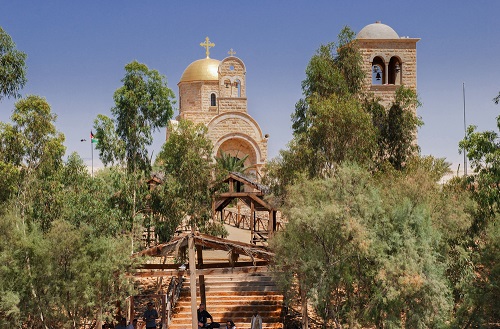
Qasr al-Yehud (Castle of the Jews) is a baptismal location on the Jordan River. The site is in the Palestinian Authority of the West Bank 15 km from the northern end of the Dead Sea and southeast of Jericho. Qasr Al-Yehud is believed to be the Biblical site where John baptized Jesus; this symbolized his spiritual birth. This stretch of the river is also where Joshua led the Israelites to cross the River Jordan into the Promised Land. The Prophet Elijah is said to have ascended to heaven from this location. The area covers both banks of the Jordan River – on the east bank in the Kingdom of Jordan and on the west bank at Qasr al-Yehud.Visiting Qasr al-YehudQasr al-Yehud was closed to visitors from 1967 to 1994 when the area was a no man’s land. Following the peace agreement between Jordan and Israel the site was reopened in 2011 and restored. It is now accessible to visitors with the addition of handrails and steps leading down into the water. Several churches have been built near Qasr al-Yehud over the years beginning in the Byzantine era but only ruins have survived. Two new outdoor chapels are now used by visiting Christians of all denominations. Special celebrations take place here on January 6th for the Feast of Epiphany by the Western Churches; January 19th for the Theophany by Eastern Orthodox Churches and during the Easter weekend.Two Baptismal Sites of the Jordan RiverYou may have heard of an alternate baptismal site called Yardenit, located in northern Israel near the southern end of the Sea of Galilee. Yardenit is also on the Jordan River and was created as an alternative site for Christian pilgrims who wanted to be baptized in the Jordan but could not reach Qasr al-Yahud due to logistic and security obstacles. Qasr e-Yahud is closer to the geographical location described in the Bible as Jesus’ baptismal site but Yardenit is a good alternative when it is not possible to reach Qasr al-Yahud.You can join a tour to the Jordan River and the Dead Sea area and visitQasr al-Yahud for a unique and holy experience.

Mount Gerizim

Mount Gerizim (Mount of Blessings) is a high mountain in the West Bank near Nablus. On the flat summit of the mountain are the remains of one of the largest cities from the Persian and Hellenistic Periods covering 400 dunams. The remains encompass a temple city where the ancient Samaritans once lived and worshiped.Who Are the Samaritans?The Samaritans are an ethnic group that claims to be the direct descendants of the Children of Israel. They live only in Israel and speak an ancient Arabic language. The Samaritans live according to the Torah and have unique traditions. Originally the Samaritans believed in the sanctity of the Jewish temple on Temple Mount, and they may have even been involved in its construction (Ezra 4:2). But at some point, the Samaritans split from the Jews and built their own holy temple on Mount Gerizim. According to Samaritan tradition, Mount Gerizim is the biblical Mount Moriah, the site of the binding of Isaac and the placing of the Foundation Stone. During the Roman Period, there would have been over a million Samaritans in Israel. In the 5th-century a church was built on Mt. Gerizim and in 529, the Roman Emperor, Justinian I made Samaritanism illegal. A wall was built around the church and Samaritans were denied access to their sacred site. An uprising followed that resulted in the surviving Samaritans being enslaved or exiled. Justinian I had a castle built on the mount to protect the church from any future Samaritan raids. Today there are approximately 800 Samaritans still living in Israel, mostly in close proximity to Mt. Gerizim.What to See at Mt. GerizimAncient City - The ancient Hellenistic city was built around a sacred precinct. Surrounding the ruins are the sturdy outer city walls. You can see the remains of houses, streets, stores, and two market squares. Most of the homes had an inner courtyard with the rooms built looking onto the central open space. At the time, this city would have been home to about 10,000 residents. Sacred Precinct - The center of the city was the Sacred Precinct, an area preserved for worship where a temple stood on a raised platform. During the Persian Period (late 5th-century BC) there was a small platform that was enlarged to cover 100mx200m during the Hellenistic Period (2nd-century BC). Giv’ot Olam-According to Samaritan tradition, this large rock is the Foundation Stone commemorating the blessings given by Moses to Joseph (Deuteronomy 33:15). Altar of Isaac - According to Samaritan tradition, the sacrifice of Isaac took place on this rock known as the Altar of Isaac. Tomb of Sheikh Ghanem - In the north-eastern corner of the excavated site stands a small domed structure. According to Muslim tradition, this is the final resting place of Sheikh Ghanem, one of the soldiers of Sultan Saladin the Magnificent. To this day, the Arab residents of nearby Nablus take oaths at this site. Medieval Jewish tradition held that this was the burial site of Hamor, the father of Shechem. Octagonal Church- See the remains of the 5th-century church built by the Christian Roman rulers.Visiting Mount GerizimMt. Grizim is near the Samaritan village of Kiryat Luza and the Jewish community of Brakha, in Judea and Samaria, also known as the West Bank. To reach it you need to take route 60 from Jerusalem to Tapuah Junction, then continue north to Mahane Horon Junction, before turning west in the direction of Brakha. Just before the entrance to Brakha, turn right and follow the signs to the Mount Gerizim Archaeological National Park. The park is open from Monday to Friday and there is an entrance fee.

Nahal Mearot Nature Reserve

The Nahal Me’arot Nature Reserve has recently been named a World Heritage Site by UNESCO, the reserve is the site of caves and rock dwellings with exposed fossilized reefs which testify to the continual human inhabitation of the settlement from prehistoric times.It is a global rarity to find proof of continual inhabitation in one location by a series of civilizations over an extended period beginning in the Lower Paleolithic era. Burial sites of both Neanderthal and Early Anatomy Modern Humans have been uncovered. This shows the dramatic change in human existence from the hunter-gatherer to the sedentary agricultural lifestyle.Not only the human inhabitation but also the historic geological evidence in this group of 5 caves is remarkable. The fact that the site is so significant for studies in human evolution both biologically and culturally as well as the palaeo-ecological significance has made this site worthy of its new status as a UNESCO World Heritage Site.Nahal Me’arote is situated on Mount Carmel’s western slope and was the first Israeli site to achieve this distinction since 1989 and follows an intense campaign to gain recognition. This newfound status could increase the annual visitor statistics from the mainly local 50,000 visitors to include more international tourists.

Beit Shean National Park

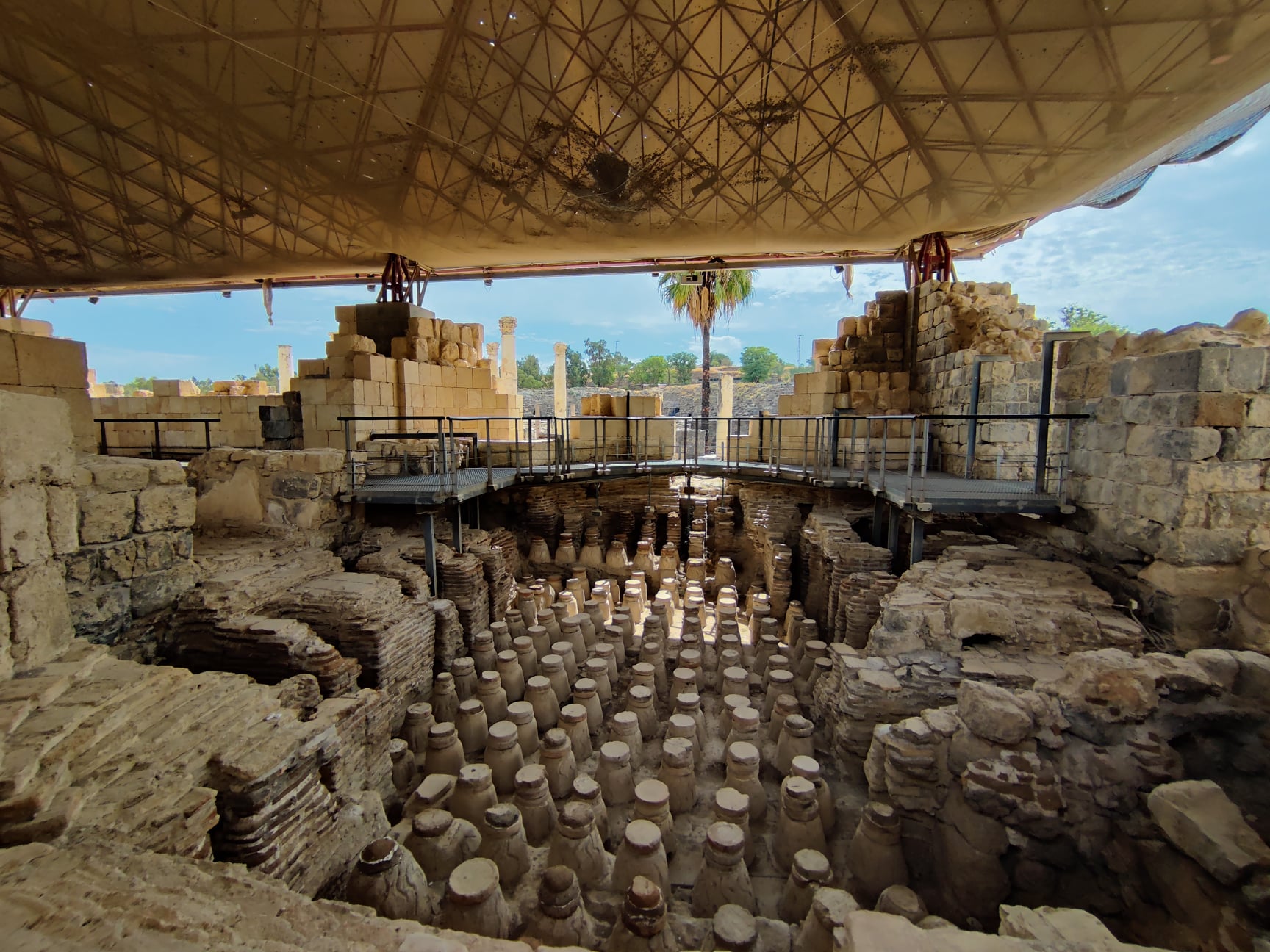
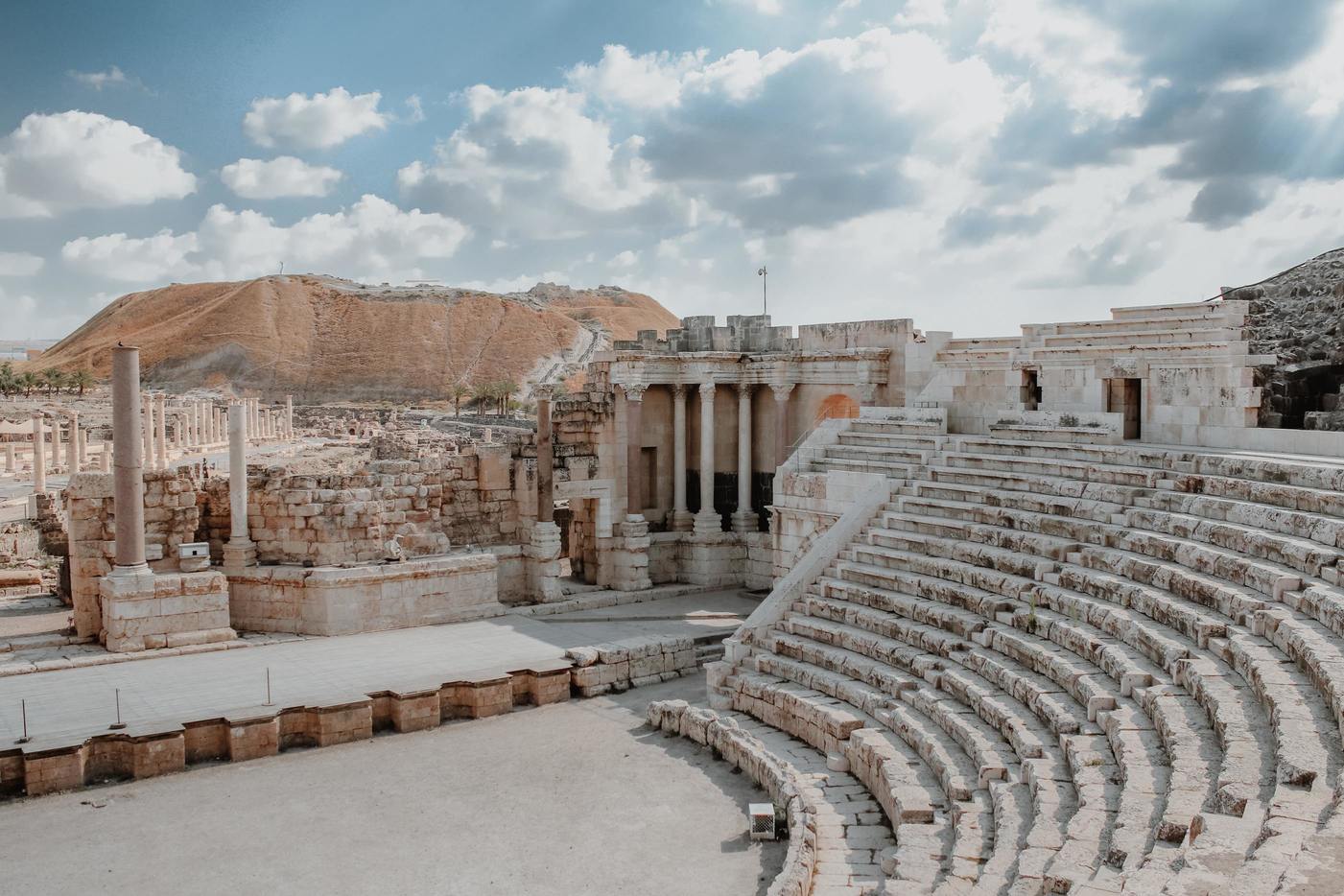
One of Israel’s oldest cities, Beit Shean (also known as Scythopolis and Nysa and, in Hebrew, ‘the House of Tranquility) is located in northern Israel, 27 km south of the Sea of Galilee. Nestled between the Jezreel and Jordan Valley, it is an extremely fertile area and one of the hottest places on earth in which to live.Inhabited for 6,000 yearsSettled 6,000 years ago and continually inhabited since then, today it is one of Israel’s best-preserved archaeological sites. Its remains date back to a number of ancient civilizations, including pre-Egyptian, Israelite, Philistine and Byzantine. Historically, Beit Shean is mentioned in the Hebrew Bible as the place where King Saul and his sons were killed by the Philistines, and their bodies then hung from the city wall. It retained its importance during the reigns of King David and Solomon and was a busy metropolis in Roman times, but after being damaged in 749 AD by an earthquake, it did not recover. Over the years, Crusaders, Mamluks, Ottomans, the British lived there and after the state of Israel was created in 1948, Israelis settled the area. Today, it is home to a spectacular national archeological park. The renovations have been quite extensive and give visitors an excellent indication of what the city once looked like. Inside the park are elevated mounds, which are remains of Canaanite and Egyptian cities, and at the base of the mound are remains of a once-thriving Roman City.Ancient Roman CityThe archaeological remains include public baths (consisting of swimming pools and halls heated by hot running water), a Roman basilica (once used as a courthouse), small stores and craftsmen’s workshops. There is an amphitheater, which could seat 6,000, once used to hold gladiatorial contests and entertain Roman troops and some well-preserved mosaics, including one of Tyche, the Roman goddess of good fortune, holding a horn of plenty.Visitors can view the nymphaeum - an elaborate building containing a fountain - and a large, circular church with a cloister, built around an open court. There are also remains of other churches (one with a red cross on the bathhouse wall, meaning it was probably a baptistry). The central street of the city was called the Palladius (named after the Roman governor) and is lined by colonnades.Beit Shean can be reached by car (via Afula), bus or by taking a guided tour of the area. In the wider vicinity, visitors can visit the Belvoir Fortress (one of the last bastions of the Crusaders) and the Gan HaShlosha, a green and leafy park where visitors can bathe in warm spring.

Kursi National Park

Travel to northern Israel, to the eastern bank of the Sea of Galilee at the foot of the Golan Heights, and visit Kursi National Park, the site of the largest Byzantine monastery complex and basilica excavated in Israel. Protected within the Kursi National Park is a treasure trove of ancient structures dating back approximately 1,500 years. Tradition holds that Kursi was the site where Jesus performed the Miracle of the Swine and the excavations indicate that a Judeo-Christian community lived here in c. 500 AD. The Jewish Talmud tells of Rabbi Jacob Ben Kurshi who came from a town called Kurshi and it lists Kurshi as one of the towns inhabited by gentiles during Jesus’ lifetime.The Miracle of the SwineDuring his ministry in Galilee, Jesus went from village to village preaching the word of God and it was in Kursi that Jesus performed one of his many miracles. Mark 5:1-20, Matthew 8:28-34, and Luke 8:26-39 tell how Jesus went into the land of Gadarenes, on the eastern shore of the Sea of Galilee, and was approached by a man who implored Jesus to rid him of the evil spirits that possessed him. Jesus performed an exorcism, driving the evil spirits out of the man and causing them to possess a herd of swine that was grazing nearby. The herd then charged into the sea and drowned.Archaeological Discoveries at KursiRuins of the ancient settlement of Kursi were accidentally found during the construction of the road that circles the Sea of Galilee. The most important findings included the remains of a monastery and church dating back to the Byzantine era of the 5th-6th century. The church’s mosaic floor was beautifully preserved and revealed geometric mosaic designs, depictions of animals, and an inscription indicating that the floor was laid in 585 AD during the reign of Emperor Mauricius. The Christian compound was damaged during the Persian invasion of 614 AD and in 741 AD an earthquake destroyed the structures. 7th century Arabs rulers allowed Christians to renovate the monastery and continue living in Kursi but after the Great Earthquake of 749, the monastery was abandoned for the final time. Excavation to the east of the basilica revealed a small chapel built into a cave. This is now known as the Holy Rock and may have been where Jesus performed the Miracle of the Swine. From the Holy Rock, there are views across the Samakh River Valley and the Sea of Galilee. North of the basilica is the remains of a Byzantine Era bathhouse. In further excavations, a structure was uncovered that may have been a synagogue. It held a shattered slab of marble inscribed in Aramaic; this was the first marble tablet of its kind ever discovered in an ancient synagogue in Israel and confirmed that Jews and Christians shared the Kursi settlement.The Kursi MonasteryThe Byzantine monastery compound was surrounded by a large wall that separated the Christian inhabitants from the surrounding Jewish settlement. The monastery courtyard had houses, farming facilities, homes, public buildings, and a pilgrims’ hostel for Christians who came to see the site of Jesus’s miracle. The basilica had two rows of six columns with marble Corinthian capitals. Archaeologists uncovered a stone chest for relics where the altar would have been; a baptistery room and a burial cave beneath the church containing the remains of 30 males. The most outstanding feature to survive is the mosaic floor. It depicts flora and fauna including fruit trees, vines, geese, cormorants, doves, and cockerels.The remains of the Kursi monastery complex have been tastefully restored so that visitors to Kursi National Park can get a good understanding of the layout and size of this impressive Byzantine monastery and basilica.

Baram National Park

Baram National Park is in the Upper Galilee, northwest of Safed, not far from the Lebanese border. The park encompasses the remains of a large synagogue and smaller synagogue, both once part of a Jewish village that existed here from the Second Temple Period, through the Talmudic Period (200 - 500 BC) and into the Middle Ages. The discovery of this archaeological site supports the fact that the area was inhabited by Jews over 2,500 years ago. Baram covers 28 dunams, and in addition to the remains of the two synagogues, the park is home to a Maronite church, the remains of a Christian village, and an oak tree forest.History of Baram National ParkThe village was inhabited up until the Middle Ages when it was abandoned sometime between the 7th and 13th centuries. According to Jewish tradition, in the 2nd century AD, Rabbi Pinchas ben Yair was buried at Bar’am. By the 13th century an Arab village called Kafr Bir’im, had grown around the two ancient synagogues. Ottoman tax records from 1596 show that the village had a population of 114 Muslim households. The village was damaged by an earthquake in 1837, which also caused the synagogue to collapse. By 1838, records show that a Maronite village was established here, and in years to come it was home to approximately 160 male Maronites and Melkites (both Eastern Christian).The village was attacked by Muslims and Druze during the 1860 Lebanon Civil War. The 1881 Survey of Western Palestine describes the village of 300 - 500 inhabitants as picturesque with quaint stone buildings, olive groves, vineyards, and gardens. The population of Kafr Bir’im fluctuated over the next few decades but it remained a Christian village.In May 1948, the State of Israel was established and in the same year, Israel was attacked by its neighboring states. During the conflict Kafr Bir’im was captured by the Jews and by November 1948 most of the villagers had been expelled, never to return. Instead, Kibbutz Baram was established, to deter infiltration from across the Lebanese border. The Maronite residents still regard the village church as the center of their community and have appealed to be allowed to return to their village.The Ancient Synagogue of BaramThe ancient Jewish village of Bar’am had two synagogues, one in the center of the village and a synagogue on the outskirts which has become known as the Kfar Baram Synagogue. Kfar Baram Synagogue dates back to the 3rd century AD and was most likely damaged by the Galilee Earthquake of 1837. What remains of the synagogue is considered one of the best-preserved ancient synagogues in Israel.The Kfar Baram Synagogue was built of local basalt stone, like most early structures in the region. The windows and entranceways have survived, and the façade is complete up to the second floor. It has a unique six-column portico and the interior was divided into three aisles by rows of columns. The remains include a well-preserved façade, with three doorways facing Jerusalem. The doorways are adorned with beautiful relief carvings. The central entrance is particularly beautiful with a round arch above the opening. Some of the carved friezes feature images of vines and animals including two sculptured stone lions. An inscription in Aramaic was found carved to the right of the main entrance bearing the name of the builder.Other Points of Interest in Bar’am National ParkFlora and Fauna: The park encompasses an impressive forest of large oak trees. In autumn (October-November) the area is covered in wildflowers. A short drive from the ancient synagogue is Mount Admon where slopes are covered with crocuses in the autumn months.Baram Forest: A 4 km-long hike takes you through the forest of Palestinian oak trees, and reaches the Dishon Stream and the Tzivon Stream. The forest covers 1,000 dunams.Hike Trails: You can hike through Baram National Park in the Baram Forest and past the ancient synagogue. The hike is suitable for all levels of fitness, and all seasons.Maronite Church: The village church remains on a wooded hill not far from the synagogue, and is still used for religious ceremonies and festivals.Little Synagogue: Located about 400 meters from the Kfar Baram Synagogue are the remains of a second, smaller synagogue, which once stood in the center of the Jewish village. Almost nothing remains except a lintel which is displayed in the Louvre in Paris. The synagogue may have been named in honor of Rabbi Shimon bar Yochai.Tomb of Nachman Chatufa: “The Child’s Prophecy” is a 16th-century book that tells the story of a child, Nachman Chatufa, born in Israel to a righteous couple, and from the day he was born he recited words of the Torah. His father was startled and silenced the boy who did not utter another word until his 12th birthday. After that, he foretold the future, up until the coming of the Messiah, then collapsed and died. The Tomb of Nachman Chatufa at Baram is considered sacred and is visited by women who come here to pray for fertility.Tomb of Prophet Ovadiah: Ovadiah is credited with writing the shortest book of the Jewish Torah, the “Book of Obadiah” which prophesied the divine judgment of Edom.Bar David Museum: On the nearby Kibbutz Baram you can visit the Bar David Museum where art and Judaica from the excavation of the ancient Baram Synagogue are displayed.How to Reach Baram National ParkFind the Baram National Park on Sasa-Baram Road (#899), about 3km east of Hiram Junction. If using Waze, enter “Baram National Park. The park is open Saturday to Thursday from 8 am to 5 pm in summer and until 4 pm in winter. On Fridays and holidays, the park opens from 8 am to 4 pm/3 pm.

Caesarea Full Day Private Tour

Take a drive north along Israel’s Mediterranean coast to the ancient city of Caesarea. Over 2,000 years ago King Herod had a city and harbor built here. It remained populated through the 1st to 6th centuries and was a thriving port and entrance point to the Holy Land. The remains of this ancient Roman city are preserved within the Caesarea National Park. Take an in-depth tour of the archaeological site that encompasses the ancient Roman amphitheater that is still used today for performances by Israeli and international stars. Tour the hippodrome, where Grecian chariot races, gladiator combats, and athletic competitions were held. See the excavated Reef Palace, (Promontory Palace or Coral Palace) built on two levels, with a swimming pool, and rich decorations. You can see the ancient ritual bath (mikvah), Roman bathhouse, restored frescoes, and mosaic floors. Walk along the seafront promenade and look down into the water at the sunken ancient Roman harbor. Enter the Crusader Gate that led into the Crusader city of Caesarea. See the fortified city walls built by the 13th century Crusaders of Louis IX, including a moat, and elegant arches above the streets. The tour includes a screening of the “Caesarea Stars,” an interactive presentation that brings to life the historic leaders of Caesarea. See the impressive aqueduct that was part of a water system built in 22BC under Herod and expanded in 150AD by Hadrian. The system brought fresh water from the Shuni Springs, 16km away to the Roman city of Caesarea Maritima. Part of the aqueduct runs beneath Mount Carmel and emerges in Park Alona, which is the next stop on this tour. Here it is possible to walk along the underground aqueduct. This “Mei Kedem” or ancient water system used canals, clay pipes, tunnels, and aqueducts to channel the spring water. Before concluding the tour, it is possible to visit other places along the aqueduct route which extends for about 23 km.Additional Sites in the Area:1. Mizgaga Museum of Archaeology and Glass, Dor Beach2. Binyamina and local winery3. Taninim Stream Nature Reserve4. Park Jabotinsky5. Zichron Yaakov6. Ein Hod Artists’ Village7. Atlit Detainee Camp Museum8. Sites on the Carmel Coast

The Carmel Coast and Druze Village Private Tour

This private tour covers sites on the Carmel Mountain range, a UNESCO biosphere reserve covered with lush forests, and quaint communities. The Carmel is dotted with fascinating sacred locations, archaeological sites, and communities. The tour starts with a drive north along the Carmel Coast, to Kibbutz Nahsholim. The kibbutz is located along a stunning stretch of wide beaches around curved bays between Haifa and Caesarea.Nahsholim kibbutz is home to the Mizgaga Museum of Archaeology and Glass which is housed in a former glass-bottle factory built in 1891. The museum displays contemporary glass art as well as objects found at the adjacent archaeological site, Tel Dor. Take a brief tour of Tel Dor and the Nahsholim coast. The tour continues to Ein Hod, an artists’ village located at the foot of Mount Carmel, southeast of Haifa. The artists’ community was established in 1953 and consists of quaint cottages built among olive groves on the hillside overlooking the sea. Israeli sculptors, painters, and musicians have their studios in the idyllic pastoral village. There is the option of an art workshop with local artists at Ein Hod.The tour continues through the pristine mountain forests to Daliyat al-Karmel, a village inhabited by the Druze community. The Arabic-speaking, esoteric ethnoreligious Druze have unique traditions that you can discover on a visit to the village. Take a walking tour of the village and visit the Druze market. Also stop at Oliphant House, the summer home of Christian Zionist, Laurance Oliphant (1829-1888) and his secretary, Naftali Herz Imber, author of the Israeli national anthem.The last stop on this tour is Muhraka, on the highest peak of the Carmel where Biblical prophet, Elijah challenged the false prophets of Baal to create fire. Today the Carmelite Monastery stands on the peak overlooking Haifa bay. The Catholic Carmelite Order was established here in the 12th century in proximity to a grotto where Elijah is believed to have stayed. Before ending the tour take in the spectacular view from the top of the Stella Maris Monastery where you can see the Jezreel Valley, Mount Gilboa, and the hills of Galilee.Additional Sites in the Area:1. Khan Museum, Hadera2. Caesarea3. Binyamina4. Zichron Yaakov, including a visit to a winery5. Atlit Detainee Camp Museum6. Hike on Mt. Carmel7. Haifa attractions8. Visit a winery

Megiddo and the Jezreel Valley Private Tour

This private tour will take you north along the coastal road and turn inland towards the fertile farmlands of the Lower Galilee. The first stop is at Tel Megiddo, an archaeological mound where 26 layers of successive ancient cities were built one on top of the other. Megiddo was once an important 15th century BC Canaan city and you can see the excavated remains of temples, palaces, gates, stables, and a complex water system.The tour continues to Beit Alfa, in the Beit She'an Valley where there is an excavated 5th-century synagogue. The synagogue originally had a courtyard, second-story balcony and main hall with an incredible floor mosaic showing the Hebrew months and their corresponding zodiac signs. While in Beit She'an Valley tour an eco-farm and learn about organic agriculture, chemical-free pest control, and communal living on the farm. While here you may want to enjoy a delicious lunch made from locally grown produce.The last stop of the day is at the Beit She'an National Park which encompasses the ruins of an incredible Roman and Byzantine city. You can walk through the well-preserved remains and envision what it must have been like almost 2,000 years ago. Stroll down the cardo, or main street, lined with tall columns; see the traditional bathhouse; the remains of temples; palaces and even a magnificent Roman theater.As a private tour, you can adjust the itinerary to include places you want to see in the area. You could visit Tel Jezreel, once the 9th century BC capital of the Kingdom of Israel; Kochav HaYarden, home to a preserved Crusader Fortress; Mt. Tabor, site of the Transfiguration or Beit She'arim, an ancient Jewish burial necropolis. You could even go bird watching in the Beit She'an Valley, renowned for its birdlife including the Great Spotted Eagle.Additional Options:1. Tel Jezreel – Archaeological site of a major Biblical city and the northern capital of the 9th century BC Kingdom of Israel.2. Kochav HaYarden – This national park is home to the Crusader-era Belvoir Fortress.3. Mount Tabor– Site of the transfiguration of Jesus and home to the Church of the Transfiguration designed by Antonio Barluzzi.4. Beit She'arim – Once an ancient Jewish town and 3rd-4th century burial site where Rabbi Judah Ha-Nasi is entombed.5. Bird Watching in the Beit She'an Valley – See the incredible birdlife of this stunningly beautiful green valley.

Jerusalem Old City Private Christian Tour

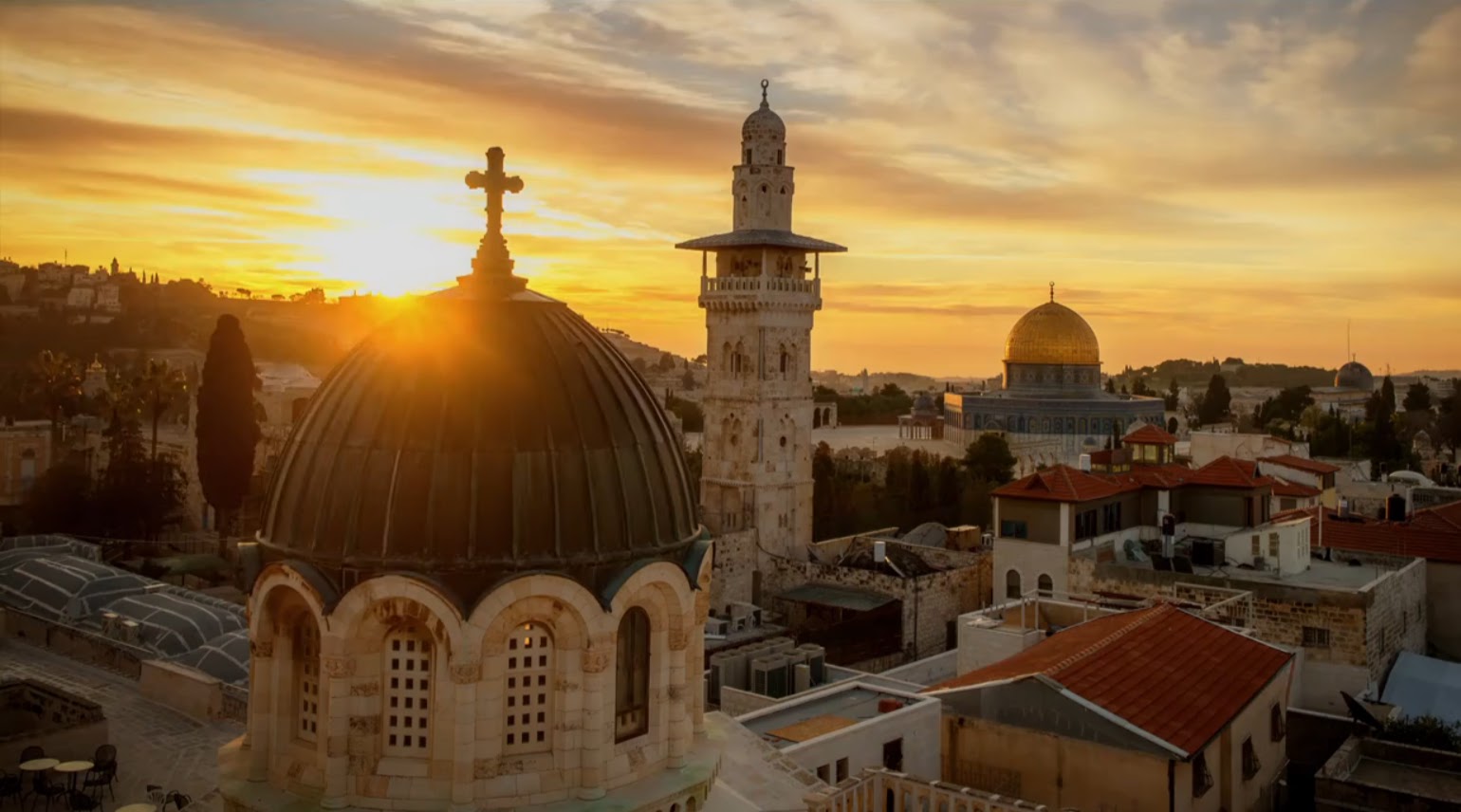
The tour starts with a view across the Old City walls to Temple Mount. Then visit the Garden of Gethsemane, where Jesus prayed before his arrest on the eve of his crucifixion. Enter the Old City via the Lion’s Gate and stop at Saint Anne’s Church. Behind the church are the remains of the Pool of Bethesda where Jesus miraculously healed a crippled man.It may be possible to take in the view of Temple Mount from the Al Omeria School rooftop. The school was built on the remains of Herod’s Antonia Fortress at the start of the Via Dolorosa. Go beneath the Sisters of Zion Monastery to see the Struthion Pool built by Herod in the 1st century and covered by Hadrian in 130AD to form a cistern. Above the cistern, Hadrian built a triple-archway leading into a flagstone-paved forum. See where Roman soldiers etched a game into the flagstones (Gabbatha or Lithostrotos) and where Jesus was put before Pontius Pilate for judgment. A surviving section of the archway is known as Ecce Homo after Pilate’s “Behold the man” speech (John 19-15). Next, follow the Via Dolorosa, pausing at the 7th Station of the Cross. According to the Orthodox Catholic tradition, this was where the Gate of Justice once stood. Continue to the Church of the Holy Sepulcher for an in-depth tour of the sacred sites within the church. Visit the Western Wall, the only surviving part of the Biblical Jewish Temple that once stood on Temple Mount. See the Cardo, an excavated Roman street that ran through the city. The tour continues to Mount Zion, the site of King David’s Tomb and the Room of the Last Supper. The last stop is at the Dormition Abbey on Mount Zion, built on the site where Mary fell into an eternal sleep.Additional Options in the Area:1. Temple Mount (visiting hours vary)2. Davidson Center and the Southern Wall excavation, including the Temple stairs from Jesus’ lifetime.3. Western Wall excavations4. Ophel Promenade, view of the Tomb of Absalom and Biblical-era burial caves5. Old City Jewish Quarter6. Jaffa Gate and the Tower of David Museum7. Walk along the Old City wall ramparts8. Old City market tasting tour9. The Garden Tomb (the visit is subject to availability and requires pre-booking)10. The churches of the Mount of Olives, including the Ascension Chapel, Pater Noster, Russian Orthodox Church of Maria Magdalena, Dominus Flevit, and Mary’s Tomb.

Jerusalem New City & Bethlehem Private Christian Tour

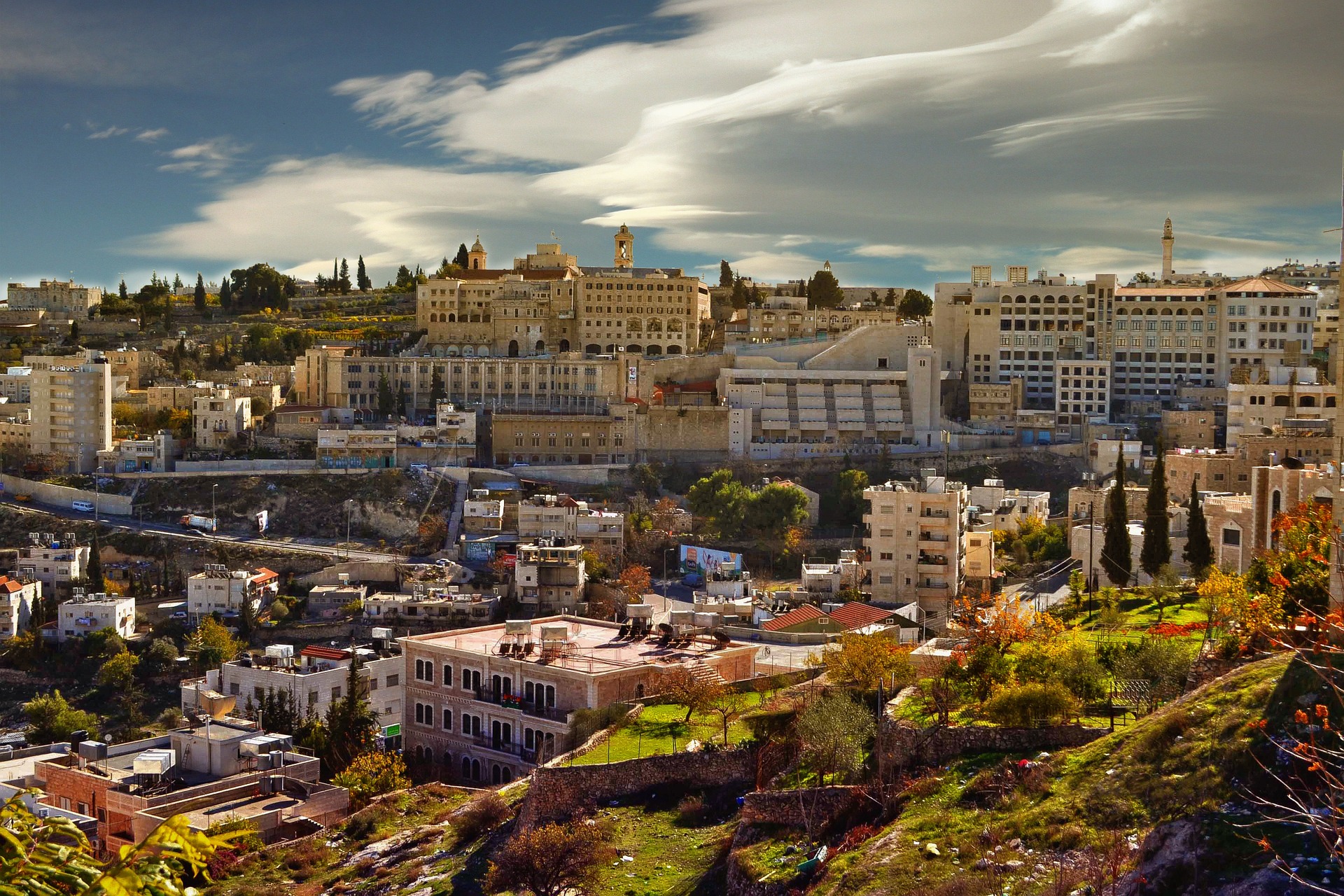
This fascinating tour of Jerusalem’s new city and Bethlehem focuses on Christian sites. Visit Ein Kerem, a village-within-a-city with quaint stone houses, and vibrant gardens. Ein Kerem is best known as the birthplace of John the Baptist. Stop at the Church of John the Baptist which was built where John the Baptist’s parents, Elizabeth and Zachariah had their home. The family also had a summer house on a hill overlooking Ein Kerem where the Church of the Visitation now stands. It was here that Mary visited Elizabeth before John the Baptist’s birth (Luke 1:24). Also, see Mary’s Spring where Mary met Elizabeth as she collected water. Leaving Ein Kerem, the tour takes you to Israel’s most important museum, the Israel Museum for a brief guided tour. Visit the adjacent Shrine of the Book that houses the Dead Sea Scrolls; ancient religious manuscripts dating back to c.408BC. The tour continues to an observation point overlooking the Valley of the Cross in Western Jerusalem. Tradition holds that Christ’s cross was made from a tree that grew in this valley. In the valley stands the 11th century Greek Orthodox Monastery of the Cross. Next, take a drive through the streets of new Jerusalem past iconic locations such as Yad VaShem, Mount Herzl, Kyriat HaMemshela (the government precinct), and picturesque neighborhoods.Leave Jerusalem and drive towards Bethlehem, the town of Christ’s birth. In Bethlehem visit the Nativity Church, built in the 4th century around the Holy Grotto where the nativity took place. Between Jerusalem and Bethlehem see the fields where shepherds watched their flocks on the eve of Christ’s birth. Stop at the Shepherds’ Field Chapel of the Angels. This tent-shaped chapel was designed by Antonio Barluzzi and features beautiful paintings depicting scenes from the night of the nativity.Additional Options in the Area:1. Yad Vashem Holocaust Museum2. Mount Zion:King David’s Tomb and the Room of the Last Supper3. Garden Tomb, site of Jesus’ burial according to Baptist tradition4. Lookout point Armon HaNatziv (Haas Promenade)5. New neighborhoods of Jerusalem6. Mar Saba Monastery (Holy Lavra of Saint Sabbas)7. Herodion National Park

Jerusalem New City Jewish Private Tour

This private tour of Jerusalem’s new city starts with a panoramic view across the city from Armon HaNetziv lookout point (Haas Promenade) in the East Talpiot neighborhood. In the distance, you can see the Judean Hills and Judean Desert to the south. The tour takes you into Jerusalem’s new city, through the most interesting neighborhoods. On route see important landmarks such as the Knesset (Parliament Building) and the Supreme Court building. Drive through the up-market Rehavia neighborhood, and past the Ottoman-era First Station, now a converted shopping and dining complex. See the luxury King David Hotel, and get a glimpse of quaint neighborhoods in Jerusalem’s new city that tourists don’t usually see. Next, visit the Great Synagogue, which can accommodate up to 1,400 worshipers and holds a comprehensive collection of mezuzah cases. The tour continues to Jerusalem’s Me’a She’arim neighborhood where ultra-orthodox residents still live by fundamental religious laws. The next stop is Jerusalem’s Machane Yehuda market where open-air stalls sell fresh produce, baked goods, meat, fish, and household items. The market eateries are known for their delicious cuisine and you can opt to stop here for lunch or a tasting menu. Visit the Israel Museum, the country’s largest cultural institution, and a world leader in art and archaeology. On the museum campus is the Shrine of the Book that holds the Dead Sea Scrolls that date back to c.408BC, and are the oldest copy of the First Testament in existence. The complex has a scale replica of Jerusalem as it would have looked during the Second Temple Period. The final stop on this private tour is the Yad Vashem Holocaust Museum. Here you can see authentic artifacts, video testimonials from Holocaust survivors, historic photographs, and documents all presented in state-of-the-art exhibits.Additional Options in the Area:1. Ammunition Hill2. Bible Lands Museum3. Rockefeller Archaeological Museum4. Tomb of King David on Mount Zion5. Mishkenot Sha’ananim, the first Jewish neighborhood built outside the Old City walls6. Tasting tour of Machane Yehuda Market7. Knesset, the Knesset Menorah, and the Rose Garden8. Supreme Court9. Biblical Zoo10. Nahon Museum of Italian Jewish Art11. Ein Kerem12. Mount Herzl13. Israeli National Military Cemetery

Mount of Olives Churches Private Walking Tour

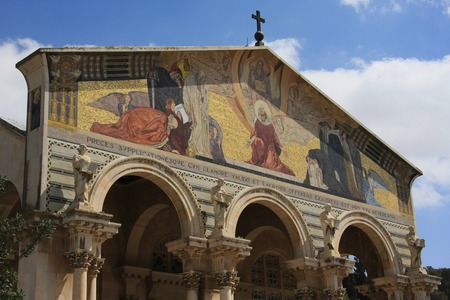
The Mount of Olives was the site of many significant Biblical events and is home to beautiful churches and important landmarks like Bethphage. The Sanctuary of Bethphage is the starting point for the annual Palm Sunday procession that recalls Christ’s entrance into the city. The tour continues to the Russian Ascension Church (may be closed on some days) where according to Russian Orthodox tradition Jesus ascended to heaven.Next, the tour stops at the 4th century Pater Noster Church. Since the 4th-century churches have been constructed at this site where Jesus taught his disciples the Lord’s Prayer. In the church,courtyard are ceramic plaques bearing the Lord’s Prayer in languages from around the globe. The tour continues to the Chapel of the Ascension, which holds a slab of stone with a footprint believed to be where Jesus stepped up to heaven. The Dominus Flevit Church is a beautiful teardrop-shaped sanctuary where you can look out over the city as Jesus did. See the 3,000-year-old Jewish Cemetery on the slopes of the Mount of Olives and tour the Russian Orthodox Mary Magdalene Church (open only on Tuesdays and Thursdays for a short time so it may not be possible to include this stop). This church was built in 1888 and has the distinctive 16th-17th century tent roof style with gilded onion domes. Stop at the Church of All Nations, with its beautiful golden mosaic above the entrance.Continue to Mary’s Tomb, which according to Eastern Christian tradition is the burial site of the Virgin Mary. At the foot of the mount, in the Kidron Valley see the Yad Absalom Tomb alongside tombs from the Second Temple Period that would have been built in Jesus’ lifetime. Ascend the Ophel Promenade alongside archaeological gardens and walk the length of the Temple Mount’s eastern wall. See the sealed Gate of Mercy or Golden Gate which is said to be where the Messiah will enter the city (Ezekiel 44:1-3). The tour ends with a look back at the Mount of Olives from the direction of Temple Mount.

Jerusalem Old City Private Jewish Tour

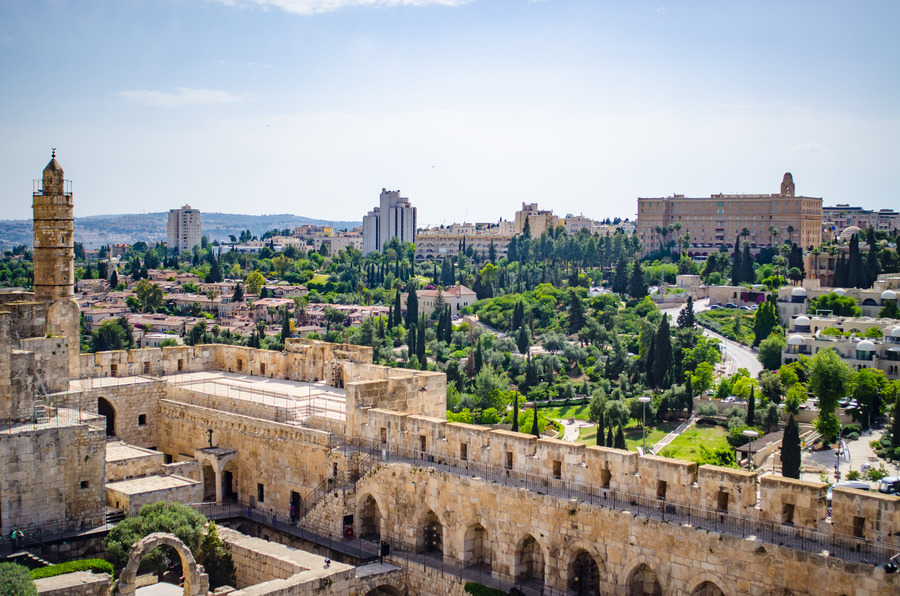
The tour starts with a panoramic view across Jerusalem’s cityscape. Next, take a walk along the Ophel Promenade past the Ophel Archaeological Garden between the Old City Dung Gate and the Gihon Spring. The excavated ruins found at this site trace Jerusalem’s history back 2,500 years. The tour continues to the Mount of Olives, the site of a 3,000-year-old Jewish cemetery. At the foot of the mount is the Kidron Valley and several monumental rock-cut tombs including the tomb of Absalom, the rebellious son of King David. Next, visit the excavated City of David, the site of King David’s palace, and several ancient water tunnels including the 3,000-year-old Hezekiah tunnel. Get a view of the southern wall excavations then continue to the Western Wall. Here you can take a moment to place a prayer note between the wall’s massive stones. Tour the Old City’s four Sephardic synagogues, built between the 16th-18th centuries. These synagogues once formed a complex of Sephardic sanctuaries. While in the Jewish Quarter take a look at the Cardo, an excavated Roman thoroughfare. With prior arrangement, it is possible to visit the Hurva Synagogue, originally constructed in the 18th century and destroyed and rebuilt several times over the years. It retained the name “Ruined Synagogue” or Hurva as a reminder of the building’s history. The last stop on this private tour is at the Tower of David Museum, housed within an Ottoman-era citadel built on the site of a series of fortified structures dating back to the 2nd century BC. The museum covers the history of Jerusalem told through authentic archaeological findings displayed in the citadel chambers and courtyard.Additional Options in the Area:1. Excavations of the Kotel (requires prior arrangement)2. Temple Mount, once the site of the Jewish Temple.3. Davidson Center, excavation of the Southern Wall4. The Herodian Quarter (The Burnt House)5. Rooftop lookout point in the Old City6. A tasting tour of the Old City market: special humus, superior Arabian coffee, and more.7. King David’s Tomb, Mount Zion8. Church of the Holy Sepulcher9. Via Dolorosa

Temple Mount and Herodion Private Tour

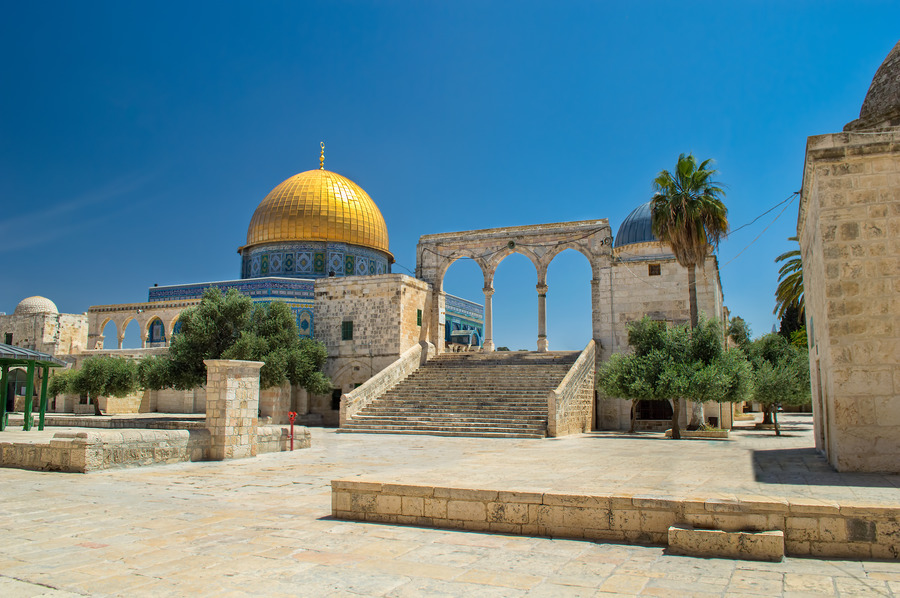
Enter Temple Mount, the massive open plaza that takes up a 6th of the Old City in Jerusalem. Over 2,000-years-ago the Sanhedrin (Jewish council) agreed to let King Herod build the Second Temple which took 46 years to construct and was completed in 20AD. He extended the masonry platform on Temple Mount and made it the most beautiful temple in the ancient world. Jews traveled from far and wide to make three annual traditional pilgrimages to the Temple. Herod gained permission from the Sanhedrin to build the Court of the Gentiles so that gentiles could admire the architectural marvel, without entering the Temple itself. Today, Temple Mount shows no trace of the Grand Temple. See the structures on the mount including the Golden Gate, Scale Arches, the Dome of the Prophet, Dome of the Chain, and the remains of a wall that may date back to the Hasmoneans. Also, see Al-Aqsa Mosque, and, the Dome of the Rock (completed in 692AD) with its famous golden dome. Your guide will tell you about the Koran story of Muhammad’s Night Journey to the Furthest Mosque which has been associated with the Al-Aqsa Mosque despite no mention of Jerusalem in the Koran. Also, learn about Temple Mount’s religious and political significance. Leave Temple Mount in the direction of the Western Wall, a remnant of the Second Temple’s retaining wall, and the most sacred Jewish site in the world. Look down upon the Davidson Center where you can see the excavated Temple Mount's southern and western walls.Transport will be waiting at the Old City Dung Gate to take you to Herodium, another of King Herod’s massive construction projects. The king had a small city, and a palace-fortress built at Herodium; It was the most elaborate structure of its kind in the ancient world with towers, bathhouses, courtyards, columns, fountains, frescoes, cisterns, royal quarters, and a theater. Herod ordered a mausoleum built at Herodium where he could be buried after his passing. When preparing the mausoleum, a massive dirt embankment was added around the palace-fortress creating a conical-shaped hill. The tour takes you to the hill-top site and through the excavated structures. Herod’s burial tomb was uncovered by archaeologist Ehud Netzer, who searched for Herod’s tomb for thirty years before finding it just two years before he died after a fall at the site of the tomb.Additional Options in the Area:1. The Western Wall excavations. Due to restrictions, a visit must be arranged at least 21 days ahead of time or entry is on a first-come basis depending on available space each day.2. The Davidson Center and the Southern Wall excavation.3. The Herodian Quarters.4. Tower of David at Jaffa Gate.

In the Footsteps of Herod Private Tour

Start the tour with a drive to Masada, an incredible rock outcrop that rises out of the Judean Desert and looms over the Dead Sea. Tour the archaeological remains of Herod’s palace-fortress built on Masada’s plateau summit. Masada was Herod’s first great fortress, constructed in c.30BC. The king chose this location for its natural defensive advantages and, as an escape from the city. Tour the site including storerooms, guardhouses, and traditional Roman bathhouses with beautiful frescos. See the fortified double wall, Herod’s northern palace, and the western palace that was intended for guests. Following Herod’s death, Masada became a Roman garrison and the scene of a dramatic standoff between Jewish zealots and Roman troops in the Great Revolt of 63AD-70AD. See where the Jewish zealots turned Herod’s stables into a synagogue and where Roman soldiers broke through the fortified walls to end the standoff. Also, see the remains of a Byzantine-era church and learn about the ingenious water system that supplied fresh water to the remote fortress. Leaving Masada, the tour takes you past the site of the Good Samaritan Inn, where Jesus set his famous parable. Approaching the Wadi Qelt gorge, you will have a view of the 1,500-year-old Saint George’s Monastery built into the dramatic Wadi Qelt cliffs. Continue to the archaeological remains of Herod’s palace at the entrance to Wadi Qelt near Jericho. Herod built his magnificent winter palace on the remains of earlier Hasmonean palaces. The elaborate complex was built in three stages with the largest section constructed on both sides of Wadi Qelt connected by a bridge across the valley. Tour the excavated site that reveals the luxurious lifestyle of Herod the Great with its swimming pools, ornamental gardens, reception rooms, courtyards, royal living quarters, and bathhouses.Additional Options in the Area:1. Visit Qumran where the Dead Sea Scrolls were discovered.2. Ein Gedi Nature Reserve and a walk along the banks of David Stream or Arugot Stream.3. Take a swim in the Dead Sea.4. Visit Mount Sodom and the Flour Cave.5. Take an exhilarating desert jeep safari.6. Watch the Sound and Light Show at Masada.7. Full day at Masada, with an in-depth tour of the site including the southern section. You can include a hike to Masada; a walk up the Snake Path to the plateau summit or the longer, challenging hike trail that connected the Roman siege camps plus a visit to the cisterns on the northwestern cliff of Masada.

Full-Day Masada Private Tour

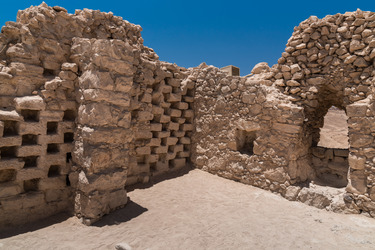
This private tour starts in the afternoon with a drive south, through the Judean Desert to Masada, a steep mountaintop plateau overlooking the Dead Sea. Take the cable car to Masada’s flat summit where King Herod built his massive palace-fortress in 30BC. Spend the rest of the day, touring the UNESCO-listed archaeological remains on Masada. Herod chose this remote site for its steep 450m-high (1476ft) cliffs that acted as a natural defense against attacks. He added fortified walls to make the palace even more impenetrable. In the event of a revolt, Herod planned to retreat here with his court. The palace-fortress was designed to ensure that he would be able to live on Masada for as long as necessary. See the large storerooms that would have held supplies and the vast cisterns carved into the rock to store water for drinking and irrigation so that there would be a permanent food supply. Herod’s engineers devised a system of channels and aqueducts to gather water that flowed from the Judean Mountains. See Herod’s northern palace, built on two levels over the edge of the northern cliff. Also see the western guest palace, the magnificence Roman bathhouse with mosaic floors and frescos, and the remains of a Byzantine-era church. Tour the synagogue built many years after Herod’s death, by Jewish zealots during the Great Revolt of 63AD-70AD. The rebels remained on Masada, holding out as long as they could against Roman legions that gathered at the foot of the mount. Eventually, after a long siege, the Romans broke through Masada’s fortified embankment only to find that the rebels had chosen suicide rather than be caught and surrender their freedom. This dramatic event turned Masada into a symbol of Jewish determination to be free in their land. As the sun sets, take a short walk down Masada’s Roman battery footpath to see the Masada Light and Sound Show. The show uses light projected on the ancient cliffs, pyrotechnics, and sound effects to tell the story of the Jewish rebels of Masada. This awe-inspiring show ends at 21:00 and you should arrive back in Tel Aviv by about 23:00.

Ein Gedi Nature Reserve Private Tour

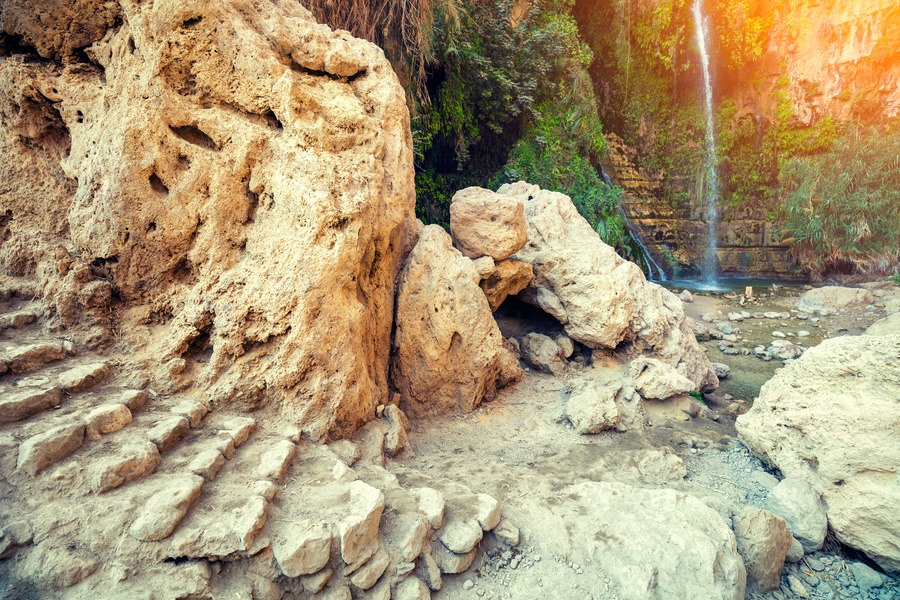
This exhilarating private tour starts when you are picked up and transported in a comfortable, air-conditioned vehicle to Ein Gedi Nature Reserve. Ein Gedi is an oasis in the Judean Desert, on the shore of the Dead Sea. The reserve is famed for its streams and lush vegetation that offer a respite from the harsh desert heat. The oasis attracts animals including the ibex that walk along the narrow cliff ledges that flank the streams. The tour of Ein Gedi is on-foot and lasts about 3 hours following the route of Arugot Stream. Along the way, there is a chance to stop and swim in the natural pools formed by waterfalls gushing through openings in the surrounding rocks. After the hike, stop at the adjacent Ein Gedi Kibbutz to see an excavated 1,500-year-old synagogue. The main feature of the synagogue remains is a beautiful floor mosaic of geometric shapes. One of the inscriptions on the mosaic alludes to a mysterious secret the community had. The incredible mosaic was discovered by accident in 1965 when the kibbutz was installing water pipes. Among the findings was an ancient scroll of Leviticus. The synagogue is proof that Jewish communities were living in the Judean Desert at the time. The last stop on this private tour is the kibbutz Botanical Garden. Here local plant species and others brought from around the world can be seen side-by-side. There are exotic plants, endangered plant species, baobab trees, olive trees, pomegranate trees, and fig trees. The gardens include a cactus section, a statue garden, and a palm garden. There are several observation points where you can look out over the gardens and along the Dead Sea shore to Mount Sodom.Additional Options in the Area:1. Hike David Stream2. Visit Masada3. Tour Qumran, where the Dead Sea Scrolls were discovered4. Swim in the Dead Sea

Stalactite Cave and Beit Guvrin Private Tour

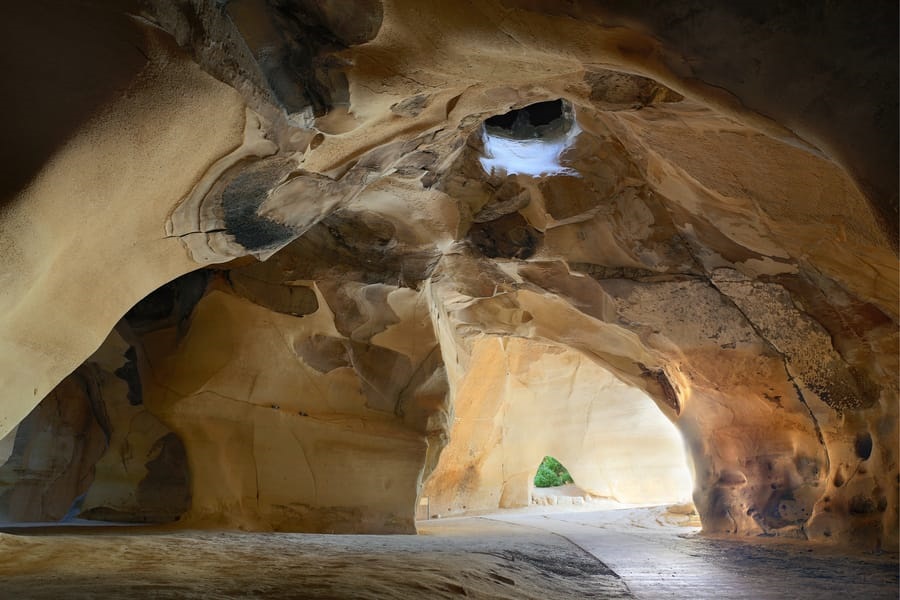
Start the day with a drive through the Judean Hills, an area known for its Biblical cities, and thousands of caves. We reach the Stalactite Cave Nature Reserve that is home to Israel’s largest stalactite cave, also known as Avshalom Cave or Soreq Cave. Walk into the cave to see stunning stalactites hanging from the ceiling and stalagmites rising from the cave floor. The Stalactite Cave has been lit to highlight the different rock formations in the cavernous space.The tour continues to Beit Guvrin. On route, we see the remains of a Roman road that once stretched from Gaza to Jerusalem. We drive through Elah Valley, known for its many archaeological sites and fields of wildflowers in the spring. We reach Beit Guvrin National Park that encompasses an archaeological mound identified as the Biblical city of Maresha. See the impressive remains of the Maresha caves including columbarium caves, underground cisterns, and cavernous bell caves. Take a look at the remains of a Roman amphitheater before we continue to our next stop. Tel Azekah is an archaeological mound identified as the site of a Biblical settlement, named in Joshua 15:35. The settlement would have been encircled by a defensive wall, with a fortress, and water cisterns. From the Tel Azekah observation point, we can look out over Elah Valley, and see where David is believed to have fought Goliath (Samuel I 17). The last stop on this private tour is at a winery in Israel’s Lowlands between the Judean Hills and the coastal plain. End the day in this idyllic setting surrounded by vineyards and rolling green hills, before being returned to your hotel.Additional Options in the Area:1. Park Canada2. Beit Jamal Monastery (Monastery of the Silent)3. Abu Ghosh4. Mitzpe Massua Lookout Point Park Britannia5. Walking wildflower trail in the area, January to April

Tel Aviv Food Tour: The Magic of Carmel Market

This Tel Aviv food tour is a must for every foodie, history lover, and culture buff alike! You’ll discover the city’s most famous outdoor market where the sounds, aromas, and colors will wake all of your senses.You'll start in the pedestrian streets of Nahalat Binyamin, the famous bohemian neighborhood, all filled with captivating Bauhaus architecture. You'll enjoy the sights and move on to the main attraction: Established in 1920, Carmel Market is the largest in the city - Fresh produce is piled high, meat is cut to order, spices are sold out of large sacks and fishmongers sell the catch of the day. The market has become a foodie destination, with many artisan food stalls and small eateries; Israeli cooking was Influenced by Marocan, Egyptian, Lebanese, Yemenite, Ethiopian, and even Persian Kitchens - and you’ll feel this variety in every bite.Our guide will take you to the best stalls and spots, for hours of mouth-watering fun: You’ll try the famous local shawarma, with succulent layers of marinated meat expertly grilled to perfection; You’ll fall in love with the pastries, the artisan Cheeze, and the best Falafel you’ve ever tasted; and be surprised by the creamy hummus, silky smooth tahini and vibrant, tangy pickled vegetables.After a taste of sweet desserts served just in the right portions, you’ll have a chance to try Israeli liquor as well - from original local Beers to the delightful sting of Arak.The mixture of food on sale in Carmel Market is a testament to the diverse ethnic groups that have settled in Israel and brought with them traditional foods - and your tour guide will introduce you to them all, and show you their place in the special market culture. Your tour will go pastKerem HaTeimanim, another colorful neighborhood, with plenty of photo-ops and wonderful little restaurants favored by locals for over 100 years.
Inside Petra, Jordan : 5 Things the Locals Won't Tell You

It’s no surprise that Petra is Jordan’s most impressive and visited attraction…and if you do visit, like everyone else before you, you are bound to be overwhelmed by its natural beauty.Exploring the site, from walking through narrow gorges to the amazing Petra Treasury, strolling colonnaded streets, exploring the ancient Royal Tombs, and climbing the spectacular Petra Monastery something that is hard to forget.But like any world-famous site, there are a few things you need to know before you arrive to thePetra Archeological Park: the ‘Inside Petra’ story if you like, to make sure you don’t end up compromised, uncomfortable, or parted from excess cash. Here are five things we think you should know before you visit, that will stand you in good stead for the trip of a lifetime.1. Set the price for horse/camel/donkey riding upfrontWhen you arrive inside the site of Petra, you’re going to have a choice to make - are you going to walk through the Siq Passageway or be driven? And not by a cab either - rather a horse-drawn carriage! As you continue on through the site, there will be other opportunities for you in the form of renting a donkey to take you up the Monastery’s steep stairs, or camel riding in front of the Treasury (it’s a very popular Instagram picture!).The Petra TreasuryPutting aside the complicated question of how well these animals are treated by their owner (some better than others apparently), if you want to hire any of these services, it’s incredibly important to agree to the price upfront.There are scams all over the world at tourist attractions, and the most well-known ones here are that you’re told that your carriage ride is included in the price, but then - later - hassled to give an enormous tip. The same thing happens when you’re offered a ‘free donkey ride’ the then presented with an eye-watering bill later.Donkey rides in PetraAlways agree on a price beforehand and if you do encounter any problems with aggressive vendors, don’t hesitate to call upon one of the tourist police at the site.2. Act in line with Jordan’s cultural normsWhilst Jordan is a popular tourist destination for Westerners, and quite progressive by Middle Eastern standards, it’s still important to remember that it remains quite conservative, socially and culturally.And whilst Jordanians are friendly people, and might not tell you to your face if they’re uncomfortable with something, you will feel it if you don’t dress and act in line with cultural norms.A tourist visiting a Bedouin tent in JordanThis means adopting modest attire, both for men and women. Women should avoid tight dresses and tops with spaghetti straps - it’s also worth carrying a scarf, which you can use to put over your head, should you wish to visit a holy Muslim site. Men should avoid shorts. Whilst homosexuality is legal, public displays of affection from couples (whatever their orientation) are generally frowned upon.Moreover, public drunkenness is considered very offensive - in fact, some hotels and restaurants don’t even serve alcohol. And, of course, if you’re visiting Petra during Ramadan, it’s a good idea not to eat or drink publicly, since many of the locals will be fasting from sunrise to sunset.3. Bring your own food and drink when exploring PetraUnlike certain sites, you are allowed to bring your own food and drink into Petra, and this really is a good idea. Why?First of all, you’re going to need plenty of fuel, since it’s easy to rack up thousands of steps here. Secondly, you might end up in remote parts of the site, where there’s absolutely no means of grabbing even a snack, let alone a real lunch. And thirdly, however much water you think you will need, you’ll probably need more. Drink more, as much as you can!Keeping hydrated is imperative - you’ll be tired without food but it won’t affect you in the same way as going without liquids for a few hours - particularly in the scorching summer months.If you’re staying at a hotel, ask them to give you a doggie bag for breakfast, or pay for them to pack a lunchbox for you. Fill up reusable water bottles before you leave and/or pick up bottles of water at a local supermarket.Another thing that’s good to carry is small bags of dried fruit and nuts and some energy bars. These are all light but will really keep you going when you’re trekking around. There is a restaurant in Petra - the Basin - which is en route to the Monastery. It’s owned by the Crown Plaza and serves a decent buffet, but if you want to save money, or aren’t in the area, bring what you need with you!4. Allow at least two days for your visit to PetraWhilst it’s certainly possible to take a day trip to Petra, and many people do, the fact is that you’ll probably regret not spending more time there, once you’ve left.This incredible Nabatean city, carved out of red rock and abandoned for hundreds of years, before being stumbled upon in the 19th century by a Swiss explorer, isn’t a UNESCO World Heritage site for nothing. Actually, today it’s regarded as one of the Seven New Wonders of the World, and with good reason. Few visit Petra and don’t come away in awe - and if you only take a day trip, there’s a lot you will miss out on seeing.The incredible Petra Monastery; trust me, you won't reach it if you have just one dayMoreover, if you stay overnight in Petra, you can rise early and be at the gates when they open (7am). You’ll be one of the first to walk through Siq passageway, catch a glimpse of the Treasury then head off to more far-flung areas, like the Monastery, long before the crowds have arrived.There’s also ‘Petra by Night’ where - three times each week - the area close to the treasury is lit up by thousands of candles. If you go, you’ll be treated to a traditional Arabic music performance, and get to see this astonishing lost city illuminated by nothing more than flickering lights - and it truly is quite a sight.It’s possible to buy not just day tickets but two/three day passes to Petra (they aren’t much more costly than the day ticket) and we’d definitely encourage you to - this way, you can take your time and really explore, without having to look at your watch every five minutes.5. A Guided Tour will upgrade your visitAs much as many travelers like to travel independently, if you’re visiting an archaeological site that has as much history to it as Petra, you really will get more out of it if you are using the services of a local guide.Tourists arriving at the Petra Archeological ParkPetra is far more than just the Treasury (which is the first - and often only place - that many visitors see), It is an enormous site, with different hiking trails, tombs, facades, and impressive ancient buildings. The guides all have incredible knowledge of the area, and can really bring the history of the Nabteans to life for you. Yes, you can walk around with a map and a book (or phone) but having small details pointed out to you by a pro - well, that’s something else.Also bear in mind that a local guide will speak the language, know the vendors, and can advise you on what kind of prices to pay for donkey hire, souvenirs, etc. And if you are visiting Petra from Israel, as part of an organized trip, our visa, transport, and accommodation will all be arranged for you - so no hassle whatsoever.
By Sarah Mann
0 views

8 Best hotels in Petra, Jordan (2023 special update)

Visiting the Lost City of Petra, in Jordan, is on many peoples’ bucket lists, and with good reason. Carved out of rock that changes color as the day progresses, there’s a reason that it’s been named one of the Seven New Wonders of the World and a UNESCO Heritage Site.And whilst it’s possible to make a day trip to Petra, if you really want to get the most out of your trip, you’ll need two or three days there, which means finding a place to rest your weary head.Petra has some amazing hotels!Luckily, Petra’s got accommodations to suit all tastes and budgets, from five-star luxury to modest hotels and authentic Bedouin lodgings. Let’s take a look at eight of the places you might want to stay if you find yourself making a trip to the ‘Rose City’ in the Jordanian desert. It's important to know these hotels when you travel independently, and also if you take a professionally arranged2 day Petra tour; many organized tour operators allow you to pick one of several hotels, and this way you'll know you weren't offered a lemon. 1. MovenpickLocated directly next to the Visitor Center in Wadi Musa, the Movenpick Resort is a five-star hotel in Petra that offers unrivaled luxury for the discerning travelerAll rooms have comfortable beds, fitted out with crisp, white linen sheets. flatscreen tvs, free wifi and desks. The adjoining walls are soundproofed (a nice touch) and bathrooms have bidets, hairdryers, and top-notch amenities.The Al Ghadeer roof garden in the Movenpick Resort, PetraThe Movenpick has a lovely swimming pool (perfect for cooling off after exploring the archaeological site) and a rooftop garden terrace, with beautiful views of the surrounding hills.Breakfast is good and plentiful, they have a ‘chocolate hour’ (a perk of the stay, included in a stay and hosted daily at 4pm) and their cocktail bar even offers fantastic concoctions! With attentive staff and very professional service, if you want to splurge, this is a good place to do it.2. Petra MoonFamily-run and family-owned, the Petra Moon Hotel is very close to the entrance to the Petra Archaeological Park and offers the visitors good bang for their buck, along with all kinds of lovely little touches (like bringing you mint tea and a cookie, on arrival).The rooms are of a reasonable size, breakfast is good with plenty of choice and the staff really go out of their way to make you feel at home - nothing is too much trouble.The Moon HotelThey also have a well-priced and tasty all-you-can-eat dinner buffet which is served on the rooftop (the lamb chops are highly recommended) and there’s a small pool there too. The only ‘downside’ is that they don’t serve alcohol in this hotel but other than that it’s a great choice for a stay in Petra.3. The Old Village ResortThis boutique resort is family-run and well-maintained and - like all properties that aren’t chains - has a style all of its own, with attention to detail that affords it a five-star rating.The entrance to the famous Old Village Resort in PetraAll across the resort are areas where you can sit and relax with a cup of Arabic coffee or mint tea, enjoying the stupendous views by day and spectacular sunsets as night arrives. All of the rooms are tastefully decorated (with local history and culture in mind) and there’s also an indoor swimming pool and sauna, for relaxation after a long day’s exploration.The rooms are spacious and well-designedIn terms of dining, the restaurant is excellent and services both local and international cuisine. Breakfast is good and the hotel goes out of its way not just to source local produce, but also to cater to special dietary requirements.Whilst it’s not right by the site (it’s 2km away from the Visitor Center) there’s a free shuttle at The Old Village, which will get you there in just 10 minutes.4. Petra Guest House HotelWhilst not the newest and most luxurious accommodation in town, the Petra Guest House Hotel is literally steps from the Visitor Center, making it by far and away the closest option to the site. The lovely Petra Guest House HotelGuests can choose between rooms or private chalets in this four-star accommodation, where you’re guaranteed a warm welcome - the staff at this hotel are reputed to be some of the most friendly and welcoming in Wadi Musa.The other thing that’s really cool about this hotel is the ‘Cave Bar’ (its claim to fame is that it's the oldest bar in the world).The ancient cave barCarved into the rocks, it’s a great place to chill out after a day of exploration, and as well as drinks they also serve a dinner and menu and even have bbq evenings.There’s also a piazza outside and an area where you can eat dinner but it’s popular so book ahead!5. La MaisonLa Maison is a very decent - and newly-renovated - three-star hotel, which is well-located (just a minute's walk from the Visitor Center) and offers the traveler good value for money.The rooms are compact but have all the amenities you need (kettle, tea, heaters in the winter) and, likewise, although the bathrooms are small the water pressure is still good.The spacious dining hall at La Maison Hotel, Petra You can enjoy a drink or a bite in the lobby bar, which is open all day, and the restaurant - Sahtain - serves dinner every night, buffet style.The cafe bar on its roof is perfect for summer evenings - it offers views of the desert, along with live Arabic music and the chance to try a famous ‘Shisha’ water pipe. In conclusion, La Maison is a good hotel to stay in if you're looking for clean, comfortable accommodation at a fair price.6. Petra Bubble LuxotelLooking for luxury combined with magnificent desert views and complete quiet? Then look no further than the Petra Bubble Luxotel, which - like the Old Village Resort - is set back a couple of kilometers from the Visitor Center.That being said, the desert views from your sleep bubble are astonishing and you can gaze up at the stars at night because there’s a transparent roof! Even better, you’ll have access to a jacuzzi, which is a great place to soak your weary body after a day walking around Petra.The Petra Bubble LuxotelThe food is buffet style, there is live entertainment each evening and in the winter, you will have heaters brought to your bubble (though remember it’s the desert, so bring some thermals if you’re a cold morsel). Finally, they don’t serve alcohol so if you’re partial to a tipple, bring some in your suitcase.7. Rocky Mountain HotelThis small family-run hotel in Wadi Musa is an excellent option for those who are looking for competitively priced accommodation. It’s not super close to the site. But the bedrooms - whilst small and basic - are clean and comfy, and they all have private bathrooms.The Rocky Mountain HotelThe other thing that’s nice about this hotel is that they offer a very early breakfast, so you leave the hotel in good time for the gate opening. They also have very good value lunch boxes that you can order the previous night. On the rooftop terrace, coffee is served all day and you can eat dinner at night.8. Little Petra Bedouin CampIf you’re looking for budget accommodation that doesn’t make you feel like you’re on a budget, then there’s no better place than to head to the Little Petra Bedouin Camp. Now compared to the other hotels here, this is a little further away from the main site - it’s actually closer to Little Petra (which anyone visiting Petra with children will appreciate).Something else that guests rave about is the atmosphere here - it’s a great way to immerse yourself in traditional Bedouin culture, since there are meals around the fireplace at night, complete with entertainment, hookahs, mint tea, etc.The Little Petra Bedouin CampYou’ll need a car to get to Petra itself (it’s about a 15-minute drive) otherwise you can order a cab. Alternatively, hike to the back entrance of Petra (which most people don’t know exists!) and start exploring from there.If you’re interested in seeing Jordan for yourself, then why not take one of our organized Petra Tours from Israel - with everything - from visas, transport, and accommodation - arranged for you and expert local guides to accompany you as you explore, it’s a trip you’re unlikely to forget.
By Sarah Mann
0 views

Discovering Israel: How to use Jerusalem as a Staging Point

Jerusalem - mysterious, evocative, ancient, vibrant, spiritual…and the list goes on. For anyone making a trip to Israel, the holy city of Jerusalem has to be at the top of the list. Home to three major world religions, an Old City that dates back thousands of years, world-class museums and endless neighborhoods full of winding streets and cobblestones, this is a city that will always leave you wanting more.It’s not surprising then that many people choose to base themselves in Jerusalem when traveling to Israel, and rather than move around the country, simply travel to other cities and towns for sightseeing, returning when night falls.How Easy Is It to Make Day Trips in Israel?Much easier than you’d think actually, since not only is Israel a small country (the size of New Jersey) but it also has excellent infrastructure, including modern highways and cheap, reliable, and efficient public transport. Jerusalem during sunriseThis means that you're spoiled for choice when it comes to making a day trip - you can rent a car in Jerusalem, travel around independently using buses and trains, or take an organized day tour in Israel. Whether you feel like being adventurous and hitting the road alone, or you’d prefer an organized mini-tour or day tour with the services of a guide, it’s really up to you.Using Jerusalem as a staging point is also a good idea because the city really has so much charm and beauty, a day or two can’t do it justice. So stay awhile, settle in, marvel at its history, culture, and vibrancy, and then when you feel like a change, hit the road and head to another part of the country.The Israeli capital is well connected, with an ultra-modern train station and Central Bus Station (from which all buses listed below depart. The train and bus station are next door to each other and can easily be accessed from downtown and the Old City using the Jerusalem light railway. All public transport begins early and ends close to midnight, save for Shabbat (the Israeli Sabbath (Friday afternoon to Saturday evening), when you’ll have to rent a car to get out of town.Tour buses are a great way to see Israel from JerusalemHere’s our practical guide to a few of the places that need to be on your ‘bucket list’ when in the Holy Land, to make sure you get the most out of your trip:How far is Tel Aviv from Jerusalem?Distance: 54 km (33 miles)Bus Number: 405, 480 or a 45-minute train rideWhy go there?Tel Aviv is known as the ‘Non-Stop City’ within Israel and worldwide, famed for its sandy beaches, foodie scene, Bauhaus architecture, street art, and nightlife. Whether you want to enjoy the Mediterranean and get a tan, sit in cafes, wander the ancient streets of Jaffa, or party until the sun comes up, this is the city in which to do it.The beaches are awesome! visit Tel Aviv from JerusalemTours you can take: If you love vintage and retro items, take a tour of the Jaffa Flea Market in this beautiful port city at the edge of Tel Aviv. Hipsters will enjoy a Street Art Tour of edgy neighbourhoods and anyone hankering after some traditional Middle Eastern food should not miss a journey around the Shuk ha Carmel.How far is Masada from Jerusalem?Distance: 54 km (33 miles)Bus Number: 486Why go there? This ancient Herodian fortress, set in the wilderness of the Judean desert, is quite magnificent and whether you choose to climb up early and watch the sunrise or take a cable car ride up, the archaeological treasures you’ll find atop won’t disappoint. Masada is also just a 30-minute drive from the lowest spot on earth - the Dead Sea, famed for its salty waters and if you set off early, you can easily enjoy both in a day.Masada FortTours you can take: The day trip to Masada and the Dead Sea tour we offer is one of our best sellers and if you take it, you’ll soon understand why - two unique attractions in a few hours. How far is the Galilee from Jerusalem?Distance: 118 km (73 miles) drive, 176 km (110 miles) by bus Bus Number: 962 to Tiberias (the capital of the county).Why go there? The north of Israel is astonishingly beautiful and the Sea of Galilee is a must-visit on any trip to Israel - you can take a boat trip on the water, visit many of the churches where Jesus ministered, stop for a fish lunch at Ein Gev kibbutz and watch Christian pilgrims being baptized in the Jordan River, at Yardenit. And if you have more than a day, head north to the Golan Heights to enjoy vineyards, fortresses, and some incredible nature reserves.The Sea of GalileeTours you can take: The Caesarea, Acre, and Rosh Hanikra Tour is highly recommended, and so are the Christian Sea of Galilee Tour, and the Golan Heights private tour-for those who like to combine culture, history, and some pristine, wild nature.How far is Eilat from Jerusalem?Distance: 314 km (195 miles)Bus Number: 444Why go there? Located on the Red Sea, Eilat is a fantastic place to go for some ‘chillout time’ - whether you want to soak up the sun, learn to dive, swim with dolphins, jet ski, hike in the nearby Timna Park, ride a camel or dance the night away, it’s the ultimate fun party spot in Israel and you’re usually guaranteed bright sunny days.Water sports in EilatTours you can take: Eilat sits on the border with Jordan so why not visit Petra, one of the seven New Wonders of the World? Rise early and go for a 1-day Petra tour from Eilat or stay overnight and combine Petra and Wadi Rum, in a desert experience that you’ll never forget.How far is Nazareth from Jerusalem?Distance: 145 km (90 miles)Bus Number: 955Why go there?Nazareth isn’t just the birthplace of Jesus Christ and home to the largest church (the Basilica of the Annunciation) in the Middle East, it’s also the largest Arab-Israeli city in Israel, and home to Jews, Muslims, and Christians alike. It has a bustling open-air bazaar, selling all kinds of traditional produce and - by car - is just a 35-minute drive from the Crusader city of Acco, home to an ancient harbor, a Templar's Tunnel, Knight’s Hall, and Turkish Baths.Inside the Church of AnnunciationTours you can take:For anyone interested in history and theology, a day tour of Nazareth and the Galilee is the way to go, giving you the opportunity to see the places where Jesus grew up and then ministered, performed miracles, and recruited his disciples.How far is Bethlehem from Jerusalem?Distance: 11 km (7 miles)Bus Number: 163Why go there?Bethlehem is the birthplace of Jesus Christ, so a real must-see for Christian pilgrims but also anyone interested in religion and history. It’s a hop, skip, and a jump from Jerusalem although be aware that it is in the West Bank and under the legal control of the Palestinian Authority. If you feel nervous, don’t hesitate to book an organized tour, where everything will be taken care of for you, including the crossover at the checkpoint.The inner yard of the Church of NativityTours you can take:A great idea for a day trip is to combine three places in one, on a tour of Bethlehem, Jericho, and Qasr al Yahud. This way, you can see the Church of the Nativity and Manger Square, stroll around the ancient city of Jericho (where Joshua fought a battle!) then continue onto the Jordan River, where John baptized Jesus.If you’re interested in booking any of the tours listed here and would like further information first, don’t hesitate to contact us at Bein Harim - we’re here to make sure you find the trip that’s right for you and make your holiday one you will never forget.
By Sarah Mann
0 views

Israel Protest 2023: the Complete Guide for Travelers

The mass demonstrations and unprecedented civil unrest that’s currently being witnessed in the Holy Land aren’t violent but could disrupt your travel plans. How deep is their impact on travelers, and what can they do to avoid hurdles and make the most of their vacation in Israel?Israel is a much-loved holiday destination for tourists, filled with holy sites and magical sights, interesting food, and warm people. But in the last months, the Holy Land is in turmoil: thousands of citizens, from all walks of life, have been taking to the streets of Tel Aviv and Jerusalem regularly, protesting Prime Minister Netanyahu’s proposed judicial reform because they fear possible repercussions for civil rights.The question is, can you still visit Israel and take in all of its splendor? How will the protest affect your itinerary and experience? This guide will cover every possible scenario, to make sure your vacation in Israel won’t run into unexpected difficulties.What is the Protest in Israel about?The protests began in early 2023 in response to the ruling government's push for a wide-ranging judicial reform. This reform, if passed, would strip the Supreme Court of its power to strike down government actions as "unreasonable" and would also change how Judges are appointed. Protesters see this proposed overhaul as a power grab by Prime Minister Benjamin Netanyahu and fear that the changes would not only weaken the independence of the judiciary and make it easier for the government to crack down on dissent.The protests have been met with a mixed response from the Israeli public. Many Israelis support the reform, claiming it is necessary to rein in the power of the Supreme Court and bring a new balance to the country's justice system. Others remain adamantly opposed to the idea, arguing that whilst Israel may certainly benefit from reforms, they should be carried out as part of public consensus, which the government clearly does not have at this moment.The protests have now continued for months, and there is no sign of them letting up. Nor is the government backing down either. The result is that hundreds of thousands of people keep marching and protesting, from the Israeli Parliament in Jerusalem to the highways of Tel Aviv and junctions all across the north and south of the country.Recently, the first bill of planned reform was passed by the government, and the result has been intensifying protests.Can I still visit Israel during the Protests?Yes, and many Americans and travelers from all around the world are touring the country just like before. It is rare for them to miss any of the country's main attractions, even in cities and towns most affected by the demonstrations. In fact, the main rallies - in Tel Aviv, Jerusalem, and Haifa - are held at designated times and places. So with advance notice, even on concentrated protest days - it is rather easy to plan your itinerary accordingly to avoid them.How Are Israel's Most Holy Places Affected by the Protests?No holy places in Jerusalem, Nazareth, Bethlehem, or any other site of Christian or Jewish importance are mentioned in any side's claims. Moreover, no holy site is close to the main protest locations in Israel. This means that travelers will have no difficulty whatsoever visitingthe Church of Sepulche in Jerusalem, holy sites in Nazareth, or any other religious site in Israeland the neighboring Palestinian Authority. How are the main tourist attractions in Israel affected by the Protests?Most of Israel's key tourist attractions are located far from protest areas. For example, the protestors' drums can't be heard from the famous Masada mountain fortress in the Judean desert, the famous Dead Sea, or the exquisite Ein Gedi nature reserve.MasadaFortress Our field operatives and survey teams found that most travelers had no problem visiting museums, galleries, historical sites, and shopping areas even within protest hotspots like Jerusalem and Tel Aviv. While there might be more traffic than usual, everything is open for business. Theaters, children's shows, festivals, concerts, and musical events are also going on just as before.Which Areas of Israel are Affected by Mass Protests?While protestors can be seen in every junction and road bridge across Israel, they won't impact your travel plans in any possible way. Israel’s protests peak every week at specific times, known locally as concentrated protest days. These will impact eastern Tel Aviv and the nearby Ayalon highway, and areas near the Knesset - the Israeli Parliament House in Jerusalem.Which are the Concentrated Protest Days?Mass protests in Tel Aviv and Jerusalem take place each Saturday and most Thursdays and usually start around 17:00 to 19:00. There are sometimes protests mid-week too, which begin around 13:00. On days in which the Parliamentis voting on new bills considered dangerous by opposers of the judicial reform, mass protests will start as early as 07:00, and may go on past midnight.How are tourists affected by the protests in Israel?Israeli people are very passionate in their views and could be described as hot-headed. Having said that, they all know very well that visitors have no stake in their national quarrel. So they won't try to draw you into their arguments or expect you to formulate a position regarding current affairs. The fact is that the atmosphere around the main tourist attractions across the country isn’t tense as one might expect, and remain rather inviting.Nevertheless, our research shows that mass protests may impact certain aspects of a visit to Israel. Here are the key disruption points, and possible solutions, tested and proved effective in minimizing any itinerary disruptions.1. Road BlockingAs you drive through Israel, you'll see flags and posters hung at many crossroads, and on hundreds of bridges. On occasion, you'll also see people standing there, waving flags in the air. The atmosphere is good-natured and you do not need to worry.But on concentrated protest days, certain key intersections, highways, and urban areas (in Tel Aviv and Jerusalem) are filled to the brim with hundreds of thousands of people. While not violent, these protests will clearly have an impact on traffic and might make detours necessary.Road Blocking in Tel Aviv: The main protest area in Tel Aviv is Kaplan Street, which leads down to the business district and major thoroughfares. This area is blocked every Saturday, beginning at 17:00. On some occasions, the protesters in Kaplan may move east as the protest wind down, towards the nearby Ayalon highway, and stand on the road, blocking traffic for 2-4 hours. Image: Yoav Aziz via UnplashProtestors also arrive from the west and block the junction of Yigal Alon Street and Hashalom Road. Habima Square is sometimes used as a staging point for protest marches, which set off there and then head north-east towards Kaplan. Traffic could also slow down, even to a standstill in Ramat Aviv in north Tel Aviv, near the Israel Museum.Protest areas in central Tel AvivRoad Blocking in Jerusalem: Israel’s capital has two protest areas. The first one is around the Knesset Parliament House, especially Rupin Street and Hazaz Boulevard. During concentrated protest times, the nearby Central Bus Station and the adjacent station may be very crowded, even overflowing. The second is on Balfour Street, close to the official residence of the Prime Minister - crowds often gather there on Saturday night, after the end of the Jewish Shabath.Protest areas in JerusalemWhat should I do?First, you should be aware of these major protest days. Remember that while protestors can be passionate, they are also reasonable: An advance notice of rallies and demonstrations is usually given and announced by local media. Tourists can also receive regular updates through the media - both in Hebrew and English.2. Airport blockingProtestors have blocked the main road leading to Ben Gurion International Airport three times in the last few months, usually for periods of between 2 to 4 hours.What should I do?If your flight is scheduled to leave on a day that airport protests are expected, make sure to leave in good time. We would advise arriving at the airport at least 2 hours before a protest is due to begin, and to make your way there by train, rather than taxi.3. Bus/Train DelaysMany Israelis will be using central bus and Train stations on days of concentrated protest, especially when the event is in Jerusalem. This could result in delays, long lines, and a more stressful atmosphere than normal.What Should I Do? Take a taxi from your hotel to the area you are visiting. These are not very cheap in Israel, but the drivers are very resourceful and can and will quickly find routes that bypass key protest locations. Alternatively, hire a bicycle, an electric scooter, or even walk.4. Mobile Data IssuesMany tourists experience mobile data issues – slow connections and temporary disconnection - when they pass near key protest areas on concentrated protest days. The reason is probably the prioritization policy of roaming mobile devices on local network nodes; local users tend to get better reception.What Should I Do? Keep in mind that such mobile data issues are a local problem that will be solved the moment you are distanced from the protests. In case of emergency, you can always use WiFi connections which are available in every café and restaurant for free.5. Currency Exchange RatesThe mass protests have certainly influenced the Israeli economy, and the local currency – the shekel – has weakened against the US Dollar. While this is not favorable for local businesses, it might be to the benefit of tourists.Many travelers tend to plan their vacation long before departure. They will calculate their daily expenses in advance, to decide how much of the local currency to exchange. Israeli currency exchangeHowever, More and more tourists are abandoning cash and using credit cards and payment apps when they travel abroad. For the most part, it’s easy to pay for things this way in Israel - even so, keep in mind that if you’re in a local market, or want to leave a tip in a restaurant, cash is still required.What Should I Do? Check out the dollar-to-shekel exchange rate close to your departure date, so you’re up-to-date with currency fluctuations, and won't exchange more money than you require.How Have the Protests Affected the Atmosphere in Israel?BH Research interviewed 1,000 American tourists between March and August 2023, to discover more about their experiences in the shadow of these mass protests. Most participants reported that the atmosphere in Israel was pleasant and that there had been little with little disruption to their travel plans. However, a few travelers reported a slight change in the local atmosphere.What should I do if I Stumble Upon a Mass Protest in Israel?There is absolutely nothing to worry about. Just ask somebody where they are headed - Most Israelis speak good English and will be happy to update you on the situation. Once you know where the protest is, try to avoid the area, since it will be quite congested and delay your plans for the day.Image:Yoav Azizvia UnplashSummaryThese times of protest are totally unprecedented in the history of the state of Israel, but as troublesome as things might be, locals still manage to keep the mass demonstrations pretty civil and good-natured. Road blocking and noisy demonstrations in central areas might cause disruptions, but usuallyjust for tourists who aren't aware of their potential impact. The most important thing is to plan ahead, keep up-to-date and act according to the information you get. Ask staff in your hotel, or friendly locals, what's going on and follow local English-speaking news media - and your Vacation in Israel will be just as spiritual, fun, and interesting as you hope it to be.
By BH Research
0 views

5 Ways to Get from Tel Aviv to Petra

If you want to make the most of your trip to Israel then one of the great options is to include a side trip from Tel Aviv to Petra, Jordan. This UNESCO site and “World Wonder” is close enough to visit on a day trip from Tel Aviv. There are a number of ways to reach Petra, Jordan from Tel Aviv.By Guided Tour1-Day Petra Tour from Tel Aviv: You can easily find a great day trip from Tel Aviv to Petra which includes flights between Tel Aviv Ben Gurion Airport to the newRamon Airportnear Eilat. Sometours from Tel Aviv to Petrado not include the half-hour flight which can be purchased separately. If you take a tour with a flight, you'll be picked up from the Ramon Airport to the border, then across the beautiful Jordanian desert to Petra. After touring thePetra Archeological Park, you'll be taken back to Israel’s Ramon Airport and take the flight back to Tel Aviv. This is the best option if you don’t have a lot of time but still want to see Petra.Petra Tour and Eilat from Tel Aviv:If you have a little more time to spare then instead of taking just a 1-day Petra Tour from Tel Aviv,choose a tour that includes time in Eilat. You fly from Tel Aviv to Eilat as with a one day tour but instead of continuing straight to Petra you get a day of leisure in Eilat and overnight accommodation in an Eilat hotel. The trip to Petra starts the following day when you are taken from your Eilat hotel across the Arava border and to Petra. At the end of a full-day tour to Petra, you return to Eilat’s Ramon Airport for your flight to Tel Aviv. This is an excellent option if you haven’t included Eilat in your itinerary and want to see this stunning Red Sea resort city as well as Petra.Multi-Day Tours to Jordan from Tel Aviv: For those who have even more time in Israel, you could take a longer tour of Jordan and see more of the country in addition to Petra. A range of Israeli tours includes either a combination of sites in Israel and Jordan or just several days in Jordan. On an extended tour to Jordan from Tel Aviv, you would see places like Amman, Jerash, Madaba, Mount Nebo and of course Petra. Some of the multi-day tours from Jerusalem and Tel Aviv to Jordan cross into Jordan via the Sheikh Hussein border crossing rather than the Arava crossing. All of the tours to Petra and Jordan from Israel include assistance at the border crossing, air-conditioned transportation, an awesome tour guide, and accommodation included on multi-day tours. The tours leave on most days of the week and are conducted in several languages.Petra from Tel Aviv by Bus TourThe cheapest Tel Aviv to Petra tour option is by bus. Petra tours from Jerusalem and Tel Aviv by busoffer pick-up in Tel Aviv or Jerusalem; a drive past the Dead Sea, through the Aravah Valley, and across the Aravah border from Eilat to Jordan. From there you continue to Petra for your sightseeing before making the return journey by bus to Tel Aviv or Jerusalem. The downside of this option is a very early morning start and a long bus trip as compared to the other Petra tours from Tel Aviv that include a short flight. However, for those on a budget, it is an ideal alternative.Independent Travel from Tel Aviv to PetraIt is possible to travel from Tel Aviv to Petra independently. First, you will need to get yourself to the Arava border in Eilat. You can do this by taking a bus or flight to Eilat and from there a taxi to the border crossing. Remember to organize your Jordanian visa before traveling. If you are traveling without a tour group you cannot get a visa at the border. On arrival at the border, you will need to present your passport and visa. Once you have crossed into Jordan you will find taxis and self-proclaimed tour guides waiting on the Jordanian side ready to take you to Petra.The cost of traveling to Petra from Tel Aviv independently will include getting to Eilat from Tel Aviv; getting from Eilat to the Arava border; your visa fee(102-177ILS); exit tax from Israel (about 100ILS); transportation to Petra; entrance fee to the Petra Archeological Park(50JD-90JD); transportation back to the Jordan/Israel border; an exit tax from Jordan (about 10JD); transportation from the border to the Eilat bus station or airport and the price of your flight or bus back to Tel Aviv. If traveling from Tel Aviv to Petra independently we strongly recommend you visit your local Jordanian Embassy beforehand to find out about visa requirements.
By Petal Mashraki
0 views

From Lawrence to Skywalker: 10 Movies Filmed in Wadi Rum

For movie producers and directors, there’s so much to take into account when filming - not just the cast and the script itself, but the location. To make it successful, they know the right backdrop is crucial - not just to lend it authenticity but to wow the audience with wonderful cinematography.And Wadi Rum, in Jordan, is a place that many of them have traveled to, in order to film, because of its extraordinary desert landscapes, astonishing rock formations, and beautiful red dunes.Today, we’re looking at movies that have been filmed in this part of the world, from historical classics to epic sci-fi creations, and if you’ve seen any of them, you’ll know just how breathtaking the scenery really was and why this location was so popular with so many filmmakers…Take a look at our list…and if this doesn’t make you want to travel to Jordan, then we’re not sure anything will!1. Star Wars: The Rise of SkywalkerStar Wars fans across the world flocked to cinemas around the world in 2019 to enjoy ‘The Rise of Skywalker’ (also known as ‘Episode IX), the ninth (and final) film in the Star Wars series. With the final battle for freedom yet to be fought, Rey is finalizing her training as a Jedi but who knows if balance will be restored?Since Wadi Rum is also known as the ‘Valley of the Moon’, the crew decided that this Jordanian landscape could ‘stand in’ for the Planet Pasaana in the film. And since Pasaana is known for its granite, sandstone formations, and stretching dunes, it was a fine choice.Wadi Rum's mountain range2. Rogue One: a Star Wars StoryThis 2016 movie tells the story of a group of unlikely heroes, living in a time of conflict. Their mission? To steal the plans for the Death Star - the Empire’s great weapon of destruction. Rogue One was shot in several stunning areas, including Iceland, the Maldives, and Wadi Rum.The Jordanian desert was used to depict Jedha, the desert moon that orbits the planet of NaJedha. Two iconic locations were used - Sunset Point (a few kilometers north of the Wadi Rum Road) and the rock bridge at Kharez.The rock bridges were just what the production needed3. Lawrence of ArabiaIn 1962, a British historical drama starring actors Peter O’Toole, Alec Guiness, and Omar Sharif hit the big screen. Telling the story of Thomas Lawrence who was, amongst other things, a diplomat, archaeologist, army officer, and writer of ‘The Seven Pillars of wisdom'. It won seven Oscars, catapulted Sharif to fame, and is regarded today as one of the greatest films ever made. It was, of course, Lawrence of Arabia.During the Arab Revolt (1917-1918), when he fought against the Ottomans, Lawrence reportedly made his base at Wadi Rum, so it was no surprise that the director hoped to film here. In the end, most of the first half of the movie was set here and the scenes of blue sky, red sand, and empty spaces are quite astonishing.The views add to the movie'sgrandeur. Wadi Rum4. The MartianReleased in 2015, the Martian is a science fiction film based on the 2011 novel (of the same name) that tells the tale of a lone astronaut - Mark Watney - who is stranded on Mars after being left behind by his team, who have assumed he is dead.Using all of his resourcefulness and imagination, Watney (played by Matt Damon) has to find a way to signal to Earth that he is still alive, so a team of extraordinary scientists at NASA can hatch a plan to rescue him. Since Wadi Rum is notorious for its red sand and mountains that resemble the surface of Mars, what better place to shoot the film? The red sands of Wadi Rum5. DuneReleased in 2021, Dune received an 84% thumbs up on the ‘Rotten Tomatoes’ film critic site and if you watch it you will know why. With its A-list cast, moving soundtrack, and spectacular scenery, it tells the tale of Paul Atreides (a member of the nobility) who becomes involved in a war to decide the fate of a desert planet named Arrakis.The red hues of the Jordanian desert were the perfect backdrop for the film…and with its jaw-dropping action scenes and stunning scenery (provided courtesy of Wadi Rum) no wonder it grossed more than $400 million at the box office.No huge sandworms here. We chechked6. PrometheusReleased in 2012, Prometheus tells the story of an accomplished archaeologist, Elizabeth Shaw, and her partner Charlie Holloway, who set off on an ambitious expedition in space, along with a 17-man crew. The year is 2093 and the name of their spaceship is Prometheus. On it, they will travel to the distant moon of LV-223 (just under 35 light years from earth) in an attempt to learn more about the origins of mankind.With a great score and fantastic cinematography, many sci-fi buffs feel that Prometheus - the prequel to Alien - was somewhat underrated and did not get the accolades it deserved. The dramatic scenery of the mountains in Wadi Rum may make you want to view it for yourself and then judge!The night sky really looks alien. Wadi Rum7. AladdinDisney remade this famous animated film in 2019, and Wadi Rum was the perfect place to film parts of it.The distinctive rock formations in the area were perfect for the scenes in which the genie and Aladdin concoct a plot to win over Jasmine, not to mention the moment Aladdin is tricked by Jafar into entering the Cave of Wonders (filmed at the Seven Pillars of Wisdom).When you look at the arch in the movie (which is actually a rock bridge at Jabel Khazali) you’ll understand why the area is a UNESCO World Heritage site!Jeep Safari in Wadi Rumum8. Mission to MarsDirected by Brian de Palma and released in 2000, this sci-fi adventure tells the story of a mission to Mars that ends catastrophically, after a storm. As a result, a rescue mission is undertaken, to find out how the tragedy occurred, and try to find survivors to bring back. When they arrive on the Red Planet, they find one man standing - and he tells them the storm that killed his colleagues was far more than bad weather.As well as shoots in Canada and the Canary Island, scenes were shot in Wadi Rum. Unfortunately, save for acclaim from the critics in France, the film was a big flop and even nominated for a ‘Golden Raspberry’ in the ‘Worst Director’ category.Camping resort in Wadi Rum9. Red PlanetAnother sci-fi movie that bombed at the box office was Red Planet, released in 2000, telling the tale of Commander Kate Bowman who is on a mission to save the human race. The year is 2050, Earth is on its last legs (pollution and overpopulation) and the only way to stay alive is to make it to Mars and colonize it!Filmed between Wadi Rum and the Australian Outback, the critics panned the acting. The only saving grace to the film, apparently, was its special effects, but we’re sure the desert scenery was impressive!As Martian as it gets. Wadi Rum10. TheebThis adventure drama (with a thrilling edge to it) was released in 2014 and tells the coming-of-age story of a young Bedouin boy. Set in World War I, in the wake of the Great Arab Revolt, before the collapse of the Ottoman Empire, Theeb (‘Wolf’ in Arabic) needs to guide a British officer to a secret destination and survive the journey through the Wadi Rum desert.Theeb won a BAFTA award in the UK and its director, Abu Nowar, won the title of Best Director at the Venice Film Festival. The filming was not without issues - besides the heat and wind that blew sand everywhere, crew vehicles often became stuck in off-road areas!Still, all of this mattered not when the prizes started to roll in, not to mention a nomination for Best Foreign Language Film at the 88th Academy Awards in 2016.A Bedouin making morning coffee in Wadi RumMake Your Own Adventure in Wadi RumWe hope you’ve enjoyed this piece and that it piqued your interest in the enchanting Wadi Rum. If so, feel free to contact us or take a look at the trips we offer. There are lovely Israel and Jordan tours, that aren't expensive but will give you a rich, unforgettable experience.And since Jordan is just a hop, skip and a jump from Israel, also feel free to learn more about life in the Holy Land by taking a look at our blog.
By Sarah Mann
0 views

The Jerusalem Film Festival 2023: Cinema, Attractions and Magic

The International Jerusalem Film Festival is back for its 40th year, promising locals and tourists alike the chance to see some truly astonishing films in one of the world’s most marvelous cities - Jerusalem, the capital of Israel.Running from 13th to 23rd July, the festival will be showcasing more than 200 films from 50 countries around the world, and awards will be handed out by an international panel of film critics. Filmmakers will be there to discuss their work, and it is going to be an incredible ten days.The Jerusalem Film Festival’s PremiereEven more exciting, the opening night will be particularly special. Why? Because it’s being held at the Sultan’s Pool, just west of Mount Zion (home to King David’s tomb, the room of the Last Supper, and Dormition Abbey).Sunrise at Mount ZionThis ancient pool was once part of Jerusalem’s water supply from Roman times up until the Ottoman era - and today is a popular venue for live music festivals. On July 13th, however, it’s going to be hosting an audience of 5,000 attendees at the glittering premiere of a much-anticipated film that’s hitting the big screen - ‘Golda’.‘Golda’ - The Life of Golda MeirGolda, of course, refers to ‘Golda Meir’ - one of modern Israel’s most famous Prime Ministers and often regarded as the ‘mother’ of the nation at that time.If this isn’t intriguing enough, the actress playing her - Helen Mirren - will be attending the premiere. Mirren, of course, is world-famous, perhaps one of the greatest actresses of her time.'Golda' (Israel, 2023)Known particularly for her stellar performances as Detective Jane Tennison in the smash-hit British drama “Prime Suspect’ and the late Queen Elizabeth in ‘The Queen’, we can’t imagine what she’s going to bring to the role of Israel’s only female head of state, whose long and controversial political career was brought down by the events of the Yom Kippur War in 1973.Jerusalem’s Cinematheque - A Venue with a ViewAfter the opening night at the Sultan’s Pool, the festival will move back to its usual location, which is at the Cinematheque on Hebron Road, a venue that offers breathtaking views over the Old City of Jerusalem.An official ad for the 2023 Jerusalem Film FestivalEstablished in 1973, by the philanthropist George Ostrovsky, who wanted to make it a cultural landmark and a meeting place for film lovers, it holds a huge film archive and hosts events all year round. It’s also just a five-minute walk from the beautiful Jerusalem neighborhood of Yemin Moshe and also the vibrant First Station complex (the location of the first station that ran trains between Jerusalem, and Jaffa).The Movie of the Jerusalem Film Festival 2023An awful lot is being shown at this year’s festival, and for a complete rundown of the films being screened, take a look at the Cinematheque website. In the meantime, here are a few films we’d highly recommend:The Siren (Iran). In 1980, Abadan, a city in Iran, is hit by a missile, and teenager Omid - a food delivery worker - begins the search for his missing brother and then looks for a way to escape the city.'The Siren' (Iran, 2023)The Taste of Apples is Red (Israel). In a Druze village in the Golan Heights, Kamel, a respected Sheik, must make an impossible decision between family and duty when his estranged brother returns home after 47 years in exile.Delegation (Israel).Three childhood friends set off on a school trip to Poland, to visit places associated with the Holocaust Between death camps and memorial sites, all three make personal journeys, celebrating their youth and facing their respective fears.Only the River Flows (China). In a rural part of China, in the 1990s, a woman’s body is discovered floating in the river. In the murder investigation that follows, the Chief of Police finds several troubling clues in the search for a suspect.Past Lives (USA). Two childhood friends in Korea lose each other when one’s family emigrates. Twenty years later, they meet in NYC for a week to talk about the choices they’ve made in this modern romance.'Past Lives' (USA, 2023)Safe Place (Croatia). After a suicide attempt, a family is torn apart and the bonds of brothers are highlighted in this debut feature by a director who plays himself!Free Screenings Around the CityFinally, don’t despair if you can’t pick up a ticket to the films in which you’re most interested because this year, some of the films are going to be screened free (yes; free of charge). Large trucks will show up, bearing movie projectors and screens, in neighborhoods all around the city, giving you the perfect opportunity to enjoy a bit of culture whilst enjoying the atmosphere of Jerusalem by Night (here are some great night-time spots for you).Enjoying Jerusalem in the summerJerusalem’s a fantastic city to visit any time of the year but in the summer it comes to life. With hot days but cool, breezy evenings, it’s the perfect place to take a vacation.Jerusalem has a world-class culture - you shouldn’t miss a trip to the Israel Museum (home to the Dead Sea Scrolls, a miniature model of the Second Temple, lots of fine art, and a beautiful Sculpture Garden) and the moving and emotional Yad Vashem, Israel’s National Monument to the Holocaust.The Tower of David in JerusalemJerusalem also has plenty for kids, including the Biblical Zoo (which is perfect for a day outing) and the aquarium next door, and the Bloomfield Science Center (ideal on a scorching hot day, since it’s air-conditioned).Unmissable - a Walk through the Old CityAnd for anyone interested in history, theology, or architecture, there’s no better place to spend time than inside the Old City Walls. Wandering through the ancient quarters, walking narrow cobblestone paths that are 2,000 years old, you can visit Temple Mount and the Dome of the Rock (sacred to Muslims, as the spot that Mohammed flew over on his night journey to Mecca), the Church of the Holy Sepulchre (where Christ was both crucified and resurrected) and the Western Wall, the last remaining part of the Herodian Second Temple, and a focal point for Jews.Day Trips from JerusalemJerusalem is also an excellent base for day trips if you feel the need to get out of the city and see a little more of Israel. Christian pilgrims shouldn’t miss the opportunity to see holy sites in the area - it’s possible to explore them, independently but because they are located in the West Bank, it’s more advisable to travel with a guide.This isn’t difficult however - an organized day trip to Bethlehem, Jericho and the Jordan River means you’ll save yourself time, and hassle and give yourself some peace of mind - all of our guides are knowledgeable and friendly and will make sure you have a wonderful day.Sunset in BethlehemLikewise, the Dead Sea and Masada - which are two of Israel’s top attractions - are both quite close to Jerusalem but can be a bit tricky to reach by public transport. Taking an organized day trip means you’ll be driven around in an air-conditioned minivan or coach, you won’t have to deal with entrance fees or cable car tickets, and as you walk around Masada, an ancient Herodian fortress built in the heart of the Judean desert, you’ll learn about its history from your guide.We offer a wide range of organized package tours, privately-guided excursions, and day trips all over Israel, and with almost 40 years of experience, promise you an unforgettable experience. If you’d like further information, feel free to contact us by email or phone, and also check us out on Facebook and Instagram.
By Sarah Mann
0 views

24 Hours in Tel Aviv - the Perfect Itinerary for 2023

Anyone who chose tovisit Tel Aviv will tell you it’s a hard city not to fall in love with. Young, vibrant, and fun, there’s so much to do that you could spend more than a few days here, exploring its museums, galleries, beaches, coffee shops, and cocktail bars.And that’s before you’ve even sampled the amazing nightlife, taken a Bauhaus architecture tour, or headed to Old Jaffa, one of the oldest cities in the world.Get ready for the Non-Stop City!So what’s the best way to get the most out of 24 hours in Tel Aviv? OK, here you go. Set your alarm and be prepared to put in some steps because it will be a long day - but one you’ll enjoy no end!1. Breakfast in styleThe great Israeli breakfast is much talked about and when you try it, it’s bound to live up to your expectations. Tel Aviv is known for its amazing cafe scene - whether you want eggs, cheeses and salads, waffles, wraps and paninis, muffins, and croissants, or even a tofu scramble, you’ll find it here.Don't forget to order Shakshuka. You won't be sorrySo start your morning with a good spread. Locals are loyal to their neighborhood joints and they’ve all got a great charm, but breakfast places in Tel Aviv we’d highly recommend include Cafe Xoho - between Gordon and Frishman beaches - which services health-conscious fare, Benedicts (an American haunt, with fantastic homemade bread, eggs served in all kinds of ways and wonderful stacks of pancakes) or Dallal (famous for its pastries).2. The Tel Aviv promenadeOnce you’re fuelled up, head off to the beachfront. Tel Aviv’s a compact city, so you can easily walk all the way from the ‘Old North’ (home to ‘Metzitzim’ and ‘Hilton’ beaches) all the way to Jaffa, in an hour. The best beaches in Tel Aviv are legendary, and very beautiful - white sand, blue sea, and beautiful views.Green grass, golden sand, blue sea: Tel Aviv's beaches are wonderful!Stroll along the promenade, take a Tel Aviv Bike Tour, hop on an electric scooter, or kick off your sandals and walk along the sand, next to the Mediterranean. If you need a coffee or juice, there are cafes everywhere, not to mention workout stations, and built-in seating areas along the promenade. Once you get down to Jerusalem Beach. head through the backstreets of the Yemenites Quarter towards the Carmel Market.3. Take a tour of the Carmel MarketThe Carmel Market is one of Tel Aviv’s most famous and exciting attractions - it’s full of stalls selling everything from fruit and vegetables to clothes, souvenirs, and sunhats, and there’s a buzzing, fun atmosphere every day, but particularly on Fridays when everyone is doing their shopping in anticipation of Shabbat.Art, food, and fun at the marketThere’s plenty of street food to grab, as well as fresh juices. You can stop in Cafe Yom Tov for a coffee or the Beer Bazaar for a craft ale and if you love to cook, consider taking a Carmel Market food tour.4. Walk the Magical Backstreets of Neve TzedekContinue by foot just a few minutes to Neve Tzedek, one of Tel Aviv’s most charming and picturesque neighborhoods. The first Jewish city built outside Old Jaffa, it was neglected and left in disrepair for years. Today, however, it’s totally gentrified and the beautifully renovated buildings and charming side streets are an Instagrammers delight.Blue buildings, tiny streets - Neve Tzedek is a true gemShabazi, the main street, has lots of small stores, boutiques, restaurants, and cafes, as well as an excellent local gelateria called Anita, should you need a sugar fix. Meaning ‘Oasis of Justice’ in Hebrew, it’s peaceful and tranquil and utterly charming to spend an hour or so in, before heading south to Jaffa.5. Explore JaffaOld Jaffa is a must-stop on any trip to Tel Aviv - it’s one of the oldest cities in the world and with its vibrant port, picturesque Artist’s Quarter (complete with tiny streets and narrow alleyways), and vibrant Flea Market, it’s hard not to fall in love with this city. The old Jaffa PortBegin in the port (where you’ll see musicians playing and fishermen throwing their rods in the sea) before heading up to the Franciscan church and then continue onto the Artist’s Quarter. After admiring the beautiful buildings and stopping into some of the small galleries, head across Yefet Street, towards the Jaffa flea market, or the Shuk haPishpeshim’ as the locals call it.The Jaffa Flea Market is the best in IsraelA veritable treasure trove, full of second-hand clothes, Israeli memorabilia, jewelry, and vintage items, pick yourself up a bargain before stopping for a late lunch in one of the many bars and cafes around. If you want to make sure you won't miss any of this spot's special magic, just take a Jaffa Flea Market Tour.6. Cocktails and Dinner on Dizengoff StreetIf you need a quick rest, head back to your accommodation for a power nap; otherwise take a bus or taxi back to King George Street and walk up towards Dizengoff, the city’s most famous street.Before dinner, stop for a drink in one of Tel Aviv's world-class cocktail bars - Spicehaus serves themed creations in thermos beakers and the wait staff wear white lab coats for good measure. There’s also Concierge, which has a very hip vibe, and Double Standards, where the Bloody Mary you order will actually come in an IV bag!Great drinks, great atmosphere. Cocktails in IsraelThere are so many top restaurants in Tel Aviv that you will be spoilt for choice and the only thing we’d advise is making a reservation beforehand. La Shuk serves modern Israeli fare, Goocha is famous for its fish and Cafe Popular is a chef-restaurant that serves creative dishes in trendy surroundings, but one thing is for sure - the dining scene here is so good, few leave Tel Aviv unhappy.7. End your day in the White City on Rothschild BoulevardRothschild Boulevard is one of the most beautiful streets in the city - it’s located in the historic old quarter, with many beautifully restored Bauhaus buildings at which to gaze. There are bars and cafes at which you can stop, or you can just stroll around, drinking in the charm of the area.By now you’ll probably be exhausted but with luck, you'll have a ‘flavor’ of this wonderful city and be dying to come back and explore it a little more.A lovely spot to think about the great day you just had!Of course, Israel’s more than just Tel Aviv and so if you do have a bit more time, consider making a day trip to Jerusalem, a city that’s ancient, beautiful, evocative, and - home to three major world religions - a huge pilgrimage site.There’s also the Galilee and the Golan Heights, in the north, which are perfect for those seeking nature and hiking trails, as well as the Negev desert, for anyone who wants some solitude.Feel free to contact us by email or phone, if you’d like further information about any of the package tours, day trips, or privately-guided trips we offer around this incredible country.
By Sarah Mann
0 views

Celebrating Tel Aviv Pride 2023: The Complete guide

Tel Aviv’s reputation for being a Non-Stop City is well-deserved - anyone visiting here will be struck by just how exciting, vibrant, and dynamic it is. With a young and liberal population, it’s an increasingly popular place for digital nomads to stay and, with its lazy beat and Mediterranean vibe, there’s no better place to have fun.And if you don’t believe us, visit the city during Pride - when it really comes alive with tens of thousands of visitors descending upon it for a week of celebrations - from dawn to dusk.Tel Aviv Pride Parade Marches in the city for gay rights actually began, 25 years ago, in a small way but today Tel Aviv is world-famous for its Parade, which is held at the beginning of June each year and attracts 250,000 plus revelers!What makes Tel Aviv Pride so unique?We’re often asked what makes Tel Aviv Pride so special there’s no one answer to this question. It’s partly because it was the first city in Israel to ever hold a Pride celebration. And also because it’s the largest LGBTQ festival of its kind in the Middle East (in fact, all of Asia).Tel Aviv Pride is full of floats, their participants in colorful outfits, plenty of Drag Queens, and a heady mix of locals and international visitors both in the Parade and cheering on participants. The warm temperatures and blue skies add to the fun!Everybody loves Tel Aviv Pride!Because Tel Aviv is such a liberal city, there’s a great atmosphere at Pride. The local authority supports many of the events that run throughout the week (including a Pride picnic for young families), the Mayor - Ron Huldai - often speaks at events, and City Hall is lit up all week in rainbow colors. Everywhere you walk - both on the streets and at the beaches - you’ll see rainbow flags fluttering, Embassies with banners on their walls stating ‘Love is Love’, and - of course - the obligatory rainbow cupcakes in the many outstanding bakeries in the city.Trust us, Tel Aviv Pride is really on the global calendar.When is Tel Aviv Pride this year?Pride week in Tel Aviv this year begins on Sunday 4th June and runs until Saturday 10th June. And there’s really something for everyone - whether you’re looking to meet new friends whilst sunning yourself at the Hilton Beach (the unofficial ‘gay beach’ in Tel Aviv), dance the night away at nightclubs, or simply join/watch the Pride Parade celebrations themselves.Where in Tel Aviv does the Pride Parade take place?The Pride parade this year is actually divided into two parts - one that starts in the evening and goes into the night and the other that is held in the afternoon, which makes it very family-friendly.Thursday night is when the celebrations kick-off, at the Herbert Samuel Promenade, overlooking Tel Aviv’s beautiful beaches and the sparkling blue Mediterranean sea. As the sun goes down, the dancing will begin and it’s sure to go on way into the night.Don't have a flag? no worries, just pick one on the wayThen on Friday, at lunchtime, the action moves to Ganei Yehoshua, a huge park in north Tel Aviv, which is hosting the celebrations. From noon onwards, expect enormous crowds and not only will there be a large stage and dancing area, but also bars, food stands and even water sprinklers (it can get very hot at this time of the year!)Over the Pride week, what kind of events are being held?There's plenty of nightlife to choose from in Tel Aviv over Pride Week and some of the places we’d recommend trying out include:Shapagat - this is one of the most well-known and lively gay bars in the city and is hosting a series of special Pride events all month. Over Pride week, it’s going to be incredibly busy so show up early if you want to get in the door…‘Forever Tel Aviv’ - this huge social event will be featuring enormous parties at the world-famous Haoman 17 nightclub including the infamous ‘Tel a Beef’ party (a must for anyone who’s a bit ‘out there…!’)Saraya - Between the 8th and 12th of June, this huge complex (spread over three floors) boasts a wet and dry sauna, luxurious jacuzzi, bar, and dance floor complete with DJ. Book your ticket now!Crush Pride - this three-day festival will include pop music, gorgeous Drag Queens, and a hip crowd. Expect mega events with special local and international acts, as well as a rooftop party overlooking the beach.Waterpark Party - On Thursday 8th June, from 12 noon to 12 midnight, the Shefayim Water Park is hosting the only all-day party of Pride. Expect fun in the sun, with special DJs playing sets created especially for the day. What other activities are there to do in Tel Aviv?Tel Aviv is really a great city to explore, since it's not just home to sandy white beaches but also boasts endless Bauhaus buildings, tiny independent coffee shops, and boutique stores. charming neighborhoods with narrow streets and the old city of Jaffa.It’s easy to get around - you can walk, rent a bike, jump on an electric scooter, take local buses, or grab a cab. Unlike Jerusalem, it’s flat (which is a godsend in hot weather). And if you have some free time after Pride, there are all kinds of ways to enjoy yourself.,Top of your list should be a visit to Jaffa, which is home to the ancient Jaffa harbor, a charming Artist’s Quarter (full of cobbled streets and beautiful old houses), and the famous Flea Market. The ‘From Shuk to Chic’ tour takes you all around the area, and with any luck, you’ll grab a bargain before sitting down in one of the tiny cafes nearby, for a cold lemonade and some local food.Bauhaus tours are also popular - walk the streets of Rothschild and Ahad Ha’am in the old historic part of the city and learn why Tel Aviv is known as the ‘White City’. And no one should miss a visit to the Carmel Market - a place known for its lively atmosphere. Whether you want to browse for spices, halva, dates, and Judaica souvenirs, grab some street food, or chill out with a coffee or beer, this is the place to do it.And, finally - however you celebrate Pride this week in Tel Aviv, have a great time in our fantastic country!
By Sarah Mann
0 views

How to Travel Israel on a Budget

We won’t lie to you: Israel isn’t exactly a cheap tourist destination and, for this reason, some people might leave it out of their travel bucket list. But that's just because they don't know how wonderful this destination is, and that the tips we're about to show you will significantly drop travel expenses when taking a vacation in Israel.A tourist looking at the Wailing WallTravel to Israel Off-SeasonMany destinations are cheaper off-season, but also dull and dormant. Not Israel: this small country is open and lively year-round. Making a visit here in the height of the summer (July-August) means expensive airfares and more costly accommodation. The religious holidays of Passover (in the spring) and the Jewish New Year also have a reputation for being busy times and at Christmas and Easter, Jerusalem is chock-a-block with Christian pilgrims (many visitors see the city with aChristian Tour Package)The good thing about Israel, however, is that the weather is dry and sunny for much of the year, which means if you arrive in March or November you’re likely to encounter lots of sunny days with warm days and cool evenings. And if you’re looking for a low-cost flight, check out airlines going to Eilat -Israel's resort city- In the south of the country. It is a good place to soak up the winter sun and if you're up for an adventure - make a quick trip across the border with Jordan; many visitors like to take Petra tours from Eilat.Factor in some Beach TimeThe beaches in Israel are truly fantastic, and we are not exaggerating: Clear blue waters and white sand mean that you can spend days just lazing around - and at a cost of zero. Whether you want to enjoy the endless spots in Tel Aviv, take a trip to Caesarea and Acre(where you’ll find Roman aqueducts and much more), or head far north to peaceful, serene, and often empty stretches of beach, it’s a great way to enjoy yourself.Jump in, the water's great!Feel like renting an umbrella and chair or lying on a towel by the water? Well, all you need to do is pack a picnic and plenty of sun cream, and you’re good to go. Many of the beaches even have free workout stations, and there are always family-friendly activities and parks with swings and slides around.Finally, if you really want to have fun, pick up a matkot set - it’s Israel’s national game, played with two small paddles and a ball, and everyone should try it at least once!Budget Transportation in IsraelYou absolutely don’t need to rent a car to visit many parts of Israel - the country has a very well-developed infrastructure and public transport is reliable, efficient, and pretty cheap. In Jerusalem, you can use the light railway and Tel Aviv is flat, so ideal for walking, taking a bike or an electric scooter. Whether you want to buy a Rav Kav card (and load up credit) or pay with your smartphone or credit card, buying a ticket is hassle-free.Rush hour in Tel Aviv, IsraelEgged buses run all over the country, and you can book tickets online or just show up at the station and pay the driver when you board the bus. Traveling from Tel Aviv to Eilat, for instance, is a breeze - buses leave every 2 hours and cost around 80 NIS ($22) for the five-hour journey.On the Jewish Shabbat (late Friday afternoon to Saturday evening) there’s no public transport so plan ahead - although you can use private yellow sheruts to travel between some of the major cities.Shop at Supermarkets and Local Food MarketsEating out in Israel can be a costly business - restaurants can come with a hefty price tag and alcohol is taxed highly. So visit some local Israeli supermarkets and pick a few things up - not only is it much cheaper than going out to eat, this lets you make breakfast, lunch, and dinners when you feel like it, as well as being able to pack snacks and bottled water for when you’re out and about.Street food in JerusalemYou can also do what locals do and head to the city markets - we’d recommend the Carmel Market in Tel Aviv and Jerusalem’s Mahane Yehuda Market. Here, you can pick up amazing fruits, vegetables, cheeses, hummus, olive oils, nuts, and spices and get creative - the Mediterranean diet is famed for being healthy and delicious so here’s your chance to improve your culinary skills.Hike In National ParksTaking a trip to one of Israel’s amazing national parks is a great way to enjoy yourself and is relatively cheap. There’s a flat fee at the entrance which is around 30 NIS ($8) but then you have access for the entire day. Some of them even have camping sites, complete with good facilities, where you can spend a night for not too many shekels!The Banias Waterfall up north is just gorgeous!From the lush Banias waterfalls and the picturesque Hula Valley (perfect for bird lovers) to the Herodian fortress of Masada and the magnificent archaeological park at Beit Shean, you can enjoy glorious treks, wonderful views and spot all kinds of flora and fauna - and it’s a super-cheap day out.Free Attractions in IsraelFood lovers are in for a treat: the quality of produce in Israel is fantastic. Even better, Israelis love their street food - and for not too much money, you can try some of it - whether you want to ‘grab and go’ or sit outside some of these places on benches whilst you devour your lunch.Israeli street food is delicious, often very healthy, and a great way to see how locals live. Falafel (the country’s favorite snack) and hummus bars are always popular but you can also be adventurous and try things like sabich (an Iraqi-styled pita, with all vegetarian fillings), shawarma (always adored by carnivores) and malabi, a delicate milk pudding flavored with rose water. Great food on the cheap.Explore Free Attractions In IsraelThere are endless attractions in Israel that won’t cost you a red cent to visit including, of course, the most famous holy sites in Jerusalem such as the Church of the Holy Sepulchre, the Western (Wailing) Wall, and the Dome of the Rock. Jerusalem’s Old City is a place you can wander for days, just getting lost in narrow alleyways and sitting with a black coffee in the famous Bazaar, watching the world go by.Church of the Holy SepulchreJaffa, one of the world’s oldest ports, is another fine place to spend time - begin at the port and watch fishermen reel in their catches before wandering past the Franciscan Church and the ‘Gates of Faith’ statue. Then head to the famous Shuk haPishpeshim - the Jaffa Flea Market - where all kinds of antiques, vintage and second-hand clothes, and jewelry are on offer.And if you’re in the north of Israel, don’t miss the mystical city of Safed, full of charming cobbled streets and art galleries, as well as time at the Sea of Galilee, where you can explore historic sites, sit at the shore and gaze at the water, or even visit the baptismal site of Yardenit, to watch pilgrims from around the world be baptized in the Jordan River.View of Haifa from Carmel MountainFinally, if you feel like taking an organized day trip in Israel, where everything is arranged for you, don’t think it will break the bank - it’s not much more expensive than doing it on your own steam. Take a look at the tours we offer and feel free to reach out to us by email or phone and read more about us on our blog.
By Petal Mashraki
0 views

How to get to and From Ben Gurion Airport

One of the first questions we’re often asked by people who travel to Israel is ‘How do I get to and from the airport?” and today we’ll be answering this in detail. Israel has two airports (one in the center of the country and the other - Ilan Ramon - in Eilat) but it’s the main one - Ben Gurion - that we’re focusing on today.Is tel aviv yafo airport the same as Ben Gurion?Yes. Ben Gurion Airport lies just 20 km from Tel Aviv, so it’s a quick journey to the country’s busiest city. And the good news is that getting to and from there is pretty easy, with several options to choose from. The only critical thing to remember is that from Friday afternoon to Saturday evening - the Jewish sabbath - there is no public transport operating but, other than that, it’s all quite straightforward.Let’s look at your alternatives:By TrainTrains in Israel are a great way to travel - they’re reliable, fast, and reasonably priced. Trains to and from Tel Aviv run every half an hour and cost 14 NIS one way (less than $5). They also run through the night - once an hour - and with the journey taking only 15 minutes, it’s a comfortable and convenient way to travel.The Ben Gurion Airport Train StationOnce you’ve walked out of the arrivals gate at Terminal 3, you’ll see signs directing you to the train in Hebrew, English, and Arabic - the entrance is a minute’s walk away. There, you can buy tickets from a cashier (who will speak English) or machines (which give instructions in a number of languages). You can pay with cash or credit card and once you have your ticket, just put it in the electronic machine and head to your platform.There are three main stations in Tel Aviv - Ha Haganah, Ha Shalom, and Savidor - from which you can take taxis or buses to your final destination.The Hagana Station in Tel AvivTrains also run from the airport to many other parts of the country including Jerusalem, Haifa, and Be’er Sheva.how much is the train from Ben Gurion to Jerusalem? 13 to 18 NIS, and the Airport train will take you to Izhak Navon station in the heart of the city - where there is plenty to see and do.By TaxiIf you’re not watching your money, or it’s Shabbat (in which case you’ll have fewer choices) then taxis are easy to pick up - there’s a stand directly outside arrivals. Walk past the men asking you if you want a taxi (they are not allowed to be there and may well overcharge you) and join the rank for official government-licensed cabs.An Israeli Taxi stands at a gate in JerusalemThis way, you’ll know exactly what you’re going to pay (the tariffs are fixed for each city, though the price will increase on Shabbat and late at night). The following day, if you don’t want to hail down taxis on the street, then you also have the option of downloading the Gett Taxi App (unfortunately they do not pick up from Ben Gurion).By BusBus number 445 leaves once an hour from outside the Arrivals at Terminal 3. This is a cheap and convenient way to travel to Tel Aviv and see what makes this city so great. It runs from the airport all through the city, dropping passengers off (not picking them up) all along the main streets of Allenby and HaYarkon, and its final stop is the Namal Port in north Tel Aviv.Number 18 Bus in JaffaMany of the bus stops are just a stone's throw from the big beach hotels, and also to Dizengoff Street, which is a popular area to stay.The bus costs 10 NIS one way (less than $3) and you can pay with cash or card. If you want to reach Jerusalem, take bus number 485.By Private TransferPrivate Transfer is also a highly recommended way of traveling to and from Ben Gurion Airport because once you’ve paid upfront, there’s nothing further to worry about. If you’re arriving, a driver will be waiting for you with a sign at the Arrivals Gate. If you’re departing, you will be picked up directly at your hotel/accommodation and driven directly to your terminal.Tourists get on a Private TransportMoreover, a private transfer means everything is included - you won’t have to pay for extra passengers or luggage and there will be no late-night tariff. It’s a seamless and stress-free experience from start to finish. Here you can find a greatAirport Transfer from Ben Gurion to Tel Aviv, and also anAirport Transfer from Ben Gurion to Jerusalem, to Haifa, Netania, the Dead Sea, and many other places popular among tourists.By Car RentalIf you’re going to be traveling around the country, renting a car is a good way to go - it will give you freedom and independence and you’ll also be able to visit off-the-beaten-track attractions.Take a drive, Israel's roads are great!The good news is that car rental in Israel can be quite economical. There are several companies you can talk to at Ben Gurion Airport, including Budget, Avis, Alamo, and Hertz (although you’ll probably get a better deal booking online, in advance). From compact vehicles to luxury SUVs, all you need is a credit card and a driver’s license and you’re good to go.By SherutSheruts, in Israel, are yellow minivans that usually accommodate 10 people. They’re basically shared taxis that run specific routes, either within cities or between cities and because they’re privately run, they operate on Shabbat.There is a sherut service both to Jerusalem and Haifa that runs 24/7 from the ground floor arrivals area at the airport. Basically, you get in, pay your money (a fixed fare) then wait for the van to fill up. Sheruts waiting for passengersOnce it’s full, off you go. The driver will drop off passengers along the way, so just cross your fingers that you aren’t the last on the route. However, they’re usually quite canny and it’s unlikely you will be taken too far out of your way.If you’re interested in taking an organized tour or day trip in Israel, whilst you’re on holiday, we offer tours all over the country, where you can visit holy sites, national parks, ancient fortresses, and beautiful pastoral areas in the Galilee and Golan Heights.And for more about life in Israel - the people, the culture, the food, the attractions - take a look at our blog.
By Sarah Mann
0 views

7 Restaurants with the Best Views in Israel

What kind of landscapes can you expect on a first-time visit to Israel? The answer is many. Israel is incredibly diverse in so many ways - after all, this is a country where people arrived from the four corners of the globe. And, of course, this will extend to what you see when you travel the Holy Land.From snow-capped mountains in the Golan Heights to rolling green hills in the Galilee; from arid desert landscapes to the rooftops of Jerusalem’s Old City and from urban skylines in Tel Aviv to the Mediterranean coastline, Israel has it all.And what better way to enjoy these views than over a good meal? Our country is famed for its cuisine - from typical Israeli street food to gourmet kosher offerings and celebrity chef restaurants, there’s something to suit every taste and budget.So, why not combine the two: astonishing landscapes with fantastic food? Here’s a rundown of what we think are some of the best restaurants in Israel with a view:1. Manta Ray, Tel AvivThis trendy Tel Aviv restaurant, situated on the beachfront, a stone’s throw from the port of Old Jaffa, is well-known for its wonderful views - look out of the window and you’ll see a sandy beach and then the Mediterranean right in front of you. And whether it’s a hot summer’s evening, and the waves are lapping gently, or a winter’s night and the waves are crashing down, you can’t beat this kind of setting.The Jaffa sunset is almost MysticManta Ray is known for its fish - especially its fresh seafood - patrons rave about the oysters, jumbo shrimp, toasted calamari, and caramelized mussels. The sea bass with gnocchi, eggplant, and cashews is delicious, and meat eaters can tuck into the osso buco (lamb shank) with mashed potato or beef filet with artichoke hearts, served in a red wine sauce.Vegetarians should order the mushroom risotto with Manchego cheese and vegans will lick their lips at the thought of their ‘sweet and veggie’ dish (with a pineapple theme). Manta Ray also has an extensive drinks list, including some killer cocktails.Don't skip Manta Ray if you love Seafood RisottoProTip: Don’t miss this place, if you’re having a vacation in Tel Aviv. Order the ‘Bourbon Street Blues’ cocktail (made of bourbon, Cinzano, and pineapple cassis) as you listen to the sounds of the sea.2.Notre Dame Rooftop Restaurant, JerusalemLooking for a spectacular view of Jerusalem, combined with some top-quality cheeses and wines? Then look no further than the Notre Dame Rooftop Restaurant, which offers both indoor and outdoor dining at the top of the building, directly overlooking the Old City.Notre Dame of Jerusalem has a lovely, romantic atmosphereNotre Dame is just a moment from the New Gate and a few minutes walk from the Church of the Holy Sepulchre and offers hospitality to Christian pilgrimstraveling to Israel from all over the world. However, they know that pilgrims need sustenance too! Cheese platters, fondues, imported gourmet cheeses and an extensive wine list await their visitors (the Pontifical Institute also has its own private wine label) along with stunning views of the Dome of the Rock and the two-thousand-year-old walled city, at sunset.Wine, Cheese - and loveAnd if you’re ravenous and want to order a three-course meal, that’s ok too - they serve classical European cuisine. With a professional staff, exquisite food, and a view of your dreams, book a table well in advance.ProTip: the orange creme brulee is divine.3. MoshButz, RamotTouring northern Israel is a good idea; do you want to upgrade your trip with a fine dining experience and eat amazing food whilst enjoying wonderful views overlooking the Sea of Galilee? Then head to Moshbutz, in the town of Ramot located in the eastern Golan heights - where gastronomic delights in the form of all kinds of meat await you.The Sea of GalileeMoshbutz crafts its menu around local produce - everything (including the soft drinks and wines) is from nearby - which means you really are having a ‘farm to table’ experience. We have to say that this is a restaurant that carnivores will delight in - the owners know their meat, and whether you order the steaks, hamburgers, kebabs, sausages, or carpaccio, you’ll be left grinning.Veggies are well-catered for too - there are marvelous salads (apple-cranberry, eggplant, cauliflower) and a wonderful French onion soup.The steaks are just amazing For fish lovers, there’s nothing for it but to order the grilled trout. With attentive staff and astonishing views, booking in advance is essential to secure a table, so plan ahead if you’re traveling to northern Israel.ProTip: their craft beers are excellent, and the knafeh dessert is top-notch.4. Dag al ha Dan, Upper GalileeNestled in the Upper Galilee lies ‘Dag al ha Dan’ which, translated from the Hebrew, means ‘Fish on the Dan River.’ That’s because this beautiful, rustic restaurant is located next to the Hatzbani stream, which is an extraordinarily scenic spot in Israel’s north.The restaurant is located right next to a beautiful stream, shaded by dense vegetationSituated right on top of a confluence of water, you’ll see ducks and swans swimming past and if you’re up for it, you can even dip your toes in the water!As you'd expect from the name, the restaurant’s specialty is fish - locally farmed, it’s utterly delicious (the grilled trout comes highly recommended).The River Trout is as fresh as can beThey also serve plenty of good salads and as you sit under willow trees, on wooden benches, listening to dragonflies buzzing and birds flying above you and tucking into the good fare, you’ll feel you’re in heaven.Dag al haDan is, in essence, a must-visit for nature lovers!ProTip: try the salmon and the pomegranate juice.5.Rosemarine in Beresheet, Mizpe RamonBeresheet is a luxury hotel in the small desert town of Mitzpe Ramon, in the Negev desert, and within its walls is the wonderful Rosemarine restaurant which is surrounded by the most spectacular vistas, cashing in on its extraordinary setting.Clear, uninterrupted view of the Ramonerosion cirque craterAs you stare out of the floor-to-ceiling windows, bear in mind that this setting is 220 million years old and the geological formations you see make it the largest erosion crater in the world. You may even see people hiking inside, or rappelling down its side and, of course, the habitat is full of small creatures including scorpions, snakes, and lizards.Rosemarine uses local produce (from nearby farms) in its dishes, which include mushroom burgers with black lentils and potato wedges, peppers stuffed with bulgur in tomato sauce, and tofu schnitzel with french fries.Arich vegetarian Burger As well as being a vegetarian paradise, they also cater to gluten-free and vegan diners. It’s arguably one of the best dining experiences you will find in a desert!ProTip: order a pre-dinner frozen margarita and just sit, sip, and stare.6. Kofi Anan, Golan HeightsKofi Anan, which sits atop Mount Bental, has the honor of being the highest spot in Israel - 1,165 meters above sea level - and if you come here during your Golan Heights Trip to grab a bite, you’ll be rewarded with spectacular views, not just of Israel but also Syria and Lebanon.The views from Mount BentalThe name ‘Kofi Anan’ has an interesting story behind it too - Kofi Anan was once the Secretary General of the United Nations, but ‘Anan’ in the Hebrew language means ‘cloud’. And in the clouds, you’ll be (just remember to bring a sweater, particularly in the winter, since it can get cold).This is a place that serves simple fare - soups, sandwiches, pizza slices, cakes/cookies, and great coffee; it offers vegetarian/dairy food but it is open on Shabbat. This is Shakshuka, a local favorite you just have to tryOutside you’ll find art sculptures lining the walkway and next door there are some well-preserved fortifications and an old underground bunker (dating back to the time of the Yom Kippur War in 1973).ProTip: order the shakshuka and then the crepe suzette.7. Fish Market, EilatThis great little fish and seafood restaurant sits right on the Red Sea in Eilat and is just a short distance from the main city area, so isn’t even always crowded. They often play Greek music inside, for some unknown reason, but don’t let this throw you - it’s really Israel!)The views of EilatA bread basket and complimentary appetizers will arrive at your table whilst you’re choosing your main dish - and whether it’s fried calamari, crab casserole, or grilled shrimp skewers, it’s going to be tasty and fresh. The fact that everything’s included in one price also makes it a good deal. The salmon is perfectly cooked and veggies can order the cheese ravioli in a cream-rose sauce or just feast on all of the salad appetizers.A local fish dishEating good food as you stare out onto views of the Red Sea is a fine way to spend an evening, and if you have a late lunch there when you depart you’ll have a view of the mountains behind you. This is nature in overload!ProTip: the Barramundi fish is excellent and, for dessert, you simply must try the chocolate souffle served with vanilla ice cream.
By Sarah Mann
0 views

Easter, Passover and Ramadan in Israel in April 2023

April’s always a popular month if you’re thinking about a visit to Israel - spring is here in earnest and everywhere you walk you’ll see pink blossoms, violet jacaranda and brightly coloured Israeli flowers in bloom.Temperatures are up, so hitting the beach is a great way to spend your days, and for those who love hiking, head north for a Tour in the Galilee and the Golan Heights or take Dead Sea Trip.April in Israel: Three celebrations in one monthBut April 2023 is also particularly special this year because it’s the month when holy festivals from three major world religions coincide. Israel is home to almost nine million citizens - the majority are Jewish, but many are Muslims and 2% of the population is Christian.Much of this month, therefore, will be dominated by events relating to Passover, Easter and Ramadan and today, we’re taking a look at how they are celebrated in Israel and what special rites, prayers and events they involve.Passover 2023 in IsraelIf you ask one hundred Israelis what their favourite Jewish festival is, we would bet at least 70% would say Passover! This is partly because it’s a joyous holiday but also because every Jew in Israel has memories of going to this famous holiday meal as a child - the songs, the rituals, the glasses of wine and the search for an ‘afikomen’. So what is Passover exactly?Happy Passover!Passover (or ‘Pesach’ in Hebrew) commemorates the ancient Biblical story of the Israelites fleeing the wicked Pharaoh of Egypt, who had kept them in bondage and misery and only agreed to free them after God sent ten plagues to the land. Led by Moses, the Jews arrived at the Red Sea and, with the help of a miracle, the waves parted and their release was secured, after which the waters came together once more and drowned the Egyptian armies pursuing them.When is Passover 2023?Passover is celebrated in 2023 from the evening of Wednesday, April 5th until the evening of Wednesday, April 12th.Why is it called Passover?The tenth of the plagues God sent to Egypt involved the killing of the firstborn son in every home - including the Pharoah’s own child. How did God know to omit the Jews from this plague? Because he told them to each family to sacrifice a lamb and with its blood, mark their front door with its blood. As a result, God ‘passed over’ the homes of the Jews and they were spared.Seder Night 2023The most famous tradition at Passover is not to eat leavened bread (‘chametz’) for eight days, commemorating the fact that the Israelites left Egypt in such haste that their bread had no time to rise. Orthodox Jews will clean their homes thoroughly before the holiday, removing all bread, flour, cookies, etc. and using separate plates and cutlery for the duration.Seder ceremonial plate Throughout the country, bakers take a well-deserved holiday so if you’re visiting Israel at this time and hankering for carbs, you might want to make a trip to the Old City of Jerusalem or Jaffa!On the eve of Passover, millions of Israelis (and Jews across the world) gather together for a seder meal. ‘Seder’ in Hebrew means ‘order’ and this represents a ritual and an ‘order’ to the evening that stretches back thousands of years. Families read from a special book called the ‘Haggadah’, sing ancient songs, drink four glasses of wine as they read and then sit down to a festive meal with matzah (unleavened bread).Israeli Seder dinnerIt’s one of the most beloved holidays and one in which almost all Israeli Jews partake in, however religious or secular they are. If you want to take part in one, contact a local synagogue may be able to put you in touch with a host or look on social media - there are always families who will open their doors to you - in fact, is it a commandment to ‘welcome the stranger’ on Passover.Passover in Israel: Kids’ Activities and Free MuseumsBecause of the school holidays, there will be endless children-friendly activities all across the country, from theatre shows and dance performances to arts and crafts and puppet shows. Of course, many families who are not travelling abroad choose to head out of the cities, and Israel's top nature reserves and national parks will be busy.Even better, throughout Passover week, over 40 museums in Israel will open their doors to the public for free. These include the Bible Lands museum in Jerusalem, the Tel Aviv Museum of Art in the Non-Stop City, the National Maritime Museum in Haifa, the Science Museum in Beersheva and the Design Museum in Holon. A great way to keep your kids busy and improve their minds at the same time! Another local favourite is the Latrun Tank Museum outside Jerusalem, but this one isn't free. Interested in visiting the country on Passover? click here for a recommended Jewish Tour in Israel.The Latrun Tank Museum, one of the largest of its kind in the worldEaster Week (Holy Week) 2023 in IsraelEaster is a much beloved time for Christian pilgrims and, arguably, there’s no better place to be than in the Holy Land for Holy Week…Good Friday to Easter Sunday this year falls between the 7th and 9th of April but Christian tourists will be arriving earlier, since there’s an entire week of events, commemorating the period between Jesus arriving in Jerusalem, then being arrested, tried and crucified then finally resurrected.The empty tomb and miracle of resurrectionPalm Sunday 2023Commemorating the day that Jesus arrived in Jerusalem, riding on a donkey, surrounded by supporters waving palms and shouting ‘Hosanna’ (a term used to express adoration), Jerusalem will see a colourful procession with pilgrims waving fronds and walking from the Mount of Olives to St. Ann’s Church in the Christian Quarter.Holy Thursday 2023Remembering the moment that Jesus washed the feet of his disciples, there will be masses across the city as well as services with the Washing of the Feet.At the Garden of Gethsemane on the Mount of Olives (the spot at which Jesus prayed before his arrest) there will be a ‘Holy Hour’ in different languages, followed by private prayer.Sunset view, from the Mount of OlivesGood Friday 2023The most solemn day in the Christian calendar, the Old City of Jerusalem will be packed to capacity, with thousands of pilgrims (who have tickets to join the procession) reenacting Jesus’ route along the Via Dolorosa (‘the Way of Sorrows’) to Calgary (Golgotha).Pilgrims will carry crosses, and chant prayers and songs, beginning at 11.30 am from the First Station of the Cross and culminating at the Church of the Holy Sepulchre. For Protestants, there will also be a meditative service held at the Garden Tomb.The 9th station of Via Dolorosa: the Coptic Orthodox Patriarchate, St. Anthony Coptic MonasteryHoly Saturday 2023Once again, there will be thousands of people in the Old City, as thousands head to the Church of the Holy Sepulchre to witness the ceremony of the Holy Fire. According to orthodox tradition, it was on this day that a blue light rose up from Jesus’ tomb, from the marble slab on which his body was apparently placed for burial.The Greek Orthodox Patriarch of Jerusalem will enter the tomb, knee, in darkness, then light two candles and spread the light around the church and afterwards to the waiting crowds outside. The chanting and jubilation will be something akin to fans at a football match! Be careful if you attend, since it’s always very crowded. Interested? click here to find a recommendedChristian Tour in Israel.Church of the Holy SepulchreEaster Sunday 2023As dawn breaks, services of great rejoicing will be held all over the Eternal City. Commemorating the resurrection of Christ, head to the Church of the Holy Sepulchre, St. Ann’s Church, Pater Noster, Mary Magdalene and Dominus Flevit (all on the Mount of Olives) or the Garden Tomb to participate.There will also be processions, singing and the ringing of bells all across Jerusalem - it is a day of tremendous celebration in the Christian calendar. Similar services will be held all across the Holy Land, in Bethlehem, Nazareth and all over the Galilee.Happy Easter!Ramadan 2023 in IsraelRamadan is the ninth month in the Muslim calendar, and although its literal meaning in Arabic is ‘hot month’ it never falls in a particular season. Ramadan lasts for 30 days and in 2023, it falls between 22nd/23rd March and April 21st/22nd (depending on the sighting of the moon).Ramadan is believed to be the month that the Holy Qur’an was revealed to the Prophet Mohammed and, as such, it is a sacred time. During this time, observant Muslims will abstain from eating, drinking, smoking and sexual relations from sunrise to sunset. It really is a period of great introspection, spiritual discipline and communal prayer.Laylat al Qadar 2023One of the most important nights is ‘Laylat al Qadar’ which, in Arabic, means ‘Night of Power’ - when Muslims believe the Angel Gabriel was sent by God to stand before the Prophet Mohammed and recite holy verses from the Quran. Traditionally, it has always been regarded as an opportunity to ask God to give blessings and forgive sins.In practical terms, two main meals are eaten per day - one before dawn and one as dusk turns to night. The evening meal breaks the fast and is known as an Ifthar. It’s customary to break it with dates (which are easy to digest and cut into hunger, curbing the urge to eat excessively).In recent years, in Israel, there have been more and more Muslim communities reaching out to non-muslims with invitations to join these communal meals and if you’re lucky, you could well end up at one!What to Expect if You’re Invited to an Iftar?Iftars are always upbeat - everyone is relieved to eat and drink after a long day of fasting and after the dates have been passed around, people will sit down to all kinds of delicious dishes. Typical dishes include halal meats (chicken and mutton are always popular), fresh fruits and vegetables. Deserts are always fun - expect to find milk puddings (flavoured with saffron and pistachio), baklava and halva on the table, all to be washed down with Arabic coffee and mint tea.In terms of dress, err on the modest side - you don’t want to offend your hosts so dresses below the knee, shirts that don’t show too much cleavage and nothing too tight-fitting. Women can bring a scarf to use as a head covering and men should avoid shorts. Finally, if you’re bringing a gift, go for flowers or chocolate - many observant Muslims do not consume alcohol at any time of the year.If you’re interested in travelling in Israel and looking for a travel company to help you, look no further: we offer every kind of Organised Tour Package, day trips in Israel, countlessprivate tours in Jerusalemand even Israel ship-to-shore excursions for every budget.
By Sarah Mann
0 views

The Complete Guide for Camel-Riding

Camel rides are a kind of activity everybody does when they visit the Middle East, especially if they take Israel and Jordan tours. The ride is a great way to experience the traditional, easy way to explore desert landscapes and feel a bit like Lawrence of Arabia. But camels are not horses, and a tourist who doesn't know how to approach them is in for a nasty surprise. This professional guide, written with help from our field experts in Jordan and Israel, will make sure you'll have a great time on your camel ride. let’s take a look at the history of this splendid beast, what it’s like to ride one, and how to prepare yourself before you hop between its hump.Oh, hi there! are we going for a ride?Camels in Arabic CultureThe word ‘camel’ in Arabic actually means ‘beautiful’ and whilst this is not perhaps the first word that comes to mind when describing these animals, it’s true to say they do have a certain charm.Native to the Middle East (and also North Africa/Asia) in Arabic culture, camels are a symbol of strength and hardship. After all, for thousands of years they were the primary means of moving across desolate and inhospitable terrain. They were (and still are) prized as resilient beasts of burden who provide tasty meat (the hump being the most prized part).As for their distinctive features, the Dromedary has one hump and the Bactrian two. Dromedaries make up 90% of the world’s population and they are the ones you’ll see if you‘re traveling in the Middle East.A Camel next to the Petra Treasury, JordanHardy Beasts of BurdenA common myth is that their humps are filled with water but that’s not true! In actual fact, the hump is a place to store fat, which can be transformed at short notice into an instant energy source - this means camels can actually go up to six months without food!Other features that make camels hardy for desert life include double rows of long eyelashes and nostrils that can shut easily - this helps them when sandstorms hit. They can also survive on seeds, dried leaves, and thorny plants when food cannot be found in the desert - and because they have thick lips and a large number of teeth (34), the thorns won’t even injure them!King of the Desert. A Camel and its driverIs it fun to ride a Camel?Yes, it really can be. After all, what better way to see the hot, shimmering desert than from high up, trekking silently in formation across sand dunes, leaving nothing in your wake but footprints?Many adults, and almost all kids, love the experience. Sure, you’ll be bobbing up and down a bit, and you might disembark with sore legs, but as long as you have a positive approach, chances are you’re going to have fun.The other thing to remember is you won’t be alone - you’ll be in a group, led by experienced Bedouins, who have an intimate relationship with the animals and know exactly how they need to be treated. And because they were born and raised in the desert, they know the terrain incredibly well, which means you’re in safe hands.Sit back and enjoy the ride!What to wear when riding a Camel?When riding a camel, it is important to wear clothing that is comfortable, loose-fitting and provides protection from the sun and the elements. Here are some things to keep in mind:Clothing: Prefer lightweight, breathable clothing that covers your arms and legs to protect you from the sun and from any brush or thorns that you may encounter. Loose-fitting clothing is ideal as it allows for ease of movement. Cotton or other natural fibers are good choices. Oh, and don't forget to wear a hat!Footwear: Closed-toe shoes or boots with a sturdy soles are recommended. This will protect your feet from the stirrups.Layering: If you are riding in the early morning or evening when temperatures can be cooler, consider wearing layers that can be removed as the day warms up.Camels resting in Wadi Rum, JordanWhat to expect when Camel RidingSo what does it actually feel like to go camel riding? Well, whilst it’s certainly fun, as we’ve said above, the truth is that it’s not always entirely comfortable or easy! Here are a few things to expect before you get going:Camels grunt, gurgle, and huff; they also moan and bellow loudly. This is their way of communicating with each other. Occasionally, they may even grind their teeth! Don’t be scared - it’s all part of the experience!Camels move slowly - be aware that you won’t be racing across the desert, rather plodding along at a slow and steady pace.Camels are stubborn - if they don’t want to do something, you’ll have a fight on your hands. If things get tricky, however, the Bedouin guides will step in to help you.Camel Riding in Wadi Rum, JordanTips for Riding a CamelAvoid being bitten or kicked: if you’re going horse riding, it’s likely that if you pet your horse, or give them some straw beforehand, they will reach out and smell your hand. Unfortunately, this is not the case for camels - in fact, if you reach out to stroke one, you might end up bitten or kicked.Fun fact: whilst horses only kick forward and backward, camels can kick in all four directions. Having said this, camels can also be very friendly and gentle, so please don’t worry too much - just go with your instincts.Mounting and dismounting your camel: First of all, make sure the camel is kneeling down (ask a Bedouin guide for help, to hold the animal still, if necessary). Then put your left foot in the stirrup and swing your right leg over. Once you’re on, grab onto your saddle firmly with both hands. Lean back as your camel stands up - you’re then good to go.Controlling your camel: This is where your reins come in. On the right side of the camel’s head, the rein will control its direction. On the left side is the rein you’ll use to deal with speed. When you want your camel to move forward, pull on both reins together - but to make it stop, give just the left rein a tug. Oh - and if you want your camel to turn around, loosen one rein and pull the other tight!Camels could be super-nice!Do Camels Spit?Camels spit a lot although, technically, it’s not spitting - they’re actually bringing up the contents of their stomach, and mixing them with saliva. This ‘regurgitation’ can seem alarming but it only really happens when they feel threatened.A Jordanian Camel in front of the famous Petra TreasuryAre Camels faster than Horses?No, horses are generally faster. Camels are known for their ability to travel long distances in hot and dry environments, but they are not typically used for speed. The average speed of a camel is around 20-25 miles per hour (32-40 km/h), whereas horses can reach speeds of up to 40-45 miles per hour (64-72 km/h). Having said that, Camels are better adapted to travel over sand and rough terrain than horses, which can make them faster in certain situations. Camels have large, padded feet that are well-suited for walking on sand and their wide-spaced legs provide stability in uneven terrain. In addition, camels have a unique gait that minimizes the amount of energy they use and reduces the impact on their joints, which can help them move more efficiently over rough ground.Horses can still be faster than camels over short distances because they are able to reach higher speeds. Overall, the relative speed of camels and horses will depend on the specific conditions of the terrain and the distance being covered.You won't go fast, but you'll have a great time!What do you call a Camel with three Humps?"Pregnant"; there are no camels with three humps on their backs. The single-humped camels are known as Dromedary Camels, the double-humped are called Bactrian Camels, and the three-hump thing is just an old joke.The Bactrian Camel is not amusedCamel Riding in JordanJordan is the perfect place for camel rides; the combination of ancient cities carved into red cliffs in Petra, otherworldly sceneries inWadi Rum, and a mystic atmosphere just loops in every adventurous soul - and well, the scene won't be complete without a traditional camel ride.You can get a camel ride at every glamping site in Wadi Rum, and all around Petra. Camel rides can be booked also from the Visitor’s Centre in Wadi Musa, the city right outside the Petra Archeological Park.Finally, if you’re interested in taking Petra and Wadi Rum tours, feel free to click or just contact us; our field experts in Jordan are the best and will make sure you'll have a great vacation.
By Sarah Mann
0 views