A fishing boat on the Sea of Galilee. A hillside above the water. An olive grove outside Jerusalem’s walls. The story of Jesus unfolds in places that travelers can still encounter today. Understanding his life brings these landscapes into focus, connecting familiar Gospel passages with the towns, roads and communities behind them.
Jesus of Nazareth was a Jewish teacher and preacher who lived in the first century, in the world of Roman rule and Second Temple Judaism. He is the central figure of Christianity. Christians believe he is the Messiah and Son of God, whose life, death and Resurrection stand at the heart of their faith.
The four New Testament Gospels, Matthew, Mark, Luke and John, provide the fullest narratives of his life and ministry. Each has its own emphasis, and they do not always arrange events in the same way. They are religious texts as well as essential sources for understanding how the earliest Christians remembered Jesus.
For visitors to the Holy Land, his story also offers a way to connect places that might otherwise seem separate. Bethlehem, Nazareth, the Galilee and Jerusalem each illuminate a different part of the Gospel narrative.
The name identifies Jesus with Nazareth, the Galilean town where the Gospels describe him growing up. It does not mean the Gospels place his birth there: Matthew and Luke locate his birth in Bethlehem.
“Christ” is a title rather than a surname. It comes from the Greek word for “anointed one,” corresponding to “Messiah.” Jesus of Nazareth and Jesus Christ therefore refer to the same person, with the latter name expressing the Christian understanding of his identity.
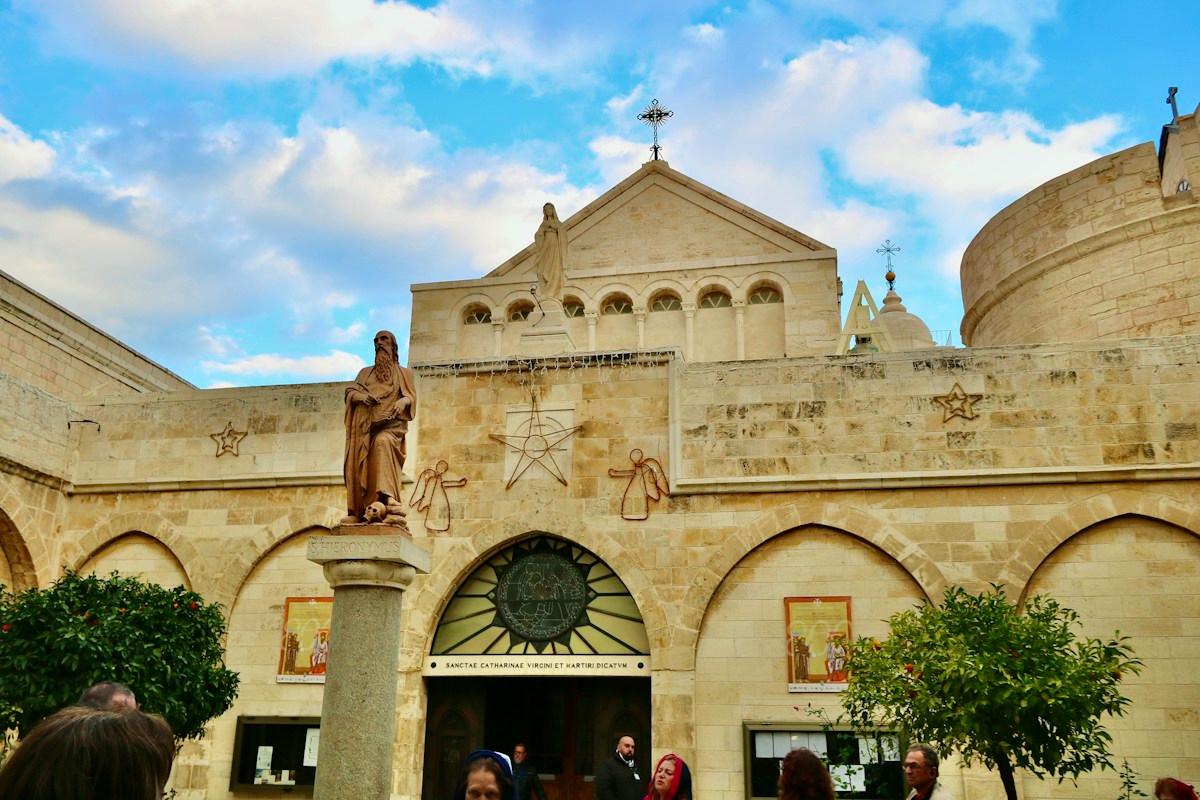
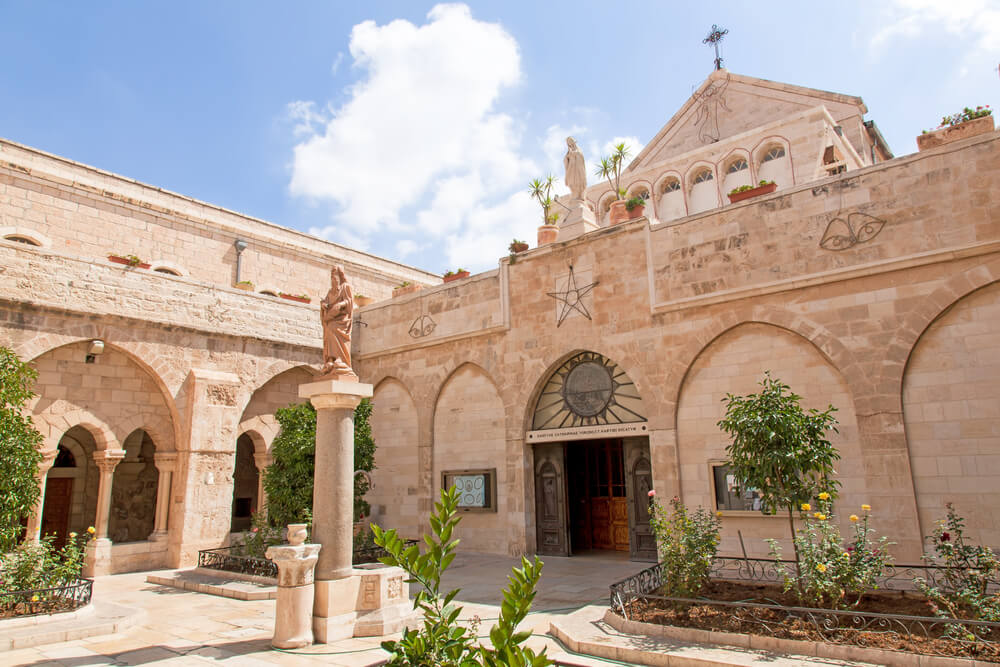
According to Matthew and Luke, Jesus was born in Bethlehem in Judea (Matthew 2:1; Luke 2:1–7). Luke describes Mary laying him in a manger, an image that became central to Christmas celebrations around the world.
Today, the Church of the Nativity stands at the center of Bethlehem’s Christian pilgrimage tradition. Beneath the church, the Grotto of the Nativity is venerated as Jesus’ birthplace. This identification belongs to an ancient Christian tradition; the Gospel accounts do not describe the precise grotto that visitors see today.
UNESCO records the site’s association with Jesus’ birth from the second century and the completion of a church there in the fourth century. The contrast is striking: a story centered on a newborn child has shaped centuries of worship, architecture and pilgrimage.
Bethlehem is in the West Bank. Check current access and transportation arrangements when planning a visit rather than assuming it can be added to a Jerusalem day without preparation.
The Gospels connect Jesus’ early life with Nazareth and much of his public ministry with the Galilee. Matthew also recounts how Jesus and his family fled to Egypt before settling in Nazareth. Later, Jerusalem becomes the setting for the events of his final days.
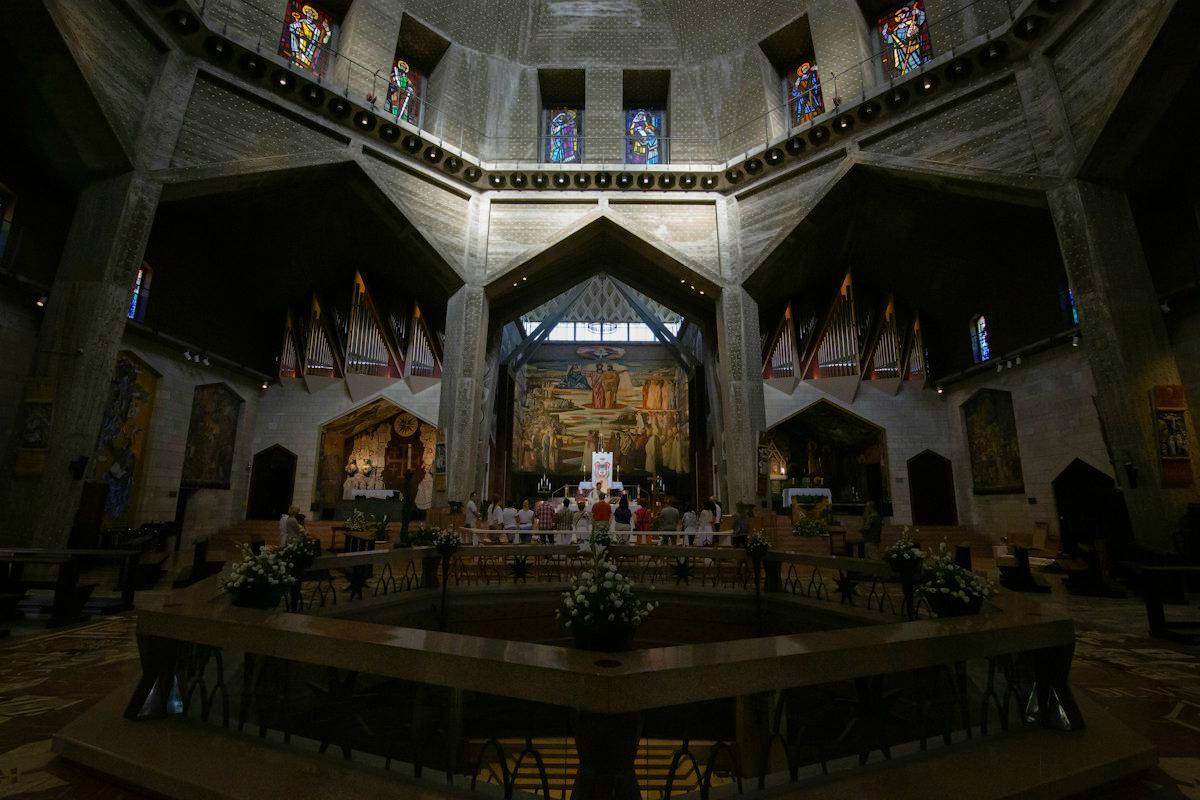
Luke describes Jesus growing up in Nazareth and includes an account of him visiting the Jerusalem Temple with his family at the age of twelve (Luke 2:41–52). Beyond a few passages, the canonical Gospels say relatively little about his childhood. A good account of his life should acknowledge those gaps.
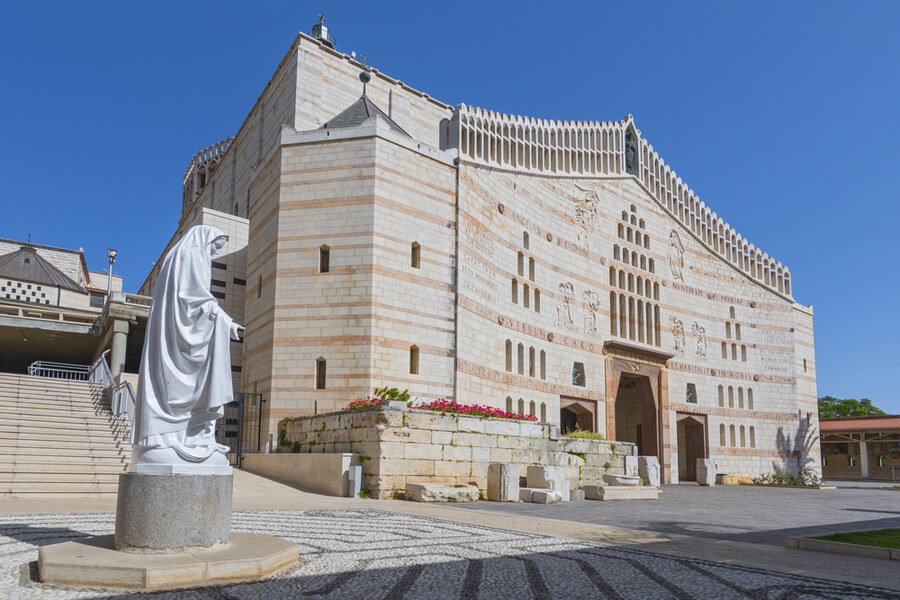
Modern Nazareth preserves the memory of the Holy Family through its churches and living Christian communities. The Basilica of the Annunciation commemorates the announcement to Mary described in Luke 1:26–38. Its traditional setting connects visitors with the beginning of the Gospel story, while its artwork reflects Christianity’s reach far beyond the Galilee.
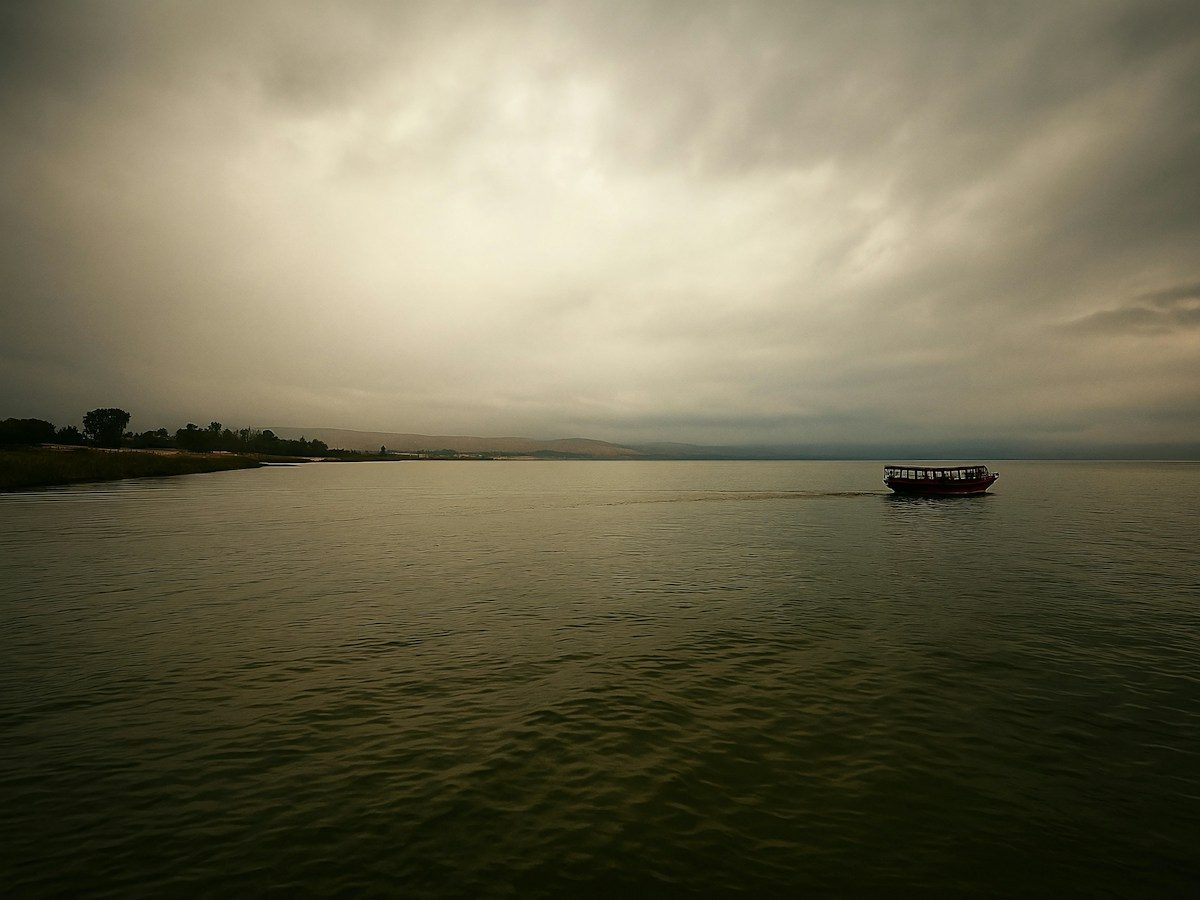
Matthew describes Jesus leaving Nazareth and settling in Capernaum beside the Sea of Galilee (Matthew 4:13). The lakeside town appears repeatedly in accounts of his teaching, healing and encounters with followers.
Visiting Capernaum helps place those passages within the setting of an ancient community. It is important, however, to distinguish the periods represented by surviving ruins rather than assume every visible structure stood during Jesus’ lifetime.
The surrounding landscape adds another dimension. Fishing, boats, fields and village life appear throughout the Gospels. Looking across the lake makes that everyday background easier to understand, even where the exact location of an individual episode remains uncertain.
Jesus’ teachings in the Gospels center on the kingdom of God and the way people live in relationship with God and one another. Love, repentance, mercy, forgiveness and care for those in need recur throughout his message.
In the Sermon on the Mount, Matthew presents teachings on peacemaking, reconciliation, generosity and love of enemies (Matthew 5–7). The Beatitudes give particular attention to the merciful, the grieving and those who seek righteousness. For Christian readers, these teachings remain a guide to daily life. The Mount of Beatitudes above the Sea of Galilee commemorates this tradition.
Jesus also taught through parables: memorable stories that ask listeners to reconsider familiar assumptions. In the Good Samaritan, compassion is shown through practical help offered by an unexpected person (Luke 10:25–37). The story turns a question about who counts as a neighbor into a challenge to act as one.
These teachings emerged within Jesus’ Jewish world. Remembering that context enriches a visit to the Holy Land, where references to Scripture, festivals and the Temple are woven into the places travelers encounter.
Jesus gathered followers, including the group known as the Twelve. Mark describes Simon Peter, Andrew, James and John being called from their fishing work beside the Sea of Galilee (Mark 1:16–20). Other disciples had different backgrounds.
The Gospels also recount healings and miracles, which Christians understand as signs of Jesus’ identity and mission. John describes water becoming wine at a wedding in Cana (John 2:1–11). Other accounts tell of crowds being fed and Jesus walking on the water.
Churches around the Galilee commemorate these narratives. Their significance comes from the Gospel story and the traditions associated with each place. Archaeology can illuminate the landscape and communities of the period, but it cannot establish a miracle as an archaeological fact.
The ministry narratives also begin with John the Baptist and Jesus’ baptism in the Jordan. Travelers should distinguish between traditional baptism locations and modern facilities where pilgrims are baptized today. Yardenit should not be presented as the established location of Jesus’ baptism.
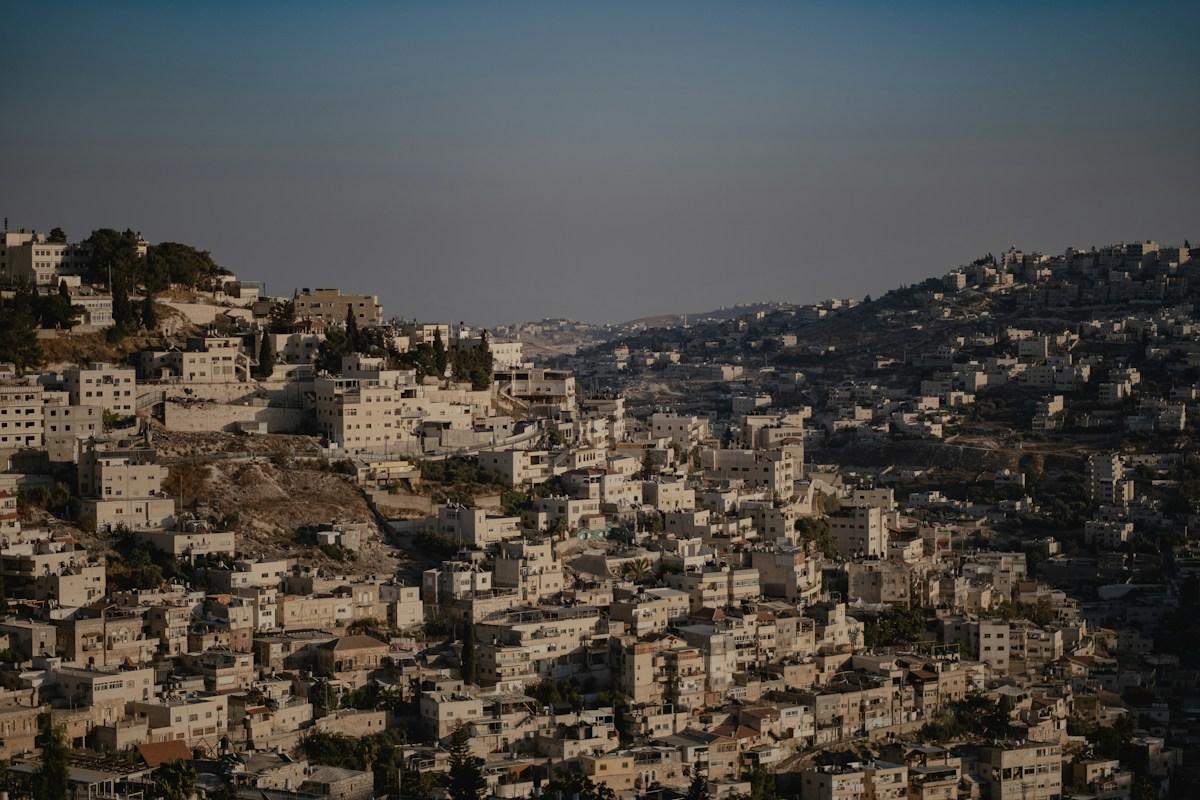
Jerusalem gives the Gospel story its most intense setting. The Passion narratives follow Jesus through the Last Supper, prayer at Gethsemane, arrest, questioning and crucifixion under the authority of Pontius Pilate, the Roman governor of Judea.
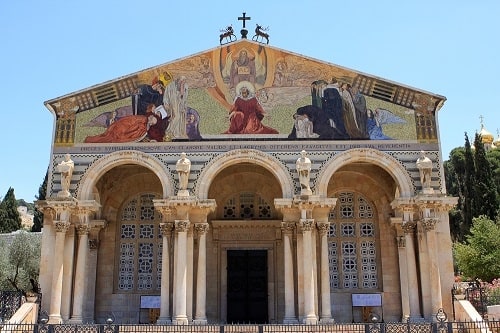
Mark describes Jesus sharing a final meal with his disciples before going to Gethsemane (Mark 14). The Mount of Olives and the garden’s Christian tradition give visitors a place to reflect on the account of prayer and arrest, even though today’s surroundings have changed across centuries.
The Gospels identify the place of crucifixion as Golgotha. The Church of the Holy Sepulchre preserves the principal Christian tradition associated with Jesus’ crucifixion and burial. Our guide to the Crucifixion of Jesus explores that story and its setting in more detail.
The story continues with the Resurrection accounts. Luke describes women finding the tomb empty and later encounters with the risen Jesus (Luke 24). For Christians, the Resurrection is central to the hope celebrated at Easter. It should be understood as a foundational claim of Christian faith, distinct from what archaeology alone can demonstrate.
Following Jesus’ story through the Holy Land brings together the person, the Gospel narratives and the places that preserve their memory. Nazareth introduces his early life; the Galilee reveals the setting of his ministry; Bethlehem and Jerusalem hold central places in Christian pilgrimage.
Choose visits that give you time to understand these connections rather than simply collect church names. Our guide to walking in Jesus’ footsteps offers ideas for exploring the sites. To experience key locations in the north with a guide, discover Bein Harim’s Nazareth and Sea of Galilee Tour. Read the current itinerary carefully, since some places are viewed along the route rather than visited as stops.
Planning a longer pilgrimage? Explore our Christian tours of Israel or contact us to find a tour that fits your plans.
Tours You May Like
Join Us
Keep in Touch


 Login / Register
 Contact


 Certificate of Excellence
 Guaranteed Departure
 Low Prices Guaranteed
 24/7 Support