The women came to a tomb. They left with news that would change the world. At the heart of Easter is the resurrection of Jesus, a story of grief transformed into hope. Following it from the empty tomb to the encounters that followed brings new meaning to the places pilgrims visit in Jerusalem today.
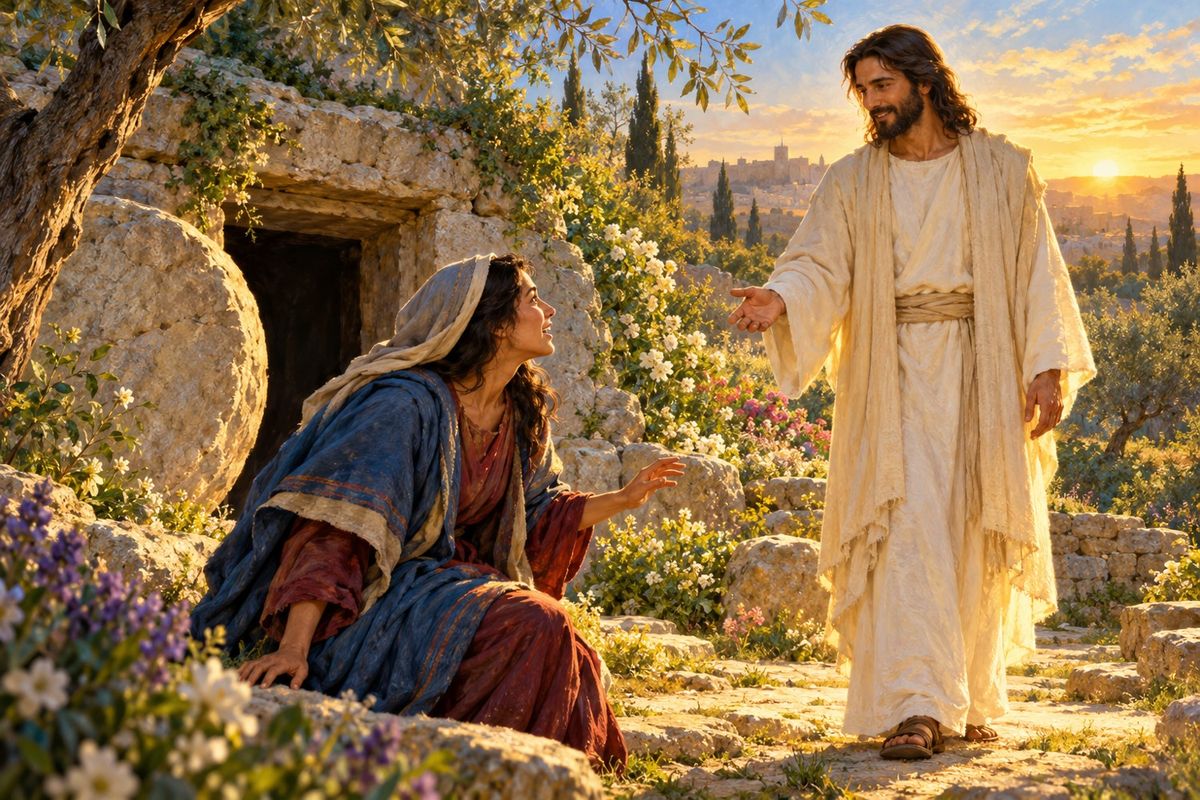
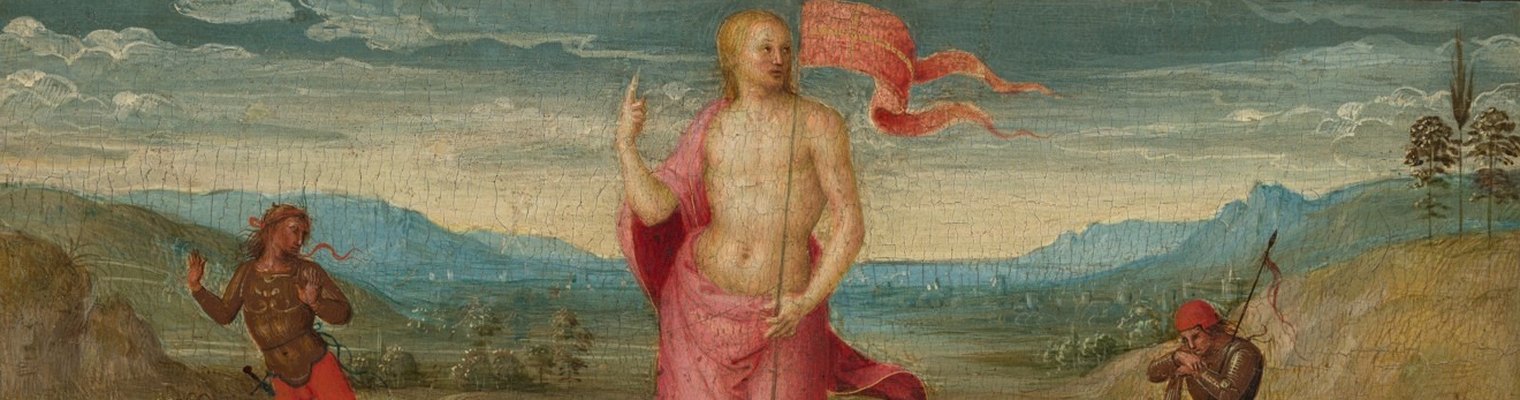
The resurrection of Jesus is the Christian belief that Jesus rose from the dead after his crucifixion and burial. The Gospel accounts describe the discovery of his empty tomb and encounters with the risen Christ. For Christians, these events form the foundation of Easter and the promise that death does not have the final word.
The Gospels tell the story with different details and emphases. Matthew 28 follows Mary Magdalene and the other Mary; Luke 24 describes a group of women and the disciples’ initial disbelief; John 20 brings Mary Magdalene’s encounter with Jesus into close focus. Each account deserves to be heard in its own words.
In Luke’s account, the women arrive early on the first day of the week, carrying spices they have prepared. They find the stone rolled away and enter the tomb, but Jesus’ body is gone. Two men in shining garments remind them of his words about rising on the third day.
Matthew describes an angel announcing the Resurrection to the women:
“He is not here: for he is risen, as he said. Come, see the place where the Lord lay.”
Matthew 28:6, KJV
The women’s response combines fear with great joy. They run to tell the disciples. In Luke, the news is initially dismissed, and Peter goes to the tomb himself. Belief unfolds through surprise, questions, and encounters.
John tells how Mary Magdalene discovers the stone removed while it is still dark and runs to Peter and the disciple Jesus loved. Both men visit the tomb and see the burial cloths. Later in the account, Mary stands outside weeping.
When Jesus appears, she does not recognize him and supposes he is the gardener. Then he speaks her name. She turns and addresses him as Rabboni, which John explains means Master. She goes to the disciples with the news that she has seen the Lord (John 20:11–18).
Mary’s place in this scene is deeply personal: the woman who weeps beside the tomb becomes a messenger of the Resurrection.
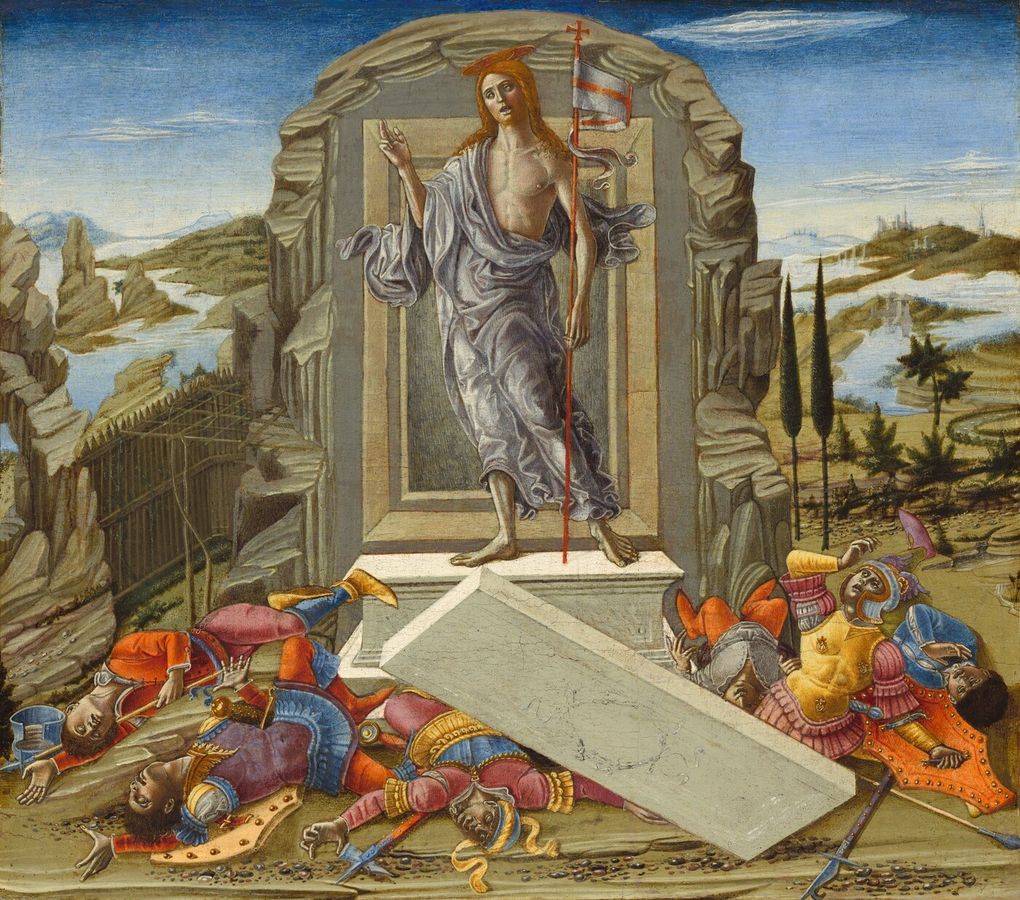
Christian tradition celebrates Jesus’ resurrection as taking place on the third day. Good Friday commemorates his crucifixion and death, Holy Saturday his rest in the tomb, and Easter Sunday his rising. Friday, Saturday, and Sunday are counted inclusively as three days.
The Gospels describe the tomb being found empty on the first day of the week. They do not give a clock time for the moment Jesus rose. Easter Sunday commemorates the Resurrection each year, although different church calendars can place the celebration on different dates.
The accounts continue beyond the empty tomb. In Luke 24, Jesus walks with two followers on the road to Emmaus. They recognize him when he breaks bread, then return to Jerusalem to tell the others. Matthew 28 describes a meeting in Galilee, where Jesus commissions his disciples to make disciples of all nations.
John places an encounter with the disciples on the evening of that first day. They are gathered behind closed doors when Jesus stands among them and greets them:
“Peace be unto you.”
John 20:19, KJV, excerpt
He shows them his hands and side, and they rejoice. Luke likewise describes an appearance to the gathered disciples, emphasizing Jesus’ hands and feet and his eating in their presence. These details convey the Gospel writers’ testimony to the risen Jesus as more than a vision or a memory.
Thomas is absent from the first gathering described in John. When the others tell him they have seen Jesus, he asks for evidence of the wounds. At a later encounter, Jesus invites him to look and touch. Thomas responds by confessing Jesus as his Lord and God (John 20:24–29). The passage connects his question with the faith of future generations who will believe without seeing.
For Christians, the Resurrection is central to understanding who Jesus is and what his death means. It proclaims victory over sin and death and grounds the hope of new life with God.
Paul makes this connection in his letter to the Corinthians:
“But now is Christ risen from the dead, and become the firstfruits of them that slept.”
1 Corinthians 15:20, KJV
The image of firstfruits points toward a harvest still to come. Paul presents Christ’s resurrection as the beginning of the resurrection promised to those who belong to him. This hope gives Easter its lasting significance in Christian prayer, worship, and daily life.
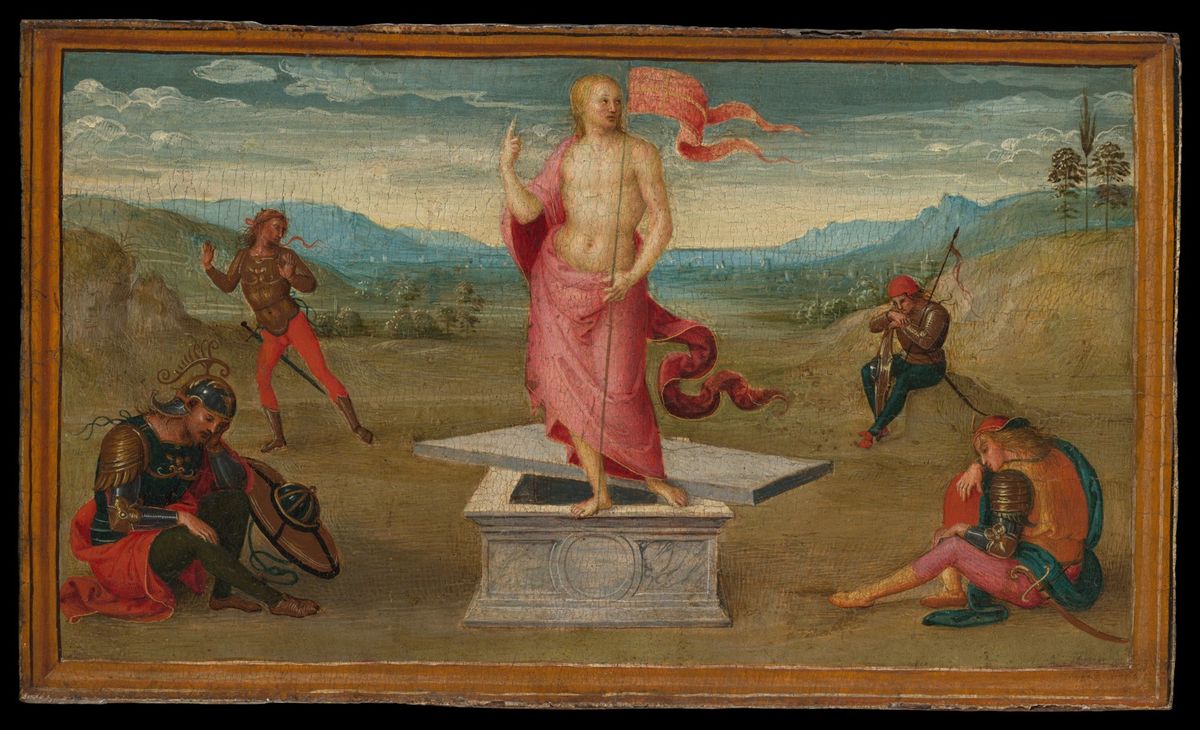
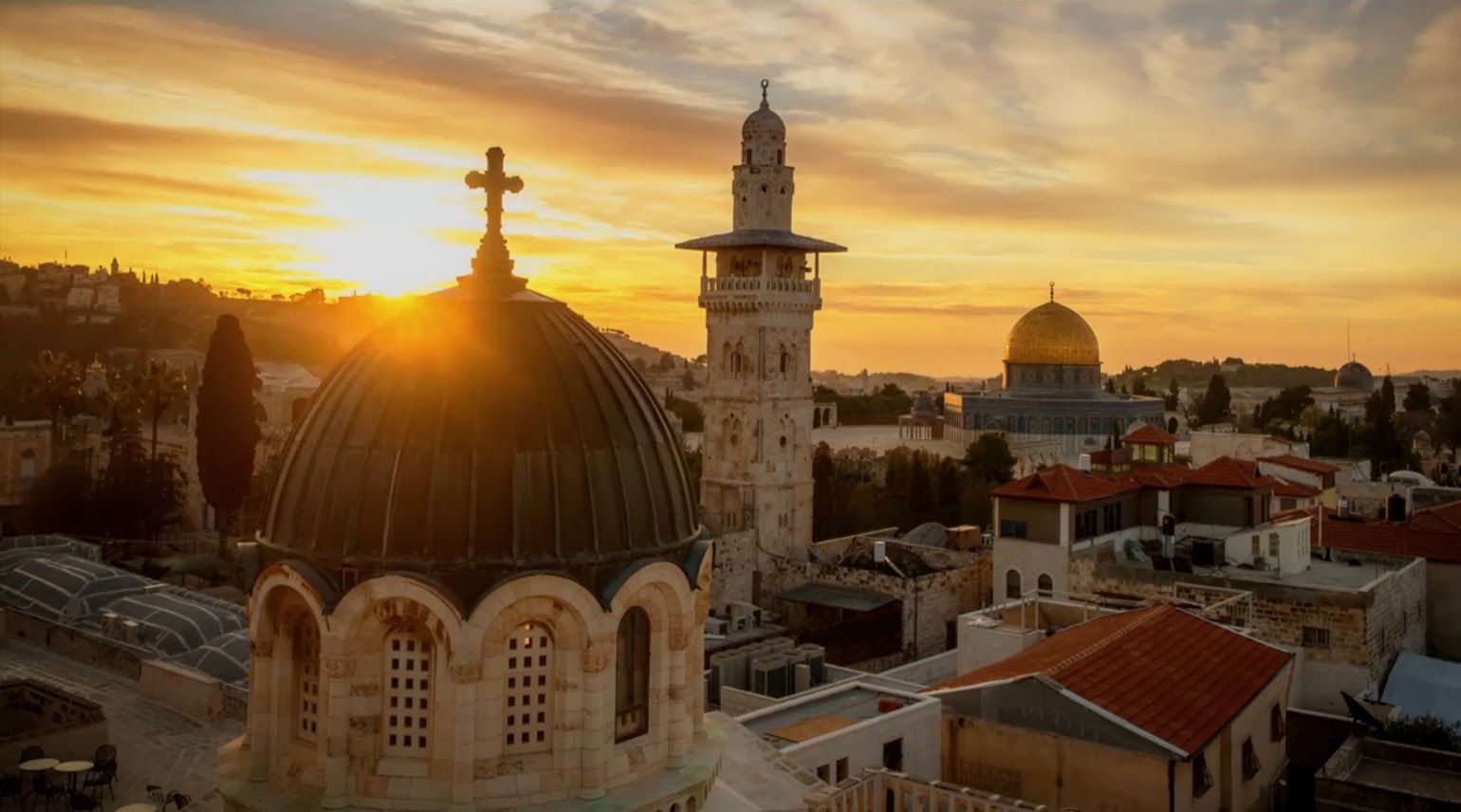
The Resurrection story is rooted in Jerusalem. The Gospels describe Jesus’ burial and the discovery of the empty tomb, while later traditions identify places where Christians remember those events. Two Jerusalem sites are especially meaningful to visiting pilgrims.
The Church of the Holy Sepulchre in the Old City preserves the longstanding Christian identification of the places of Jesus’ crucifixion, burial, and resurrection. Its history as a major sanctuary reaches back to the fourth century.
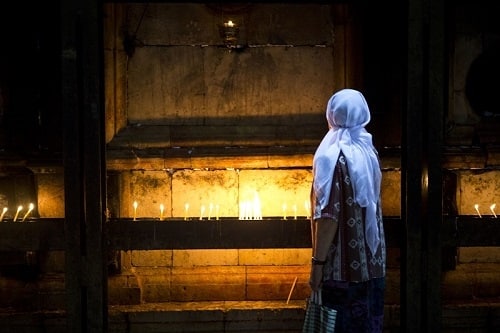
At its heart, the Aedicule is the shrine enclosing the venerated tomb. The church is also known as the Church of the Resurrection. Its chapels, lamps, and prayers reflect centuries of devotion shared by several Christian communities. Allow time to appreciate the setting; access to the tomb itself depends on conditions during your visit.
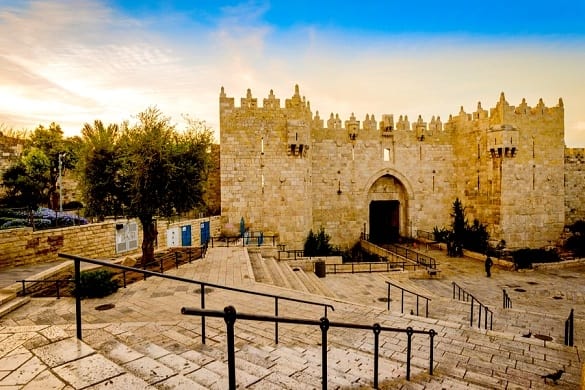
Outside the Old City, near Damascus Gate, the Garden Tomb offers another setting for remembering Jesus’ burial and resurrection. Its gardens surround an ancient rock-cut tomb, and the organization caring for the site describes it as a possible location of these events.
This identification developed much later than the tradition at the Holy Sepulchre. For many pilgrims, the garden’s importance also lies in its invitation to prayer and reflection on the Gospel story. Check current visitor arrangements before going; group visits and Communion arrangements should be coordinated with the site.
Reading the Resurrection accounts before exploring Jerusalem gives a visit to the holy places a deeper focus. Bring Matthew 28 or John 20 with you, and leave time to pause as well as explore.
Follow the Via Dolorosa and visit the Church of the Holy Sepulchre on our Jerusalem Full Day Tour. With a guide connecting the sites to their history and Christian traditions, the journey brings the story into the streets and sacred spaces of the Old City.
For a more personal journey, choose our Jerusalem Old City Private Christian Tour, whose itinerary includes an in-depth visit to the Holy Sepulchre. Tell our team if prayer time or a particular part of the Resurrection story is central to your visit. A Garden Tomb stop requires advance discussion and confirmation.
Explore the itineraries and contact us to plan your Jerusalem visit. We can help you choose the tour that best fits your interests and confirm arrangements for your travel dates.
Tours You May Like
Join Us
Keep in Touch


 Login / Register
 Contact


 Certificate of Excellence
 Guaranteed Departure
 Low Prices Guaranteed
 24/7 Support