 Login / Register
 Contact
History of Israel: From the Stone Age to the Modern State
In Jerusalem, a short walk can take you past Roman remains, a medieval church, and Ottoman walls. Along the coast, Crusader halls lie beneath a living city. This Israel history timeline follows the land from its earliest communities to the modern state, connecting each era with something you can recognize on your journey.
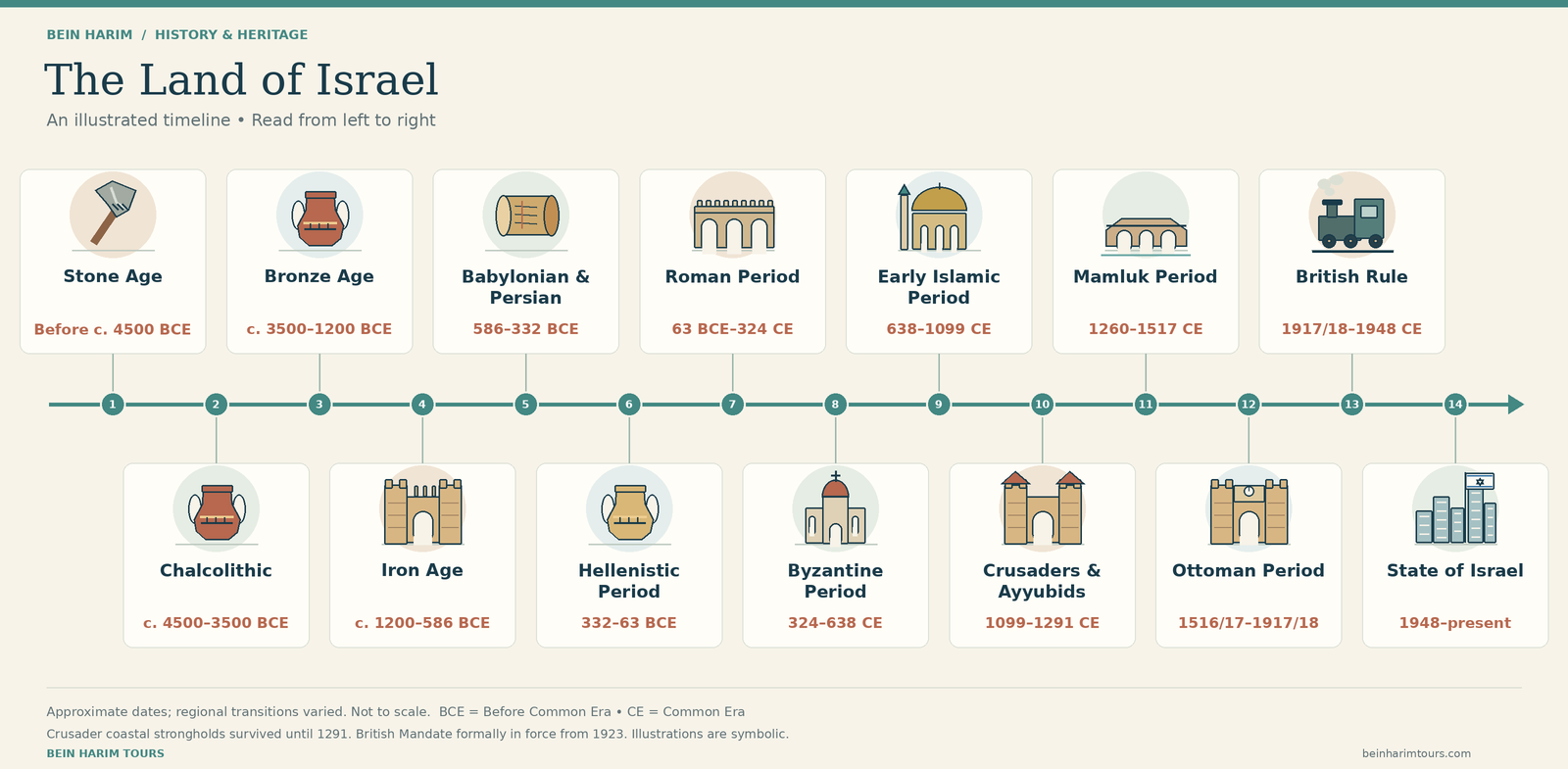
Bein Harim Tours · Original infographic.
Download the full-size timeline
Here, “the Land of Israel” describes a historical landscape, not one country with fixed borders throughout time. Its boundaries, populations, and names changed repeatedly. Archaeological periods describe material culture, while other period names refer to governments or religious history. That is why some dates overlap.
Israel History Timeline at a Glance
Dates are approximate, especially in prehistory. Political transitions also occurred at different times in different cities. BCE and CE mean Before the Common Era and Common Era.
| Period | Approximate Dates | What Changed | Places to Explore |
|---|---|---|---|
| Stone Age | Before c. 4500 BCE | Hunting, gathering, then farming | Nahal Me'arot; museum collections |
| Chalcolithic | c. 4500–3500 BCE | Copper working alongside stone tools | Israel Museum |
| Bronze Age | c. 3500–1200 BCE | Canaanite cities and international trade | Megiddo, Hazor |
| Iron Age | c. 1200–586 BCE | Israel, Judah, and neighboring peoples | Jerusalem, Lachish, Tel Dan |
| Babylonian and Persian | 586–332 BCE | Exile, return, and rebuilding | Jerusalem; museum collections |
| Hellenistic and Hasmonean | 332–63 BCE | Greek influence and Jewish independence | Beit Guvrin; museum collections |
| Roman | 63 BCE–c. 324 CE | Herodian building, Christianity, revolts | Caesarea, Masada, Jerusalem |
| Byzantine | c. 324–638 CE | Pilgrimage churches and mosaic art | Jerusalem, Tzipori, Beit Alpha |
| Early Islamic | c. 638–1099 | Caliphates and new religious landmarks | Jerusalem, Ramla |
| Crusader and Ayyubid | 1099–1291, with regional changes | Competing kingdoms and fortifications | Acre, Belvoir |
| Mamluk | c. 1260–1517 | New rulers, trade routes, institutions | Jerusalem |
| Ottoman | 1516/17–1917/18 | Imperial administration and urban growth | Jerusalem, Acre, Jaffa |
| British administration and Mandate | 1917/18–1948 | New institutions and national movements | Tel Aviv, Jerusalem |
| Modern State of Israel | 1948–present | Statehood and a changing society | Tel Aviv, Jerusalem, museums |
The Stone Age: The First People and Farming Communities (Before c. 4500 BCE)
The Stone Age takes its name from the stone tools used by early humans, long before recorded history. Israel's human story begins long before kings, writing, or the biblical kingdoms. During the Paleolithic, or Old Stone Age, people hunted, gathered plants, and made tools from stone. Caves and open settlements preserve evidence of lives stretching back hundreds of thousands of years.
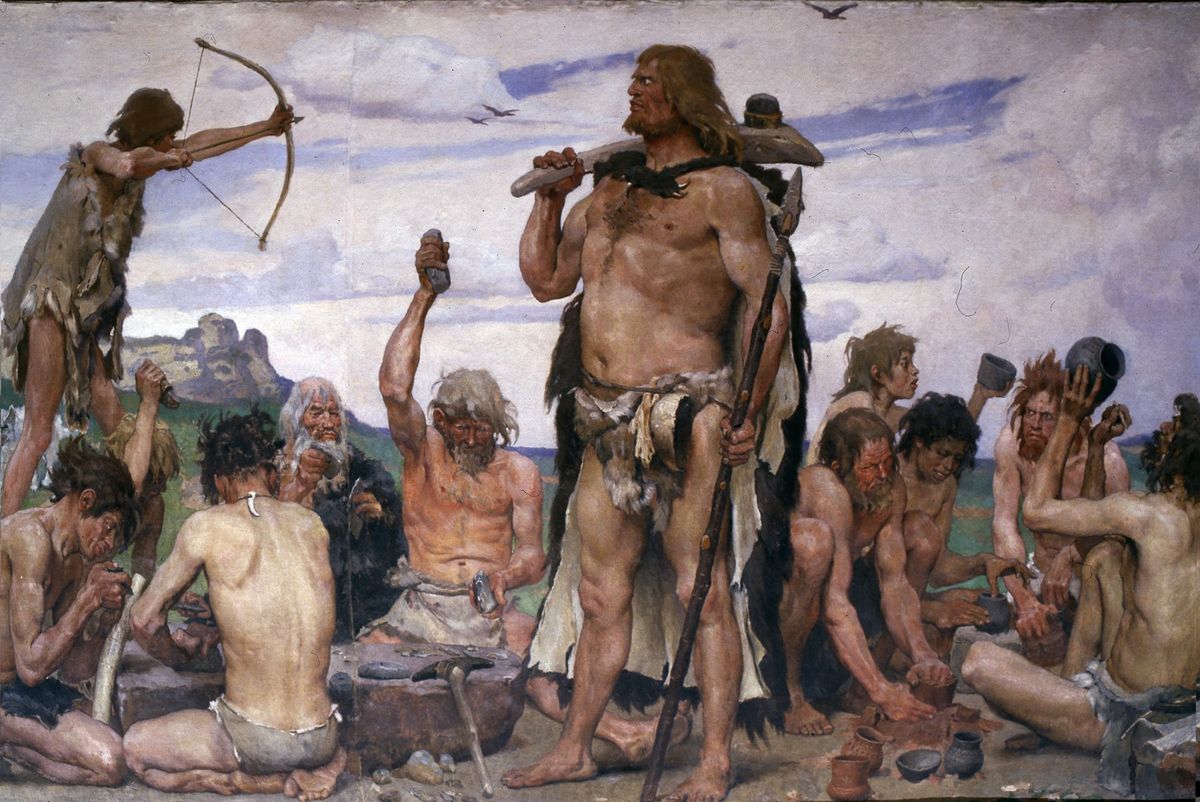
Viktor Vasnetsov / State Historical Museum, Moscow · Source · Public domain. Resized for display; no crop.
The later Natufian culture helps explain the transition toward more settled communities. During the Neolithic, or New Stone Age, farming and animal domestication gradually transformed daily life. Growing food encouraged villages, storage, and new relationships with the landscape.
At Nahal Me'arot on Mount Carmel, visitors can explore prehistoric caves and see displays explaining the people who once lived there. The site includes evidence of Natufian life, bringing the long transition toward settled communities into focus.
The Chalcolithic Period: Stone Meets Copper (c. 4500–3500 BCE)
The Chalcolithic is identified by gradual changes in material culture, including early copperworking. Often called the Copper Age, it brought metalworking into societies that continued using stone tools. Agricultural villages supported craftspeople, exchange networks, and increasingly elaborate ritual objects.
At the Israel Museum in Jerusalem, the archaeology collection includes objects from the Nahal Mishmar hoard, discovered in a Judean Desert cave. Its elaborate copper pieces reveal the skill of Chalcolithic craftspeople. Exhibits can change, so check the museum before visiting.
The Bronze Age: Canaanite Cities and Egyptian Influence (c. 3500–1200 BCE)
Changes in settlement and material culture mark the beginning of the Bronze Age. Bronze metallurgy developed gradually, rather than appearing everywhere at once. During this period, the landscape developed networks of towns and fortified cities. Canaan was not one unified kingdom. Its city rulers negotiated, traded, and fought, while larger powers influenced the region. Egyptian domination became particularly important during the Late Bronze Age.
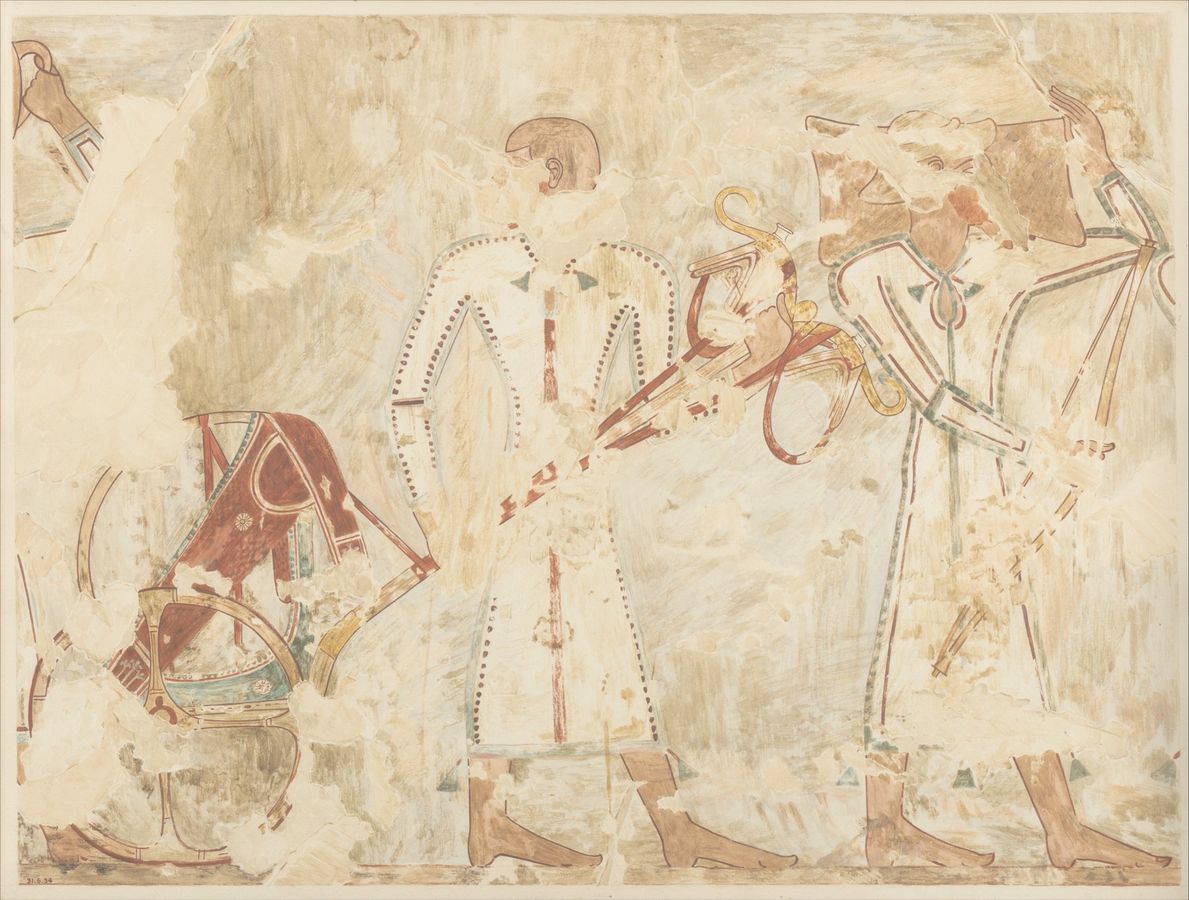
Nina de Garis Davies / The Metropolitan Museum of Art, 31.6.34, Rogers Fund, 1931 · Source · CC0. Resized for display; no crop.
Tel Megiddo preserves Canaanite remains, including the foundations of a palace and ancient gates. Hazor is another major site with Bronze Age layers. An archaeological mound, or tel, formed as people repeatedly rebuilt in the same place. Its layers reveal successive cities.
A gate, palace, and water system at one site may belong to different periods. Look for their dates as you explore.
The Iron Age: Ancient Israel and Judah (c. 1200–586 BCE)
The Iron Age begins around the end of the Bronze Age, amid regional upheaval and changing settlements. Iron tools became widespread gradually, not all at once. New communities and political structures emerged. The Iron Age includes the development of ancient Israel and Judah, alongside Philistine, Phoenician, and other neighboring societies.
The Bible places Saul, David, and Solomon within this world. Archaeologists study settlements, inscriptions, pottery, and fortifications to understand it; the extent and development of the earliest monarchy remain debated. Biblical narrative and archaeological interpretation should be distinguished, even when they illuminate the same landscape.
Assyria conquered the northern kingdom in the eighth century BCE. Babylon destroyed Jerusalem and the First Temple in 586 BCE. At Tel Lachish, visitors can see the Judahite city gate and the Assyrian siege ramp, physical reminders of the campaigns against Judah. Jerusalem and Tel Dan offer other perspectives on the period. For related background, read our guide to biblical Israel and modern Israel.
Babylonian and Persian Rule: Exile and Return (586–332 BCE)
Babylon's destruction of Jerusalem in 586 BCE marks the start of the Babylonian phase. The conquest ended the kingdom of Judah and brought deportation and major changes to Jerusalem. It did not remove every inhabitant from the land. Rural communities and local life continued amid the upheaval.
Persian rule began after Cyrus conquered Babylon in 539 BCE. Returning Judean communities rebuilt religious and civic institutions, including the Second Temple, traditionally dated to 516/515 BCE. Ezra presents the invitation to return with the words “let him go up to Jerusalem” (Ezra 1:3, KJV).
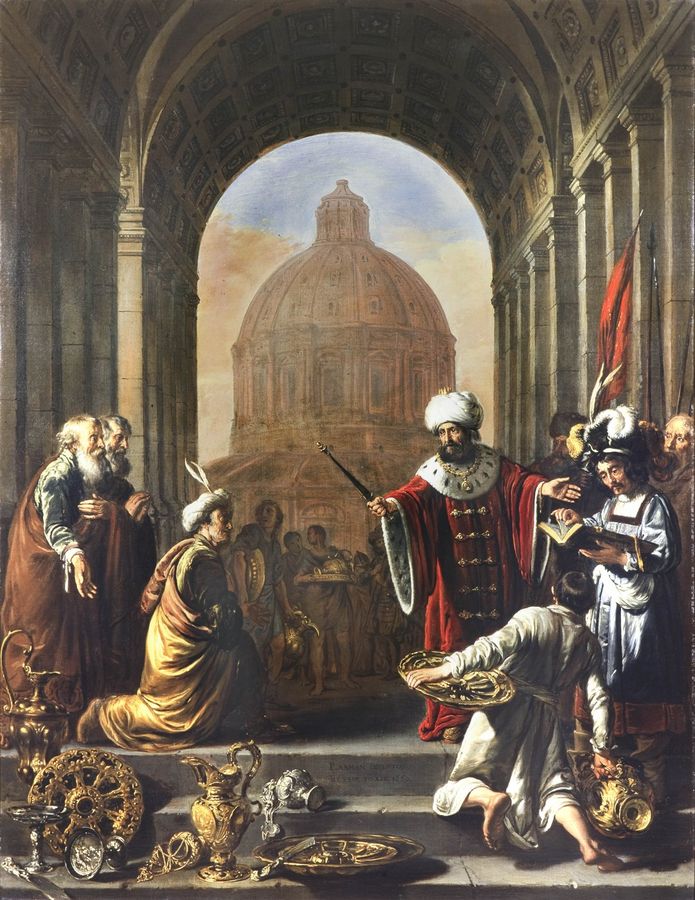
Thomas de Keyser, after Pieter Lastman / Fondation Custodia · Source · Public domain. Resized for display; no crop.
The Second Temple period spans Persian, Hellenistic, Hasmonean, and Roman rule until the Temple's destruction in 70 CE. The Israel Museum's collection includes Persian-period finds, including a pottery figurine from Tel Dor. Its model of Jerusalem depicts the city centuries later, around 66 CE. It is a reconstruction, not surviving Temple remains.
The Hellenistic Period and the Hasmonean Dynasty (332–63 BCE)
Alexander the Great's conquest in 332 BCE marks the beginning of the Hellenistic period. It brought the region into a Greek political and cultural sphere. After his death, rival successor kingdoms competed for control. Greek language, urban institutions, and artistic styles influenced local communities without making their identities uniform.
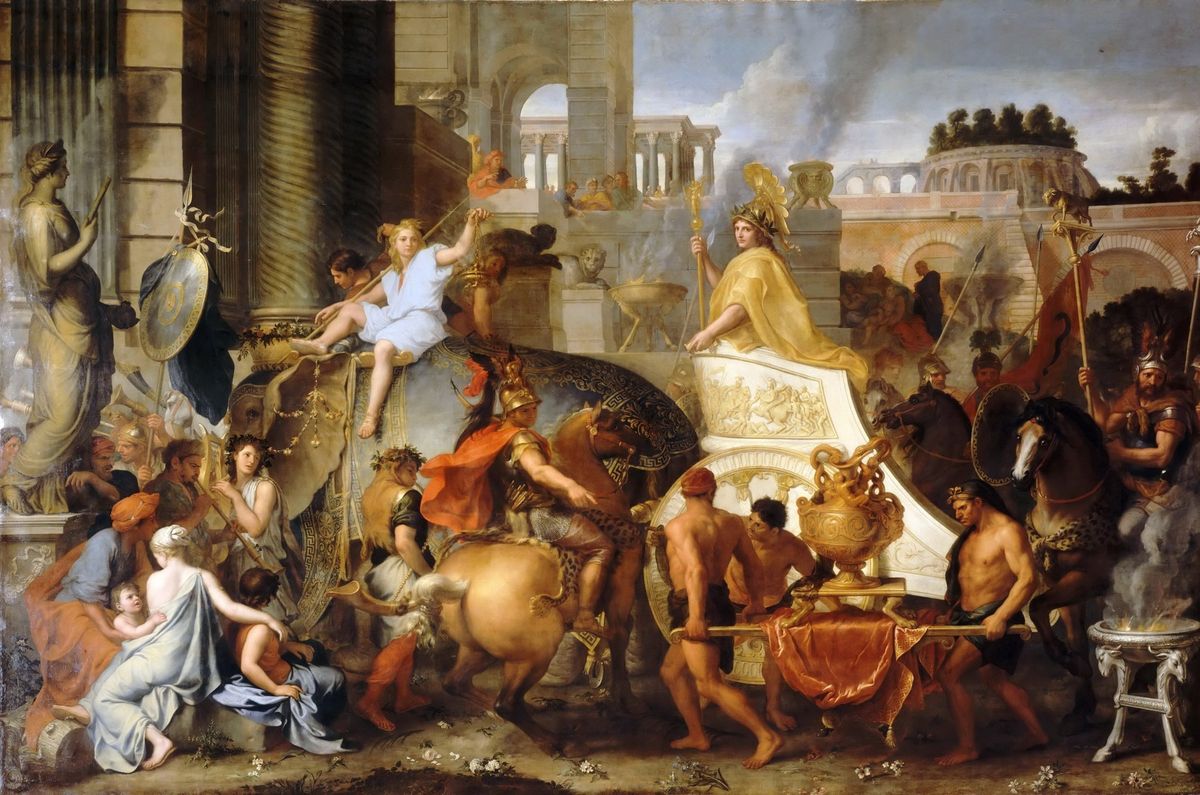
Charles Le Brun / Louvre Museum · Source · Public domain. Resized for display; no crop.
The Hasmonean Dynasty and the Story of Hanukkah (Revolt from 167 BCE; rule until 63 BCE)
The Maccabean revolt began in 167 BCE against Seleucid policies and religious persecution. The Temple's rededication became central to Hanukkah. Hasmonean rulers gradually established an independent Jewish state and expanded its territory.
The Hasmonean kingdom developed over decades. At Beit Guvrin-Maresha National Park, the painted Sidonian burial caves and underground spaces at Maresha offer a glimpse of life in the Hellenistic period.
The Roman Period: Herod, Jesus, and the Jewish Revolts (63 BCE–c. 324 CE)
Roman dominance began with Pompey's capture of Jerusalem in 63 BCE. Rome exercised its power through local rulers and, later, direct administration. Herod the Great, a king supported by Rome, transformed the landscape with ambitious projects, including Caesarea, Masada, and the enlargement of Jerusalem's Temple complex.
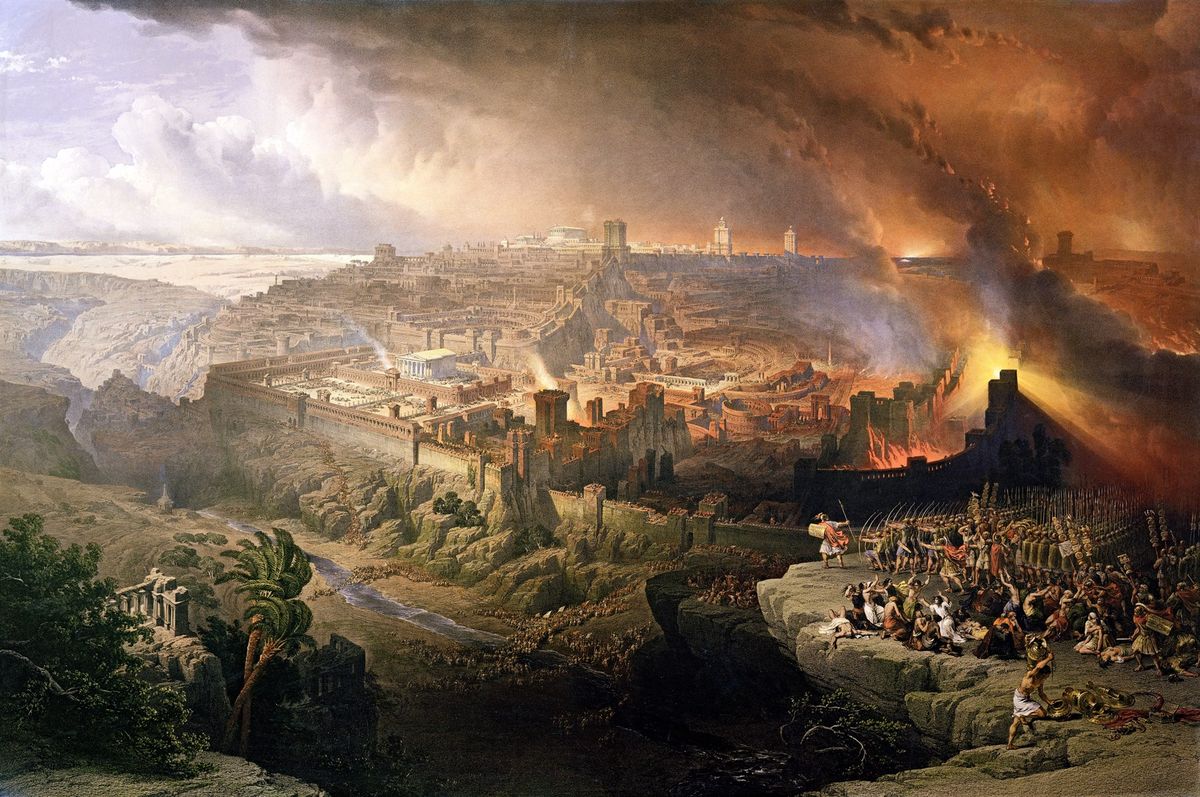
David Roberts / Wikimedia Commons · Source · Public domain. Resized for display; no crop.
This is also the world of Jesus and the New Testament. Galilee and Judea formed the setting for his ministry, while Jerusalem became central to the Christian account of his death and resurrection. Identifying a biblical setting does not mean that every church now standing there dates to his lifetime.
The Jewish revolt beginning in 66 CE ended with devastating losses, including the destruction of the Second Temple in 70. The later Bar Kokhba revolt began in 132. At Caesarea, the Roman theater and harbor remains reveal another side of this era. In Jerusalem, the lower stones of the Western Wall are part of the retaining wall of Herod's expanded Temple platform, not the Temple building itself.
The Byzantine Period: Churches, Synagogues, and Mosaics (c. 324–638 CE)
The Byzantine period is commonly dated from 324 CE, when Constantine became sole Roman emperor. The Byzantine Empire was the eastern continuation of the Roman Empire. In the Holy Land, the fourth century marks a major shift as imperial support helped Christianity reshape the religious landscape. Pilgrims traveled to sacred places, and churches developed around traditions associated with Jesus and the Bible.
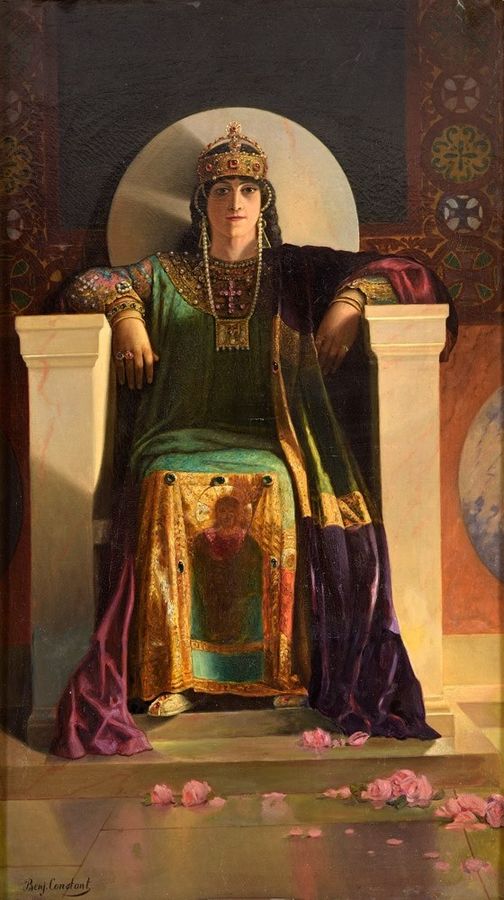
Jean-Joseph Benjamin-Constant / Wikimedia Commons · Source · Public domain. Resized for display; no crop.
Jewish and Samaritan communities also continued, although their circumstances changed under different rulers. At Beit Alpha in the Jezreel Valley, visitors can see the sixth-century synagogue's mosaic floor, including the Binding of Isaac and a zodiac wheel. Tzipori preserves another remarkable synagogue mosaic.
In Jerusalem, the Church of the Holy Sepulchre began as a fourth-century imperial foundation. The building visible today incorporates later rebuilding. Mosaics adorned churches, synagogues, and homes.
The Early Islamic Period: A New Religious and Political Landscape (c. 638–1099 CE)
Muslim conquests during the 630s marked the beginning of the Early Islamic period. Jerusalem surrendered around 638. Successive caliphates governed a land where Muslim, Christian, Jewish, and Samaritan communities lived through changing conditions.
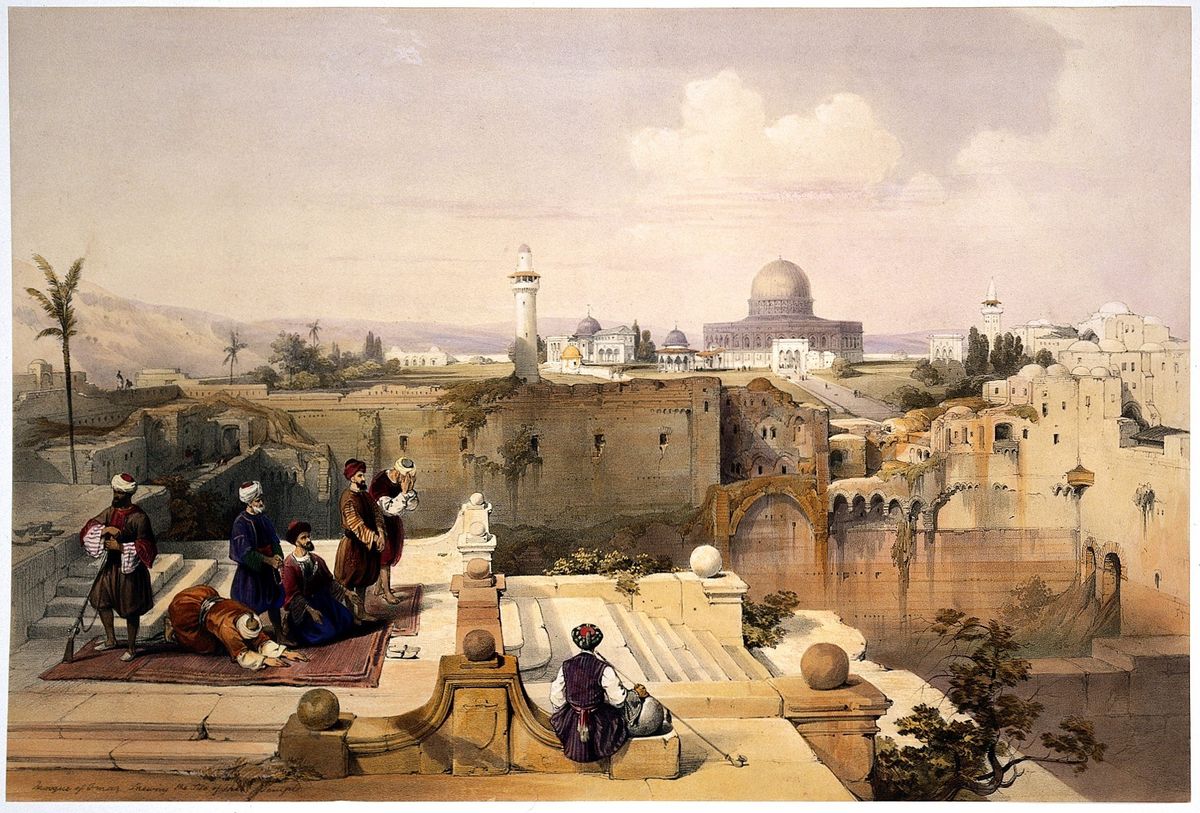
Louis Haghe after David Roberts / Wellcome Collection · Source · CC BY 4.0. Resized for display; no crop.
The Umayyad caliph Abd al-Malik commissioned the Dome of the Rock, completed in 691/692 and still visible in Jerusalem today. Its exterior has been altered in later periods. The gold-domed shrine and the neighboring Al-Aqsa Mosque are distinct buildings within the same sacred compound, known to Muslims as al-Haram al-Sharif and to Jews as the Temple Mount.
In Jerusalem's Ophel archaeological area, remains of Umayyad buildings south of the Temple Mount reveal another aspect of early Islamic rule. Ramla, founded as a provincial capital in the early eighth century, offers a different urban perspective.
Crusaders and Ayyubids: Castles and Changing Kingdoms (1099–1291 CE, with overlapping rule)
The First Crusade's capture of Jerusalem in 1099 began Crusader rule in the city. The Crusaders established a Latin Christian kingdom. Churches, castles, hospitals, and ports served rulers, pilgrims, merchants, and military orders.
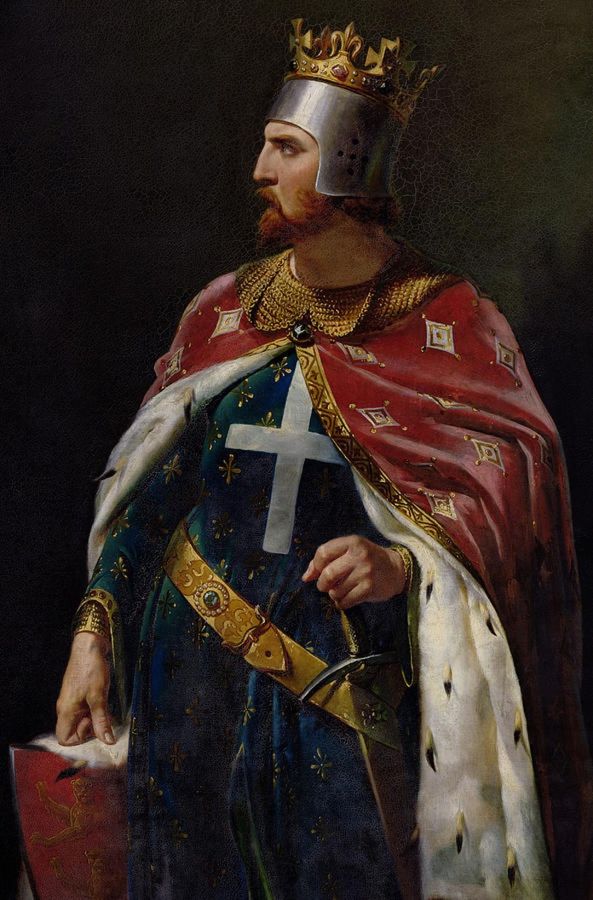
Merry-Joseph Blondel / Palace of Versailles · Source · Public domain. Resized for display; no crop.
Saladin's capture of Jerusalem in 1187 brought Ayyubid rule to the city. Crusader rule did not disappear everywhere at once. Acre became the principal center of the later coastal kingdom, surviving until its capture by the Mamluks in 1291.
In Acre, the medieval halls beneath the later city make these layers unusually clear. Do not assume every wall is Crusader: the living town above contains substantial Ottoman architecture.
The Mamluk Period: Trade Routes and Urban Architecture (c. 1260–1517 CE)
The Mamluks' victory over the Mongols at the Battle of Ain Jalut in 1260 marked a turning point in regional rule. Based in Egypt, the Mamluks established control over much of the region and eliminated the remaining major Crusader coastal strongholds by 1291. Their rule lasted until the Ottoman conquest in 1516/17.
Jerusalem preserves Mamluk religious schools, gateways, and fountains. The late-fifteenth-century Fountain of Qayt Bay and Madrasa al-Ashrafiyya stand within the Temple Mount compound. Access arrangements can change; ask your guide about the current visiting conditions.
The Ottoman Period: Walls, Towns, and New Neighborhoods (1516/17–1917/18 CE)
The Ottoman conquest of the Mamluk realm in 1516–1517 began roughly four centuries of Ottoman rule. One of its most recognizable legacies is Jerusalem's present Old City wall circuit, rebuilt under Sultan Suleiman the Magnificent in the sixteenth century. These are not the city walls Jesus would have known.
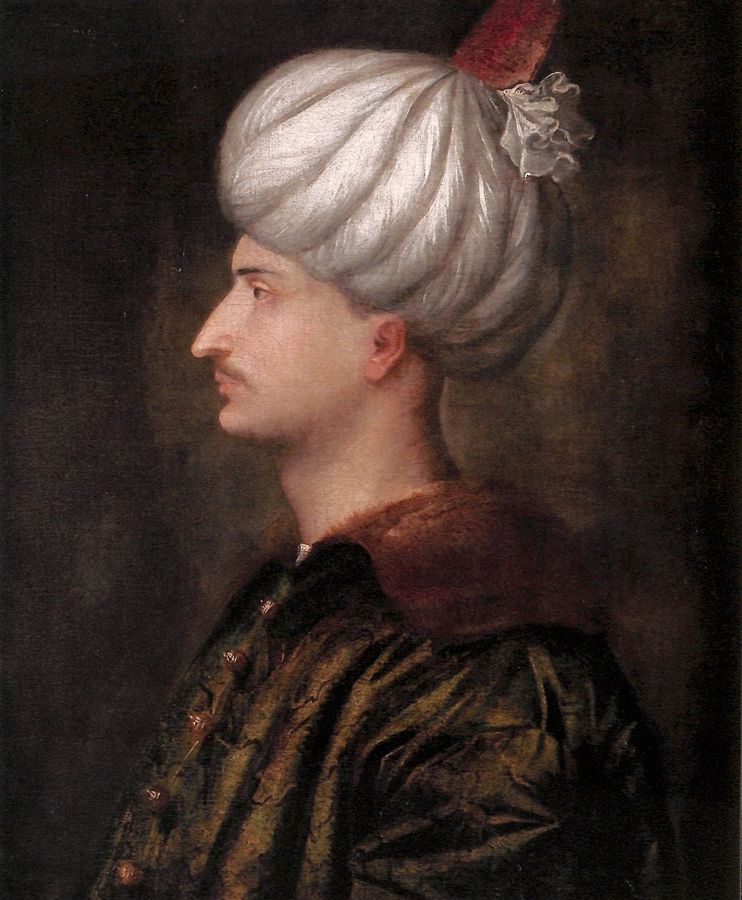
Workshop of Titian / Wikimedia Commons · Source · Public domain. Resized for display; no crop.
In Acre, the Al-Jazzar Mosque, completed in the eighteenth century, and the city's khans and fortifications reveal its Ottoman character. In Jaffa, urban growth and maritime connections shaped a port serving pilgrims, merchants, and local communities.
During the nineteenth and early twentieth centuries, new neighborhoods, institutions, and transport links changed the landscape. Jewish immigration and Zionism developed alongside existing Arab communities and other local populations. Tel Aviv began in 1909, before Ottoman rule ended, rather than with Israel's independence.
British Rule and the Mandate for Palestine (1917/18–1948 CE)
British military victories over the Ottomans in 1917–1918 began British administration. Military administration was followed by civilian administration in 1920; the League of Nations Mandate formally entered into force in 1923. “British Mandate, 1917–1948” is therefore convenient shorthand, not a precise description of every year.
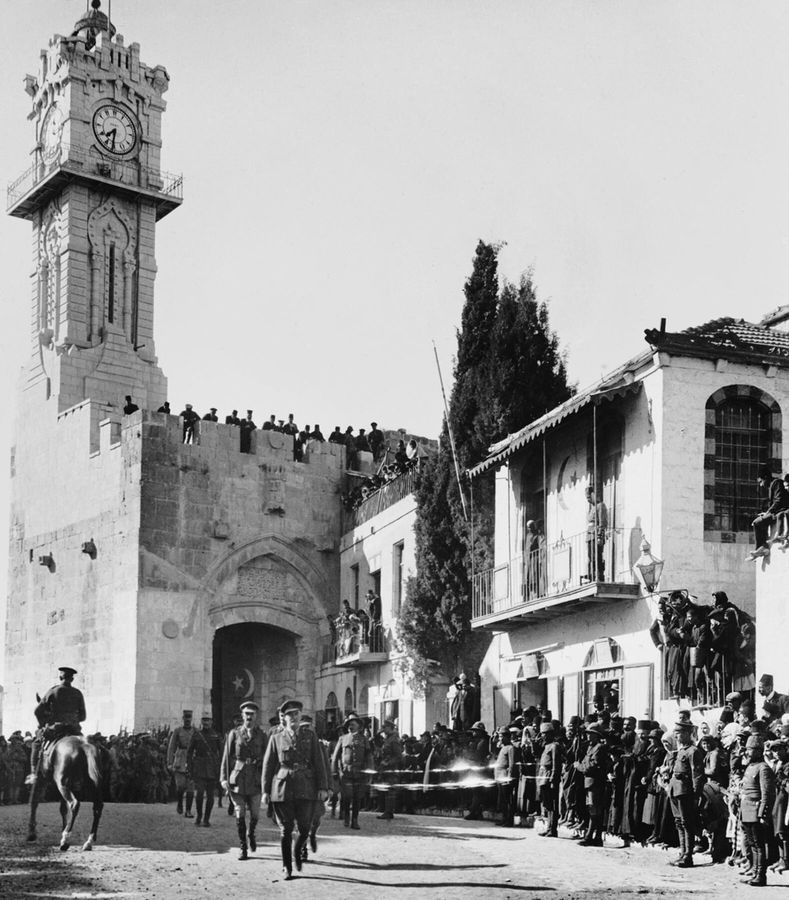
Underwood & Underwood / Library of Congress · Source · Public domain. Resized for display; no crop.
Government institutions, roads, and cities developed amid intensifying Jewish and Arab national aspirations. Jewish immigration, especially as persecution increased in Europe, and disputes over land, political authority, and immigration helped shape the conflict.
In 1947, the United Nations recommended partition into Jewish and Arab states, with a special international arrangement for Jerusalem. Fighting preceded the end of British rule in May 1948. In Tel Aviv, the 1936 Liebling Haus and neighboring International Style buildings offer a visible connection to the Mandate years.
Modern Israel: From 1948 to Today (1948–Present)
The modern period in this guide begins with the declaration of the State of Israel on May 14, 1948. David Ben-Gurion proclaimed the state in Tel Aviv. The war surrounding its establishment shaped the new state's institutions and borders and brought mass Palestinian displacement, remembered by Palestinians as the Nakba.
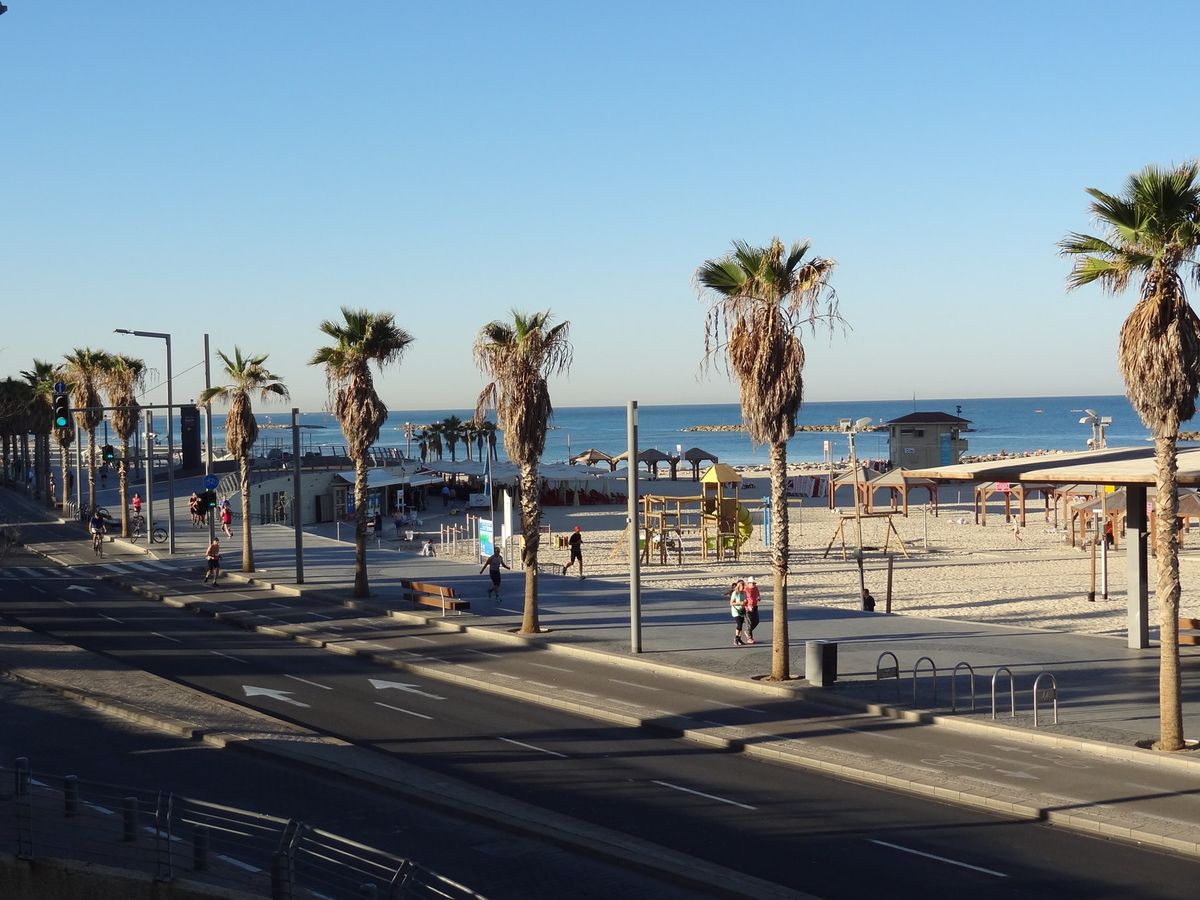
Simon Cobb / Wikimedia Commons · Source · CC0. Resized for display; no crop.
Subsequent decades brought major Jewish immigration from Europe, the Middle East, North Africa, the former Soviet Union, and Ethiopia. Towns, universities, and industry grew amid continuing conflict. The 1967 war transformed territorial control; peace treaties with Egypt in 1979 and Jordan in 1994 marked major diplomatic changes.
Israel today is a society of Jewish, Muslim, Christian, Druze, and other communities. On Rothschild Boulevard in Tel Aviv, the building known as Independence Hall marks the place where statehood was proclaimed. Check current access before visiting. Nearby streets, Jerusalem's neighborhoods, and museums show how recent history continues to shape everyday life. The Israeli-Palestinian conflict remains unresolved. The October 7, 2023 attacks and ensuing war are also part of this modern chapter, whose consequences continue to unfold.
Explore Israel's History with Bein Harim
From the ancient streets of Jerusalem to the ruins of Masada, Israel’s historical sites bring the stories of this timeline to life. Explore our Israel day tours to find a journey that matches your interests and discover the people, places, and events that shaped the land.
For prehistoric sites, biblical kingdoms, museum collections, or a slower walking pace, consider a custom Israel tour. Tell us your interests, available time, and accessibility needs. Contact us to turn this timeline into a journey through the places themselves.
 Certificate of Excellence
 Guaranteed Departure
 Low Prices Guaranteed
 24/7 Support


