 Login / Register
 Contact
7 Best Historical sites in Tel Aviv
Tel Aviv has a well-deserved reputation for its laid-back vibe - full of independent cafes, trendy restaurants, white sandy beaches and dynamic nightlife. Since its founding in 1910, by Israeli standards it’s considered modern, vibrant and the beating financial heart of the country.
Not surprisingly then, when tourists visit for the first time, they often assume that they need to head to Jerusalem or the Galilee for a real taste of the history of Israel - churches, synagogues, mosques, Herodian buildings, ancient cemeteries, and paths trodden by the Romans, Crusaders and Byzantines.
And whilst that’s true, that doesn’t mean to say that Tel Aviv doesn’t have historical sites worth exploring. It does, and they shouldn't be missed. So when you’ve had your fill of the sun, the coffee shops and the amazing street food, check out some of the spots in the City that Never Sleeps, where its identity was forged.
1. Old Jaffa
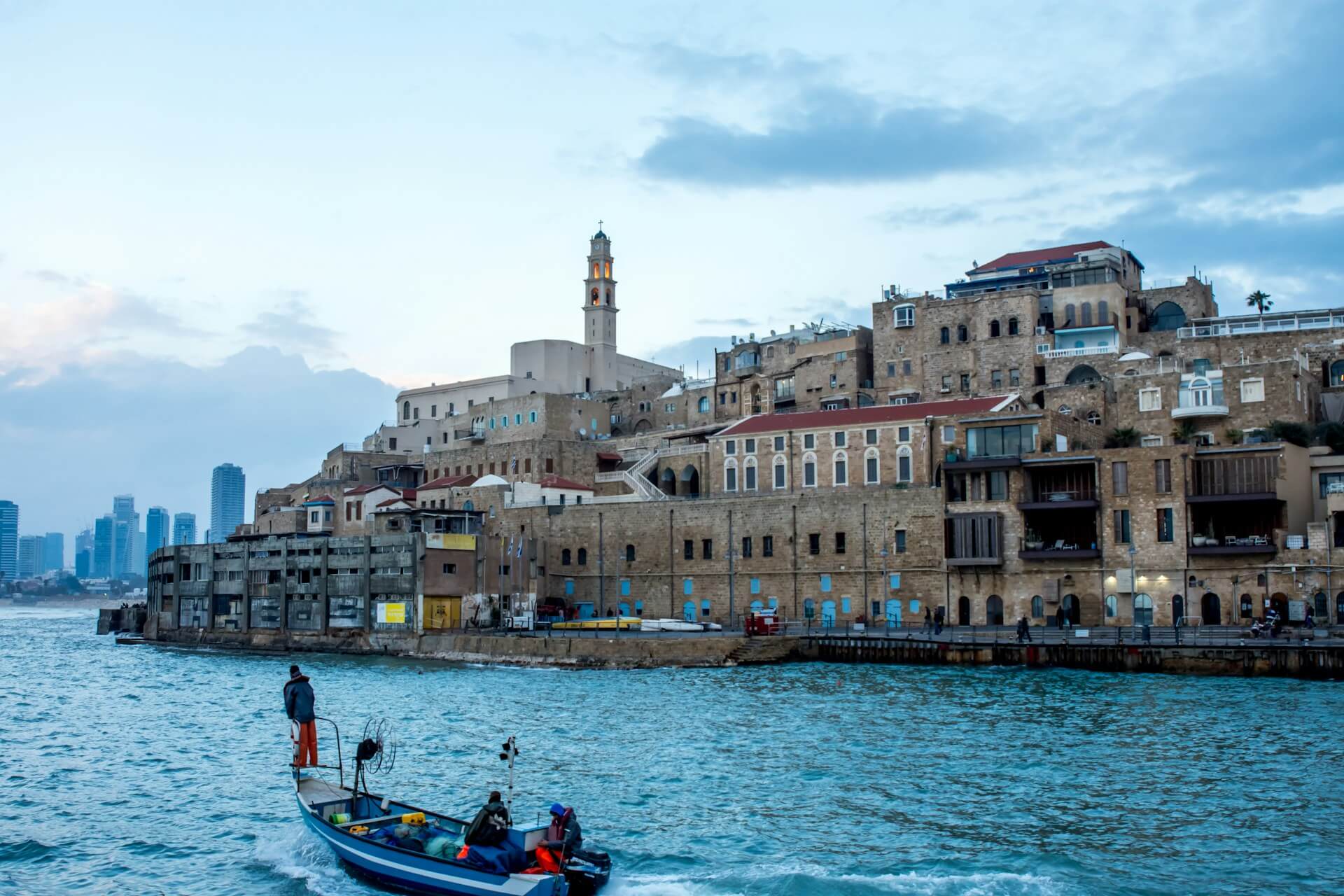
While Tel Aviv was founded in the early 20th century, its ‘older brother’ Jaffa (known as Yafo in Hebrew), has been an active port for over 3,000 years. Famous in the Bible as the port from which Jonah fled before his terrifying encounter with a whale, it’s one of the city’s top attractions and well worth a full day’s visit if you want to understand its history.
Begin at the Jaffa Clock Tower, built in 1903 to honor the Ottoman Sultan Abdul Hamid II. Acting as the gateway to the Old City, walk towards the sea, wandering through tiny winding alleys (today holding the Artists Quarter) which make you feel you’ve stepped back in time.
Up on the hill, explore St Peter’s Franciscan Church (once a beacon for travellers making pilgrimages to the Holy Land) then walk through Abraxa park (don’t miss the ‘Statue of Faith’) taking in commanding views of the Mediterranean. Down in the Jaffa Port, enjoy lunch at one of the excellent restaurants and pop into some of the galleries. And if you have time, don’t miss the vibrant Jaffa Flea Market (perfect for those who like to rummage and haggle).
Pro tip: To truly appreciate the history and hidden stories of Old Jaffa, consider joining a guided Jaffa walking tour or a full Tel Aviv day tour, it’s an easy and enriching way to explore the area in depth.
2. Neve Tzedek
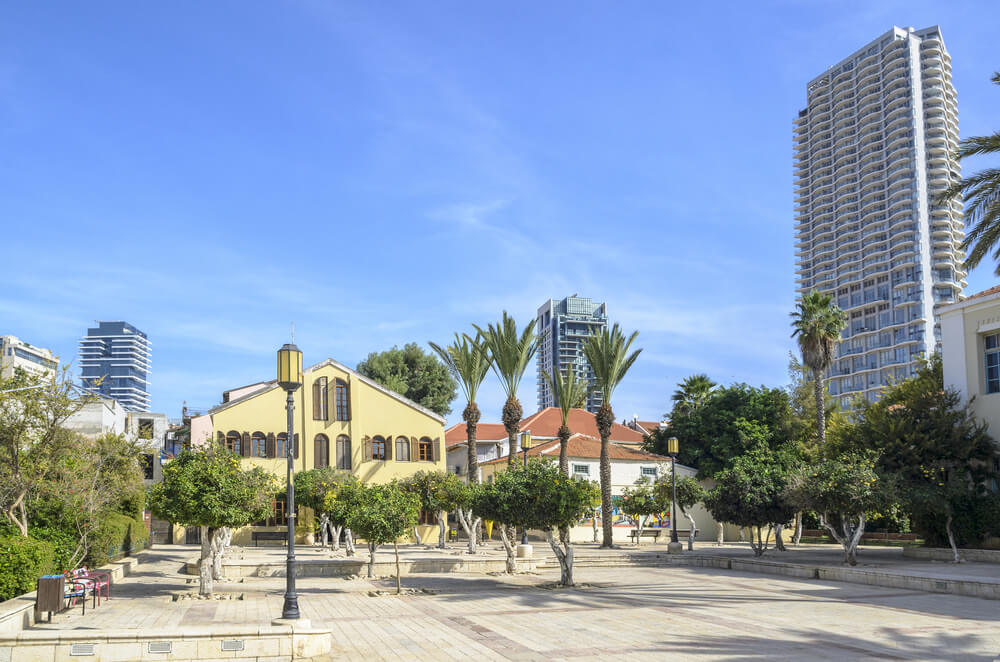
Before there was Tel Aviv, there was Neve Tzedek. Established in 1887, and named ‘Oasis of Justice’, it was the first Jewish neighborhood to be built outside the rather overcrowded walls of Jaffa. Today., it’s arguably the city’s most beautiful neighbourhood, filled with excellent restaurants, luxury boutiques, and the world-renowned Suzanne Dallal Centre for modern dance.
But what is also fascinating is that Neve Tsedek was the cultural centre of the early Zionist movement - where Shai Agnon (the Nobel Laureate writer) and one of Israel’s greatest artists, Nahum Gutman, spent their time. Indeed, a trip to see his paintings and sculptures for yourself at the Gutman Art Museum is the perfect way to understand more about the early founders of the State of Israel.
Today, Neve Tsedek’s beautiful-restored houses and charming backstreets make this spot a true oasis in a city that can often feel very busy!
3. The White City (UNESCO World Heritage Site)
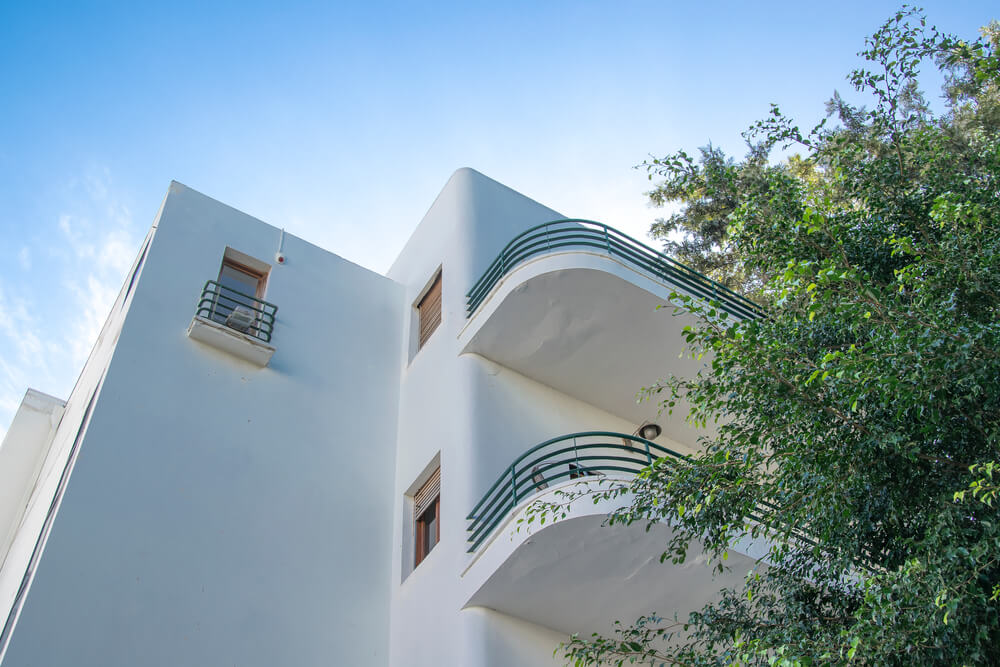
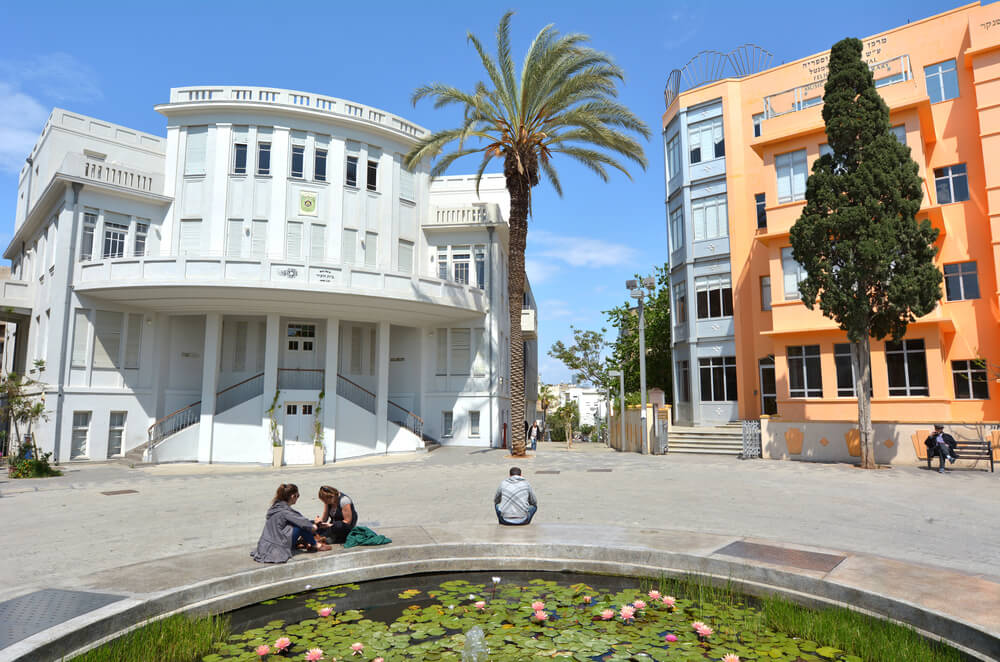
In the 1930s, Jewish architects who fled Nazi Germany arrived in Tel Aviv, bringing with them the principles of the Bauhaus and International Style. Within a decade or so, they had transformed certain parts of the city.
Defined by their functional style, with clean lines, curved balconies and dazzling white exteriors, today, Tel Aviv has the highest concentration of Bauhaus-style buildings in the world (over 4,000) and in 2003, UNESCO designated the ‘White City’ as a World Heritage site.
But make no mistake about it, the White City is no museum; as you walk along Rothschild Boulevard, and the surrounding streets, you will see these architectural masterpieces being used as modern apartments, coffee shops, and boutique hotels. Actually, for any fan of design or history, the White City is astonishing - the physical manifestation of a dream, in which a modern city was constructed on nothing more than sand dunes.
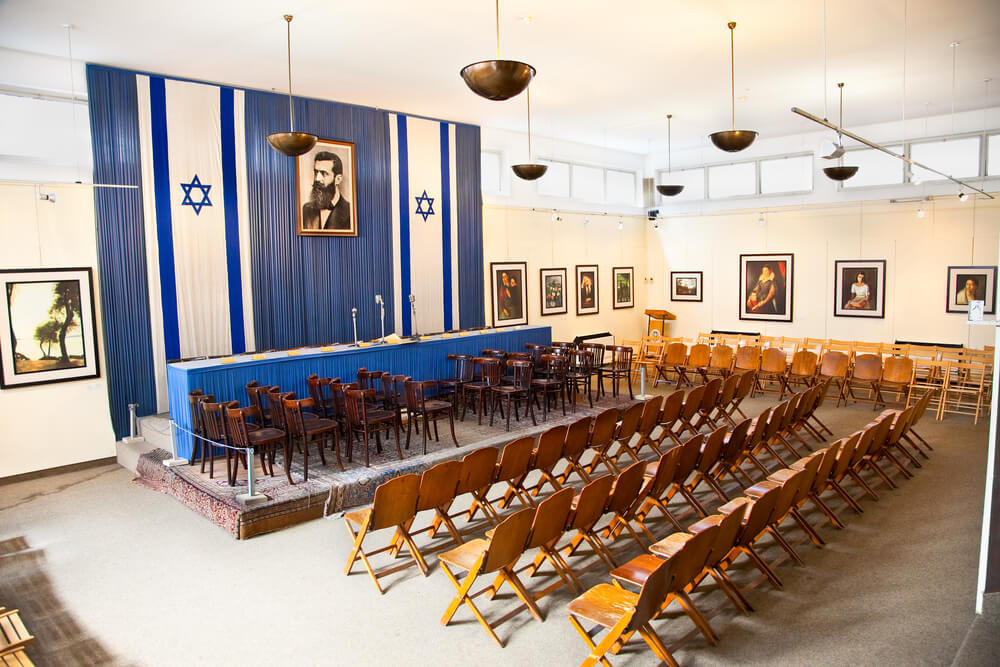
4. Independence Hall (Dizengoff House)
5. Bialik House
6. Ben Gurion's House
7. Sarona
 Certificate of Excellence
 Guaranteed Departure
 Low Prices Guaranteed
 24/7 Support


