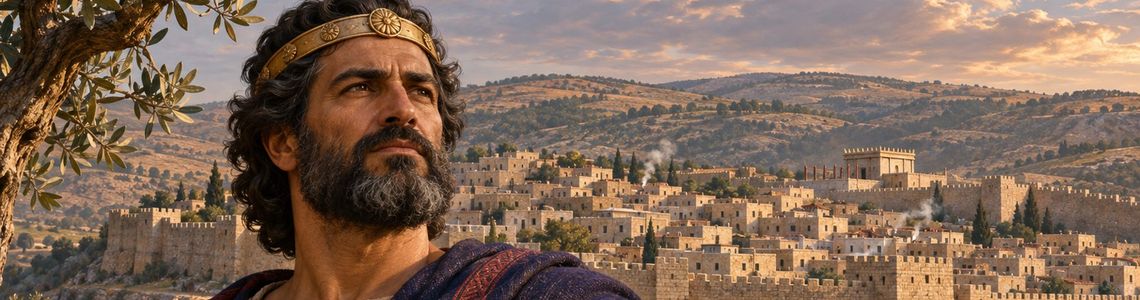
An army approaches Jerusalem. A king prepares its defenses, secures its water supply, and carries an enemy’s threatening letter into the Temple to pray. King Hezekiah’s story brings together faith, fear, and the struggle to protect a city. Today, a walk through ancient Jerusalem can lead you into the landscape of that story, including a remarkable tunnel carved through solid rock.
Hezekiah was a king of Judah whose reign is remembered for religious reforms, confrontation with Assyria, and the biblical account of his recovery from a life-threatening illness. His story appears in 2 Kings 18–20, 2 Chronicles 29–32, and Isaiah 36–39. Inscriptions and archaeological discoveries also connect him with the history of Jerusalem, offering another perspective on one of the Bible’s most memorable kings.
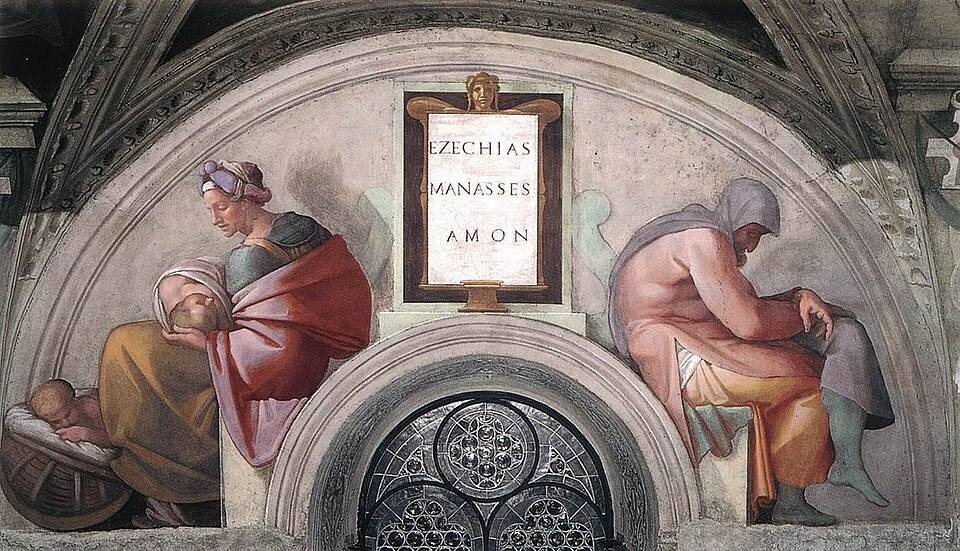
Hezekiah was the son of King Ahaz and a member of the royal house of David. He ruled the southern kingdom of Judah from Jerusalem in the late eighth and early seventh centuries BCE. His reign is often dated approximately 715–686 BCE, although chronologies differ, partly because scholars debate whether he shared power with his father before ruling independently.
According to 2 Kings 18:2, he became king at 25 and reigned for 29 years. This was a dangerous period for Judah. Assyria dominated much of the region, and the neighboring northern kingdom of Israel fell to Assyrian conquest. Judah’s rulers faced difficult decisions about tribute, resistance, and survival.
It helps to keep those two kingdoms distinct. Hezekiah was king of Judah, not ruler of the northern kingdom of Israel. Jerusalem was his capital, and the Temple stood at the center of the religious renewal described in his story. The prophet Isaiah appears as an important voice during his reign, bringing both reassurance and warnings.
The biblical writers present Hezekiah as a notably faithful king. In 2 Kings, his trust in God receives exceptional praise:
“He trusted in the LORD God of Israel” (2 Kings 18:5, KJV)
His reforms reversed practices associated with his father’s reign. According to 2 Chronicles 29, he reopened and repaired the Temple doors and organized the cleansing of the sanctuary. Priests and Levites returned to their duties, and worship was renewed.
He also removed high places and sacred objects associated with unauthorized worship. One striking example is the bronze serpent linked with Moses. Although it had an important place in Israel’s earlier story, 2 Kings 18:4 says Hezekiah broke it because people had begun burning incense to it. The episode shows that the reform concerned how sacred objects were used, as well as which objects people possessed.
In 2 Chronicles 30, Hezekiah invited people from Judah and the northern tribes to celebrate Passover in Jerusalem. Some rejected the invitation, while others came. The account presents renewal as a communal undertaking, involving preparation, reconciliation, and worship.
Yet Hezekiah is not portrayed as flawless. Later passages describe pride, a troubling encounter with Babylonian visitors, and his response to prophetic criticism. Those moments give the story its human complexity: a king praised for faith could still exercise poor judgment.
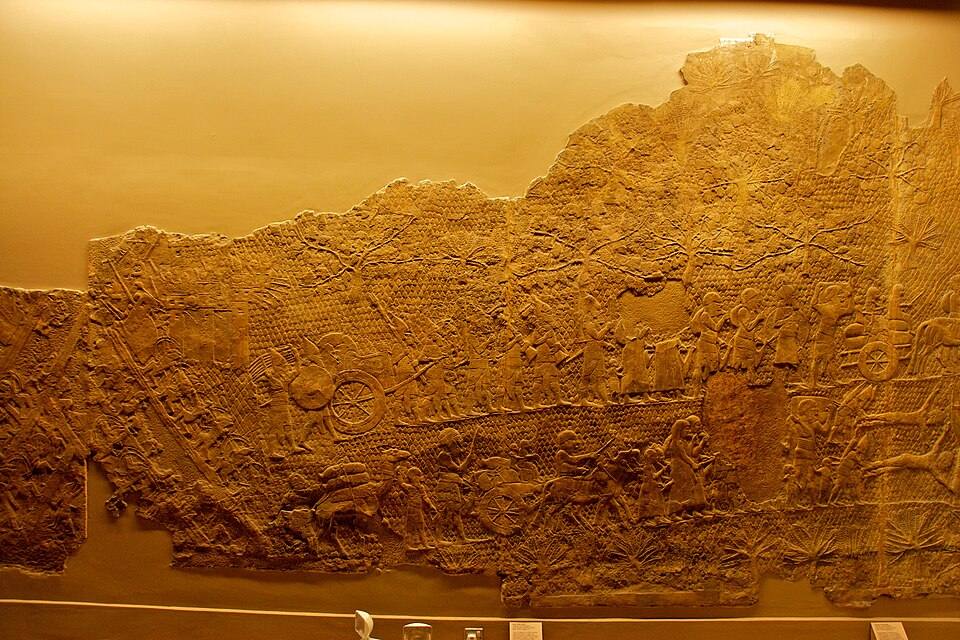
In 701 BCE, the Assyrian king Sennacherib campaigned against Judah. The crisis extended well beyond Jerusalem. Fortified towns were attacked, and Lachish, an important Judahite city, became a major focus of the campaign. The biblical account describes Hezekiah paying tribute, even stripping gold from the Temple doors to meet the demand (2 Kings 18:13–16).
Assyrian representatives then confronted Jerusalem with threats designed to undermine confidence in the king. In 2 Kings 18, the official commonly called the Rabshakeh speaks within hearing of the people on the walls. His message challenges both Hezekiah’s political decisions and the people’s belief that God will protect them.
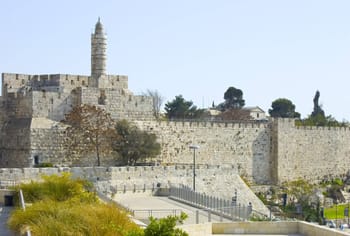
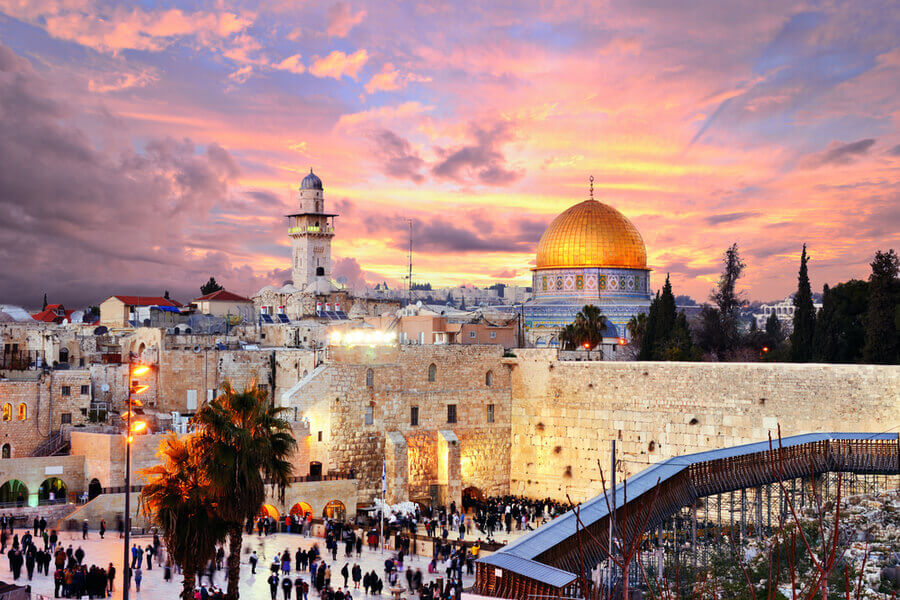
Reading this episode while exploring Jerusalem changes its scale. Water, walls, and food supplies become essential parts of the story. The exposed remains of the Broad Wall, commonly associated with Hezekiah’s defensive preparations, help visitors picture the effort involved in protecting an expanding city.
When Hezekiah receives a threatening letter, he takes it into the Temple and spreads it before God (2 Kings 19:14). It is a vivid scene: the ruler places the document that frightens him at the heart of his prayer.
He asks for Jerusalem’s deliverance and acknowledges the power Assyria has exercised over other nations. Isaiah then brings an answer promising that the Assyrian king will not take the city. The biblical narrative attributes Jerusalem’s deliverance to divine intervention, describing an angel striking the Assyrian camp before Sennacherib withdraws (2 Kings 19:35–36).
That is the scriptural account. Assyrian royal inscriptions present the campaign through a different lens, emphasizing conquest and tribute. They do not record the capture of Jerusalem. Both sources matter, but they should be read according to their distinct purposes rather than treated as identical accounts.
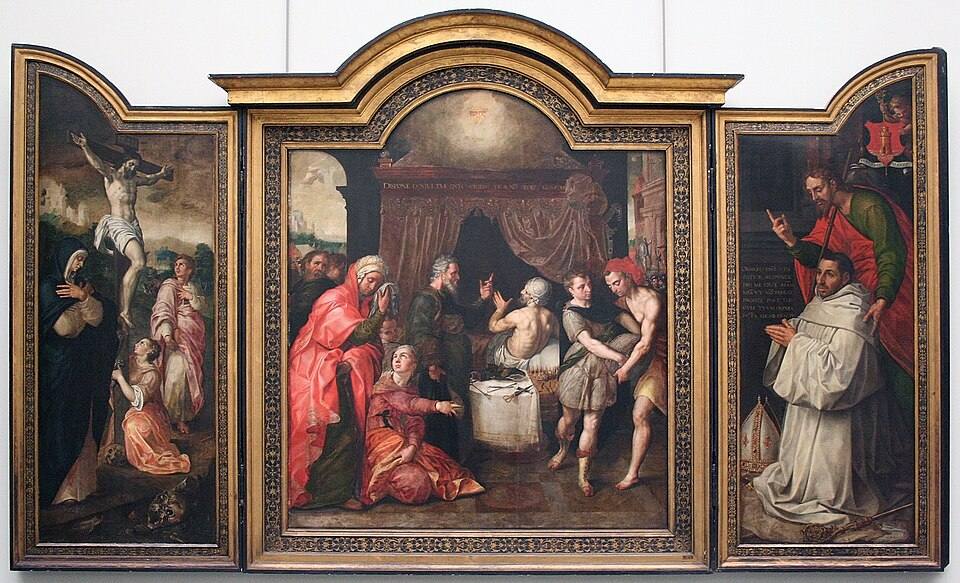
Another deeply personal episode begins when Hezekiah becomes gravely ill. Isaiah tells him to put his household in order because he will die. The king turns toward the wall, prays, and weeps (2 Kings 20:1–3).
Before Isaiah has left the middle court, God instructs him to return with a new message. Hezekiah’s prayer has been heard, and his life will be extended by 15 years. The narrative also describes a preparation of figs applied to his boil and a miraculous sign involving the shadow on the steps or dial of Ahaz.
The wording and construction of that ancient timekeeping feature are interpreted differently in translations. We can explain the sign without claiming that its original mechanism has been identified. Similarly, the text describes a boil but does not establish a modern medical diagnosis.
Within the biblical account, the immediate explanation is God’s response to Hezekiah’s prayer and tears. The passage also connects the promise with Jerusalem’s protection and God’s commitment to David (2 Kings 20:5–6). It is a story of mercy, rather than a formula promising a particular outcome whenever someone prays.
The illness appears after the Assyrian confrontation in the book’s arrangement, but its precise relationship to the campaign is debated. An article can follow the narrative’s sequence without insisting that every episode happened in that same chronological order.
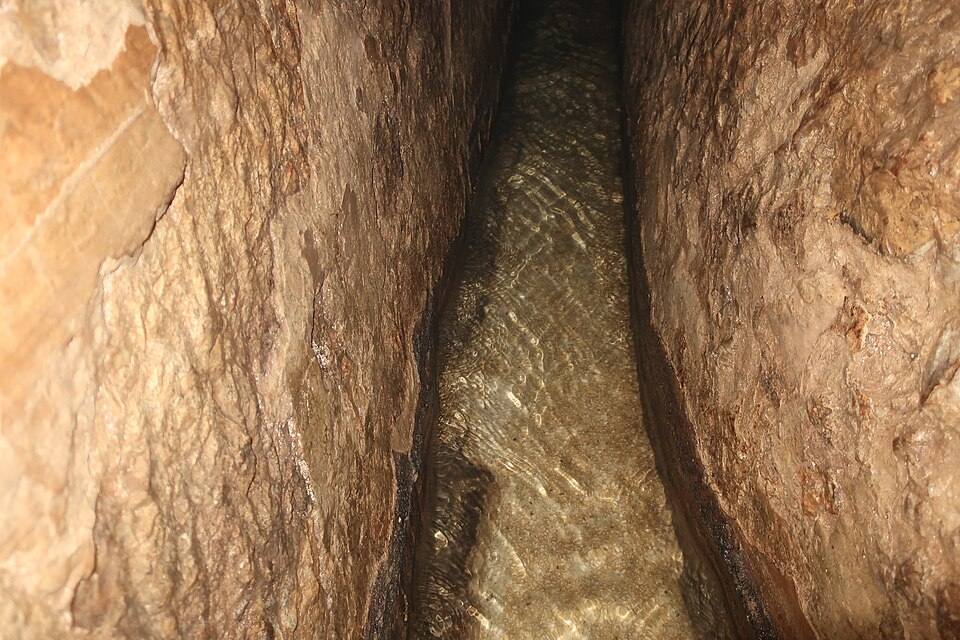
One of the most tangible connections with Hezekiah lies beneath the City of David, south of Jerusalem’s present Old City walls. Hezekiah’s Tunnel, also called the Siloam Tunnel, carries water from the Gihon Spring toward the Pool of Siloam. The winding rock-cut passage extends approximately 533 meters.
The tunnel is widely associated with Hezekiah’s reign and preparations for the Assyrian threat. Second Chronicles 32 describes efforts to deny water to an approaching enemy and redirect the Gihon’s waters. Bringing water into a protected area was a practical response to the possibility of a prolonged attack.
The ancient Siloam Inscription describes workers cutting toward one another and breaking through. It provides a remarkable glimpse of the engineering achievement, although the surviving inscription itself does not name Hezekiah. That distinction allows the evidence to remain fascinating without asking it to say more than it does.
For travelers, the Pool of Siloam and Hezekiah’s Tunnel offer different layers of Jerusalem’s history. The later pool associated with the Gospel story of Jesus healing a blind man belongs to another period. It should not be confused with an unchanged pool surviving exactly as it was in Hezekiah’s day.
The water tunnel is a dark, confined walking route. Before including it in your visit, check the operator’s current access conditions, water levels, equipment requirements, and suitability for your group. A traveler interested in the history does not necessarily need to enter the wet passage to appreciate the site.
Hezekiah’s story is connected with more than monumental construction. Small objects can also bring the administration and politics of his kingdom into focus.
A clay seal impression, known as a bulla, from the Ophel excavations near the Temple Mount bears Hezekiah’s name, identifies Ahaz as his father, and gives his title as king of Judah. The discovery was publicly announced in 2015 by the Hebrew University excavation team.
This is an impression made by a seal, rather than the original seal itself. Its importance lies in the royal identification and its archaeological context. It offers direct evidence connected with Hezekiah’s administration, without proving every episode recorded about him in the Bible. Visitors should not assume the object is always on public display without checking its current exhibition status.
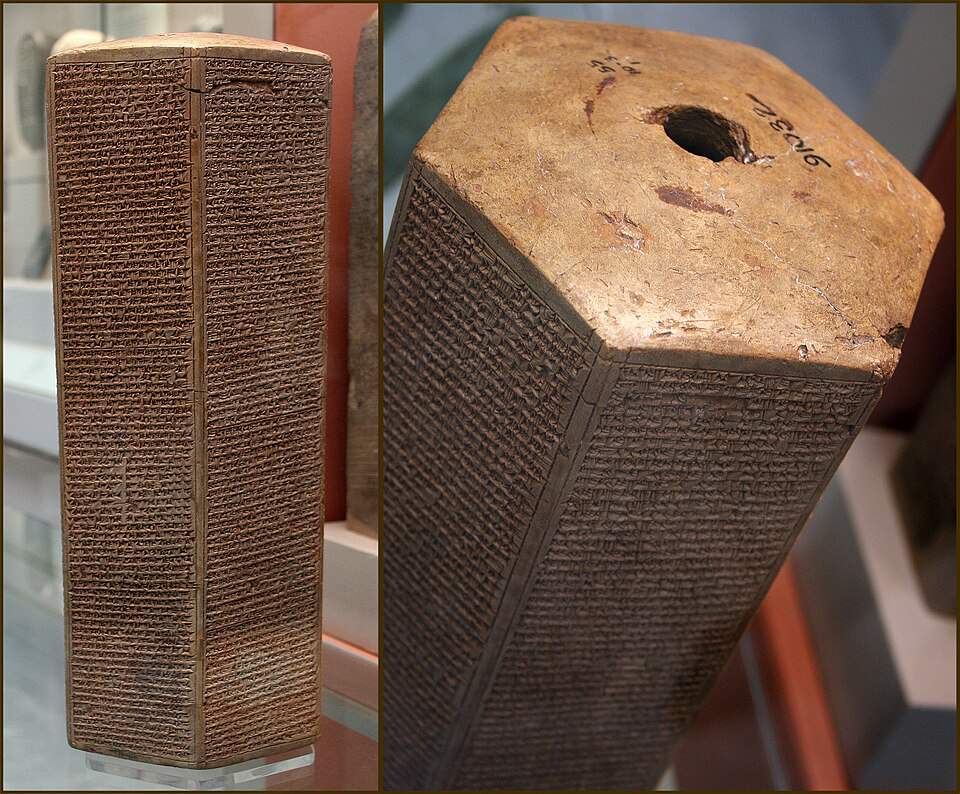
Copies of Sennacherib’s annals describe his campaign against Judah and the confinement of Hezekiah in Jerusalem. A prism in the Israel Museum dates to 691 BCE and recounts the earlier campaign of 701 BCE. The object’s production date and the event it describes are therefore different.
The inscription celebrates Assyrian power and claims tribute from Hezekiah. It supplies an important contemporary perspective on the conflict, while remaining a royal statement intended to glorify Sennacherib. Reading it alongside the biblical narrative creates a richer picture of the period than either account alone.
In 2 Kings 20, envoys from Babylon visit after hearing of Hezekiah’s illness. He shows them his treasures, weapons, and storehouses. Isaiah challenges the decision and warns that a future generation will see those possessions and royal descendants carried away to Babylon.
The exchange adds an unsettling note to a reign remembered for trust and deliverance. Jerusalem survives the immediate Assyrian crisis, but survival does not remove future dangers. Hezekiah’s story ends with his death and the succession of his son Manasseh.
His legacy remains visible in several forms: a biblical account of religious renewal, an encounter between Judah and an imperial power, and the physical remains of a city preparing to defend itself. Exploring those connections gives visitors a way to understand Hezekiah as both a figure of faith and a ruler facing the practical pressures of his time.
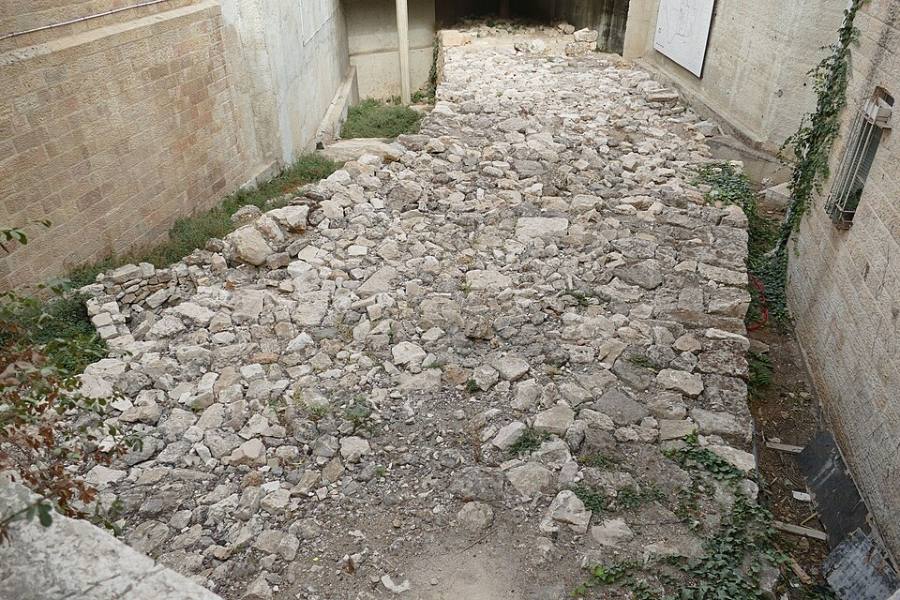
Start with the City of David and its ancient water systems, then connect that landscape with the Broad Wall in the Jewish Quarter. Together, these places help explain how Jerusalem grew and how its rulers confronted the challenge of protecting its residents. A museum visit can add the perspective of inscriptions and objects that are harder to picture among the ruins.
Explore our Jerusalem tours to find an introduction to the city’s history. Check the individual itinerary carefully, as the City of David, Broad Wall, and water tunnel are not included in every tour.
For a visit centered on Hezekiah and biblical archaeology, our private tours in Israel offer the opportunity to discuss a route shaped around your interests, walking preferences, and available time.
Tours You May Like
Join Us
Keep in Touch


 Login / Register
 Contact


 Certificate of Excellence
 Guaranteed Departure
 Low Prices Guaranteed
 24/7 Support