Before he became one of Christianity’s most influential voices, Paul persecuted the people whose faith he would spend his life sharing. His story moves from a startling encounter on the road to Damascus to crowded Mediterranean cities, Roman hearings and letters still read around the world. In Jerusalem and Caesarea, that story also becomes part of the landscape you can explore today.
Paul the Apostle, also known as Saint Paul and Saul of Tarsus, was a Jewish follower of Jesus who helped spread the Christian message throughout the Roman world in the first century AD. He established communities, taught Gentiles, meaning non-Jews, and wrote letters that became central to the New Testament.
He was not one of the twelve disciples who accompanied Jesus during his earthly ministry. Paul’s claim to apostleship rested on his encounter with the risen Christ and his calling to proclaim the gospel. His letters and the Acts of the Apostles are the principal sources for his life, although they sometimes present events with different emphases.
Yes. Paul’s Jewish identity is essential to understanding him. He was born in Tarsus, in present-day Turkey. Acts 22:3 describes his upbringing in Jerusalem and his education under Gamaliel, a respected teacher of Jewish law.
“I am verily a man which am a Jew, born in Tarsus” (Acts 22:3, KJV)
His own letters also affirm his Jewish ancestry. His arguments draw deeply on Israel’s scriptures, and his mission to Gentiles developed within debates about how those newcomers should belong to the community of Jesus’ followers.
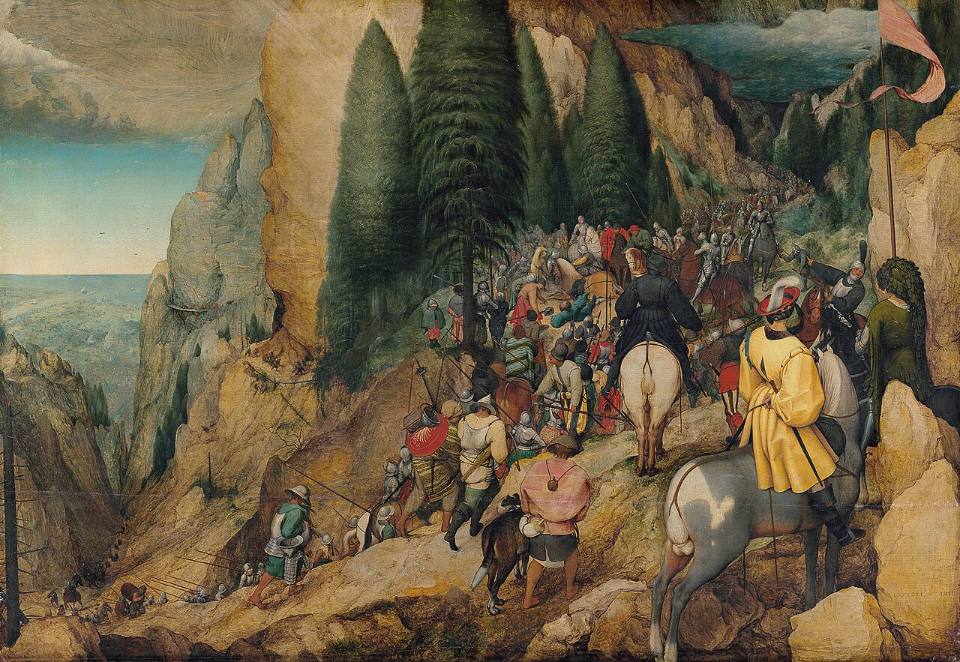
According to Acts 9, Saul traveled toward Damascus with authority to arrest followers of Jesus. Near the city, a light from heaven surrounded him, and he fell to the ground.
“Saul, Saul, why persecutest thou me?” (Acts 9:4, KJV)
The voice identified itself as Jesus. Blinded, Saul was led into Damascus, where he remained without sight for three days. Ananias, a disciple initially fearful of him, came to him. Saul regained his sight and was baptized.
This episode is commonly called Paul’s conversion, though his own description in Galatians 1:15–16 emphasizes God’s call to reveal Christ and send him among the Gentiles. The change was profound: the persecutor became a preacher.
Acts does not say that Jesus renamed Saul at his conversion. Acts 13:9 identifies him as Saul, “who also is called Paul” (KJV). Saul was his Jewish name; Paul was his Roman name. The narrative increasingly uses Paul as his mission moves through the wider Roman world. It is more accurate to think of two names than a name bestowed during the Damascus encounter.
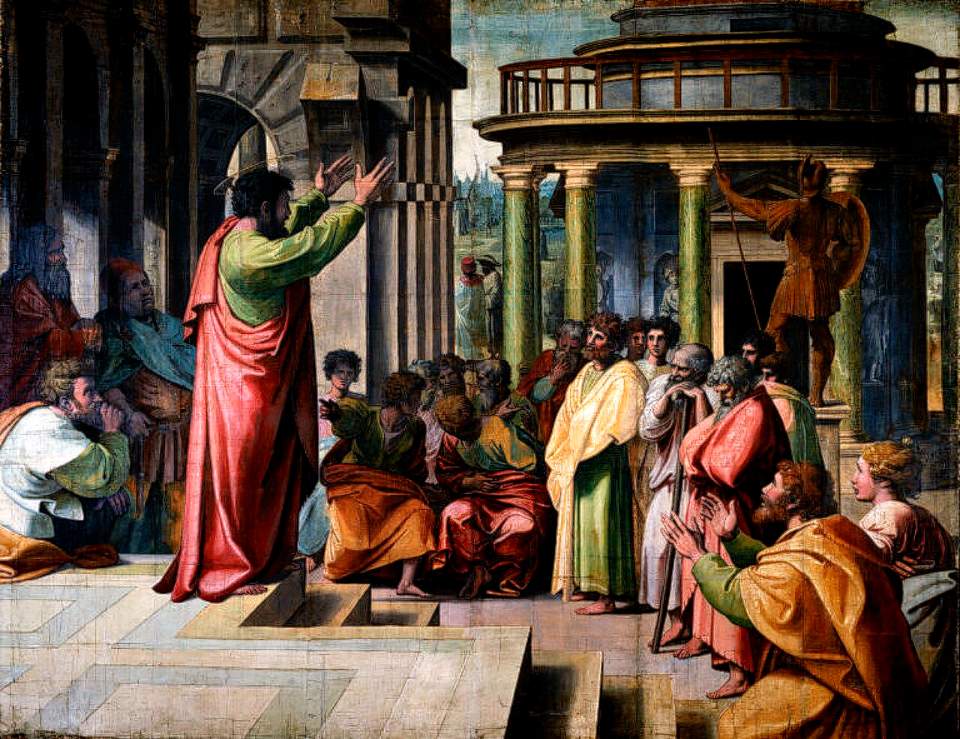
Paul’s missionary journeys are usually organized into three major journeys described in Acts. They carried him across parts of modern Turkey, Cyprus and Greece, connecting small groups of believers across a much larger world.
These were demanding journeys by road and sea. Acts describes opposition, imprisonment and close relationships with hosts and fellow workers. The letters show another side: Paul encouraging communities, answering difficult questions and sometimes confronting serious disagreements.
His return to the Holy Land provides a particularly useful connection for travelers. Acts 21 records a brief stay in Ptolemais, modern Acre, followed by a visit to Caesarea before he continued to Jerusalem. His later voyage to Rome as a prisoner is generally treated separately from the three missionary journeys.
Thirteen New Testament letters are traditionally attributed to Paul: Romans, 1 and 2 Corinthians, Galatians, Ephesians, Philippians, Colossians, 1 and 2 Thessalonians, 1 and 2 Timothy, Titus and Philemon.
Modern scholars widely accept seven as authentic Pauline letters: Romans, 1 and 2 Corinthians, Galatians, Philippians, 1 Thessalonians and Philemon. The authorship of the remaining six is debated. Hebrews was associated with Paul in some Christian traditions, but it is anonymous and should not simply be counted as a confirmed letter by him.
These writings address faith, resurrection, relationships and the practical challenges of living together. Their language continues to reach far beyond the communities that first received them:
“And now abideth faith, hope, charity, these three; but the greatest of these is charity.” (1 Corinthians 13:13, KJV)
Here, the KJV’s word “charity” expresses love. It is a reminder that Paul’s legacy rests as much in words shared between people as in the miles he traveled.
Paul experienced imprisonment more than once. The sequence connecting Jerusalem, Caesarea and Rome begins with accusations against him in the Jerusalem Temple precincts, followed by Roman custody, hearings and his appeal to Caesar.
In Acts 21, opponents accused Paul of teaching against the Jewish people, the law and the Temple. They also assumed he had brought a Gentile into a restricted area. The narrative presents this as an accusation, not an established act.
A crowd seized him, and Roman soldiers intervened and took him into custody. After a plot against his life became known, the commander arranged an armed escort to Caesarea. For visitors, Jerusalem provides the setting for this turning point, although a walk through today’s Old City cannot reconstruct his exact movements.
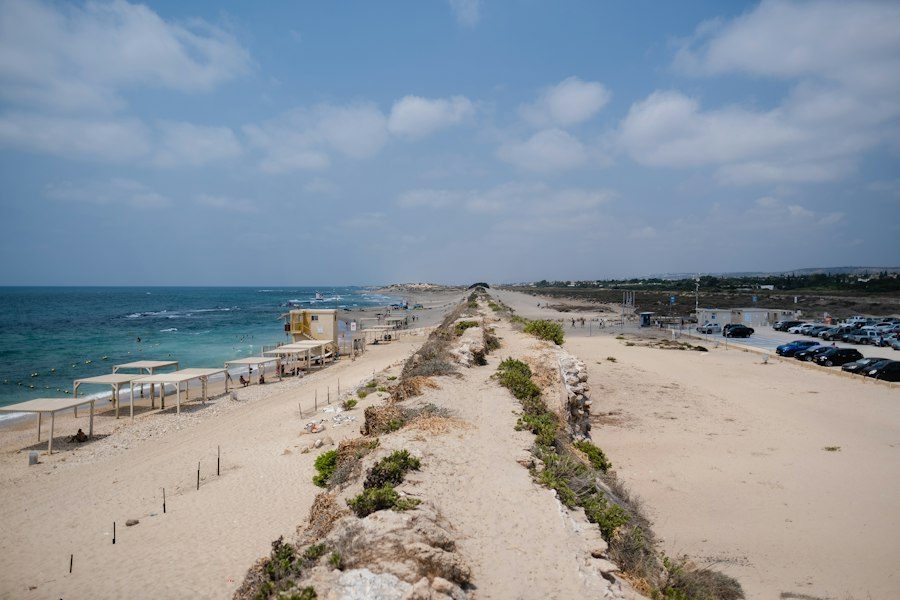
At Caesarea Maritima, Acts places Paul in custody in Herod’s judgment hall, often translated as Herod’s praetorium. He appeared before the governors Felix and Festus and later spoke before King Agrippa II and Bernice. Acts 24:27 records that two years passed before Festus succeeded Felix, with Paul still detained.
“I appeal unto Caesar.” (Acts 25:11, KJV)
That appeal led toward Rome. Today, Caesarea’s palace remains, theater and waterfront help visitors picture the Roman administrative city behind the account. The archaeological setting is meaningful, but a particular room should not be presented as Paul’s conclusively identified prison cell.
Christian tradition holds that Paul was martyred by beheading in Rome during Nero’s reign, commonly placed in the AD 60s. His exact death date is uncertain.
The New Testament does not narrate his execution. Acts ends with Paul living under custody in Rome, receiving visitors and continuing to teach. The account of his beheading comes from later Christian sources. Keeping that distinction clear allows readers to appreciate both the biblical narrative and the tradition that developed around his memory.
Reading about Paul explains the events. Visiting Jerusalem and Caesarea gives those events a setting: the city of his education and arrest, and the coastal center where he faced Roman authority.
Make Caesarea a highlight of your visit with our Caesarea, Haifa and Acre Private Tour. The itinerary includes Caesarea’s Roman theater and remains of Herod’s palace. Ask us to plan a stronger focus on Paul’s story, with time for the relevant biblical passages and historical context. Acre adds another connection through the brief visit recorded in Acts 21:7, although today’s prominent monuments largely belong to later periods.
Our Jerusalem Full Day Tour introduces the Old City and major biblical landmarks, including the Western Wall, Via Dolorosa and Church of the Holy Sepulchre. It offers a broader introduction to the city’s religious history. For a particular interest in Paul’s Jerusalem, speak with us about a private itinerary and confirm suitable stops in advance.
Choose your tour and tell us which part of Paul’s story interests you most. We can help you connect the reading with a visit that fits your interests and pace.
Tours You May Like
Join Us
Keep in Touch


 Login / Register
 Contact


 Certificate of Excellence
 Guaranteed Departure
 Low Prices Guaranteed
 24/7 Support