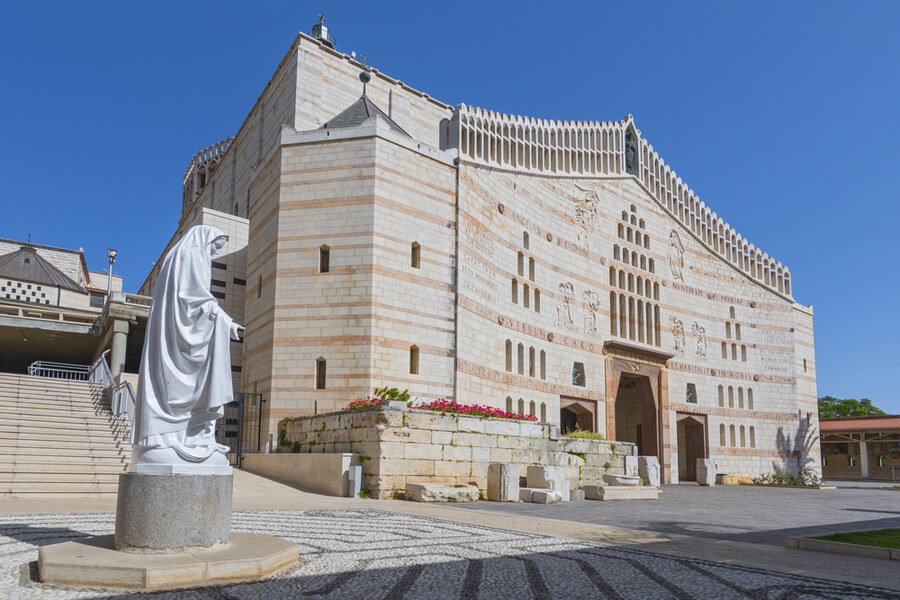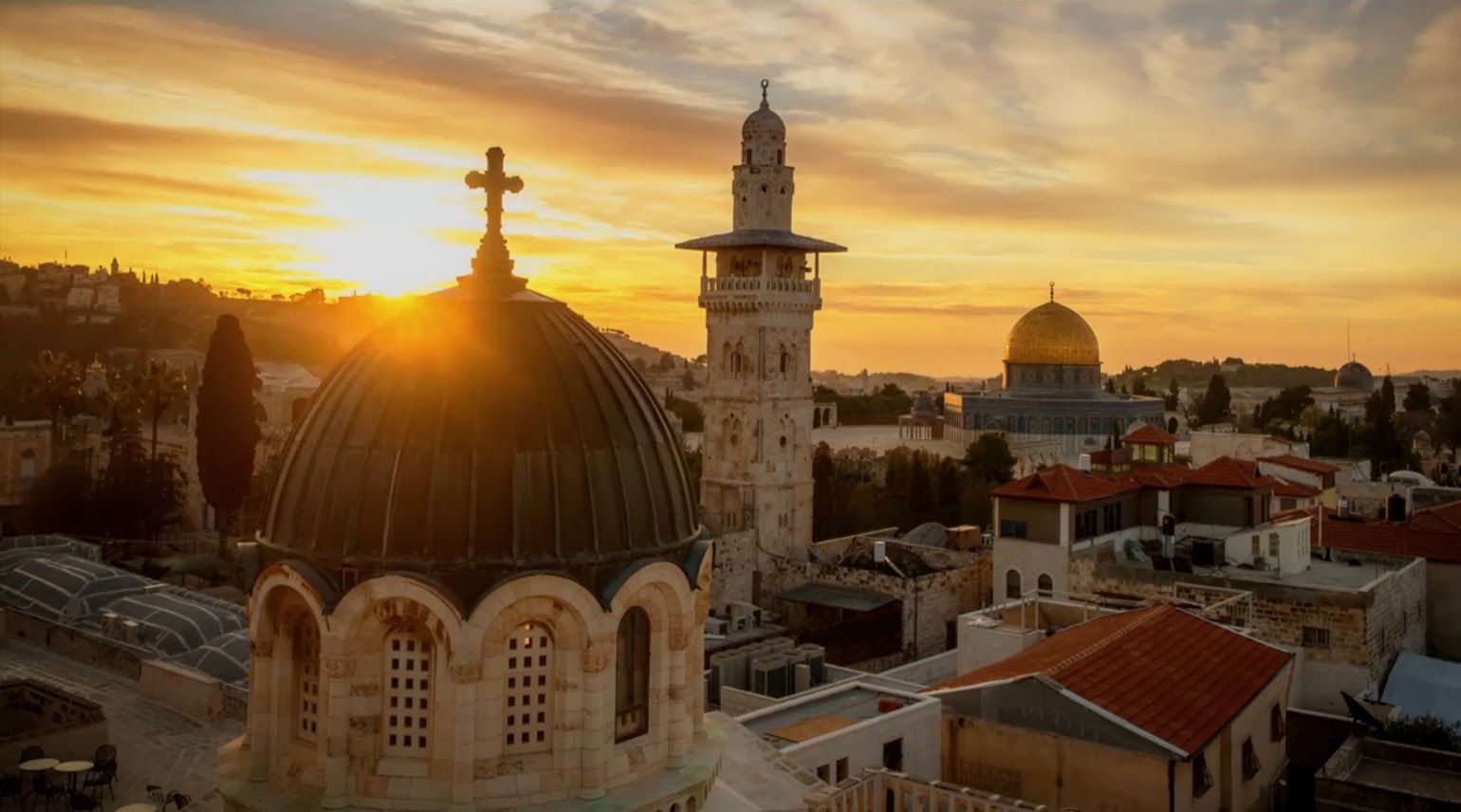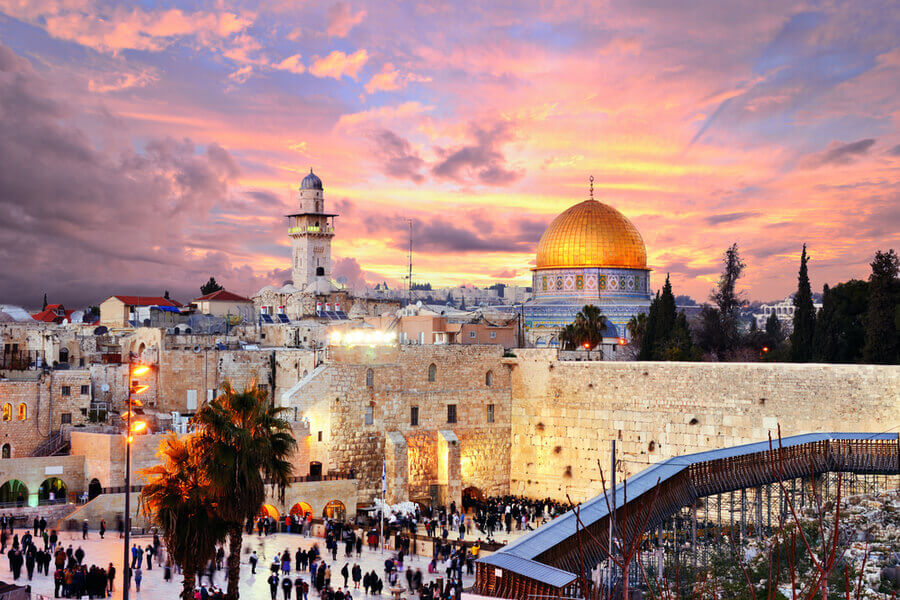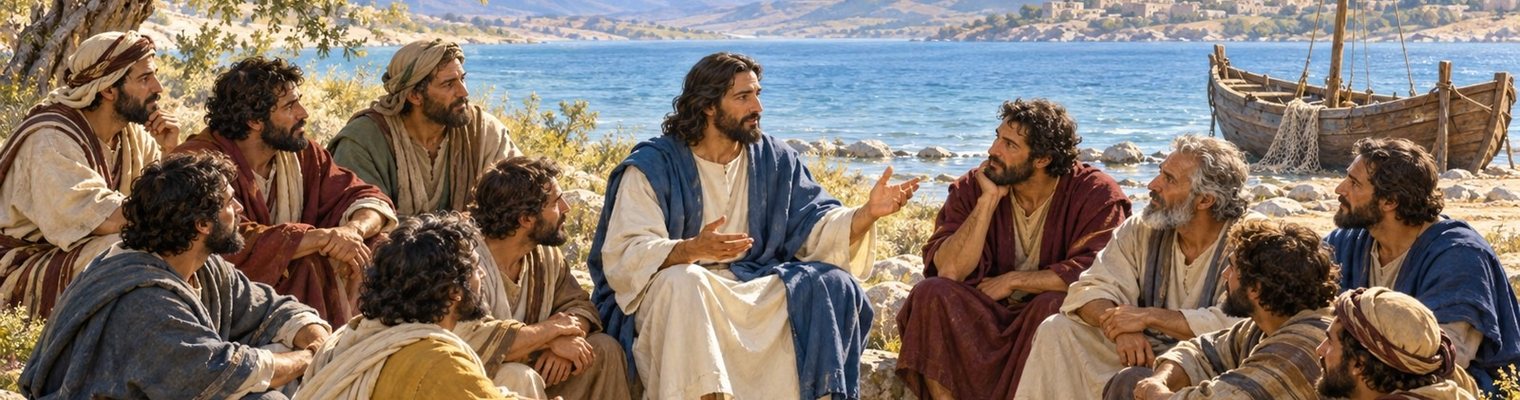
A fishing net, a tax collector’s booth, a table in Jerusalem: the story of the 12 apostles begins in places of everyday life. Behind the familiar names are brothers, bold promises, difficult questions, and second chances. Getting to know these men brings the Gospel stories into focus and adds a personal dimension to exploring Galilee and Jerusalem.
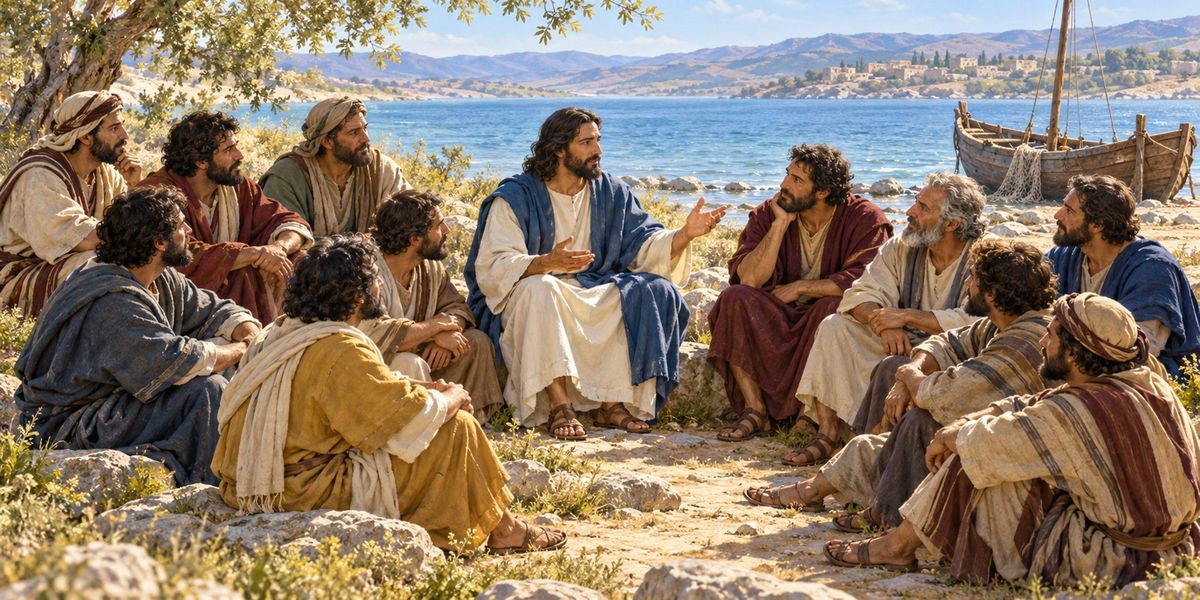
The 12 apostles were the group Jesus chose from among his disciples to accompany him and share in his mission. They listened to his teaching, witnessed his miracles, and were sent to preach and heal. After the Resurrection, the surviving apostles became central witnesses and leaders in the early Christian community.
Luke describes Jesus spending the night in prayer before choosing the Twelve:
“And when it was day, he called unto him his disciples: and of them he chose twelve, whom also he named apostles;”
Luke 6:13, KJV
The Gospels give some apostles a prominent voice and tell us much less about others. Together, their stories connect fishing communities around the Sea of Galilee with the events of Holy Week and the beginnings of the Church in Jerusalem.
The original Twelve are listed below. Matthew 10:2–4, Mark 3:16–19, and Luke 6:14–16 preserve the names with some variations, especially Thaddeus and Jude. The table separates the two men named James, the two named Simon, and Judas Iscariot from Jude.
| Apostle | A detail to remember |
|---|---|
| Peter | Also called Simon; Andrew’s brother |
| Andrew | Brought Peter to Jesus |
| James, son of Zebedee | John’s brother; called James the Greater |
| John | James’s brother; one of the fishermen |
| Philip | From Bethsaida; brought Nathanael to Jesus |
| Bartholomew | Traditionally identified with Nathanael |
| Thomas | Remembered for questioning and faith |
| Matthew | Called from his tax collector’s booth |
| James, son of Alphaeus | Traditionally called James the Less |
| Thaddeus | Commonly known as Jude |
| Simon the Zealot | Distinct from Simon Peter |
| Judas Iscariot | Betrayed Jesus; later replaced by Matthias |
Simon Peter was a fisherman whose story moves between conviction, failure, and renewed responsibility. He left his nets to follow Jesus, denied knowing him during the events of the Passion, and later received a renewed call to care for Jesus’ followers in John 21. His other name, Cephas, is explained as a stone in John 1:42.
In Capernaum, a modern church rises above the remains of a house long venerated as Peter’s home. At Tabgha, the Church of the Primacy of Peter commemorates the lakeside encounter with the risen Jesus. These places connect his calling with the possibility of beginning again.
Andrew often appears as the person who brings someone else into the story. In John 1, he follows Jesus and then finds his brother Simon Peter and brings him to meet him. John identifies Bethsaida as the city of Andrew, Peter, and Philip.
Before the feeding of the five thousand, Andrew points out a boy with five barley loaves and two fish, while wondering how so little could feed so many (John 6:8–9). That detail gives the miracle remembered at Tabgha a human starting point: someone notices what is available.
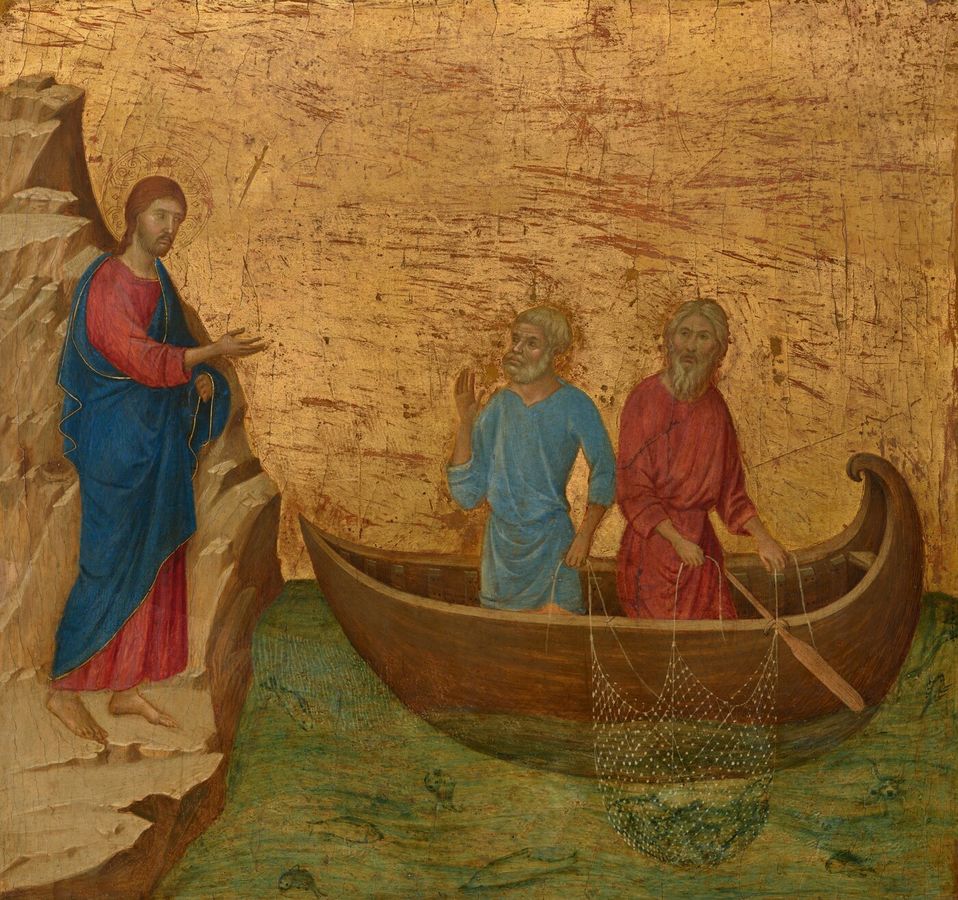
James was working with his brother John and their father when Jesus called the brothers beside the Sea of Galilee. They left their boat and followed him. Often called James the Greater, he is distinct from the other James among the Twelve.
With Peter and John, he witnesses the Transfiguration, when the Gospel describes Jesus appearing in glory on a mountain (Mark 9:2–8). His story also leads to Jerusalem: Acts 12:2 records his execution by the sword under King Herod. The fisherman’s calling thus becomes a story of discipleship carried through to its costliest consequences.
John was James’s brother and another of the fishermen called beside the lake. Mark 3:17 records the brothers’ memorable shared name, Boanerges, meaning sons of thunder. John also belongs to the smaller group with Peter and James who accompany Jesus at the Transfiguration.
Christian tradition associates him with the beloved disciple and the Gospel bearing his name. The beloved disciple remains unnamed in the Gospel itself. In Christian memory, John’s story links the fishing shores of Galilee with the intimate language of love, witness, and faith found in that Gospel.
When Jesus calls Philip in John 1, Philip soon seeks out Nathanael. Faced with Nathanael’s skepticism about Nazareth, he invites him to come and see. His response offers an encounter rather than a lengthy argument.
Philip also voices practical questions. When Jesus asks where bread might be bought for a crowd, Philip calculates that even a substantial sum would not provide enough for everyone (John 6:5–7). At the Last Supper, he asks Jesus to show them the Father (John 14:8). His questions help draw out the teaching around him.
Bartholomew appears in the lists of the Twelve and is traditionally identified with Nathanael. John does not explicitly equate the names. In John’s account, Nathanael initially questions whether anything good can come from Nazareth, then responds to Jesus with a confession of faith after their conversation.
John 21:2 calls Nathanael a man of Cana in Galilee and places him among the disciples at a fishing encounter with the risen Jesus. Through the traditional identification, Bartholomew’s story connects Cana with the lakeshore and a journey from skepticism to recognition.
Thomas is more than the disciple remembered for doubt. When Jesus prepares to return to Judea despite the danger, Thomas urges the others to go with him, even if it means dying with him (John 11:16). Later, his question about how to know the way prompts Jesus’ teaching in John 14:6.
After the Resurrection, Thomas asks for evidence of Jesus’ wounds. At their next encounter, Jesus invites him to look and touch, and Thomas acknowledges him as his Lord and God (John 20:24–29). The text records his confession without saying that he actually touched the wounds.
Matthew’s calling begins at a tax collector’s booth. In Matthew 9:9, Jesus sees him sitting there, calls him, and Matthew gets up and follows. The next scene places Jesus at a meal with tax collectors and others described as sinners, while questions arise about the company he keeps.
The calling gives this apostle a distinctive place among the fishermen: his work and social position were different. Christian tradition identifies him as the author of Matthew’s Gospel. For readers, his story emphasizes the reach of Jesus’ invitation into an unexpected setting.
James son of Alphaeus appears in the lists of the Twelve and is traditionally called James the Less. He should be distinguished from James son of Zebedee. Identifying him with James the Lord’s brother, a leader in Jerusalem, is a separate and disputed question.
The Gospel accounts preserve little of his individual story, but Acts 1:13 names him among the apostles gathered after the Ascension. His place in the community is clear even where the details of his life remain sparse.
Thaddeus is commonly known as Jude and is usually identified with the other Judas in Luke’s list of apostles. He is distinct from Judas Iscariot. This explains why readers encounter different names when comparing lists.
John 14:22 gives Judas, explicitly identified as not Iscariot, a question at the Last Supper: why will Jesus reveal himself to the disciples and not to the world? Jesus’ reply turns toward love, keeping his word, and the presence of the Father and Son with the believer. The brief exchange gives Jude a voice within that deeply personal conversation.
Simon’s title distinguishes him from Simon Peter. Luke calls him the Zealot; Matthew and Mark use a different form of the title, rendered Cananaean or Canaanite in English translations. The names are associated with zeal, rather than simply identifying him as someone from Cana.
Little is known about his occupation or personal history. His title alone does not prove membership in a particular organized political movement. What the lists do establish is his place among the Twelve and, in Acts 1:13, among the apostles gathered in Jerusalem after the Ascension.
Judas Iscariot belonged to the original Twelve. Matthew 26 describes his agreement to hand Jesus over for thirty pieces of silver, his presence at the final meal, and his arrival with the group that arrests Jesus. He identifies Jesus with a kiss.
His story gives Gethsemane a particularly painful connection with the apostles: betrayal enters through a member of the inner circle. Matthew later describes Judas returning the money in remorse. After his death, the community chooses Matthias to take his place. His story is part of the Gospel’s account of responsibility, failure, and the Passion.
A disciple is a learner or follower. An apostle is someone sent with a mission. Jesus had a wider circle of disciples, from whom he chose the Twelve. These men were both learners and messengers, and the New Testament also uses the title apostle beyond this original group.
Matthew’s account of Peter and Andrew’s calling expresses that movement from following to mission:
“Follow me, and I will make you fishers of men.”
Matthew 4:19, KJV, excerpt
The number twelve recalls the twelve tribes of Israel. In Matthew 19:28, Jesus speaks of his followers sitting on twelve thrones and judging the twelve tribes. Christian interpretation connects the choice of the Twelve with this imagery of Israel and renewal.
Their task was also practical. Mark 3 describes their appointment to be with Jesus and to be sent out to preach. Matthew 10 describes a mission of proclamation and healing. They learned through shared life as well as through instruction.
Matthias replaced Judas, according to Acts 1:21–26. The community considered two long-standing followers, one of whom would join the apostles as a witness to the Resurrection. After prayer, they cast lots:
“And they gave forth their lots; and the lot fell upon Matthias; and he was numbered with the eleven apostles.”
Acts 1:26, KJV
Matthias joined the Twelve, although he was not in the original group named during Jesus’ ministry.
No. Paul was an apostle, but he was not one of the original Twelve or the man chosen to replace Judas. Galatians 1:1 identifies him as an apostle and connects his calling with Jesus Christ. His later mission belongs to the wider story of the early Church.
The New Testament does not record the deaths of all twelve. Acts 12:2 describes the execution of James son of Zebedee, and Matthew 27 and Acts 1 contain accounts concerning Judas’ death. John 21:18–19 also points toward Peter’s future death without narrating it.
Many familiar accounts of the other apostles’ martyrdoms come from later Christian traditions. Those traditions are important to the communities that preserve them, but their details have varying historical support. For several apostles, the precise place, date, and circumstances of death remain uncertain.
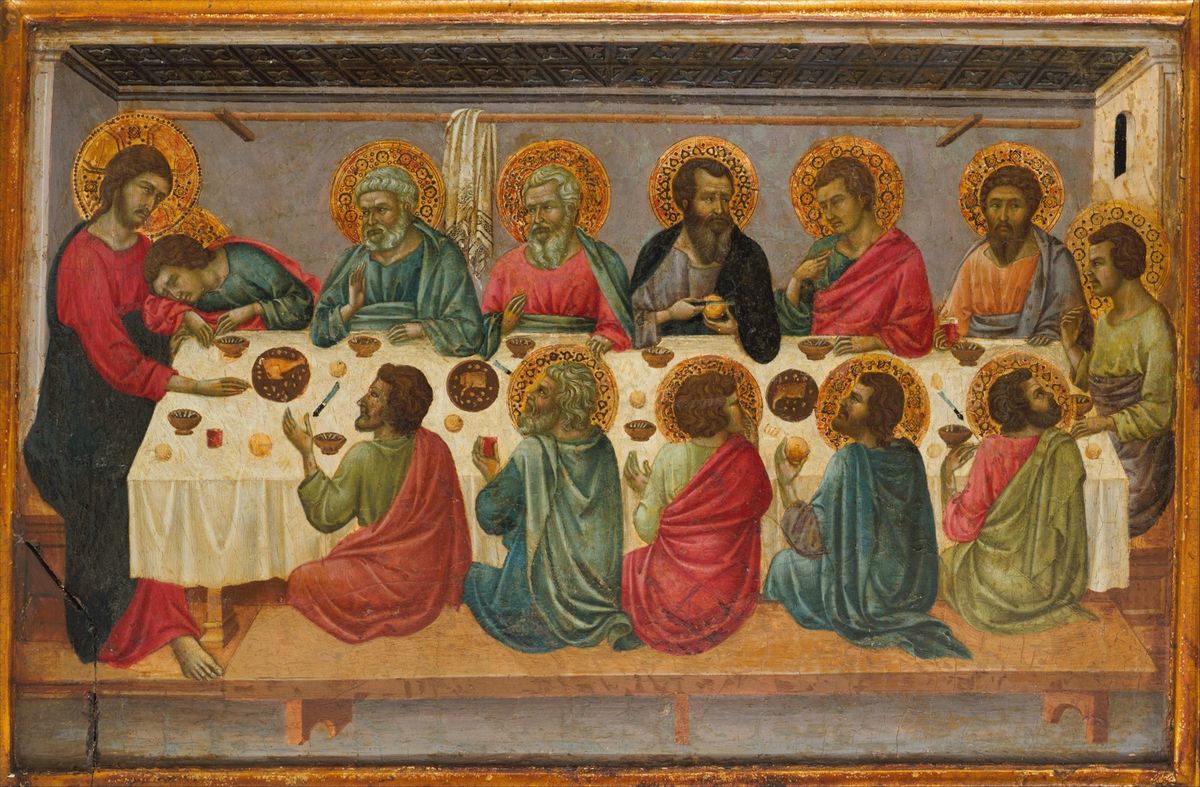
Galilee connects the apostles with fishing, their calling, and shared meals beside the lake. In Jerusalem, the Room of the Last Supper on Mount Zion commemorates their final meal with Jesus. Today’s room belongs to a later building that preserves the sacred tradition.
Explore Capernaum and the Church of the Multiplication at Tabgha on our Nazareth and Sea of Galilee Tour. Hear the stories behind the places where the disciples followed Jesus, with a guide connecting the Gospel accounts to the landscape.
Choose our Nazareth and Sea of Galilee Private Tour for a day shaped around your interests. Ask about a focus on Peter and the apostles, including whether a stop at the Church of the Primacy of Peter can be arranged. Additional stops and prayer time should be confirmed in advance.
Continue on our Jerusalem Old City Private Christian Tour, whose itinerary includes the Room of the Last Supper, Gethsemane, and the Church of the Holy Sepulchre. Explore the itineraries and contact our team to plan your journey through the apostles’ Holy Land.
Join Us
Keep in Touch


 Login / Register
 Contact


 Certificate of Excellence
 Guaranteed Departure
 Low Prices Guaranteed
 24/7 Support