Israel Travel Blog


​​First Time in Israel: The Ultimate Guide

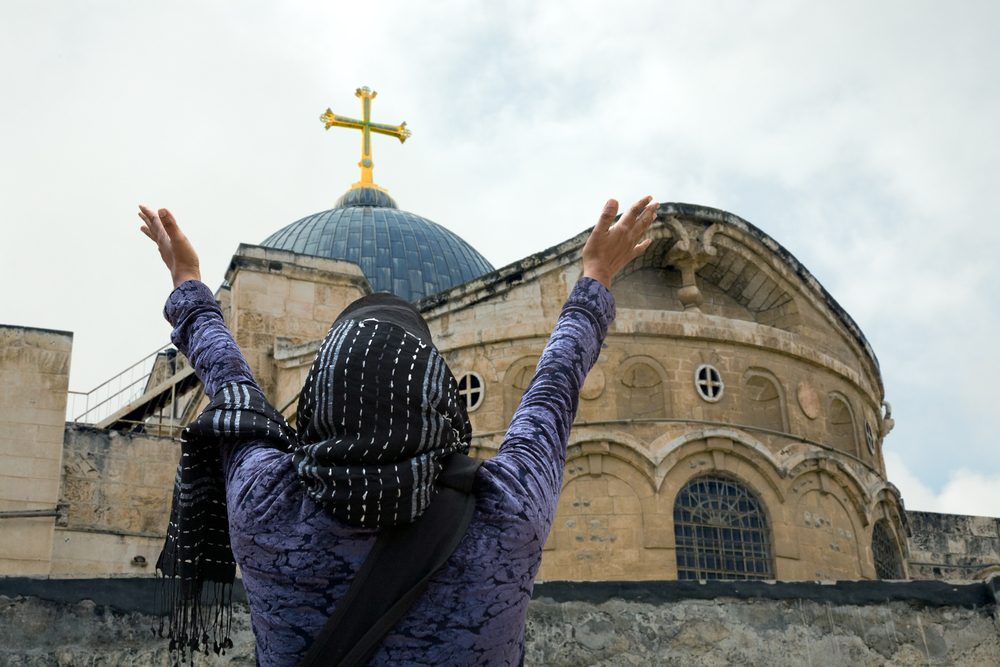
Whether you're traveling on a spiritual tripin the footsteps of Jesus, or just want to have some Middle-Eastern fun - your first time in Israel will be a trip you’ll never forget! This is a land that might be small, but it really packs a punch in terms of history, nature, art and culture, cuisine, and nightlife; few go away disappointed after a holiday here.The best sandy shores in the Middle East await you!Still, if it’s your first trip to Israel, you’re bound to have a few questions, not to mention be looking for tips and hacks to make sure you get the most out of your vacation. Here’s a few things we think you might want to know before you arrive. Shalom and welcome!The Best Time to Visit IsraelIsrael’s a great year-round destination but for the best weather conditions, we’d have to recommend spring and late fall. From March to mid-June, there will be plenty of sun, warm days with cool evenings and it’s perfect for sunbathing in Tel Aviv, hiking both in the Galilee, trekking in the Negev desert, and eating al fresco in the evenings.Ever seen the sunset from the top of a 2,000-year-old legendary Fortress?After the long summer months, October is a wonderful time to travel, when the heat is abating but you can still swim in the Mediterranean, and enjoy the blue skies. November is also pleasant and - with fewer tourists around - the top sites will be less crowded and accommodation will be cheaper to book.The Worst Time to Visit IsraelThere’s no real ‘worst’ time to visit Israel (honestly!) but there are certain times of the year that it’s worth avoiding, on a pragmatic level.Yom Kippur (falling sometime between Sept-Oct) is Israel’s ‘Day of Atonement’ where at least half of the Jewish population fast for 25 hours and attend services around the clock, in synagogues. It is the holiest day of the Jewish calendar and throughout the country, everything is shut.Yom Kippur In Israel - people just walking on the empty roads (Photo by Ron Almog, CC BY 2.0)By this, we mean everything! You cannot drive on the roads, shop, visit restaurants, tour historic sites and museums and even Ben Gurion International Airport shuts down. Essentially, the country comes to a standstill - so be prepared for ‘quiet time’ if you’re visiting.In terms of weather, July and August can be blisteringly hot, and January and February cold and rainy (especially in Jerusalem and the Golan Heights). And two of the major Jewish holidays - Passover (which lasts for 8 days and falls in the spring) and Sukkot (a seven-day festival in the Fall) are when Jews from around the world visit Israel, so the country is very crowded.Must-See Historic & Religious Sites in IsraelIsrael is home to hundreds of religious and historic sites, but some are so incredible that they have to be on your ‘Milk & Honey bucket list‘. They include:The Old City of Jerusalem:the Old City is small (less than one square kilometer) but walking through its ancient gates and wandering inside its walls is truly an unforgettable experience. Sacred to three major world religions (Christianity, Judaism, and Islam) the Old City is crammed with religious sites, includingVia DolorosaandChurch of the Holy Sepulchre,the Dome of the RockandTemple Mount,the Western Wallandthe ancient underground tunnelsof the City of David.The Church of the Holy Sepulchre in Old JerusalemYou could spend days, if not weeks, exploring Jerusalem but if you really want to get the most out of it we recommend taking awalking tour of the Old City- guides in Israel are licensed by the Ministry of Tourism and you’ll be blown away at how much history they really can share with you.Also, try to find time to visitthe Mount of Olives. Just outside the Old City, it’s home tothe Garden of Gethsemaneand several beautiful churches, includingDominus Flevit,Pater Noster, and theRussian Church.Masada Fortress:the ancient fortress of Masada, set on a plateau in the Judean desert, is one of Israel’s most visited archaeological sites. At its top is a Herodian palace, which you can reach and explore by taking a cable car up and witnessing dramatic views.The Masada national parkis also close tothe Dead Sea, so you can easilycombine the two attractionsin an organized day trip - there's plenty ofMasada Toursto choose from. Masada Fortress from aboveBethlehem:The famous birthplace of Jesus is just a short trip from Jerusalem. You can visitManger Square, continue to theChurch of Nativity, see enjoy great street food along the way.The city is under the control of the Palestinian Authority so the easiest way to explore it is with anorganized tour to Bethlehem; you will have the services of guides on both sides of the checkpoint and a comfortable and safe trip.Bethlehem Christmas TreeNazareth and the Sea of Galilee:The north of Israel isn’t just stunningly pastoral; it’s also home to Nazareth - where Jesus lived as a child - and the Sea of Galilee - where he spent most of his adult life, ministering, recruiting his disciples and performing miracles. Churches, synagogues, and glorious views of mountains and hills at every turn mean these spots should definitely make the ‘must-visit’ list.The Sea of GalileeWhat about nature and outdoor activities in Israel?You’re truly spoilt for choice in Israel when it comes to the great outdoors and with plenty of spots to ski, dive, hike, trek, rappel, and jeep ride - adrenalin junkies will be in paradise.Israel’s home to some stunning national parks, within which you can hike or bike along trails, swim in streams and stand under waterfalls, and picnic under eucalyptus groves. In the Golan Heights, you can take jeep tours along the border with Syria, affording you not just magnificent views but a chance to see old fortifications from wars fought long ago.The Banias WaterfallDown in the Negev and Arava desert, you can hike and trek through wadis (valleys), camp under the stars, spend a night with Bedouins, and explore one of the largest craters in the world - the Mahktesh Ramon in the tiny town of Mitzpe Ramon. Walk around its edges, hike inside it (it’s home to wonderful flora and fauna), or - for an experience, you’ll never forget - rappel down its side!Finally, for those who love the water, head to Eilat for snorkeling and diving in coral reefs, jet skiing and paddleboarding on the Red Sea, swimming with dolphins on a reef, camel riding in the nearby mountains, and a trip to Timna Park, home to incredible rock formations and an ancient copper mine!Israeli food: what should I expect?It’s impossible not to eat well in Israel. Trust us, this country is heaven for foodies, not to mention vegetarians and vegans, lovers of baked goods, cheese aficionados, those who keep kosher, and even gluten-intolerant folks.The Holy Land has some awesome gourmet foodBecause Israeli society is such a melting pot (Jews from every corner of the globe live here) that’s reflected in its food. There’s fantastic fish (straight from the Mediterranean), all kinds of white and yellow cheeses, an astonishing variety of fresh fruits and vegetables, and boutique bakeries at every turn.“Classic” Israeli street food includes falafel in pita (deep-fried chickpea balls, served up with salad, pickles, and tahini), sabich (an Iraqi sandwich), and - of course - hummus (if you’re adventurous, order a plate of it with an egg, mushrooms or ful (Egyptian fava beans). Meat lovers can go with shawarma or chicken soup (also known as ‘Jewish penicillin’).Israeli Street food is almost addictive!For those who are really curious, we’d recommend a Carmel Market food tour in Tel Aviv or perhaps splashing out on a gourmet meal at one of Jerusalem’s top restaurants.What’s the daily atmosphere like in Israel? Is it safe?Israelis are an interesting bunch - they’re curious about the world, love talking to tourists, are warm and friendly, and sadly often so direct that visitors mistake this for rudeness! Something else you’ll notice is that contrary to everything you read in the news, daily life in Israel is quite ‘normal’ (save for occasional flare-ups, most of which tend to happen in the West Bank).Israelis will just smile at you; it's in their natureIsrael’s remarkably safe on a personal level - you can walk around at 3 am and no harm will come to you - and is, therefore, a good place for solo and female travelers. Nearly everyone speaks some English and many people are fluent (Israelis are great travelers themselves) and are anxious for visitors to see how wonderful their country is.Eilat, Israel's best resort cityMost of all, Israelis love to help. If you trip over in the street, 20 people will run to lend you a hand. If you’re lost, you’ll not only be given directions but often offered a ride. And if you’re visiting over the Jewish holidays, don’t be surprised to receive an invite to someone’s home - hospitality here is legendary.What does a 10-day trip to Israel cost?We won’t sugarcoat it - this country can be expensive; Tourists arriving here are often astounded by the high cost of food, alcohol, and accommodation - of course, there are ways to travel Israel on a budget and make your trip more affordable - but you do need to prepare yourself.Whilst it’s possible to travel independently (public transport is cheap and efficient, most locals speak good English, infrastructure is developed) but you’re still going to spend a fair bit. That’s why many people choose, on their first trip, to opt for a package tour around Israel. The Bahai Gardens in HaifaWhether you’re looking for a ‘classic trip’ or something oriented towards Christian pilgrims, booking a package means you’ll have the services of a guide, an air-conditioned bus, the cost of entrance to many sites paid in advance, and all accommodation organized for you. Basically, it’s a stress-free and time-efficient way to see the country and, when you’ve crunched the numbers, it may not be that much more expensive than going it alone.Tour groups can save more, and do more in IsraelThat being said, it’s also possible to travel the country independently and, whenever you feel like it, book an Israel day trip. Places like Masada and the Dead Sea, Nazareth, and the Galilee, are a bit tricky to travel around without a car rental, and if you don’t want to drive or - of course - want to know more about the history of these areas, then a day tour with a guide is the way to go.If you’re interested in learning more about our taking a vacation in Israel or Organized Tours in Israel, feel free to reach out by email, Whatsapp, or phone - we’re happy to answer all your questions and help you make your trip a very memorable one.
By Sarah Mann

Petra with Children: A Complete Guide (2026 UPDATE)

Why Visit Petra with Children?Out of all the reasons, we decided to focus on three.Children will be mesmerized by Petra's beauty. Carved out of rose pink rock, with narrow passageways, stunning facades, colonnaded streets, and magnificent views of the surrounding desert, it really is a one-of-a-kind place.It’s a great way to get your kids off their phones and iPads - once they’ve started exploring the site, they’ll probably be so fascinated with it that you’ll have to drag them away. Exploring Petra is a great way to teach them about history and the Visitor’s Centre offers a free audio guide for children that’s engaging and also educational, letting them explore the site and learn about the people that lived there.Kids at the Petra Archeological Park Jordan is a very child-friendly country. Like everywhere in the Middle East, children rule the roost - everyone loves them, makes a fuss of them, and spoils them. So on a visit to Petra, they definitely won’t need to be seen and not heard.Is it Safe to Take Children to Petra?Jordan is a pretty safe country to visit, in any event, but Petra - in particular - is highly recommended because it’s not just set up for tourism but the government and local security staff there take safety very seriously.There are few incidents of crime (e.g. petty theft) and almost no incidents of violence, making the area very safe for families. You can walk the streets easily, day or night, there are local police on hand both in Wadi Musa and the site of Petra itself. If you decide to visit, you will see many groups of people, consisting both of adults and younger family members, roaming around.The Tourism Police in Wadi Musa (Image by Dickelbers CC BY-SA 3.0)Petra is a popular tourist attraction (which brings in a lot of revenue) and the Jordanian government wants to keep it that way - as a result, they go to great efforts to make sure the area is kept safe - after all, happy tourists will spread the word, or even return!Exploring Petra with ChildrenPetra is enormous and there’s lots to see. But there are some places and things that really must be experienced, including:The Siq and Treasury - walking through the Siq passageway is an incredible feeling and at a certain point it’s so narrow that you can’t see far ahead, so have no idea when the Treasury will come into view. When it does, your children will be overwhelmed. As will you. Then spend time in front of the Treasury itself…it’s simply awe-inspiring.The Indiana Jones trail - older kids will find hiking this trail - in the footsteps of Indiana Jones - completely thrilling. Rather than walking through the Siq, take the trail that heads southwest across a desert plain…eventually you’ll arrive at an amazing lookout high above the Treasury. Think about taking a local guide so you don’t get lost!The view is Amazing!Horse and Carriage/Donkey Riding - some people like to use animals to travel the Siq and your kids might enjoy it - just make sure that you agree on the price beforehand to avoid any possible quarrels and that the animals look well-cared for.Petra by Night - taking children to Petra at night can be a lot of fun - the entire area around the Treasury is lit with thousands of candles and you’ll also be treated to a traditional Arabic musical performance. Just remember that you need to buy a separate ticket for this activity.The Petra Monastery - this medium to hard walk, involving 850 uneven stairs, is a bit steep and not suitable for youngsters but is a well-worn trail. Moreover, you’ll be rewarded with spectacular views of this site and there are far fewer crowds there than at the Treasury.Little Petra - a fifteen-minute drive from Wadi Musa and boasting free entrance, this site is smaller and more compact but with the same facades and gorges. Children will love the caves and rock formations there and there are easy hikes for all the family.What Kind of Places can I Stay with Children in Petra?Petra has accommodations to suit all budgets and tastes. Something kids will really enjoy is sleeping at a Bedouin camp - they are well set up and, in many respects, it’s more like ‘glamping’ - comfy beds, private toilets, and even mink throws for when it gets cold at night.Great hotels await you in and around the Petra Archeological Park There are plenty of mid-range and upscale resorts around, with family rooms, play areas, and even kids' clubs. You and your children will love eating traditional Jordanian food around a campfire at night or in one ofPetra's great restaurants. And if you decide that you need a quiet night out with your partner, you can book babysitters in some of the top resorts.Tips for Traveling to Petra with ChildrenAs we’ve said, your children are bound to love visiting this Lost City but there are still a few things you should bear in mind, and here are some tips to make the trip as enjoyable as possible.Try to avoid traveling there in the summer - it can be scorching hot. Consider March to May and September to November as optimal dates - temperatures are pleasant and skies clear, but there will be little rain.Keep an eye on your children - certain parts of Petra can get very crowded at certain times of the day, particularly the Siq passageway and the Treasury area.Make sure you're all dressed for exploration - you’ll need comfy shoes, breathable clothing, hats and sunscreen - the sun can be a beast if you aren’t careful.Carry water and snacks with you - it’s easy to get dehydrated if you aren’t careful and this can really ruin your trip, so pack plenty of water (everyone can carry a backpack with a couple of bottles, large or small). Also take some energy bars or dried fruits and nuts, to keep everyone’s strength up.Take the crowds into consideration - exploring Petra early in the morning and later in the afternoon with a rest in the middle of the day - not only will it be less crowded between 7am-10am and from 3pm to closing time, but you’ll all appreciate the lie-down! Your ticket is valid for the entire day so there’s no problem having a break, then returning once the crowds thin out.Book a guided tour of Petra- this means that everything is arranged for you in advance - visas, travel to Wadi Musa, accommodation and the entrance ticket Even better, you’ll have the services of a local guide, who can teach your children all about the special history of the area and make sure they have a holiday that they’ll never forget.
By Sarah Mann

How to Beat the Heat: Weather Guide to Petra, Jordan

Petra’s reputation as one of the modern wonders of the world is well-deserved: it’s not just a site of huge historic importance, it’s also extraordinarily beautiful - and no wonder so many people who take Israel and Jordan toursdedicate a day or two to see its timeless splendor.And let me tell you: the Petra Archeological Park can be visited year-round. Located in the Jordanian desert, on the outskirts of a small village named Wadi Musa, it actually experiences all four seasons!The Siq in Petra, JordanSo what kind of weather can you expect when visiting Petra? Let’s take a look at the average temperature across the calendar and what to expect when taking tours to Jordan at different times of the year.Summer in PetraThere’s no denying it - Petra can be exceedingly hot in the summer. With temperatures soaring, the mercury can end up above 37°C (100°F) at the day’s peak and when the sun is blazing (and the humidity is rising), walking around can be quite arduous.However, this doesn’t mean you can’t visit - it just means you need to be smart and plan ahead.How to deal with the weather at Petra, Jordan1. First of all, set off early. The gates to Petra open at 6 am in the summer which means that if you rise with the dawn, you can walk down the Siq passageway when it’s still quiet and be in front of the Treasury by 7 am. Not only will it be cooler, but you’ll also have incredible photographic opportunities.And if you’re not an early riser, set off later in the afternoon - after 3.30 pm. By then, the majority of visitors will be leaving and not only will the sun’s rays be less intense, but you’ll be able to take advantage of the ‘golden hour’ when the colors of the rocks around you are constantly changing.The Sunrise over the Jordanian desert2. Dress appropriately. We can’t emphasize this enough. Invest in a wide-brimmed hat, good sunglasses (the glare of the sun in the desert is notorious), and wear breathable fabrics. Comfortable footwear is essential (it’s a long walk to the Siq unless you want to travel there by donkey) and before you set off, apply plenty of sunscreen.3. Drink water constantly. This is paramount. In the desert heat, you need to be drinking at least 3 liters of water per day. This may sound like a great deal but it isn’t. Carry water bottles and keep sipping, even when you don’t feel thirsty. Dehydration sneaks up on you and if you don’t take in enough fluids, you’re going to feel awful by the evening and - worst case scenario - end up with heatstroke.Drink as much as possible!4. Take cooldown breaks.If you’re spending the entire day at Petra (rather than going early in the morning, then returning later in the afternoon), try and stay out of the sun between 11 am to 3 pm. This is when it is at its most intense. Inside the site is a restaurant called The Basin, which offers shaded, indoor dining with air-con. This is a good option for breaking up your day and taking some rest.5. Visit Petra in the evening. Not that we don't think Petra is worth seeing in the day, but if you want to avoid the sun, go at night! Several times a week, the area in front of the Treasury is lit up by thousands of candles and it’s a truly incredible sight. Even though this is an additional cost to the ticket price, many find it to be a unique experience.Fall in PetraBy the time summer has passed, the temperatures will be dropping again: Fall is a wonderful time to visit Petra. In September it will still be hot in the day (around 30°C/85°F) but pleasant in the evening. Moving into October, temperatures will still be moderate but will start to dip as the month progresses.Get some shade, and grab a drink - the Coffee is better than you've ever imaginedBy the end of the month, the skies may be a little bit more overcast but you still shouldn’t have to deal with rain. Nevertheless, you should definitely pack a warm jacket because by the evening it will be cold!Still, with median temperatures of 27°C (81°F), this is a very popular time for visitors. And even in November, although you might encounter some light rain, it’s still possible to hike and cycle around the site! Petra isn't too crowded during this season, so people who favor a relaxed atmosphere tend to bookPetra toursfrom October to November.Winter in PetraPetra boasts a cold but reasonably dry winter climate. And even whilst there will be fewer hours of daylight than at any other time of the year, on a good day there might easily be 7 hours of sunshine! The average temperature throughout December - January will be around 14°C (57°F) but drop substantially at night - sometimes to between 0-2°C (32-34°F)Just remember that however much the sun shines in the day, when night falls it’s going to be bitterly cold. You are, remember, in the desert! You’ll need a warm coat, gloves, hat, scarf, and even thermal underwear if you suffer from winter chills!The Petra Monastery in winterTwice, since the 1960’s, Petra has flooded, which means the chances of having to deal with heavy downpours are unlikely but still possibleRain is most likely in December but there won’t be enormous amounts - you’re far more likely to see frost on the ground. And the good news about traveling to Petra at this time of the year means there will definitely be fewer tourists.Just remember that while the gates still open at 6 am in the winter, they close at 4 pm so plan ahead accordingly.Spring in PetraThe beginning of spring - March - is a wonderful time to visit Petra. The sun will be shining brightly, wildflowers out everywhere you look and temperatures will be hovering between 18 to 24°C (64-75°F).By April, spring will have arrived in earnest, and by May it will already be heating up. Still, this is a very popular time of the year to make a visit - the climate is almost perfect, being neither too cold nor too hot.The Petra Monastery during spring, with blooming Oleander bushesIn terms of exploring the lost city, the climate is perfect - not too hot and not too cold. The only possible drawback is being caught up in a ‘hamseen’ - a desert wind that blows across the Arabian peninsula at this time of the year. With it comes dust and sometimes dark skies, not to mention raised temperatures and sand flying everywhere. Luckily it tends to last just a few days, but it’s good to be preparedWeather at Petra, Jordan: When should I come?In conclusion, there’s no ‘one time’ of the year to visit Petra (or Wadi Rum, if you like camping, stargazing, and jeep trips) but the spring and the fall are undoubtedly the best months to make a trip. Because the weather is cooler but not too chur blog.
By Sarah Mann

Is it Safe to Drink the Water in Israel?

As a general rule, wherever you are in the world you should be drinking at least two liters of water today but when it comes to visiting Israel in the summer, you need to be consuming water all the time, even when you don’t think you need it!We’re here to answer all your questions about the water supply in Israel - where does it come from, what’s in it, is it safe to drink, and plenty more besides. The good news is that being a modern country with an excellent healthcare system, we don’t think you’re going to have too many problems staying healthy as long as you just keep sipping!Is the water in Israel safe to drink?One of the first things we’re usually asked by people who book tours to Israel with us is “Is the tap water safe to drink?” and we’re pleased to announce the answer is a resounding “yes.”Israel's water is superb, even tap water.Wherever you go in the country, you can be assured that tap water in a restaurant, and water from public fountains found in big cities is perfectly safe. You can alsototally truston-site water coolerswhether you're taking a day trip in Jerusalem, visiting northern Israel,touring Masada and the Dead Sea, or any other tourist favorite spots.And one tip we always give our clients is to keep filling up your bottle, whenever you have the opportunity. Whether you’ve brought your own thermos flask from home or are just refilling from a plastic bottle you purchased here, it’s completely free.How much is a bottle of water in Israel?If you’re popping into a corner store or kiosk for a small bottle of water (500 ml), expect to pay around 6-8 NIS. A larger bottle may cost around 8-10 NIS, but if you go to supermarkets and buy in bulk (i.e. a pack of six, containing 1.5 liters) the cost is much more reasonable - between 10-12 NIS. This works out at less than 2 NIS a bottle.The bottle with you, fill it up laterOf course, lugging around large bottles is a bit inconvenient but it’s certainly cost-effective. Also, bear in mind that locally-produced water is cheaper than anything imported, and mineral water will set you back a little more than still water. Still, heading to one of Israel’s supermarkets is probably your best bet if you don’t want to spend a fortune.What’s the Israeli water supply like?Israel has its share of world-famous scientists and has developed an extremely advanced water filtration system in the last sixty years.In 1962, Amiad Filtration Systems was established and from then until now has created all kinds of water solutions (many that other countries across the world have adopted), ranging from filters for the home to huge projects for city authorities and industry.You can trust local water quality, for yourself and your familyThis, to some degree, accounts for Israel’s success in agricultural endeavors (think of the cherry tomato, the Galila melon, and Angello, the seedless bell pepper. In fact, Israel’s government is so committed to agriculture development, that whether you’re traveling up in the Jordan Valley or down in the Negev desert (both particularly hot regions) you’ll see farms and greenhousesWhere does Israel get its water?There are three sources in Israel from which water can be drawn - groundwater pumping (from the mountains and coastal regions). surface water (from the Sea of Galilee, and streams and springs in national parks in northern Israel) and from desalination projects in the Mediterranean Sea and Red Sea.Today, about 75% of Israel’s drinking water is drawn and then desalinated from the Mediterranean Sea. There is also a project in place (which should be up and running this year) where Israel will begin channeling desalinated water into the Sea of Galilee (the country’s largest freshwater lake and home to an emergency water store). The Jordan River has great water as well!Not only will this not damage the current ecosystem, it will even aid it by keeping water levels stable!And if you want an example of how advanced Israel is in terms of transforming water for economic gain, just look at the figures - in the USA, only 4% of wastewater is reused for agricultural purposes but in Israel, it is almost 90%.How strict are the water quality regulations?More good news - the Ministry of Health has responsibility for ensuring the water in Israel is of good quality so that the public can drink it safely, all year round and they take this matter seriously!Israel’s regulations about water are extremely advanced, with regulations updated every few years - they deal with treatment facilities, quality tests at the water source, and how the supply systems are working. So fear not, for you are in good hands.What is the Drinking Age in Israel?Israel has great water, but also wonderful local Beer. The minimum drinking age in Israel is 18, although some bars and nightclubs may not allow entrance to those under the age of 21-25 (always bring ID with you, if you’re going out for a night on the town).Wine, beer, and hard liquor are available freely in Israel although there are laws about where and when you can consume it (for instance, you cannot drink alcohol in public between 11 pm and 7 am). Technically, this means that if you’re sitting on one of Israel’s best beaches with a bottle of beer or wine, after midnight, the police could ask you to pour it away - in practice, this is not common though.Moreover, Israel is very Mediterranean in its drinking culture i.e. people will drink moderately throughout the evening, and avoid getting hopelessly drunk. This moderation is also aided by the fact that alcohol is quite expensive to purchase, both over the counter and in fashionable bars in Tel Aviv!Try the local Beers when you get the chanceEstablished in the 1990s, Bein Harim has been offering organized packages, day trips, and privately-guided tours all over Israel (and, more recently, to Petra and Wadi Rum in Jordan) for over 25 years and with our experienced and qualified guides and professional team, promise to make your visit here one you’ll never forget.For more information about the tours we offer, feel free to contact us by email or phone and if you’re curious about our country, take a look at our blog, where we talk about all aspects of life in Israel.
By Sarah Mann

Greek Orthodox Church in Israel: History, Faith, and Christian Traditions

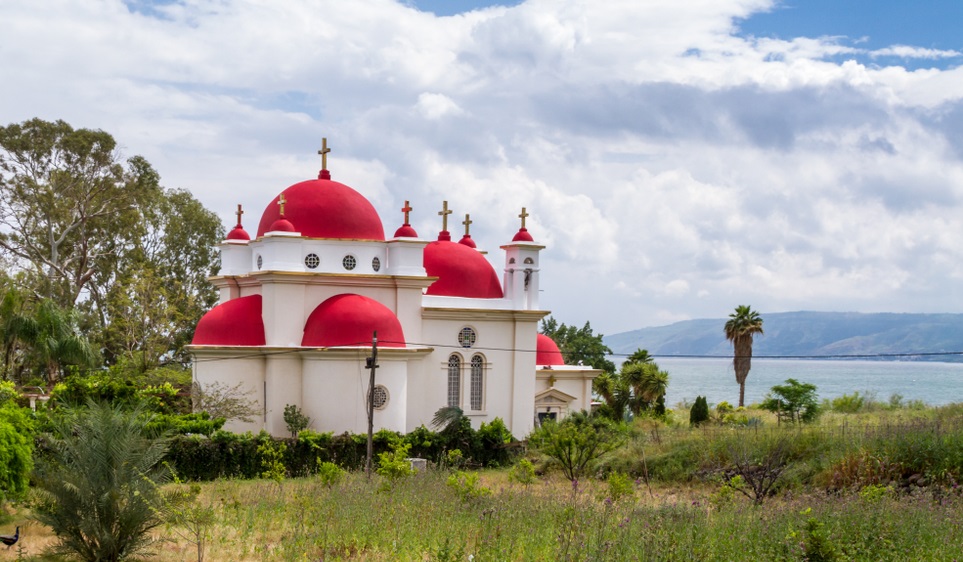
The Greek Orthodox Church is one of the oldest Christian communities in the world and has maintained a continuous presence in the Holy Land since the earliest centuries of Christianity. Today, the Church serves local Christian communities while caring for many of the most significant sites connected to the life of Jesus Christ and the history of the early Church.For travelers visiting Israel, learning about the Greek Orthodox tradition provides a deeper understanding of the country's religious heritage. Whether exploring Jerusalem, Nazareth, Bethlehem, or the Galilee, visitors will encounter churches, monasteries, and centuries-old traditions that continue to shape Christian life in the Holy Land.What Is the Greek Orthodox Church?The Greek Orthodox Church is part of the Eastern Orthodox communion, a family of self-governing churches that share the same faith, sacraments, and liturgical traditions. It traces its roots directly to the early Christian Church established by the Apostles.The Greek Orthodox monastery of the Twelve Apostles in CapernaumThe term "Greek" refers primarily to the Church's Byzantine heritage and historical use of Greek in its liturgy and administration rather than the nationality of its members. Today, Greek Orthodox Christians can be found across the Middle East, Europe, Africa, and North America.The Orthodox Church emphasizes Scripture, Sacred Tradition, the teachings of the early Church Fathers, and the celebration of the Divine Liturgy, which remains central to Orthodox worship.Pro Tip: If you plan to visit, consider joining dedicated Orthodox Pilgrimage Tours to the Holy Land. Unlike general sightseeing trips, these guided pilgrimages focus on Orthodox Christian heritage, giving you unique access to active Greek Orthodox monasteries, sacred shrines, and traditional celebrations at key holy places like Jerusalem and Bethlehem.A Brief History of the Greek Orthodox ChurchDuring the first centuries of Christianity, churches across the Roman Empire remained united despite cultural and linguistic differences. Over time, theological, political, and administrative disagreements developed between the Eastern and Western churches.In 1054, these divisions culminated in what historians call the Great Schism, separating the Eastern Orthodox Church from the Roman Catholic Church. Since then, the Orthodox Church has continued as a communion of independent churches that share the same faith while being governed individually.Among the most important of these is the Greek Orthodox Church of Jerusalem, whose roots extend back to the earliest Christian community in the Holy City.The Greek Orthodox Church of JerusalemThe Greek Orthodox Church Jerusalem is represented by the Greek Orthodox Patriarchate of Jerusalem, one of Christianity's oldest patriarchates.The Patriarchate is responsible for preserving and administering many of the Holy Land's most important Christian sites. These include churches associated with the life, crucifixion, burial, and resurrection of Jesus, as well as monasteries and shrines throughout Israel and the Palestinian territories.Because of its long history, the Greek Orthodox Church of Jerusalem plays an important role in Christian pilgrimage. Together with other Christian denominations, it shares responsibility for several sacred sites under long-standing historical agreements.For many pilgrims, visiting the churches maintained by the Greek Orthodox Patriarchate offers a unique opportunity to experience traditions that have been preserved for centuries.Greek Orthodox Christians in IsraelAlthough Christians make up a small percentage of Israel's overall population, the Greek Orthodox community remains one of the country's largest Christian denominations.Greek Orthodox Christians live in several cities and regions, including:JerusalemNazarethHaifaJaffaThe GalileeAcre and other historic communitiesMany members of these communities are Arabic-speaking Christians, while Greek continues to play an important role in religious ceremonies and official church traditions.Throughout the year, local congregations gather for worship, religious festivals, baptisms, weddings, and community celebrations, preserving traditions that have been passed down through generations.Greek Orthodox Faith and BeliefsThe Greek Orthodox faith is centered on the belief in the Holy Trinity, the divinity of Jesus Christ, His death and resurrection, and the authority of both Scripture and Sacred Tradition.Several characteristics distinguish Orthodox worship:The Divine Liturgy forms the heart of every service.Icons are honored as sacred windows into the Christian faith.Incense symbolizes prayer rising to God.Chanting plays a central role throughout worship.Ancient liturgical traditions remain largely unchanged after many centuries.Rather than focusing solely on individual belief, Orthodox Christianity emphasizes participation in the life of the Church through prayer, worship, and the sacraments.Understanding the Greek Orthodox ReligionThe Greek Orthodox religion shares many beliefs with other Christian traditions while preserving distinctive theological and liturgical practices developed in the early centuries of Christianity.Among the seven sacraments recognized by the Orthodox Church are Baptism, Chrismation (Confirmation), the Eucharist, Confession, Marriage, Holy Orders, and Anointing of the Sick.Monasticism also occupies an important place within Orthodox spirituality, and monasteries continue to serve as centers of prayer, learning, and hospitality throughout the Holy Land.The Greek Orthodox Religious CalendarOne of the most distinctive features of Orthodox Christianity is its religious calendar.Many Greek Orthodox churches continue to follow the Julian calendar for certain feast days, while others use the Revised Julian Calendar for fixed celebrations. As a result, some important religious holidays are celebrated on different dates than in Western churches.Visitors planning a pilgrimage to Israel may notice differences in the timing of major Christian celebrations depending on the denomination.Major Greek Orthodox HolidaysSome of the most important feasts include:Orthodox ChristmasTheophany (Epiphany)Palm SundayHoly WeekPascha (Orthodox Easter)AscensionPentecostDormition of the TheotokosOrthodox Easter is the most significant celebration of the liturgical year and is often observed on a different date from Western Easter because of differences in calculating the feast.During Holy Week and Easter, Jerusalem hosts some of the world's most important Orthodox celebrations, attracting pilgrims from across the globe.Visiting Greek Orthodox Churches in IsraelVisitors are welcome at many Greek Orthodox churches throughout Israel, although these remain active places of worship rather than tourist attractions.When visiting, it is advisable to:Dress modestly by covering shoulders and knees.Keep voices low during services.Ask permission before photographing worshippers.Respect areas reserved for prayer.Be aware that opening hours may vary during religious holidays.Attending a liturgy or witnessing an Orthodox procession can offer visitors a meaningful insight into traditions that have been preserved in the Holy Land for centuries.Why the Greek Orthodox Church Matters for PilgrimsFor Christians visiting Israel, the Greek Orthodox Church provides an important connection to the history of the early Church and the development of Christian worship.Its churches, monasteries, and religious communities continue to safeguard many of Christianity's most significant holy places while preserving liturgical traditions that have remained remarkably consistent through the centuries.Whether your interest is historical, spiritual, or cultural, learning about the Greek Orthodox tradition adds valuable context to any journey through the Holy Land.Plan Your Greek Orthodox PilgrimageMany of Israel's most important Greek Orthodox sites are included in Christian pilgrimage itineraries alongside Jerusalem, Nazareth, Bethlehem, the Sea of Galilee, and the Jordan River.For travelers interested in exploring the Orthodox Christian heritage of Israel in greater depth, a private or customized itinerary offers the flexibility to visit historic churches, attend religious services, and discover communities that have preserved their faith for generations.Our travel specialists can help design an itinerary that reflects your interests while providing expert local guidance throughout your journey.Frequently Asked QuestionsWhat is the Greek Orthodox Church?The Greek Orthodox Church is one of the oldest Christian traditions, tracing its origins to the early Christian Church established by the Apostles. Today, it is part of the Eastern Orthodox communion and maintains a significant presence in Israel and throughout the world.What is the Greek Orthodox Church of Jerusalem?The Greek Orthodox Church of Jerusalem is led by the Greek Orthodox Patriarchate of Jerusalem. It oversees many of Christianity's holiest sites, including churches and monasteries associated with the life of Jesus Christ, and plays an important role in preserving Christian heritage in the Holy Land.Where do Greek Orthodox Christians live in Israel?Greek Orthodox Christians live in several parts of Israel, with large communities in Jerusalem, Nazareth, Haifa, Jaffa, Acre, and towns throughout the Galilee. These communities have maintained their traditions for centuries and continue to play an active role in Christian life in the Holy Land.What is the difference between the Greek Orthodox Church and the Roman Catholic Church?The Greek Orthodox Church and the Roman Catholic Church share many core Christian beliefs but became separate following the Great Schism of 1054. They differ in church governance, certain theological traditions, and some liturgical practices, while both continue to honor many of the same biblical events and holy sites.What language is used in Greek Orthodox churches in Israel?Services in Greek Orthodox churches in Israel may include Greek, Arabic, and sometimes other languages depending on the local congregation and the occasion. Greek remains the traditional liturgical language of the Patriarchate, while Arabic is widely used by local Orthodox communities.When do Greek Orthodox Christians celebrate Christmas and Easter?Many Greek Orthodox churches celebrate Christmas on January 7, following the Julian calendar, although practices vary between Orthodox churches. Orthodox Easter (Pascha) is often celebrated on a different date from Western Easter because it is calculated using a different ecclesiastical calendar.Can visitors attend services at Greek Orthodox churches in Israel?Yes. Visitors are generally welcome to attend services at many Greek Orthodox churches in Israel. Since these are active places of worship, guests should dress modestly, remain respectful during services, and follow any photography or visitor guidelines provided by the church.Why is the Greek Orthodox Church important for Christian pilgrims?The Greek Orthodox Church preserves many of Christianity's oldest traditions and cares for numerous holy sites connected with the life of Jesus Christ and the early Church. For many pilgrims, visiting these churches offers a deeper understanding of Christian history, worship, and the enduring presence of Christianity in the Holy Land.
By Admin

Biblical Israel vs Modern Israel: What's the Difference?

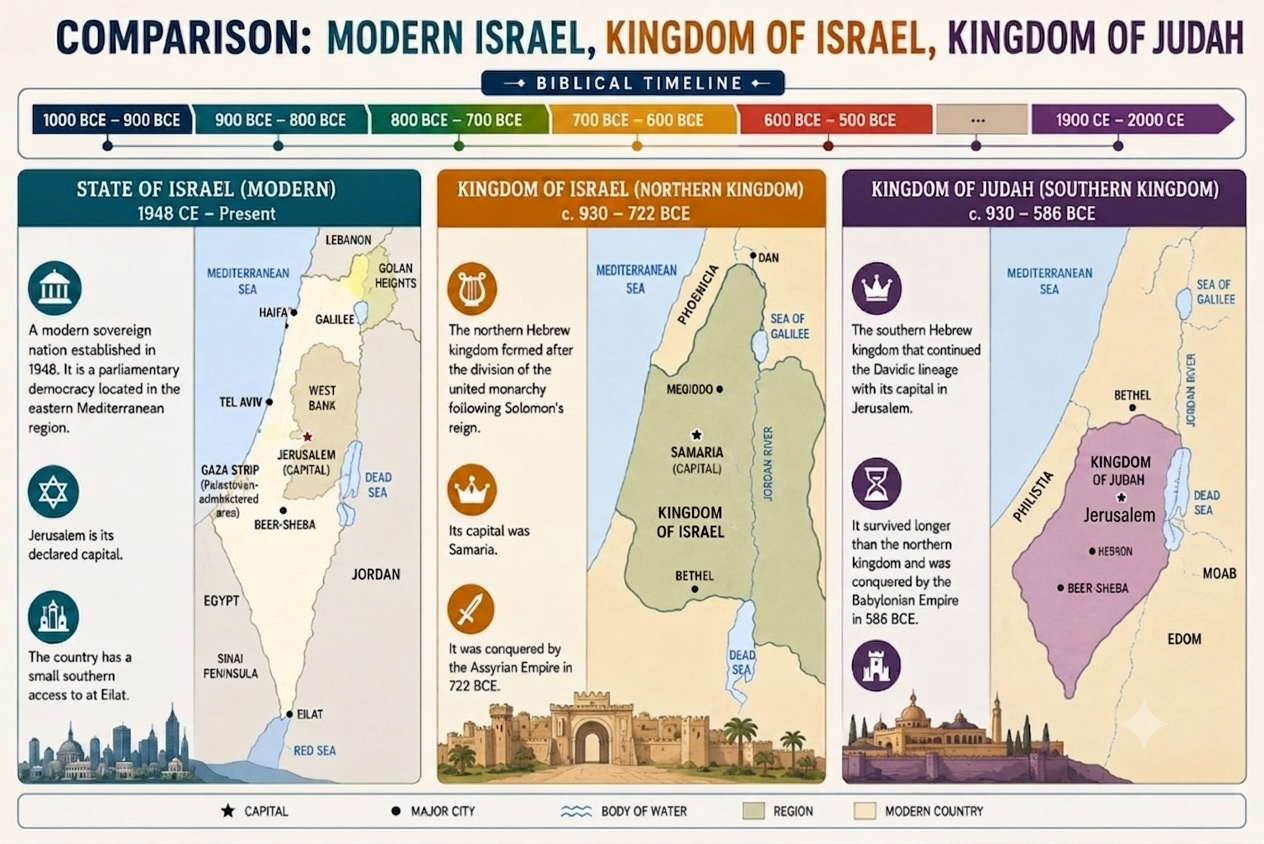
Open the Bible to almost any historical book, and you'll encounter places like Jerusalem, Bethel, Hebron, Samaria, and the Sea of Galilee. Open a modern map, and many of those same names still appear. This often leads to an important question: Is the Israel described in the Bible the same as the modern State of Israel?The short answer is Yes and NoModern Israel occupies much of the same geographic region where many of the Bible's most significant events took place. Abraham journeyed through this land, King David established Jerusalem as his capital, Jesus preached throughout Galilee, and the early Church began in Jerusalem. Yet the modern State of Israel, established in 1948, is a contemporary sovereign nation with internationally recognized institutions, while biblical Israel refers to several ancient kingdoms, tribal territories, and historical periods described throughout the Old and New Testaments.Jerusalem, once the capital of the Kingdom of Judah, today the capital of the State of IsraelUnderstanding the distinction is essential for anyone studying the Bible or planning a journey through the Holy Land. The names may be familiar, but the political boundaries, governments, and historical context have changed dramatically over more than three thousand years.In this guide, we'll explore:The differences between biblical Israel and modern IsraelHow their borders compareWhere biblical events took place on today's mapThe history connecting ancient kingdoms to the modern State of IsraelCommon misconceptions about biblical geographyHow visitors can experience biblical sites across modern Israel todayWhether you're preparing for a Christian pilgrimage, studying Scripture, or simply curious about biblical history, understanding the relationship between ancient and modern Israel brings the biblical narrative into sharper focus.What Is the Difference Between Biblical Israel and Modern Israel?At first glance, biblical Israel and modern Israel appear closely connected because they share many of the same locations. However, they represent two very different concepts.Biblical Israel refers to the ancient land and kingdoms described throughout the Bible. Depending on the period being discussed, it may refer to:The land promised to Abraham and his descendants (Genesis 12:1–7; Genesis 15:18–21).The territory settled by the Twelve Tribes after the Exodus and the conquest of Canaan.The united monarchy ruled by Saul, David, and Solomon.The divided kingdoms of Israel (Northern Kingdom) and Judah (Southern Kingdom) following Solomon's reign.As Scripture records:"Unto thy seed have I given this land..." — Genesis 15:18 (KJV)By contrast, modern Israel is a sovereign nation established on May 14, 1948, following the end of the British Mandate for Palestine and the adoption of the United Nations Partition Plan. It functions as a parliamentary democracy with modern cities, infrastructure, universities, businesses, and a diverse population representing many religions and cultures.While the modern country occupies much of the historic landscape described in the Bible, its borders have been shaped by twentieth- and twenty-first-century history rather than by the kingdoms of the Old Testament.This distinction is one of the most common sources of confusion for readers of Scripture. The term "Israel" can refer to:Jacob, whose name was changed to Israel (Genesis 32:28)The people of IsraelThe united kingdom under David and SolomonThe Northern Kingdom after the division of the monarchyThe geographical land associated with the IsraelitesThe modern State of IsraelUnderstanding which meaning is intended depends entirely on the historical context.Biblical Israel vs Modern Israel at a GlanceBiblical IsraelModern IsraelAncient biblical kingdoms and territoriesSovereign nation established in 1948Described in the Old and New TestamentsModern parliamentary democracyGoverned by judges, kings, and foreign empires during different periodsGoverned by elected institutions under Israeli lawBorders changed repeatedly throughout biblical historyBorders reflect modern historical and political developmentsIncluded tribal territories and later the kingdoms of Israel and JudahIncludes many of the same historic regions, along with modern cities and infrastructureHome to events involving Abraham, Moses, David, Elijah, Jesus, and the apostlesHome to many of Christianity's most important pilgrimage sitesAlthough these differences are significant, one remarkable continuity remains: many of the places where biblical history unfolded can still be visited today. Jerusalem, Nazareth, Capernaum, the Sea of Galilee, Megiddo, Caesarea, and the Judean Desert continue to connect visitors with the landscapes of Scripture.Biblical Israel vs Modern Israel: A Visual ComparisonThe comparison below illustrates how the modern State of Israel relates geographically to the two Hebrew kingdoms that existed after the united monarchy divided following Solomon's reign.Figure 1 compares:The modern State of Israel (1948–Present)The Kingdom of Israel (Northern Kingdom, c. 930–722 BCE)The Kingdom of Judah (Southern Kingdom, c. 930–586 BCE)Unlike today's nation-state, biblical Israel was not a single political entity throughout history. Following the reign of King Solomon, the united monarchy split into two kingdoms (1 Kings 12). The Northern Kingdom, known as Israel, established its capital at Samaria, while the Southern Kingdom, Judah, continued under the Davidic dynasty with Jerusalem as its capital.Your comparison map highlights several important points:The modern State of Israel occupies much of the same geographic region as the ancient kingdoms but does not share their exact borders.Many well-known biblical locations—including Jerusalem, Bethel, Megiddo, Beersheba, and the Sea of Galilee—remain easily identifiable on modern maps.The Kingdom of Israel extended across much of today's Galilee and central highlands before its conquest by the Assyrian Empire in 722 BCE (2 Kings 17).The Kingdom of Judah survived for more than a century longer before Jerusalem fell to Babylon in 586 BCE (2 Kings 25).Rather than viewing biblical Israel and modern Israel as identical, it is more accurate to think of them as sharing the same historical landscape while belonging to very different historical eras. This perspective helps readers understand why many biblical sites are found within present-day Israel, even though the ancient kingdoms no longer exist in their original political form.Comparison of the modern State of Israel with the biblical Kingdom of Israel (Northern Kingdom) and the Kingdom of Judah (Southern Kingdom)Is Modern Israel Located in the Same Place as Biblical Israel?One of the most common questions asked by Bible readers and first-time visitors is whether the modern State of Israel occupies the same land described in Scripture.The answer is largely yes, but not entirely.Modern Israel encompasses much of the region where many of the Bible's most significant events unfolded. Jerusalem, Nazareth, the Sea of Galilee, Mount Carmel, the Jezreel Valley, and much of the Judean Desert are all located within present-day Israel. These landscapes continue to provide the geographical backdrop for the stories of Abraham, King David, the prophets, Jesus, and the apostles.However, the Bible's geographical references often extend beyond the borders of today's Israel. Many biblical places are now located in neighboring countries or territories, reflecting thousands of years of political and territorial change.For example:Mount Nebo, where Moses viewed the Promised Land (Deuteronomy 34:1–4), is in modern-day Jordan.Petra, associated with the ancient kingdom of Edom, is also in Jordan.Damascus, frequently mentioned in both the Old and New Testaments, is in present-day Syria.Tyre and Sidon, important Phoenician cities referenced throughout Scripture, are located in modern Lebanon.Bethlehem, the birthplace of Jesus according to the New Testament (Matthew 2:1), is located in the West Bank.This means that while many biblical locations are within modern Israel, the biblical world extended well beyond the borders of the modern state.A Shared Landscape Across Three Thousand YearsAlthough governments, kingdoms, and borders have changed repeatedly, the physical landscape has remained remarkably consistent.The hills surrounding Jerusalem still overlook the Judean wilderness. The Sea of Galilee continues to lie nearly 700 feet (about 210 meters) below sea level. Travelers can still stand on Mount Carmel overlooking the Jezreel Valley or walk through the ancient streets of Jerusalem's Old City.This continuity allows visitors to connect biblical accounts with real places in a way that few destinations in the world can offer.For many Christian pilgrims, reading passages such as Psalm 122 while overlooking Jerusalem or reflecting on Jesus' ministry along the shores of the Sea of Galilee brings Scripture into a vivid geographical context.As the psalmist wrote:"Our feet shall stand within thy gates, O Jerusalem." — Psalm 122:2 (KJV)How Do the Borders of Biblical Israel Compare with Modern Israel?Comparing biblical and modern borders is more complex than placing two maps side by side.Unlike today's internationally recognized state boundaries, the borders of biblical Israel changed repeatedly throughout different periods of biblical history. They expanded during times of political strength and contracted during periods of invasion, division, and exile.Several different "Israels" appear throughout the Bible:The Promised LandGod's covenant with Abraham describes a broad territory extending from "the river of Egypt unto the great river, the river Euphrates" (Genesis 15:18, KJV). Scholars have long debated how this promise should be understood historically and theologically, and the passage should not be equated directly with the political borders of any later kingdom.The Tribal AllotmentsFollowing the conquest of Canaan, the land was divided among the Twelve Tribes of Israel (Joshua 13–21). These tribal territories did not always correspond to effective political control, and some regions remained inhabited by other peoples for generations.The United MonarchyUnder Kings Saul, David, and Solomon (approximately the 11th–10th centuries BCE), Israel reached its greatest political unity. Jerusalem became the capital, and the kingdom exercised influence over neighboring territories.After Solomon's death, however, the kingdom divided permanently.The Divided KingdomsBeginning around 930 BCE, two separate kingdoms emerged:The Kingdom of Israel (Northern Kingdom) with its capital at SamariaThe Kingdom of Judah (Southern Kingdom) centered on JerusalemThese are the kingdoms illustrated in the comparison map earlier in this article.The Northern Kingdom was conquered by Assyria in 722 BCE, while Judah remained independent until Babylon captured Jerusalem in 586 BCE."So was Israel carried away out of their own land to Assyria unto this day." — 2 Kings 17:23 (KJV)"And he burned the house of the LORD... and all the houses of Jerusalem." — 2 Kings 25:9 (KJV)Can You See Biblical Israel and Modern Israel on the Same Map?Absolutely, and doing so is one of the most effective ways to understand the Bible geographically.Overlaying ancient kingdoms onto a modern map reveals that many of the locations mentioned in Scripture remain easily identifiable today. Jerusalem still sits in the Judean hills. The Sea of Galilee remains in northern Israel. Megiddo overlooks the Jezreel Valley, while Beersheba continues to mark the gateway to the Negev.At the same time, such maps highlight how political boundaries have changed. The kingdoms of Israel and Judah occupied only part of the wider biblical world, and many places associated with the patriarchs, prophets, and apostles now lie outside the borders of modern Israel.For Bible students, pilgrims, and history enthusiasts alike, comparing ancient and modern maps provides valuable context that enriches both Scripture study and travel through the Holy Land.Does Modern-Day Israel Include All the Land of Biblical Israel?No. Modern Israel includes many of the Bible’s best-known locations, but not all of them.Jerusalem, Nazareth, Capernaum, Megiddo, Beersheba, the Sea of Galilee, and much of the Judean Desert are within modern Israel. Other important biblical places are now found outside its borders.For example:Bethlehem and Jericho are in the West Bank.Mount Nebo is in modern Jordan.Tyre and Sidon are in Lebanon.Damascus is in Syria.Parts of the biblical story also unfold in Egypt, Mesopotamia, and Asia Minor.This is why the term biblical world is often more accurate than “biblical Israel” when discussing the full geographical setting of Scripture.Biblical Israel Was Not One Fixed TerritoryAnother important point is that biblical Israel did not have one permanent border.Its size and political structure changed over time. The Bible refers to tribal territories, the united kingdom under David and Solomon, the Northern Kingdom of Israel, and the Southern Kingdom of Judah.These were not identical in size or administration.The land described in the covenant with Abraham should also be understood in its biblical and theological context rather than treated as a modern political map.In simple terms:Biblical Israel refers to several ancient periods and territories.Modern Israel is a contemporary state established in 1948.They overlap geographically, but they are not the same political entity.What Archaeology Adds to the PictureArchaeology helps connect biblical texts with the physical landscape.Excavations at places such as Jerusalem, Megiddo, Hazor, Tel Dan, Beersheba, and Caesarea have uncovered city walls, gates, inscriptions, water systems, homes, roads, and places of worship from different historical periods.These discoveries help scholars understand how people lived, traveled, governed, and worshiped in the ancient world.Archaeology does not prove every event described in the Bible. It does, however, provide valuable historical context and helps identify many places mentioned in Scripture.That distinction is important. Biblical text, archaeology, tradition, and historical interpretation each contribute different kinds of evidence.Common MisconceptionsBiblical Israel and Modern Israel Have the Same BordersThey do not. Ancient borders changed repeatedly, while modern borders developed through much later historical events.Every Biblical Site Is Inside Modern IsraelMany major sites are, but others are located in the West Bank, Jordan, Lebanon, Syria, Egypt, and beyond.The Kingdom of Israel and the Kingdom of Judah Were the SameThey were separate kingdoms after the monarchy divided following Solomon’s reign.The Northern Kingdom was called Israel and had Samaria as its capital. The Southern Kingdom was called Judah and was centered on Jerusalem.Ancient Borders Can Be Drawn with Complete PrecisionHistorical maps are reconstructions. They are based on biblical texts, archaeology, ancient records, and scholarly interpretation. Exact borders are not always known, especially for earlier periods.Visiting Biblical Sites in Modern Israel TodayFor travelers, the most meaningful connection between biblical Israel and modern Israel is found on the ground.In Jerusalem, visitors can explore the City of David, the Mount of Olives, the Garden of Gethsemane, and the Old City. In northern Israel, the Sea of Galilee, Nazareth, Capernaum, and Mount Carmel bring the settings of both the Old and New Testaments into view.Travelers interested in biblical kingdoms and archaeology may also include Megiddo, Hazor, Beersheba, and Tel Dan.A well-planned itinerary should group sites geographically rather than trying to cover too much in one day. Jerusalem deserves dedicated time, while Galilee sites are best explored together from a northern base.Christian travelers may also prefer an itinerary shaped around a particular theme, such as:The life and ministry of JesusJerusalem and the Passion narrativesOld Testament kingdomsThe prophetsThe early ChurchBiblical archaeologyFor church groups, families, senior travelers, or visitors with limited time, a private or customized tour can make the route more comfortable and focused.Biblical Israel and modern Israel share much of the same landscape, but they belong to very different historical periods.Modern visitors can still stand in Jerusalem, walk beside the Sea of Galilee, explore ancient cities, and see the geography that shaped the biblical narrative. Understanding the difference between ancient kingdoms and the modern state makes those places easier to appreciate.
By Admin

Trip to Jordan: Everything You Need to Know Before You Go

Jordan is traditionally known for its relatively high level of domestic security, low violent crime, and remarkably warm hospitality toward international travelers. However, due to its central geographic location in the Middle East, the kingdom is directly impacted by ongoing regional conflicts involving Israel, the US, and Iran, which can cause flight disruptions and ultimately delay or restrict your travel within Jordan; travelers should stay updated on official security advisories.Getting AroundPlanning transit in Jordan is essential due to aggressive local driving, limited public options, and long desert highways.Renting a Car: Offers maximum freedom for main sites and off-beat ruins like Iraq Al Amir. Driving is challenging with passing on both sides, erratic parking, and heavy horn useRules & Tips: Minimum age is 21; an International Driving Permit and valid license are legally required. Rental agencies abound in Amman and Aqaba (note that many close on Fridays). Inspect heating/AC and existing damage prior to pickup. Choose an economy car for city parking or a 4x4 for rough terrain (avoid soft sand dunes unless experienced).Taxis & Rideshares: Yellow city taxis require cash (carry small bills under 5 JOD) and an immediate request to use the meter. To avoid overcharging, harassment, or smoke-filled cars, rideshares like Uber or Careem are cleaner and safer options.Etiquette: With male drivers, solo men sit in front and women in back; with female drivers, women sit in front and men in back.Buses & Public Transit: Public buses and local minibuses are unreliable and wait to fill up. Instead, use JETT buses, which are comfortable, air-conditioned coaches covering key tourist routes (Amman, Petra, Aqaba, Wadi Rum). Booking ahead is recommended. For airport transit to Amman, the Sariya Airport Express shuttle is a solid budget choice.Private Drivers & Guided Tours: The most stress-free option. Eliminates traffic hassle while adding rich local context. Reliable drivers are frequently recommended in groups like EXPATS in Amman.Domestic Flights: A 1-hour flight connects Amman and Aqaba, though total travel time matches driving once airport check-ins and traffic are factored in.On Foot & Hiking: Urban walking is tough due to hills and broken sidewalks, but great in Amman’s Rainbow Street, Al Webdeh, and Al Balad. Outdoor trekkers can hike the 675 km Jordan Trail from Umm Qais to Aqaba. (Hitchhiking is not recommended).Culinary in JordanJordanian cuisine is rich, flavorful, and deeply rooted in community. Food here is meant to be shared, starting with spreads of warm flatbread, hummus, mutabal (roasted eggplant dip), and fresh salads like tabbouleh.Must-try dishes include:Mansaf: The national dish of Jordan. It features tender lamb cooked in a fermented dried yogurt sauce (jameed) served over spiced rice and flatbread, topped with toasted nuts.Zarb: Also known as Bedouin BBQ, this feast of meat and vegetables is slow-cooked underground in a submerged oven, giving it a rich, smoky flavor.Falafel & Shawarma: Ubiquitous, affordable, and delicious street food options found in every town.Kunafa: A popular Levantine dessert made of spun pastry layered with sweet cheese, soaked in syrup, and topped with pistachios.
By Admin

Pentecost: The Descent of the Holy Spirit & Christian Pilgrimage

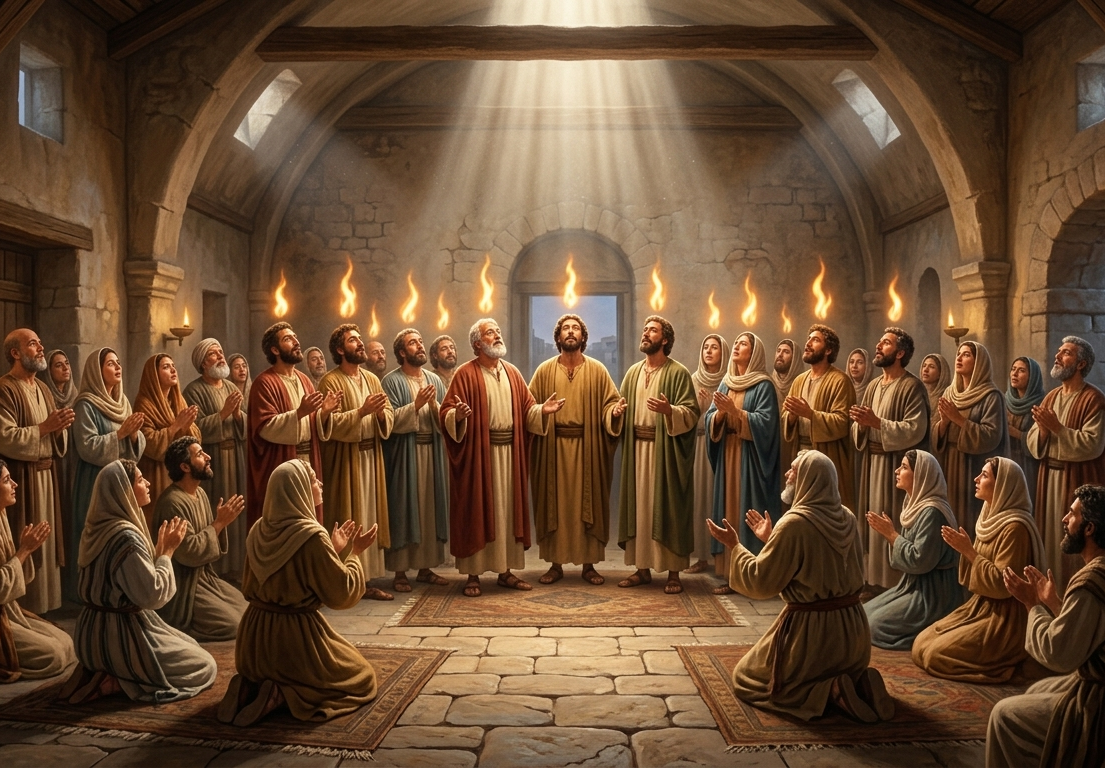
Pentecost is one of the most important celebrations in the Christian calendar. Observed fifty days after Easter, it commemorates the descent of the Holy Spirit upon Jesus’ disciples in Jerusalem, as described in the Acts of the Apostles.“And they were all filled with the Holy Ghost, and began to speak with other tongues, as the Spirit gave them utterance.”- Acts 2:4, King James VersionAccording to the New Testament, the disciples were gathered together during the Jewish Feast of Weeks, known as Shavuot, when they heard a sound like a powerful rushing wind. Tongues resembling flames of fire appeared above them, and they began speaking in different languages.Jerusalem was filled with Jewish pilgrims from many regions at the time. Although they came from different linguistic and cultural backgrounds, they were able to understand the disciples’ message. For Christians, this moment represents the beginning of the Church’s mission to share the Gospel with people of every nation. Pentecost is therefore often described as the “birthday of the Church.”Pentecost sceneThe Connection Between Pentecost and ShavuotThe events of Pentecost took place during Shavuot, one of the biblical pilgrimage festivals when Jews traveled to Jerusalem. This historical setting helps explain why people from many different places were present in the city. For Christian visitors, understanding this Jewish context adds an important dimension to the biblical account. It also demonstrates how closely the story of early Christianity is connected to Jerusalem’s religious traditions and pilgrimage history.Where Did Pentecost Take Place?The Book of Acts records that the disciples were gathered together in Jerusalem, but it does not identify the exact building in which the event occurred.According to longstanding Christian tradition, Pentecost is associated with the Upper Room on Mount Zion. This site is also traditionally connected with the Last Supper. The identification is based on Christian tradition rather than definitive archaeological evidence, so it is important to distinguish the traditional location from what is stated directly in Scripture.Today, the Upper Room is one of the most meaningful stops for Christian pilgrims visiting Jerusalem. Its simple interior allows groups and independent travelers to reflect on the Last Supper, the gathering of the disciples, and the beginnings of the early Church.The Upper Room on Mount ZionVisiting Mount ZionMount Zion is located just outside the walls of Jerusalem’s Old City, close to the Zion Gate. Several important Christian sites can be visited within a relatively compact area, including:The Upper Room, traditionally associated with the Last Supper and PentecostDormition Abbey, connected by Christian tradition with the Virgin MaryThe traditional Tomb of King DavidThe Church of Saint Peter in Gallicantu, located farther down the slope of Mount ZionVisitors should wear modest clothing and remember that some of these locations remain active places of worship. The area includes stone paving, steps, and uneven surfaces, so comfortable walking shoes are recommended. Travelers with limited mobility may benefit from arranging transportation and a carefully planned route.Experiencing Pentecost in the Holy LandVisiting Jerusalem provides an opportunity to place the Pentecost story within its geographical and historical setting. Standing on Mount Zion and exploring the Old City can help travelers understand the close relationship between the biblical narrative, Jewish pilgrimage festivals, Christian tradition, and the development of the early Church.A licensed Israeli tour guide can also explain how the sites are connected while clearly distinguishing between the New Testament account, later Christian traditions, and historical evidence.Bein Harim offers guided Jerusalem tours, private tours, and customized Christian pilgrimage itineraries that can include Mount Zion, the Upper Room, the Mount of Olives, the Church of the Holy Sepulchre, and other sites associated with the life of Jesus and the early Christian community.Explore our Christian tours or contact our Israel travel specialists to plan a pilgrimage itinerary adapted to your denomination, interests, travel pace, group size, and mobility requirements.
By Admin

The Crucifixion of Jesus: Its Biblical Significance and Where It Took Place

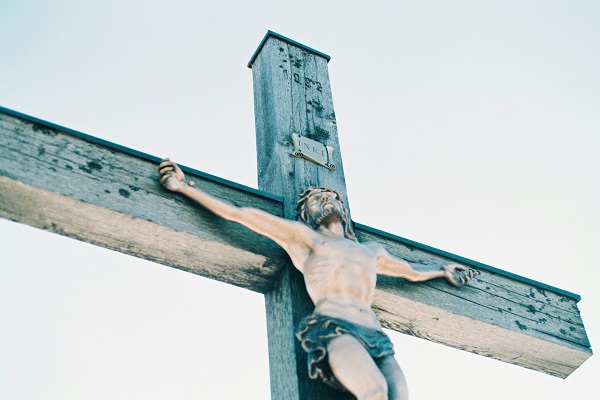
The crucifixion of Jesus is the central event of the Christian faith. According to the New Testament, Jesus was crucified in Jerusalem under the authority of the Roman governor Pontius Pilate. Christians believe that through His death on the cross, Jesus fulfilled God's plan of salvation, making the crucifixion one of the defining moments in Christian history."And when they were come unto a place called Golgotha, that is to say, a place of a skull, They gave him vinegar to drink mingled with gall: and when he had tasted thereof, he would not drink... And they crucified him."- Matthew 27:33–35 (King James Version)Why Was Jesus Crucified?According to the Gospels, Jesus was arrested following the Last Supper, questioned by the Jewish religious authorities, and then brought before Pontius Pilate, the Roman prefect of Judea. Although the Gospel accounts emphasize different aspects of the trial, they agree that Pilate ultimately authorized the crucifixion.Crucifixion was a common Roman method of execution, typically reserved for criminals, rebels, and those considered a threat to Roman authority. Jesus was led outside the city walls to the place known as Golgotha, where He was crucified alongside two others.Did you know?The story of the Crucifixion of Jesus is a central highlight in the itinerary of Christian pilgrimage groups visiting Israel.The Crucifixion of JesusWhere Did the Crucifixion Take Place?The New Testament identifies the location as Golgotha, meaning "Place of the Skull" (Matthew 27:33; Mark 15:22; John 19:17).According to longstanding Christian tradition, Golgotha is located within the Church of the Holy Sepulchre in Jerusalem's Old City. The church also contains the traditional site of Jesus' tomb and has been one of Christianity's most important pilgrimage destinations since the fourth century.While the exact location of Golgotha cannot be established with complete archaeological certainty, many historians consider the Church of the Holy Sepulchre to be the strongest historical candidate. It is important to distinguish between the biblical account, the Christian tradition associated with the site, and the available archaeological evidence.The Significance of the CrucifixionFor Christians, the crucifixion represents far more than a historical execution. It is understood as the ultimate expression of God's love and the fulfillment of biblical prophecy. The New Testament teaches that Jesus willingly gave His life for the forgiveness of sins, and His crucifixion is inseparable from the hope of the Resurrection celebrated on Easter Sunday.Because of its profound spiritual significance, the Church of the Holy Sepulchre remains one of the holiest sites in Christianity, attracting millions of pilgrims each year.Visiting the Church of the Holy SepulchreLocated in Jerusalem's Christian Quarter, the Church of the Holy Sepulchre is one of the city's most visited Christian landmarks. Visitors can explore the traditional site of Golgotha, the Stone of Anointing, and the Tomb of Christ, all within the church complex.The church is shared by several Christian denominations, including the Greek Orthodox, Roman Catholic, Armenian Apostolic, Coptic Orthodox, Syriac Orthodox, and Ethiopian Orthodox Churches. Visitors should dress modestly, expect crowds throughout the year, and allow sufficient time to appreciate the site's historical and spiritual significance.Experience the Story of the Passion in JerusalemWalking through Jerusalem allows visitors to experience the setting of the Passion narratives described in the Gospels. Many Christian pilgrims combine the Church of the Holy Sepulchre with the Via Dolorosa, Mount Zion, the Mount of Olives, the Garden of Gethsemane, and other locations connected with the final days of Jesus' earthly ministry.
By Admin

Why Is Jerusalem Important to Christians?

For Christians around the world, Jerusalem is far more than an ancient city. It is the setting for many of the most significant events recorded in the New Testament, including Jesus' crucifixion, burial, resurrection, and the birth of the early Church. It is also deeply connected to the Old Testament, providing the historical and spiritual foundation on which Christianity was built.Whether you are preparing for a pilgrimage, studying the Bible, or simply seeking to understand Christianity better, Jerusalem occupies a unique place in the Christian faith. Here, biblical history, centuries of Christian tradition, and living communities of faith come together in one remarkable city.JerusalemUnderstanding why Jerusalem is important to Christians requires looking beyond a single event. Its significance unfolds throughout Scripture, beginning with Israel's history, reaching its climax during the final days of Jesus' earthly ministry, continuing through the Book of Acts, and extending to the New Jerusalem described in the Book of Revelation.Quick Fact: Jerusalem, alongside the Galilee, is perhaps the most central destination in Christianpilgrimage group trips to Israel.Today, millions of Christians visit Jerusalem each year to walk where Jesus walked, pray at sites connected with His Passion and Resurrection, and deepen their understanding of the Bible. While different Christian traditions sometimes identify specific locations differently, they share a profound conviction that Jerusalem remains central to the story of salvation.The Old Testament Foundations of Jerusalem's ImportanceAlthough Christianity centers on the life, death, and resurrection of Jesus Christ, Jerusalem's importance begins long before the New Testament.The city first appears in the Hebrew Bible as a place closely associated with God's covenant with His people. According to Genesis, Abraham traveled to the region of Mount Moriah, traditionally identified with Jerusalem, where God tested his faith by asking him to offer Isaac as a sacrifice (Genesis 22). For Christians, this event foreshadows God's offering of His own Son centuries later.Jerusalem later became the political and spiritual heart of ancient Israel when King David established it as his capital (2 Samuel 5). His son Solomon built the First Temple there, making the city the center of Jewish worship and pilgrimage.These events form an essential background to Christian belief because Jesus was born into the Jewish people, observed Jewish festivals, worshipped at the Temple, and fulfilled promises that Christians understand to have been foretold by the prophets.As the Gospel of Matthew records, Jesus declared:"Do not think that I have come to abolish the Law or the Prophets; I have not come to abolish them but to fulfill them." (Matthew 5:17, NIV)For Christians, Jerusalem represents continuity between God's covenant with Israel and the message of the Gospel.Why Is Jerusalem Important to Christians?The simplest answer is that Jerusalem witnessed the defining events of Christianity.Within the city and its surrounding hills, Christians believe Jesus:Entered Jerusalem before PassoverShared the Last Supper with His disciplesPrayed in the Garden of GethsemaneWas arrested, tried, and sentencedWas crucifiedWas buriedRose from the deadAppeared to His followers after the ResurrectionCommissioned His disciples before His Ascension nearby on the Mount of OlivesSent the Holy Spirit upon the disciples during Pentecost, leading to the birth of the Christian ChurchGarden of Gethsemane, Mount of OlivesNo other city is connected with so many pivotal moments in the Christian faith.Jerusalem is therefore not only historically important. It also symbolizes sacrifice, redemption, hope, and the fulfillment of God's promises.Jerusalem During the Life and Ministry of JesusJesus visited Jerusalem several times during His ministry, particularly during the major Jewish pilgrimage festivals. The Gospels describe Him teaching in the Temple courts, healing the sick, debating religious leaders, and revealing His mission more openly as His final Passover approached.The Temple held profound significance. It was the spiritual center of Jewish worship and represented God's dwelling among His people. Jesus' actions there, including driving out the money changers (Matthew 21:12-13), demonstrated both His reverence for the Temple and His authority to call Israel back to genuine worship.These visits also illustrate that Christianity emerged within first-century Judaism rather than apart from it. Understanding Jerusalem's role in Jewish history helps explain why the city became equally important to Christianity.Jesus' Triumphal Entry into JerusalemOne of the most celebrated events in the Christian calendar is Jesus' entry into Jerusalem, commemorated on Palm Sunday.According to the Gospels, Jesus entered the city riding on a donkey while crowds spread palm branches and cloaks along the road, shouting:"Hosanna to the Son of David! Blessed is he who comes in the name of the Lord!" (Matthew 21:9, NIV)Christians understand this event as the fulfillment of the prophecy found in Zechariah 9:9, which describes Israel's king arriving humbly on a donkey.Today, many pilgrims retrace this route from the Mount of Olives toward the Old City during Palm Sunday celebrations. The walk offers sweeping views of Jerusalem before descending toward the Kidron Valley and the historic city walls, helping visitors appreciate the geographical setting described in the Gospels.The Last Supper and the Upper RoomThe evening before His crucifixion, Jesus gathered with His disciples to celebrate the Passover meal.According to the New Testament, this meal took place in an upper room in Jerusalem, traditionally associated with the Cenacle, also known as the Upper Room, located on Mount Zion.During the meal, Jesus instituted what Christians now celebrate as Holy Communion, saying:"Do this in remembrance of me." (Luke 22:19, NIV)The Gospels also record Jesus washing His disciples' feet, teaching about servant leadership, and preparing them for the events that would soon unfold.While the exact location of the Upper Room cannot be confirmed archaeologically, the Cenacle has been revered by Christians for centuries and remains an important stop on many pilgrimage itineraries.The Upper Room on Mount ZionThe Garden of Gethsemane: A Place of Prayer and SurrenderAfter the Last Supper, Jesus crossed the Kidron Valley to the Garden of Gethsemane on the lower slopes of the Mount of Olives.Here, according to the Gospels, He prayed in deep anguish while His disciples struggled to remain awake.Jesus prayed:"Yet not as I will, but as you will." (Matthew 26:39, NIV)For Christians, Gethsemane represents complete obedience to God's will, even in the face of suffering.Today, pilgrims visit the peaceful olive grove beside the Church of All Nations, where ancient olive trees help create an atmosphere of reflection. Although the current trees are not old enough to date to the time of Jesus, scientific studies suggest some may descend from much older root systems, preserving the character of this sacred place.The adjacent Church of All Nations marks the traditional site where Jesus prayed before His arrest. Its subdued interior is intentionally designed to encourage quiet meditation, making it one of Jerusalem's most meaningful places for Christian visitors.The Arrest, Trial, and Crucifixion of JesusFollowing His prayer in Gethsemane, Jesus was arrested and brought before Jewish and Roman authorities.According to the New Testament, He was eventually sentenced to death by crucifixion under the Roman governor Pontius Pilate.Christians believe that Jesus willingly accepted death to reconcile humanity with God.As John writes:"For God so loved the world that he gave his one and only Son..." (John 3:16, NIV)The traditional route Jesus walked carrying the cross is remembered today as the Via Dolorosa, or "Way of Suffering." Marked by fourteen Stations of the Cross, it has become one of Jerusalem's best-known pilgrimage routes.It is important to distinguish between Scripture and later Christian tradition. The Gospels describe Jesus' journey to the place of crucifixion but do not specify every station commemorated along today's Via Dolorosa. Many stations developed through centuries of Christian devotion, helping pilgrims meditate on the events of Good Friday even where historical certainty is limited.The journey ends at the Church of the Holy Sepulchre, revered by many Christians as the site of both Jesus' crucifixion at Golgotha and His burial.The Church of the Holy Sepulchre: Christianity's Holiest ShrineFor many Christians, no place in Jerusalem is more significant than the Church of the Holy Sepulchre in the Christian Quarter of the Old City. Since the fourth century, it has been venerated by most Catholic, Orthodox, Oriental Orthodox, and many Protestant Christians as the traditional site of Jesus' crucifixion, burial, and resurrection.The Church of the Holy SepulchreAccording to Christian tradition, the church encompasses two of the most sacred locations in the New Testament:Golgotha (Calvary), where Jesus was crucified.The Tomb of Christ, where He was buried and from which Christians believe He rose on the third day.The first church was commissioned by Emperor Constantine after his mother, Helena, visited the Holy Land in the fourth century. Although the building has been destroyed, rebuilt, and renovated several times over the centuries, it remains one of Christianity's most important pilgrimage destinations.From a historical perspective, many scholars note that the area lay outside Jerusalem's city walls during the time of Jesus, consistent with the Gospel accounts (Hebrews 13:12). While archaeology cannot prove that this is the exact location of Jesus' crucifixion and burial, it supports the possibility that the site fits the biblical setting.Today, the church is shared by several Christian communities under the long-standing Status Quo agreement, including the Greek Orthodox, Roman Catholic, Armenian Apostolic, Coptic Orthodox, Syriac Orthodox, and Ethiopian Orthodox churches. Visitors often witness different liturgies taking place throughout the day, reflecting Jerusalem's rich and diverse Christian heritage.The Resurrection: The Foundation of Christian FaithThe importance of Jerusalem to Christianity ultimately rests on one event above all others: the Resurrection of Jesus.All four Gospels record that on the third day after His crucifixion, women who came to Jesus' tomb found it empty. According to the Gospel of Matthew, the angel announced:"He is not here; he has risen, just as he said." (Matthew 28:6, NIV)For Christians, the Resurrection is not simply another biblical event. It is the cornerstone of the Christian faith, affirming Jesus' victory over sin and death and offering the promise of eternal life.The Apostle Paul later wrote:"And if Christ has not been raised, our preaching is useless and so is your faith." (1 Corinthians 15:14, NIV)Because Christians believe the Resurrection took place in Jerusalem, the city has become a place of hope as much as remembrance. Pilgrims do not come only to reflect on Jesus' suffering but also to celebrate His triumph over death.The Garden Tomb: An Alternative TraditionNot all Christians identify the Church of the Holy Sepulchre as the location of Jesus' burial.Many Protestant and Evangelical pilgrims also visit the Garden Tomb, located just north of the Old City. Since the nineteenth century, it has been regarded by some Christians as a possible site of Jesus' crucifixion and resurrection because of its peaceful setting and its resemblance to descriptions found in the Gospels.Most archaeologists, however, date the tomb itself to several centuries before the time of Jesus, making it unlikely to be His actual burial place.For this reason, many scholars continue to consider the Church of the Holy Sepulchre the more historically probable location. Nevertheless, the Garden Tomb remains a meaningful place for prayer and worship, particularly for visitors who appreciate its quiet atmosphere.Rather than viewing these traditions as competing claims, many pilgrims choose to visit both sites. Doing so offers an opportunity to appreciate the historical evidence while recognizing the diversity of Christian devotion.Pentecost and the Birth of the ChurchJerusalem's role in Christianity did not end with the Resurrection.Fifty days later, during the Jewish Feast of Weeks, the followers of Jesus gathered in Jerusalem when the Holy Spirit descended upon them.The Book of Acts records:"All of them were filled with the Holy Spirit and began to speak in other tongues as the Spirit enabled them." (Acts 2:4, NIV)Christians recognize this event as Pentecost, marking the birth of the Christian Church.Peter's sermon that day led thousands of people to embrace the Gospel, and the message of Jesus began spreading far beyond Jerusalem.For this reason, Christians often describe Jerusalem not only as the place where Jesus completed His earthly mission but also as the city where Christianity first began to grow as a worldwide faith.Jerusalem in the Book of ActsThe Book of Acts portrays Jerusalem as the center of the earliest Christian community.The apostles gathered there for prayer, teaching, and fellowship. Miracles were performed, new believers were baptized, and the first Christian leaders organized the growing Church.Jerusalem also became the setting for the Council of Jerusalem (Acts 15), where the apostles discussed whether Gentile converts were required to observe all aspects of Jewish law.This meeting proved pivotal in the history of Christianity. By affirming that salvation was available to all people through faith in Christ, the early Church opened the way for Christianity to spread throughout the Roman Empire and eventually around the world.Although the faith expanded into many nations, Jerusalem retained its unique spiritual significance as the city where the Gospel first took root.The Mount of Olives: Looking Across Biblical HistoryFew places offer a clearer perspective on the story of Jesus than the Mount of Olives, located just east of Jerusalem's Old City.From its slopes, visitors enjoy one of the city's most recognizable views, overlooking the Temple Mount, the Kidron Valley, and the ancient walls.Gethsemane and the Church of all Nations on the Mount of olives in JerusalemThe Mount of Olives is associated with several important events recorded in the New Testament:Jesus frequently taught His disciples there.It was the location of the Garden of Gethsemane.Jesus delivered the Olivet Discourse concerning future events (Matthew 24).According to Acts 1:9-12, Jesus ascended into heaven from the Mount of Olives after His Resurrection.Several important churches are located along its slopes.Church of All NationsBuilt beside the Garden of Gethsemane, this church commemorates Jesus' prayer before His arrest. Its striking mosaic façade and subdued interior encourage visitors to reflect on Christ's final hours before the Passion.Dominus FlevitThe name Dominus Flevit means "The Lord Wept."According to Christian tradition, this church marks the place where Jesus wept over Jerusalem, foreseeing the city's future destruction.As Luke records:"If you, even you, had only known on this day what would bring you peace..." (Luke 19:42, NIV)The church's large window frames one of the most memorable views of the Old City, allowing visitors to contemplate the same landscape Jesus is believed to have seen.Church of St. Peter in GallicantuOn the eastern slope of Mount Zion stands the Church of St. Peter in Gallicantu, traditionally associated with the house of the High Priest Caiaphas.According to Christian tradition, this is where Peter denied knowing Jesus three times before the rooster crowed, fulfilling Jesus' prediction (Luke 22:54-62).Excavations beneath the church have uncovered ancient structures dating to the Second Temple period. While archaeologists cannot confirm that these remains belonged to Caiaphas' residence, they provide valuable insight into Jerusalem during the time of Jesus.Why Do Christians Continue to Visit Jerusalem Today?For many believers, visiting Jerusalem is an opportunity to connect more deeply with the biblical narrative.Reading the Gospels and standing in the places where those events unfolded are very different experiences. Walking through the narrow streets of the Old City, overlooking Jerusalem from the Mount of Olives, or praying in the Garden of Gethsemane helps many pilgrims understand the geographical and historical context of Scripture in a way that cannot be gained from books alone.A pilgrimage is also an opportunity for worship, reflection, and spiritual renewal. While the experience differs from person to person, many visitors describe returning home with a richer appreciation of the Bible and the life of Jesus.At the same time, Jerusalem is a living city rather than an open-air museum. Ancient churches stand alongside vibrant neighborhoods, markets, and communities representing many Christian traditions. Visiting with respect for local worshippers and residents helps preserve the city's unique spiritual atmosphere.The Spiritual Meaning of Jerusalem in Christianity TodayJerusalem is important to Christians not only because of its history but also because of what it represents. For believers around the world, the city serves as a reminder of God's faithfulness, the fulfillment of biblical promises, and the hope found through Jesus Christ.Unlike a historical monument preserved in the past, Jerusalem remains a living city where worship, prayer, and pilgrimage continue every day. Its churches welcome visitors from every continent, while Christian communities of many traditions continue centuries-old practices alongside local residents.For many pilgrims, visiting Jerusalem is not considered a requirement of the Christian faith. The New Testament does not teach that believers must make a pilgrimage to the Holy Land. Nevertheless, countless Christians find that experiencing the places described in Scripture strengthens their understanding of the Bible and deepens their personal faith.Walking through the streets of Jerusalem often transforms familiar Bible passages into real places. Distances become tangible, the landscape gains context, and events that may have seemed abstract suddenly feel much more immediate.The New Jerusalem: A Promise of HopeJerusalem's significance in Christianity extends beyond the events of the New Testament. The final book of the Bible presents a vision of the New Jerusalem, symbolizing God's eternal presence with His people.In Revelation, the Apostle John writes:"I saw the Holy City, the new Jerusalem, coming down out of heaven from God, prepared as a bride beautifully dressed for her husband." (Revelation 21:2, NIV)For Christians, the New Jerusalem represents the fulfillment of God's plan for creation. Rather than describing the earthly city alone, it points toward the future hope of restored fellowship between God and humanity.Different Christian traditions interpret these passages in various ways. Some understand the New Jerusalem primarily as a future physical reality, while others emphasize its symbolic meaning as the completion of God's kingdom. Despite these differences, Christians broadly agree that Jerusalem remains a powerful symbol of redemption, restoration, and eternal hope.This biblical vision adds another dimension to the city's importance. Jerusalem is remembered not only for what happened there in the past but also for what it represents in the Christian hope for the future.What to Expect When Visiting Jerusalem as a Christian PilgrimFor first-time visitors, Jerusalem can be both inspiring and overwhelming. The Old City is compact, yet its narrow streets contain some of Christianity's most significant holy sites, often alongside places sacred to Judaism and Islam.Pilgrims should expect:Busy streets, especially during religious holidays.Uneven stone pathways and frequent walking.Security screening at some religious sites.Active places of worship rather than museums.A respectful atmosphere where services and private prayer may be taking place.Many churches have limited seating, and some become particularly crowded during Easter, Christmas, and other major Christian celebrations. Arriving early in the morning often provides a quieter experience and better opportunities for reflection.Because many biblical sites are close together, Jerusalem is well suited to exploring on foot. However, the city's hills and cobblestone streets can be physically demanding, particularly for older travelers or those with limited mobility. Comfortable walking shoes are highly recommended.Dress Code and Respectful Behavior at Holy SitesJerusalem welcomes visitors of every faith, but modest dress and respectful behavior are expected in churches and other religious locations.As a general guideline:Shoulders and knees should be covered when entering churches.Hats should usually be removed inside Christian holy sites, unless worn for religious reasons.Speak quietly, especially where worship services are taking place.Avoid blocking entrances or interrupting religious ceremonies while taking photographs.Follow any instructions provided by church staff or local guides.Photography is permitted in many churches, but flash photography or photography during services may be restricted. It is always courteous to ask before photographing clergy or worshippers.Respecting local customs helps ensure that these sacred places remain welcoming for pilgrims from around the world.Why Visit Jerusalem with a Licensed Local Guide?Jerusalem is layered with more than three thousand years of history, making it one of the world's most rewarding and complex destinations to explore.While independent travel is certainly possible, many visitors find that a licensed Israeli tour guide provides valuable context that is difficult to gain from guidebooks or mobile apps alone.An experienced guide can help explain:The historical background of biblical events.The difference between Scripture, Christian tradition, archaeology, and later historical developments.The significance of different churches and denominations.How Jerusalem has changed from the time of Jesus to the present day.Practical details that make visiting busy sites smoother and more enjoyable.Local expertise also helps visitors understand the relationships between sites that might otherwise seem unrelated. For example, seeing the Mount of Olives before entering the Old City offers a much clearer picture of Jesus' final days than visiting each location separately without historical context.For church groups and pilgrimage leaders, a knowledgeable guide can tailor explanations to the interests and traditions of the group while presenting the city's rich Christian heritage in a balanced and respectful way.Christian Pilgrimage or General Sightseeing?Although many of Jerusalem's landmarks appear on standard sightseeing itineraries, a Christian pilgrimage offers a different experience.A general city tour often emphasizes Jerusalem's broad history, archaeology, architecture, and multicultural character. A Christian pilgrimage, by contrast, follows the biblical narrative and allows more time for reflection at sites connected with the life of Jesus and the early Church.Many pilgrims choose to include opportunities for Scripture reading, prayer, or worship at significant locations. Others prefer a stronger focus on historical and archaeological context. There is no single "right" approach, which is why many travelers appreciate itineraries that can be adapted to their interests, denomination, available time, and pace.Combining Jerusalem with Other Biblical DestinationsJerusalem is often the centerpiece of a Christian pilgrimage, but it is only one part of the biblical story. Many visitors choose to combine it with other significant destinations in Israel and the surrounding region to gain a more complete understanding of Scripture.Popular combinations include:Bethlehem, where Christians commemorate the birth of Jesus at the Church of the Nativity.The Mount of Olives, often explored together with the Old City and the Garden of Gethsemane.Jericho, associated with both the Old Testament and the ministry of Jesus.The Jordan River, where Christian tradition identifies the area of Jesus' baptism.The Sea of Galilee, where much of Jesus' public ministry took place, including Capernaum, the Mount of Beatitudes, and Tabgha.Nazareth, the town where Jesus spent His childhood and where the Angel Gabriel announced the birth of Christ to Mary according to the Gospel of Luke.For travelers with additional time, a multi-day itinerary allows these destinations to be experienced in their biblical and geographical context rather than as isolated stops.Private and tailor-made tours also provide flexibility for different types of travelers. Church groups may wish to include time for worship and fellowship, while families often prefer a slower pace with opportunities to explore at their own rhythm. Independent travelers may benefit from combining guided touring with free time in Jerusalem's historic neighborhoods.Jerusalem occupies a unique place in Christianity because it is where the central events of the Christian faith unfolded. From Jesus' triumphal entry and the Last Supper to His crucifixion, resurrection, and the coming of the Holy Spirit at Pentecost, the city stands at the heart of the Gospel story.Its importance, however, extends beyond history. Jerusalem connects the promises of the Old Testament with the message of the New Testament, links the beginnings of the early Church with Christianity's global growth, and points believers toward the hope of the New Jerusalem described in Revelation.Whether you visit as a pilgrim, a student of biblical history, or a curious traveler, Jerusalem offers an opportunity to experience Scripture within its original landscape. Understanding the city's geography, history, and living Christian traditions can bring new depth to familiar Bible passages and enrich your appreciation of the Christian faith.At Bein Harim Tours, we have been helping travelers discover Israel since 1993 through professionally planned tours led by licensed Israeli guides. Whether you are planning your first pilgrimage, organizing a church group, or looking for a customized itinerary, our team can help you explore Jerusalem and the Holy Land with historical insight, practical local knowledge, and respect for the diverse traditions that make these places so meaningful.Explore our Christian tours, private Israel tours, or contact our travel specialists to begin planning a journey that reflects your interests, schedule, and spiritual goals.FAQQ: Why is Jerusalem important to Christians?A: Jerusalem is where Jesus' crucifixion, burial, resurrection, and the coming of the Holy Spirit at Pentecost took place. It is also the birthplace of the early Christian Church and one of Christianity's holiest cities.Q: Is Jerusalem a holy city for Christians?A: Yes. Christians regard Jerusalem as a holy city because of its central role in the life of Jesus and the events that form the foundation of the Christian faith.Q: Why do Christians go on pilgrimage to Jerusalem?A: Many Christians visit Jerusalem to deepen their understanding of the Bible, pray at important holy sites, and experience the places connected with Jesus' ministry, death, and resurrection.Q: What is the most important Christian site in Jerusalem?A: For most Christian denominations, the Church of the Holy Sepulchre is considered the holiest site because it is traditionally associated with both Golgotha and the Tomb of Jesus.Q: Can Christians visit all the holy sites in Jerusalem?A: Yes. Most Christian holy sites are open to visitors throughout the year, although opening hours, security procedures, and religious services may affect access.Q: Why do some Christians visit the Garden Tomb instead of the Church of the Holy Sepulchre?A: Some Protestant and Evangelical Christians prefer the Garden Tomb because of its peaceful setting and devotional atmosphere. However, most historians and archaeologists consider the Church of the Holy Sepulchre the more likely historical location of Jesus' crucifixion and burial.
By Admin

12 Roman Catholic Churches in Israel Every Pilgrim Should Visit

For Roman Catholics, visiting the Holy Land is far more than a sightseeing trip. It is an opportunity to encounter the places where the story of salvation unfolded, from the Annunciation in Nazareth to Christ's Passion, Death, and Resurrection in Jerusalem. Every church tells part of that story, preserving centuries of faith, prayer, and Christian tradition.Israel is home to dozens of Catholic churches, chapels, and shrines. Some stand above locations described in the New Testament, while others commemorate places identified through centuries of Christian tradition. Throughout this guide, we distinguish between biblical accounts, historical evidence, and long-held tradition so you can better understand why each site holds such importance for Catholic pilgrims.Many of these churches are entrusted to the Franciscan Custody of the Holy Land, which has cared for Christian holy places since the thirteenth century. Others belong to religious communities such as the Benedictines or are shared with other Christian denominations. Together, they form the spiritual heart of every Catholic pilgrimage to Israel.Whether you are planning your first pilgrimage, organizing a parish group, or creating a customized Holy Land itinerary, these twelve churches represent the most significant Roman Catholic sites to include in your journey.The Church of the BeatitudesWhy Visit Roman Catholic Churches in Israel?Every Catholic church in Israel offers something unique. Some preserve places associated with the life of Jesus, while others commemorate moments that shaped the early Church. Beyond their spiritual significance, these churches also showcase remarkable architecture, ancient mosaics, archaeological discoveries, and centuries of Christian devotion.A pilgrimage through Israel allows visitors to:Walk in the footsteps of JesusDeepen their understanding of ScriptureExperience places where Christian tradition has been preserved for nearly two thousand yearsCelebrate Mass at some of Christianity's holiest sitesDiscover the rich history of the Catholic Church in the Holy LandMany churches are located close to one another, making it possible to combine several important sites in a single day. Jerusalem alone contains some of Christianity's most sacred destinations, while Nazareth, the Sea of Galilee, and Mount Tabor together tell the story of Jesus' public ministry.1. Church of the Holy Sepulchre, JerusalemChurch of the Holy Sepulchre, JerusalemWhy It Matters to CatholicsFor Catholics, no church in the world holds greater spiritual importance than the Church of the Holy Sepulchre. According to ancient Christian tradition dating to the fourth century, this is the place where Jesus was crucified, buried, and rose from the dead. While historians continue to study the site's earliest history, this location has been revered by Christians for nearly seventeen centuries and remains Christianity's holiest sanctuary.Rather than marking a single event, the church encompasses several of the most significant moments of Christ's Passion within one remarkable complex. Pilgrims can pray at Golgotha, visit the Stone of Anointing, and enter the traditional Tomb of Christ, all under one roof.Biblical SignificanceThe Gospels describe Jesus' crucifixion outside the city walls at Golgotha and His burial in a nearby tomb belonging to Joseph of Arimathea.As the Gospel of Matthew records:"He is not here; for He is risen, as He said." (Matthew 28:6)For Catholics, these words lie at the very heart of the Christian faith, making this church the destination that defines every pilgrimage to Jerusalem.HistoryThe first church was commissioned by Emperor Constantine in the fourth century after his mother, Saint Helena, identified the site during her pilgrimage to Jerusalem.Over the centuries, the church has experienced destruction, rebuilding, earthquakes, fires, and extensive restoration. The Crusaders reshaped much of the structure seen today, while ongoing conservation efforts continue to preserve one of the world's most visited Christian monuments.Today the church is shared by several Christian communities under the historic Status Quo agreement. The Roman Catholic Church, represented primarily by the Franciscan Custody of the Holy Land, celebrates daily liturgies alongside the Greek Orthodox and Armenian Apostolic Churches.What to See InsideHighlights include:The Stone of AnointingCalvary (Golgotha)The Chapel of AdamThe Rotunda.The Edicule housing the traditional Tomb of ChristThe Chapel of Saint HelenaThe ancient Crusader architectureEach chapel reflects centuries of Christian devotion and artistic heritage.Visitor InformationRecommended visit: 1 to 2 hoursBest time: Early morning before tour groups arrive.Dress code: Modest clothing covering shoulders and knees.Accessibility: Some areas, including Golgotha, require climbing stairs.Nearby Attractions:Via DolorosaChristian QuarterWestern WallTower of David MuseumMount ZionBein Harim Travel Tip: Many visitors arrive only to see the Tomb of Christ and leave after a short visit. We recommend allowing enough time to explore the church's many chapels with a licensed guide. Understanding the symbolism, history, and traditions behind each section transforms what might seem like a crowded building into one of Christianity's most profound spiritual experiences.2. Basilica of the Annunciation, NazarethBasilica of the Annunciation, NazarethWhy It Matters to CatholicsThe Basilica of the Annunciation marks the traditional site where the Angel Gabriel announced to the Virgin Mary that she would conceive Jesus through the Holy Spirit. For Catholics, this moment represents the beginning of the Incarnation, when God became man through Christ.As one of the largest churches in the Middle East, the basilica welcomes millions of pilgrims each year and serves as the spiritual center of Nazareth.Biblical SignificanceThe Gospel of Luke recounts Gabriel's visit to Mary with remarkable detail.Mary answered:"Behold the maidservant of the Lord! Let it be to me according to your word." (Luke 1:38)This verse reflects Mary's complete trust in God's will and has become one of the defining passages of Catholic spirituality.HistoryChristian tradition has associated this location with Mary's home since the earliest centuries of Christianity.Archaeological excavations beneath the modern basilica uncovered remains of earlier Byzantine and Crusader churches, along with ancient dwellings that date back to the time of Jesus.The current basilica was completed in 1969 and designed by the Italian architect Giovanni Muzio. Its distinctive dome symbolizes an inverted lily, representing Mary's purity.ArchitectureThe basilica combines contemporary design with ancient remains preserved beneath the church.The lower level centers around the Grotto of the Annunciation, the traditional place where Gabriel appeared to Mary. The upper church is filled with natural light, colorful mosaics, and Marian artwork donated by Catholic communities from around the world.One of the most fascinating features is the international collection of mosaics depicting the Virgin Mary through different cultural traditions.What Not to MissThe Grotto of the AnnunciationThe international Marian mosaicsArchaeological remains beneath the churchThe magnificent central domeThe peaceful courtyardVisitor InformationRecommended visit: 60 to 90 minutesBest time: Morning, before large pilgrimage groups arrive.Photography: Allowed in most areas while respecting worshippers.Nearby AttractionsSt. Joseph's ChurchNazareth VillageMary's WellNazareth Old MarketGreek Orthodox Church of the AnnunciationBein Harim Travel Tip:Many pilgrims combine Nazareth with Mount Tabor and Cana in a single day. While this itinerary works well, spending extra time inside the Basilica of the Annunciation allows visitors to appreciate its remarkable artwork and archaeological discoveries instead of simply taking photographs before moving on.3. Church of the Nativity, BethlehemChurch of the Nativity, BethlehemWhy It Matters to CatholicsAlthough located in Bethlehem, just south of Jerusalem, the Church of the Nativity forms an essential part of nearly every Catholic pilgrimage to the Holy Land.According to Christian tradition, this church marks the birthplace of Jesus Christ. For Catholics around the world, visiting the Grotto of the Nativity is a deeply moving experience that connects believers with the mystery of Christ's birth.Biblical SignificanceThe Gospel of Luke tells the story of Jesus' birth in Bethlehem.As Scripture says:"She gave birth to her firstborn Son, wrapped Him in swaddling cloths, and laid Him in a manger." (Luke 2:7)While the Bible does not describe the exact cave now venerated beneath the church, Christian tradition has identified this location since the second century.HistoryThe original church was commissioned by Emperor Constantine in the fourth century and later rebuilt by Emperor Justinian in the sixth century.Remarkably, much of Justinian's structure still survives today, making it one of the oldest continuously functioning churches in the world.The basilica is shared by several Christian communities, while Roman Catholics celebrate Mass in the adjacent Church of Saint Catherine.ArchitectureThe church combines Byzantine simplicity with Crusader artwork, medieval mosaics, and beautiful carved columns.Descending into the Grotto of the Nativity, pilgrims encounter the famous silver star marking the traditional birthplace of Jesus.For many visitors, this quiet underground chapel becomes the emotional highlight of their entire pilgrimage.Visitor InformationRecommended visit: 90 minutesBest time: Early morning.Dress code: Modest attire is required.Nearby AttractionsChurch of Saint CatherineShepherds' FieldMilk Grotto ChurchManger SquareBein Harim Travel Tip:Bethlehem becomes exceptionally busy during Christmas and Easter. Visiting outside these peak seasons often allows pilgrims to spend more time in prayer at the Grotto while enjoying a more relaxed atmosphere.4. Church of All Nations, JerusalemChurch of All Nations, JerusalemWhy It Matters to CatholicsLocated at the foot of the Mount of Olives beside the Garden of Gethsemane, the Church of All Nations commemorates one of the most emotional moments in the life of Jesus. According to the Gospels, this is where He prayed on the night before His crucifixion, accepting the Father's will before His arrest.For Catholics, Gethsemane represents Christ's complete obedience and willingness to embrace His Passion for the salvation of humanity. Many pilgrims describe this church as one of the most moving places they visit in Jerusalem because it invites quiet prayer and reflection rather than celebration.The basilica received its popular name because donations from twelve different countries helped finance its construction during the early twentieth century. Their coats of arms are incorporated into the church's design, symbolizing the universal nature of the Catholic Church.Biblical SignificanceBefore His arrest, Jesus withdrew to Gethsemane to pray.As the Gospel of Matthew records:"My Father, if it is possible, let this cup pass from Me; nevertheless, not as I will, but as You will." (Matthew 26:39)This prayer has become one of the defining expressions of trust and surrender in Christian spirituality.HistoryThe current basilica was completed in 1924 and designed by the renowned Italian architect Antonio Barluzzi, whose work shaped many of the Holy Land's most recognizable Catholic churches.The church was built over the remains of Byzantine and Crusader sanctuaries, preserving a tradition that stretches back to the earliest centuries of Christianity.Immediately outside the church stand ancient olive trees, some believed to be several hundred years old. While they do not date to the time of Jesus, they create an atmosphere that helps pilgrims imagine the appearance of the garden throughout history.ArchitectureBarluzzi intentionally designed the interior to reflect the solemnity of Christ's agony.Purple stained-glass windows soften the daylight, filling the church with subdued light. Above the altar rests a large section of exposed bedrock traditionally identified as the place where Jesus prayed before His arrest.Magnificent mosaics portray Christ praying alone, His betrayal by Judas, and His arrest by Roman soldiers.What Not to MissThe Rock of Agony in front of the altar.The colorful ceiling decorated with symbols of the twelve contributing nations.The ancient olive grove outside the church.The impressive façade depicting Christ as mediator between God and humanity.Visitor InformationRecommended visit: 45 to 60 minutes Best time: Early morning or late afternoon. Dress code: Modest clothing is expected.Accessibility: The main church is wheelchair accessible, while the surrounding garden paths are mostly level.Nearby AttractionsGarden of GethsemaneTomb of the Virgin MaryMount of OlivesDominus Flevit ChurchKidron ValleyBein Harim Travel Tip: Plan enough time to sit quietly inside the basilica after your visit. Many pilgrims rush through Gethsemane, but spending even fifteen minutes in silent reflection often becomes one of the most memorable moments of the entire pilgrimage.5. Church of the Beatitudes, Sea of GalileeChurch of the Beatitudes, Sea of GalileeWhy It Matters to CatholicsPerched on a peaceful hillside overlooking the Sea of Galilee, the Church of the Beatitudes commemorates the traditional location where Jesus delivered the Sermon on the Mount. Although Scripture does not identify the exact hill, Christian tradition has associated this area with Christ's teachings since at least the Byzantine period.For Catholics, the Beatitudes form the foundation of Christian discipleship. They summarize the values of the Kingdom of God and continue to shape Catholic teaching on holiness, mercy, humility, justice, and peace.Unlike many churches in Jerusalem that focus on Christ's Passion, this sanctuary celebrates His public ministry and His call to live according to God's will.Biblical SignificanceThe Gospel of Matthew opens the Sermon on the Mount with these words:"Blessed are the poor in spirit, for theirs is the kingdom of heaven." (Matthew 5:3)The Beatitudes remain among the best-known teachings of Jesus and are central to Catholic spirituality.HistoryThe present church was completed in 1938 and, like the Church of All Nations, was designed by Antonio Barluzzi.Earlier Christian pilgrims identified this hillside as the traditional setting of the Sermon on the Mount, and archaeological discoveries confirm that Christian communities worshipped in this area during the Byzantine period.Today the property is maintained by the Franciscan Custody of the Holy Land and remains one of Galilee's most peaceful pilgrimage destinations.ArchitectureThe octagonal design represents the eight Beatitudes described in Matthew's Gospel.Large arched windows frame breathtaking views across the Sea of Galilee, while beautifully maintained gardens encourage visitors to pray and meditate.The simplicity of the church reflects the humility of Christ's teaching.What Not to MissThe panoramic terrace overlooking the Sea of GalileeThe octagonal sanctuaryThe peaceful gardensQuiet walking paths leading toward the lakeshoreVisitor InformationRecommended visit: 45 minutes. Best time: Morning or late afternoon, especially during spring and autumn. Photography: Outdoor photography is particularly rewarding because of the panoramic views.Nearby AttractionsCapernaumChurch of the MultiplicationChurch of the Primacy of Saint PeterSea of Galilee shorelineBein Harim Travel Tip: Many visitors focus on the church itself, but the surrounding gardens deserve just as much attention. Walking quietly through the grounds while reading the Beatitudes creates a meaningful connection between Scripture and the landscape where Jesus taught.6. Church of Saint Peter in Gallicantu, JerusalemChurch of Saint Peter in Gallicantu, JerusalemWhy It Matters to CatholicsThe Church of Saint Peter in Gallicantu commemorates Peter's threefold denial of Jesus before the crucifixion. The name "Gallicantu" comes from the Latin phrase meaning "the rooster crowed," recalling Christ's prediction that Peter would deny Him before dawn.For Catholics, this church is a powerful reminder of repentance, forgiveness, and God's mercy. Peter's failure did not define his future. Instead, he became the leader of the Apostles and the first Pope, making this site especially meaningful for Catholic pilgrims.Biblical SignificanceJesus foretold Peter's denial during the Last Supper.After Peter denied knowing Him three times, the Gospel records:"The Lord turned and looked at Peter... and Peter went out and wept bitterly." (Luke 22:61-62)The passage reminds believers that sincere repentance opens the door to forgiveness. HistoryThe present church was completed in 1938 and, like the Church of All Nations, was designed by Antonio Barluzzi.Earlier Christian pilgrims identified this hillside as the traditional setting of the Sermon on the Mount, and archaeological discoveries confirm that Christian communities worshipped in this area during the Byzantine period.Today the property is maintained by the Franciscan Custody of the Holy Land and remains one of Galilee's most peaceful pilgrimage destinations.ArchitectureThe church's striking modern mosaics illustrate Peter's denial, Jesus before Caiaphas, and the events leading to the Crucifixion.Below the church, visitors descend into ancient underground chambers traditionally associated with Jesus' imprisonment before His trial.The sweeping terrace outside offers spectacular views over the Old City of Jerusalem.What Not to MissThe underground chambersAncient stone steps leading toward the Kidron ValleyPanoramic observation terraceThe colorful sanctuary mosaicsVisitor InformationRecommended visit: 60 minutesBest time: MorningNearby AttractionsMount ZionDormition AbbeyRoom of the Last SupperChurch of the Holy SepulchreBein Harim Travel Tip: Take time to walk the ancient stone staircase below the church. While scholars cannot prove Jesus used these exact steps, they date to the Second Temple period and help pilgrims visualize Jerusalem during the final hours before the Crucifixion.7. Church of the Visitation, Ein KaremChurch of the Visitation, Ein Karem (by Nettadi CC BY-SA 4.0)Why It Matters to CatholicsHidden among the picturesque hills of Ein Karem, the Church of the Visitation commemorates Mary's visit to her cousin Elizabeth shortly after the Annunciation. According to Christian tradition, this joyful meeting took place at or near this location.For Catholics, the Visitation celebrates Mary's faith, humility, and willingness to serve others. It also marks the first meeting between Jesus and John the Baptist while both were still in their mothers' wombs.The peaceful atmosphere of Ein Karem offers a welcome contrast to the busy streets of Jerusalem and allows pilgrims to reflect on one of the New Testament's most joyful encounters.Biblical SignificanceLuke's Gospel describes Elizabeth's greeting to Mary.Elizabeth proclaimed:"Blessed are you among women, and blessed is the fruit of your womb!" (Luke 1:42)Mary responded with the Magnificat, one of Christianity's most beloved hymns of praise.HistoryChristian tradition has associated Ein Karem with the birthplace of John the Baptist since at least the Byzantine period.The present Franciscan church was completed in 1955, replacing earlier Crusader and Byzantine structures.Although archaeology cannot confirm the exact location of the biblical event, the village has remained an important Christian pilgrimage destination for many centuries.ArchitectureThe church consists of two beautifully decorated levels connected by gardens and terraces overlooking the Judean Hills.Its courtyard walls display the Magnificat in dozens of languages, symbolizing the universal message of Mary's song of praise.Inside, colorful frescoes depict scenes from Mary's life and the infancy narratives found in the Gospel of Luke.What Not to MissThe multilingual Magnificat wallThe upper sanctuaryPeaceful hillside gardensScenic views across Ein KaremVisitor InformationRecommended visit: 45 to 60 minutes.Best time: Spring and autumn, when the surrounding hills are especially beautiful.Nearby AttractionsChurch of Saint John the BaptistEin Karem village centerLocal cafés and artisan shopsBein Harim Travel Tip: Ein Karem deserves more than a quick stop. Allow time to stroll through the village between the Church of the Visitation and the Church of Saint John the Baptist. The relaxed atmosphere makes it one of Jerusalem's most enjoyable neighborhoods for pilgrims and photographers alike.8. Church of the Primacy of Saint Peter, TabghaChurch of the Primacy of Saint Peter, Tabgha (By Berthold Werner)Why It Matters to CatholicsOn the northwestern shore of the Sea of Galilee stands one of the most meaningful churches for Catholics. The Church of the Primacy of Saint Peter commemorates the traditional location where the risen Jesus appeared to seven of His disciples, shared breakfast with them, and entrusted Peter with the pastoral leadership of His followers.This encounter is central to Catholic tradition because it highlights Peter's restoration after denying Jesus three times and his mission as shepherd of the Church. Catholics recognize Peter as the first Pope, making this church a powerful symbol of reconciliation, forgiveness, and apostolic leadership.Its peaceful lakeside setting also reminds pilgrims that many of Jesus' appearances after the Resurrection took place in Galilee, where His public ministry had begun.Biblical SignificanceAfter the Resurrection, Jesus asked Peter three times whether he loved Him.The Gospel of John records:"Feed My sheep." (John 21:17)These simple words have profound significance for Catholics because they reflect Christ's commission to Peter to care for His Church.HistoryChristian tradition has associated this shoreline with Jesus' appearance since at least the fourth century. The current Franciscan church, completed in 1933, stands on the foundations of earlier Byzantine sanctuaries.Just outside the church lies the limestone rock known as the Mensa Christi, or "Table of Christ." According to tradition, this is where Jesus shared breakfast with His disciples after the miraculous catch of fish.Although this tradition cannot be verified archaeologically, it has inspired Christian pilgrims for centuries.ArchitectureThe church is intentionally modest in appearance. Rather than impressive decoration, its design encourages visitors to focus on prayer and the natural beauty of the Sea of Galilee.The simple sanctuary opens toward the lakeshore, creating a peaceful atmosphere unlike almost any other church in Israel.What Not to MissThe Mensa ChristiThe lakeside shorelineQuiet gardens surrounding the churchThe beautiful view across the Sea of Galilee.Visitor InformationRecommended visit: 30 to 45 minutes.Best time: Early morning or shortly before sunset.Nearby AttractionsChurch of the MultiplicationChurch of the BeatitudesCapernaumMount of Beatitudes National ParkBein Harim Travel Tip: Spend a few minutes by the water after visiting the church. The peaceful shoreline offers one of the best opportunities in Galilee to reflect on the Resurrection narratives while enjoying the same landscape that Jesus and His disciples would have known.9. Basilica of the Transfiguration, Mount TaborBasilica of the Transfiguration, Mount TaborWhy It Matters to CatholicsRising nearly 600 meters above the Jezreel Valley, Mount Tabor has long been identified by Christian tradition as the place where Jesus was transfigured before Peter, James, and John.Although the New Testament does not name the mountain, Christian pilgrims have associated Mount Tabor with this event since the fourth century.For Catholics, the Transfiguration reveals Christ's divine glory before His Passion and offers a glimpse of the Resurrection to come.Biblical SignificanceThe Gospel of Matthew describes this extraordinary moment."His face shone like the sun, and His clothes became as white as the light." (Matthew 17:2)The appearance of Moses and Elijah affirmed Jesus as the fulfillment of the Law and the Prophets.HistorySeveral churches have stood on Mount Tabor throughout history.The present basilica was completed in 1924 by Antonio Barluzzi, who designed many of the Holy Land's most important Catholic sanctuaries.The Franciscans continue to care for the church today.ArchitectureThe Basilica of the Transfiguration incorporates Crusader ruins into its design.Two impressive towers represent Moses and Elijah, while the bright sanctuary symbolizes the divine light witnessed by the Apostles during the Transfiguration.The mountain itself offers spectacular panoramic views across Lower Galilee.What Not to MissThe upper sanctuaryThe panoramic terracesAncient monastery remainsThe mountain viewpointsVisitor InformationRecommended visit: 60 to 90 minutes. *Access to the summit is usually by local shuttle because the mountain road is steep and narrow.Nearby AttractionsNazarethCanaMegiddo National ParkLower GalileeBein Harim Travel Tip: Morning visits often provide the clearest views before afternoon haze develops across the valley. On exceptionally clear days, visitors can see as far as Mount Carmel.10. Church of Saint Joseph, NazarethChurch of Saint Joseph, NazarethWhy It Matters to CatholicsStanding beside the Basilica of the Annunciation, Saint Joseph's Church honors the earthly father of Jesus and the husband of the Virgin Mary.While it receives fewer visitors than the neighboring basilica, many Catholic pilgrims appreciate its peaceful atmosphere and its connection to the Holy Family's daily life in Nazareth.Biblical SignificanceMatthew describes Joseph's obedience after receiving God's message in a dream."Joseph did as the angel of the Lord commanded him." (Matthew 1:24)Joseph's faithful response has made him a model of humility, obedience, and trust throughout Catholic tradition.HistoryChristian tradition associates this location with Joseph's workshop.Archaeological excavations beneath the church have uncovered ancient storage caves, cisterns, and remains from earlier Christian churches.Although historians cannot confirm this was Joseph's actual home or workshop, the discoveries illustrate life in first-century Nazareth.ArchitectureThe present church combines Crusader-inspired architecture with modern design.Visitors descend beneath the sanctuary to view archaeological remains preserved below the floor.What Not to MissUnderground archaeological remainsQuiet prayer chapelViews toward the Basilica of the AnnunciationVisitor InformationRecommended visit: 30 minutes.Nearby AttractionsBasilica of the AnnunciationNazareth MarketMary's WellNazareth VillageBein Harim Travel Tip: Most organized groups spend only a few minutes here. Adding just twenty extra minutes provides valuable insight into everyday family life during the time of Jesus.11.Church of the Multiplication of the Loaves and Fishes, TabghaChurch of the Multiplication of the Loaves and Fishes, TabghaWhy It Matters to CatholicsLocated a short walk from the Church of the Primacy of Saint Peter, this beautiful church commemorates the traditional site where Jesus fed five thousand people with five loaves and two fish.The miracle demonstrates Christ's compassion and generosity while foreshadowing the Eucharist, giving the church particular significance within Catholic theology.Biblical SignificanceMatthew records the miracle with these words:"They all ate and were satisfied." (Matthew 14:20)The feeding of the multitude remains one of the few miracles recorded in all four Gospels.HistoryThe modern church belongs to the Benedictine Order and preserves one of Israel's finest Byzantine mosaics.Although the present building dates to the twentieth century, it stands above the remains of a fifth-century Byzantine basilica.ArchitectureThe famous mosaic depicting two fish beside a basket of bread has become one of Christianity's most recognizable artistic images.Beautiful gardens surround the church and create a peaceful setting overlooking the Sea of Galilee.What Not to MissThe fifth-century mosaicAncient church foundationsThe peaceful gardensVisitor InformationRecommended visit: 45 minutes.Nearby AttractionsChurch of the Primacy of Saint PeterChurch of the BeatitudesCapernaumBein Harim Travel Tip: Visit both Tabgha churches together. Their close proximity allows pilgrims to reflect on Christ's miracles and His post-Resurrection appearances in one memorable stop.12. Dormition Abbey, JerusalemDormition Abbey, JerusalemWhy It Matters to CatholicsAlthough not directly connected to an event recorded in Scripture, Dormition Abbey occupies an important place in Catholic tradition. It stands on Mount Zion near the traditional location of the Last Supper and commemorates the Dormition, or "falling asleep," of the Virgin Mary before her Assumption into Heaven.For Catholics, the abbey reflects centuries of Marian devotion and remains an active Benedictine monastery welcoming pilgrims from around the world.Biblical ContextThe New Testament does not describe Mary's final earthly years.Instead, the significance of this church comes from long-standing Christian tradition rather than a specific biblical account.For this reason, it is important to distinguish between Catholic tradition and the biblical record.HistoryThe present abbey was completed in 1910 on the site of earlier Byzantine churches.Its Benedictine monks continue to maintain daily worship and hospitality for visitors.ArchitectureDormition Abbey is one of Jerusalem's architectural landmarks.Its circular sanctuary, tall bell tower, and richly decorated crypt combine Romanesque and Byzantine influences.The crypt contains a beautiful sculpture representing Mary's Dormition, surrounded by mosaics honoring women from the Old Testament.What Not to MissThe circular sanctuaryThe cryptPanoramic views from Mount ZionThe peaceful monastery groundsVisitor InformationRecommended visit: 45 minutes.Nearby AttractionsRoom of the Last SupperChurch of Saint Peter in GallicantuChurch of the Holy SepulchreMount ZionBein Harim Travel Tip: Because many groups focus only on the Upper Room, Dormition Abbey often feels surprisingly peaceful. It is an excellent place to conclude a day exploring Mount Zion.Frequently Asked QuestionsQ: What is the most important Roman Catholic church in Israel?A: The Church of the Holy Sepulchre is regarded as Christianity's holiest church because it is traditionally associated with Jesus' crucifixion, burial, and Resurrection.Q: Are all of these churches mentioned in the Bible?A: No. Some churches commemorate locations directly connected with biblical events, while others preserve traditions that have been honored by Christians for centuries. Throughout this guide, we have distinguished between Scripture, historical evidence, and Christian tradition whenever appropriate.Q: How long should a Catholic pilgrimage to Israel last?A: A six to eight day itinerary allows enough time to visit Jerusalem, Bethlehem, Nazareth, the Sea of Galilee, Mount Tabor, and several additional biblical sites at a comfortable pace.Q: Can visitors attend Mass at these churches?A: Many Roman Catholic churches in Israel celebrate daily Mass, although schedules vary by season and religious feast days. It is always advisable to check the official church or Franciscan schedule before your visit.Q: Do I need to dress modestly?A: Yes. Visitors should wear clothing that covers the shoulders and knees when entering churches and other Christian holy sites.
By Admin

Visa to Israel: ETA-IL and Entry Requirements Guide

Planning a journey to Israel begins long before arriving in Jerusalem, walking beside the Sea of Galilee or floating in the Dead Sea. One of the first and most important steps is understanding which travel authorization applies to your passport.Some international visitors can travel to Israel without obtaining a traditional tourist visa, but this does not necessarily mean that they can simply arrive without completing any formalities. Since January 1, 2025, travelers using passports from countries that are exempt from an Israeli entry visa have generally been required to obtain an approved ETA-IL before starting their journey. Visitors from countries that are not part of the visa-exemption program may instead need a B/2 visitor visa, which may be available through the eVisa-B2 system or an Israeli embassy or consulate.The correct procedure depends primarily on the nationality shown in the passport that will be used for the trip. The traveler’s country of residence is not necessarily what determines the requirement. A person may live in the United States, the United Kingdom or Canada while holding a passport issued by a different country. In such a case, the rules associated with the passport nationality are normally the relevant ones.This guide explains the difference between ETA-IL and a visa to Israel, how to use the official application systems, what travelers should prepare before departure and how these entry requirements affect families, pilgrimage groups and organized tours.Do You Need a Visa to Visit Israel?Whether you need a visa to Israel depends on your passport nationality, the type of passport you hold, the purpose of your visit and your personal circumstances. There is no single answer that applies to every international traveler.Visitors from visa-exempt countries usually do not need to obtain a traditional tourist visa for a short visit. They must, however, normally receive ETA-IL authorization before departure. Travelers from countries that are not visa-exempt may need to obtain a B/2 tourist or visitor visa before traveling. Certain applicants can use Israel’s online eVisa-B2 application system, while others may be directed to the Israeli diplomatic mission responsible for their country.Travelers who already hold an appropriate Israeli visa or official Israeli documentation may be treated differently. Israeli citizens, permanent residents with an Israeli identification number and some holders of diplomatic, service or official passports may also be exempt from the ETA-IL process. Because individual circumstances vary, the safest approach is to use the official Israel Entry system rather than relying on an old visa list, a travel forum or the experience of someone who visited Israel before the current rules took effect.The official starting point is the Israel Entry website operated by the Population and Immigration Authority. The website provides an eligibility check and directs travelers toward ETA-IL, eVisa-B2 or another relevant procedure.What Is ETA-IL?ETA-IL is Israel’s Electronic Travel Authorization. It is designed for travelers who hold passports from countries whose citizens are exempt from obtaining a conventional entry visa for short visits.Although ETA-IL is sometimes informally described as an electronic visa, it is more accurately understood as a pre-travel authorization. It confirms that an eligible traveler has received permission to begin the journey to an Israeli border crossing and request admission. It does not itself grant an unconditional right to enter or remain in the country. The final decision is made by Israeli border-control officials when the visitor arrives.ETA-IL is intended primarily for short visits such as tourism, pilgrimages, family visits and certain business activities. It does not replace the appropriate authorization for employment, long-term education or other activities that require a dedicated visa.An approved ETA-IL is generally valid for multiple journeys for up to two years or until the passport used in the application expires, whichever comes first. Each visit may generally last for up to 90 days, subject to the decision made at the border. The official application fee is currently NIS 25. Israeli authorities recommend applying at least 72 hours before departure, and official notices state that applicants can normally expect a response within 72 hours.These details can change, so they should always be checked again when the trip is being planned.Where Should You Apply for ETA-IL?Applications should be submitted through the official ETA-IL portal. Travelers can read a fuller explanation on the government’s Learn About ETA-IL page and use the official ETA-IL Help Center when they encounter a technical problem or need clarification.It is important to pay attention to the address of the application website. Private companies may operate websites that resemble an official immigration portal and charge additional handling or service fees. Some travelers knowingly choose to use an intermediary, but such a service is not the same as applying directly to the Israeli government.Official Israeli notices advise travelers to use the government portal and state that the standard ETA-IL government fee is NIS 25. They also explain that an applicant should receive an email acknowledging the application and a receipt for the payment.Bein Harim Tours does not issue ETA-IL approvals or make immigration decisions. These responsibilities belong exclusively to the relevant Israeli authorities.How Does the ETA-IL Application Work?The ETA-IL process is completed online. Applicants provide an active email address, travel information, passport details and personal information. All details should be entered exactly as they appear in the passport that will be used to enter Israel.A minor spelling error, an incorrect passport number or confusion between the issue date and expiration date may create unnecessary complications. Travelers should therefore check every field carefully before submitting the form.The authorization is electronically connected to the passport used in the application. If the traveler later receives a new passport, the old ETA-IL will not simply transfer to it. A new application is also generally required after a change of name, gender or citizenship.Even though the authorization is stored electronically, it is sensible to keep an accessible copy of the approval email. A printed copy may also be helpful during airline check-in, particularly when traveling as part of a large family, pilgrimage group or organized tour.Each eligible traveler needs an appropriate authorization, including children and infants traveling on their own passports. Group leaders should not assume that one approval covers an entire family, church group or tour party.Who Needs an eVisa-B2 or Tourist Visa?Visitors whose passport nationality is not visa-exempt may need a B/2 visitor visa rather than ETA-IL. Israel’s B/2 category is commonly associated with short visits for tourism, family visits, medical tourism, business meetings and certain short non-academic programs.Some eligible nationals can submit an application through the online eVisa-B2 system. The official process requires applicants to provide passport and personal information, travel details and supporting documentation. The government application page currently states an application fee of NIS 105, although applicants should confirm the fee and requirements when they apply.Information about this route is available on the official eVisa-B2 information page. Travelers can also consult the Israel Ministry of Foreign Affairs to locate the Israeli embassy or consulate responsible for their place of residence.An eVisa-B2 or conventional visitor visa remains different from ETA-IL. ETA-IL is for eligible visa-exempt travelers, while B/2 visas are used by visitors who require a visa. Neither document guarantees admission. Both allow a traveler to arrive at the border and request entry, where the final decision remains with the Israeli authorities.Passport Validity and Travel DocumentsPassport validity should be checked before flights, hotels or non-refundable tours are booked. Different official procedures may state different minimum validity requirements depending on whether the traveler needs ETA-IL or a visa. Airlines and countries used for transit may also impose their own rules.The Israeli Ministry of Tourism advises that visitors who require an entry visa should generally have a passport valid for six months beyond their arrival date. The rules for visa-exempt travelers using ETA-IL may differ, so each traveler should check the official guidance that applies to their own status.In addition to a valid passport and the relevant authorization, visitors should be ready to explain the purpose and expected length of their visit. Border officials may ask where the traveler will stay, which places are included in the itinerary and when the visitor plans to leave Israel.Having a return or onward ticket, hotel details, a tour confirmation and the contact information of a host can help the traveler answer these questions clearly. Proof of sufficient funds or travel insurance may also be useful, depending on the circumstances. These materials do not replace a visa or ETA-IL, but they help demonstrate that the visit has been planned properly.What Happens When You Arrive in Israel?Possessing ETA-IL or a valid visa means that the traveler is authorized to begin the journey and request entry. It does not remove the normal border-control procedure.On arrival at Ben Gurion Airport, a land crossing or a seaport, travelers pass through immigration inspection. Questions may focus on the reason for the trip, accommodation, planned destinations, relatives or contacts in Israel and the expected departure date.Visitors should answer truthfully and consistently. The information provided at the border should correspond with the purpose stated in the application. Someone entering as a tourist should not describe plans to work, while a visitor arriving for an organized pilgrimage should be able to provide the relevant itinerary or group details.Travelers who have previously experienced immigration difficulties, overstayed a visa, been denied entry or have unusual citizenship or residency circumstances should obtain guidance directly from an Israeli authority or qualified legal professional before traveling.Israel Entry Requirements for American, British, Canadian and European TravelersTravelers frequently search for country-specific rules, but nationality examples must be used carefully. U.S., UK and Canadian passport holders, as well as citizens of many European countries, are commonly part of Israel’s visa-exemption arrangements. For short tourist visits, these travelers will therefore generally need ETA-IL rather than a traditional tourist visa.However, residence in one of these countries is not enough. A Canadian resident holding a passport from a visa-required country may need eVisa-B2 or another visa. Similarly, a dual national must check the rules for the passport that will actually be presented during the journey.This is why a broad online statement such as “Americans do not need a visa” is incomplete. A U.S. passport holder may be exempt from a traditional visa, but still needs to meet the ETA-IL requirement, unless a specific exemption applies. All travelers should use the official eligibility checker shortly before making final arrangements.Special Considerations for Families and Tour GroupsGroup travel can make visa preparation more complicated because members of the same group may have different nationalities. A church group departing from London, Toronto or New York may include participants who hold several different passports. Some may need ETA-IL, while others may require eVisa-B2 or a consular visa.Group organizers should collect passport-nationality information early without making assumptions based on where participants live. Each traveler remains responsible for satisfying the entry requirements attached to their own passport.Families should also check the documentation required for minors, especially when a child is traveling with only one parent, with grandparents or with another accompanying adult. Consent documents or evidence of the relationship may be useful and may be required by an airline, transit country or border authority.A tour operator can help participants understand practical arrangements, provide itinerary confirmations and coordinate arrival details. It cannot approve a visa, influence an ETA-IL decision or promise admission to Israel.Planning Your Visit After Your Authorization Is ApprovedOnce the correct authorization has been received, travelers can focus on building an itinerary that reflects their interests and the time available.Jerusalem is often the heart of a first journey to Israel, combining religious landmarks, archaeological sites and neighborhoods shaped by thousands of years of history. The Galilee and Nazareth are especially important for Christian pilgrimage programs, while Masada and the Dead Sea offer an entirely different landscape and historical experience. Tel Aviv and Jaffa add Mediterranean beaches, architecture, food and modern Israeli culture.A guided program can be particularly valuable for travelers who want to connect individual sites to a wider historical or religious narrative. Bein Harim Tours offers day tours, private tours and multi-day itineraries that can include Jerusalem, Bethlehem, Nazareth, the Sea of Galilee, Masada, the Dead Sea and other leading destinations.Travelers should confirm entry approval before committing to non-refundable bookings. They should also monitor airline notices, official travel guidance and any changes to border or security arrangements close to departure.Frequently Asked Questions About Visas and ETA-IL for IsraelIs ETA-IL the same as a visa to Israel?No. ETA-IL is an electronic travel authorization for eligible travelers from visa-exempt countries. A tourist visa or eVisa-B2 is intended for travelers who are required to obtain a visa. Although both allow a traveler to request admission, they are legally and procedurally different.How much does ETA-IL cost?The official ETA-IL application fee is currently NIS 25. Travelers should check the amount on the government portal when submitting an application, as fees can change. A website requesting a much higher payment may be a private intermediary rather than the official Israeli application system.How long does ETA-IL approval take?Official guidance recommends applying at least 72 hours before departure and states that applicants can generally expect a response within 72 hours. Applying earlier is sensible because a delayed or unsuccessful application may require further action.How long is ETA-IL valid?An approved ETA-IL is generally valid for multiple visits for up to two years or until the linked passport expires, whichever occurs first. A new passport or a change to certain personal details normally requires a new application.How long can I stay in Israel with ETA-IL?ETA-IL is intended for visits of up to 90 days. The length actually granted is subject to border control, and a traveler who wishes to remain longer must follow the appropriate procedure with the Population and Immigration Authority.Do children need ETA-IL?Eligible visitors of all ages generally need ETA-IL, including children and infants traveling with their own passports. Parents or guardians can complete the application for a child, but the details must match that child’s passport.Can ETA-IL be used for several trips?Yes. It is generally valid for multiple journeys during its validity period. Travelers do not normally need to submit a fresh application for every holiday, provided the authorization and the linked passport remain valid and the traveler’s relevant personal details have not changed.Can I work in Israel with ETA-IL?No. ETA-IL is intended for eligible short-term visits and does not provide permission to work in Israel. Employment, long-term study and other activities require the appropriate visa or permit.What should I do if my ETA-IL is refused?Applicants should follow the instructions in the decision email and use the official Help Center when appropriate. A refusal should not be ignored, and a traveler should not assume that submitting the same information repeatedly will change the result. Complicated cases may require communication with an Israeli diplomatic mission or professional legal advice.Does ETA-IL guarantee entry into Israel?No. ETA-IL allows an eligible traveler to start the journey and request admission. Israeli border officials make the final decision after reviewing the traveler’s documents and circumstances.Do I need to print my ETA-IL approval?The approval is electronically linked to the passport, but keeping both a digital and printed copy is a sensible precaution. It can be particularly useful during airline check-in or when a group leader is helping several participants organize their documents.Where can I check whether I need ETA-IL or a visa?Use the official Israel Entry portal. It is the most reliable starting point for determining whether your passport requires ETA-IL, eVisa-B2 or another visa procedure.ConclusionUnderstanding whether you need ETA-IL or a visa to Israel is an essential part of preparing for a successful visit. Visa-exempt travelers generally need an approved ETA-IL before departure, while visitors from visa-required countries may need eVisa-B2 or a visa issued through an Israeli embassy or consulate.The most reliable approach is to check the rules attached to the passport you will use, apply through the official Israeli government website and complete the process well before your flight. Travelers should also check passport validity, keep their accommodation and return-travel information available and remember that final entry approval is always made at the border.Once the formalities are complete, the journey can become the main focus. From Jerusalem and Bethlehem to Nazareth, the Galilee, Masada and the Dead Sea, Israel offers an exceptional concentration of history, faith, culture and natural landscapes. Careful preparation makes it easier to arrive with confidence and devote more time to experiencing the country.***This article provides general travel information and does not constitute immigration or legal advice. Entry requirements, fees and procedures may change. Travelers should verify all information through official Israeli authorities before booking or traveling.
By Admin

What Is a Kibbutzl? History, Community Life and Culture

Israel is home to many fascinating cultural and historical traditions, and one of the most distinctive is the kibbutz. For visitors exploring the country, understanding what a kibbutz is offers valuable insight into Israeli society, pioneering history, and community life.Whether you're touring northern Israel, visiting the Galilee, or exploring the Negev Desert, you may encounter a kibbutz and wonder how this unique community operates. In this guide, we'll explore the history of the kibbutz, how it functions, its communal dining traditions, financial systems, and how modern kibbutzim have evolved over time.What Is a Kibbutz?A kibbutz (plural: kibbutzim) is a collective community in Israel that was traditionally based on shared property, communal living, and cooperative work. The first kibbutz, Degania, was established in 1909 near the Sea of Galilee by Jewish pioneers who sought to create an egalitarian society built on mutual responsibility and agricultural labor. The core idea behind the kibbutz movement was simple: members would work together, share resources, and contribute according to their abilities while receiving according to their needs. This communal model played a significant role in the development of modern Israel and helped establish many agricultural settlements throughout the country.The History of the Kibbutz MovementThe kibbutz movement emerged during the early Zionist period when Jewish immigrants arrived in Ottoman and later British-controlled Palestine. Many of these pioneers believed in socialist principles and envisioned communities where wealth, labor, and responsibilities were shared equally.Throughout the 20th century, kibbutzim became important centers of agriculture, defense, education, and culture. They contributed significantly to Israel's economy and played a vital role in settling remote regions of the country.At their peak, hundreds of kibbutzim existed across Israel, housing tens of thousands of residents and producing a substantial portion of the nation's agricultural output.How Does a Traditional Kibbutz Work?Traditionally, a kibbutz operated as a fully communal society. Members did not own private property in the conventional sense. Instead, the community collectively owned land, buildings, equipment, and businesses.Residents worked in various sectors, including: Agriculture Dairy farming Manufacturing Tourism Education Community services In return, the kibbutz provided housing, healthcare, education, meals, and other essential services. Rather than receiving individual salaries, members benefited from the shared resources of the community.The Kibbutz Dining Hall: The Heart of Community LifeOne of the most iconic features of traditional kibbutz life is the communal dining hall, often referred to simply as the dining room. For decades, most meals were prepared centrally and served to all members in a shared space. The dining hall became much more than a place to eat it served as the social and cultural center of the community.Today, many kibbutzim still maintain dining halls, although their function has evolved. Some operate as cafeterias, while others serve primarily during holidays, weekends, or special community events.Financial Structure of a Kibbutz The financial structure of a kibbutz has changed greatly over the years. In the traditional model, members did not usually receive personal salaries in the way most workers do today. Instead, income from agriculture, industry, or other kibbutz businesses went into one shared budget. The kibbutz then used this budget to provide members with housing, food, education, healthcare, and other daily needs. This system was based on the idea that the community should support every member equally. People contributed through their work, and the kibbutz made sure that basic needs were covered. In recent decades, many kibbutzim have moved toward a more modern financial model. Today, members in many communities earn individual salaries, manage private bank accounts, and have more personal financial independence. Still, even in modern kibbutzim, the sense of mutual support often remains strong. Many communities continue to provide shared services and help members through community funds and social support systems.What Industries Support Modern Kibbutzim?While agriculture remains closely associated with kibbutz life, most kibbutzim today have developed far beyond farming. Over the years, many communities expanded into manufacturing, tourism, and technology, helping them adapt to changing economic conditions. Some kibbutzim operate successful factories that export products around the world, while others have become popular destinations for visitors looking to experience rural Israel. Guesthouses, agricultural tours, and outdoor activities have become important sources of income for many communities. This ability to adapt has helped kibbutzim remain relevant in modern Israel while preserving many of the values on which they were founded.Daily Life on a KibbutzLife on a kibbutz today is often very different from what it was in the early decades of the movement. Modern kibbutzim generally offer residents more privacy and personal independence, yet community life remains an important part of daily living.Many residents enjoy a strong sense of belonging and maintain close relationships with their neighbors. Community events, holiday celebrations, cultural activities, and volunteer initiatives continue to bring people together throughout the year. Children often grow up in a safe environment with access to parks, sports facilities, and community programs. For many families, the balance between private life and community involvement remains one of the most attractive aspects of kibbutz living.How Have Kibbutzim Changed Over Time?Like any social institution, kibbutzim have evolved in response to changing economic and social realities. During the early years of the movement, communal ownership and collective decision-making were central to everyday life. Over time, however, many communities introduced reforms that allowed for greater personal choice and financial independence.Today, each kibbutz operates somewhat differently. Some retain a stronger collective structure, while others function in ways that are similar to small towns or villages. Despite these differences, many continue to emphasize cooperation, mutual responsibility, and community participation. These changes have enabled kibbutzim to attract new generations of residents while adapting to the needs of modern Israeli society.Why Are Kibbutzim Important in Israeli History?The influence of the kibbutz movement extends far beyond the communities themselves. Kibbutzim played a major role in the development of agriculture, infrastructure, and settlement across Israel during the country's formative years.Many of the pioneers who established kibbutzim helped cultivate previously undeveloped land and create thriving communities in remote areas. The movement also contributed to education, culture, and public service, shaping many aspects of Israeli society. Even today, the story of the kibbutz is closely connected to the story of modern Israel and its development.Visiting a Kibbutz During Your Israel TourFor travelers interested in Israeli culture, history, and everyday life, visiting a kibbutz can be a memorable part of a trip to Israel. Many kibbutzim are located in scenic areas such as the Galilee, the Jordan Valley, and the Negev, making them natural stops during guided tours. A kibbutz visit offers a chance to understand the pioneering spirit that helped shape modern Israel, while also seeing how these communities continue to adapt today. For many visitors, it adds a meaningful human story to the landscapes and historical sites they explore.ConclusionThe kibbutz is one of Israel's most distinctive social and cultural institutions. Founded on ideals of cooperation, equality, and shared responsibility, kibbutzim helped shape the country's agricultural, economic, and social development.Although many aspects of kibbutz life have changed over the years, the spirit of community remains at the heart of these unique settlements. From their communal dining halls and pioneering history to their modern businesses and tourism initiatives, kibbutzim continue to offer a fascinating glimpse into Israel's past and present. For visitors exploring Israel, learning about the kibbutz movement is an excellent way to better understand the people, values, and history that have helped shape the nation.
By Updated by Asaf Ben Ari

Top 8 Things to see and do in Safed [2026 Update]

If you want to be transported back to another time, then making a trip to Israel is the way to do it. And after you’ve walked the streets of the Old City of Jerusalem, sunned yourself on white sandy Tel Aviv beaches, explored ancient fortresses in the Judean desert and floated in the Dead Sea, then it’s time to head north.High up in the Galilee is where you’ll find Safed - perched on a hill, this ancient city is breathtakingly pretty, with a mystical air that is noticeable the moment you arrive. Historically, it was one of the four most sacred cities in the Holy Land (along with Jerusalem, Hebron and Tiberias) and after you’ve spent a day exploring it you’ll understand why.The lovely views of SafedSafed is famous for many things - an ancient Citadel, a charming Artist's Quarter, cobblestone streets, narrow alleyways, medieval synagogues but also an air of spirituality - which is intrinsically tied up with kabbalah - an old, esoteric Jewish school of thought, concerning mysticism, the divine realms, and metaphysics.Even the rooftops of the city are imbued with this ancient tradition - they are blue, which in Kabbalistic philosophy is a color that symbolizes water, and tricks evil spirits into thinking they cannot pass. And the air in Safed - well, some say it’s the purest in the entire land, which is reason enough to make a trip here.1. The Safed CitadelThe highest point in the highest city in Israel (about 1,000 meters above sea level) the Citadel is at the hub of the city and, in some ways, takes center stage in Safed. A historical landmark, fortresses across Israel (including this) date back to the Second Temple era but the remains today are from Crusader, Mamluk, and Ottoman times.Archaeologists believe that it once sat on an area of 40 dunams, had seven defensive towers, and fortresses, and survived until 1837 when an earthquake struck and was plundered by locals. Today, it will afford you tremendous views over the Sea of Galilee (the ‘Kinneret’ in Hebrew).The Safed Citadel2. Artists' QuarterThere are few things more charming in Israel than a wander through the Artists’ Quarter of Safed. Make sure you have comfy shoes before you set off because you’ll be doing a fair bit of walking - there are plenty of steps, and narrow, winding paths, and do expect to get lost!The main street itself is always busy, but if you wander off the beaten track, you’ll have an amazing experience. Between the blue doors and nooks and crannies of tiny streets, you’ll find many artists’ studios. Many of them are well-known in Israel and if you’re lucky you’ll actually meet one or two of them, at work inside.This part of the country is also an excellent place to shop for gifts, and if you’re looking for souvenirs from Israel, there are all kinds of art, sculptures, and Judaica (seder plates, mezuzot, menorot, etc). You really can spend hours watching artists paint, weave and give calligraphy demonstrations. And then, of course, purchase something!Pro Tip: If you’re short on time, Safed is often included in guided tours of the Galilee, making it easy to experience the city alongside other highlights in northern Israel without the need for extensive planning.Everything you'll see is an authentic, hand-made creation3. Hameiri House MuseumDating back to the 16th century, this beautifully-restored stone house is home to clothing, furniture, tools, and a photo archive, all which tell the story of the last 200 years of Jewish history here. Built by Yehezkel Hameiri (1934-1989), a Safed resident, it’s a museum well worth visiting - don’t forget to go outside either, where within the courtyard you’ll find ancient grapevines and old water wells.The streets of old Safed4. Safed Candle FactoryEstablished almost two decades ago, Safed Candles (located in the Old City) was the brainchild of a local resident who wanted to set up a small business that would help provide employment for locals. Along with fellow workers, he began making candles, which are an integral part of Jewish festivals such as the Sabbath, Hanukkah, etc.The shop became so popular that today it also sells sculptures in all kinds of designs - including Jewish Stars of David, and the ‘good luck hand’ Hamsa sign - all made of beeswax. Brightly colored and beautifully decorated, it’s the kind of place where everywhere you look, there’s something you want to purchase.See how candles are made5.Memorial Museum of the Hungarian-Speaking JewryFounded in 1986, the Memorial Museum of the Hungarian Speaking Jerwy is devoted to showcasing the past of Jewish communities in Hungary, Transylvania, Slovakia, Carpathian-Russia, and Backa and looks at the enormous contribution they made to Jewish culture and history.Jews actually lived in Hungary for more than 1,000 years until the Nazis destroyed their community in 1944. The museum has all kinds of artifacts relating to life pre-war including video and audio recordings, photographs, Judaica, personal memorabilia, and even a model of the Dohany Synagogue in Budapest.6.Safed’s Old CemeteryLocated below the old city, graves in the ancient Safed cemetery can be traced back to the BCE (Before the Common Era) and as far as 2,800 years ago, to the time of Hosea the Prophet. This alone gives you an indication of how important this city was, historically, for the Jewish people, over the centuries.Today, people come here from across the world to pray and contemplate, in front of the tombs of famous Rabbis such as Isaac Luria and Rabbi Yosef Caro, who is famous for penning the famous ‘Shulchan Aruch’ (basically the ultimate code of Jewish Law to which orthodox Jews refer).Safed's old cemetery7. Ha'Ari SynagogueBuilt in the 16th century, this synagogue was founded by Spanish exiles who first moved to Greece and then journeyed onto the Holy Land. By 1560, Rabbi Isaac Luria (known as ‘Ari’ in Hebrew - initials of "our master rabbi Issac") arrived in Safed and began a tradition of welcoming Shabbat (the Jewish Sabbath) by praying there and then continuing with his followers to a nearby field, where they sang. This, it is said, is where the famous melody ‘Leha Dodi (‘Come my beloved’) was dreamt up.Ha'Ari Synagogue8. Abuhav SynagogueThis 15th-century synagogue is named after the Spanish rabbi and kabbalist, Isaac Abuhav. Interestingly, legend states that the Spanish authorities wanted the original synagogue (in Spain) to be converted into a church, but Abuhav clicked his fingers, and - as if by magic - the entire structure appeared in this tiny town.Abuhav SynagogueAs you wander through the winding alleyways of Safed, it feels as though every corner holds a different story - whether it’s the scent of fresh paint drifting from a tiny studio or the soft echoes of prayer rising from ancient stone walls. The path rises and falls along hidden staircases, occasionally opening up to breathtaking views of Sea of Galilee. Between blue-painted doors, artisan shops, and chance encounters with local creators, you begin to feel transported, into a place where spirituality, history, and quiet beauty intertwine in a way that’s hard to put into words.
By Sarah Mann