 Login / Register
 Contact
Olive Wood Carvings from the Holy Land: A Traveler’s Guide
A small wooden cross can carry the memory of an entire journey. A nativity set can bring Bethlehem into a family’s Christmas traditions for years to come. Olive wood carvings from the Holy Land connect faith, craftsmanship, and place. Knowing a little about the people who make them, and what to look for, helps you choose something worth bringing home.
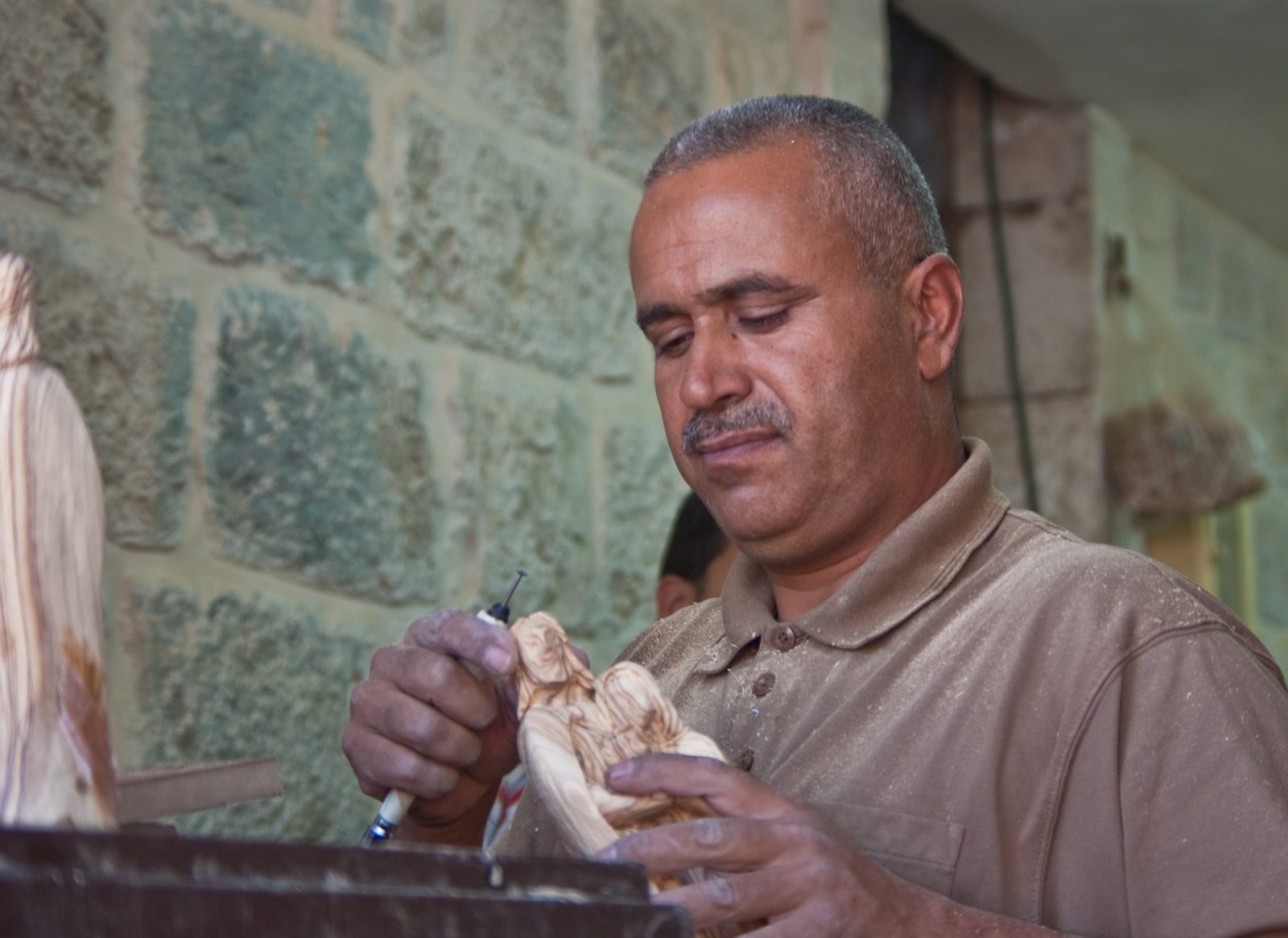
Photo: Antoine Taveneaux · Source · CC BY-SA 3.0. Original image, unaltered.
What Makes Holy Land Olive Wood Carvings Special?
Olive wood has a warm color and flowing grain, so even two carvings of the same design can look different. Turn a piece slowly in your hands and notice how the darker lines follow its shape. Sometimes that natural pattern is as striking as the carving itself.
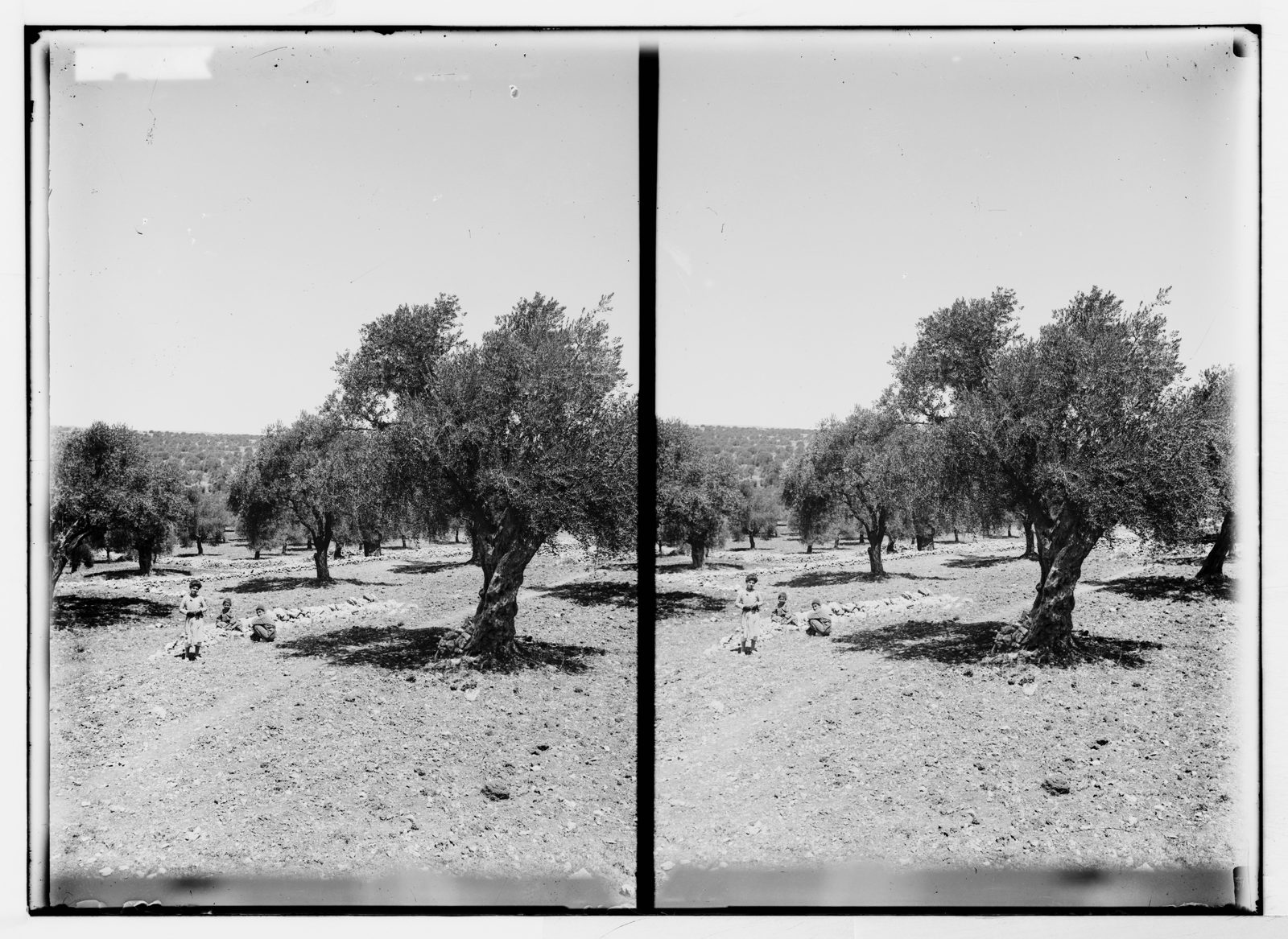
Photo: Matson Collection / Library of Congress · Source · Public domain. Original image, unaltered.
For Christian travelers, the material also carries biblical associations. In Genesis, the dove returns to Noah with an olive leaf, a sign that the floodwaters are receding:
“and, lo, in her mouth was an olive leaf pluckt off:”
Those associations help explain the appeal of olive wood crosses, rosaries, and nativity scenes. Their meaning comes from faith, personal memory, and the craft behind them. A carving’s place of purchase does not, by itself, establish where its wood grew or who made it.
Bethlehem’s Olive Wood Carving Tradition
Bethlehem and neighboring communities in the West Bank, including Beit Sahour, are home to a living tradition of olive wood craftsmanship. Palestinian Christian artisans produce religious figures, Christmas ornaments, crosses, and other objects, often through family workshops where skills pass between generations.
Much happens before the finishing touches appear. Wood must be selected and dried, a design shaped, and surfaces refined. Bethlehem Fair Trade Artisans describes using local olive tree trimmings that are stored to dry before its producers work with them. Individual workshops have their own sourcing and production practices, so ask about the particular piece you are considering.
The label “handmade” can cover different processes. Ask which stages were carved by hand and whether machinery helped shape the initial form. An honest explanation is more useful than a sweeping claim. Buying a locally made piece can support the people who continue this craft, especially when the seller can identify the workshop behind it.
Which Olive Wood Gifts Should You Choose?
Think about the recipient before the size of your suitcase. Would they use the object in prayer, display it at Christmas, or simply appreciate its craftsmanship? A smaller piece chosen with care can be more meaningful than an elaborate carving that does not suit their home or religious tradition.

Photo: U.S. Department of State · Source · Public domain. Original image, unaltered.
| Gift | Who might appreciate it? | What to check |
|---|---|---|
| Cross or crucifix | Someone choosing a personal prayer object or home display | Preferred design, smooth edges, and hanging hardware |
| Nativity set | A family building a Christmas tradition | Included figures, display space, and protective packing |
| Rosary | Someone who prays the Catholic rosary | Comfortable beads, secure links, and a protective pouch |
| Small ornament or figure | A friend with limited space or a traveler packing light | Delicate details and how safely it can travel |
Olive Wood Crosses and Crucifixes
A plain cross and a crucifix are different designs: a crucifix includes a figure of Christ. Preferences vary between individuals and Christian traditions, so choose with the recipient in mind. Options include wall crosses, standing pieces, pendants, and rounded comfort crosses designed to rest in the hand.
With an olive wood cross, examine the edges and finish as well as the front. A handheld piece should feel comfortable. A wall cross needs a secure hanging point, while a standing crucifix should sit steadily on a level surface.
Olive Wood Nativity Sets
An olive wood nativity set has an especially strong connection with Bethlehem. Designs range from a compact Holy Family group to larger scenes with shepherds, animals, and the Magi. Some emphasize detailed faces and clothing; others use simple, flowing shapes.
Before choosing a hand carved olive wood nativity set, confirm exactly which figures and structures are included. Check whether the figures are fixed or removable, and measure the space needed for display. Examine slender staffs, animal legs, and projecting details that will need protection during travel.
Olive Wood Rosaries
An olive wood rosary combines wooden beads with a devotional practice rooted in Catholic prayer and reflection on the life of Christ. It can be a thoughtful gift for someone who already prays the rosary or is preparing for an important milestone in their faith.
Run the beads gently through your fingers. Check for rough spots, loose connections, and a firmly attached crucifix. Ask for a pouch or box to keep the rosary from catching on other belongings.
How to Choose a Well-Made Olive Wood Carving
Start by looking beyond the most visible surface. Check the underside, joints, and thin sections. Natural grain variation is part of wood’s character; an unstable base, a loose attachment, or a split through a fragile detail deserves a closer look.
Useful questions to ask the seller include:
- Who made this piece, and where is the workshop?
- Where was the wood sourced?
- Which stages were completed by hand?
- What finish was used, and how should I care for it?
- Can the receipt identify the item and its maker?
Grain, color, and scent alone cannot prove that an object was made in Bethlehem. Clear information about the maker is more helpful. Price also reflects size, detail, finish, and production method, so compare similar pieces rather than assuming the largest or most expensive is the most authentic.
Buying Olive Wood Carvings in Bethlehem and Jerusalem
In Bethlehem, look for sellers who can explain their connection to local makers. Ask whether the shop produces its own pieces or stocks work from several workshops. A visible carving demonstration can be interesting, but still ask who made the specific object you plan to buy.
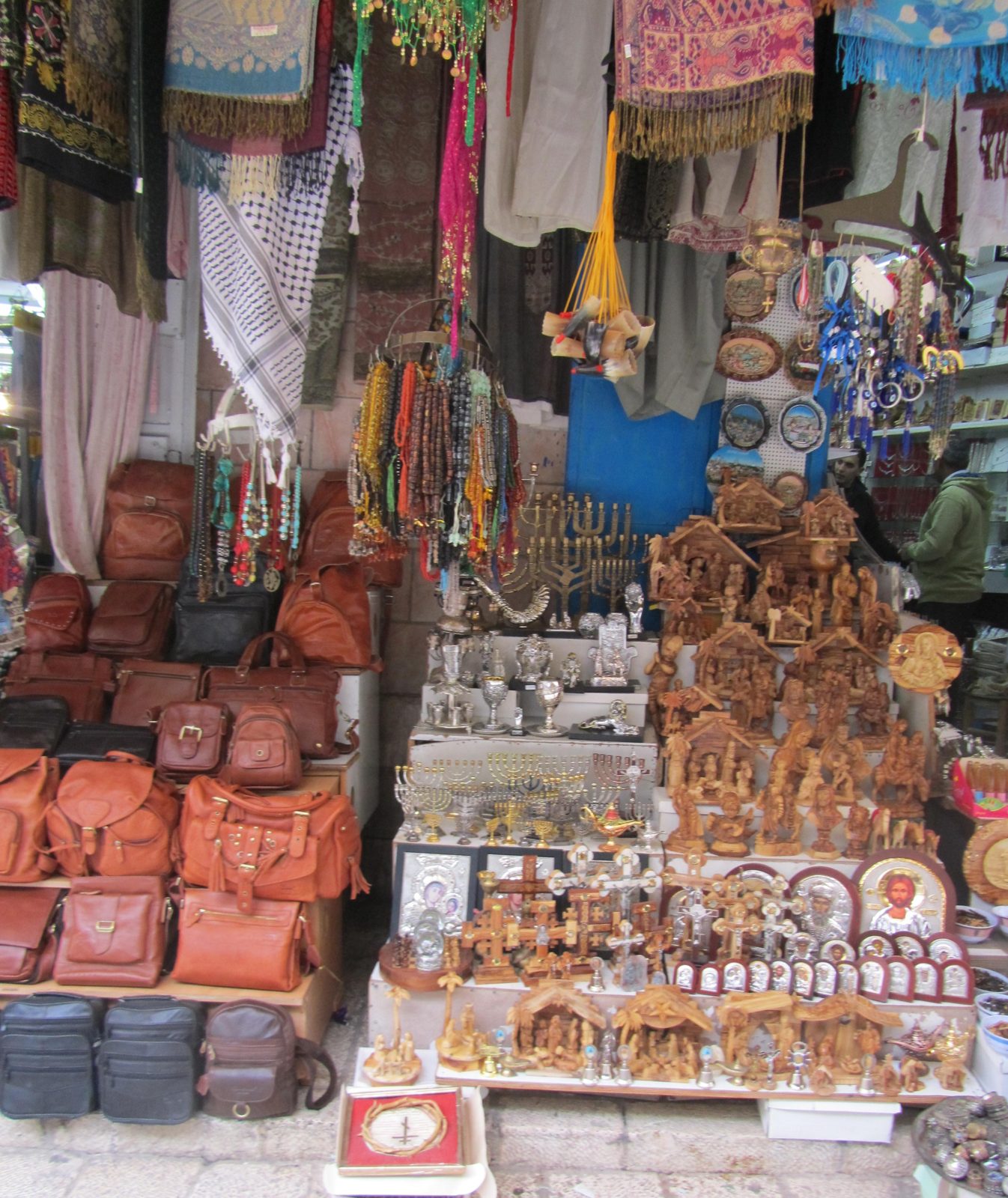
Photo: Zorro2212 with Barbara Z. · Source · CC BY-SA 3.0. Original image, unaltered.
Jerusalem’s Old City market also offers religious gifts. Shopping there may fit naturally into a day exploring the Christian Quarter. Wherever you buy, allow time to compare workmanship, ask questions, and arrange suitable packaging.
Some pilgrims choose to buy an olive wood cross, rosary, or other religious keepsake before visiting the Church of the Nativity in Bethlehem or the Church of the Holy Sepulchre in Jerusalem. They bring it with them to pray, believing that sharing this moment in a holy place gives the object a special sense of sacredness and a lasting connection to their pilgrimage. Once home, it becomes a reminder of that prayer as well as the journey. Those seeking a church blessing for their purchase can ask a priest or church staff about the appropriate arrangements.
If buying a particular carving or meeting an artisan matters to you, discuss it before booking your itinerary. A sightseeing tour may have limited flexibility, and a workshop visit should be arranged and confirmed separately. For other gift ideas, see our guide to souvenirs in Israel.
Packing and Caring for Your Olive Wood Souvenir
Ask the seller to wrap separate nativity figures individually and protect projecting details. Keep small parts together, photograph the complete purchase, and retain the receipt. For a large piece, confirm shipping costs, insurance, and responsibility for damage before paying.
At home, dust gently with a soft cloth and keep the carving away from direct heat and prolonged strong sunlight. Follow the maker’s instructions for its particular finish. Avoid applying household oils or cleaners without checking first, especially on painted, varnished, or inlaid pieces.
Discover Bethlehem Beyond the Souvenir Shops
A nativity set takes on a different meaning after a visit to Bethlehem. The carved figures recall a story you have encountered in the city itself, while the object also connects you with the people who live and work there today.
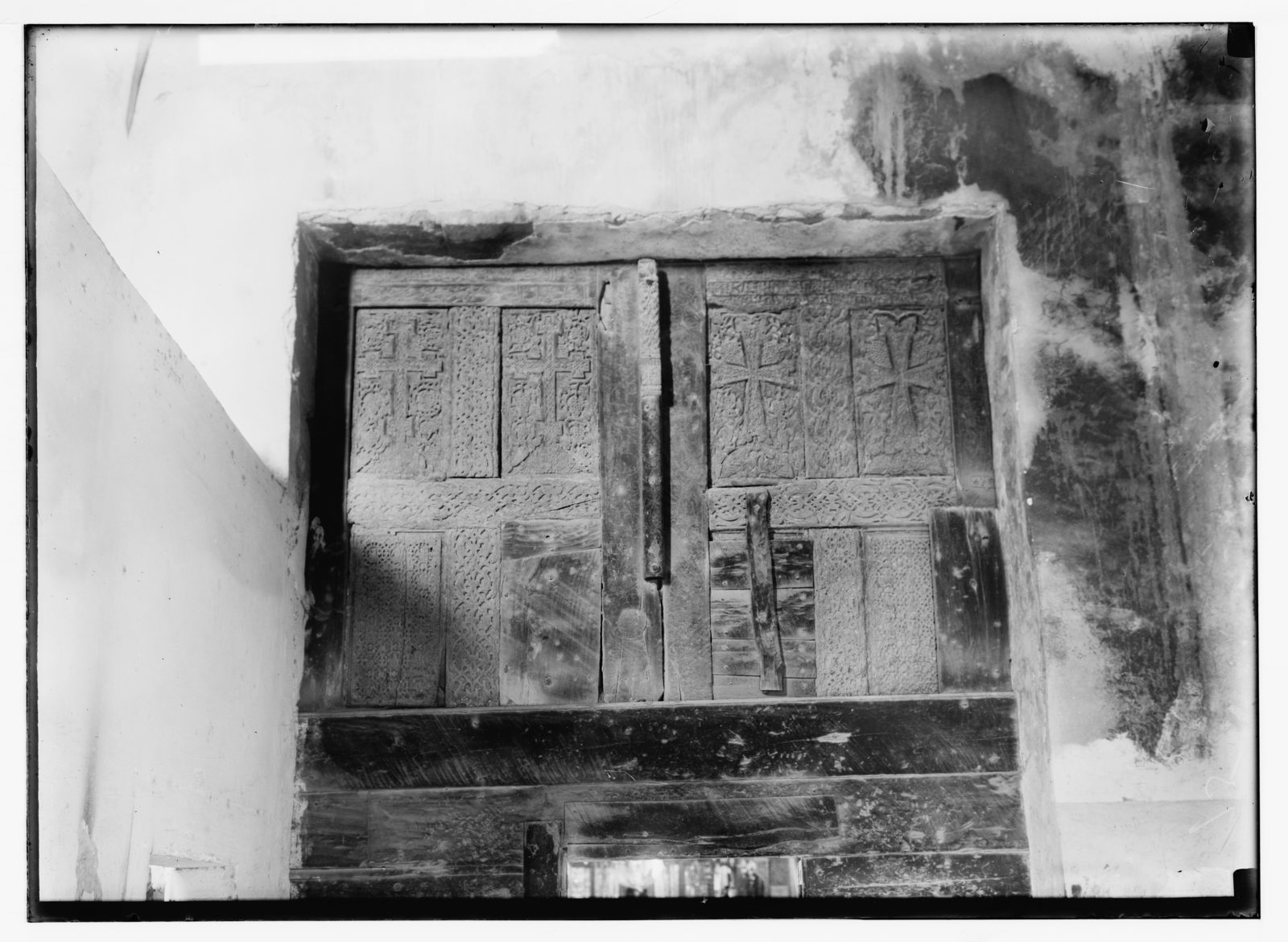
Photo: Matson Collection / Library of Congress · Source · Public domain. Original image, unaltered.
Make Bethlehem part of your Holy Land journey with our Bethlehem and Jericho Tour. The tour combines Manger Square and the Church of the Nativity with Jericho and Qasr al-Yahud on the Jordan River, linking several important biblical places in one day.
Prefer to combine Bethlehem with Jerusalem’s Old City? Explore our Jerusalem and Bethlehem Tour, which includes the Western Wall, Via Dolorosa, Church of the Holy Sepulchre, and Bethlehem’s Church of the Nativity.
Choose your route and check availability for your travel dates. Access and itineraries are subject to current conditions. If an olive wood workshop visit is a priority, contact us before booking to discuss your interests. Workshop visits require advance coordination and confirmation.
 Certificate of Excellence
 Guaranteed Departure
 Low Prices Guaranteed
 24/7 Support


