 Login / Register
 Contact
Israeli Currency: A Traveler’s Guide to Shekels, Cash and Cards
A coffee in Tel Aviv, a bag of spices in Jerusalem, a fresh pomegranate juice at the market. Your first purchases in Israel will introduce you to the shekel, and perhaps leave you wondering why the same currency has several different names. Here’s how to recognize Israeli money and feel comfortable using it throughout your trip.
What Currency Does Israel Use?
Israel’s currency is the Israeli new shekel, usually called the shekel. Its international currency code is ILS, its symbol is ₪, and the abbreviation NIS stands for New Israeli Shekel. All three refer to the same money. A price of ₪50 means 50 shekels, whether a menu writes it as ILS 50 or NIS 50.
One shekel is divided into 100 agorot, the equivalent of cents. You may also see the Hebrew abbreviation ש״ח on signs and receipts. Knowing these few labels makes shopping much easier, especially when you move between tourist attractions and neighborhood businesses.
If you’re still getting your bearings, our guide to visiting Israel for the first time is a useful place to start planning the rest of your trip.
Israeli Banknotes and Coins: What to Look For
The current banknote series has four denominations. Each features a Hebrew poet, with a different dominant color to help distinguish the notes.
Israeli banknotes at a glance
| Banknote | Main color | Portrait |
| ₪20 | Red | Rachel Bluwstein |
| ₪50 | Green | Shaul Tchernichovsky |
| ₪100 | Orange | Leah Goldberg |
| ₪200 | Blue | Nathan Alterman |
Check the printed denomination rather than relying on color alone. The Bank of Israel’s banknote guide also explains the security features you can look for.
Which Coins Are Used in Israel?
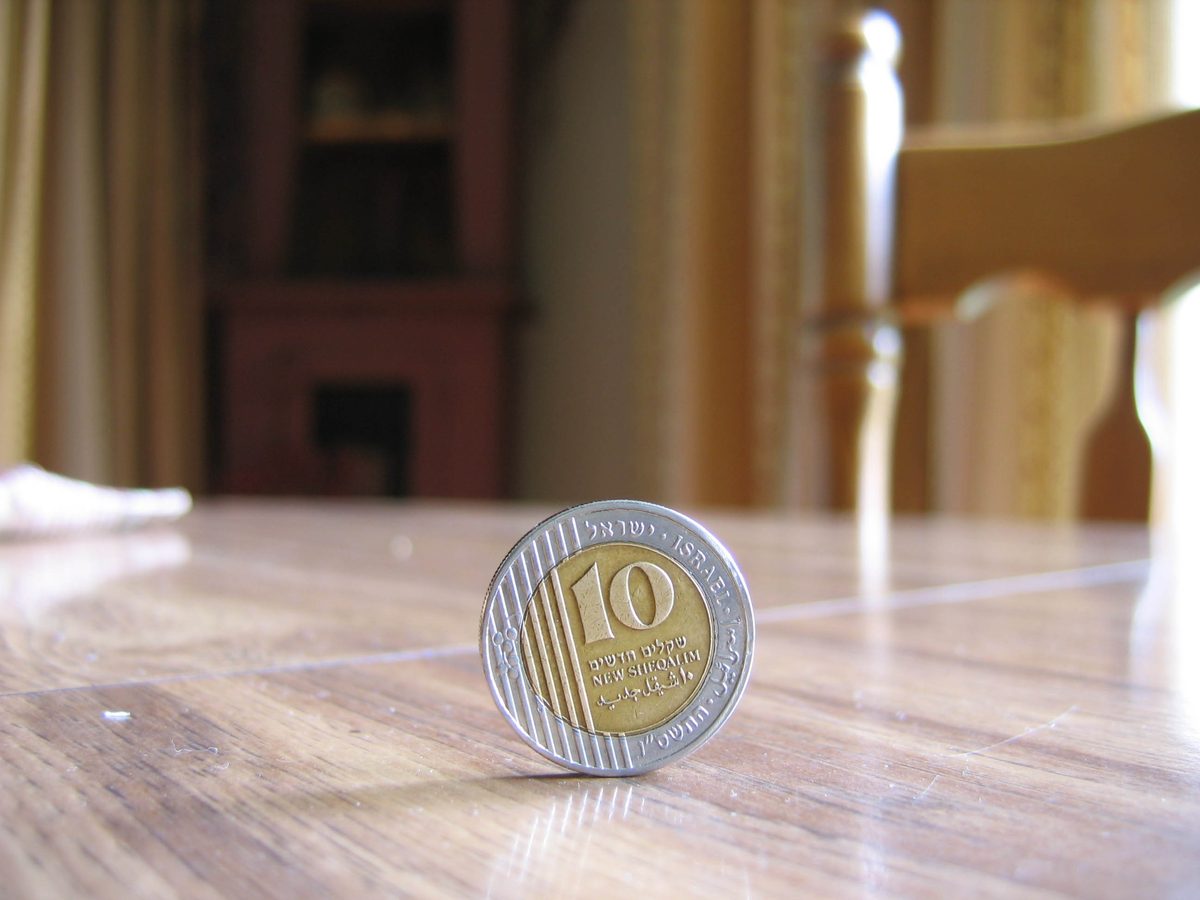
A 10-shekel coin (Photo: Soap, Public domain, via Wikimedia Commons; coin design © Bank of Israel)
The everyday coin denominations are 10 agorot, half a shekel, and 1, 2, 5 and 10 shekels. The half shekel is worth 50 agorot, so a coin marked ½ is worth ₪0.50. A 10 agorot coin is worth ₪0.10, not 10 shekels. That is the distinction most worth remembering when sorting your change.
Keep some smaller notes handy. Paying for a modest purchase with ₪20 or ₪50 is more convenient than asking a stallholder to break a ₪200 note.
Should You Use Cash or Credit Cards in Israel?
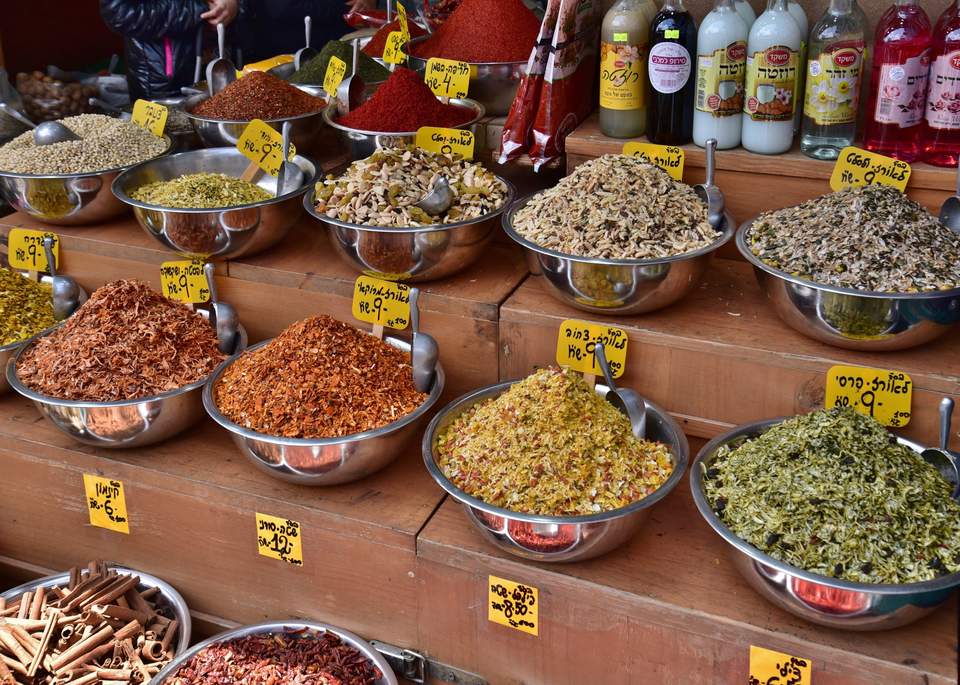
Shekel prices at a spice shop in Mahane Yehuda Market, 2019 (Photo: Bahnfrend, CC BY-SA 4.0, via Wikimedia Commons)
Credit cards are widely accepted in Israel, making them convenient for many hotel, restaurant and shop payments. Still, acceptance is not universal. Ask before ordering or buying if you are relying on a particular card, especially for a small purchase.
A combination of a card and some shekels gives you more flexibility. Cash is useful for tips, small transactions and businesses that do not accept your card. At a market such as Mahane Yehuda, check how a vendor takes payment before you start choosing your purchases.
For a day exploring Jerusalem, think about the expenses outside your main booking: lunch, a drink, a souvenir or an optional tip. Our Jerusalem Full Day Tour page recommends bringing some local cash for lunch and purchases. Check your own tour’s inclusions before deciding how much to bring.
How Much Cash Should You Carry?
There is no single amount that suits every traveler. A person with accommodation and tours already paid for has different needs from someone paying for most of the trip on arrival.
As a practical starting point, set aside enough shekels for your first day’s expected small purchases and a backup payment. Add more if you plan to shop at markets or pay for meals in cash. This is a planning approach, not an estimate of daily travel costs. Carry a manageable amount and keep a second payment method available separately.
Where Can You Exchange Money in Israel?
You can exchange foreign currency at banks, post offices and licensed currency exchange businesses. Before handing over your money, ask a straightforward question: “How many shekels will I receive in total?”
Compare that final amount for the same sum of foreign currency. A sign advertising no commission does not tell you everything, because the exchange rate itself also affects what you receive. Keep the receipt and count the money before leaving.
It can be convenient to arrange a small amount of local cash for arrival, then compare options once you have settled in. Avoid changing your entire travel budget at the first counter simply because it is available.
Israeli Currency to USD: Checking the Exchange Rate
For a current reference, consult the Bank of Israel’s exchange rates. Its representative rate is a reference point, rather than a guaranteed rate for your transaction. The rate and fees offered by a bank, card issuer or exchange business may differ.
When comparing shekels with dollars, check which way the rate is displayed. “Shekels per dollar” tells you how many shekels one dollar buys before applicable charges. Your final card charge can also depend on the issuer’s conversion and fees.
Using ATMs in Israel
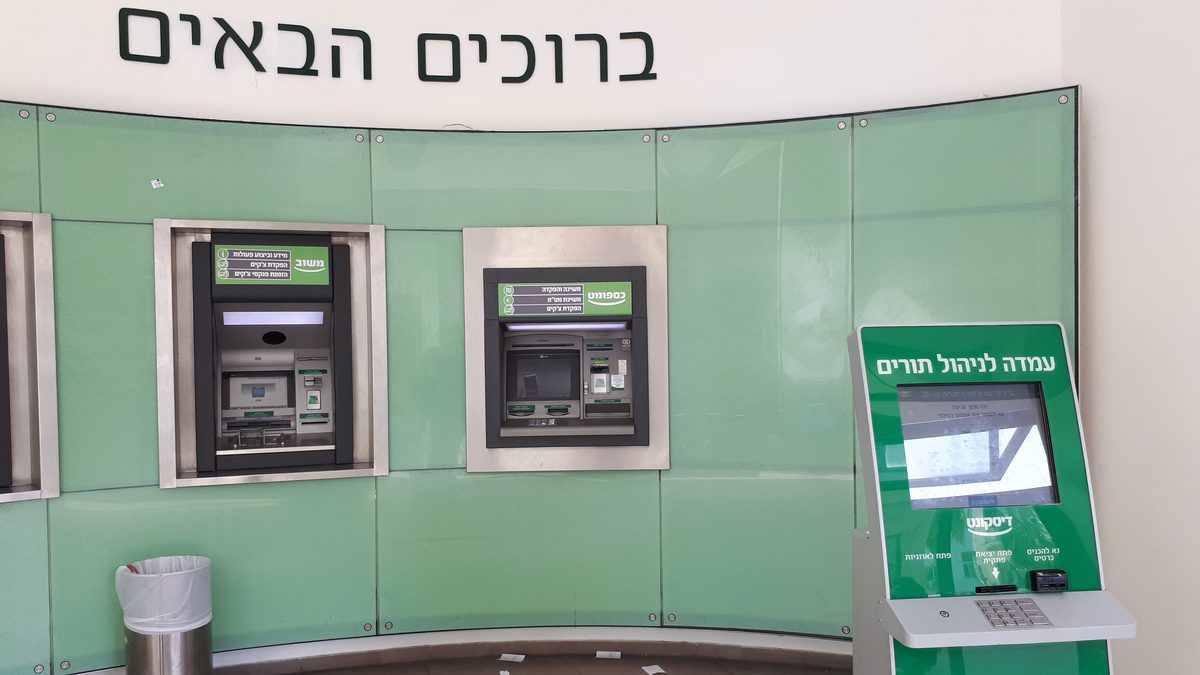
Bank ATMs in Tel Aviv (Photo: Rakoon, CC0, via Wikimedia Commons)
ATMs are available around Israel, including at Ben Gurion Airport. Before traveling, check that your card supports overseas cash withdrawals, confirm your PIN and ask your issuer about withdrawal limits and fees.
Bank ATMs and independently operated machines may charge differently. Review the fee shown before confirming, and remember that your own bank may add a separate charge. A withdrawal that looks inexpensive on the screen can still have costs at the issuer’s end.
Should You Choose Shekels or Your Home Currency?
A payment terminal or ATM may offer to convert the transaction into your home currency. This service is called dynamic currency conversion, or DCC. The familiar currency can make the amount easier to understand, but the conversion may include a markup.
Look at the offered rate and charges before accepting. Choosing ILS and declining the terminal’s conversion generally leaves conversion to your card issuer. Whether that costs less depends on the respective rates and fees, so check your card’s terms before your trip. The ATM’s withdrawal fee and any issuer charges are separate considerations.
Can You Use US Dollars or Euros in Israel?
Some businesses serving tourists may accept dollars or euros, but you should plan to use shekels for everyday cash purchases. Foreign currency acceptance is a business decision, not something to assume at every shop or restaurant.
If a seller accepts foreign cash, confirm the exchange rate and the currency of your change before paying. You may receive change in shekels. Also check the currency shown on booking confirmations: an online price quoted in dollars does not mean that dollars are the everyday currency at your destination.
A Little History Behind the Shekel
The new shekel replaced the previous shekel in September 1985, at a rate of one new shekel to 1,000 old shekels. Today’s coins carry small glimpses of Israel’s history: the one shekel coin features a lily, while the half shekel features a lyre. The banknotes turn the spotlight toward poetry.
Take a moment to look at the money in your hand before spending it. Between a market visit, a museum and a walk through Jerusalem, it offers another small connection to the country you are exploring.
Ready to Explore Israel?
A little preparation makes paying your way straightforward: recognize the shekel, carry a useful mix of notes and coins, and understand your card’s overseas fees. Then you can give your attention to the places, flavors and people that brought you here. Explore Jerusalem with Bein Harim’s guided Jerusalem tour, and check the booking details for the expenses you will need to cover along the way.
 Certificate of Excellence
 Guaranteed Departure
 Low Prices Guaranteed
 24/7 Support


