Israel Travel Blog


​​First Time in Israel: The Ultimate Guide

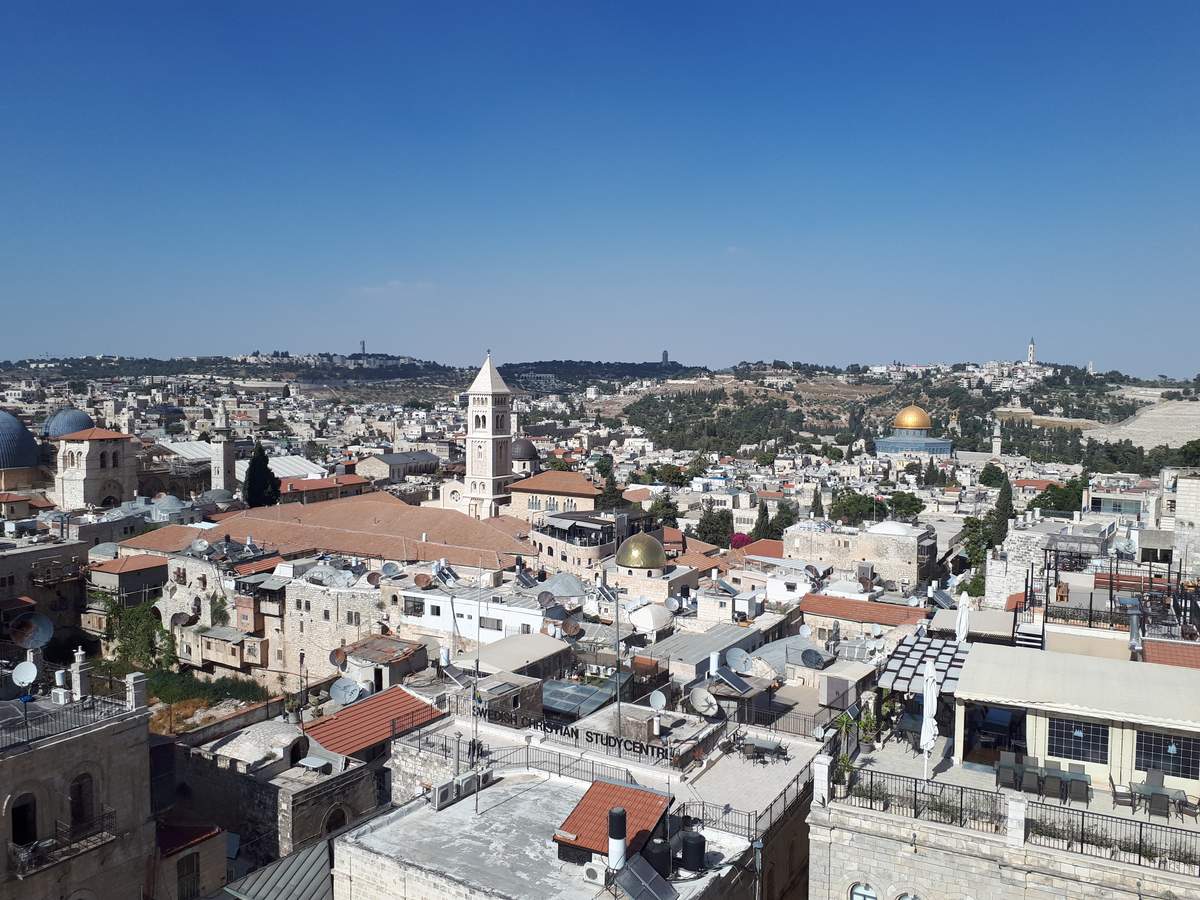
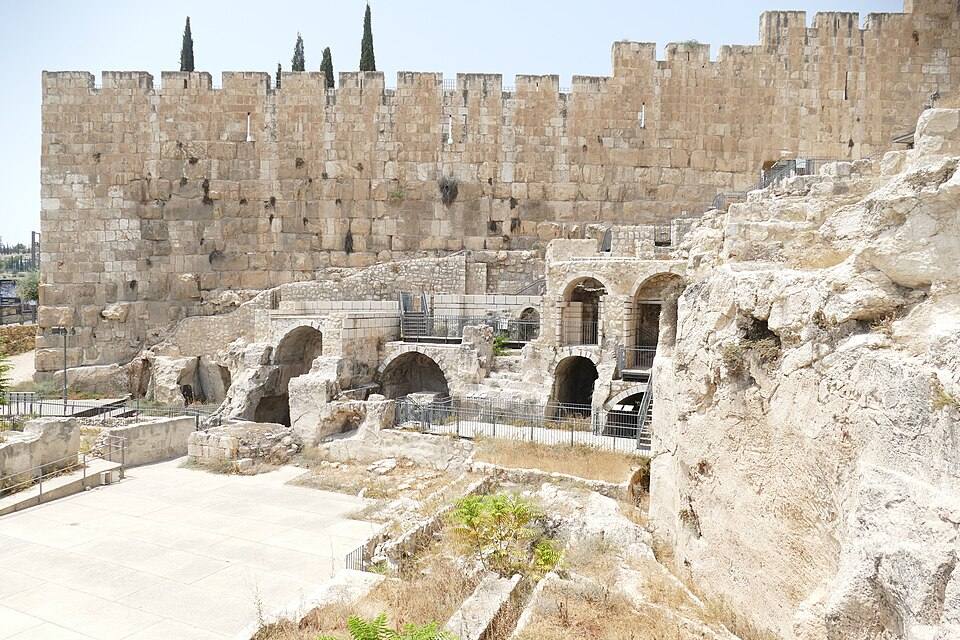
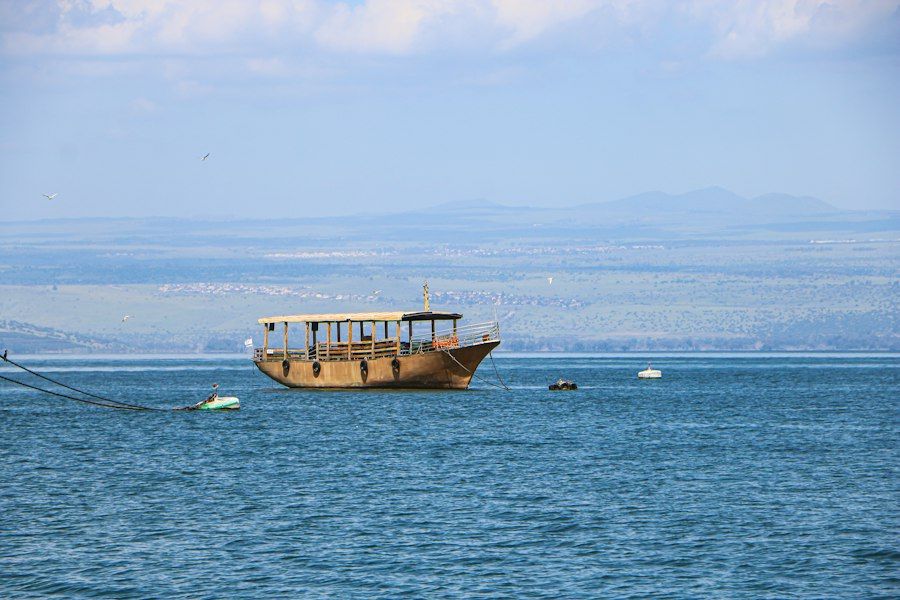
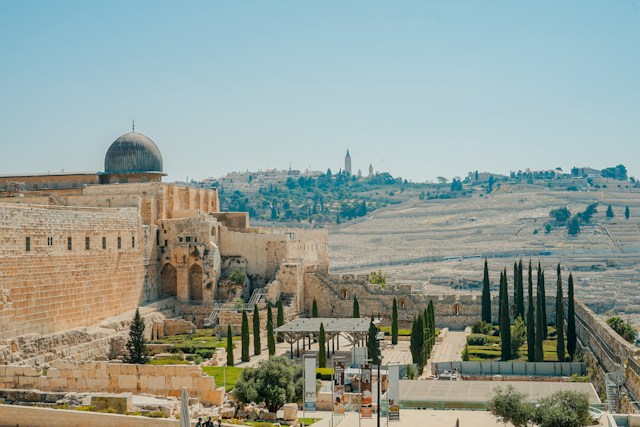
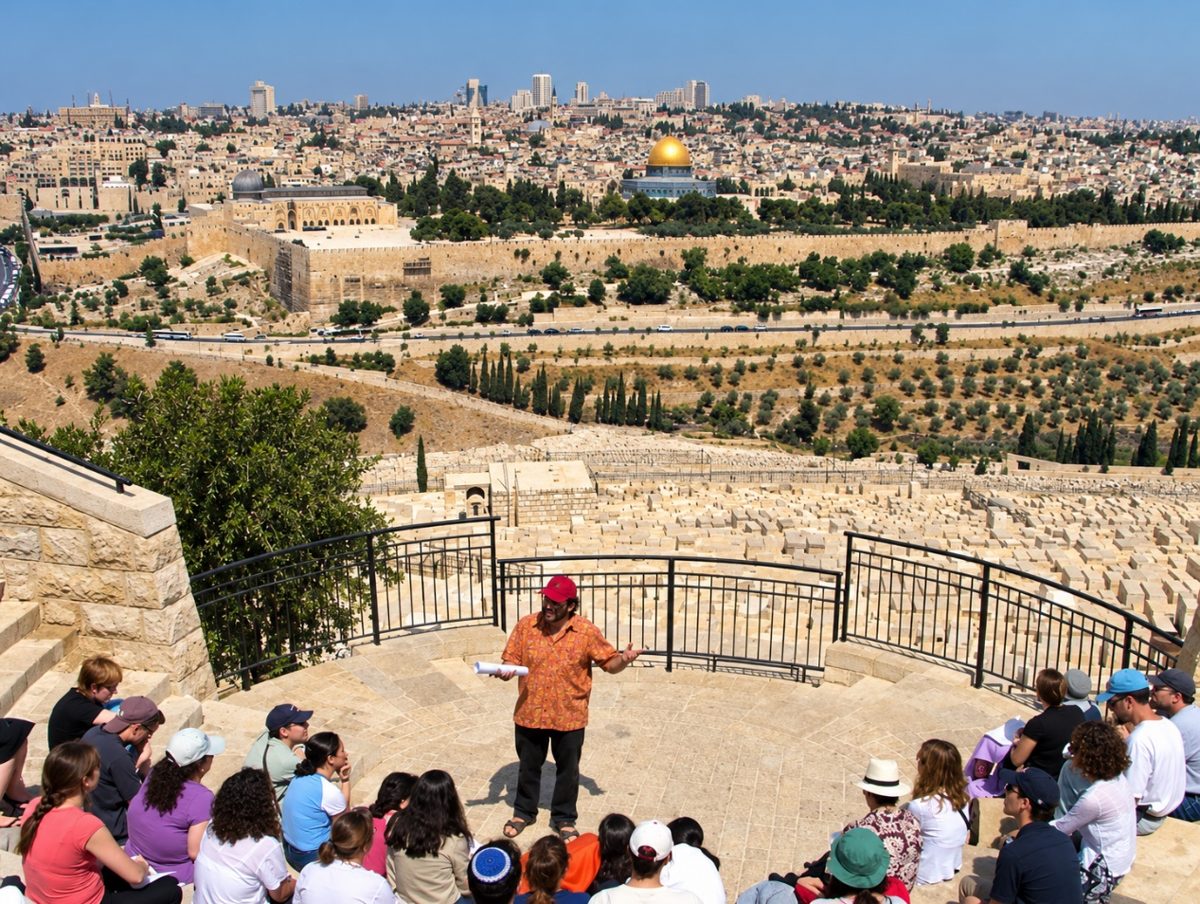
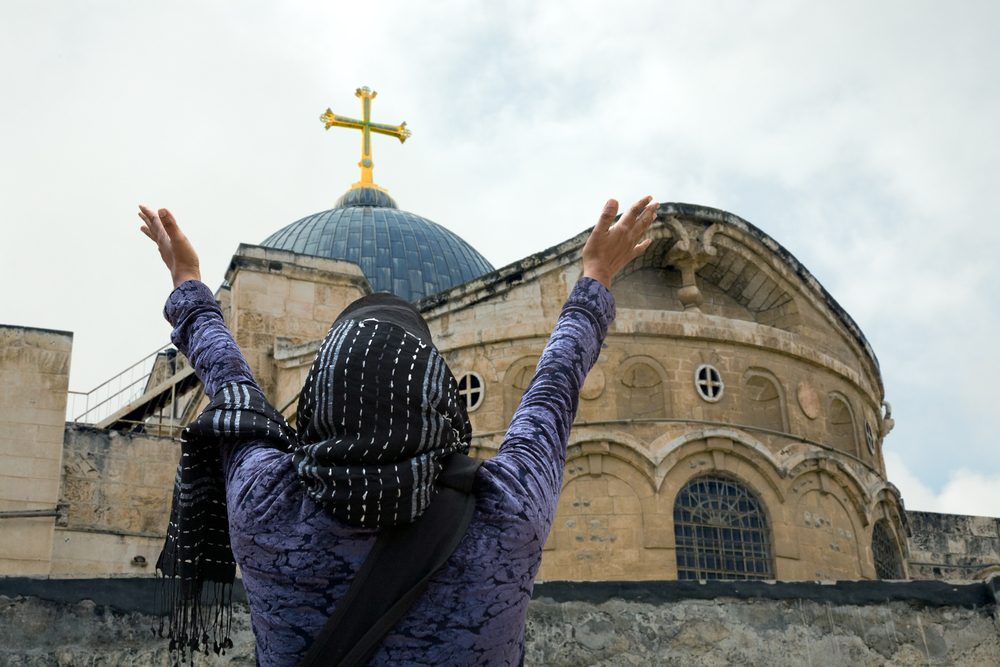
Whether you're traveling on a spiritual tripin the footsteps of Jesus, or just want to have some Middle-Eastern fun - your first time in Israel will be a trip you’ll never forget! This is a land that might be small, but it really packs a punch in terms of history, nature, art and culture, cuisine, and nightlife; few go away disappointed after a holiday here.The best sandy shores in the Middle East await you!Still, if it’s your first trip to Israel, you’re bound to have a few questions, not to mention be looking for tips and hacks to make sure you get the most out of your vacation. Here’s a few things we think you might want to know before you arrive. Shalom and welcome!The Best Time to Visit IsraelIsrael’s a great year-round destination but for the best weather conditions, we’d have to recommend spring and late fall. From March to mid-June, there will be plenty of sun, warm days with cool evenings and it’s perfect for sunbathing in Tel Aviv, hiking both in the Galilee, trekking in the Negev desert, and eating al fresco in the evenings.Ever seen the sunset from the top of a 2,000-year-old legendary Fortress?After the long summer months, October is a wonderful time to travel, when the heat is abating but you can still swim in the Mediterranean, and enjoy the blue skies. November is also pleasant and - with fewer tourists around - the top sites will be less crowded and accommodation will be cheaper to book.The Worst Time to Visit IsraelThere’s no real ‘worst’ time to visit Israel (honestly!) but there are certain times of the year that it’s worth avoiding, on a pragmatic level.Yom Kippur (falling sometime between Sept-Oct) is Israel’s ‘Day of Atonement’ where at least half of the Jewish population fast for 25 hours and attend services around the clock, in synagogues. It is the holiest day of the Jewish calendar and throughout the country, everything is shut.Yom Kippur In Israel - people just walking on the empty roads (Photo by Ron Almog, CC BY 2.0)By this, we mean everything! You cannot drive on the roads, shop, visit restaurants, tour historic sites and museums and even Ben Gurion International Airport shuts down. Essentially, the country comes to a standstill - so be prepared for ‘quiet time’ if you’re visiting.In terms of weather, July and August can be blisteringly hot, and January and February cold and rainy (especially in Jerusalem and the Golan Heights). And two of the major Jewish holidays - Passover (which lasts for 8 days and falls in the spring) and Sukkot (a seven-day festival in the Fall) are when Jews from around the world visit Israel, so the country is very crowded.Must-See Historic & Religious Sites in IsraelIsrael is home to hundreds of religious and historic sites, but some are so incredible that they have to be on your ‘Milk & Honey bucket list‘. They include:The Old City of Jerusalem:the Old City is small (less than one square kilometer) but walking through its ancient gates and wandering inside its walls is truly an unforgettable experience. Sacred to three major world religions (Christianity, Judaism, and Islam) the Old City is crammed with religious sites, includingVia DolorosaandChurch of the Holy Sepulchre,the Dome of the RockandTemple Mount,the Western Wallandthe ancient underground tunnelsof the City of David.The Church of the Holy Sepulchre in Old JerusalemYou could spend days, if not weeks, exploring Jerusalem but if you really want to get the most out of it we recommend taking awalking tour of the Old City- guides in Israel are licensed by the Ministry of Tourism and you’ll be blown away at how much history they really can share with you.Also, try to find time to visitthe Mount of Olives. Just outside the Old City, it’s home tothe Garden of Gethsemaneand several beautiful churches, includingDominus Flevit,Pater Noster, and theRussian Church.Masada Fortress:the ancient fortress of Masada, set on a plateau in the Judean desert, is one of Israel’s most visited archaeological sites. At its top is a Herodian palace, which you can reach and explore by taking a cable car up and witnessing dramatic views.The Masada national parkis also close tothe Dead Sea, so you can easilycombine the two attractionsin an organized day trip - there's plenty ofMasada Toursto choose from. Masada Fortress from aboveBethlehem:The famous birthplace of Jesus is just a short trip from Jerusalem. You can visitManger Square, continue to theChurch of Nativity, see enjoy great street food along the way.The city is under the control of the Palestinian Authority so the easiest way to explore it is with anorganized tour to Bethlehem; you will have the services of guides on both sides of the checkpoint and a comfortable and safe trip.Bethlehem Christmas TreeNazareth and the Sea of Galilee:The north of Israel isn’t just stunningly pastoral; it’s also home to Nazareth - where Jesus lived as a child - and the Sea of Galilee - where he spent most of his adult life, ministering, recruiting his disciples and performing miracles. Churches, synagogues, and glorious views of mountains and hills at every turn mean these spots should definitely make the ‘must-visit’ list.The Sea of GalileeWhat about nature and outdoor activities in Israel?You’re truly spoilt for choice in Israel when it comes to the great outdoors and with plenty of spots to ski, dive, hike, trek, rappel, and jeep ride - adrenalin junkies will be in paradise.Israel’s home to some stunning national parks, within which you can hike or bike along trails, swim in streams and stand under waterfalls, and picnic under eucalyptus groves. In the Golan Heights, you can take jeep tours along the border with Syria, affording you not just magnificent views but a chance to see old fortifications from wars fought long ago.The Banias WaterfallDown in the Negev and Arava desert, you can hike and trek through wadis (valleys), camp under the stars, spend a night with Bedouins, and explore one of the largest craters in the world - the Mahktesh Ramon in the tiny town of Mitzpe Ramon. Walk around its edges, hike inside it (it’s home to wonderful flora and fauna), or - for an experience, you’ll never forget - rappel down its side!Finally, for those who love the water, head to Eilat for snorkeling and diving in coral reefs, jet skiing and paddleboarding on the Red Sea, swimming with dolphins on a reef, camel riding in the nearby mountains, and a trip to Timna Park, home to incredible rock formations and an ancient copper mine!Israeli food: what should I expect?It’s impossible not to eat well in Israel. Trust us, this country is heaven for foodies, not to mention vegetarians and vegans, lovers of baked goods, cheese aficionados, those who keep kosher, and even gluten-intolerant folks.The Holy Land has some awesome gourmet foodBecause Israeli society is such a melting pot (Jews from every corner of the globe live here) that’s reflected in its food. There’s fantastic fish (straight from the Mediterranean), all kinds of white and yellow cheeses, an astonishing variety of fresh fruits and vegetables, and boutique bakeries at every turn.“Classic” Israeli street food includes falafel in pita (deep-fried chickpea balls, served up with salad, pickles, and tahini), sabich (an Iraqi sandwich), and - of course - hummus (if you’re adventurous, order a plate of it with an egg, mushrooms or ful (Egyptian fava beans). Meat lovers can go with shawarma or chicken soup (also known as ‘Jewish penicillin’).Israeli Street food is almost addictive!For those who are really curious, we’d recommend a Carmel Market food tour in Tel Aviv or perhaps splashing out on a gourmet meal at one of Jerusalem’s top restaurants.What’s the daily atmosphere like in Israel? Is it safe?Israelis are an interesting bunch - they’re curious about the world, love talking to tourists, are warm and friendly, and sadly often so direct that visitors mistake this for rudeness! Something else you’ll notice is that contrary to everything you read in the news, daily life in Israel is quite ‘normal’ (save for occasional flare-ups, most of which tend to happen in the West Bank).Israelis will just smile at you; it's in their natureIsrael’s remarkably safe on a personal level - you can walk around at 3 am and no harm will come to you - and is, therefore, a good place for solo and female travelers. Nearly everyone speaks some English and many people are fluent (Israelis are great travelers themselves) and are anxious for visitors to see how wonderful their country is.Eilat, Israel's best resort cityMost of all, Israelis love to help. If you trip over in the street, 20 people will run to lend you a hand. If you’re lost, you’ll not only be given directions but often offered a ride. And if you’re visiting over the Jewish holidays, don’t be surprised to receive an invite to someone’s home - hospitality here is legendary.What does a 10-day trip to Israel cost?We won’t sugarcoat it - this country can be expensive; Tourists arriving here are often astounded by the high cost of food, alcohol, and accommodation - of course, there are ways to travel Israel on a budget and make your trip more affordable - but you do need to prepare yourself.Whilst it’s possible to travel independently (public transport is cheap and efficient, most locals speak good English, infrastructure is developed) but you’re still going to spend a fair bit. That’s why many people choose, on their first trip, to opt for a package tour around Israel. The Bahai Gardens in HaifaWhether you’re looking for a ‘classic trip’ or something oriented towards Christian pilgrims, booking a package means you’ll have the services of a guide, an air-conditioned bus, the cost of entrance to many sites paid in advance, and all accommodation organized for you. Basically, it’s a stress-free and time-efficient way to see the country and, when you’ve crunched the numbers, it may not be that much more expensive than going it alone.Tour groups can save more, and do more in IsraelThat being said, it’s also possible to travel the country independently and, whenever you feel like it, book an Israel day trip. Places like Masada and the Dead Sea, Nazareth, and the Galilee, are a bit tricky to travel around without a car rental, and if you don’t want to drive or - of course - want to know more about the history of these areas, then a day tour with a guide is the way to go.If you’re interested in learning more about our taking a vacation in Israel or Organized Tours in Israel, feel free to reach out by email, Whatsapp, or phone - we’re happy to answer all your questions and help you make your trip a very memorable one.
By Sarah Mann

Petra with Children: A Complete Guide (2026 UPDATE)

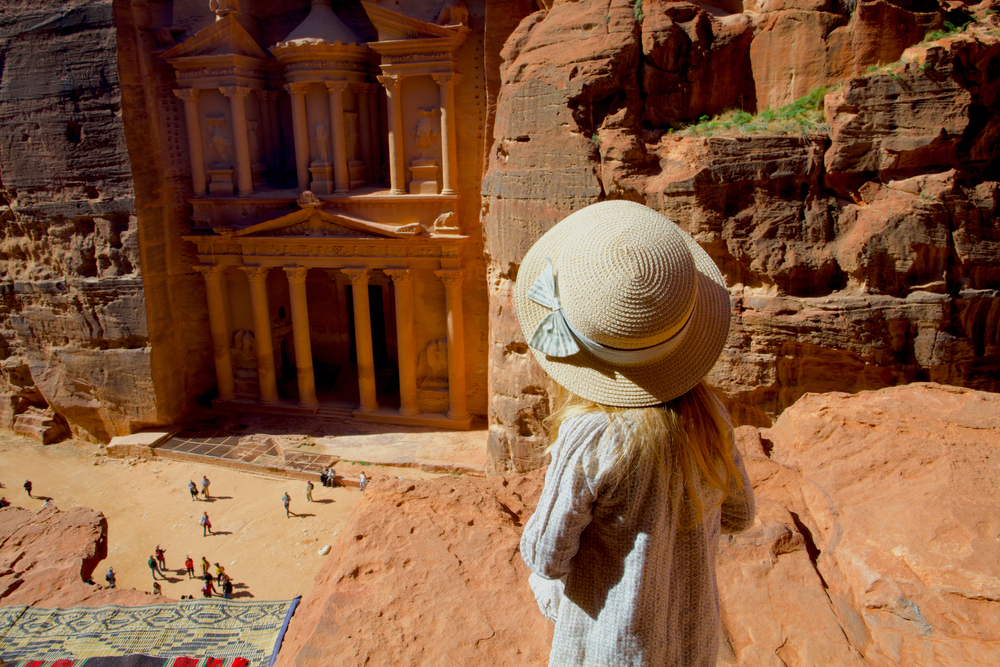
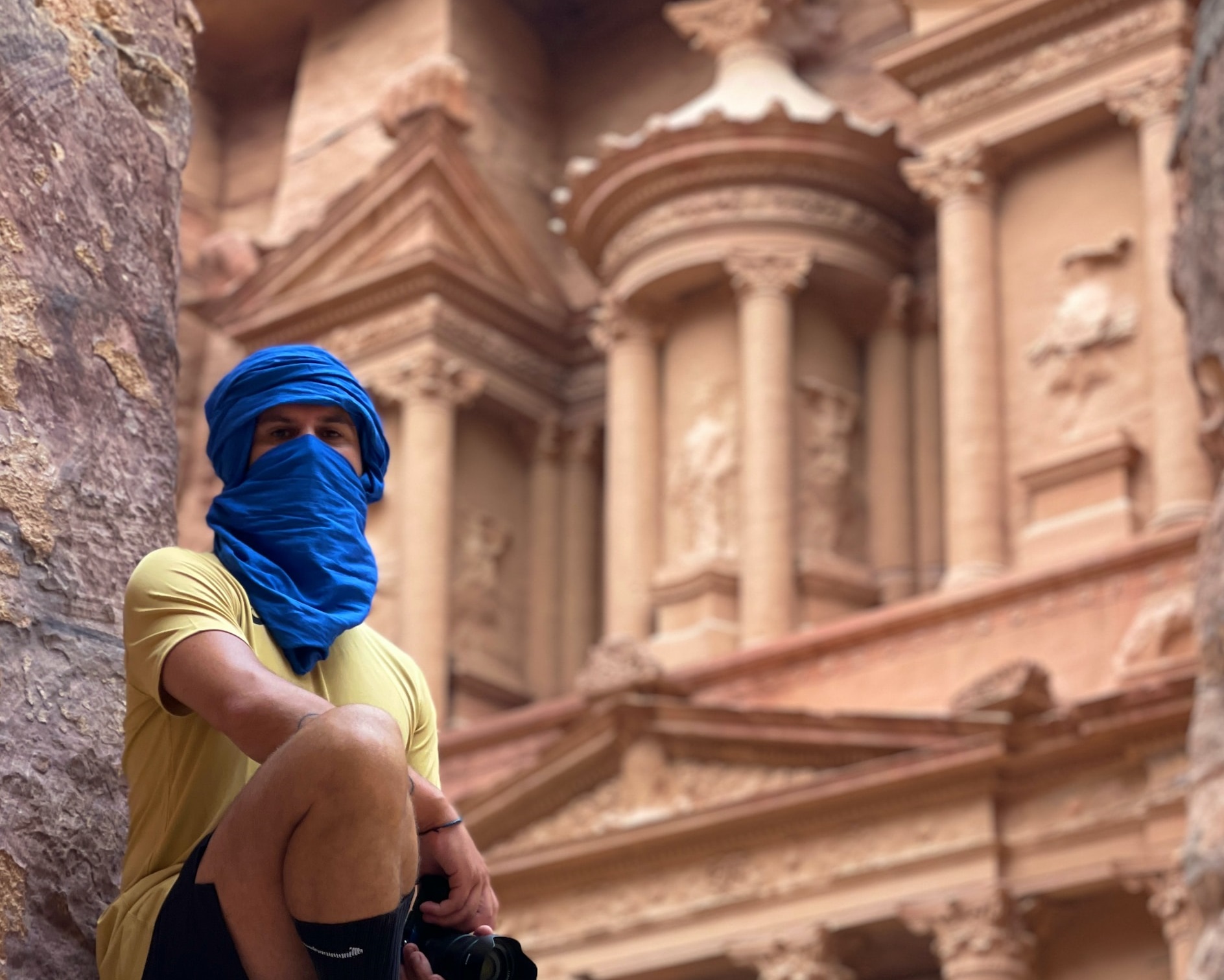
Why Visit Petra with Children?Out of all the reasons, we decided to focus on three.Children will be mesmerized by Petra's beauty. Carved out of rose pink rock, with narrow passageways, stunning facades, colonnaded streets, and magnificent views of the surrounding desert, it really is a one-of-a-kind place.It’s a great way to get your kids off their phones and iPads - once they’ve started exploring the site, they’ll probably be so fascinated with it that you’ll have to drag them away. Exploring Petra is a great way to teach them about history and the Visitor’s Centre offers a free audio guide for children that’s engaging and also educational, letting them explore the site and learn about the people that lived there.Kids at the Petra Archeological Park Jordan is a very child-friendly country. Like everywhere in the Middle East, children rule the roost - everyone loves them, makes a fuss of them, and spoils them. So on a visit to Petra, they definitely won’t need to be seen and not heard.Is it Safe to Take Children to Petra?Jordan is a pretty safe country to visit, in any event, but Petra - in particular - is highly recommended because it’s not just set up for tourism but the government and local security staff there take safety very seriously.There are few incidents of crime (e.g. petty theft) and almost no incidents of violence, making the area very safe for families. You can walk the streets easily, day or night, there are local police on hand both in Wadi Musa and the site of Petra itself. If you decide to visit, you will see many groups of people, consisting both of adults and younger family members, roaming around.The Tourism Police in Wadi Musa (Image by Dickelbers CC BY-SA 3.0)Petra is a popular tourist attraction (which brings in a lot of revenue) and the Jordanian government wants to keep it that way - as a result, they go to great efforts to make sure the area is kept safe - after all, happy tourists will spread the word, or even return!Exploring Petra with ChildrenPetra is enormous and there’s lots to see. But there are some places and things that really must be experienced, including:The Siq and Treasury - walking through the Siq passageway is an incredible feeling and at a certain point it’s so narrow that you can’t see far ahead, so have no idea when the Treasury will come into view. When it does, your children will be overwhelmed. As will you. Then spend time in front of the Treasury itself…it’s simply awe-inspiring.The Indiana Jones trail - older kids will find hiking this trail - in the footsteps of Indiana Jones - completely thrilling. Rather than walking through the Siq, take the trail that heads southwest across a desert plain…eventually you’ll arrive at an amazing lookout high above the Treasury. Think about taking a local guide so you don’t get lost!The view is Amazing!Horse and Carriage/Donkey Riding - some people like to use animals to travel the Siq and your kids might enjoy it - just make sure that you agree on the price beforehand to avoid any possible quarrels and that the animals look well-cared for.Petra by Night - taking children to Petra at night can be a lot of fun - the entire area around the Treasury is lit with thousands of candles and you’ll also be treated to a traditional Arabic musical performance. Just remember that you need to buy a separate ticket for this activity.The Petra Monastery - this medium to hard walk, involving 850 uneven stairs, is a bit steep and not suitable for youngsters but is a well-worn trail. Moreover, you’ll be rewarded with spectacular views of this site and there are far fewer crowds there than at the Treasury.Little Petra - a fifteen-minute drive from Wadi Musa and boasting free entrance, this site is smaller and more compact but with the same facades and gorges. Children will love the caves and rock formations there and there are easy hikes for all the family.What Kind of Places can I Stay with Children in Petra?Petra has accommodations to suit all budgets and tastes. Something kids will really enjoy is sleeping at a Bedouin camp - they are well set up and, in many respects, it’s more like ‘glamping’ - comfy beds, private toilets, and even mink throws for when it gets cold at night.Great hotels await you in and around the Petra Archeological Park There are plenty of mid-range and upscale resorts around, with family rooms, play areas, and even kids' clubs. You and your children will love eating traditional Jordanian food around a campfire at night or in one ofPetra's great restaurants. And if you decide that you need a quiet night out with your partner, you can book babysitters in some of the top resorts.Tips for Traveling to Petra with ChildrenAs we’ve said, your children are bound to love visiting this Lost City but there are still a few things you should bear in mind, and here are some tips to make the trip as enjoyable as possible.Try to avoid traveling there in the summer - it can be scorching hot. Consider March to May and September to November as optimal dates - temperatures are pleasant and skies clear, but there will be little rain.Keep an eye on your children - certain parts of Petra can get very crowded at certain times of the day, particularly the Siq passageway and the Treasury area.Make sure you're all dressed for exploration - you’ll need comfy shoes, breathable clothing, hats and sunscreen - the sun can be a beast if you aren’t careful.Carry water and snacks with you - it’s easy to get dehydrated if you aren’t careful and this can really ruin your trip, so pack plenty of water (everyone can carry a backpack with a couple of bottles, large or small). Also take some energy bars or dried fruits and nuts, to keep everyone’s strength up.Take the crowds into consideration - exploring Petra early in the morning and later in the afternoon with a rest in the middle of the day - not only will it be less crowded between 7am-10am and from 3pm to closing time, but you’ll all appreciate the lie-down! Your ticket is valid for the entire day so there’s no problem having a break, then returning once the crowds thin out.Book a guided tour of Petra- this means that everything is arranged for you in advance - visas, travel to Wadi Musa, accommodation and the entrance ticket Even better, you’ll have the services of a local guide, who can teach your children all about the special history of the area and make sure they have a holiday that they’ll never forget.
By Sarah Mann

How to Beat the Heat: Weather Guide to Petra, Jordan

Petra’s reputation as one of the modern wonders of the world is well-deserved: it’s not just a site of huge historic importance, it’s also extraordinarily beautiful - and no wonder so many people who take Israel and Jordan toursdedicate a day or two to see its timeless splendor.And let me tell you: the Petra Archeological Park can be visited year-round. Located in the Jordanian desert, on the outskirts of a small village named Wadi Musa, it actually experiences all four seasons!The Siq in Petra, JordanSo what kind of weather can you expect when visiting Petra? Let’s take a look at the average temperature across the calendar and what to expect when taking tours to Jordan at different times of the year.Summer in PetraThere’s no denying it - Petra can be exceedingly hot in the summer. With temperatures soaring, the mercury can end up above 37°C (100°F) at the day’s peak and when the sun is blazing (and the humidity is rising), walking around can be quite arduous.However, this doesn’t mean you can’t visit - it just means you need to be smart and plan ahead.How to deal with the weather at Petra, Jordan1. First of all, set off early. The gates to Petra open at 6 am in the summer which means that if you rise with the dawn, you can walk down the Siq passageway when it’s still quiet and be in front of the Treasury by 7 am. Not only will it be cooler, but you’ll also have incredible photographic opportunities.And if you’re not an early riser, set off later in the afternoon - after 3.30 pm. By then, the majority of visitors will be leaving and not only will the sun’s rays be less intense, but you’ll be able to take advantage of the ‘golden hour’ when the colors of the rocks around you are constantly changing.The Sunrise over the Jordanian desert2. Dress appropriately. We can’t emphasize this enough. Invest in a wide-brimmed hat, good sunglasses (the glare of the sun in the desert is notorious), and wear breathable fabrics. Comfortable footwear is essential (it’s a long walk to the Siq unless you want to travel there by donkey) and before you set off, apply plenty of sunscreen.3. Drink water constantly. This is paramount. In the desert heat, you need to be drinking at least 3 liters of water per day. This may sound like a great deal but it isn’t. Carry water bottles and keep sipping, even when you don’t feel thirsty. Dehydration sneaks up on you and if you don’t take in enough fluids, you’re going to feel awful by the evening and - worst case scenario - end up with heatstroke.Drink as much as possible!4. Take cooldown breaks.If you’re spending the entire day at Petra (rather than going early in the morning, then returning later in the afternoon), try and stay out of the sun between 11 am to 3 pm. This is when it is at its most intense. Inside the site is a restaurant called The Basin, which offers shaded, indoor dining with air-con. This is a good option for breaking up your day and taking some rest.5. Visit Petra in the evening. Not that we don't think Petra is worth seeing in the day, but if you want to avoid the sun, go at night! Several times a week, the area in front of the Treasury is lit up by thousands of candles and it’s a truly incredible sight. Even though this is an additional cost to the ticket price, many find it to be a unique experience.Fall in PetraBy the time summer has passed, the temperatures will be dropping again: Fall is a wonderful time to visit Petra. In September it will still be hot in the day (around 30°C/85°F) but pleasant in the evening. Moving into October, temperatures will still be moderate but will start to dip as the month progresses.Get some shade, and grab a drink - the Coffee is better than you've ever imaginedBy the end of the month, the skies may be a little bit more overcast but you still shouldn’t have to deal with rain. Nevertheless, you should definitely pack a warm jacket because by the evening it will be cold!Still, with median temperatures of 27°C (81°F), this is a very popular time for visitors. And even in November, although you might encounter some light rain, it’s still possible to hike and cycle around the site! Petra isn't too crowded during this season, so people who favor a relaxed atmosphere tend to bookPetra toursfrom October to November.Winter in PetraPetra boasts a cold but reasonably dry winter climate. And even whilst there will be fewer hours of daylight than at any other time of the year, on a good day there might easily be 7 hours of sunshine! The average temperature throughout December - January will be around 14°C (57°F) but drop substantially at night - sometimes to between 0-2°C (32-34°F)Just remember that however much the sun shines in the day, when night falls it’s going to be bitterly cold. You are, remember, in the desert! You’ll need a warm coat, gloves, hat, scarf, and even thermal underwear if you suffer from winter chills!The Petra Monastery in winterTwice, since the 1960’s, Petra has flooded, which means the chances of having to deal with heavy downpours are unlikely but still possibleRain is most likely in December but there won’t be enormous amounts - you’re far more likely to see frost on the ground. And the good news about traveling to Petra at this time of the year means there will definitely be fewer tourists.Just remember that while the gates still open at 6 am in the winter, they close at 4 pm so plan ahead accordingly.Spring in PetraThe beginning of spring - March - is a wonderful time to visit Petra. The sun will be shining brightly, wildflowers out everywhere you look and temperatures will be hovering between 18 to 24°C (64-75°F).By April, spring will have arrived in earnest, and by May it will already be heating up. Still, this is a very popular time of the year to make a visit - the climate is almost perfect, being neither too cold nor too hot.The Petra Monastery during spring, with blooming Oleander bushesIn terms of exploring the lost city, the climate is perfect - not too hot and not too cold. The only possible drawback is being caught up in a ‘hamseen’ - a desert wind that blows across the Arabian peninsula at this time of the year. With it comes dust and sometimes dark skies, not to mention raised temperatures and sand flying everywhere. Luckily it tends to last just a few days, but it’s good to be preparedWeather at Petra, Jordan: When should I come?In conclusion, there’s no ‘one time’ of the year to visit Petra (or Wadi Rum, if you like camping, stargazing, and jeep trips) but the spring and the fall are undoubtedly the best months to make a trip. Because the weather is cooler but not too chur blog.
By Sarah Mann

Is it Safe to Drink the Water in Israel?

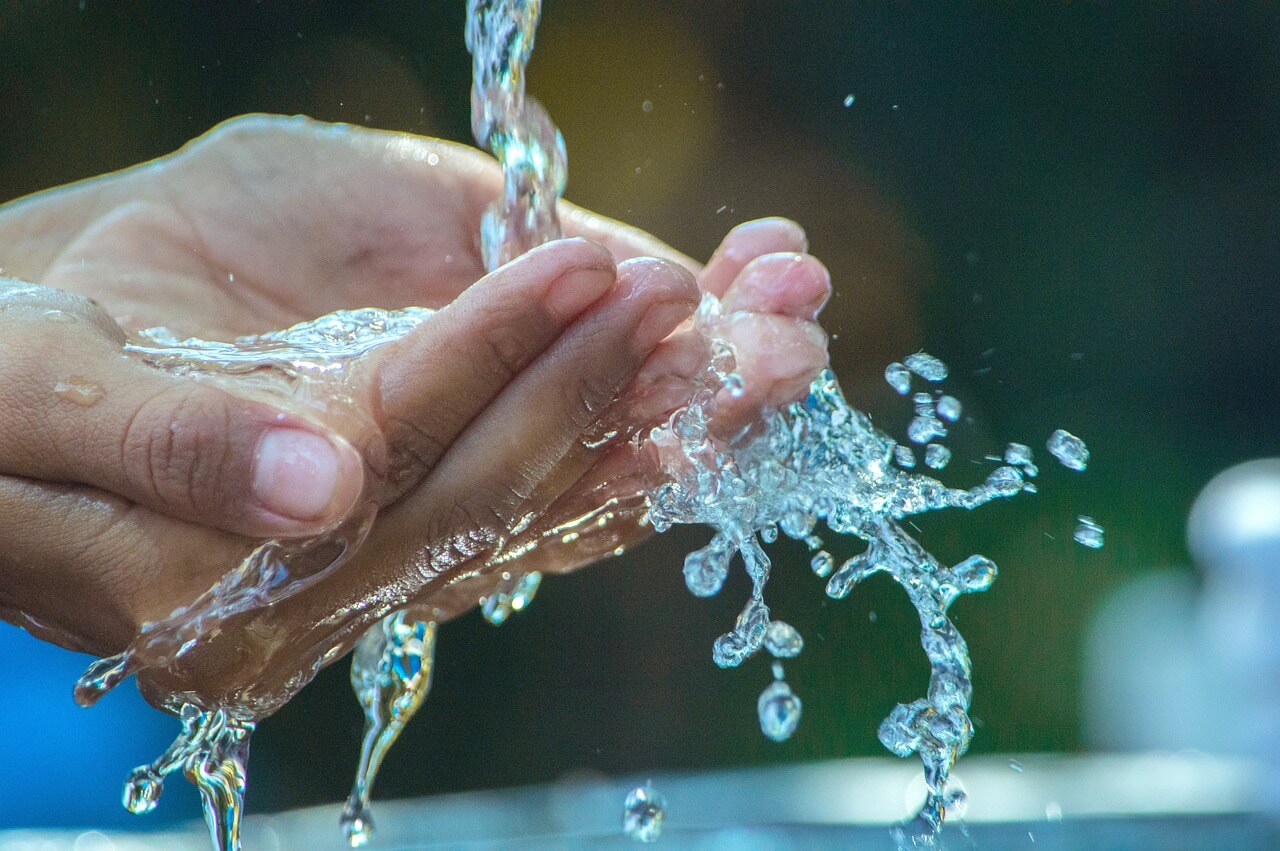
As a general rule, wherever you are in the world you should be drinking at least two liters of water today but when it comes to visiting Israel in the summer, you need to be consuming water all the time, even when you don’t think you need it!We’re here to answer all your questions about the water supply in Israel - where does it come from, what’s in it, is it safe to drink, and plenty more besides. The good news is that being a modern country with an excellent healthcare system, we don’t think you’re going to have too many problems staying healthy as long as you just keep sipping!Is the water in Israel safe to drink?One of the first things we’re usually asked by people who book tours to Israel with us is “Is the tap water safe to drink?” and we’re pleased to announce the answer is a resounding “yes.”Israel's water is superb, even tap water.Wherever you go in the country, you can be assured that tap water in a restaurant, and water from public fountains found in big cities is perfectly safe. You can alsototally truston-site water coolerswhether you're taking a day trip in Jerusalem, visiting northern Israel,touring Masada and the Dead Sea, or any other tourist favorite spots.And one tip we always give our clients is to keep filling up your bottle, whenever you have the opportunity. Whether you’ve brought your own thermos flask from home or are just refilling from a plastic bottle you purchased here, it’s completely free.How much is a bottle of water in Israel?If you’re popping into a corner store or kiosk for a small bottle of water (500 ml), expect to pay around 6-8 NIS. A larger bottle may cost around 8-10 NIS, but if you go to supermarkets and buy in bulk (i.e. a pack of six, containing 1.5 liters) the cost is much more reasonable - between 10-12 NIS. This works out at less than 2 NIS a bottle.The bottle with you, fill it up laterOf course, lugging around large bottles is a bit inconvenient but it’s certainly cost-effective. Also, bear in mind that locally-produced water is cheaper than anything imported, and mineral water will set you back a little more than still water. Still, heading to one of Israel’s supermarkets is probably your best bet if you don’t want to spend a fortune.What’s the Israeli water supply like?Israel has its share of world-famous scientists and has developed an extremely advanced water filtration system in the last sixty years.In 1962, Amiad Filtration Systems was established and from then until now has created all kinds of water solutions (many that other countries across the world have adopted), ranging from filters for the home to huge projects for city authorities and industry.You can trust local water quality, for yourself and your familyThis, to some degree, accounts for Israel’s success in agricultural endeavors (think of the cherry tomato, the Galila melon, and Angello, the seedless bell pepper. In fact, Israel’s government is so committed to agriculture development, that whether you’re traveling up in the Jordan Valley or down in the Negev desert (both particularly hot regions) you’ll see farms and greenhousesWhere does Israel get its water?There are three sources in Israel from which water can be drawn - groundwater pumping (from the mountains and coastal regions). surface water (from the Sea of Galilee, and streams and springs in national parks in northern Israel) and from desalination projects in the Mediterranean Sea and Red Sea.Today, about 75% of Israel’s drinking water is drawn and then desalinated from the Mediterranean Sea. There is also a project in place (which should be up and running this year) where Israel will begin channeling desalinated water into the Sea of Galilee (the country’s largest freshwater lake and home to an emergency water store). The Jordan River has great water as well!Not only will this not damage the current ecosystem, it will even aid it by keeping water levels stable!And if you want an example of how advanced Israel is in terms of transforming water for economic gain, just look at the figures - in the USA, only 4% of wastewater is reused for agricultural purposes but in Israel, it is almost 90%.How strict are the water quality regulations?More good news - the Ministry of Health has responsibility for ensuring the water in Israel is of good quality so that the public can drink it safely, all year round and they take this matter seriously!Israel’s regulations about water are extremely advanced, with regulations updated every few years - they deal with treatment facilities, quality tests at the water source, and how the supply systems are working. So fear not, for you are in good hands.What is the Drinking Age in Israel?Israel has great water, but also wonderful local Beer. The minimum drinking age in Israel is 18, although some bars and nightclubs may not allow entrance to those under the age of 21-25 (always bring ID with you, if you’re going out for a night on the town).Wine, beer, and hard liquor are available freely in Israel although there are laws about where and when you can consume it (for instance, you cannot drink alcohol in public between 11 pm and 7 am). Technically, this means that if you’re sitting on one of Israel’s best beaches with a bottle of beer or wine, after midnight, the police could ask you to pour it away - in practice, this is not common though.Moreover, Israel is very Mediterranean in its drinking culture i.e. people will drink moderately throughout the evening, and avoid getting hopelessly drunk. This moderation is also aided by the fact that alcohol is quite expensive to purchase, both over the counter and in fashionable bars in Tel Aviv!Try the local Beers when you get the chanceEstablished in the 1990s, Bein Harim has been offering organized packages, day trips, and privately-guided tours all over Israel (and, more recently, to Petra and Wadi Rum in Jordan) for over 25 years and with our experienced and qualified guides and professional team, promise to make your visit here one you’ll never forget.For more information about the tours we offer, feel free to contact us by email or phone and if you’re curious about our country, take a look at our blog, where we talk about all aspects of life in Israel.
By Sarah Mann

Top 8 Things to see and do in Safed [2026 Update]

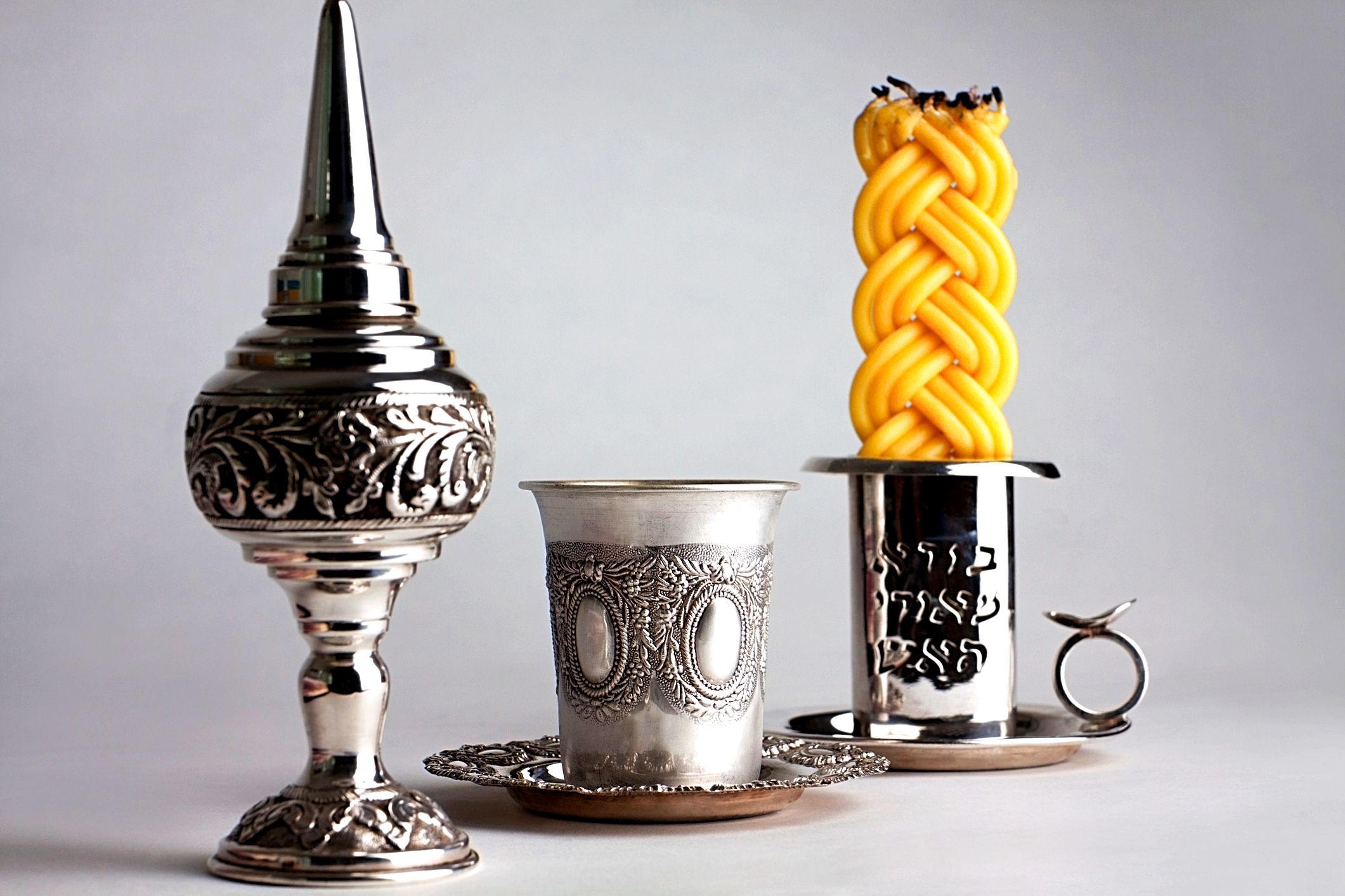
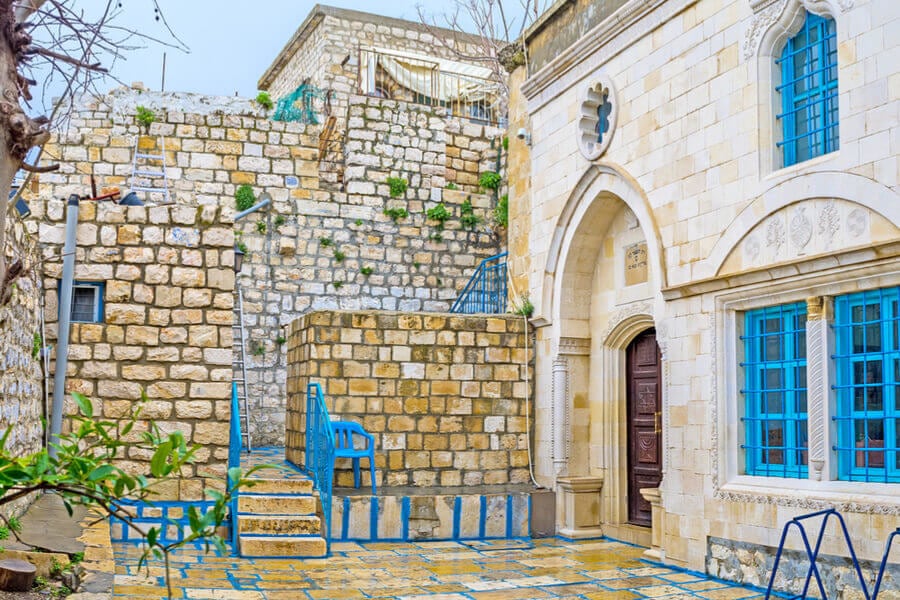
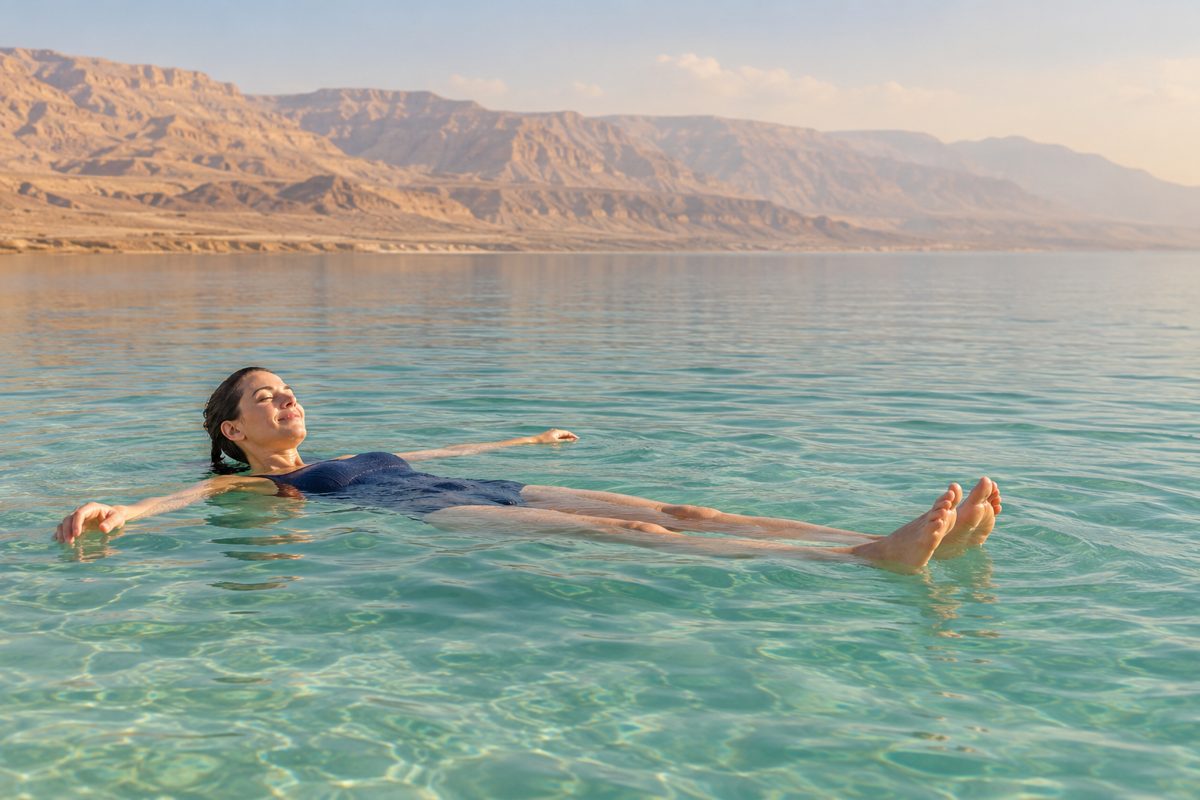
If you want to be transported back to another time, then making a trip to Israel is the way to do it. And after you’ve walked the streets of the Old City of Jerusalem, sunned yourself on white sandy Tel Aviv beaches, explored ancient fortresses in the Judean desert and floated in the Dead Sea, then it’s time to head north.High up in the Galilee is where you’ll find Safed - perched on a hill, this ancient city is breathtakingly pretty, with a mystical air that is noticeable the moment you arrive. Historically, it was one of the four most sacred cities in the Holy Land (along with Jerusalem, Hebron and Tiberias) and after you’ve spent a day exploring it you’ll understand why.The lovely views of SafedSafed is famous for many things - an ancient Citadel, a charming Artist's Quarter, cobblestone streets, narrow alleyways, medieval synagogues but also an air of spirituality - which is intrinsically tied up with kabbalah - an old, esoteric Jewish school of thought, concerning mysticism, the divine realms, and metaphysics.Even the rooftops of the city are imbued with this ancient tradition - they are blue, which in Kabbalistic philosophy is a color that symbolizes water, and tricks evil spirits into thinking they cannot pass. And the air in Safed - well, some say it’s the purest in the entire land, which is reason enough to make a trip here.1. The Safed CitadelThe highest point in the highest city in Israel (about 1,000 meters above sea level) the Citadel is at the hub of the city and, in some ways, takes center stage in Safed. A historical landmark, fortresses across Israel (including this) date back to the Second Temple era but the remains today are from Crusader, Mamluk, and Ottoman times.Archaeologists believe that it once sat on an area of 40 dunams, had seven defensive towers, and fortresses, and survived until 1837 when an earthquake struck and was plundered by locals. Today, it will afford you tremendous views over the Sea of Galilee (the ‘Kinneret’ in Hebrew).The Safed Citadel2. Artists' QuarterThere are few things more charming in Israel than a wander through the Artists’ Quarter of Safed. Make sure you have comfy shoes before you set off because you’ll be doing a fair bit of walking - there are plenty of steps, and narrow, winding paths, and do expect to get lost!The main street itself is always busy, but if you wander off the beaten track, you’ll have an amazing experience. Between the blue doors and nooks and crannies of tiny streets, you’ll find many artists’ studios. Many of them are well-known in Israel and if you’re lucky you’ll actually meet one or two of them, at work inside.This part of the country is also an excellent place to shop for gifts, and if you’re looking for souvenirs from Israel, there are all kinds of art, sculptures, and Judaica (seder plates, mezuzot, menorot, etc). You really can spend hours watching artists paint, weave and give calligraphy demonstrations. And then, of course, purchase something!Pro Tip: If you’re short on time, Safed is often included in guided tours of the Galilee, making it easy to experience the city alongside other highlights in northern Israel without the need for extensive planning.Everything you'll see is an authentic, hand-made creation3. Hameiri House MuseumDating back to the 16th century, this beautifully-restored stone house is home to clothing, furniture, tools, and a photo archive, all which tell the story of the last 200 years of Jewish history here. Built by Yehezkel Hameiri (1934-1989), a Safed resident, it’s a museum well worth visiting - don’t forget to go outside either, where within the courtyard you’ll find ancient grapevines and old water wells.The streets of old Safed4. Safed Candle FactoryEstablished almost two decades ago, Safed Candles (located in the Old City) was the brainchild of a local resident who wanted to set up a small business that would help provide employment for locals. Along with fellow workers, he began making candles, which are an integral part of Jewish festivals such as the Sabbath, Hanukkah, etc.The shop became so popular that today it also sells sculptures in all kinds of designs - including Jewish Stars of David, and the ‘good luck hand’ Hamsa sign - all made of beeswax. Brightly colored and beautifully decorated, it’s the kind of place where everywhere you look, there’s something you want to purchase.See how candles are made5.Memorial Museum of the Hungarian-Speaking JewryFounded in 1986, the Memorial Museum of the Hungarian Speaking Jerwy is devoted to showcasing the past of Jewish communities in Hungary, Transylvania, Slovakia, Carpathian-Russia, and Backa and looks at the enormous contribution they made to Jewish culture and history.Jews actually lived in Hungary for more than 1,000 years until the Nazis destroyed their community in 1944. The museum has all kinds of artifacts relating to life pre-war including video and audio recordings, photographs, Judaica, personal memorabilia, and even a model of the Dohany Synagogue in Budapest.6.Safed’s Old CemeteryLocated below the old city, graves in the ancient Safed cemetery can be traced back to the BCE (Before the Common Era) and as far as 2,800 years ago, to the time of Hosea the Prophet. This alone gives you an indication of how important this city was, historically, for the Jewish people, over the centuries.Today, people come here from across the world to pray and contemplate, in front of the tombs of famous Rabbis such as Isaac Luria and Rabbi Yosef Caro, who is famous for penning the famous ‘Shulchan Aruch’ (basically the ultimate code of Jewish Law to which orthodox Jews refer).Safed's old cemetery7. Ha'Ari SynagogueBuilt in the 16th century, this synagogue was founded by Spanish exiles who first moved to Greece and then journeyed onto the Holy Land. By 1560, Rabbi Isaac Luria (known as ‘Ari’ in Hebrew - initials of "our master rabbi Issac") arrived in Safed and began a tradition of welcoming Shabbat (the Jewish Sabbath) by praying there and then continuing with his followers to a nearby field, where they sang. This, it is said, is where the famous melody ‘Leha Dodi (‘Come my beloved’) was dreamt up.Ha'Ari Synagogue8. Abuhav SynagogueThis 15th-century synagogue is named after the Spanish rabbi and kabbalist, Isaac Abuhav. Interestingly, legend states that the Spanish authorities wanted the original synagogue (in Spain) to be converted into a church, but Abuhav clicked his fingers, and - as if by magic - the entire structure appeared in this tiny town.Abuhav SynagogueAs you wander through the winding alleyways of Safed, it feels as though every corner holds a different story - whether it’s the scent of fresh paint drifting from a tiny studio or the soft echoes of prayer rising from ancient stone walls. The path rises and falls along hidden staircases, occasionally opening up to breathtaking views of Sea of Galilee. Between blue-painted doors, artisan shops, and chance encounters with local creators, you begin to feel transported, into a place where spirituality, history, and quiet beauty intertwine in a way that’s hard to put into words.
By Sarah Mann

The Best Brunch Spots in Tel Aviv (2026)

Brunch - the sweet spot between breakfast and lunch, which really gives you the best of both worlds with plenty of time to enjoy yourself. Whether your craving is sweet or savoury, this is the meal in which you can indulge it. And no more so than in Tel Aviv, foodie capital of Israel and a city with a vibe that screams out ‘ enjoy yourself’.In the city that never sleeps, brunch on Friday and Saturday (the Jewish Shabbat) has taken on a whole new meaning in the last few years, as both local cafesand fancy restaurants are upping their game. From the fun (American pancakes) and the healthy (Israeli salads) to the classic (Shakshuka) and the decadent (Eggs Benedict), there’s no way you’ll leave feeling anything but content.So pick one of these great spots we’ve listed below, turn up, relax, chill, order a cheeky Mimosa and enjoy!1. Cafe XohoA home from home for many locals, everything at Cafe Xoho is made with love and care, from cookies straight from the oven to bagels to die for. Their salads are super fresh, their cakes are moist, their coffee is legendary and their breakfast burrito gets rave reviews.Xoho has an all-day menu, from which we’d recommend their delicious smoothie bowl, the cheese quesadilla or the sweet pancakes (add chocolate syrup for real decadence).With good music, professional staff and a hip vibe, it’s a must try and because it’s so close to Frishman beach, you can work off the calories afterwards with a walk by the sea! 2. Cafe KirschSet on bustling DIzengoff Street - the beating heart of Tel Aviv - Cafe Kirsch is the brunch place to head to if you yearn for a New York style menu. Busy all week, Friday mornings the queues are long (they don’t take reservations) but if you find a table you’ll soon discover why.For us, it’s the blueberry pancakes and the French toast with mascarpone and berries that are the star of the show but if you’re yearning for something less sweet, go for the gravalax on rye bread with horseradish or lettuce and camembert salad with a raspberry vinaigrette. Finally, don’t forget to pick up one of the legendary almond croissants to take home! 3. DallalLocated in the heart of Neve Tzedek - arguably one of Tel Aviv’s most beautiful and chic neighborhoods, Dallal is set inside a former convent and if you manage to grab a table in the garden, you’ll feel like you’ve died and gone to heaven.Dallal’s brunch highlights include Nordic salmon, schnitzel with creamy mash and home-made brioche (from their famous bakery nearby) served with butter and jam and the tomato salad served with burrata. All of the egg dishes hit the spot and their Bellini cocktails are marvellous.Take a stroll down Shabazi street afterwards and drink in the atmosphere of this gorgeous area - the boutiques are pretty and the architecture quite unique. 4. Cafe 65 Tucked away inside the eponymous hotel on buzzing Rothschild Boulevard, this newly renovated restaurant offers delicious and relaxing brunch in a tranquil spot. At Cafe 65, you can order one dish from the menu then head to the all-you-can-eat buffet, to indulge in an array of super salads, smoked salmon and local specialty goats and sheep cheeses. The sabich stand is also a nice touch, paired with one of their fresh juices!It’s a tough call to pick from the menu, but the shakshuka with spinach and Swiss chard is incredible, not to mention the French toast served with berry compote, pear poached in wine and a portion of whipped cream on top! The decor is trendy, the service friendly and the atmosphere restorative. The perfect place to unwind and make your stomach happy.Instagram:https://www.instagram.com/cafe65_tlv/5. Lorenz and MintzLorenz and MIntz is another go-to brunch spot in Tel Aviv, famed amongst the locals in Neve Tzedek and well-reviewed by tourists. Serving a kosher dairy menu, the vibe is a cross between a Parisian brasserie and a small eaterie serving local produce up in Israel's Galilee.Everything on the menu is outstanding but standout dishes include the Croque Madame, filled with mushroom and truffle cream, the ‘Greek Special’ (think dolmades,filo pastries stuffed with Bulgarian cheese) and the green shakshuka. The pastries are excellent, the coffee perfect (as you’d expect in any French-style establishment) and service - aided by the hand-on owner - is perfect. A bit costly but worth it.Instagram:https://www.instagram.com/lorenzandmintz/6. NOLA American BakerySince it opened to much fanfare, back in 2012, NOLA Bakery has become a firm favourite for those who are pining for an American diner experience. Originally established to bring a taste of New Orleans to the Tel Aviv public (think buttermilk biscuits and pecan pie) it became such a hit that the menu expanded considerably and today, in the city’s Old North ‘hood (close to the Hilton Beach) top brunch spots.Instagram:https://www.instagram.com/nola_american_bakery/7. Cafe PuaaFinally, we couldn’t not mention Cafe Puaa, which is - in our opinion - is a charming little cafe you have to try out when you’re visiting the ancient and beautiful city of Jaffa (directly south of Neve Tsedek and an easy walk along the beach from Tel Aviv’s Carmel Market). It’s been around forever, and has a cosy ‘chintzy’ vibe, with mismatched cups and saucers, and old furniture that makes you think you’re sitting in your grandmother's house.Puaa doesn’t have a brunch menu but its local-style mediterranean fare is all good - from the fried cauliflower and fish plate to their famous Majadara (an Iraqi dish made of lentils, rice and onions) and curried pumpkin dumplings (always a hit, with veggies and carnivores alike). Order a pitcher of lemonade to wash it all down, and if you’re feeling indulgent order their chocolate brownie for a sweet treat. The head off down the street (a minute’s walk) to the famous Jaffa Flea Market to hunt out a bargain.Instagram:https://www.instagram.com/nola_american_bakery/In a city as vibrant and diverse as Tel Aviv, brunch is more than just a meal - it’s a lifestyle. Whether you’re soaking up the sun near the beach, wandering through the charming streets of Neve Tzedek, or exploring the eclectic corners of Jaffa, each spot offers its own unique flavor and atmosphere. So take your time, follow your appetite, and let the city’s energy guide you from one delicious bite to the next. Because here, brunch isn’t just about what’s on the plate - it’s about the experience, the people, and those perfect, unhurried moments that make Tel Aviv truly unforgettable.
By Sarah Mann

7 Best Historical sites in Tel Aviv

Tel Aviv has a well-deserved reputation for its laid-back vibe - full of independent cafes, trendy restaurants, white sandy beaches and dynamic nightlife. Since its founding in 1910, by Israeli standards it’s considered modern, vibrant and the beating financial heart of the country.Not surprisingly then, when tourists visit for the first time, they often assume that they need to head to Jerusalem or the Galilee for a real taste of the history of Israel - churches, synagogues, mosques, Herodian buildings, ancient cemeteries, and paths trodden by the Romans, Crusaders and Byzantines.And whilst that’s true, that doesn’t mean to say that Tel Aviv doesn’t have historical sites worth exploring. It does, and they shouldn't be missed. So when you’ve had your fill of the sun, the coffee shops and the amazing street food, check out some of the spots in the City that Never Sleeps, where its identity was forged.1. Old JaffaWhile Tel Aviv was founded in the early 20th century, its ‘older brother’ Jaffa (known as Yafo in Hebrew), has been an active port for over 3,000 years. Famous in the Bible as the port from which Jonah fled before his terrifying encounter with a whale, it’s one of the city’s top attractions and well worth a full day’s visit if you want to understand its history.Begin at the Jaffa Clock Tower, built in 1903 to honor the Ottoman Sultan Abdul Hamid II. Acting as the gateway to the Old City, walk towards the sea, wandering through tiny winding alleys (today holding the Artists Quarter) which make you feel you’ve stepped back in time.Up on the hill, explore St Peter’s Franciscan Church (once a beacon for travellers making pilgrimages to the Holy Land) then walk through Abraxa park (don’t miss the ‘Statue of Faith’) taking in commanding views of the Mediterranean. Down in the Jaffa Port, enjoy lunch at one of the excellent restaurants and pop into some of the galleries. And if you have time, don’t miss the vibrant Jaffa Flea Market (perfect for those who like to rummage and haggle).Pro tip: To truly appreciate the history and hidden stories of Old Jaffa, consider joining a guided Jaffa walking tour or a full Tel Aviv day tour, it’s an easy and enriching way to explore the area in depth.2. Neve TzedekBefore there was Tel Aviv, there was Neve Tzedek. Established in 1887, and named ‘Oasis of Justice’, it was the first Jewish neighborhood to be built outside the rather overcrowded walls of Jaffa. Today., it’s arguably the city’s most beautiful neighbourhood, filled with excellent restaurants, luxury boutiques, and the world-renowned Suzanne Dallal Centre for modern dance.But what is also fascinating is that Neve Tsedek was the cultural centre of the early Zionist movement - where Shai Agnon (the Nobel Laureate writer) and one of Israel’s greatest artists, Nahum Gutman, spent their time. Indeed, a trip to see his paintings and sculptures for yourself at the Gutman Art Museum is the perfect way to understand more about the early founders of the State of Israel.Today, Neve Tsedek’s beautiful-restored houses and charming backstreets make this spot a true oasis in a city that can often feel very busy!3. The White City (UNESCO World Heritage Site)In the 1930s, Jewish architects who fled Nazi Germany arrived in Tel Aviv, bringing with them the principles of the Bauhaus and International Style. Within a decade or so, they had transformed certain parts of the city.Defined by their functional style, with clean lines, curved balconies and dazzling white exteriors, today, Tel Aviv has the highest concentration of Bauhaus-style buildings in the world (over 4,000) and in 2003, UNESCO designated the ‘White City’ as a World Heritage site.But make no mistake about it, the White City is no museum; as you walk along Rothschild Boulevard, and the surrounding streets, you will see these architectural masterpieces being used as modern apartments, coffee shops, and boutique hotels. Actually, for any fan of design or history, the White City is astonishing - the physical manifestation of a dream, in which a modern city was constructed on nothing more than sand dunes.4. Independence Hall (Dizengoff House)Located at 16 Rothschild Boulevard, this modest building was originally the home of Tel Aviv’s first mayor, Meir Dizengoff. However, its future was given a place in history on a sunny spring afternoon in 1948, when David Ben Gurion (Israel’s first Prime Minister) stood in the main hall of the building and read out the Declaration of Independence, officially establishing the State of Israel.Fun fact: The ceremony took place here because the building was then the Tel Aviv Museum of Art, and its thick walls offered protection from potential air raids.In the last year, the building has recently undergone extensive restoration to preserve its original appearance. But visiting Independence Hall is a truly worthwhile experience since you can stand in the very room where the State was created, hear the original recording of Ben-Gurion’s voice, and see the modest chairs and art-covered walls as they were on that historic day. Truly, an inspiring look at the humble beginnings of the modern state.5. Bialik HouseSituated on the pretty, quiet Bialik Street, this was the home of Chaim Nahman Bialik, Israel’s national poet and the man responsible for the ‘renaissance’ of the Hebrew language. Bialik House is a wonderful example of "Hebrew-style" architecture, mixing Western influences and Middle Eastern motifs like domes and pointed arches. Look out for the ceramic tiles, designed by the artist Ze’ev Raban, which depict the legendary Twelve Tribes of Israel.This building was the intellectual hub of the 1920s, where great minds of the era gathered to discuss the future of Jewish culture. Today, it is well preserved, complete with Bialik’s extensive library! And outside, you have Bialik Square, a lovely spot in the city, featuring the old City Hall (Beit Ha'ir) and a mosaic by Nahum Gutman that tells the 3,000-year history of Jaffa and Tel Aviv.6. Ben Gurion's HouseOnce the home of Israel's first Prime Minister, Ben Gurion’s House was originally a modest one-room structure built in a workers' neighborhood. It later expanded over two floors and now preserves the original furniture and personal belongings of the man himself.Historically, it’s of great significance because it was here that the final version of Israel's Declaration of Independence was drafted here. Most of the second floor is devoted to his library - you’ll see around 20,000 books here (in endless languages) proving what an intellectual the man was.Don’t miss the ‘red phone’ which was the direct line to the Ministry of Defence (used by Ben Gurion in national emergencies such as the Suez Crisis).7. SaronaInterior Sarona MarketDating back to 1871, Sarona was founded by German Templars (a sect who believed that settling the Holy Land would hasten the second coming of Christ). During World War II, the British declared the Templars ‘enemy nationals" interning them and subsequently deporting them to Germany and Australia.The site was converted into a British military base, making it a prime target for Jewish Underground groups such as the Irgun and Palmach. For decades after, it was home to many government ministries before a huge project to renovate it began in 2003. Today, 33 historic buildings have been beautifully restored and it’s a popular spot to eat and drink, whilst taking in views of glass skyscrapers in the surrounding financial district.In a city often celebrated for its energy, innovation, and beachside lifestyle, Tel Aviv’s rich historical layers can sometimes be overlooked, but they are very much alive, woven into its streets, buildings, and neighborhoods. From the ancient alleys of Jaffa to the elegant architecture of the White City and the humble homes where history was made, each site tells a story of resilience, creativity, and vision. So next time you find yourself in Tel Aviv, take a step beyond the cafés and coastline, and explore the places where the past meets the present, because understanding the city’s history is the key to truly appreciating everything it has become today.
By Sarah Mann

Qasr el Yahud Baptism Site Reopens After Major Upgrade

The baptism site of Qasr el Yahudhas recently undergone an extensive renovation and upgrade, marking a major step forward in the development of religious and heritage tourism in Israel. The project was completed with an investment of NIS 25 million and officially inaugurated by the Israeli Ministry of Tourism, in cooperation with the Ministry of Environmental Protection, the Civil Administration,and the Israel Nature and Parks Authority.Ranked as the third most important Christian site in Israel, after the Church of the Holy Sepulchre and the Church of the Nativity, Qasr el Yahud holds deep spiritual significance for Christians worldwide. According to Christian tradition, this is the very place where John the Baptist baptized Jesus nearly two thousand years ago. As one of the most meaningful pilgrimage destinations in the Holy Land, the site can be visited as part of the Jericho, Dead Sea and the Jordan River Tour, which combines the baptism site with key highlights of the Jericho region and the Dead Sea.Ribbon-cutting ceremony (credit Shai Isaacs)A Site of Profound Spiritual and Historical ImportanceQasr el Yahud is a central pilgrimage destination for hundreds of thousands of Christian pilgrims from around the world. Situated where the Jordan River crosses the Jericho Plains, the site represents a rare meeting point of biblical history, faith, and the dramatic desert landscape. Since first opening to visitors in 2009, the site has become one of the most visited Christian locations in Israel.Feast of the Epiphany (credit Shai Isaacs)What’s New: Major Infrastructure and Visitor UpgradesThe renovation focused on improving visitor comfort, safety, and accessibility while carefully preserving the sanctity of the site and its natural surroundings. The upgraded infrastructure includes new access roads and parking areas, landscaped grounds, a modern air-conditioned service building with hot showers and changing rooms, a new visitor service center, a wide wooden deck providing safe access to the Jordan River, a dedicated prayer pergola, and additional visitor facilities.The renovated Qasr al-Yehud (credit Shai Isaacs)Enhancing the Pilgrimage ExperienceOver the years, visitor numbers at Qasr el Yahud have grown steadily, reaching nearly one million pilgrims and tourists in 2019 alone. The newly upgraded site is designed to accommodate large numbers of visitors while offering a respectful, safe, and comfortable environment for prayer, reflection, and immersion in the Jordan River.Michael Izhakov, Director General of the Ministry of Tourism (credit Shai Isaacs)Looking Ahead: Continued Development and AccessibilityFurther enhancements are planned for later this year, including the construction of an air-conditioned auditorium that will allow prayers and ceremonies to take place throughout the year, regardless of weather conditions. In addition, an accessible pathway to the water will enable visitors with physical disabilities to fully participate in the baptism experience.The renovated Site (credit Shai Isaacs)A Renewed Gateway to Faith Along the Jordan RiverWith its enhanced facilities and thoughtful preservation, Qasr el Yahud now offers a richer and more meaningful experience for pilgrims and travelers alike. The site stands as a powerful gateway to faith, history, and nature, an essential stop on any journey through the Holy Land.
By Admin

The Best Falafel in Tel Aviv

Israel is a veritable foodie paradise and no more so than in Tel Aviv, with probably the most vibrant culinary scene in the country. And it’s not just all about chef restaurants and upscale fusion cuisine either - Israeli street food is incredibly popular, with the beloved falafel coming in as one of the country’s favorite dishes.For anyone who doesn’t know, falafel is one of the Middle East’s most popular ‘go to’ foods - small chickpea balls, seasoned with herbs and spices, then deep-fried, and served with vegetables, salads and creamy tahini) in soft pita. Fresh, simple and satisfying, it’s easy to add extra toppings (think eggplant slices, chips, and spicy mango sauce) to make every mouthful even more of a joy.A falafel plate with salad and tahiniScattered across the city, on neighborhood corners, at Tel Aviv street markets and in ‘hole in the wall’ joints, falafel is a tradition all of its own, from packed spots in the city center to hidden gems in less touristy areas. Crispy on the outside, soft on the inside, perfect for vegetarians and vegans, each bite will leave you thinking you’ve died and gone to heaven.So where in Tel Aviv should you start your search for this Quintessential street food? Don’t worry - we’ve got you covered. All we’d recommend is that you arrive with an appetite, because falafel this good is worth skipping breakfast for.Pro Tip:Join a culinary tour in Tel Aviv to sample multiple falafel spots in one go, an easy way to taste the best and explore the city’s food scene.1. ‘ Ha Kosem’Considered by many locals (including the author) as - hands down - the best ‘go-to’ falafel place in Tel Aviv, ‘HaKosem’ (which means ‘the Magician’ in Hebrew) never disappoints. Constantly busy (the lunchtime line is legendary) it’s known for its top-quality ingredients, generous portions and staff who hand out hot falafel balls to hungry but patient waiting customers.As well as the crispy, beautifully-spiced falafel, they serve shawarma (keeping the meat eaters happy), hummus plates and their famous ‘Rimonada’ drink (pomegranate and lemonade juice) which is highly recommended. Don’t come to the White City without trying this spot - and their outside tables means you’re likely to make new friends too.Ha Kosem - Shlomo Ha Melech 1, close to the Dizengoff Centre, Tel: 03 525-2033 2. Falafel RazonFalafel Razon is beloved by its local patrons for its generous portions, the ingredients and great prices - indeed, it’s probably the cheapest falafel you’ll find in the city. Located on the bustling King George Street, for the princely sum of 8 NIS ($2.50) you’ll receive a large pita, stuffed with six falafel balls topped with Israeli salad and pickles then drizzled with tahini.The queue, whilst long, moves quickly (the staff are very efficient) and once you’ve grabbed your lunch, and a drink, look for an empty bench (there’s no seating there). In a city known for its expensive prices, this is the place to head if you’re looking for bang for your buck.Falafel Razon: King George 17,Tel: 050 720-2099 3. Falafel GabaySlap bang in the heart of the city, on trendy Bograshov street, Gabay is another classic city spot, renown for its generous salads, soft pita and falafel that's crispy on the outside yet wonderfully fluffy on the inside. Close to one of Tel Aviv’s amazing beaches, it’s a great place to grab and go, if you’re heading down to (or up from) the shore.With helpful and warm staff, and modest prices, you can’t go wrong with what you order - whether it’s a classic falafel, hearty vegetable soup, or a plate of their famous schnitzels, dumplings and kubbeh. Everything is homemade, with love and care, and whether you sit down for a meal or take food away, you’ll leave with a big smile on your face. Highly recommended.Falafel Gabay: Bograshov 25.Tel: 03 629-7060 4. Jonny’s (aka Falafel Banin)This is where you head if you’re looking for a gluten-free version of these delicious balls. The owner, Jonny, isn’t just passionate about his craft, but he really wants to make sure celiacs aren’t left out, which is why he has a dedicated air-fryer just for their fare!The unique selling point of Banin is that the falafel comes with a huge fried potato on the top! Everything’s written in Hebrew but they’ll get by if you don’t read it…the falafel itself is light and if you like your food with a kick, then let them know and they’’ give you extra spicy sauce!It’s a tiny place with no seating, so just head outside and enjoy your food with the locals. Oh, and it’s only open until 6pm, so make sure you head there early in the day - you don’t want to be disappointed.Falafel Banin: Tzernichowski 4, Tel: 03 525-54345. Abu HassanFinally, almost everyone visits the ancient city of Jaffa (one of the city’s most beautiful spots) which is known for its churches, Artist's Quarter and bustling flea market. After you’ve seen the spots, head to Abu Hassan, which has a reputation for mouthwatering hummus - don’t despair - there’s also amazing falafel on the menu!Abu Hassan isn’t large, but it’s always busy, and offers incredible value for money. The falafel is crispy and perfectly seasoned and the pita is soft and warm - sometimes it's still hot from the oven! Order a plate with a little bit of everything they serve on it and wash down with a cold drink. You won’t be disappointed. Afterwards, work off the calories with a short walk down to the Port, where you can gaze at spectacular views over the Mediterranean sea.You’ll soon understand why this part of the city is so beloved.Abu Hassan, Shivtei Israel 14, Jaffa, Tel: 03 682-8355 From bustling city streets to tucked-away neighborhood gems, Tel Aviv’s falafel scene captures the true spirit of the city, vibrant, diverse, and full of flavor. Whether you’re chasing the perfect crispy bite, hunting for a budget-friendly meal, or exploring local favorites steeped in tradition, each stop offers its own unique twist on this beloved classic. More than just street food, falafel in Tel Aviv is a shared experience, one that brings people together over something simple, delicious, and deeply rooted in culture. So follow the lines, trust the locals, and let your taste buds lead the way, you really can’t go wrong.
By Sarah Mann

5 Best Kosher Restaurants in Tel Aviv [2026 Update]

It used to be that if you were an orthodox Jew, looking to keep kosher in Tel Aviv (which means observing the dietary laws) you’d be wandering the streets for hours, searching for hours for a place which kept their milk and meat dishes separate. The best kosher restaurants in Jerusalem were the place to head to if you wanted to eat well; in Tel Aviv, you’d have to settle for falafel and shawarma.Luckily, all that’s changed: Tel Aviv is a vibrant, international city, boasting not just amazing beaches, world-famous nightlife, and charming old neighborhoods full of tiny alleyways, but it’s also a city with a growing food scene. And, the reasoning goes, why shouldn’t those that keep kosher be able to partake?We’ve picked out the 5 Best Kosher Restaurants in Tel Aviv which we really think deserve applause - and the good news is that you don’t have to be religious (or even Jewish!) to eat in them. Go on and try one when you visit the city, whether you're on a Tel Aviv Tour or just exploring on your own.Gourmet Dinner and Kosher as well? You've come to the right place1. Regina - Meat, MediterraneanThe Old Railway Station complex, situated between the Neve Tsedek neighbourhood and Old Jaffa, is a great place to visit whilst in Tel Aviv, and many of the restaurants there are really worth a visit. Set up in a 19th-century building, which is beautifully preserved and boasts original features, Regina, which serves a range of tasty, ‘homestyle kitchen’ tasty meat and fish dishes in a gorgeous setting, is a good place to head if you like relaxed dining.Meat eaters will love the chopped liver, veal kebab and Hungarian goulash and those craving fish should try the salmon or tilapia (which is served with roasted beans). Veggies and vegans will love the seitan burger and meat-free shawarma, not to mention the beetroot carpaccio.As for dessert, you can’t go wrong with their apple strudel or coconut malabi (an classic Middle Eastern pudding, made of milk - or in this case a non-dairy option - topped with sweet syrup or rosewater)Accompanied by one of their famous cocktails (we’d recommend ‘Malka’ which consists of mango, run, mint and orange sorbet), you’re guaranteed to walk out happy.Location: Old Railway Station (close to the Charles Clore Park and the parking lot on Kaufman street), Tel: 03 736-7474Great food, great atmosphere2.Pankina - Dairy, ItalianIf you’re hankering for a taste of Bella Italia, then head to trendy Dizengoff Street and the corner of Gordon. There, in the midst of the hustle and bustle of Tel Aviv, you’ll stumble upon Pankina, serving pasta (and a few other dishes besides) that’s almost as good as the bowls you’d find in Rome.Where should we begin? Well, for starters, it’s owned by an Italian so you're in safe hands. The atmosphere is welcoming and cosy, and will make you nostalgic in a heartbeat. The food is incredibly fresh, and a lot of love is put into it - just the right amount of flavoring, balance, and dressing…it’s kosher dairy heaven!What to eat? The focaccia is super yummy, the pistachio-crusted tuna steak is to die for, the blue cheese gnocchi is heavenly (and they have gluten-free pasta options too) and the sea bass comes with grilled vegetarian vegetables and buttery mashed potato that’s perfection. There are plenty of veggie and salad options and the deserts? Well, the tiramisu is a must: not too sweet, very creamy, and with just the right hint of coffee.The staff are so helpful and pleasant, the atmosphere is unpretentious and warm and all we can say is book a table, otherwise, you might have to stand outside and wait quite a while.Location: Gordon 39 Street. Tel: 03 644-9793The gnocchi will please every pellet3. Nini Hachi - Meat, Sushi, AsianThis kosher Asian-Japanese fusion restaurant, in the ‘Old North’ of Tel Aviv (close to the port) is a great favorite with the locals, which should tell you everything about the place before you even walk through the door. The combination of stylish decor, excellent food, and an intimate atmosphere inside is already enough, but the fact that it serves kosher sushi is an even bigger plus.The menu is diverse and the chefs (who are really skilled) use high-quality ingredients, producing dishes so creative you won’t feel compromised by the kosher element at all. Dishes that come highly recommended include the Teppan Yaki chicken, the sushi platter (which is a work of art and looks so lovely you almost won’t want to tuck into it), and the futomaki.The salmon caterpillar rolls are also excellent and veggies can feast on sweet potato maki, and coconut curry. spicy tofu and pad thai. If you’re looking for some ‘quick bites’ their gyoza and wontons are also yummy. As for the desserts - well, who doesn’t like a plate of mochi to round off their meal? And if you don’t care for mochi, then try the tapioca with coconut…or just enjoy a cocktail (their creations with ginger are stand-out).Something else about Nina Hachi is the incredible staff - they are so thoughtful when it comes to recommending dishes and accommodating individual needs (they have a special menu for pregnant women, by the way), whilst being incredibly professional the entire time they’re working.Location: 223 Ben Yehuda Street. Tel: 03 624-9228Yes! Sushi can be Kosher. And fabulous4.West Side TLV - Meat, NYC-style eaterySat inside the upscale Royal Beach Hotel, overlooking the Tel Aviv shoreline, West Side TLV really is high-end in every sense of the world, serving up excellent meat and fish dishes in a relaxed and elegant setting, with a beautiful terrace for good measure!What to eat? Well, for meat-eaters, try the Nebraska sirloin with Jerusalem artichoke, oxtail gnocchi, red tuna tartar, goose liver, or beef carpaccio. Veggies will love the mushroom risotto and the tomato salad with citrus dressing - the superb chef Omri Cohen sends out plates that are beautifully balanced.As for the deserts, you will find it hard to believe there’s no dairy in them. Highly recommended is their version of the British dessert ‘Eton Mess’ - with strawberries, meringue, and cream - but the chocolate mousse and their millefeuille, served with raspberry sorbet gives it a run for its money.Designed in typical ‘NYC style’ - spacious, comfortable, and contemporary - the service is exceptionally professional. This is not going to be a cheap night out, but it really will be worth it.Location:Royal Beach Hotel, 19 Hayarkon Street. Tel: 03 740-5054A meat-lover's dream5.Florentina - Dairy, MediterraneanThis fancy yet quite affordable kosher dairy restaurant located in the hipster neighborhood of Florentin, inside an old stone building, hits the spot in every way you can imagine, with a varied menu selection, generous portions of food, a buzzy, trendy atmosphere, low-key music and an owner and staff who always go the extra mile to accommodate their clientele.What to eat? The salads with halloumi and also goat cheese are fantastic. The ravioli with eggplant comes highly recommended, the stone oven-baked pizzas are yummy and the arancini - well, you won’t be disappointed. They also offer plenty of good fish dishes, a fine risotto and a ‘tapas plate’ selection.. In the spring or summer, you can sit outside in their lovely outside area, and soak up the atmosphere.The desserts are an experience in themselves - anything with choux pastry will leave you smiling, and their chocolate cake - well, it’s extremely good! This is a really special place that is guaranteed not to disappoint.Location: Abarbanel 56 Street. Tel: 03 605-0061The Arancini is great! Don't forget: Great culinary is just one part of the celebration that is Tel Aviv: if you'd like to see every special historical spot and learn about the city's art and culture, you can do as many other visitors and pick a guided Tel Aviv Tour. And If you want to make the most of your visit to the holy land, just take a classical Jewish Israel Tour Package.
By Sarah Mann

When Is the Best Time to Visit Israel? A Season-by-Season Travel Guide

Israel may be small, but its seasons offer very different travel experiences. From blooming landscapes and cultural festivals to scorching summers and quiet winters, each time of year comes with its own advantages and challenges. Here’s an in-depth look at what each season offers, including the pros and cons, to help you choose the perfect time for your trip.View of Tel Aviv-YafoSpring (March-May): Israel at Its Most BeautifulSpring is widely regarded as the best time to visit Israel, and for good reason. After the winter rains, the country comes alive with green hills, wildflowers, and pleasant temperatures. It’s an ideal season for outdoor exploration, city tours, and nature hikes.Pros:Mild, comfortable weather across most of the countryLush landscapes and seasonal blooms, especially in the northExcellent conditions for sightseeing and walking toursIdeal for hiking, national parks, and archaeological sitesCons:Passover (usually in April) brings crowds and higher pricesPopular sites can be busy during holiday weeksFlights and hotels may need to be booked well in advanceBest for: First-time visitors, sightseeing, nature lovers, and photographersPro Tip:If you plan to join guided tours in Israel, choose well-known, experienced operators with good reputations and positive reviews. Make sure their guides are licensed by the Ministry of TourismEin Gedi Nature Reserve in springSummer (June-August): Hot Days, Vibrant NightsSummer in Israel is intense but energetic. While daytime temperatures can be very high - especially inland and in the desert - the coastal areas thrive with beach life, nightlife, and festivals. Travel during this season requires planning around the heat.Pros: Perfect beach weather in Tel Aviv and along the MediterraneanLively nightlife, events, and open-air cultureGreat conditions for swimming and water activitiesClear skies and long daylight hoursCons:Extreme heat, particularly in Jerusalem, the Dead Sea, and the NegevSightseeing can be uncomfortable during middayCrowded beaches and tourist hotspotsNot ideal for hiking or desert excursions Best for: Beach lovers, nightlife seekers, and travelers who don’t mind the heatAviv beach bustling during the summerFall (September-November): The Perfect BalanceFall offers some of the most balanced travel conditions in Israel. The heat eases, the sea stays warm, and the country slows down after the busy summer and holiday season. It’s a favorite among experienced travelers.Pros:Warm but comfortable temperaturesFewer tourists after the Jewish High HolidaysWarm sea well into OctoberExcellent for both sightseeing and beach timeCons:Jewish holidays (Sept–Oct) can affect transportation and availabilitySome businesses may close briefly during holiday periodsWeather can be less predictable toward late NovemberBest for: Well-rounded trips, repeat visitors, relaxed touringJerusalem in fallWinter (December-February): Quiet, Cultural, and AffordableWinter in Israel is mild compared to many countries, making it a surprisingly good time to visit for cultural exploration. While rain is possible, especially in the north, crowds are minimal and prices are often lower.Pros:Fewer tourists and a calmer atmosphereBetter deals on hotels and flightsComfortable temperatures for city sightseeingIdeal for museums, religious sites, and food-focused tripsCons:Rainy days can disrupt outdoor plansCooler temperatures, especially in JerusalemLimited beach and hiking opportunitiesOccasional weather-related closuresBest for:Budget travelers, cultural trips, and off-season explorersThe ancient port of Jaffa in winterFor most travelers, spring (April–May) and fall (October) offer the best overall experience, combining pleasant weather, beautiful scenery, and manageable crowds. That said, every season in Israel has something unique to offer - it all depends on your travel style, priorities, and tolerance for heat or crowds.
By Admin

Walking in the Footsteps of History: The Churches of the Old City of Jerusalem

The Old City of Jerusalem is home to some of the most beautiful and unique churches in Israel and certainly the most important church of all, the Church of the Holy Sepulchre. This is, according to the Orthodox and Catholic church, the place where Jesus Christ was crucifed, burried and resurrected. In 1982, the Old City was put on the List of Worldheritages in Danger by UNESCO. The site is at risk due to urbanization of its surroundings, mass tourism, and geopolitical issues.Church of the Holy Sepulchre.Photo credit: © Dmitry MishinChurch of the Holy SepulchreThe largest and most important church in Jerusalem’s Old City is the Church of the Holy Sepulchre. It holds the 10th to 14th Stations of Cross along the Via Dolorosa which Jesus took on his route to his crucifixion. On this site Jesus was stripped (10th Station); nailed to the cross (11th Station); died on the cross on the Rock of Golgotha or Hill of Calvary (12th Station); taken down off the cross (13th Station ) and Jesus was laid to rest in his tomb or Sepulchre at the 14th Station. An early church on this site dates back to 333 AD but it was destroyed by the Persians about 300 years later and a new structure was constructed. This too was leveled in 1010 AD and under the Crusaders the church was rebuilt and inaugurated in 1149 AD. The church is shared by the Catholic, Greek Orthodox, Ethiopian, Coptic, Armenian, and Syriac Orthodox churches. The vast church is adorned with many stunning works of liturgical art, there are many small altars and individual chapels within the church but the focus of the structure is the large Rotunda where Jesus’ tomb is located. At the entrance to the church is the Stone of Anointing where Jesus’ body was laid after being removed from the cross. All major Christian events and festivals are celebrated in the church.Church of the Holy Sepulchre.Photo credit: © ShutterstockLutheran Church of the RedeemerThis German Lutheran Church of the Redeemer is in the Christian Quarter and was constructed in the 19th century on the site of a Crusader church; the Crusader gate was incorporated in the side of the present church. At one point the church functioned as a hostel and hospital for Crusaders. The first Chapel of St. John was constructed here in 1871 and in 1898 the Church of the Redeemer was built by Friedrich Adler. Above the entrance is the sign of the lamb of God and on one side is an eagle, the symbol of Imperial Germany while on the other side is the Maltese Cross, a symbol of the Crusader order of St. John. The church’s white square bell tower is 48 meters high making it the tallest tower within the Old City walls. It is possible to climb a spiral staircase within the tower for views across the city.German Lutheran Church of the Redeemer, Jerusalem.Photo credit: © ShutterstockChurch of St. John the BaptistThis Greek Orthodox Church and monastery of St. John the Baptist in the Christian Quarter consists of a 5th-century Byzantine church on a lower level and an upper dome and a double bell tower from the 11th century Crusader era. The lower church holds relics of John the Baptist and was destroyed in the 7th century. The Knights Hospitallers took over the site in the 11th century and used the space as a hostel and hospital. The Hospitallers were a military group of Christians charged with protecting the Holy Land. They saw the renovation of the church site. Again in 1839 the church and monastery were renovated.St. Anne’s ChurchSt Anne's Church, Jerusalem - believed to be the birthplace of Mary. This is a large building close to the Lions’ Gate adjacent to the Pools of Bethesda. The church was built during the Crusader era over the ruins of a 5th century Byzantine church. It is dedicated to the Virgin Mary’s mother Anne and father Joachim; Mary is believed to have been born in a cave-dwelling now located beneath the church in the church crypt. An inscription above the entrance dated 1192 tells of how Saladin converted the church to a school. The interior is divided into three halls by thick pillars supporting a vaulted ceiling.St Anne's Church, Jerusalem.Photo credit: © ShutterstockChapel of the FlagellationThis Catholic Franciscan church complex is situated at the 2nd Station along the Via Dolorosa where Roman soldiers flogged Jesus. The first chapel on this site was constructed in 1832 on land given to the Franciscans by the conquering Egyptians. It was rebuilt in the 1920s and designed by well-known Italian architect Antonio Barluzzi. A sealed gate entrance on the outer wall of the monastery is topped with a metal seal bearing the 5 cross symbol of the Franciscans and the arms of Jesus and St. Francis crossed over a crucifix. The church’s best features are the large stained glass windows on three sides of the church. The church of Condemnation is also accessed from the inner courtyard, it commemorates where Jesus was condemned and where he took up his cross. This church has 5 white domed roofs and large stained glass windows. The church interior is predominantly white with a colorful mural behind the altar and pink marble columns supporting the ceiling. Archaeological findings are displayed on the western wall outside the chapel and in the garden courtyard.Church of the Holy Sepulchre. Photo credit: © Dmitry MishinChurch of Our Lady of the SunLocated at the 4th Station along the Via Dolorosa this Armenian Church marks the place where Mary saw her son pass by carrying the cross. Within the church is a beautiful 5th-century mosaic floor, imprinted in the floor is the outline of two sandals said to be the footprints of Mary.Church of the Holy FaceChurch of the Holy Face - JerusalemThis small church is run by the Little Sisters, a Greek Catholic order, inside you can see restored Crusader arches.Monastery of St. CharalambosThis is a Greek Orthodox monastery located at the 8th Station along the Via Dolorosa.; it marks the place where Jesus comforted the lamenting women.Near the Church of the Holy Sepulchre, Jerusalem. Photo credit: © ShutterstockSt. James CathedralLocated in the Armenian Quarter,St. James Cathedral is dedicated to James the Great, one of the apostles, and James the Less, Jesus’ brother who was also the first bishop of Jerusalem. It is thought to have been built on the site where Herod killed James the Great. An inscription above the main entrance features the date 1488 but earlier churches on this site date back to the 6th century. The Armenians are famous for their intricate artwork, ceramics mixed with metals and stone and the church displays many stunning examples of their talents. This is also the site of the Armenian library where there are more than 4,000 illuminated manuscripts and the Church of St. Toros which is covered with brightly colored glazed tiles. The cathedral complex has several inner courtyards.Dei res-Sultan Ethiopian ChurchThe Ethiopian Christians have been a part of Jerusalem since the 4th century, this church which is situated on the roof of the Church of the Holy Sepulchre was the only Ethiopian church in the city until 1888 when the land was acquired outside the Old City walls and the Debra Gannet Monastery was built. The chapel is dedicated to St. Michael and the walls are adorned with brightly colored exotic pictures of the saint which date back 100 years. One of the paintings is of King Solomon meeting the Queen of Sheba who is believed to have come from Ethiopia. The ceiling of the church is covered with a starry night in blue, silver, and gold.Dei res-Sultan Ethiopian Church.Photo credit: © Dmitry MishinChurch of Saint Alexander NevskyThis Russian Orthodox Church is located near to the Church of the Holy Sepulchre, the church is built over the remains of what is thought to have been the Judgment Gate where Jesus passed on his way to Golgotha. The church structure incorporates a section of the ancient Herodian city wall and a pagan temple constructed after 70AD. The plain stone structure is decorated with pictures of saints and icons, it is possible o see the remains of the Judgment Gate at the church.St. Mark’s Syriac Church and MonasteryLocated in the Armenian Quarter this church belongs to one of the oldest Christian denominations in the world. The Syriac Church practices the earliest known form of Christian liturgy and uses the Syriac language, which is a dialect of Aramaic, the language spoken by Christ. They believe that the church is located on the site of Mary of Jerusalem’s house, she was St. Mark’s mother, and the house features in the New Testament. The church is associated with the Last Supper, an appearance by Jesus following his resurrection and the coming of the Holy Spirit at Pentecost. Here you can see a Byzantine painting on the leather of Mary and Jesus; inscriptions on the walls and the rich embellishments of the church decoration. The 12th-century church was constructed on the site of a 4th-century place of worship which is located in the church crypt.To see the churches of the Old City of Jerusalem join one of multiple Jerusalem tours.Church of Saint Alexander Nevsky. Photo credit: © Dan Porges
By Petal Mashraki

Baptismal Sites in Israel

Baptism is a Christian ritual practice that is imbued with religious meaning and emotional significance. Essentially, for many Christians, it is about making a public profession of faith in Jesus and a testament to being born again. It is also about the individual’s willingness to identify with Jesus’s life, death, burial, and resurrection and a way of strengthening their belief system. Some see it as real spiritual salvation.Many non-Christians assume that baptism is a ceremony carried out only on infants, in a church, with a minister/priest, godparents, and close family and friends in attendance. But baptism can be carried out on an individual of any age. This kind of baptism consists of full body immersion in water, after salvation, which also testifies to obedience to God. For many believers, it is not just an act of redemption but also spiritual growth.Baptism Procedures and Opportunities in IsraelAs well as strengthening faith, baptism is a way of joining an individual to his or her wider community - and being baptized is a constant reminder to Christians that they are not alone but part of a wider family - a family of God. Furthermore, the last command that Jesus gave to his disciples was “make disciples of all nations, baptizing them in the name of the Father and of the Son and the Holy Spirit” (Matthew 28:19).Baptism group at the Yardenit Baptismal SiteToday, Christians from all over the world who are looking to be baptised, or rebaptised, journey to Israel to do so. Baptism in Israel - in the Jordan River - is a once-in-a-lifetime experience they can enjoy, following in the footsteps of Jesus who, himself, was baptised in the Jordan River by John, in ancient Israel.In this article, we are going to look at the two major baptismal sites in Israel where Christian pilgrims can journey, to undergo this sacred ritual, whether as individuals or within the framework of an organised tour. Whether you choose to be baptised at Yardenit, next to the Sea of Galilee and close to Nazareth, or in Qasr al-Yahud, nearer to Jericho and Jerusalem, let’s take a look at some of the practical information needed to make the day go as easily and happily as possible for you.Baptism at Yardenit1. Yardenit Baptismal Site in the GalileeSituated on the southern shore of the Sea of Galilee, close to Tiberias, and directly on the Jordan River, Yardenit is the official site for baptism in Israel and is famous for being the site at which Jesus was baptised by John. Each year, it receives over half a million visitors, some of whom choose to undergo a bapt where, literally, they believe their sins will be ‘washed away.’The Jordan River, of course, is a religious site mentioned on many occasions, both in the Hebrew and Christian Bibles - Genesis, Joshua, Kings and all four Gospels. Most Christians who visit here, whether to enjoy the views or to undertake the ritual, regard it as a spiritual highlight of their trip to the Holy Land.The site itself is beautiful - surrounded by Eucalyptus trees and lovely flora and fauna. If you are lucky, you may get a glimpse of egrets and spur-winged plover birds or even an otter swimming in the water. The lovely views of the Yardenit Baptismal SiteYardenit has modern and well-maintained facilities, including toilets and dressing rooms, which lead directly to the stairwell running down to the river. Visitors can also enjoy meals at the restaurant and buy keepsakes from their visit at the well-stocked gift shop, including bottles of holy water, olive wood crucifixes and mineral mud products.If you wish to organise your baptism within the framework of theNazareth and Galilee tourwe will be delighted to help, although please note that our company does not participate directly. If you wish to be baptised using a priest, then please contact Yardenit directly (see below) to make the necessary preparations.The Wall sign at the Yardenit Baptismal SiteOnce you have been given a date by Yardenit, they will send you the priest's contact details and you can call him directly. Please notify your guide of the arrangements you have made with the Priest. Please note that there is a fee for buying or renting the white baptismal clothes. As a rule of thumb, you will need 60-90 minutes for the entire procedure, and this means you will have no problem catching up with your tour group.Yardenit Practical InformationYardenit is open seven days a week, except for the Jewish holiday of Yom Kippur (the Day of Atonement). From Saturday to Thursday, the site is open from 08.00 - 18.00. On Fridays and on the eve of Jewish holidays, the site is open from 08.00 - 13.00. Baptisms can take place only up to an hour before closing time. General enquiries can be made by emailing info@yardenit.com or telephoning (972) 4 675-9111 (Yardenit is two hours ahead of GMT and 7 hours ahead of East Coast Time in the USA)How to reach the Yardenit Baptismal Site?Driving from Nazareth (approx. 42 km or 26 miles) will take about one hour. Many visitors enjoy stopping in Kfar Cana, which is directly en route, and the place at which Jesus performed his miracle of turning water into wine.Driving from Jerusalem (approx. 188 km or 116 miles) will take about 2 hours, using the Yitzhak Rabin Highway (Route 6). There is a large parking lot outside the site, in which you can leave your car, free of charge, for as long as you desire.Yardenit, the Jordan River Baptism Site2. Qasr al-Yahud Baptisamal SiteQasr al-Yahud is located about 20 minutes drive (10 km or 6 miles) from Jericho and about 45 minutes drive (49 km or 30 miles) from Jerusalem. It lies within the West Bank area and the area is home to a significant number of now-abandoned churches, monasteries and chapels. The River Jordan here is much smaller than many visitors imagine - at some point, it is more like a stream.Historically, pilgrims would travel here from Jerusalem by camels, which were hardy enough to withstand the desert conditions. The journey would take days, of course. When they arrived, they would set up camp, close by, sometimes staying for days or weeks. The site is also important in Jewish theology, insofar as it is considered to be the place where the children of Israel ended their 40-year sojourn in the wilderness and crossed back into the ‘Promised Land’.In Hebrew, Qasr al-Yahud means ‘Tower of the Jews’. In Arabic, ‘Qasr’ means ‘break’ which might signify the place where the Jews ‘broke’(crossed) the water of the land they were entering. According to tradition, this is also the place where approx. 200 years later, the Prophet Elijah crossed the Jordan (but in the opposite direction) and was then taken up into heaven by ‘fiery chariots’. For many, after the Church of the Nativity and the Church of the Holy Sepulchre, this is the third most holy site for Christians in the Holy Land.Qasr al-Yahud Baptismal SiteRecent History ofQasr al-YahudAs a result of conflict between Israel and its neighbours - and a number of landmines in the area - the site was closed for many years. After the Six-Day War, in 1967, when Israel captured the territory, Qasr al-Yahud was put under the control of a National Parks group. The site is far less equipped than its ‘rival’ in Galilee although it does have some facilities.There is no fee for entrance and also dressing rooms and toilets. However, there are no officials there and nor are there refreshment facilities. There are some benches where you can eat the food you have brought and a little shade. Sometimes, you will see priests and pastors giving lectures to their groups here. We would advise you to bring your own water (bottled) since, for much of the year, it can be very hot and if you do not consume sufficient fluids, you run the risk of heatstroke. The water is a little muddier (and even murky) at this site, but it is possible to wade here. Just a few metres away is the Jordanian side, and the ‘border’ between the two countries is marked with nothing more than yellow ‘floater’ ribbons. For those who are looking for a less commercial (and perhaps more unspoilt) experience of baptism, it offers an ideal Rivertunity to contemplate the Jordan River or, indeed, immerse oneself.Church at Qasr al-Yahud Baptismal SiteOrganising a Baptism at Qasr al-YahudJust as with Yardenist (see above) we will be more than happy to help you organize your baptism at this site with the framework of our Jericho, Dead Sea and the Jordan River Tour. Again, as with Yardenit, Bein Harim does not participate directly in the baptism ceremony and if you wish to be baptised with a priest to hand, you will need to contact the office at Qasr el Yahud directly. There is no priest on site here.If you do wish to be baptised as part of an organised day trip, arrangements can be made to ensure the experience is incorporated into your visit to the area - you should allow between 60-90 minutes in entirety. This baptismal site is also relatively close to Jerusalem, which means it is possible to rent a car privately and drive to the area independently. From here, you can explore the wider area - either sites of religious interest or perhaps make a trip to Masada and Ein Gedi, which are not too far away. Public transport in this area is extremely limited and we would not recommend using it, especially if you have a fixed appointment with a priest.Ein Gedi is a highly recommended gem you shouldn't miss!Practical Information onQasr al-YahudOpening Hours: Sunday–Thursday and Saturday: 08.00 - 16.00. Friday and Jewish holidays: 08.00 - 15.00. Tel: (972) 2 650-4844. In winter hours, between November and March, the site closes one hour earlier. Please note that there is no official office at Qasr al-Yahud, and from what we understand it is easier to coordinate a baptism online. If you are staying in Jerusalem, it may also be possible to talk directly with ministers and priests there.Please note that Catholics regard “Bethany Beyond Jordan” as the baptism site of Jesus. It is located in Jordan, not in Israel and has been identified recently as the place where Christ was baptized by John.Click here if you'd like to learn more aboutChristian day toursin Israel and Christian tour packages.
By Sarah Mann

Top Israel Trips for Seniors

Israel is a land of deep history, rich spirituality, and stunning landscapes - making it a perfect destination for senior travelers.With expert guides, relaxed pacing, and optional visits to Petra, these packages offer a meaningful way to explore the Holy LandWhy Israel is Ideal for SeniorsIsrael is a compact yet diverse destination. It offers:Well-developed tourism infrastructure with high-quality accommodations.Expert guides who bring history and spirituality to life.A wide range of interests – religious heritage, archaeology, natural beauty, and culinary delights.Comfort-focused itinerariesare designed to minimize long travel days and ensure plenty of rest and enrichment.Whether you're looking to deepen your spiritual connection, walk in the footsteps of history, or enjoy scenic landscapes, Israel delivers.Recommended Tours for Seniors in IsraelJewish Israel & Petra Tour Package - 9 DaysPerfect for seniors with a passion for Jewish heritage and history, this enriching journey explores Israel’s key Jewish sites while offering moments of spiritual connection and cultural exploration. The itinerary includes Jerusalem, Masada, the Dead Sea, Caesarea, Acre, the Galilee and Golan, with a special highlight: a tour of Petra, a UNESCO World Heritage Site in Jordan.Highlights include:The City of David and Underground JerusalemMasada & Dead Sea experienceHistoric sites in the Galilee & Golan HeightsDay of leisure in Tel AvivPetra tour with round-trip flights from EilatExplore More >> A monk in Jerusalem.Photo credit: © Dmitry MishinClassical Israel & Petra Tour Package - 12 Days This well-paced tour is ideal for seniors seeking a full introduction to Israel’s cultural, historical, and natural treasures, with the bonus of a day trip to Petra. Explore Jerusalem, Nazareth, Caesarea, the Sea of Galilee, and more, while also enjoying leisure time in Tel Aviv and Eilat. Highlights include: Old & New JerusalemBethlehem and JerichoMediterranean coastal cities: Caesarea, Acre & Rosh HanikraGolan Heights and Northern GalileePetra day trip with convenient flightsAmple leisure time in key citiesExplore More >>Tourists floating in the Dead Sea. Photo credit: © Shutterstock Christian Israel & Petra Tour Package - 12 DaysA spiritually immersive journey ideal for Christian seniors. Follow the path of Jesus from Nazareth to Jerusalem, along the shores of the Sea of Galilee, and to the place of His crucifixion and resurrection. This tour also includes a serene day by the Dead Sea and an unforgettable visit to Petra.Highlights include: Jerusalem’s Via Dolorosa & Church of the Holy SepulchreBaptismal site on the River JordanBethlehem, Jericho, and the GalileeLeisure days for rest and personal reflectionPetra day trip with round-trip flightsExplore More >>Bahai Gardens, Haifa.Photo credit: © ShutterstockChristian Holy Land Israel Tour - 10 DaysDesigned for Christian seniors wanting a deep connection to Biblical sites without the addition of Petra, this tour highlights the core locations of Jesus’ life and ministry. A balanced mix of sacred history and scenic beauty makes this package popular among church groups and solo travelers alike.Highlights include: Bethlehem, Nazareth, Cana, and the Sea of GalileeOld & New Jerusalem with a focus on Jesus' footstepsGolan Heights, Masada, and the Dead SeaMediterranean coast: Caesarea, Haifa, Akko & Rosh HaNikraExplore More >>Classical 10-Day Israel Tour PackageThis all-encompassing tour is perfect for seniors interested in Israel’s historical landmarks, natural beauty, and religious significance, without crossing into Jordan. From Roman ruins and Biblical towns to ancient fortresses and volcanic craters, this package is ideal for curious minds and adventurous spirits.Highlights include:Jerusalem, Bethlehem, and NazarethBanias and the extinct volcano crater Bikrat YamMasada, the Dead Sea, and Nimrod FortressNorthern Galilee and the Golan HeightsExplore More >>Why These Tours Are Great for Seniors: Comfortable, air-conditioned transportationWell-paced itineraries with leisure timeExpert licensed guides with engaging storytellingHandpicked hotels suited for senior travelersEfficient flights to/from Petra for reduced travel fatigueWhether your focus is Jewish heritage, Christian spirituality, classical landmarks, or natural wonders, Israel offers a journey that’s both meaningful and accessible. And with these curated tours, seniors can explore confidently, comfortably, and at a pace that suits them.Ready to explore the Holy Land and beyond? These tours make it easy to turn that dream into an unforgettable reality.
By Sarah Mann