 Login / Register
 Contact
When Is the Best Time to Visit Israel? A Season-by-Season Travel Guide
Israel may be small, but its seasons offer very different travel experiences. From blooming landscapes and cultural festivals to scorching summers and quiet winters, each time of year comes with its own advantages and challenges. Here’s an in-depth look at what each season offers, including the pros and cons, to help you choose the perfect time for your trip.
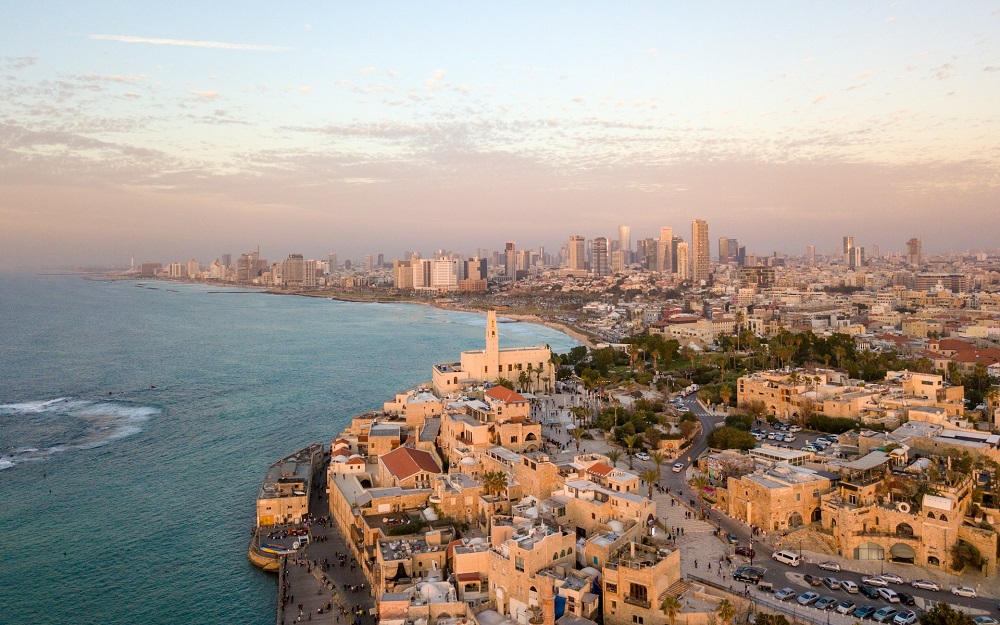
View of Tel Aviv-Yafo
Spring (March-May): Israel at Its Most Beautiful
Spring is widely regarded as the best time to visit Israel, and for good reason. After the winter rains, the country comes alive with green hills, wildflowers, and pleasant temperatures. It’s an ideal season for outdoor exploration, city tours, and nature hikes.
Pros:
- Mild, comfortable weather across most of the country
- Lush landscapes and seasonal blooms, especially in the north
- Excellent conditions for sightseeing and walking tours
- Ideal for hiking, national parks, and archaeological sites
Cons:
- Passover (usually in April) brings crowds and higher prices
- Popular sites can be busy during holiday weeks
- Flights and hotels may need to be booked well in advance
Best for: First-time visitors, sightseeing, nature lovers, and photographers
Pro Tip: If you plan to join guided tours in Israel, choose well-known, experienced operators with good reputations and positive reviews. Make sure their guides are licensed by the Ministry of Tourism
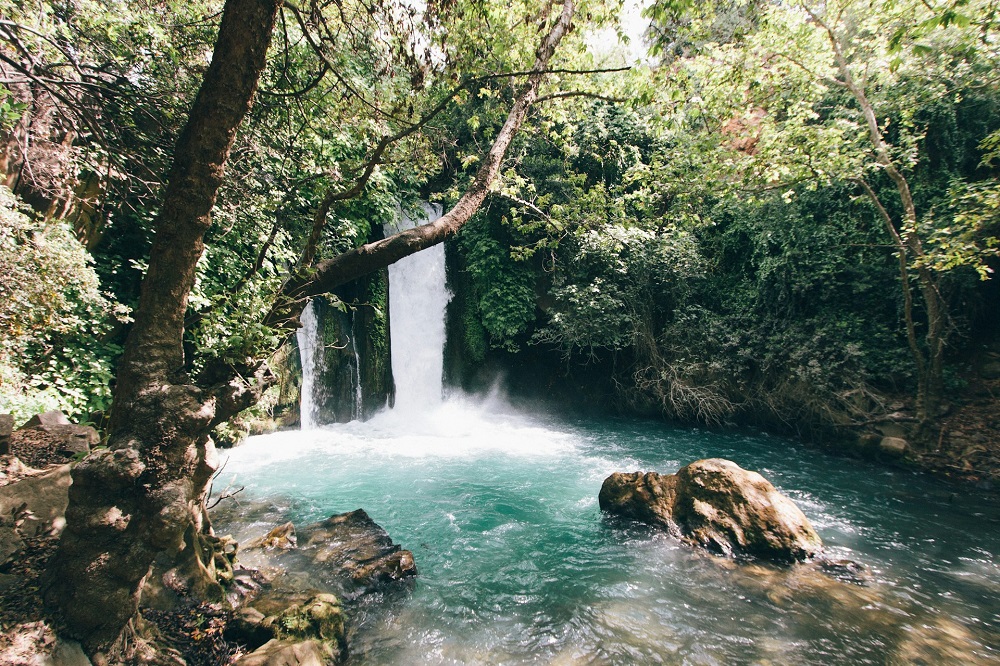
Ein Gedi Nature Reserve in spring
Summer (June-August): Hot Days, Vibrant Nights
Summer in Israel is intense but energetic. While daytime temperatures can be very high - especially inland and in the desert - the coastal areas thrive with beach life, nightlife, and festivals. Travel during this season requires planning around the heat.
Pros:
- Perfect beach weather in Tel Aviv and along the Mediterranean
- Lively nightlife, events, and open-air culture
- Great conditions for swimming and water activities
- Clear skies and long daylight hours
Cons:
- Extreme heat, particularly in Jerusalem, the Dead Sea, and the Negev
- Sightseeing can be uncomfortable during midday
- Crowded beaches and tourist hotspots
- Not ideal for hiking or desert excursions
Best for: Beach lovers, nightlife seekers, and travelers who don’t mind the heat
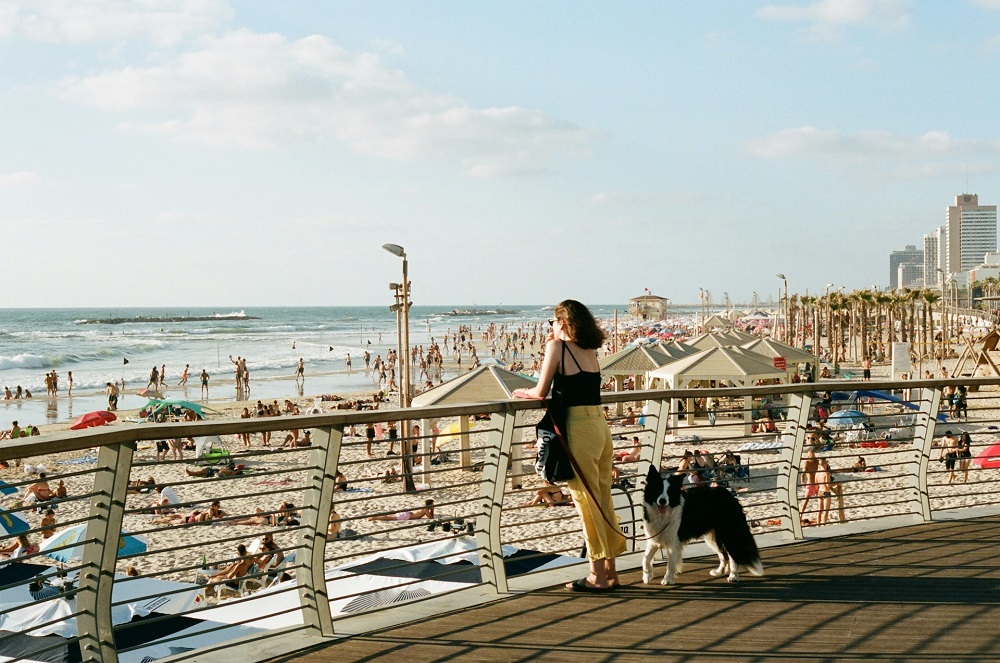
Aviv beach bustling during the summer
Fall (September-November): The Perfect Balance
Fall offers some of the most balanced travel conditions in Israel. The heat eases, the sea stays warm, and the country slows down after the busy summer and holiday season. It’s a favorite among experienced travelers.
Pros:
- Warm but comfortable temperatures
- Fewer tourists after the Jewish High Holidays
- Warm sea well into October
- Excellent for both sightseeing and beach time
Cons:
- Jewish holidays (Sept–Oct) can affect transportation and availability
- Some businesses may close briefly during holiday periods
- Weather can be less predictable toward late November
Best for: Well-rounded trips, repeat visitors, relaxed touring
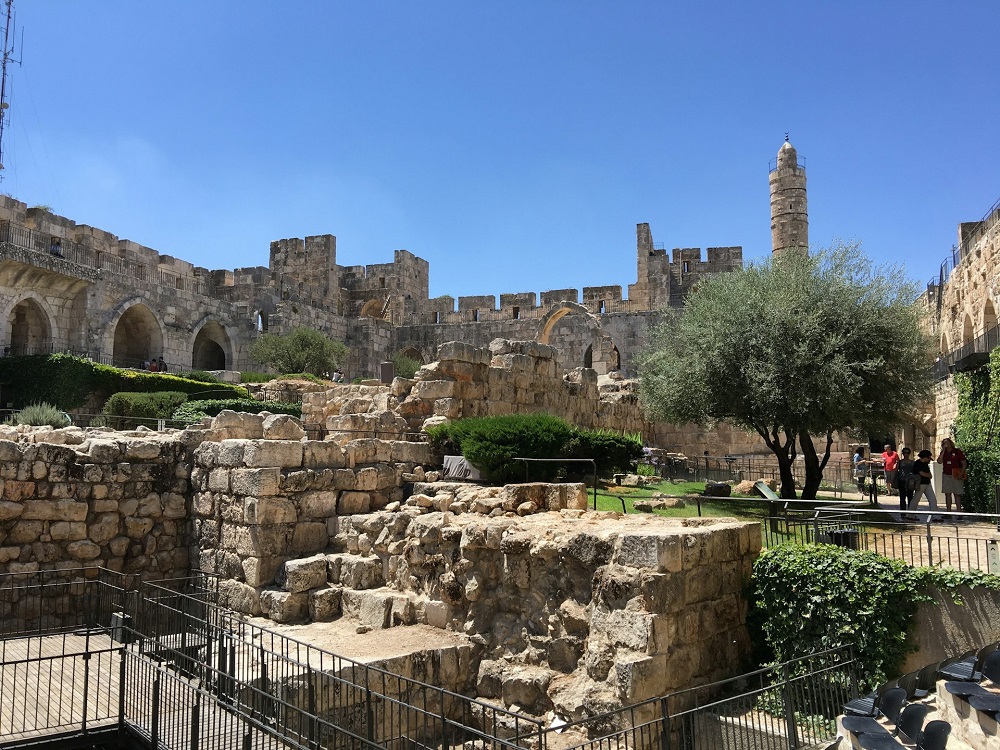
Jerusalem in fall
Winter (December-February): Quiet, Cultural, and Affordable
Winter in Israel is mild compared to many countries, making it a surprisingly good time to visit for cultural exploration. While rain is possible, especially in the north, crowds are minimal and prices are often lower.
Pros:
- Fewer tourists and a calmer atmosphere
- Better deals on hotels and flights
- Comfortable temperatures for city sightseeing
- Ideal for museums, religious sites, and food-focused trips
Cons:
- Rainy days can disrupt outdoor plans
- Cooler temperatures, especially in Jerusalem
- Limited beach and hiking opportunities
- Occasional weather-related closures
Best for: Budget travelers, cultural trips, and off-season explorers
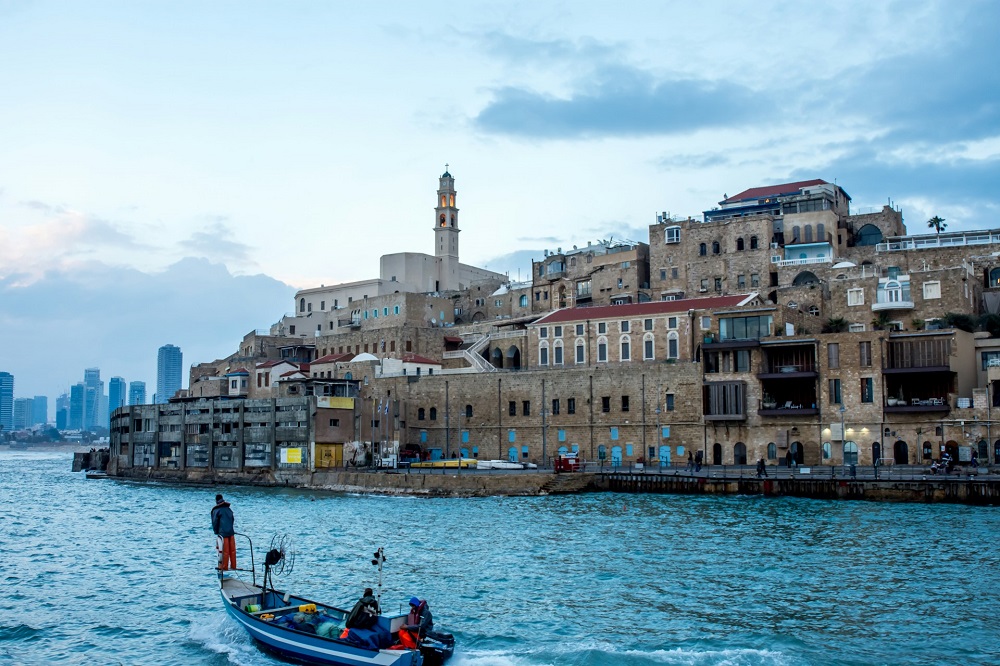
The ancient port of Jaffa in winter
For most travelers, spring (April–May) and fall (October) offer the best overall experience, combining pleasant weather, beautiful scenery, and manageable crowds. That said, every season in Israel has something unique to offer - it all depends on your travel style, priorities, and tolerance for heat or crowds.
 Certificate of Excellence
 Guaranteed Departure
 Low Prices Guaranteed
 24/7 Support


