A baby in a manger. Shepherds leaving their flocks. Travelers searching for a king. The birth of Jesus has inspired centuries of art, music, and pilgrimage, yet the Gospel accounts still hold details that familiar Christmas scenes can overlook. Follow the story to Bethlehem and discover the places where Christians remember it today.
The story of Jesus’ birth appears in the Gospels of Matthew and Luke. Both name Bethlehem as his birthplace, but each tells the story differently. Luke describes Mary and Joseph’s journey, the manger, and the shepherds. Matthew tells of the wise men, King Herod, and the family’s escape to Egypt.
Luke begins before Bethlehem, with the angel Gabriel announcing to Mary in Nazareth that she will have a son named Jesus (Luke 1:26–38). Matthew describes Joseph learning in a dream that Mary’s child is conceived through the Holy Spirit and being told to name him Jesus (Matthew 1:18–25). These passages introduce the Christian belief that this birth is an act of God.
According to Luke 2:1–5, a decree from Caesar Augustus required people to register. Joseph traveled from Nazareth in Galilee to Bethlehem in Judea because he belonged to the house and family of David. Mary, who was pregnant, accompanied him.
The connection to David matters throughout the story. Bethlehem is David’s town, and the Gospels present Jesus within the hopes and promises of Israel’s scriptures. Luke says the birth took place while the couple were there. He does not describe them arriving at the city gates just as Mary went into labor.
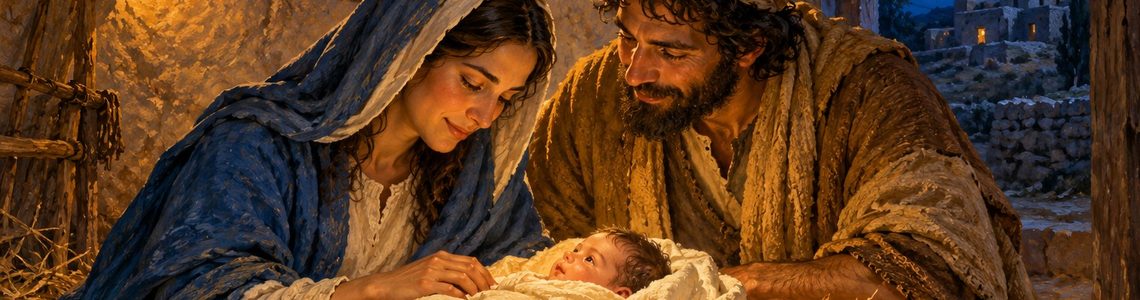
Mary gave birth to her firstborn son, wrapped him in cloths, and laid him in a manger, a feeding trough for animals. Luke explains the circumstances in a few words:
“because there was no room for them in the inn.” (Luke 2:7, KJV)
Was Jesus born in a stable? Luke mentions the manger but does not specify a separate stable or describe an innkeeper turning the family away. The cave associated with the birth belongs to the Christian tradition preserved at Bethlehem. Keeping these details distinct lets the Gospel’s simple scene speak for itself: the child Christians recognize as the Messiah begins life lying in a feeding trough.
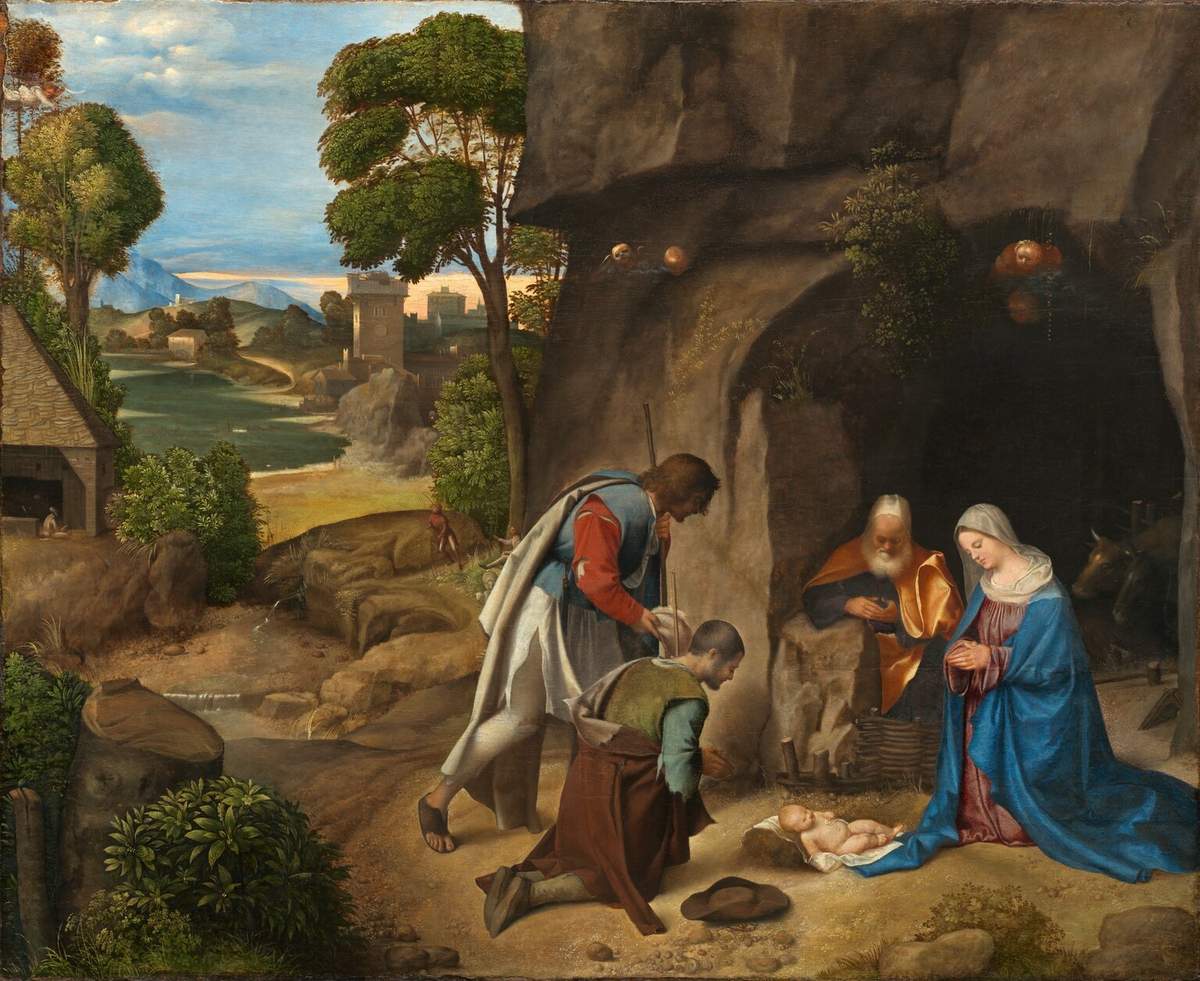
Nearby, shepherds were watching their flocks at night when an angel appeared. Their fear became wonder as they heard news of a Savior born in the city of David. They would recognize him by a sign: a baby wrapped in cloths and lying in a manger.
“For unto you is born this day in the city of David a Saviour, which is Christ the Lord.” (Luke 2:11, KJV)
A heavenly host then praised God. The shepherds hurried to Bethlehem, found Mary, Joseph, and the baby, and shared what they had heard. Luke closes the scene with two responses: the shepherds return praising God, while Mary keeps these events in her heart and reflects on them (Luke 2:8–20).
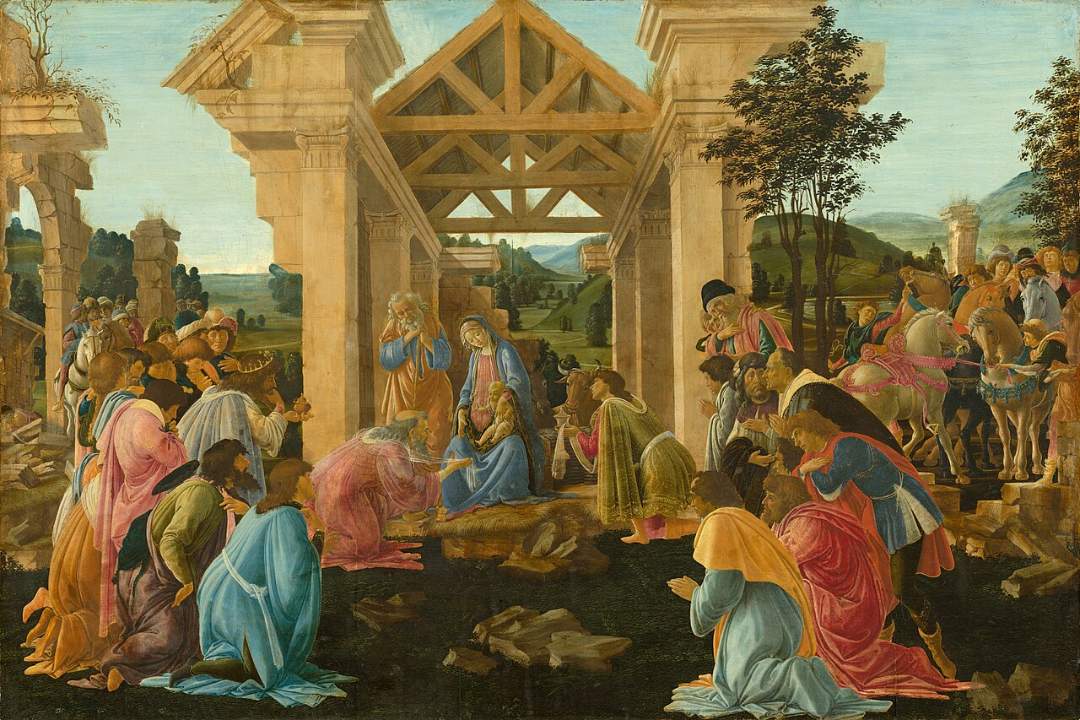
Matthew’s account turns to visitors from the east, often called the Magi or wise men. Having seen a star associated with the birth of the King of the Jews, they came to Jerusalem looking for him. Their question disturbed Herod, who consulted the chief priests and scribes. They pointed to Bethlehem through the prophecy quoted in Matthew 2:5–6.
The wise men continued to Bethlehem, where Matthew describes them entering a house, finding the child with Mary, and offering gold, frankincense, and myrrh. Although tradition often calls them the Three Kings, the Gospel neither identifies them as kings nor states their number. Three gifts do not establish that there were three visitors.
Matthew also does not place them beside the shepherds on the night of the birth. His story continues with a warning in a dream: the visitors return home without reporting to Herod. Joseph is then warned to take the child and Mary to Egypt to escape the king’s threat. After Herod’s death, the family returns, eventually settling in Nazareth (Matthew 2:1–23).
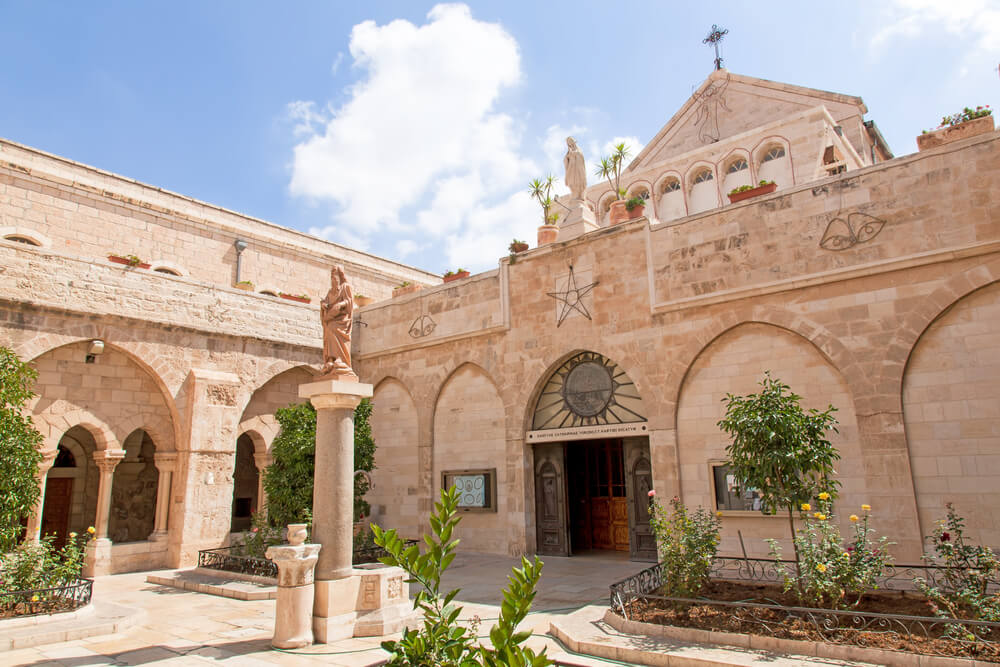
Matthew and Luke place Jesus’ birth in Bethlehem in Judea, south of Jerusalem. For visitors today, the central place of remembrance is the Church of the Nativity in Bethlehem. Beneath the church lies the Grotto of the Nativity, where a silver star marks the spot traditionally venerated as his birthplace.
This identification has a long history. UNESCO notes that Christians have associated the site with Jesus’ birth since at least the second century. The first church was completed in AD 339, and much of the present building dates to its sixth century replacement. The tradition is ancient, but the precise birth spot should not be presented as an archaeologically proven fact.
Another place connected with the story is Shepherds’ Field in Beit Sahour, where Christian traditions commemorate the angels’ announcement. Several local sites preserve this memory; the Gospel itself does not identify a particular field. Reading Luke’s account before visiting gives these places a deeper context than a quick photograph can provide.
For millions of Christians around the world, December 25 is a cherished and sacred day celebrating the birth of Jesus. Generations of worship, prayer, and family traditions have made Christmas a time to reflect on the hope and joy of the Nativity. In Bethlehem, that celebration carries a special meaning for pilgrims who come to honor his birth.
The Gospels tell the story within the world of Herod and Roman rule, while leaving the precise calendar date and year unstated. Historians continue to study these references, and the exact chronology remains uncertain. For those who celebrate on December 25, the date holds deep religious significance as the day set apart to rejoice in Christ’s birth and its message of hope.
For Christians, the Nativity expresses the belief that God entered human life through Jesus. Its setting gives that belief a memorable shape: a child cared for by his mother, shepherds receiving extraordinary news, and visitors traveling from far away to worship him. Bethlehem connects that message with a real town, where generations of pilgrims have come to remember the beginning of Jesus’ earthly life.
Visiting Bethlehem brings the Nativity story into the wider landscape of the Gospels. With Bein Harim, you can connect its holy places with Jerusalem or continue toward Jericho and the Jordan River. Choose the route that best fits the biblical places you want to explore.
Connect Bethlehem’s Nativity traditions with Jerusalem’s Old City on our Jerusalem and Bethlehem Tour. The published itinerary combines the Church of the Nativity with Jerusalem landmarks including the Western Wall, Via Dolorosa, and Church of the Holy Sepulchre. It is a meaningful way to explore places associated with both the beginning of Jesus’ life and the events Christians commemorate at its end.
Follow the story beyond Bethlehem on our Bethlehem and Jericho Tour. The published route combines the Church of the Nativity with Jericho and Qasr al-Yahud on the Jordan River, a traditional site of Jesus’ baptism. This itinerary connects the remembrance of his birth with the landscape associated with the beginning of his public ministry.
Explore the two tour itineraries and check availability for your travel dates. Routes and access to Bethlehem, Jericho, and individual holy sites are subject to current conditions. Entry to the Grotto of the Nativity cannot be assumed.
Tours You May Like
Join Us
Keep in Touch


 Login / Register
 Contact


 Certificate of Excellence
 Guaranteed Departure
 Low Prices Guaranteed
 24/7 Support