Before dawn, Mary Magdalene walks toward a tomb in Jerusalem. She expects a place of mourning. Instead, the Gospel of John describes an encounter that turns her grief into a message she must carry to the disciples. Her story begins earlier, among the women who followed Jesus through Galilee, and leads to places that still draw travelers into the world of the Gospels.
Mary Magdalene was a Jewish follower of Jesus, remembered in the New Testament for supporting his ministry, witnessing his crucifixion, and visiting his tomb. In John’s account, she encounters the risen Jesus and announces the news to his disciples. To understand her life, it helps to begin with those passages before turning to the traditions, artworks, and popular stories that developed around her.
All four Gospels name Mary Magdalene in their accounts surrounding Jesus’ death and the discovery of the empty tomb. Luke also introduces her during Jesus’ ministry in Galilee. Although the texts give few details about her family or early life, they place her among his devoted followers.
She is a different person from Mary, the mother of Jesus. Several women in the New Testament share the name Mary, so a place name or family relationship often helps readers distinguish them. Magdalene is generally understood as a designation connecting her with Magdala, rather than a modern surname.
Her importance comes through in her repeated presence at crucial moments. She accompanies a community of followers, remains part of the story during the crucifixion and burial, and becomes a messenger in the resurrection accounts. She is not listed among the Twelve, but her role extends well beyond that of a passing observer.
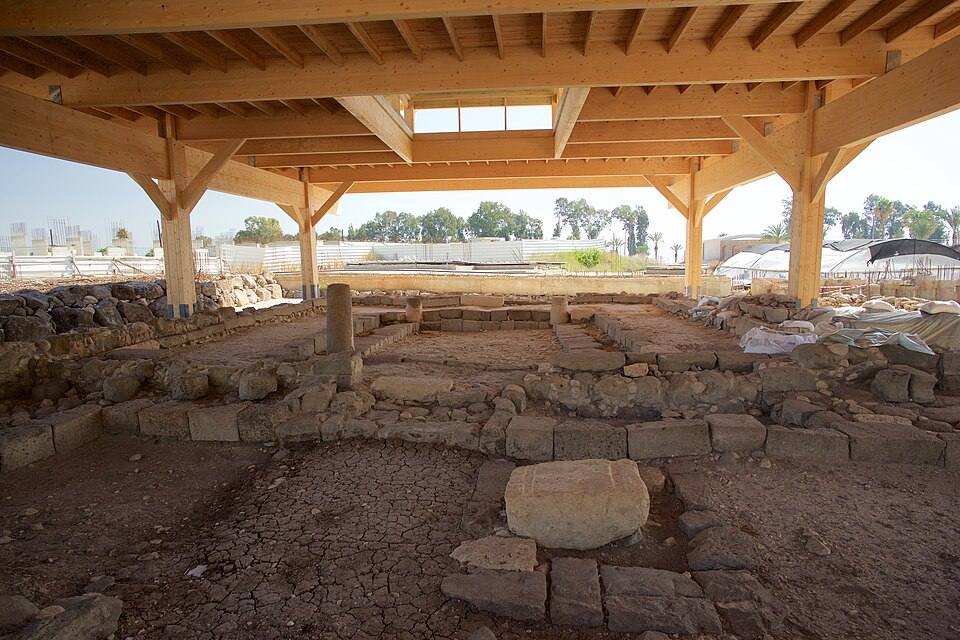
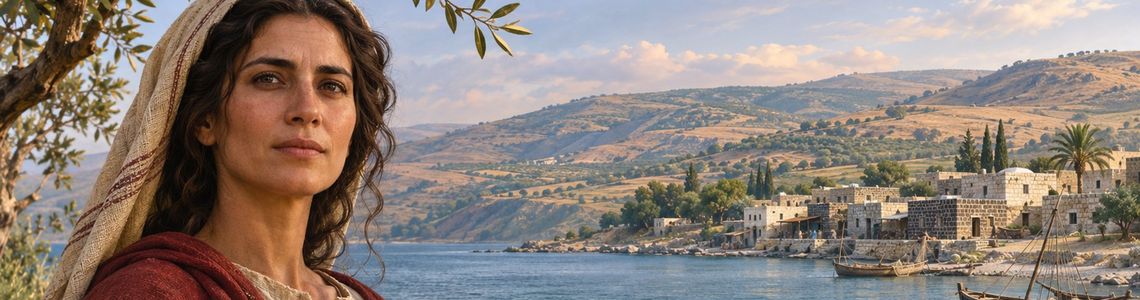
Mary Magdalene is traditionally associated with Magdala, on the western shore of the Sea of Galilee. The connection rests especially on the usual interpretation of her designation, Magdalene. The Gospels do not provide a separate account of her childhood or identify a particular house as her home.
At Magdala today, excavated streets, buildings, ritual baths, and a first-century synagogue help visitors picture the Jewish setting of Galilee in Jesus’ time. They illuminate the wider world associated with Mary’s story. They do not establish which buildings she entered or prove that a particular room belonged to her.
That distinction leaves plenty to discover. Walking through an ancient lakeside town gives texture to a name that otherwise appears only briefly on the page: a landscape of fishing, trade, religious life, and travel between Galilean settlements.
Luke introduces Mary among women who had been healed of evil spirits and illnesses. His description includes the phrase:
“Mary called Magdalene, out of whom went seven devils” (Luke 8:2, KJV)
The passage does not explain the circumstances of her healing or provide a detailed account of her earlier life. It also does not connect the seven demons with prostitution or a particular sexual sin. Those associations should not be read into the text.
Luke names Joanna and Susanna alongside Mary and describes women supporting Jesus and his companions from their resources (Luke 8:1–3). Their participation involved practical help as well as devotion. Without these brief verses, an important part of the community surrounding Jesus could easily disappear from view.
Mary’s story is therefore about more than the moment of healing. What follows is a sustained relationship of discipleship. The Gospels remember her among people who continued to follow Jesus when the journey reached Jerusalem and became dangerous.
Matthew 27:55–56 and Mark 15:40–41 name Mary Magdalene among women watching the crucifixion. John 19:25 places her beside the cross with Jesus’ mother and other women. The accounts differ in their descriptions, but each gives her a place within the events of Jesus’ final hours.
Matthew and Mark also connect her with the burial. In Matthew 27:61, Mary Magdalene and the other Mary sit opposite the tomb. Mark 15:47 says Mary Magdalene and Mary the mother of Joses observe where Jesus is laid. These details prepare the reader for the women’s return after the Sabbath.
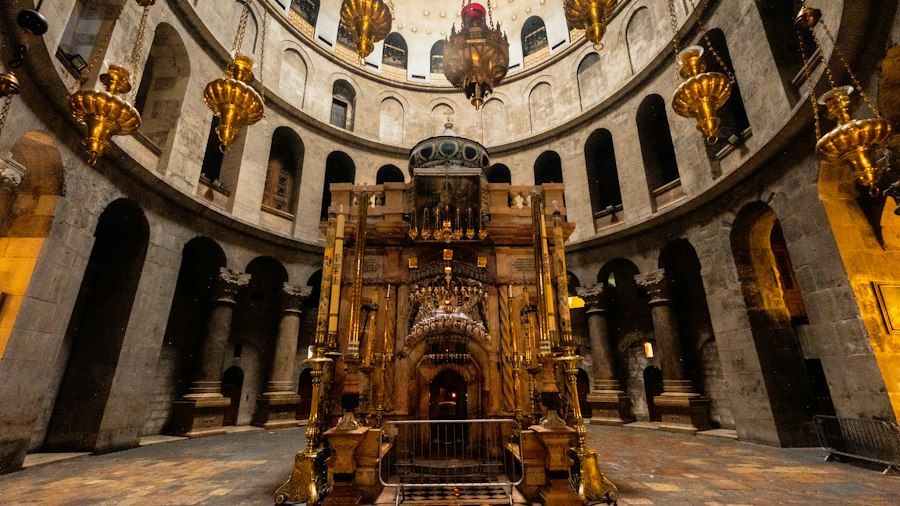
In Jerusalem, the Church of the Holy Sepulchre preserves the principal Christian tradition of the locations of Jesus’ crucifixion and burial. For visitors following Mary’s story, it connects the final scenes of the Passion with the Easter accounts. The present church is a later place of worship built around sites venerated for many centuries.
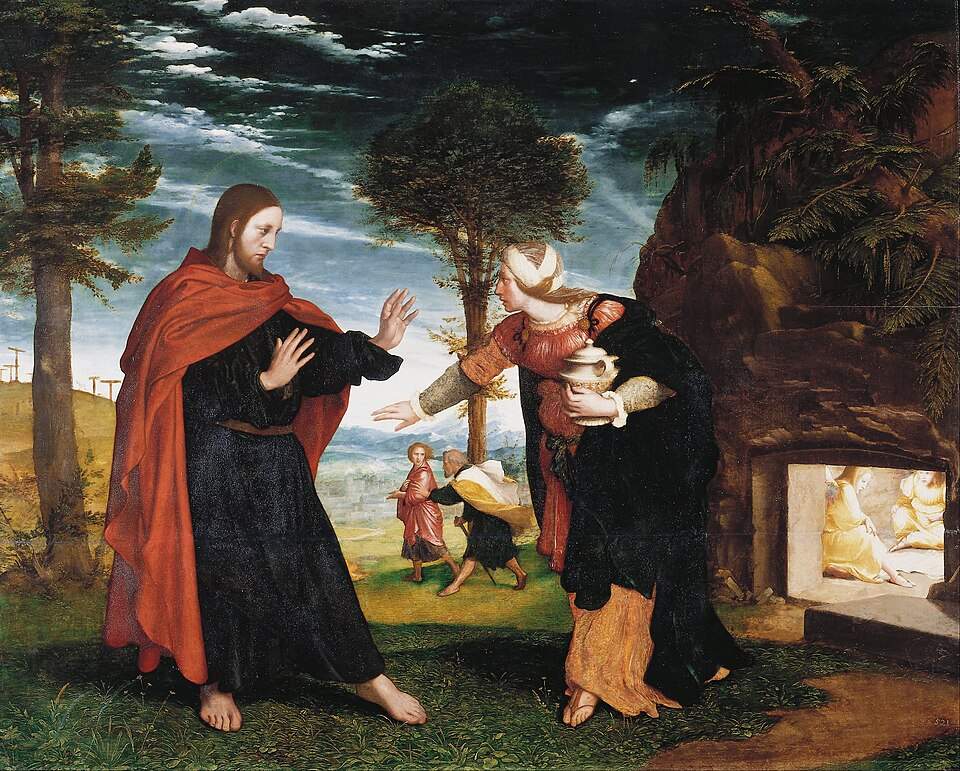
Mary Magdalene appears in all four Gospel accounts of the discovery of the empty tomb, although the details and the groups of women differ. Rather than compressing every account into one seamless scene, reading each Gospel allows its particular emphasis to emerge.
John 20 gives Mary an especially personal encounter. She arrives while it is still dark, sees that the stone has been moved, and runs to tell Peter and the other disciple. After they inspect the tomb and leave, she remains outside weeping.
Looking inside, she sees two angels. Then she turns and sees Jesus, but does not immediately recognize him. Thinking he is the gardener, she asks where the body has been taken. Recognition comes when he speaks her name:
“Jesus saith unto her, Mary.” (John 20:16, KJV)
Mary answers, “Rabboni,” which John explains as Master or Teacher. The scene moves from absence and confusion to recognition. Jesus then sends her to his brothers with a message, and she goes to the disciples to report that she has seen the Lord (John 20:17–18).
For Christian readers, this is a central reason Mary Magdalene matters. The woman who remained in mourning becomes a witness entrusted with news of the Resurrection. Her place in the story rests on those actions, without needing the dramatic additions of later fiction.
The title honors her role in announcing the risen Jesus to the disciples. It describes a messenger sent to those who would themselves proclaim the Gospel. It does not mean she was one of the Twelve Apostles.
The expression has a long history in Christian reflection. In 2016, the Catholic Church elevated her July 22 celebration to the rank of a feast in the General Roman Calendar, emphasizing her witness to the Resurrection. Different Christian traditions express their devotion to her in different ways, but the Gospel scene remains the foundation of this particular title.
Paintings, sermons, novels, and films have given Mary Magdalene many identities over the centuries. A few distinctions help separate what the New Testament says from interpretations that developed later.
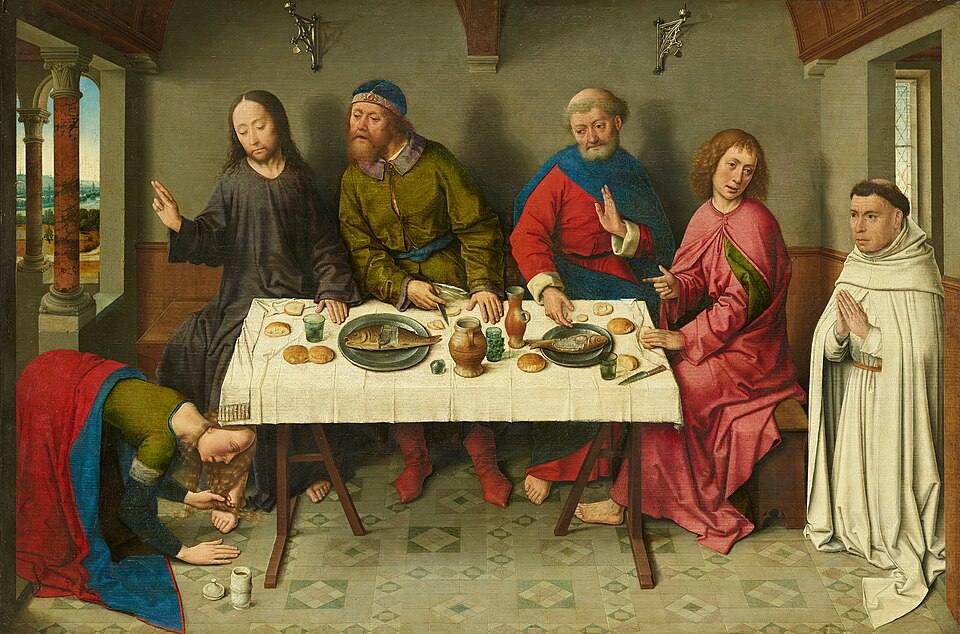
The New Testament does not identify Mary Magdalene as a prostitute. Luke 7 describes an unnamed woman who anoints Jesus’ feet, and Luke 8 then introduces Mary Magdalene. The text does not explicitly identify them as the same woman.
Later Western Christian tradition sometimes combined Mary Magdalene with that unnamed woman and with Mary of Bethany. This influenced religious art and devotion for centuries. Explaining that history respectfully allows readers to understand the familiar image without treating it as a biographical statement made by the Gospels.
The canonical Gospels do not describe Mary Magdalene as Jesus’ wife. They portray her as a follower, supporter, and witness. Claims of marriage are familiar from modern fiction and speculation, but they are not established by the New Testament passages about her.
Her close involvement in Jesus’ ministry and the importance of their encounter in John 20 do not require a marital relationship to explain them. The texts already give her a substantial role on their own terms.
Mary of Bethany is identified through her relationship with Martha and Lazarus and her connection with Bethany, near Jerusalem. Mary Magdalene is identified by a different designation. The Gospels do not explicitly equate the two women.
Some later traditions brought their stories together, while others kept them distinct. For clarity, this account follows their separate identities in the Gospel narratives rather than combining their actions into a single biography.
The Gospel of Mary is an early Christian work outside the New Testament. Its surviving text is incomplete and presents Mary as a recipient of teaching who speaks with other disciples. It is often associated with Mary Magdalene and discussed in studies of early Christian views of spiritual authority.
Its title does not establish that Mary Magdalene wrote it. Scholars commonly place its composition in the second century, later than the lifetime of the historical Mary. It is valuable for understanding early Christian thought and the reception of Mary’s figure, but should not be treated as a verified eyewitness autobiography.
The New Testament does not record Mary Magdalene’s death or tell us where she was buried. It does not give her age at death. A confident answer supplying those details would go beyond the biblical evidence.
Later traditions connect her with places including Ephesus and southern France. These belong to the history of Christian devotion and should be introduced as traditions rather than a single established itinerary of her final years. For a journey through the Holy Land, the clearest starting points remain the Galilean setting associated with her name and the Jerusalem events described in the Gospels.
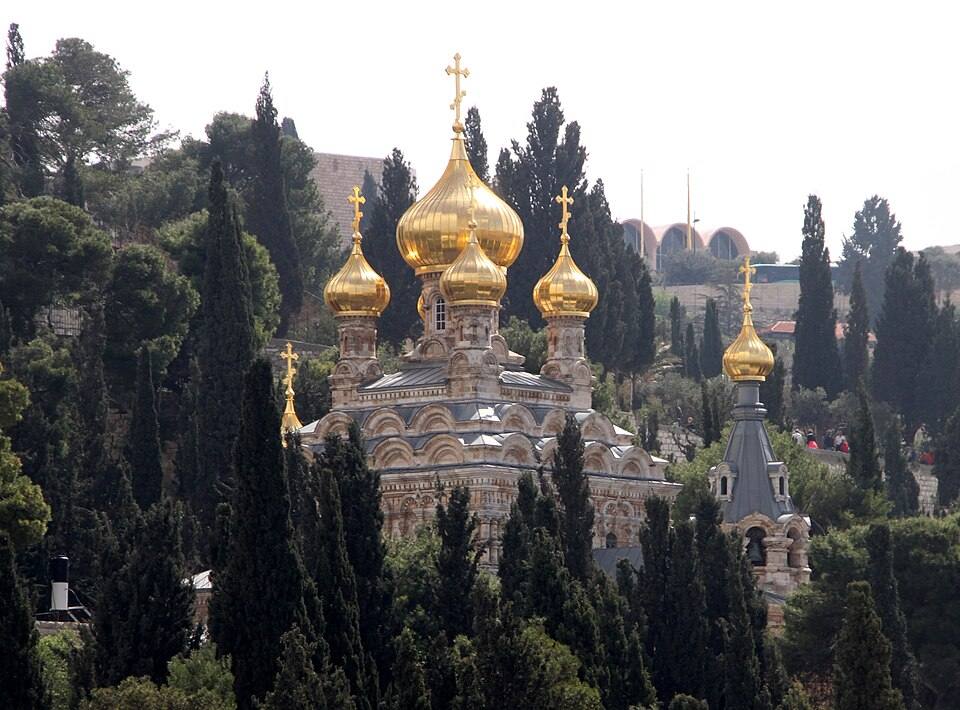
Begin at Magdala to explore the Galilean world associated with Mary’s name. Continue in Jerusalem with the Church of the Holy Sepulchre, where the Christian traditions of the crucifixion, burial, and Resurrection bring her Gospel story into focus.
The Church of Mary Magdalene on the Mount of Olives offers a different connection. Its golden domes belong to a Russian Orthodox church dedicated to her and consecrated in 1888. It commemorates her; it is not presented as her home or a location where the Gospels place a specific event from her life. Check current visitor access before including the church in your plans.
Our Jerusalem tours offer ways to explore the city at the heart of the Passion and Easter narratives. For an itinerary that combines Jerusalem with Magdala and the Sea of Galilee, explore our private tours in Israel. A customized visit can make room for the places that matter most to you, with time for history, reflection, and prayer. Individual sites depend on the itinerary and access arrangements.
Tours You May Like
Join Us
Keep in Touch


 Login / Register
 Contact


 Certificate of Excellence
 Guaranteed Departure
 Low Prices Guaranteed
 24/7 Support