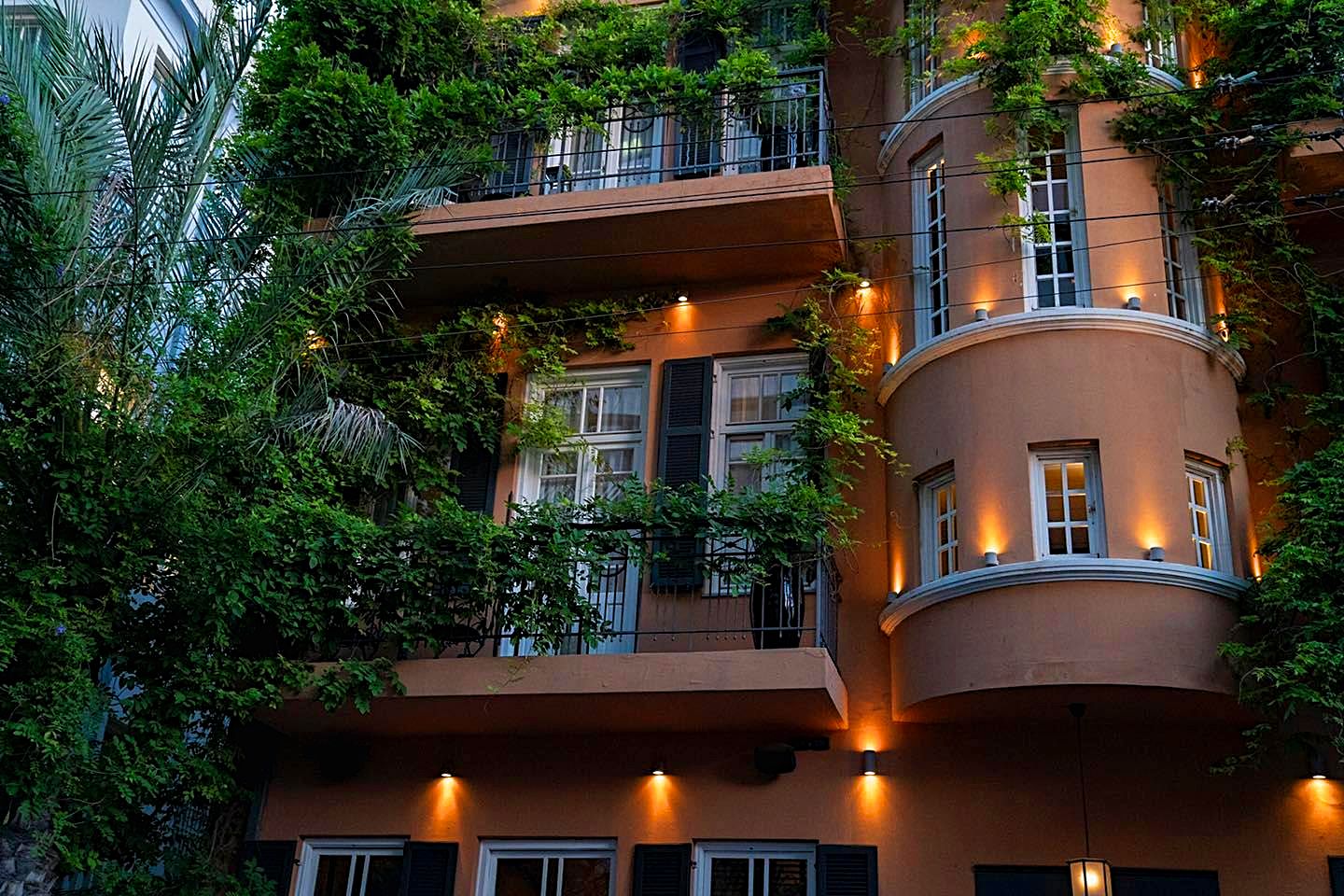
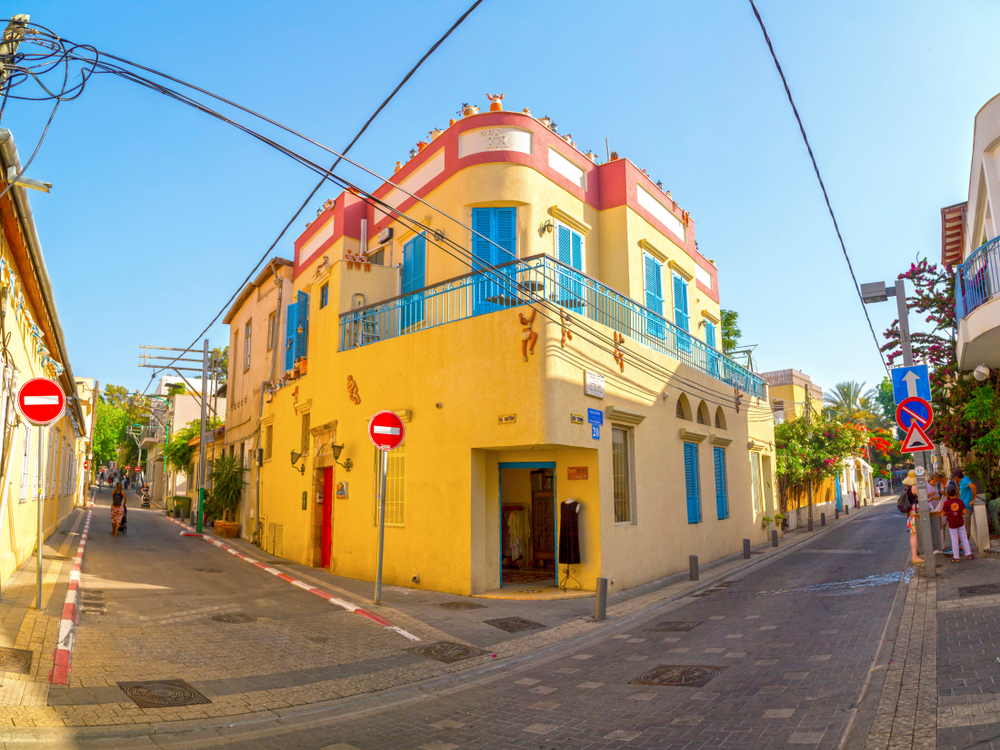
Showing search results for 'Rothschild Boulevard'

10-Day Israel Itinerary: Plan the Perfect Israel Trip

Nobody can truly experience Israel in just a few days; The country offers so many enchanting views, so much unique history, and countless attractions for every taste. Together, all of these tell a remarkable story that makes Israel such an exceptional, once-in-a-lifetime destination. This is why most travel experts agree: a 10-day Israel itinerary is the best way to make the most out of your trip. Let's see what such a vacation could look like, including must-sees, cultural gems, holy places, and the local's favourites.Fun in the sun at a Tel Aviv beachWhat to See in Israel in 10 Days?Israel’s small when it comes to land mass but enormous when it comes to attractions. With a 10-dayIsrael Itinerary, you won't have to decide whether Mediterranean beaches and culinary hotspots in Tel Aviv outrank exploring holy places in Jerusalem and hiking up in the north or down in the Negev desert. There are manyClassical Israel Tour Packages that will take you worry-free between the country's main points of interest.The crusader knights' hall in AkkoWhat Should I Pack for 10 Days in Israel?When packing for a 10-day vacation in Israel, you should consider the time of year you are visiting and the activities you plan to do. However, here is a general packing list that can help you prepare for your trip.Clothing: Take comfortable, breathable clothing for warm weather, as even the Israeli winter had plenty of sunny days. You should also take a Light jacket or sweater for cooler evenings. Swimwear is a must – you don't want to miss the beaches and the lovely Dead Sea. Not that most tours will include a reasonable amount of walking, so you should prefer sneakers or loafers.Outfits: Israel is a country with a rich cultural and religious history, and you may be visiting religious sites, such as temples and churches. Be sure to dress modestly in these areas and cover your shoulders and knees.Electronics: The Israeli outlets operate on a 230V power supply (and 50Hz), so you should have a C/H/M adaptor (2/3 pins). Universal power adaptors can be purchased in every airport, and most hotels will lend you an adaptor if you'll need one.10-Day Israel Itinerary: The Classic BestDays 1-2: Tel AvivThere’s so much to do in the City that Never Sleeps - whether you’re looking to sun yourself on one of the endless sandy beaches, take a bike ride around the city (Tel Aviv has many bike lanes and is flat, so this is a great way to get around), explore the colourful food scene, sit in a sidewalk cafe and people-watch or hit the town at night in one of the city’s trendiest cocktail bars.Do you like Gourmet Food? Tel Aviv is the place for youMust-visits include the Carmel Market, a stroll through the charming neighbourhoods of the Neve Tsedek and ‘the Kerem’ (the Yemenite Quarter) and a wander up Rothschild Boulevard. The Tel Aviv Museum of Art, Yitzhak Rabin museum and Ben Gurion’s House are all worth a visit too, and for architect fiends, there’s the wonderful Bauhaus scene.The lively streets of Tel AvivDays 3-4: JerusalemAh, Jerusalem! Home to three of the world’s major religions, beautiful, evocative, mysterious, magical…there are many words to describe this city but seeing it with your own eyes is something else. It’s easy to get lost here, spend weeks wandering the narrow backstreets, soaking up the charm of it all.The Western WallBut use your two days well and you can see plenty. The Old City deserves quite a few hours - walk the Via Dolorosa (retracing the footsteps of Jesus), visit the Church of the Holy Sepulchre, where he was crucified and resurrected, stare at the Dome of the Rock on Temple Mount and stand spellbound at the ancient Western Wall. If you have time, visit the Mount of Olives and gaze at panoramic views of the city from its top.The Church of the Holy SepulchreDay two belongs to the New City - visit the world-famous Israel Museum (housing the famous Dead Sea Scrolls, amongst other things) or Yad Vashem, Israel’s impressive and moving monument to the Holocaust. Take a stroll through Mahane Yehuda, the city’s liveliest market, and grab some typical Israeli street food. By night, take in views of the capital from the Bridge of Chord.Day 5: Bethlehem and JerichoJust a hop, skip and a jump from the capital, Bethlehem is sacred for Christians, since it’s the place of Jesus’ birth, and Jericho is perhaps the world’s continuously inhabited city. Visit the Church of the Nativity, stroll around Manger Square and at Jericho take a cable car to the top of the Mount of Temptation, giving you the chance to visit the monastery there and enjoy wonderful views.The city of BethlehemWhilst Bethlehem and Jericho are both in the Palestinian Authority, it’s safe to visit both these places and there are plenty of Bethlehem and Jericho Day Toursto choose from. These will easily arrange for guides to escort you there, dropping you off at the checkpoint in the morning and picking you up again later.Days 6-7: Masada, the Dead Sea and Ein GediSpend two days down in the Judean desert, taking in incredible sights and sounds. Masada, the ancient Herodian fortress, sits in the wilderness and gazing out at the desert from its top (reached by cable car or a long hike up!) is nothing short of stunning. There’s a reason it’s one of the country’s most beloved sites!TheMasada cable carThen onto the Dead Sea, for a few hours of relaxation, floating in salty waters, covering your body in black mud (it’s free and all over the place) and sitting with a cold beer or a glass of lemonade, staring over the water, to where Jordan lies.The following day, take a hike in Ein Gedi, one of Israel’s most beautiful nature reserves, where there are waterfalls, springs, and ibex all around you.Ein Gedi OasisAlternatively, treat yourself to a spa day, where you can be pampered with seaweed wraps and massages with oils and creams all made in the area, from the minerals found nearby. Finish the day back in Tel Aviv.Day 8: Caesarea, Rosh Hanikra and AkkoThe north of Israel is incredibly beautiful (at any time of the year) and a day spent visiting Caesarea, Rosh Hanikra and Akko is quite doable, if you get up early!Begin at the ancient harbour of Caesarea and walk through the remains of once a Roman city, marvelling at what is left of the harbour, hippodrome, frescoes, amphitheatre and aqueducts.The Caesarea AqueductThen, after a quick stop in Haifa to admire the Bahai Gardens, head to the grotto of Rosh Hanikra, close to the border with Lebanon, where you can take a cable car down into the caves, water splashing all around you - it’s also a perfect spot for photography and Instagram lovers!Finish the day in Akko (also known as Acre), an amazing Crusader city, whose old part is a UNESCO World Heritage site. Visit the painstakingly restored Knights’ Halls of the Hospitaller Fortress, the Turkish Bath and the Templars Tunnels (used in battles) then eat dinner at one of the excellent fish restaurants on the harbour, overlooking the Mediterranean. Head back to Haifa for the night.The Akko FortressDay 9: Nazareth and the Sea of GalileeBegin in Nazareth, the city where Jesus spent some of his formative years and visit the Church of the Basilica, where his mother Mary was visited by the Angel Gabriel, informing her that she was with child. Wander around the old city, through the ancient streets, and pick up some souvenirs from the Holy Land.Then onto the Galilee, for an afternoon of well-deserved time off, where you can spend a quiet afternoon overlooking the sea and enjoying a beautiful sunset and a good dinner.The Sea of GalileeDay 10: JaffaBefore you leave Israel, put some time aside for Jaffa, next door to Tel Aviv. This ancient city (renowned in the Bible as the place where Jonah fled God and ended up in the belly of a whale) has a renovated port area, a charming Artist’s Quarter (with narrow, cobbled streets), three historic churches (and the nearby wishing fountain and mosaics, telling Biblical stories).Five minute’s walk from there, past the Ottoman clock tower, lies the fantastic Shuk Hapishpishim - the Jaffa flea market. Whether you just like strolling or always like rummaging for a bargain, the market’s full of vintage items, retro clothing, furniture, prints and jewellery. All around are cafes, bars and restaurants, which stay open late into the night (many with live music).The Jaffa Sunset from the Tel Aviv boardwalkReady to Turn Your 10 Days in Israel into an Unforgettable Journey?Make every day count with Bein Harim. Explore our Israel tour packages, combine guided day tours with time to discover on your own, or let our team help you create a private itinerary around your interests. From Jerusalem’s ancient streets to the shores of the Dead Sea, we’ll help you bring your travel plans together. Contact us today with your travel dates and wish list, and take the first step toward your Israel adventure.
By Sarah Mann updated at 11/12/26
0 views

History of Israel: From the Stone Age to the Modern State

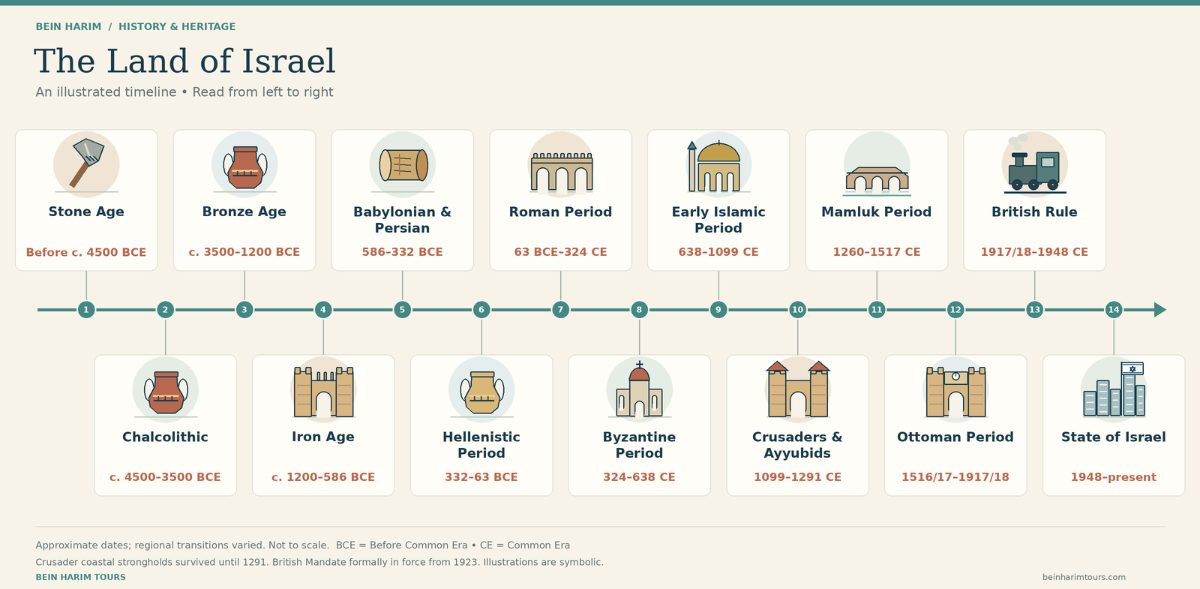
In Jerusalem, a short walk can take you past Roman remains, a medieval church, and Ottoman walls. Along the coast, Crusader halls lie beneath a living city. This Israel history timeline follows the land from its earliest communities to the modern state, connecting each era with something you can recognize on your journey. Here, “the Land of Israel” describes a historical landscape, not one country with fixed borders throughout time. Its boundaries, populations, and names changed repeatedly. Archaeological periods describe material culture, while other period names refer to governments or religious history. That is why some dates overlap. Israel History Timeline at a GlanceIsrael history timeline at a glanceDownload the full-size timeline Dates are approximate, especially in prehistory. Political transitions also occurred at different times in different cities. BCE and CE mean Before the Common Era and Common Era. PeriodApproximate DatesWhat ChangedPlaces to ExploreStone AgeBefore c. 4500 BCEHunting, gathering, then farmingNahal Me'arot; museum collectionsChalcolithicc. 4500–3500 BCECopper working alongside stone toolsIsrael MuseumBronze Agec. 3500–1200 BCECanaanite cities and international tradeMegiddo, HazorIron Agec. 1200–586 BCEIsrael, Judah, and neighboring peoplesJerusalem, Lachish, Tel DanBabylonian and Persian586–332 BCEExile, return, and rebuildingJerusalem; museum collectionsHellenistic and Hasmonean332–63 BCEGreek influence and Jewish independenceBeit Guvrin; museum collectionsRoman63 BCE–c. 324 CEHerodian building, Christianity, revoltsCaesarea, Masada, JerusalemByzantinec. 324–638 CEPilgrimage churches and mosaic artJerusalem, Tzipori, Beit AlphaEarly Islamicc. 638–1099Caliphates and new religious landmarksJerusalem, RamlaCrusader and Ayyubid1099–1291, with regional changesCompeting kingdoms and fortificationsAcre, BelvoirMamlukc. 1260–1517New rulers, trade routes, institutionsJerusalemOttoman1516/17–1917/18Imperial administration and urban growthJerusalem, Acre, JaffaBritish administration and Mandate1917/18–1948New institutions and national movementsTel Aviv, JerusalemModern State of Israel1948–presentStatehood and a changing societyTel Aviv, Jerusalem, museums The Stone Age: The First People and Farming Communities (Before c. 4500 BCE)Stone Age life, as imagined in the 1880s (Photo: Viktor Vasnetsov, Public domain, via Wikimedia Commons) The Stone Age takes its name from the stone tools used by early humans, long before recorded history. Israel's human story begins long before kings, writing, or the biblical kingdoms. During the Paleolithic, or Old Stone Age, people hunted, gathered plants, and made tools from stone. Caves and open settlements preserve evidence of lives stretching back hundreds of thousands of years. The later Natufian culture helps explain the transition toward more settled communities. During the Neolithic, or New Stone Age, farming and animal domestication gradually transformed daily life. Growing food encouraged villages, storage, and new relationships with the landscape. At Nahal Me'arot on Mount Carmel, visitors can explore prehistoric caves and see displays explaining the people who once lived there. The site includes evidence of Natufian life, bringing the long transition toward settled communities into focus. The Chalcolithic Period: Stone Meets Copper (c. 4500–3500 BCE) The Chalcolithic is identified by gradual changes in material culture, including early copperworking. Often called the Copper Age, it brought metalworking into societies that continued using stone tools. Agricultural villages supported craftspeople, exchange networks, and increasingly elaborate ritual objects. At the Israel Museum in Jerusalem, the archaeology collection includes objects from the Nahal Mishmar hoard, discovered in a Judean Desert cave. Its elaborate copper pieces reveal the skill of Chalcolithic craftspeople. Exhibits can change, so check the museum before visiting. The Bronze Age: Canaanite Cities and Egyptian Influence (c. 3500–1200 BCE)Syrian traders in an Egyptian tomb painting (Photo: Nina M. Davies, CC0, via Wikimedia Commons) Changes in settlement and material culture mark the beginning of the Bronze Age. Bronze metallurgy developed gradually, rather than appearing everywhere at once. During this period, the landscape developed networks of towns and fortified cities. Canaan was not one unified kingdom. Its city rulers negotiated, traded, and fought, while larger powers influenced the region. Egyptian domination became particularly important during the Late Bronze Age. Tel Megiddo preserves Canaanite remains, including the foundations of a palace and ancient gates. Hazor is another major site with Bronze Age layers. An archaeological mound, or tel, formed as people repeatedly rebuilt in the same place. Its layers reveal successive cities. A gate, palace, and water system at one site may belong to different periods. Look for their dates as you explore. The Iron Age: Ancient Israel and Judah (c. 1200–586 BCE) The Iron Age begins around the end of the Bronze Age, amid regional upheaval and changing settlements. Iron tools became widespread gradually, not all at once. New communities and political structures emerged. The Iron Age includes the development of ancient Israel and Judah, alongside Philistine, Phoenician, and other neighboring societies. The Bible places Saul, David, and Solomon within this world. Archaeologists study settlements, inscriptions, pottery, and fortifications to understand it; the extent and development of the earliest monarchy remain debated. Biblical narrative and archaeological interpretation should be distinguished, even when they illuminate the same landscape. Assyria conquered the northern kingdom in the eighth century BCE. Babylon destroyed Jerusalem and the First Temple in 586 BCE. At Tel Lachish, visitors can see the Judahite city gate and the Assyrian siege ramp, physical reminders of the campaigns against Judah. Jerusalem and Tel Dan offer other perspectives on the period. For related background, read our guide to biblical Israel and modern Israel. Babylonian and Persian Rule: Exile and Return (586–332 BCE)The Cyrus Cylinder, British Museum (Photo: Mike Peel, CC BY-SA 4.0, via Wikimedia Commons) Babylon's destruction of Jerusalem in 586 BCE marks the start of the Babylonian phase. The conquest ended the kingdom of Judah and brought deportation and major changes to Jerusalem. It did not remove every inhabitant from the land. Rural communities and local life continued amid the upheaval. Persian rule began after Cyrus conquered Babylon in 539 BCE. Returning Judean communities rebuilt religious and civic institutions, including the Second Temple, traditionally dated to 516/515 BCE. Ezra presents the invitation to return with the words “let him go up to Jerusalem” (Ezra 1:3, KJV). The Second Temple period spans Persian, Hellenistic, Hasmonean, and Roman rule until the Temple's destruction in 70 CE. The Israel Museum's collection includes Persian-period finds, including a pottery figurine from Tel Dor. Its model of Jerusalem depicts the city centuries later, around 66 CE. It is a reconstruction, not surviving Temple remains. The Hellenistic Period and the Hasmonean Dynasty (332–63 BCE)Alexander enters Babylon, a 1665 painting (Photo: Charles Le Brun, Public domain, via Wikimedia Commons) Alexander the Great's conquest in 332 BCE marks the beginning of the Hellenistic period. It brought the region into a Greek political and cultural sphere. After his death, rival successor kingdoms competed for control. Greek language, urban institutions, and artistic styles influenced local communities without making their identities uniform. The Hasmonean Dynasty and the Story of Hanukkah (Revolt from 167 BCE; rule until 63 BCE) The Maccabean revolt began in 167 BCE against Seleucid policies and religious persecution. The Temple's rededication became central to Hanukkah. Hasmonean rulers gradually established an independent Jewish state and expanded its territory. The Hasmonean kingdom developed over decades. At Beit Guvrin-Maresha National Park, the painted Sidonian burial caves and underground spaces at Maresha offer a glimpse of life in the Hellenistic period. The Roman Period: Herod, Jesus, and the Jewish Revolts (63 BCE–c. 324 CE)The Roman siege of Jerusalem, 70 CE (Photo: David Roberts, Public domain, via Wikimedia Commons) Roman dominance began with Pompey's capture of Jerusalem in 63 BCE. Rome exercised its power through local rulers and, later, direct administration. Herod the Great, a king supported by Rome, transformed the landscape with ambitious projects, including Caesarea, Masada, and the enlargement of Jerusalem's Temple complex. This is also the world of Jesus and the New Testament. Galilee and Judea formed the setting for his ministry, while Jerusalem became central to the Christian account of his death and resurrection. Identifying a biblical setting does not mean that every church now standing there dates to his lifetime. The Jewish revolt beginning in 66 CE ended with devastating losses, including the destruction of the Second Temple in 70. The later Bar Kokhba revolt began in 132. At Caesarea, the Roman theater and harbor remains reveal another side of this era. In Jerusalem, the lower stones of the Western Wall are part of the retaining wall of Herod's expanded Temple platform, not the Temple building itself. The Byzantine Period: Churches, Synagogues, and Mosaics (c. 324–638 CE)Beit Alpha synagogue mosaic (Photo: Stav Konchtyk, PikiWiki Israel, CC BY 2.5, via Wikimedia Commons) The Byzantine period is commonly dated from 324 CE, when Constantine became sole Roman emperor. The Byzantine Empire was the eastern continuation of the Roman Empire. In the Holy Land, the fourth century marks a major shift as imperial support helped Christianity reshape the religious landscape. Pilgrims traveled to sacred places, and churches developed around traditions associated with Jesus and the Bible. Jewish and Samaritan communities also continued, although their circumstances changed under different rulers. At Beit Alpha in the Jezreel Valley, visitors can see the sixth-century synagogue's mosaic floor, including the Binding of Isaac and a zodiac wheel. Tzipori preserves another remarkable synagogue mosaic. In Jerusalem, the Church of the Holy Sepulchre began as a fourth-century imperial foundation. The building visible today incorporates later rebuilding. Mosaics adorned churches, synagogues, and homes. The Early Islamic Period: A New Religious and Political Landscape (c. 638–1099 CE)The Temple Mount in a 19th-century lithograph (Photo: Louis Haghe after David Roberts, CC BY 4.0, via Wikimedia Commons) Muslim conquests during the 630s marked the beginning of the Early Islamic period. Jerusalem surrendered around 638. Successive caliphates governed a land where Muslim, Christian, Jewish, and Samaritan communities lived through changing conditions. The Umayyad caliph Abd al-Malik commissioned the Dome of the Rock, completed in 691/692 and still visible in Jerusalem today. Its exterior has been altered in later periods. The gold-domed shrine and the neighboring Al-Aqsa Mosque are distinct buildings within the same sacred compound, known to Muslims as al-Haram al-Sharif and to Jews as the Temple Mount. In Jerusalem's Ophel archaeological area, remains of Umayyad buildings south of the Temple Mount reveal another aspect of early Islamic rule. Ramla, founded as a provincial capital in the early eighth century, offers a different urban perspective. Crusaders and Ayyubids: Castles and Changing Kingdoms (1099–1291 CE, with overlapping rule)The Crusader Knights’ Halls in Acre (Photo: Heritage Conservation Accre and Surrounding, PikiWiki Israel, CC BY 2.5, via Wikimedia Commons) The First Crusade's capture of Jerusalem in 1099 began Crusader rule in the city. The Crusaders established a Latin Christian kingdom. Churches, castles, hospitals, and ports served rulers, pilgrims, merchants, and military orders. Saladin's capture of Jerusalem in 1187 brought Ayyubid rule to the city. Crusader rule did not disappear everywhere at once. Acre became the principal center of the later coastal kingdom, surviving until its capture by the Mamluks in 1291. In Acre, the medieval halls beneath the later city make these layers unusually clear. Do not assume every wall is Crusader: the living town above contains substantial Ottoman architecture. The Mamluk Period: Trade Routes and Urban Architecture (c. 1260–1517 CE) The Mamluks' victory over the Mongols at the Battle of Ain Jalut in 1260 marked a turning point in regional rule. Based in Egypt, the Mamluks established control over much of the region and eliminated the remaining major Crusader coastal strongholds by 1291. Their rule lasted until the Ottoman conquest in 1516/17. Jerusalem preserves Mamluk religious schools, gateways, and fountains. The late-fifteenth-century Fountain of Qayt Bay and Madrasa al-Ashrafiyya stand within the Temple Mount compound. Access arrangements can change; ask your guide about the current visiting conditions. The Ottoman Period: Walls, Towns, and New Neighborhoods (1516/17–1917/18 CE)Damascus Gate in Jerusalem’s Ottoman walls The Ottoman conquest of the Mamluk realm in 1516–1517 began roughly four centuries of Ottoman rule. One of its most recognizable legacies is Jerusalem's present Old City wall circuit, rebuilt under Sultan Suleiman the Magnificent in the sixteenth century. These are not the city walls Jesus would have known. In Acre, the Al-Jazzar Mosque, completed in the eighteenth century, and the city's khans and fortifications reveal its Ottoman character. In Jaffa, urban growth and maritime connections shaped a port serving pilgrims, merchants, and local communities. During the nineteenth and early twentieth centuries, new neighborhoods, institutions, and transport links changed the landscape. Jewish immigration and Zionism developed alongside existing Arab communities and other local populations. Tel Aviv began in 1909, before Ottoman rule ended, rather than with Israel's independence. British Rule and the Mandate for Palestine (1917/18–1948 CE)King David Hotel, Jerusalem, 1930s (Photo: American Colony Photo Dept., Public domain, via Wikimedia Commons) British military victories over the Ottomans in 1917–1918 began British administration. Military administration was followed by civilian administration in 1920; the League of Nations Mandate formally entered into force in 1923. “British Mandate, 1917–1948” is therefore convenient shorthand, not a precise description of every year. Government institutions, roads, and cities developed amid intensifying Jewish and Arab national aspirations. Jewish immigration, especially as persecution increased in Europe, and disputes over land, political authority, and immigration helped shape the conflict. In 1947, the United Nations recommended partition into Jewish and Arab states, with a special international arrangement for Jerusalem. Fighting preceded the end of British rule in May 1948. In Tel Aviv, the 1936 Liebling Haus and neighboring International Style buildings offer a visible connection to the Mandate years. Modern Israel: From 1948 to Today (1948–Present)Tel Aviv’s seafront promenade (Photo: Simon Cobb, CC0, via Wikimedia Commons) The modern period in this guide begins with the declaration of the State of Israel on May 14, 1948. David Ben-Gurion proclaimed the state in Tel Aviv. The war surrounding its establishment shaped the new state's institutions and borders and brought mass Palestinian displacement, remembered by Palestinians as the Nakba. Subsequent decades brought major Jewish immigration from Europe, the Middle East, North Africa, the former Soviet Union, and Ethiopia. Towns, universities, and industry grew amid continuing conflict. The 1967 war transformed territorial control; peace treaties with Egypt in 1979 and Jordan in 1994 marked major diplomatic changes. Israel today is a society of Jewish, Muslim, Christian, Druze, and other communities. On Rothschild Boulevard in Tel Aviv, the building known as Independence Hall marks the place where statehood was proclaimed. Check current access before visiting. Nearby streets, Jerusalem's neighborhoods, and museums show how recent history continues to shape everyday life. The Israeli-Palestinian conflict remains unresolved. The October 7, 2023 attacks and ensuing war are also part of this modern chapter, whose consequences continue to unfold. Explore Israel's History with Bein Harim From the ancient streets of Jerusalem to the ruins of Masada, Israel’s historical sites bring the stories of this timeline to life. Explore our Israel day tours to find a journey that matches your interests and discover the people, places, and events that shaped the land. For prehistoric sites, biblical kingdoms, museum collections, or a slower walking pace, consider a custom Israel tour. Tell us your interests, available time, and accessibility needs. Contact us to turn this timeline into a journey through the places themselves.
By Asaf Ben Ari
0 views

The Best Brunch Spots in Tel Aviv (2026)

Brunch - the sweet spot between breakfast and lunch, which really gives you the best of both worlds with plenty of time to enjoy yourself. Whether your craving is sweet or savoury, this is the meal in which you can indulge it. And no more so than in Tel Aviv, foodie capital of Israel and a city with a vibe that screams out ‘ enjoy yourself’.In the city that never sleeps, brunch on Friday and Saturday (the Jewish Shabbat) has taken on a whole new meaning in the last few years, as both local cafesand fancy restaurants are upping their game. From the fun (American pancakes) and the healthy (Israeli salads) to the classic (Shakshuka) and the decadent (Eggs Benedict), there’s no way you’ll leave feeling anything but content.So pick one of these great spots we’ve listed below, turn up, relax, chill, order a cheeky Mimosa and enjoy!1. Cafe XohoA home from home for many locals, everything at Cafe Xoho is made with love and care, from cookies straight from the oven to bagels to die for. Their salads are super fresh, their cakes are moist, their coffee is legendary and their breakfast burrito gets rave reviews.Xoho has an all-day menu, from which we’d recommend their delicious smoothie bowl, the cheese quesadilla or the sweet pancakes (add chocolate syrup for real decadence).With good music, professional staff and a hip vibe, it’s a must try and because it’s so close to Frishman beach, you can work off the calories afterwards with a walk by the sea! 2. Cafe KirschSet on bustling DIzengoff Street - the beating heart of Tel Aviv - Cafe Kirsch is the brunch place to head to if you yearn for a New York style menu. Busy all week, Friday mornings the queues are long (they don’t take reservations) but if you find a table you’ll soon discover why.For us, it’s the blueberry pancakes and the French toast with mascarpone and berries that are the star of the show but if you’re yearning for something less sweet, go for the gravalax on rye bread with horseradish or lettuce and camembert salad with a raspberry vinaigrette. Finally, don’t forget to pick up one of the legendary almond croissants to take home! 3. DallalLocated in the heart of Neve Tzedek - arguably one of Tel Aviv’s most beautiful and chic neighborhoods, Dallal is set inside a former convent and if you manage to grab a table in the garden, you’ll feel like you’ve died and gone to heaven.Dallal’s brunch highlights include Nordic salmon, schnitzel with creamy mash and home-made brioche (from their famous bakery nearby) served with butter and jam and the tomato salad served with burrata. All of the egg dishes hit the spot and their Bellini cocktails are marvellous.Take a stroll down Shabazi street afterwards and drink in the atmosphere of this gorgeous area - the boutiques are pretty and the architecture quite unique. 4. Cafe 65 Tucked away inside the eponymous hotel on buzzing Rothschild Boulevard, this newly renovated restaurant offers delicious and relaxing brunch in a tranquil spot. At Cafe 65, you can order one dish from the menu then head to the all-you-can-eat buffet, to indulge in an array of super salads, smoked salmon and local specialty goats and sheep cheeses. The sabich stand is also a nice touch, paired with one of their fresh juices!It’s a tough call to pick from the menu, but the shakshuka with spinach and Swiss chard is incredible, not to mention the French toast served with berry compote, pear poached in wine and a portion of whipped cream on top! The decor is trendy, the service friendly and the atmosphere restorative. The perfect place to unwind and make your stomach happy.Instagram:https://www.instagram.com/cafe65_tlv/5. Lorenz and MintzLorenz and MIntz is another go-to brunch spot in Tel Aviv, famed amongst the locals in Neve Tzedek and well-reviewed by tourists. Serving a kosher dairy menu, the vibe is a cross between a Parisian brasserie and a small eaterie serving local produce up in Israel's Galilee.Everything on the menu is outstanding but standout dishes include the Croque Madame, filled with mushroom and truffle cream, the ‘Greek Special’ (think dolmades,filo pastries stuffed with Bulgarian cheese) and the green shakshuka. The pastries are excellent, the coffee perfect (as you’d expect in any French-style establishment) and service - aided by the hand-on owner - is perfect. A bit costly but worth it.Instagram:https://www.instagram.com/lorenzandmintz/6. NOLA American BakerySince it opened to much fanfare, back in 2012, NOLA Bakery has become a firm favourite for those who are pining for an American diner experience. Originally established to bring a taste of New Orleans to the Tel Aviv public (think buttermilk biscuits and pecan pie) it became such a hit that the menu expanded considerably and today, in the city’s Old North ‘hood (close to the Hilton Beach) top brunch spots.Instagram:https://www.instagram.com/nola_american_bakery/7. Cafe PuaaFinally, we couldn’t not mention Cafe Puaa, which is - in our opinion - is a charming little cafe you have to try out when you’re visiting the ancient and beautiful city of Jaffa (directly south of Neve Tsedek and an easy walk along the beach from Tel Aviv’s Carmel Market). It’s been around forever, and has a cosy ‘chintzy’ vibe, with mismatched cups and saucers, and old furniture that makes you think you’re sitting in your grandmother's house.Puaa doesn’t have a brunch menu but its local-style mediterranean fare is all good - from the fried cauliflower and fish plate to their famous Majadara (an Iraqi dish made of lentils, rice and onions) and curried pumpkin dumplings (always a hit, with veggies and carnivores alike). Order a pitcher of lemonade to wash it all down, and if you’re feeling indulgent order their chocolate brownie for a sweet treat. The head off down the street (a minute’s walk) to the famous Jaffa Flea Market to hunt out a bargain.Instagram:https://www.instagram.com/nola_american_bakery/In a city as vibrant and diverse as Tel Aviv, brunch is more than just a meal - it’s a lifestyle. Whether you’re soaking up the sun near the beach, wandering through the charming streets of Neve Tzedek, or exploring the eclectic corners of Jaffa, each spot offers its own unique flavor and atmosphere. So take your time, follow your appetite, and let the city’s energy guide you from one delicious bite to the next. Because here, brunch isn’t just about what’s on the plate - it’s about the experience, the people, and those perfect, unhurried moments that make Tel Aviv truly unforgettable.
By Sarah Mann
0 views

7 Best Historical sites in Tel Aviv

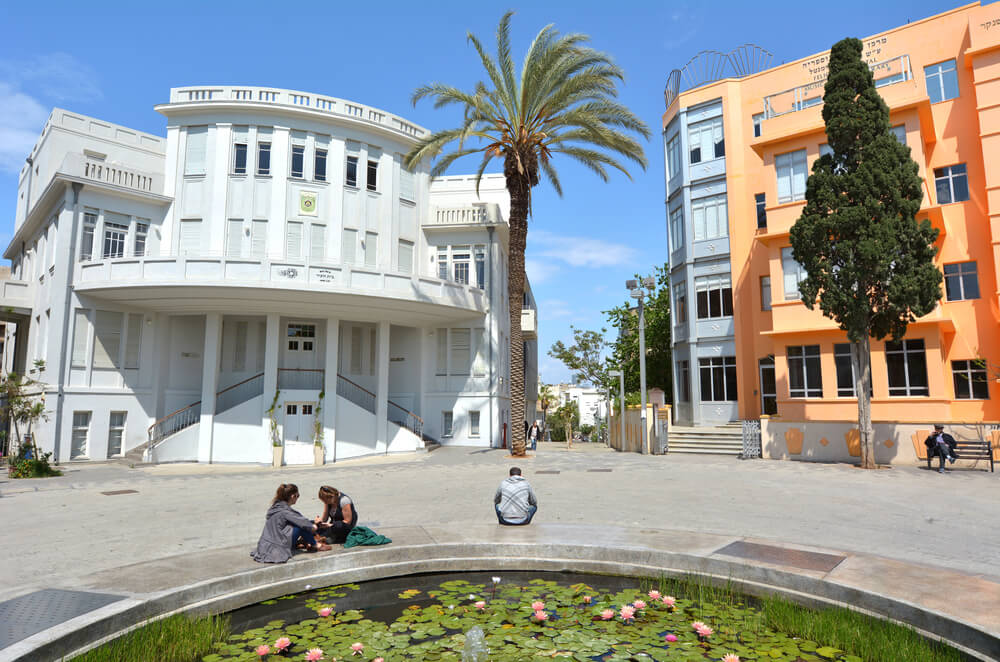
Tel Aviv has a well-deserved reputation for its laid-back vibe - full of independent cafes, trendy restaurants, white sandy beaches and dynamic nightlife. Since its founding in 1910, by Israeli standards it’s considered modern, vibrant and the beating financial heart of the country.Not surprisingly then, when tourists visit for the first time, they often assume that they need to head to Jerusalem or the Galilee for a real taste of the history of Israel - churches, synagogues, mosques, Herodian buildings, ancient cemeteries, and paths trodden by the Romans, Crusaders and Byzantines.And whilst that’s true, that doesn’t mean to say that Tel Aviv doesn’t have historical sites worth exploring. It does, and they shouldn't be missed. So when you’ve had your fill of the sun, the coffee shops and the amazing street food, check out some of the spots in the City that Never Sleeps, where its identity was forged.1. Old JaffaWhile Tel Aviv was founded in the early 20th century, its ‘older brother’ Jaffa (known as Yafo in Hebrew), has been an active port for over 3,000 years. Famous in the Bible as the port from which Jonah fled before his terrifying encounter with a whale, it’s one of the city’s top attractions and well worth a full day’s visit if you want to understand its history.Begin at the Jaffa Clock Tower, built in 1903 to honor the Ottoman Sultan Abdul Hamid II. Acting as the gateway to the Old City, walk towards the sea, wandering through tiny winding alleys (today holding the Artists Quarter) which make you feel you’ve stepped back in time.Up on the hill, explore St Peter’s Franciscan Church (once a beacon for travellers making pilgrimages to the Holy Land) then walk through Abraxa park (don’t miss the ‘Statue of Faith’) taking in commanding views of the Mediterranean. Down in the Jaffa Port, enjoy lunch at one of the excellent restaurants and pop into some of the galleries. And if you have time, don’t miss the vibrant Jaffa Flea Market (perfect for those who like to rummage and haggle).Pro tip: To truly appreciate the history and hidden stories of Old Jaffa, consider joining a guided Jaffa walking tour or a full Tel Aviv day tour, it’s an easy and enriching way to explore the area in depth.2. Neve TzedekBefore there was Tel Aviv, there was Neve Tzedek. Established in 1887, and named ‘Oasis of Justice’, it was the first Jewish neighborhood to be built outside the rather overcrowded walls of Jaffa. Today., it’s arguably the city’s most beautiful neighbourhood, filled with excellent restaurants, luxury boutiques, and the world-renowned Suzanne Dallal Centre for modern dance.But what is also fascinating is that Neve Tsedek was the cultural centre of the early Zionist movement - where Shai Agnon (the Nobel Laureate writer) and one of Israel’s greatest artists, Nahum Gutman, spent their time. Indeed, a trip to see his paintings and sculptures for yourself at the Gutman Art Museum is the perfect way to understand more about the early founders of the State of Israel.Today, Neve Tsedek’s beautiful-restored houses and charming backstreets make this spot a true oasis in a city that can often feel very busy!3. The White City (UNESCO World Heritage Site)In the 1930s, Jewish architects who fled Nazi Germany arrived in Tel Aviv, bringing with them the principles of the Bauhaus and International Style. Within a decade or so, they had transformed certain parts of the city.Defined by their functional style, with clean lines, curved balconies and dazzling white exteriors, today, Tel Aviv has the highest concentration of Bauhaus-style buildings in the world (over 4,000) and in 2003, UNESCO designated the ‘White City’ as a World Heritage site.But make no mistake about it, the White City is no museum; as you walk along Rothschild Boulevard, and the surrounding streets, you will see these architectural masterpieces being used as modern apartments, coffee shops, and boutique hotels. Actually, for any fan of design or history, the White City is astonishing - the physical manifestation of a dream, in which a modern city was constructed on nothing more than sand dunes.4. Independence Hall (Dizengoff House)Located at 16 Rothschild Boulevard, this modest building was originally the home of Tel Aviv’s first mayor, Meir Dizengoff. However, its future was given a place in history on a sunny spring afternoon in 1948, when David Ben Gurion (Israel’s first Prime Minister) stood in the main hall of the building and read out the Declaration of Independence, officially establishing the State of Israel.Fun fact: The ceremony took place here because the building was then the Tel Aviv Museum of Art, and its thick walls offered protection from potential air raids.In the last year, the building has recently undergone extensive restoration to preserve its original appearance. But visiting Independence Hall is a truly worthwhile experience since you can stand in the very room where the State was created, hear the original recording of Ben-Gurion’s voice, and see the modest chairs and art-covered walls as they were on that historic day. Truly, an inspiring look at the humble beginnings of the modern state.5. Bialik HouseSituated on the pretty, quiet Bialik Street, this was the home of Chaim Nahman Bialik, Israel’s national poet and the man responsible for the ‘renaissance’ of the Hebrew language. Bialik House is a wonderful example of "Hebrew-style" architecture, mixing Western influences and Middle Eastern motifs like domes and pointed arches. Look out for the ceramic tiles, designed by the artist Ze’ev Raban, which depict the legendary Twelve Tribes of Israel.This building was the intellectual hub of the 1920s, where great minds of the era gathered to discuss the future of Jewish culture. Today, it is well preserved, complete with Bialik’s extensive library! And outside, you have Bialik Square, a lovely spot in the city, featuring the old City Hall (Beit Ha'ir) and a mosaic by Nahum Gutman that tells the 3,000-year history of Jaffa and Tel Aviv.6. Ben Gurion's HouseOnce the home of Israel's first Prime Minister, Ben Gurion’s House was originally a modest one-room structure built in a workers' neighborhood. It later expanded over two floors and now preserves the original furniture and personal belongings of the man himself.Historically, it’s of great significance because it was here that the final version of Israel's Declaration of Independence was drafted here. Most of the second floor is devoted to his library - you’ll see around 20,000 books here (in endless languages) proving what an intellectual the man was.Don’t miss the ‘red phone’ which was the direct line to the Ministry of Defence (used by Ben Gurion in national emergencies such as the Suez Crisis).7. SaronaInterior Sarona MarketDating back to 1871, Sarona was founded by German Templars (a sect who believed that settling the Holy Land would hasten the second coming of Christ). During World War II, the British declared the Templars ‘enemy nationals" interning them and subsequently deporting them to Germany and Australia.The site was converted into a British military base, making it a prime target for Jewish Underground groups such as the Irgun and Palmach. For decades after, it was home to many government ministries before a huge project to renovate it began in 2003. Today, 33 historic buildings have been beautifully restored and it’s a popular spot to eat and drink, whilst taking in views of glass skyscrapers in the surrounding financial district.In a city often celebrated for its energy, innovation, and beachside lifestyle, Tel Aviv’s rich historical layers can sometimes be overlooked, but they are very much alive, woven into its streets, buildings, and neighborhoods. From the ancient alleys of Jaffa to the elegant architecture of the White City and the humble homes where history was made, each site tells a story of resilience, creativity, and vision. So next time you find yourself in Tel Aviv, take a step beyond the cafés and coastline, and explore the places where the past meets the present, because understanding the city’s history is the key to truly appreciating everything it has become today.
By Sarah Mann
0 views

Gearing up for Tel Aviv Pride 2025

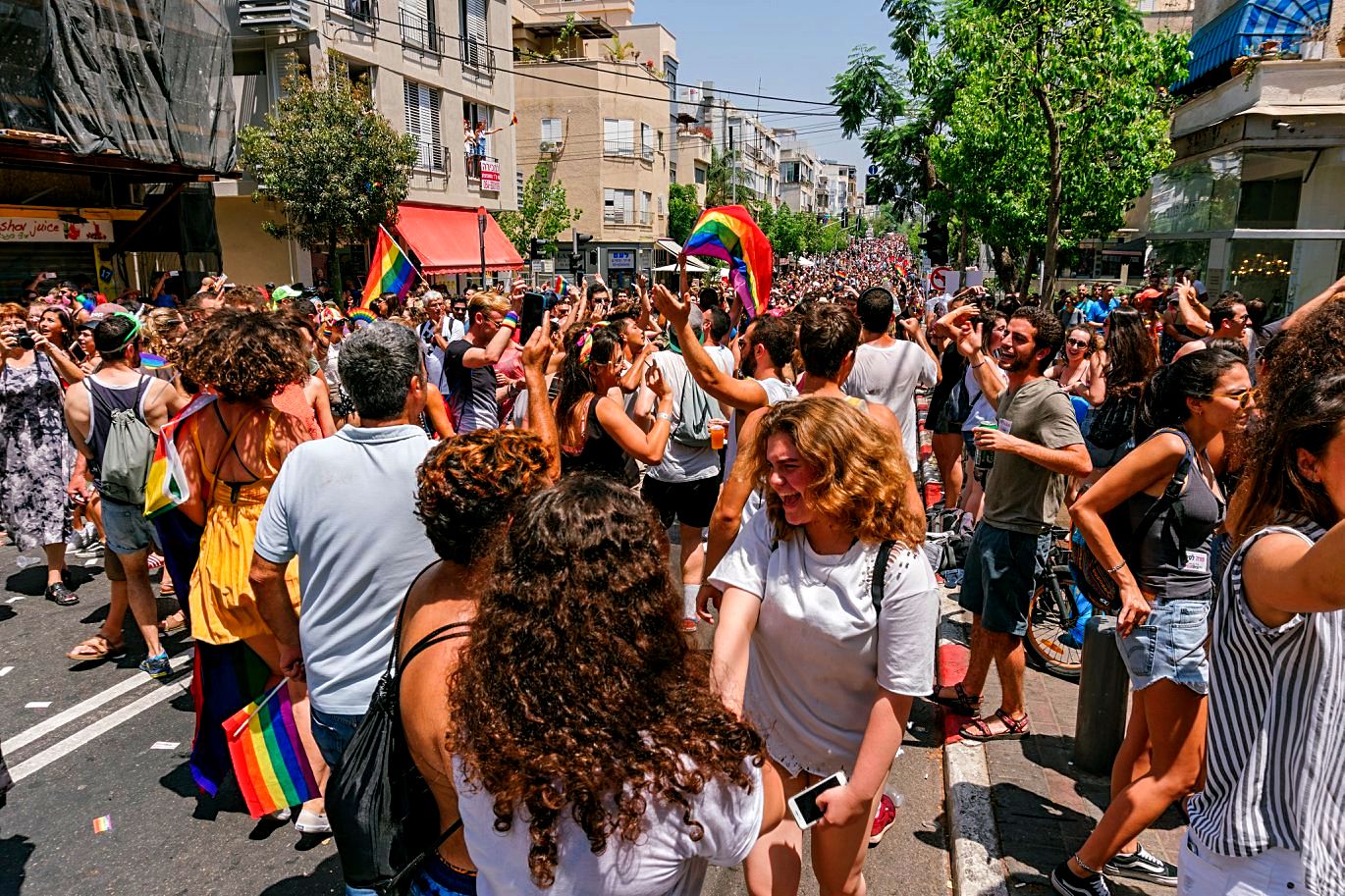
It’s June and summer is upon us in earnest. Moreover, after two long years of Corona, visitors are back in Israel in earnest and none more so than those who’ve turned up this week for the famous Gay Pride parade, culminating this Friday.Love is Love Gay Pride poster in Tel Aviv, Israel. Photo byYoav HornungonUnsplashTel Aviv Pride - Taking to the Streets to Celebrate!Since its humble beginnings, around 25 years ago (when, in 1997, fewer than a thousand people turned up for a ‘Love Parade’, Tel Aviv Pride is now one of the city’s biggest events in the year and one of the most popular Prides throughout the world. So much so that many tourists arrive here not just for the parade but for all kinds of gay-friendly events that take place in Israel before and after - it’s not just one day of celebration but several - this year on Monday 9th – Saturday 14th June 2025.Same-Sex Couple Rights in IsraelIsrael has a great record when it comes to supporting sexual equality - for sure it’s got the most progressive culture and legislation in the Middle East. It’s also fair to say that Tel Aviv is probably one of the most gay-friendly cities in the world - when you come and visit, don’t be surprised to see two men pushing a buggy - the LGBTQ community here can adopt kids and fertility treatment is widely-available (and not costly, indeed often free).As well as enjoying rights as parents, same-sex couples in Israel also have the same medical, pension and inheritance rights as heterosexual couples. And since 1993, discrimination in the military has been formally outlawed, which means you can be ‘out’ and serve in the army, navy and air force.Rainbow flag lighting over Tel Aviv city hall building for Tel Aviv Pride.Photo credit: © ShutterstockTel Aviv - the Ultimate Gay-Friendly CitySo there really is a lot to celebrate in Tel Aviv, which is a very liberal city. The mayor, Ron Huldai, emphasised this back in 2017 at the Parade, stating that the city “will continue to be a lighthouse city - spreading the values of freedom, tolerance and democracy to the world.”And if you come to Tel Aviv for Pride, not only will you be spoilt for choice in terms of Tel Aviv restaurants, bars and gay-friendly hotels, but you’ll also get a chance to see City Hall (in Rabin Square) lit up in rainbow colours to celebrate, not to mention Pride rainbow flags on every street corner. Where and When is Tel AvivPride2025?The Pride Parade this 2025 isn’t in its usual spot - in the past, it always began in Gan Meir (the home an LGBTQ community centre). This year, it begins at the Sportech Centre on Rokach Boulevard 22. It will wind its way all throughYarkon Park towards Joshua’s Garden. There are going to be more floats than ever this year too, which - if the participants have anything to do with it - are bound to be creative, colourful and festive! After the parade itself, an enormous afterparty is planned, which will probably involve dancing and music going on late into the night. “The Love Stage” party and concert has famed Australian DJ Iggy Azalea in charge of the music, as well as plenty of Israeli singers including Harel Skaat, Anna Zach and Shahar Saul.Gay Pride Tel Aviv, Israel.Photo credit: © Dmitry MishinSpending a Few Days in Tel Aviv?Still, coming to Israel for Pride isn’t just about the parade…there are endless things to do in the ‘Non-Stop City’ - from exploring Bauhaus architecture to rummaging in theJaffa Flea market, cycling Rothschild Boulevard or soaking up rays on one of the city’s beautiful beaches.Tel Aviv has all kinds of charming neighbourhoods to wander in too, including the vibrant Kerem HaTeimanim (the Yemenite Quarter) which sits next door to the Carmel Market, the city’s biggest and most lively market, selling everything you can imagine from fruits and vegetables to household goods, flowers and clothing. It’s also home to all kinds of street stalls selling world foods, the famed ‘Beer Bazaar’, hummus joints (hummus is a food locals just can’t get enough of) and coffee shops. On Friday afternoons, a few hours before Shabbat comes in, the ‘Shuk ha Carmel’ is bustling like you can’t imagine, and a great place to grab a drink and engage in some people-watching.LGBT Rights Poster.Photo bySharon McCutcheononUnsplashFrom Day to NightBy night, Tel Aviv is home to some incredible restaurants - the variety of foods is astonishing, from Israeli street food (think falafel, sabich and shawarma) to high-end Chef restaurants, where plates aren’t cheap but the experience you’ll have will wow you. Whether it’s sushi, tapas or contemporary Israeli cuisine (courtesy of famous chef Haim Cohen who runs the restaurant ‘Yaffo-Tel’) you’re bound to leave bowled over.And if you’re less of a foodie than a party animal, don’t fear because, with cocktails bars like Bell Boy, the Imperial Bar, Spicehaus and Concierge, you’re going to see a side of mixology you never knew existed. Finish it off with a trip to a club - The Block, Breakfast Bar or Sputnik - and that’s a night well spent! Day Trips outside Tel AvivFinally, although Tel Aviv is an incredible city, there’s so much more to Israel than just its largest city. The other good news is that Israel is a small country which has excellent and well-connected public transport links. Or you can book a private transfer from Tel Aviv to Jerusalem if you prefer comfort.Whether you want to take a train, hop on an Egged bus or rent a car in Israel, you can be in another part of the country in no time at all.Indeed, travelling from Tel Aviv to Jerusalem became even simpler in the last couple of years, thanks to the opening of a fast train which links the Non-Stop City with the Holy City in just 40 minutes.Folks preparing for sunset on Tel Aviv beach during Pride festivities 2018. Photo byGuy TsroronUnsplashNon-Stop to Holy GroundOnce in Jerusalem itself, you can hop on the light railway and be at the gates of the Old City in less than 15 minutes. Walking through the four quarters of this historic place is something that should not be missed. For Christians, the Church of the Holy Sepulchre is the spot at which Christ is assumed to have been crucified and then rose from the dead. For Jews, a trip to the Western Wall (the last remaining wall of Herod’s Second Temple) is incredibly moving. And for Muslims, the Dome of the Rock and Temple Mount are the place at which it is believed Mohammed flew over on his night journey to Mecca. There’s also plenty to do and see in the more modern part of Jerusalem - take a trip to Mahane Yehuda Market, the city’s lively market, visit the world-famous Israel Museum or take a tour of Yad Vashem, the country’s monument to Holocaust survivors. Jerusalem may not be ‘non-stop’ in the way Tel Aviv is, but it has an atmosphere few fail to experience and wonder at.We like you too, Tel Aviv-Yafo, Israel. Photo byYoav HornungonUnsplashDay Trips to the Dead Sea and MasadaOf course, if you’re travelling independently but don’t want the hassle of renting a car, would like to learn more with the service of a guide or are just looking for some company, then taking an organised day trip in Israel is a great way to see more of the country.The Dead Sea and Masada, which are high points of any tourist’s visit, are easily reached within a day (especially if you set off from Jerusalem) and combining floating in salty water at the earth’s lowest point, with exploring an ancient Herodian fortress, makes for a fine day out. (Our tip: if you want a first-hand account of the day trip to Masada and the Dead Sea we offer, take a look at our blog post written by Sarah Mann, talking about travelling with a group there).Trips to Northern Israel and Jordan from Tel AvivNorthern Israel is also very beautiful at this time of the year - whether you’re at the Sea of Galilee (full of historic churches), in Acre (an ancient Crusader city) or further afield, in the lofty Golan Heights - you’ll be amazed at how beautiful and tranquil this part of the country is.And finally, for the more intrepid adventurer, we also run trips to Jordan - for 3 days or more - giving you the chance to explore the ancient Nabatean city of Petra, carved out of rocks that turn colour throughout the day. Jordan and Israel have friendly relations and it’s an easy journey from Eilat to Petra(not available at the moment), in an air-conditioned bus, with a guide who’ll deal with all the Jordan visa formalities at the Jordan-Israel border crossing.So whether you’re staying in Tel Aviv for Pride or want to see a bit more of our country than the non-stop city, enjoy yourself. And if you need any more information on any of the trips and tours we offer, don’t hesitate to contact us.Now go and celebrate!Rush hour in Tel Aviv is a sight to behold.Photo byShai PalonUnsplash
By Sarah Mann
0 views

Nachmani Street, Tel Aviv

Nachmani Street is in the heart of Tel Aviv (Lev Ha’Ir) and runs across several of the city’s iconic boulevards. It is not home to any specific attractions but there is a good chance you’ll find yourself walking along Nachmani as you explore Tel Aviv. And if you do you’ll be treated to some excellent examples of classic Bauhaus style and eclectic style architecture. The area has been gentrified and many of the buildings have been restored bringing them back to their former glory, as they were in the 1920s-1940s.The street was one of the first built after the Neve Tzedek neighborhood in the 1920s and was named after Rabbi Moshe ben Nahman (Nachmanides or Ramban)), a 13th-century Torah commentator.Pagoda House at #20 Nachmani StreetPro Tip: The street could have been called Ramban, which is a more commonly used name for the Rabbi, but Tel Aviv already had a Rambam Street named after Rabbi Moshe ben Maimon, and they thought it would be confusing. So they came up with Nachmani, one of several terms of endearment for the widely respected scholar.Plan Your VisitLocation - Nachmani Street, Tel AvivOpen Times - 24/7Prices - Free.Average Visit Duration - 30-60 minutesTours - You’ll probably only discover the hidden gems of Nachmani Street if you take a private tour of Tel Aviv From Yavne Street to Menachem Begin RoadKing Albert Square, Tel Aviv- In 1933 King Albert of Belgium visited the Holy Land and spent time in Tel Aviv at the invitation of the city’s first mayor, Meir Dizengoff. Albert died a year later in a mountaineering accident, and Dizengoff honored him by naming one of Tel Aviv’s city squares after the late monarch. The square is actually a circle road at the intersection of Nachmani, Montefiore, Bezalel Yaffe, and Melchett Streets. The buildings surrounding King Albert Square are designed in the International and Bauhaus styles.Pro Tip: Spot one of Tel Aviv’s earliest water towers.Pagoda House at #20 Nachmani Street - On the corner of the street is Pagoda House constructed in 1924 in an eclectic style with architectural features from several traditions. Its columns and arches give it a distinctly Oriental look. The building was home to American David Morris Bloch and his family as well as several tenants. The architect of the building, Alexander Levy died in Auschwitz in 1942. Pro Tip:Take a short walk down one side of Pagoda House to #46 Montefiore Street, a magnificent Art Deco structure.The Norman Hotel, 23-25 Nachmani Street - Housed in a restored historic building, this is one of Tel Aviv’s top luxury boutique hotels. Pro Tip: Just past the hotel at #26, is a picturesque sidewalk cafe.#23 Nachmani Street - Another outstanding structure built in the 1930s and featuring unusual windows, shutters, and balconies.#28 Nachmani Street - Just before crossing Rothschild Blvd. check out this example of Bauhaus design with its narrow vertical windows.Rothschild Boulevard - This boulevard is a must-see attraction in Tel Aviv and is well worth exploring with a private guide.#34 Nachmani Street - Pause here to see another typical feature of Bauhaus architecture, the portholes that help to keep the structure cool.#43 Nachmani Street - The Red House or Lodz House, is a red brick building best seen from Goldberg Street. It was constructed in 1924 by Akiva Arie Weiss, and once housed the iconic Lodzia underwear factory.#48 Nachmani Street - On the corner of Bezalel Yaffe Street is an attractive building with a snowflake design on the exterior.
By Petal Meshraki
0 views

Sheinkin Street, Tel Aviv

Plan Your VisitLocation: Sheinkin Street, Tel AvivOpen Times: 24/7Prices: FreeAverage Visit Duration: 1-2 hours.Popular Times: Sheinkin Street is at its liveliest on Fridays but you might prefer to visit on a Thursday when there will be vacant tables at the cafes and fewer crowds on the street.Notes for Visitors: During Pride Week, Sheinkin hosts street partings, live entertainment, and accommodation for visitors. Pro Tip: Sheinkin is home to some of the most popular gay bars in Tel Aviv.Tours: Combine a walking tour of Tel Aviv with a visit to Sheinkin, or opt for a graffiti tour of the city to see some of Sheinkin’s hidden gems.Local juice store at Sheinkin StreetIf you ask anyone in Tel Aviv what’s the trendiest, most bohemian street in the city, they’ll tell you Sheinkin. Sheinkin has been the go-to hipster hangout, and street for alternative urban culture, cool cafes, galleries, and unique one-off specialty stores for years. Sheinkin Street is conveniently located in the heart of Tel Aviv, starting at Magen David Square where it meets Allenby Street, Nachalat Binyamin Street, and the colorful Carmel Market. The street crosses iconic Rothschild Blvd. and extends to Yehuda HaLevy Street, where it becomes Lincoln Street.Pro Tip: Use this handy guide to shopping in Tel Aviv to find the best places to shop on Sheinkin, and maybe take a food tour in nearby Carmel Market.What Can You See and Do on Sheinkin Street?The main attraction of Sheinkin is simply wandering along the street and exploring the concept stores, boutiques, street art, and cafes. Take your time looking at the trendy clothing and accessory stores like Heavens, or the secondhand stores. Some of the clothing stores in Sheinkin are boutique designer stores. You can find the unique designer jewelry store of Michal Negrin on Sheinkin as well as jewelry by Maya Geller.Take a walk on the wild side at Miss Sunshine TLV, an alternative clothing store, or get a tattoo at TLV Ink. Stop at the bookstore, or pick up some vintage clothing. Find the perfect handbag at Starjelly, or get a unique outfit for your child at Taflaya. One of the longest-running boutique stores on Sheinkin is Belle &Sue, selling high-end casual wear. Halfway down the street is a small park with a pleasant cafe, and playground.Pro Tip: At the northern end of Sheinkin, near Magen David Square there are a lot of interesting shoe stores.A busy cafe on Shenkin StreetAfter exploring the stores along Sheinkin you’ll need to sit down for a cup of coffee at one of the sidewalk cafes. Try the Coffee Club for an all-day breakfast, Frenchy for a healthy sandwich, or Salene Freitag bagel shop. Indulge yourself at Alon Shabo pastries and wash down those delicious sweet treats with freshly squeezed juice from Beautiful and Juices. The stores and restaurants on Sheinkin come and go so some of those listed here may have been replaced by the time you visit.Pro Tip: The best way to explore Sheinkin is to start at Magen David Square and walk along the street to Rothschild Boulevard.History of Sheinkin StreetIn the early days of Tel Aviv in 1913, the area around present-day Sheinkin was buzzing with small industries, craftsmen’s workshops, and artisans' studios. That original free-spirited artsy ambiance persisted even after the workshops and industries had gone.In the 1980s Sheinkin was the place to see and be seen by the who's-who of Tel Aviv’s celebrity scene. It gained a reputation for its liberal character and live-and-let-live vibe. The street was even immortalized in a Hebrew pop song, Living in Sheinkin, and was the setting for the TV series Florentin, and the film The Bubble. It has remained a bohemian hangout although it has calmed down considerably and is more conservative since the 80s. Today Sheinkin is synonymous with anything artsy, funky, or flamboyant.Who Was Sheinkin?Menahem Sheinkin (or Shenkin) was one of the original Zionist leaders who helped establish Tel Aviv. He was responsible for setting up the Sheinkin neighborhood in 1913 to provide workshops and studios for tradesmen and cottage industries.
By Petal Meshraki
0 views

What to Do On a Saturday in Tel Aviv?

Saturday in Israel is unlike anywhere else. Why? Because it’s the sabbath - the Jewish Shabbat. This is the country’s official ‘day of rest’ and it’s taken very seriously, both by Orthodox Jews and those who are entirely secular.Much of the country ‘shuts down’ to give people time to rest, meet friends and family, attend services at synagogues, or simply spend some quality time with themselves.However, Tel Aviv - Israel’s liveliest city - isn’t quite like everywhere else so if you do find yourself there on Saturday, you won’t have to twiddle your thumbs, because even though no street tours are running in Tel Aviv on Shabbat, there’s still plenty going on in this ‘24/7’ metropolis.The most special day of the week, when the family gets togetherWhen Does Shabbat Begin and End in Tel Aviv?In Tel Aviv, Shabbat begins at sundown every Friday night and ends around 25 hours later so, of course, this holy day will differ according to the time of the year. In the winter, Shabbat can begin as early as 4.30 pm in December and in the summer as late as 7.30 pm in June.However, things will start to shut down a couple of hours earlier - the big supermarkets will be closed usually by 2 pm, as well as many of the stands at the famous Carmel Market (don’t despair, foodies, you can tour this incredible place from Sunday to Thursday and experience its endless culinary delights).Shabbat will end the following day (Saturday evening - called ‘motzi Shabbat’ in Hebrew) when dusk turns to night (according to the Jewish sages say you know Shabbat is over when you can see three stars in the sky).Celebrating Shabbat in Tel AvivFor observant and traditional Jews, Friday night dinner is a ‘sacred’ time of the week - a chance to catch up with family, break bread with friends or simply wind down after a hard week. Friday night services at synagogues throughout the city last for about an hour, after which people return home, make blessings over wine and bread (candles will already have been lit by the women of the house, about 30 minutes before Shabbat arrives) and sit down at the table for a leisurely dinner.In contrast, young secular Jews in Tel Aviv will often eat with their families then head out to bars and nightclubs which are open into the wee hours - Tel Aviv’s not known as the Non-Stop City for nothing!On Saturday morning, religious Jews will often attend services (that begin as early as 9 am), then head home for a Shabbat lunch. Secular Israelis will often be sleeping late and then heading out to places like Dizengoff Street (where cafes and restaurants are usually packed) for brunch. And, of course, in good weather, Tel Aviv’s beaches will be packed out with locals sunning themselves, swimming in the Mediterranean and strolling along the city’s famous Tayellet (promenade).The beach promenade in Tel Aviv is a favorite spot for the secular publicFor those who observe, Shabbat ends with the ritual of ’Havdalah’ using wine/grape juice, spices and the lighting of a braided candle. Everyone wishes each other ‘shavua tov’ (a good week to come) and ‘regular life’ in Israel resumes.If you want to celebrate Shabbat with locals, there are organizations you can reach out to, who’ll put you in touch with families - and it’s not just a chance to learn more about Jewish traditions but you’ll probably eat a fine meal too! As for a gift for your host, flowers are always welcome but if you bring chocolates/wine/cake, make sure it has a kosher label.Do Buses Run on Shabbat in Tel Aviv?The regular buses that you’ll see in Tel Aviv all week won’t be running and nor will trains. But the good news is you don’t have to rely on taxis (or your feet) to get around because a few years ago the municipality set up a ‘Shabbat bus service’.There are six lines (yellow, blue, pink, green, red, purple) that run every 20-30 minutes throughout Shabbat and - best of all - they are free.Check out times on Moovit or Google Maps - the bus stops with Shabbat buses running are marked accordingly with the specific line color!Use the Saturday bus servicesThings to Do in Tel Aviv on SaturdayThere’s a great deal to do in Tel Aviv on Saturday, depending on what kind of activities you like. Endless cafes and restaurants are open where you can wile away the hours- in fact breakfast in Tel Aviv is taken very seriously. (Just bear in mind that you might have to queue for a while, because some places are so popular they don’t even accept bookings for Shabbat).For culture vultures, Tel Aviv’s best museums and galleries are also open on Shabbat - check out exhibitions at the Tel Aviv Museum of Fine Art, head to ANU and learn about the history of the Jewish people, or even book a guided tour with the famous psychic Uri Geller at his very own museum in Jaffa!For those who love sun, sea and sand, the beaches in Tel Aviv are fabulous - they all have their own flavor - from the serene Hilton Beach (Tel Aviv’s non-official hangout for the LGBTQ community), to Frishman and Gordon beaches (where you can watch performances of Israeli dancing on Saturday mornings). Further south there’s Banana Beach, which is a huge hangout for those who like music (especially drumming) and Brazilian martial arts and Jaffa Beach which (like the Hilton) is excellent for surfing in the winter months.Finally, for those who like to walk, head for beautiful Rothschild Boulevard where there are Bauhaus buildings aplenty, or Park Hayarkon, the green lung of Tel Aviv, where you can bike, rent a paddle boat or even take a ride up in a hot air balloon and see the city from above.Park Hayarkon -The largest and most famous park in Tel AvivShopping in Tel Aviv on SaturdayAs we’ve mentioned before, all the big shopping malls and boutiques/independent stores on Dizengoff Street are closed on Saturdays but if you do want to go shopping in Tel Aviv on Shabbat, don’t fear - you do have a few options!First of all, there’s the Namal port, near Hyarakon Park, where big stores are selling popular Israeli brands (clothes by Castro and Comme Il Faut for adults and upmarket Shilav for children), as well as sports shops if you need gear for hitting the beach.Sarona Market is open seven days a week -once home to a community of German Templars, its lovely renovated buildings now house small stores, and there’s a gourmet market as well, where you can pick up specialty cheeses, wines, chocolates and eat an excellent lunch,South of the city, head to Neve Tzedek, where lots of small shops selling jewelry, high-end clothing and artwork are open on the main Shabazi Street - afterward, grab a bite at Dallal Bakery, Meshek Barzilay (fantastic vegan food) or gelato at Anita, and take a stroll around the Suzanne Dellal Performing Arts Centre.Finally, don’t forget Jaffa - the famousFlea Market (Shuk haPishpeshim) might be shut on Shabbat, but some of the art galleries and small stores selling clothing, home accessories, and designer furniture are open. Old Jaffa is also full of bars, cafes and restaurants, not just around the market but over in the harbor and when the weather is good (which is for much of the year) the area is packed full of locals, walking, fishing, drinking coffee and enjoying the fantastic views.The Jaffa Flea Market offers a unique blend of authentic shopping and diverse cuisineTel Aviv on a Saturday offers a unique blend of tradition and modernity, with activities to suit all tastes. Whether you're soaking up the sun on its beautiful beaches, indulging in brunch at a bustling café, exploring world-class museums, or simply wandering through its vibrant streets, there’s always something to do. While Shabbat slows down many parts of Israel, Tel Aviv pulses with energy, making it an ideal destination for anyone looking to experience the city’s dynamic culture on the Jewish day of rest.
By Sarah Mann
0 views

Top Tel Aviv Photo Spots: 9 of the Best Instagrammable Places

Vibrant, colorful, youthful and dynamic, few people who make it to Tel Aviv don’t fall in love with the city. Whether you’re dying for some beach time, a foodie who can’t wait to taste some new flavors, an architecture lover who’s curious about the city’s Bauhaus history, or someone who simply loves wandering the streets and capturing the people on them, Tel Aviv offers endless photographic opportunities.Even better, Tel Aviv’s a relatively small city by world standards, and perfect for walking (unlike hilly Jerusalem, it’s flat!).From Levantine food markets and quirky independent cafes to renovated buildings and dreamy beach sunsets, Instagram lovers will be in their element, with perfect captures on every street corner.View of Kedumim Square and St. Peter's church in old JaffaSo if you’re traveling to Israel for the first time, you’re a big fan of the ‘Gram and can’t wait to find some of the best photo locations in Tel Aviv, to make your feed even more exciting and colorful, here are ten spots you really can’t afford to miss:1. Old Jaffa - The Flea Market, the Artist’s Quarter and the HarbourTop of our list - without a doubt - has to be Old Jaffa. Ancient, magical, charming and achingly beautiful, down every small side street and tiny alley you’ll find a new photo opportunity. Jaffa’s history stretches back to Biblical times and as you wander around, you’ll see many old Arabic-style houses, built in the Ottoman era, with stone walls, ornamental windows and carved wood latticework.Rummage at the famous Jaffa flea market (the Shuk ha Pishpeshim) and snap vendors selling their wares, head onto the Artist’s Quarter (and pop into some of the many studios), stroll through Abrasha Park (don’t forget to photograph St. Peter’s Church and the ‘Gates of Faith’ statue) then head down to the port, where you’ll see fishermen patiently sitting with their rods.Jaffa’s so special that the best way to see it really is with someone who knows its history - so why not consider taking a ‘Perfect Tel Aviv Walking Tour’ which is an excellent introduction to the areaA view of Jaffa Old City Port2. Carmel Market - Food Stalls GaloreThe Carmel Market is Tel Aviv’s largest and liveliest market and, in the heart of the city, is a must-see for any visitor to Tel Aviv, not to mention Instagram lovers, because of its endless photographic opportunities, in the shape of hundreds of different stalls, selling everything from fruit and vegetables to local cheeses and breads, and from oriental spices, olives, halva and typical Israeli street food.The market itself is nestled in the Yemenite Quarter (‘Kerem ha Teimanim’) which is a joy to stroll in and take pictures of as well - it’s full of tiny streets, small houses and quirky cafes, bakeries and local eateries, as well as a short walk from Jerusalem Beach. And for anyone who loves food, don’t think twice and book a Carmel Market Food Tour, where you’ll learn all about the history and culture of this terrific spot.Shuk HaCarmel, the most popular market in Tel Aviv3. Frishman Beach - Late AfternoonIt’s truly difficult to pick Tel Aviv’s most Instagrammable beach, because there are so many of them - from surfers at the Hilton Beach to Israeli folk dancers at Gordon Beach and Friday afternoon ‘Shabbat drummers’ at Banana Beach, there’s no shortage of perfect photo opportunities - from sunrise to sunset.But of all the beaches in Tel Aviv, there’s one we love - Frishman. With its powdery white sand, clear turquoise waters, and lovely promenade on which you can stroll, cycle, or Segway, it’s probably the most popular beach in Tel Aviv, and with good reason. The beach cafes there are a fantastic place to order a coffee or lemonade and stare at the Mediterranean before golden hour sets in and you can grab the perfect capture.People enjoy a sunny day on Tel Aviv’s Frishman beach4. Neve Tzedek- Charming BackstreetsNeve Tzedek is, arguably, one of Israel’s loveliest areas and has an illustrious history - it was the first Jewish neighborhood to be constructed outside of Jaffa (in 1883) and in Hebrew, it means ‘The Place of Justice.’ Packed with tiny, winding streets, beautifully restored houses and plenty of upmarket boutiques, cafes and top restaurants, it’s a popular area for tourists to visit.Nevertheless, if you wander its backstreets, you’ll soon realize that its reputation for being ‘a village within a city’ is well-deserved and if you step off the main drag - Shabazi Street - and hit the sidestreets, you may well hear the birds singing! With a rich history and culture, Neve Tzedek is a lovely place to stroll aimlessly and opportunities to find your perfect Instagram capture will not evade you!The streets of Neve Tzedek5. Nachalat Binyamin- Eclectic Street ArtNext door to the Carmel Market lies the buzzy pedestrianized street of Nachalat Binyamin, which is home to a twice-weekly arts and crafts market (where everything is made by locals), beautiful old buildings that have been wonderfully renovated, and plenty of cafes and shops. But the area is home to something else too - some very cool street art!Many of the streets are chock-a-block with murals, colored art and street graffiti, from up-and-coming works by Dede Bandaid to established artists like Rami Meiri (look out for the mural that features two friends standing on a balcony together one playing the violin, the other the accordion). Nor should Instagrammers miss some of the stand-out pieces such as ‘Bubble Girl’. ‘Theodor Herzl Dreaming’ and ‘In Complete.’Real street art aficionados might want to take a Tel Aviv street art tour, to understand the history and politics behind a lot of these pieces.Nachalat Binyamin Street market6. Rothschild Boulevard - Bauhaus GlamourRothschild Boulevard is one of Tel Aviv’s most glamorous walkways, tree-lined, tranquil, full of cyclists, locals, top Tel Aviv restaurants and European-inspired architecture in the form of Bauhaus buildings. This ‘international style’ which came out of 1920’s Germany means Tel Aviv is the Bauhaus capital of the world and thus known as ‘The White City’.A typical Bauhaus building (which always places form above function) will have classic modernist elements - think curved balconies and ribbon windows (Corbusier style) to white exteriors and outdoor communal spaces. This part of Tel Aviv is older than others, a more historic area, and wandering Rothschild and the surrounding streets provides endless Instagram moments.Meir Dizengoff statue, at the Rothschild Boulevard7. Dizengoff Square - the Iconic Dizengoff FountainDizengoff Street is Tel Aviv’s most famous walkway and in its heart sits a square that is home to the iconic Dizengoff Fountain. Designed by the Israeli architect Yaakov Agam, the municipality has put a lot of time and money into renovating the square and setting up shady areas, where you can pull up a free chair and start snapping.Not only is it the perfect place to find ‘cityscape’ opportunities for Instagram, but there are some beautifully restored Bauhaus buildings on the square, notably the striking Cinema Hotel. Once a cinema (there are artifacts from the 1950s, including a projector, which you can see in its lobby), it now offers ‘boutique’ accommodation and its curved white balconies will make your followers swoon. Head up to the rooftop if you want fabulous urban views.Aerial view on Dizengoff Square, Tel Aviv8. Bialik Square - City HallBeyond Dizengoff, you’ll find some beautiful squares in Tel Aviv and one of them that’s perfect for photographing is Bialik. It’s a lovely old street in Tel Aviv, where many of the European Jews who arrived in the early 20th century set up home, and in recent years the area has transformed, with lovely renovated residential buildings and the beautiful Bialik Square at the bottom.Home to the city’s first town hall, today this beautiful building is a museum (after you’ve finished photographing, feel free to pop inside and enjoy the free exhibition, then grab a cup of coffee in their garden cafe). Bialik Street is also where you’ll find the Nachman Bialik House (a pioneer of modern Israeli poetry) and the Rubin Museum (a Romanian-corn artist who drew landscapes of the Holy Land, today referred to as the ‘Eretz Israel’ style). They both afford great Instagram captures.Exterior view of the Beit Ha'Ir museum, the old city hall building of Tel Aviv, located on Bialik Street9. The Namal Port - Mediterranean VistasIf you’re looking for some classic Tel Aviv waterfront photos, then head north to the Namal (the Hebrew word for ‘port’). In the last two decades, it’s undergone enormous renovation and now is an incredibly popular spot for locals and tourists alike, boasting all kinds of restaurants, nightclubs, shops, and cafes that can keep you busy for hours.With a chilled vibe and distinctive wooden deck that acts as a promenade, a gourmet indoor market (and local farmer’s market every Friday morning), at the weekend it’s particularly buzzy (it’s ideal for young families since there’s a ‘Skyjump’ for older kids and carousel for the infants, it’s the perfect place to find that special Tel Aviv Instagram spot.View of the Tel Aviv PortFinally, if you’re traveling to Israel and want to make the most of your time in the country, we offer a wide range of day trips, which can take you from Jerusalem and the Dead Sea/Masada fortress to the Crusader city of Akko, the pastoral hills of the Galilee and the lush and dramatic Golan Heights.
By Sarah Mann
0 views

7 Best Gay Bars in Tel Aviv

How many reasons do you need to visit Tel Aviv? Well, there’s the gorgeous beaches, the incredible food, the amazing nightclubs and the lovely locals. Oh - and there’s the gay scene. This is a city that boasts a long and proud history of supporting the LGBTQ community - the annual Tel Aviv Pride Parade each June began as far back as 1993 and today, of course, it’s one of the most celebrated events in the annual calendar with as many as 250,000 people rocking up to party.It’s hard not to notice how gay-friendly the city is when you visit Tel Aviv - rainbow flags in windows, sunbathers at the Hilton Beach and a flourishing ‘scene’ which is full of bars, clubs and gay-friendly venues. The whole atmosphere boasts inclusivity and diversity and, with its reputation as the City That Never Sleeps if you’re looking for a night out, you won’t be disappointed.So where should you start? Here’s our lowdown on the best gay watering holes and hangouts to grab a drink, meet new friends or dance until the sun comes up. Enjoy yourself.1. ShpagatShpagat, which means ‘splits’ in Hebrew (think gymnastics) is probably Tel Aviv’s most iconic gay bar in Tel Aviv, that always cuts the mustard both with the locals and the tourists.Located on lovely Nahalat Binyamin (a charming street in an area known for its beautifully renovated buildings, thriving arts and craft market and compelling street art), it’s probably the best place to kick off your evening.It has a great dance floor, with DJs who play a wide mix of music, and an outdoor patio area, which is fantastic for warm spring and summer evenings. Sphgat also hosts ‘Womens nights’ on Wednesdays and has occasional themed parties. Finally, they serve yummy breakfast plates too, which means you can shake off your hangover at the place you acquired it!Location: Shpagat, 43 Nahalat Binyamin Street, Tel Aviv-Yafo2. Lima LimaDown on Lilienblum Street, a moment from elegant Rothschild Boulevard and a short walk to the lovely Neve Tzedek neighbourhood, you’ll find Lima Lima, which in many ways epitomises the Tel Aviv nightlife scene. Mondays are gay-friendly, and the parties here are legendary for a reason.Lima Lima has two areas - one open (where you can smoke) and the other leading to the dance floor which means you can dance the night away or just sit around with friends, chilling. The music is eclectic - hip-hop, techno, international - and with DJ’s that spin madly and an exotic crowd, this spot is highly recommended.Location:Lima Lima, 42 Lilienblum Street, Tel Aviv-Yafo3. M.A.S.H. CentralMuch like the famous tv show, there’s always something going on at M.A.S.H. Central, which could loosely be described as a bit of a dive bar with bartenders who are, by any standards, real characters. It has a reputation for entertaining Monday-night drag shows, hilarious comedy sets (many in English) and karaoke nights which are a total blast.Cocktails are well-mixed, bar food is tasty and during the week it’s rarely crowded, so you can actually chat with people. Cosy and welcoming, M.A.S.H. is the place to go if you’re travelling solo and looking for casual conversation and friendly vibes.Location:M.A.S.H. Central, 38 Allenby Street, Tel Aviv-Yafo4. LaylaDefinitely the place to head if you want to have fun, Layla - in South Tel Aviv - offers visitors a mixed crowd, plenty of themed evenings, killer cocktails and a night kitchen for when you’ve worked up an appetite. In fact, you could perhaps describe it as a gastropub that turns into a nightclub!With a pulsating dance floor, there are regular live DJ sets, wild dance parties (don’t miss their legendary ‘Disco Inferno’ on Mondays) this is the place to party late into the night. And their themed dance parties - well, let's say you haven’t lived until you’ve been to one.Location:Layla, 31 Yavne Street, Tel Aviv-Yafo5. Phi GardenYou’ll find Phi Garden down in the old historic part of Tel Aviv, on a street that has a reputation for its incredible Bauhaus architecture and beautifully renovated buildings. But step inside, and you’re in another world - there’s a hanging garden, a buzzy bar, small booths (great for intimate conversations) and ‘healthy’ alcoholic drinks (fresh fruit and alcohol in the form of a ginger-kale-arak cocktail - how can you go wrong?)They’ve also got comfy benches and a very minimalist decor which will attract Zen lovers. Even better, Phi Garden isn’t just a lounge bar by night but a space in the day where you can grab coffee with friends. With its European feel, and a hipster crowd dancing into the wee hours, this is a spot that has to be on your list.Location:Phi Garden, 54 Ahad Ha’am, Tel Aviv-Yafo6. Haoman 17Originally established in Jerusalem in 1995 at the eponymous street, Haoman 17 moved to Tel Aviv in 2005 where it established itself as one of the leading nightclubs in the city. Its reputation as a ‘live fast, party hard’ venue precedes itself, often described as a ‘temple’ for electronic music and with its gay-friendly vibes, is ideal if you want to enjoy yourself until the sun rises.Haoman 17 boasts an outside garden, a large space, an incredible sound system and - spread out over four complexes, and boasting two dance floors - trust us when we say this is the place to party. Gay and lesbian-friendly events are always a blast and look out for world-famous DJ Tiesto. With a mixed crowd, interesting lighting effects and their iconic chandelier, prepare to be dazzled. Literally.Location: Haoman 17, 88 Abarbanel Street, Tel Aviv-Yafo7. LGBTQ Centre in Gan MeirTel Aviv Municipal LGBT Community CenterFinally, whilst it’s not a bar (and certainly not a place to club), the LGBT Centre in Gan Meir, in downtown Tel Aviv, is a great spot to head if you want a quiet place to chat and chill. Set inside a veritable green oasis (perfect for dog lovers, young families and cyclists) the centre’s an ideal place to head to learn more about the lesbian and gay community in Tel Aviv.Established in 2008, it has a spacious cafe, a theatre hall, studios, a clinic and a gorgeous balcony. As well as being a space you can just come and hang, it hosts all kinds of live events including book launches, interactive performances and dance shows. This is the ultimate LGBTQ community hub in the city and with everyone welcome, it’s an excellent place to check out, especially if you’re in the neighbourhood or exploring the nearby Carmel Market.Location:LGBTQ Centre, Simtat Gan Meir, Tel Aviv-YafoTel Aviv is a city that effortlessly blends vibrant nightlife, stunning beaches, and a deep commitment to inclusivity, making it a must-visit destination for travelers, especially those in the LGBTQ community. Whether you're here to experience the electric atmosphere of the clubs, relax at a gay-friendly beach, or immerse yourself in the city's rich culture, Tel Aviv offers something for everyone. With its welcoming locals, diverse venues, and a proud history of LGBTQ support, your time in Tel Aviv will undoubtedly be unforgettable. So, grab your dancing shoes, hit the town, and get ready to experience one of the most dynamic cities in the world.
By Sarah Mann
0 views

The Best Spas in Tel Aviv

If you’re visiting Israel and spending time in Tel Aviv, you’re not going to be short of things to do. From fabulous sandy white beaches with clear blue water to an amazing food scene (from classic Israeli street food to top restaurants in Tel Aviv) and from museums and art galleries to a dynamic night scene, you could spend days here and not get bored.But what about if you’re in the mood for some pampering? After all, there’s nothing like a day of relaxation every so often to put the roses back into your cheeks and leave you feeling completely revitalized. And the spas in Tel Aviv are a great way to do this.Bath in modern beauty salon, luxury bathroom interior in spa with vertical gardenWhether you want to head to one of the big hotels or something a bit more boutique, the Non-Stop City has plenty of spas, offering treatments designed to rid you of your worries - at least for a few hours!So where should you head if you’re looking for a mud mask, a seaweed wrap or a deep Swedish massage? Here are some of what we think are the best spas in Tel Aviv, all focusing on one important person - you!1. L’Raphael Beauty Spa at The Jaffa HotelIn the heart of the beautiful Old Jaffa (home to an ancient port, a thriving Artists’ Quarter and a must-visit flea market) lies The Jaffa Hotel. Boasting excellent service, a distinct style and modern luxury, their spa - L’Raphael - doesn’t disappoint, especially if you're looking for unique treatments.Raphael places its emphasis on Swiss and French practices, so as well as full body massages and fabulous facials, they offer unique anti-aging ‘Oxy Peel’ treatments, helping combat pigmentation, acne and wrinkles. This treatment uses ultrasound technology and electrical stimulation to effectively “lift” and firm facial skin, smooth away lines and wrinkles and leave skin velvety-soft. Try the ‘Ultra Lift Face and Neck’ or the ‘Beauty Diamond’ which are designed to strengthen your facial muscles and give you a radiant glow!2. Okoa Spa at the Kempinski HotelSituated between two of Tel Aviv’s best beaches (Bograshov and Jerusalem) you’ll find the luxury Kempinski Hotel and its OKOA Spa. Guests are offered an ’exclusive, transformative experience’ in a ‘magical paradise’. And they do push the boat out too - aside from the contemporary design and delicious buffet treats, every detail is attended to…from your glow to your spiritual wellness!As well as the sauna, steam room and relaxation try their ‘Seven Chakras’ massage, which combines traditional Chinese medicine with advanced Western philosophy-includes a foot, back and scalp massage and chakra crystal therapy. And if you feel like staying on, no problem offer a ‘Fun Day’ option where you’ll also receive access to the pool and breakfast at Sereia restaurant.3. Norman Spa at the Norman HotelIt’s hard to put into words just how special the Norman Hotel is - this uber-luxurious boutique hotel in the heart of historic Tel Aviv (close to Rothschild Boulevard) sits in two period buildings (separated by a citrus garden) and boasts a rooftop pool, a ‘Library Bar’ and fine-dining options. But what about the spa?Well, as you’d expect, it’s divine (and they don’t allow cell phones, which means you’ll really get a break from daily life!) The Norman spa offers both personalized treatments and a range of soothing massages (for which you can request essential oils) as well as acupuncture! They also offer spa packages - massages followed by drinks at the Library Bar/breakfast in their Alena restaurant, oruvan personal training sessions!As the Norman themselves remark, this is more than a spa experience - it is an ‘envelope of tranquility, relaxation, professionalism and discretion.’4. Sheve Spa at the HiltonIf you’re looking for a taste of Asia in the White City (and we don’t mean one of the Thai restaurants in Tel Aviv) then there’s no better place to head than the Hilton Hotel’s Sheva Spa. Their masseurs and masseuses are exceptional and carried out in a calm, relaxed environment, designed to let your stress seep away!As well as the wondrous massages, Sheva Spa at the Hilton has a lovely ‘relaxation room’ where you can sit afterward (a nice touch) and you can buy packages whereby breakfast and even pool time is included). A great place to spoil yourself when you’re alone, there as one half of a couple or having a ‘friends reunited day!5. Spa Neve TzedekIn the heart of charming, beautiful and historic Neve Tzedek (one of Tel Aviv’s most lovely neighborhoods) you'll find Spa Neve Tzedek which promises you an experience of pleasure and simplicity in equal measure! Their massages include classic Swedish, prenatal (perfect for the tired pregnant woman!) hot stones and ayurvedic and hit the spot in reducing tension.Spa Neve Tzedek also offers facials, shiatsu treatments and aromatherapy and offers tea and light snacks before you begin your day. The salt scrub comes highly recommended. And because the spa is in such a beautiful area, afterward you can wander the streets, enjoy a drink at one of the nearby cafes and browse the chic boutiques on Shabazi Street. 6. Yoko KitaharaThis boutique spa in Tel Aviv is a real gem of a find and a real taste of Japanese culture and hospitality in Old Jaffa. Selling itself as a place for ‘the renewal of the mind, body and soul’, you’ll start with Japanese tea and a refreshing footbath before you try out one of their amazing treatments, ranging from foot and hand massages to their ’Tuina massage; (similar to acupuncture in that it’s designed to stimulate pressure points and promote balance and harmony within the body).What sets Yoko Kitahara apart from other spas in Tel Aviv is their signature treatment named ‘Hogushi Aroma’ (focusing on release and breath). They use a variety of pure organic essential oils, as well as sweet almond oil and the massage lets "Qi 氣" - a vital body energy - bring you to a peaceful state. Trust us, by the end of it, you’ll be drifting on clouds!7. Lavic Salon and Day SpaLast but not least, we’d recommend Lavic, a salon and day spa on Neve Tsedek, and an easy stroll to both Old Jaffa and the Carmel Market. This ‘full service’ salon offers a range of treatments by friendly professionals, including skin care specialists, nail designers, body therapists and even hairstylists and wedding make-up artists!As well as a range of massages, at Lavic you can try Endospheres Therapy - using a roller device, fat cells are removed from ‘problem areas such as the thighs and buttocks and HIFU body tightening (using ultrasound technology to remodel collagen). And for the eccentrics amongst you, do get a ‘chocolate massage’ - it;’s excellent at targeting and reducing cellulite!Lavic Salon and Day SpaAfter indulging in all that Tel Aviv has to offer—from its stunning beaches to its vibrant food and nightlife scenes—taking time to relax and rejuvenate at one of the city’s top spas is the perfect way to round out your visit. Whether you’re in the mood for a traditional massage, a luxurious facial, or a unique treatment that blends Eastern and Western techniques, Tel Aviv’s spas offer something for everyone. So go ahead, pamper yourself, and experience the ultimate in relaxation in this lively, non-stop city. You deserve it!
By Sarah Mann
0 views

7 Best Boutique Hotels in Tel Aviv: Which One is Right for You?

You are coming to Tel Aviv and looking for accommodation that’s small, intimate and personalised? You’re in good company - the demand for boutique hotels in Tel Aviv is growing by no end, with customers willing to pay good money for accommodation that’s both unusual and unique. In a busy and chaotic world, this kind of accommodation can be a real treat, with guests provided with a bespoke and immersive experience, making you feel special - a great way to start a holiday!The whole concept behind the Tel Aviv boutique hotel trend is twofold - on the one hand, guest-staff relationships are critical because this kind of hotel takes the view that you’re an individual (with your own personal needs) from the minute you walk through their door. It’s also about decor and ambience - whether it’s effortlessly stylish, relentlessly quirky or just elegantly understated because any boutique hotel in Tel Aviv worth its salt will want to stand out from the crowd (and will often hire a top interior designer to make this happen!).So today, we’re forgetting about the beachfront chains and focusing on intimate, quaint and stylish establishments all over the city, from the bourgeois Old North to the trendy Rothschild area, and from downtown Tel Aviv to magical Old Jaffa.Here are our top seven picks:1. The NormanThe Norman boutique hotel in Tel Aviv is divine, there’s no two ways about it. With a winning combination of bespoke design, gourmet fare and a fabulous location (just a stone’s throw from elegant Rothschild Boulevard) you’ll need deep pockets to stay here but it’s bound to exceed your expectations.Located in two historic Bauhaus buildings, Norman’s decor is eclectic - vintage and antique pieces fused with contemporary art and high-tech gadgets. You’ll be greeted with fruit plates, chocolates and artisanal bath toiletries on arrival and for those who like city skylines, head up to the rooftop which boasts panoramic views of Tel Aviv as well as an infinity pool.As for food and drink, their restaurant Alena offers superb Mediterranean-themed cuisine, the reading room is serene and stylish and their Library Bar is sumptuous and elegant - the perfect place to enjoy one of their much talked-about cocktails, mixed by barmen in bow ties. This is contemporary luxury at its finest.One of Norman Hotel Tel Aviv buildings2. The DriscoNestled in the heart of the pastoral and picturesque American-German Colony neighbourhood in Jaffa, the Drisco boutique hotel in Tel Aviv stands on the spot which was once a hotel built by the Drisco brothers (American colonists who arrived in the Holy Land in 1866) and named ‘the Jerusalem’.Historically, it was a stopover for pilgrims arriving in Jaffa by boat and en route to Jerusalem - today it’s a heritage landmark, five-star superior hotel with spectacular views and outstanding service.Expect bathrooms with Carrera marble, complimentary juices and chocolate in the mini bar, spa treatment rooms, a Mark Twain lounge, and a lovely rooftop bar. The exceptional restaurant ‘George and John (serving ‘modern Israeli dishes) wows customers with its sweetbreads, steak tartare and mille-feuille.An easy walk away is ha Tachana (the Old Station), the trendy Noga area and all the attractions of Old Jaffa - consider taking a Perfect Tel Aviv walking tour to learn more about the area's history.The Drisco Hotel Tel Aviv3. The MelodyTucked away up in the Old North, two minutes walk from the beautiful Hilton Beach (Tel Aviv’s official gay beach) lies the Melody boutique hotel, boasting four stars and two great views - the Mediterranean sea in one direction and the city skyline in the other.Espousing a ‘Work and Play’ philosophy, the hotel has good business facilities but also offers meticulously designed rooms, an eighth-floor rooftop where they serve complimentary Happy Hour drinks and bites, free bikes, beach towels (complete with little packets of sunscreen - what a nice touch!) and notably attentive staff.Breakfast is plentiful, with all kinds of hot and cold options which change regularly, and you’re just a block from the Tayelet boardwalk and sandy white beaches. Just over a ten-minute walk north will get you either to the Tel Aviv Port (full of restaurants, bars and stores) or the verdant HaYarkon Park, the city’s ‘green lung,’The Melody is friendly, welcoming and a ‘home away from home’ say many repeat guests and a reasonably priced Tel Aviv boutique hotel.Melody Hotel Tel Aviv4. Poli HouseIn the heart of Tel Aviv, a moment from lively Sheinkin Street and the bustling Carmel Market (wonderful for strolling around and a great place to take a Tel Aviv food tour) you’ll find the Poli House boutique hotel, owned by the Brown group who are firm believers in the concept of a personalised experience.Offering guests a heated rooftop pool, jacuzzi, sun loungers and spa facilities, the 40 rooms (designed by world-renowned architect Karim Rashid) aren’t large but well-equipped (with complimentary bottles of Prosecco and Ouzo placed in the fridge for your arrival). Vivid colours meet with Bauhaus geometry (it’s a wonderfully restored 1930s building) and the Poli has a relationship with a nearby local institution, Cafe Birnbaum, where you will be able to enjoy a hearty dairy breakfast.This is next-level hospitality in the White City!Poli House Hotel Tel Aviv5. The VeraSituated close to Neve Tsedek, arguably Tel Aviv’s most charming and beautiful neighbourhood, design lovers may feel that they've died and gone to heaven on arrival at the Vera boutique hotel. With its contemporary look, back in the 1950's it was an office space and the interior designers bore this in mind when renovating, which is why a few rough-plastered walls remain.Yes, the Vera aims to pay homage to industrial-chic design (which it does well) using everything ‘local’ that it can. Rooms feature bespoke furniture designed by local Tel Aviv Tomer Nachson and lighting by Ohed Benit. The bedrooms are luxurious - expect Egyptian cotton sheets, sumptuous bath robes and fruit plates, not to mention organic bath products made by Israeli artisans.As for amenities, the Vera offers free bikes, yoga and pilates classes and its two-level rooftop ‘oasis’ boasts sun loungers and a free-flowing beverage machine (from which you can try excellent Israeli wines) Finally, what their concierge doesn’t know about local attractions isn’t worth knowing!The Vera Hotel6. FabricOwned by the Atlas chain, the Fabric boutique hotel in Tel Aviv sits on the lively and beautiful Nahalat Binyamin street, which is pedestrianised and perfect for strolling along. The street also plays host to a bi-weekly arts and crafts market (everything made by local artists) as well as plenty of thought-provoking local Tel Aviv street art.Fabric is a trendy little place, which prides itself on exceptional service in the form of warm staff and plenty of complimentary offerings, including loan bikes and free access to a nearby gym. Whilst the rooms are not large, they are modern, stylish and comfortable and their terrace overflowing with plants is the perfect place to enjoy your free Happy Hour cocktail.Finally, guests rave about their vegetarian and vegan breakfast options - and let’s face it, breakfast in Tel Aviv is a big deal! So if room space isn’t an issue for you, and you’re not looking to take out a mortgage Fabric is a good Tel Aviv small hotel choice.Fabric Hotel Tel Aviv7. Market HouseLike the Drisco, the Market House boutique hotel is situated in Jaffa, just a few steps from the Ottoman-era clock tower. The first boutique hotel to open in the area, it’s comfortable and modern but its design is very much influenced by the neighbourhood's fascinating history - as you walk through the door, look down through the; lobby’s glass floor - you;ll see the remains of a Byzantine church! Although in a historic building, the Market House is renovated and wonderfully maintained, with comfortable modern rooms (complimentary cold drinks in the fridge and a pair of flip flops by your bead). Guests rave about the welcoming staff and the delicious breakfast, not to mention how easily they can walk to the Jaffa port, Artist’s Quarter's famous Jaffa flea market. And if you do want to explore further afield, they offer free bikes (with helmets and locks!) so you can cycle off to Neve Tzedek or Florentin for fun.Buzzy, friendly and perfect for a couple's break, Market House is a terrific find.Market House HotelIf you’re coming to Israel and looking to see as much of the country as possible, why not consider taking one of our day trips - from the holy sites of Jerusalem, the churches of Nazareth and the Galilee and an action-packed adventure at Masada fortress and the Dead Sea, you’ll have a day you won't forget in a while.
By Sarah Mann
0 views

The Best Areas to Stay in Tel Aviv

So you’re coming to Tel Aviv? Well, lucky you because it’s an amazing destination. Filled with cafes and bars, thebest art museums and galleries, fabulous Bauhaus architecture here in Tel-Aviv and sandy beaches with clear water and amazing Mediterranean views, it really is the kind of city that can offer something to everyone.Of course, one of the things you’ll be thinking about is accommodation, particularly if you’re visiting Israel for the first time, which is why we’re here today to give you the lowdown on where to hang your hat. “What’s the best area to stay in Tel Aviv?" is a question we're often asked and the truth is there are quite a few, depending on what you’re looking for.So if you’re wondering what the best location to stay in Tel Aviv is, and whether you're looking for a luxury hotel, a chic Airbnb, or just simple budget accommodation in a decent hostel for you and your family,here are five areas we think you can't go wrong with:1. The Old NorthSedate and bourgeois, the Old North is a highly desirable area and, arguably, has some of the nicest hotels in Tel Aviv, including the Hilton and the Carlton. It stretches north from Ben Gurion Boulevard to the Namal Port and east to Ibn Givrol Street and boasts some fantastic beaches.What to do and see?The Old North is home to the famous Dizengoff Street, packed with small, independently-run cafes, top Tel Aviv restaurants and trendy cocktail bars. The Hilton Beach (the city’s non-official gay beach) is particularly beautiful and from there you can stroll up to the Namal port and across to the ‘green lung’ of Park Hayarkon.From the Old North, it’s also a short journey by bike, bus or cab to Ramat Aviv, where you can find some of Tel Aviv’s best museums, including the Palmach, ANU (Museum of the Jewish People) and the Yitzhak Rabin Centre.A sunny day at a promenade alongside the YarkonRiver2. Keren Hateimanim - The Yemenite QuarterHome to some of the city's most interesting history, the Yemenite Quarter has become a real ’hot’ area of Tel Aviv in the last ten years. Sitting close to the Carmel Market and also a stone’s throw from the beachfront, the pretty cobbled streets and old-world charm make it a very popular accommodation choice.What to do and see?The area’s home to some excellent Yemenite restaurants, local cafes, tiny backstreets and a moment away is the Shuk haCarmel - Tel Aviv’s largest and most exciting market (foodie alert: consider taking a food tour of the Carmel market). There are a few of the best Tel Aviv boutique hotels that are popular, including the Elliott and Brown Beach.Nearby is Bialik Street where you’ll find the home of Israeli national poet Chaim Nachman Bialik and also the Ruben Art Museum. Nahalat Binyamin is a beautiful pedestrianized street with renovated buildings and a twice-weekly arts and crafts market. Take a Tel Aviv graffiti tour to find out more about the fantastic street art all over this area.Part of a pedestrian street on Nachalat Binyamin Street3. Rothschild Boulevard/ Neve TsedekRothschild Boulevard is grand, imposing and beautiful, and one of the city’s oldest European-style streets, perfect for cycling or strolling. The boulevard leads down to charming Neve Tzedek, Tel Aviv’s first neighborhood to be built outside of Jaffa. This is an area packed full of history and if you’re not fussed about being by the beach, it’s for you!What to do and see?At the top of Rothschild Boulevard is Habima Square, home to Tel Aviv’s famous theatre and the Mann Auditorium next door, where the Israeli Philharmonic performs regularly. All along Rothschild are cafes and restaurants, not to mention buzzy cocktail bars so it’s easy to wile away the hours.Head into Neve Tsedek for retail therapy at the upmarket boutiques on Shabazi Street, stop for gelato at Anita and wander around the picturesque tree-lined backstreets. This area has some very stylish Airbnb and top Tel Aviv restaurants - perfect for those who seek an oasis of calm in a city that has often been described as ‘non-stop!’Neve Tzedek, Tel Aviv4. Old JaffaThe ancient, biblical city of Jaffa is so beautiful and charming that it’s arguably one of the best neighborhoods to stay in Tel Aviv. Once a Levantine port and important trading center, today it's full of galleries, restaurants and museums, and from luxury hotels like the Jaffa and the Setia to funky youth hotels ideal for students and digital nomads visiting Israel, you’re going to love this area.What to do and see?You’re truly spoilt for choice in Jaffa - start at the vibrant Jaffa Flea Market (‘Shuk ha Pishpeshim’) where you can haggle over vintage jewellery/clothing and second-hand items, before grabbing breakfast or lunch at one of the many surrounding cafes.Then visit the Artists’ Quarter, which is full of studios selling paintings, sculptures and jewellery you can browse. Wander around Abrasha Park (step inside St. Peter’s Church then walk across the Wishing Bridge) then head down to the harbour. The area is so fascinating that it’s really worth taking a Jaffa walking tour, where you can learn all about its long and complex history.Old Jaffa alleys5. FlorentinLocated in South Tel Aviv, once a gritty working-class area but quickly gentrifying, Florentin has quite a few budget options (including hostels) which make it ideal for backpackers and those on a budget. Young, fun and hipster, the area really comes alive at night, with bars and nightclubs open into the wee hours.What to do and see?Bohemian to the core, Florentin is full of hipster cafes, bars that sell craft Israeli beer and host live music performances, and plenty of ‘edgy’ street art all over the walls. Because it’s still partly an industrial area, you’ll see local crafts workshops as you walk around, as well as tattoo parlors and pop-up art shows. And don’t miss a trip to Levinsky Market, a diverse and busy Greek and Persian-inspired street market where you can pick up all kinds of spices, nuts, dried fruits and unusual snacks.Florentin neighborhoodNo matter where you choose to stay in Tel Aviv, you'll find that each neighborhood offers its own unique charm and character. Whether you're drawn to the historic allure of Old Jaffa, the bustling market atmosphere of Keren Hateimanim, the sophisticated vibe of Rothschild Boulevard, the laid-back elegance of the Old North, or the bohemian energy of Florentin, you're sure to have an unforgettable experience. Tel Aviv's diverse and vibrant neighborhoods ensure that every visitor can find a perfect place to call home during their stay, making this dynamic city a truly exceptional destination. So pack your bags, set your sights on Tel Aviv, and get ready to discover all the amazing experiences that await you. Safe travels!
By Sarah Mann
0 views

The Best Sunset Spots in Tel Aviv

There are few things more glorious than a beautiful sunset - and if you’re visiting Israel’s most lively city, you’re in for a treat because it’s full of great places to watch day turn to night.From some of Tel Aviv’s top beaches to the Jaffa port, and from urban skylines to iconic downtown hangouts, you can’t go wrong in choosing your ‘end of day spot’ because this is a city that has a little bit of everything, with beautiful sunsets to be had at every turn.Sunset Times in Tel AvivAs for sunset time in Tel Aviv: when should you get there? Well, that clearly depends on the time of year.In spring, with days long and weather perfect (lots of sun but little humidity), you’re looking at between 5.45 pm in March to 7.45 pm in May.In the height of summer, sunset is close to 8pm in mid June and by end August at 7.15 pm.Fall times range from anywhere between 6.30 pm in September to 4.30 pm in November. And by winter, the days are short so make sure you’ve arrived by 4pm in December and 5.30 pm in February.So, without further ado, let’s answer the big question - where are the best places to watch the sunset in Tel Aviv? Here are seven spots we think you can’t go wrong visiting. The only thing is, you might not have enough days to try them all!Tel Aviv Skyline At Sunset1. Hilton BeachIf you’re looking for the perfect Mediterranean sunset, then Tel Aviv’s Hilton Beach has got to be one of the best places to head. Set in a small cove, near the Hilton Hotel, it’s the non-official gay beach of the city, and it’s secluded, quiet and serene with white sand, clear water that laps gently and lovely views to boot.The Hilton Beach is also famous for surfing and kayaking (it’s easy to rent equipment, if you’re feeling adventurous) and the iconic rainow-coloured structures are the perfect place to sit and take shade, if you arrive in the heat of the day, before the sun goes down. You can also grab a coffee or beer at Bayz Bar, where there are sun loungers - on shabbat, there’s also a DJ so you can watch the sun go down to the beats of some chilled music.2. Tel Aviv Harbour (Namal)The Tel Aviv Port(the ‘Namal’ in Hebrew) is a fantastic place to sit as the sun goes down - one of the city’s top attractions, it fell into decline in the 1950’s but 25 years ago underwent a huge ‘facelift’ - the regeneration project included the conversion of enormous hangers into spaces for shops (selling international brands), a wide range of restaurants and some well-known nightclubs.There’s a gourmet indoor market at the Namal too (think homemade pasta, specialty breads and delectable oysters), a carousel for kids and a magnificent boardwalk, along which you can stroll. It really is an exceptional spot at which to enjoy a Tel Aviv sunset - just bear in mind that it can get crowded, particularly at the weekends since it’s one of the top family-friendly attractions in Israel.3. Gordon/ Frishman BeachAnother Tel Aviv beach sunset spot that we’d highly rate is either at the Gordon or Frishman beach (which sit next to each other). At Gordon beach, there’s actually an outdoor pool (you can purchase a day pass) and volleyball nets on the sand where you’ll see plenty of toned locals enjoying themselves and staying in shape too!Continuing on from Gordon, you’ll hit Frishman beach which is always crowded but no less worth a visit. It has some lovely beach cafes where you can sit with a drink, curl your toes in the sand if you like, and watch the sunset.Afterward, if you’re hungry, head to the corner of Frishman and Dizengoff for some falafel, shawarma or sabich - different kinds of Israeli street food you should definitely try whilst in the country.A great sunset observation point from the Gordon Beach (near the Tel Aviv Marina)4. Jaffa HarbourOld Jaffa has an illustrious history, stretching back to Biblical times, and its seaport is the oldest in the world - about 4,000 years old! The harbour in Jaffa boasts fabulous views of the Mediterranean Sea and as you walk along, you’ll see local fisherman, sitting patiently waiting for a catch, as well as boats setting off for tours around the bay and musicians playing the guitar and the Oud (a classical Arabic instrument).The Jaffa port has really made a comeback in recent years, and its overhaul has made it a big tourist destination, filled with restaurants and cafes, and the nearby Artists Quarter, where you can wander narrow cobbled streets and explore artisan jewelry studios, ceramics workshops and art galleries. Yes, Jaffa Port is the perfect place to watch the sunset in Israel for anyone fascinated by history.Jaffa old port at sunset5. Abrasha ParkAbove the Jaffa port sits Abrasha Park, which is another great spot for watching the sun turn from yellow to orange to red. It’s a small space but beautifully maintained (with lots of benches and garden areas where you can sit and relax as day turns to night) and because it's the highest point in the area, from here you have phenomenal views north towards Tel Aviv.Don’t miss the Gates of Faith statue depicting three famous scenes from the Hebrew Bible, as well as a walk over the Wishing Bridge, (with bronze statues of the twelve zodiac signs) then a wander inside St. Peter’s Church (its interiors are reminiscent of a European-style cathedral). There’s also the famous flea market (open until 2pm) nearby. The entire area is packed with history, architecture and Levantine culture, and we think the best way to see this area is by taking a Jaffa walking tour.An excellent vantage point from Jaffa to Tel Aviv, not only at sunset6. Azrieli ObservatoryLooking for a downtown sunset? Then head to the Azrieli Towers, in the heart of Tel Aviv’s business district for sunset views from high up. The complex has three towers - Square, Triangle and Round - and in the Round building you’ll find the highest observatory in the Middle East.Pay your 40 NIS at the reception then be whisked up to the 49th floor by a super-fast elevator. At the top, you’ll have panoramic views that on a clear day will allow you to see all the way north to Haifa and south to Ashkelon. You can even rent a telescope, if just gazing at the sunset isn’t enough for you!A view from the Azrieli Observatory. Just imagine the view at sunset7. Dizengoff SquareFinally, whilst it’s not the beach, nor a skyscraper, there’s nothing like watching the sun go down whilst hanging out with the locals at Dizengoff Square, one of the city’s most iconic landmarks. Situated in the heart of the famous and bustling Dizengoff Street, the square has been beautifully renovated, and as well as the fountain in the middle, there are chairs where you can sit and just soak up the atmosphere.Even better, once the sun has set, you can grab cocktails at nearby Spicehaus or Concierge, before enjoying dinner at one of the many top restaurants Tel Aviv boasts. Or take a stroll south up to Ha Bima square, then stroll down European-style Rothschild Boulevard, full of renovated Bauhaus buildings and lovely cafes and bars.No matter which spot you choose, watching the sunset in Tel Aviv is a memorable experience that captures the city's unique blend of natural beauty, vibrant culture, and rich history. Whether you find yourself on a serene beach, exploring ancient ports, or gazing from a high-rise observatory, each location offers its own special charm. So, take a moment to relax, soak in the stunning views, and enjoy the magical transition from day to night in this remarkable city. Tel Aviv's sunsets are truly a sight to behold, and one that will stay with you long after the sun has dipped below the horizon.
By Sarah Mann
0 views
  • Showing Results 1 - 14 of 57
  • 1
  • 2
  • 3
  • 4
  • 5