Israel Travel Blog


Park HaMesila, Tel Aviv

One of the hidden gems of southwestern Tel Aviv, between Neve Tzedek and Eilat Street, is this unique park. The Tel Aviv Park HaMesila was created along the length of a former Ottoman-era railway track. This idea resembles several similar parks around the world that have been built on historic railway lines like New York’s High Line. But unlike the High Line, Tel Aviv’s railway track park is in a sunken trench where the former tracks connected Jaffa to Tel Aviv and continued to Jerusalem.Park HaMesila in Tel Aviv stands out from other Tel Aviv parks because it is mostly frequented by locals. It has a peaceful vibe, where people come to simply hang out, or do sporting activities. The park connects Nachalat Binyamin Street and Herzl Street to the beach so that you can walk from central Tel Aviv to the edge of Jaffa.Park HaMesila, Tel AvivPlan Your VisitLocation - Tel Aviv’s Park HaMesila starts at Herzl Street between Yehuda HaLevi Street and Derech Jaffa. It runs south, parallel to Derech Jaffa in the direction of Jaffa, and ends at Elifelet StreetOpen Times - 24/7Prices - FreeAverage Visit Duration -1-2 hoursPopular Visiting Times - It is best to visit the park during daylight hours preferably before 11:00 and after 16:00 to avoid the midday heatTours - Park HaMesila Tel Aviv can be included in a private tour of Tel AvivHistory of HaMesila Park Tel AvivBack in the 1890s, a railway line was constructed to connect the port of Jaffa to Jerusalem. The city of Tel Aviv developed around the railway tracks and residential buildings flanked the tracks. At one point the tracks were moved into a dugout trench bordering the Neve Tzedek neighborhood.In 1948, with the onset of the War of Independence, the Jaffa station and rail transport along this route came to a halt. Instead, the line terminated at the Tel Aviv railway station. The line was reopened following the war, but just a year later in 1950, the section between Jaffa Station and Tel Aviv Station was demolished.The railway lines were neglected, sections were turned into parking lots, and others were just left to be covered by weeds. Then, in more recent years a project was begun to repurpose the tracks and turn the tracks and surrounding area into a park, inspired by the Jerusalem Railway Park. After intensive work, the park was opened to the public in 2021.What Can You Do at HaMesila Tel Aviv?Apart from simply relaxing on the grass and enjoying the green surroundings, the most popular thing to do at Tel Aviv’s HaMesila Park is to walk, jog, or cycle. Park Hamesila in Tel Aviv has pedestrian paths and dedicated bike paths. It is a long, narrow park where the bike path is the focus of the route between Tel Aviv and Jaffa. If you’re planning on walking from Tel Aviv to Jaffa this is an interesting route to take.The park integrates several structures from the 19th century including the inactive Ottoman railway and the Shlush Bridge. But the most distinctive thing about this park that reminds visitors of its historic past is the fact that it is below street level, just as the railway line was. As you follow the elongated park you are flanked on both sides by banks of greenery. If it wasn’t for the skyscrapers that peak over the edge and tower above the city, you could imagine you were in a rural area.Eateries Bordering Tel Aviv Park HaMesilaTeder FM - Pizza restaurant with live music and DJs every weekendKasata Ice Cream - With flavors created by eccentric celebrity chef Eyal Shany.Lava - An Italian restaurant known for its pasta dishes.Lorenz & Mintz - A kosher cafe and breakfast restaurant with outside seating in a picturesque courtyard on Abarbanel Street.Hummus HaKerem - A hummus restaurant specializing in this delicious street food.Mirage - A high-end restaurant on Yehuda HaLevi StreetTel Aviv’s Park HaMesila offers a unique blend of nature, history, and community spirit, making it an ideal spot for both relaxation and recreation. From its sunken pathways and historical remnants of the Ottoman railway to its leafy surroundings and vibrant local eateries, the park invites visitors to experience a different side of Tel Aviv - one that celebrates its heritage while providing a tranquil escape from the city's energetic pace. Whether you’re a local or a visitor, a walk, jog, or bike ride through this lush green strip is a refreshing way to explore Tel Aviv's evolving landscape and its enduring connection between old and new.
By Petal Meshraki

King George Street, Tel Aviv

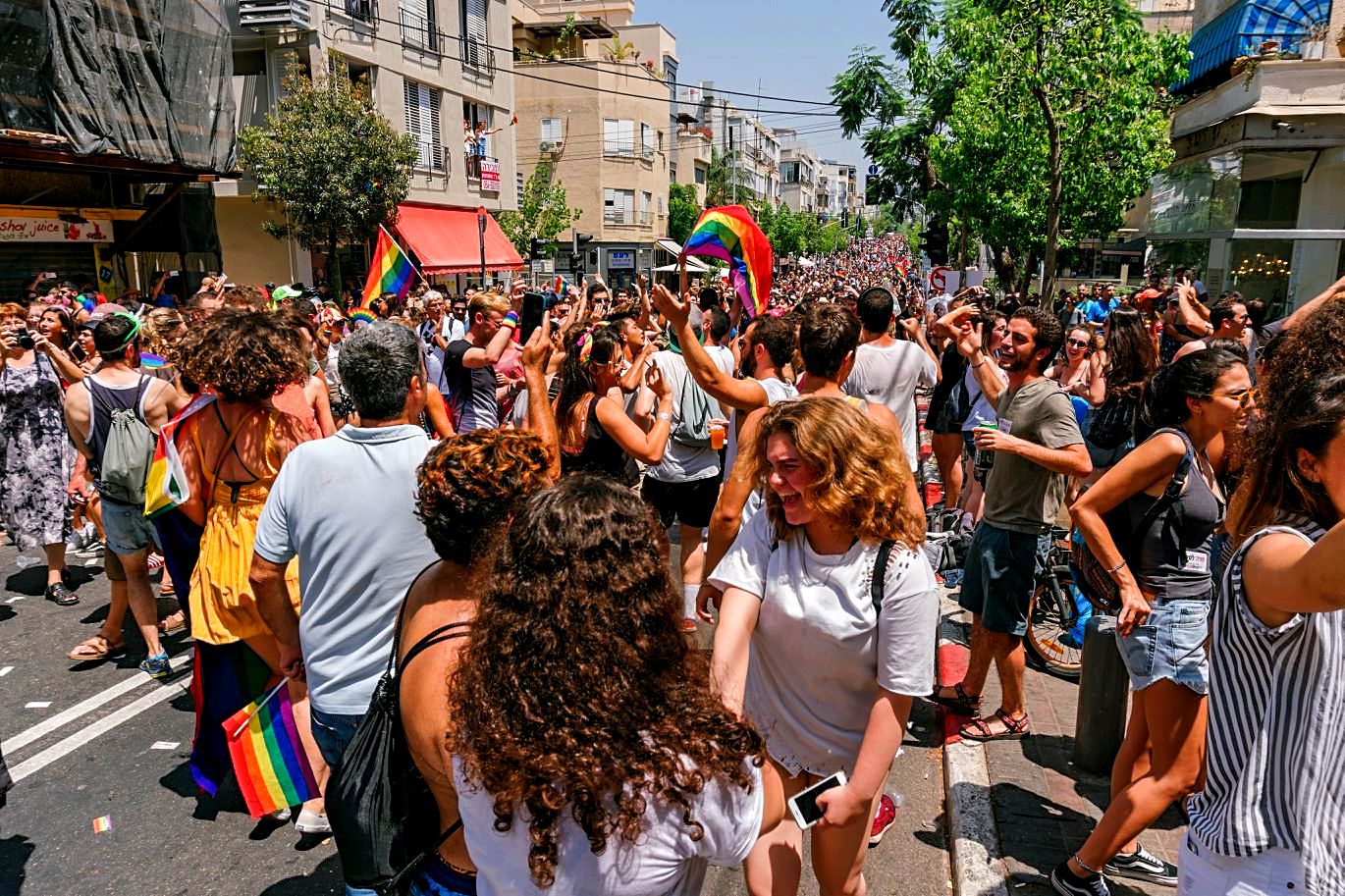
King George Street is packed with hidden gems, excellent restaurants, and clubs. It stretches from Magen David Square on Allenby(at the entrance to Carmel Market) towards Masaryk Square through several different neighborhoods, each with its own character. The street’s convenient location close to many important landmarks like Rabin Square, Dizengoff Center, and Habima Theater makes it one of those streets you’ll find yourself passing through several times.Meir Garden (Gan Meir), King George Street, Tel AvivIf you’re one of those travelers who love going where the locals go, and finding unique stores, bars, and restaurants, then King George is for you. There are several antique stores and second-hand book shops where you can find unique souvenirs to take home, and King George has several exclusive boutique fashion stores and vintage clothing stores. From hipster bars, historical architecture, and tattoo parlors, to award-winning restaurants, and a beautiful park, King George should not be missed.Plan Your VisitLocation - King George Street, Tel AvivOpen Times - 24/7Prices - FreeAverage Visit Duration - 1-2 hoursTours - Get the most out of King George Street with a Tel Aviv walking tour, or a Tel Aviv food tourWhere to Eat and Drink on King George St. Tel AvivThe restaurants on King George cover a full range of international cuisine. But the most predominant gastronomic treat on King George Street is authentic local food. Miznon, at #30 is where celebrity chef Eyal Shani has reinvented iconic Israeli dishes. The menu changes according to the available fresh ingredients, and there is always a lively atmosphere. If you want excellent quality, innovative food this is the place to go. HaKosem (the Magician) is another famous eatery on King George. HaKosem is a compact street food restaurant serving shawarma, falafel, and hummus, and they have vegan options. Hummus Abu Dhabi at #81, is a celebrated hummus joint with outdoor seating, vegan options, and excellent hummus. For something different, try the Bubble Tea on the corner of Borochov and King George. There are several pizza places on King George including Pizza Shiroko (#23) near Gan Meir.For French pastries try La Gaterie (#97), stop by The Streets (#70) which is open 24/7, or enjoy incredible ice-cream at Cremerie De L’éclair (#53). Pro Tip: One of the best ways to experience the cool vibe of King George and get to know the city’s eateries is on a Street Food Tour.What to See and Do on King George Street, TLVMeir Park - This park has a picturesque lily pond, a library on wheels, a café, a dog park, and a bike rental. Pro Tip: The park is home to the city’s LGBTQ Community Center and the starting point of Tel Aviv’s annual Gay Pride ParadeThe Little Prince - A welcoming bookstore with a wide range of books in English and other languages. Customers can curl up on a couch with a cup of coffee to read.The Little Prince BookshopDizengoff Center - King George crosses Dizengoff Street just a short walk from Dizengoff Center, one of the city’s most iconic public squares, and its first mall. Pro Tip: On Fridays, the mall hosts a designer market and food bazaar.Dizengoff Center complex. Israel's first shopping mall.Jabotinsky House - At #38 stands an office block called Metzudat Ze’ev (Jabotinsky House). It is named after Ze’ev Jabotinsky, founder of the Revisionist Movement, and this modern building was built on the site where a shack housed the Revisionist Zionist headquarters in the 1930s. Although the shack has gone, Jabotinsky House is home to the Jabotinsky Museum, Irgun Museum, and the Partisans and Fighters Museum.Comics and Vegetables (#40) - This famous comic book store also sells genre-specific figurines.Flashback (#72) - Israel’s largest vintage clothing store. Pro Tip: For more unique finds stop at the PlasmaLab at #14 and #16 and discover abstract designs and wearable art.Masaryk Square - Just before you reach Rabin Square is this small paved public space with some interesting art installations, cafes, and a playground. You’ll also find public toilets here.Nightlife on King George St. Tel AvivTake a stroll down King George after dark, and you’ll find an incredible atmosphere with outdoor cafes and restaurants as well as nightclubs and bars. There is Denim Drinks First; Gin Club Supreme; Beatrice Post Cafe (#22); Rama, a restaurant bar that’s got an incredible sidewalk cafe atmosphere, and just off King George on Ben Tsion is the magical Voodoo Bar. Other places to party after dark on King George Street include OzenBar (#48) a small speakeasy with live entertainment and Bootleg, in the Ophir Hotel.
By Petal Meshraki

Herzl Street, Tel Aviv

Tel Aviv’s Herzl Street runs from Rehov HaPatish to Derech Jaffa, in the Florentin neighborhood. it’s not a street usually visited by tourists, but if you’re exploring Tel Aviv on foot you’ll probably walk along Herzl Street at some time. Locals know Herzl Street as the place to go if you’re looking for wholesale stores, especially furniture. It’s a commercial street but also home to several interesting cafes, restaurants, and historical buildings.Herzl Street, Tel AvivPlan Your VisitLocation - Herzl Street, Tel AvivOpen Times - 24/7Prices - FreePopular Times: Visit during business hours, Sunday to Thursday, and Friday morning to get a real feel for the hustle and bustle of Herzl StreetAverage Visit Duration - 1 hourTours - Discover the hidden gems on Herzl Street with a guided Tel Aviv walking tourHistory of Herzl Street, Tel AvivThe street is named after the father of modern Zionism, Theodor Herzl who had a vision of a Jewish homeland and a city called Tel Aviv. One of Herzl’s greatest admirers was Akiva Arye Weiss (1868-1947), one of the founders and city planners of Tel Aviv. So when it came time to name Tel Aviv’s streets, Herzl was a natural choice. Not only did Weiss name the street after his hero, but he also built his home on this street in 1909. The street was also home to the first coed school to offer tuition in Hebrew, the Herzliya Hebrew Gymnasium. The school was later demolished, but it wasn’t the only “first” on Herzl Street. Here, Tel Aviv’s first shopping center was built and inside the city’s first elevator. Herzl Street was also home to Tel Aviv’s first skyscraper, Shalom Tower which still stands today.What to See and Do on Herzl StreetThe hustle and bustle of modern Tel Aviv, with a concentration of restaurants is at the northern end of Herzl Street. As you progress further south the street becomes less gentrified, and you’ll see graffiti and neglected buildings.Herzl Street ShoppingThe stores along Herzl Street are geared towards retailers, and they often turn the general public away. So, it is not the type of shopping street tourists would normally visit. The most popular products sold on Herzl Street are beds, furniture, electronics, evening wear, and toys.Where to Eat and Drink on Herzl StreetShalom Meir Tower - At the northern end of Herzl Street soars Tel Aviv’s first skyscraper constructed in the 1960s, and at the time the first skyscraper in the Middle East. At the entrance level is a Visitors Center featuring Tel Aviv’s first streetlamp, a model of early Tel Aviv, and a collection of historical photographs depicting Tel Aviv’s early days. The highlight of the center is two magnificent mosaics, one created by Nachum Gutman and the other by David Sharir.Shalom Meir TowerThe Gutman mosaic covers 100m² and was made using one million mosaic stones. It tells the history of Tel Aviv in four parts. Sharir’s mosaic covers 80m² and was made using Italian glass tiles, or Tesserea. This mosaic depicts Tel Aviv with a focus on Old Jaffa, Ahuzat Bayit, and the modern city.1 Herzl, Weiss House - In 1909, this was one of the first houses built in Tel Aviv (known at the time as Ahuzat Bayit), it was to be the home of the Polis jeweler, and one of the men who planned the layout of Tel Aviv, Akiva Arieh Weiss. The house has been renovated several times over the years and served as a restaurant, and as offices.3 Herzl Street - The childhood home of Nahum Gutman who would grow up to be a world-renowned artist and author. Note the building’s beautiful balcony rails.6 Herzl, The Eliavzon House - Built on the corner of Herzl and Rothschild Blvd. in 1909, the original building was demolished in the 1930s and replaced with the present structure. The building has an L-shape and was designed in the International Style, featuring horizontal windows, hanging terraces, and rounded corners.Rothschild Blvd. - Herzl crosses Rothschild, one of the city’s most famous streets. At the point where the two intersect there is an entrance to an underground parking lot and several eateries. Rothschild is worth exploring for its iconic Bauhaus architecture, historic landmarks, and picturesque sidewalk cafes.First Kiosk - At the corner of Herzl and Rothschild, you’ll see a small, round structure that was the first kiosk built in Tel Aviv to sell drinks. Today the kiosk is still used as an eatery.The first kiosk built in Tel AvivPensak Passage - See the city’s first elevator inside the large structure built in 1925 as Tel Aviv’s first shopping center.Frank House - Alongside the Discount Bank Tower is a restored historic building that was originally built for the Frank family in 1910. The building now houses the Museum of Banking and Tel Aviv Nostalgia. It also happens to stand on the corner of Lilienblum and Herzl Street, a place once frequented by money changers and people dealing on the black market.Ecological Botanical Gardens of Tel Aviv - At 155 Herzl Street, this unexpected greenery in the city center is a welcomed change from the concrete jungle. Not to be confused with the Botanical Gardens on the Tel Aviv University campus, this branch of the gardens takes the form of a more natural community garden, and untamed green space. Surrounded by the Botanical Gardens, and Park HaHorshot is the Saint Peter and Saint Tabitha Russian Monastery.Herzl Street ShoppingThe stores along Herzl Street are geared towards retailers, and they often turn the general public away. So, it is not the type of shopping street tourists would normally visit. The most popular products sold on Herzl Street are beds, furniture, electronics, evening wear, and toys.Where to Eat and Drink on Herzl StreetHerzl 16 - This cafe bar hosts live performances and has an outdoor seating area where you’re surrounded by lush plants and an escape from the noisy city.Bread Station - Bank Discount Tower - Where Herzl meets Yehuda Halevi Street is this cool, modern cafe on the ground floor of a tall office block.Kiosk Europa - At the point where Herzl crosses Rothschild you’ll find a chic outdoor cafe housed in the historic “kiosk” perfect for people-watching.Meatos Street Food - Try this restaurant, known for its kosher meat dishes.Cena - This classy restaurant at #10 Herzl, is run by Chef Gil Dahan and serves modern Israeli cuisine prepared with French cooking techniques. The restaurant is in the Theodor Brown Hotel.The Other Side - A cool bar-restaurant with a vibrant atmosphere.Port 19 - For hamburgers try this slick restaurant.Retro Bis - At #24 is a restaurant serving homemade food, sandwiches, and simple but hearty comfort food.Kanu - One of the few eateries at the southern end of Herzl, this restaurant has an extensive menu of Asian dishes including pho soup, curry, and Vietnamese buns.
By Petal Meshraki

Bialik Street, Tel Aviv

Just a few steps from busy, smog-filled Allenby Street, is Bialik Street, an elegant and beautiful 300-meter-long stretch of street lined with some of the most exquisite buildings in Tel Aviv. Bialik Street was once the hub of Tel Aviv, in the heart of a vibrant neighborhood where some of the most famous poets and literary figures lived. Imagine prominent figures coming and going from City Hall in Bialik Square, artists, and literary stars meeting at the cafes on Bialik Street to discuss their latest creations, and intellectuals gathering in the homes of illustrious leaders. This street is packed with architectural gems and stories of the history of early Tel Aviv.Many of the former homes of famous artists have been turned into house museums, and the street has several restored and preserved historic buildings in the iconic Bauhaus style. It is considered one of the most photogenic streets in Tel Aviv.Bialik Square, where the first Tel Aviv city town hall was locatedBialik Street is sandwiched between some of the city’s most popular and interesting landmarks. Bialik runs from Allenby Street in the south to Idelson Street in the north where Bialik Street ends at Bialik Square.Plan Your VisitLocation - Bialik Street, Tel AvivOpen Times - 24/7. Beit Ha’Ir: Sun closed, Mon-Thu 09:00-18:00, Fri 09:00-14:00, Sat 10:00-16:00. Bauhaus Museum: Sun-Thu 09:30-20:00, Fri 09:30-15:00, Sat closed. Rubin Museum: Mon, Wed-Fri 10:00-15:00 Tues 10:00-20:00. Sat 11:00-14:00. Bialik Museum: Mon-Wed 09:00-17:00, Thu 09:00-19:00, Fri-Sat 10:00-14:00, Sun closed. Music Center: Sun; Tues 9:00-13:45 Mon- Wed, Thurs 12:00-18:45.Prices - Free. Beit Ha’Ir 40/20 ILS, Bauhaus Museum free, Rubin Museum 30/15 ILS. Bialik Museum 35 ILS.Average Visit Duration - 1 hourTours - The only way to understand the rich history of Bialik Street is through one of the Tel Aviv guided tours.See and Do on Bialik Street Tel AvivThe Cafes at #9 and #2 Bialik StreetAt #9 is another stunning building constructed in 1928 in the eclectic style. In the past, it housed a well-known cafe frequented by prominent historical figures, including Bialik, David Ben Gurion, Disengoff, and even Albert Einstein.Across the street is #2 where another famous coffee house once welcomed other intellectuals and literary figures. The building at #2 was constructed in the 1930s in the Bauhaus style and called Gan Raveh. At one point the restaurant moved onto the rooftop of the building where diners were surrounded by the rooftop garden’s lush plants. The building still houses a coffee shop, Cafe Bialik, where you can join locals for a cup of coffee.#14 Rubin HouseDesigned in the International style in 1954 this house was home to artist Reuven Rubin, who was a close friend of Bialik. When Rubin died in 1974 his home was converted to a museum. Here you can see a gallery of his work, attend workshops, and see the restored studio where the artist worked.#15 Bialik Street Goldberg HouseThis building was constructed in 1929 in the Art Deco style. It is the former home of Dina Shoshana Goldberg. Ask your tour guide about the mysterious theft and recovery of the sign that hangs outside this house.#19 Bialik Street SynagogueThe building at #19 was rented to a rabbi from Husiatin, Ukraine in 1936 and became the Tel Aviv Hasidic Center. Since then it has functioned as a synagogue.#21 Bauhaus Foundation MuseumAt #21 Bialik Street is a museum dedicated to the architectural style that has earned Tel Aviv UNESCO status. The building itself is in the Bauhaus style and has four stories. The museum displays a collection of furniture and household decor in the Bauhaus style.Pro Tip: The adjacent building was built in 1922 and has a fascinating history, which you can discover on a private tour of Tel Aviv.#22 Bialik HouseThe house at #22 Bialik Street was the home of Israel’s national poet Nahman Bialik from 1925 to 1934. After Bialik died in 1934, the house was used by the Hebrew Writers’ Association and later the house and its contents were left to the city and turned into a museum. In addition to being a fascinating building with unusual decor and furnishings, the museum holds documents and personal items that belonged to Bialik as well as an archive and library.Built in 1925, Bialik House was designed to combine Western architectural styles with elements of Middle Eastern architecture, specifically those used in the ancient Jewish kingdoms of biblical Israel. You can see some of these architectural elements in the tower, domes, pointed arch windows, and the outdoor terraces and tile work. The interior of the building is in the style of the Arts and Crafts movement that was popular in Europe at the time of construction. It has a truly stunning interior with multi-colored rooms, fascinating tiles created by the Bezalel Academy, and unique furniture.Pro Tip: The closest parking lot to Bialik House is the Bezalel Market parking lot about 100 meters away at 2 Maccabi Street.#23 Balder HouseAdjacent to Beit Ha’Ir is a fortress-looking building with a crenelated rooftop. It was constructed in 1925 by German playwright Samuel Balder who later changed his name to Lander. His plays were performed on the building’s rooftop.Bialik SquareAlso known as the Bialik Compound, this is the heart of Bialik Street, at the northern end, where the City Hall, the Music Center, and other outstanding structures look onto the plaza. In the 1930s this plaza would have been where protests and celebrations took place. Today the square is a pedestrian area with a pond and fountain designed by Nahum Gutman at the center.#26 Felicja Blumen Music CenterAt #26 is a building constructed over Shenkar House dating back to 1931, which was once owned by a pioneer in the textile industry. In 1994 Shenkar House was demolished but thankfully the original facade has been preserved. The new building built on the site holds a prestigious music school and music library where there are regular concerts and workshops. Felicja Blumen was a Jewish pianist who died while on tour in Israel and was buried in the city. The house named in her honor is painted a brilliant orange color.#27 Beit Ha’IrPro Tip: There is an entrance fee to Beit Ha’Ir and tickets with a time slot must be booked online. However, the garden is free and can be reached via the building or the street.Beit Ha’Ir or City Hall is an impressive, Ista-ready building with sweeping staircases and majestic columns. Today the building holds exhibits of historic photographs of Tel Aviv dating back to 1909 and through the following decades. There is a display of tiles taken from some of Tel Aviv’s earliest houses. And at the top of the building is Dizengoff’s office restored to its original appearance when it was used by Tel Aviv’s first mayor. The building was originally intended to be a hotel but once rented by the municipality it remained city hall for the next 40 years.Pro Tip: Don’t miss the panoramic view from the rooftop balcony of Beit Ha’Ir.
By Petal Meshraki

Basel Street, Tel Aviv

Basel Street is not the first place you’d think of visiting in Tel Aviv, but if you fancy a great meal in a sidewalk cafe or a look through some boutique stores on a tree-lined residential street then this is it. Basel Street has a certain calm sophistication that the center of Tel Aviv lacks. Situated in what is now known as the “old north” this used to be a very trendy area, but today the leafy neighborhood is a quieter, almost isolated place.Tourists often visit only a city’s center, and focus on attractions, never seeing where the “real” people live. But as Basel Street is so close to the center of Tel Aviv, it is easy to make a short visit for a quick coffee, an enjoyable meal away from the crowds, or a shortcut to get to the beach.Plan Your VisitLocation - Basel Street, Tel AvivOpen Times - 24/7Prices - FreeAverage Visit Duration - 1 hourPopular Times - Friday and Saturday are popular with locals and visitors who come to enjoy the fresh loaves and pastries from the local bakeries, and to stop for a coffee in one of the cafesTours - The best way to explore Basel Street and its surroundings is with a private Tel Aviv walking tourWhere is Basel Street in Tel Aviv?Basel Street stretches from Dizengoff Street in the west to Ibn Gvirol Street in the east. It runs parallel to Jabotinsky Street to the south and Sderot Nordau to the north.Basel Street from East to WestAt the eastern end of Basel Street is Ibn Gvirol, a street that is home to many restaurants, cafes, bars, and Rabin Square. Basel meets Ibn Gvirol at #148 Ibn Gvirol, where you’ll find the Lily Rose Bar. As you progress along Basel Street from Ibn Gvirol you’ll see typical Tel Aviv residential buildings, with plenty of trees and greenery around the building entrances.When people talk about Basel Street they are usually referring to the middle section of the street, between Sokolov St. and Yehoshua Ben Nun St. where the street opens up to a paved square. You won’t find buskers, crowds, or live entertainment here, but you will be able to enjoy the laid-back neighborhood atmosphere while you sip your coffee. Pro Tips: Looking for a good cafe in this area? Then try Arcaffe at #35 (on the public square), Hamanya at #37, Alkalay at #1 Alkalay Street, or Lulu at #5 Alkalay Street nearby. The square is surrounded by stores and cafes and there are benches and shade, but little else in this public area.There is underground parking beneath the square and charging stations for eclectic cars.Continuing west from the square there are fewer stores and more residential buildings. As you approach Dizengoff Street there are a few more cafes. Basel Street meets Dizengoff Street at #223 Dizengoff where you’ll find the 223 Bar. Pro Tip: If you wanted to keep going from the Dizengoff end of Bazel down Jabotinsky you would reach Hilton Beach which is just a 12-minute walk away.Basel Street NeighborhoodIn the surrounding area are several parks, and large shady trees. And although it is only a few blocks from Dizengoff Street, the Basel Street neighborhood feels like a village within a city. Don’t miss a peek down the side streets where you might find some hidden gems like boutique fashion stores, a cute cafe, or a gallery.
By Petal Meshraki

Nachmani Street, Tel Aviv

Nachmani Street is in the heart of Tel Aviv (Lev Ha’Ir) and runs across several of the city’s iconic boulevards. It is not home to any specific attractions but there is a good chance you’ll find yourself walking along Nachmani as you explore Tel Aviv. And if you do you’ll be treated to some excellent examples of classic Bauhaus style and eclectic style architecture. The area has been gentrified and many of the buildings have been restored bringing them back to their former glory, as they were in the 1920s-1940s.The street was one of the first built after the Neve Tzedek neighborhood in the 1920s and was named after Rabbi Moshe ben Nahman (Nachmanides or Ramban)), a 13th-century Torah commentator.Pagoda House at #20 Nachmani StreetPro Tip: The street could have been called Ramban, which is a more commonly used name for the Rabbi, but Tel Aviv already had a Rambam Street named after Rabbi Moshe ben Maimon, and they thought it would be confusing. So they came up with Nachmani, one of several terms of endearment for the widely respected scholar.Plan Your VisitLocation - Nachmani Street, Tel AvivOpen Times - 24/7Prices - Free.Average Visit Duration - 30-60 minutesTours - You’ll probably only discover the hidden gems of Nachmani Street if you take a private tour of Tel Aviv From Yavne Street to Menachem Begin RoadKing Albert Square, Tel Aviv- In 1933 King Albert of Belgium visited the Holy Land and spent time in Tel Aviv at the invitation of the city’s first mayor, Meir Dizengoff. Albert died a year later in a mountaineering accident, and Dizengoff honored him by naming one of Tel Aviv’s city squares after the late monarch. The square is actually a circle road at the intersection of Nachmani, Montefiore, Bezalel Yaffe, and Melchett Streets. The buildings surrounding King Albert Square are designed in the International and Bauhaus styles.Pro Tip: Spot one of Tel Aviv’s earliest water towers.Pagoda House at #20 Nachmani Street - On the corner of the street is Pagoda House constructed in 1924 in an eclectic style with architectural features from several traditions. Its columns and arches give it a distinctly Oriental look. The building was home to American David Morris Bloch and his family as well as several tenants. The architect of the building, Alexander Levy died in Auschwitz in 1942. Pro Tip:Take a short walk down one side of Pagoda House to #46 Montefiore Street, a magnificent Art Deco structure.The Norman Hotel, 23-25 Nachmani Street - Housed in a restored historic building, this is one of Tel Aviv’s top luxury boutique hotels. Pro Tip: Just past the hotel at #26, is a picturesque sidewalk cafe.#23 Nachmani Street - Another outstanding structure built in the 1930s and featuring unusual windows, shutters, and balconies.#28 Nachmani Street - Just before crossing Rothschild Blvd. check out this example of Bauhaus design with its narrow vertical windows.Rothschild Boulevard - This boulevard is a must-see attraction in Tel Aviv and is well worth exploring with a private guide.#34 Nachmani Street - Pause here to see another typical feature of Bauhaus architecture, the portholes that help to keep the structure cool.#43 Nachmani Street - The Red House or Lodz House, is a red brick building best seen from Goldberg Street. It was constructed in 1924 by Akiva Arie Weiss, and once housed the iconic Lodzia underwear factory.#48 Nachmani Street - On the corner of Bezalel Yaffe Street is an attractive building with a snowflake design on the exterior.
By Petal Meshraki

Ben Yehuda Street, Tel Aviv

Ben Yehuda Street cuts across Tel Aviv and is home to many of the city’s top restaurants, pubs, and several hotels. It’s a popular street not only because of its proximity to many attractions but also because Ben Yehuda Street is where you’ll find interesting stores, trendy designer shops, bakeries, and more. For foodies, Ben Yehuda is a dream, and for getting a feel for Tel Aviv’s vibrant street culture this is the place. Pro Tip: Look out for graffiti art, and Bauhaus architecture on Ben Yehuda Street, Tel Aviv.Ben Yehuda and Allenby Streets interjectionBen Yehuda Street runs from Allenby Street in the south to Dizengoff Street in the north. It runs parallel but not adjacent to Tel Aviv’s seafront. It crosses iconic Tel Aviv streets such as Bograshov St., Frishman St., Gordon St., Ben Gurion St., Arlozorov St., Nordau Blvd., and Allenby and Dizengoff.Ben Yehuda Street is named after the founding father of modern Hebrew, Eliezer Ben Yehuda (1858-1922) who is best known for compiling the first modern Hebrew dictionary which was published between 1908 and 1922. Pro Tip: When researching your trip, don’t get confused with Ben Yehuda Street in Jerusalem.Plan Your VisitLocation - Ben Yehuda Street, Tel AvivOpen Times - 24/7Prices - FreeAverage Visit Duration - 1-2 hoursTours - Take a food tour of Tel Aviv to discover the hidden gems along Ben Yehuda Street, or include this street in a private walking tour of Tel AvivBen Yehuda Street Restaurants#1 - Brown Hotels Lighthouse - This boutique hotel offers a delicious breakfast at its terrace restaurant.#9 - Hong Kong Dim Sum - A casual dim sum restaurant.#73 - Cafe Xoho - A quaint cafe with an emphasis on healthy fresh dishes, and options for vegans and vegetarians.#89 - Mochikva - Authentic bubble tea and mochi shop, with a contemporary hipster vibe.#90 - Ernesto 90 - An Italian restaurant with, an affordable and top-quality menu with indoor and outdoor seating.#94 - Shakshukia - A great place to try Israel’s popular breakfast dish, shakshuka, with eggs baked in a rich spicy tomato sauce.#170 - HaLevantini - Authentic Israeli and Middle Eastern/Mediterranean classics prepared to perfection by a well-known chef.#182 - Shila - One of the top restaurants in the city offering an innovative dining menu in a sophisticated atmosphere.#188 - Dosa Bar - Fancy some vegan Indian food, try this place with its casual atmosphere.#192 - Barbunia - A popular blue-collar seafood restaurant with a buzzing atmosphere, and classic Mediterranean fish dishes and salads.#202 - Under the Tree - Popular with locals, this restaurant serves a varied menu of generous portions, all fresh, with an emphasis on comfort food.#228 - Nini Hachi - Great kosher sushi served in modern relaxed surroundings.#256 - Shtsupak - A seafood restaurant with a variety of vegetarian dishes, and options for kids. (not kosher).Ben Yehuda StreetBen Yehuda Street ShopsBeh Yehuda Street is known for its excellent Judaica stores, as well as Jewelry stores and souvenir shops. The quality of the goods varies but is generally good. There are Thai massage places on Ben Yehuda Street and service businesses including a laundromat, pharmacies, supermarkets, kiosks, and nail salons.Ben Yehuda Street Bars#15 - Sami Burger & Beer - Both a restaurant and a bar, this is where you’ll find the best burger in town and a lively atmosphere.#59 - Campus - Turn the lights down low, a casual place with no frills.#83 - Little Prague - A restaurant bar with a cozy atmosphere and menu of classic Czech dishes.#124 - Nimi Cocktail Experience - Great cocktails.#155 - Jango Wine Bar - Chic and warm atmosphere.#196 - Java - A cute bar and coffee place with a great outdoor area.See and Do on or Near Ben Yehuda Street Tel AvivWhere Ben Yehuda Street crosses Ben Gurion Street you can visit the home of Israel’s first Prime Minister, David Ben Gurion. The house has been turned into a museum and offers insights into the early days of the State of Israel.Ben Yehuda Street is close enough to the beach for easy access, and at the northern end, you can walk to Tel Aviv Port, a gentrified commercial and entertainment area on the waterfront. The port is a short walk from Tel Aviv’s marina.Gordon Street which crosses Ben Yehuda is known for its many private art galleries.
By Petal Meshraki

Sheinkin Street, Tel Aviv

Plan Your VisitLocation: Sheinkin Street, Tel AvivOpen Times: 24/7Prices: FreeAverage Visit Duration: 1-2 hours.Popular Times: Sheinkin Street is at its liveliest on Fridays but you might prefer to visit on a Thursday when there will be vacant tables at the cafes and fewer crowds on the street.Notes for Visitors: During Pride Week, Sheinkin hosts street partings, live entertainment, and accommodation for visitors. Pro Tip: Sheinkin is home to some of the most popular gay bars in Tel Aviv.Tours: Combine a walking tour of Tel Aviv with a visit to Sheinkin, or opt for a graffiti tour of the city to see some of Sheinkin’s hidden gems.Local juice store at Sheinkin StreetIf you ask anyone in Tel Aviv what’s the trendiest, most bohemian street in the city, they’ll tell you Sheinkin. Sheinkin has been the go-to hipster hangout, and street for alternative urban culture, cool cafes, galleries, and unique one-off specialty stores for years. Sheinkin Street is conveniently located in the heart of Tel Aviv, starting at Magen David Square where it meets Allenby Street, Nachalat Binyamin Street, and the colorful Carmel Market. The street crosses iconic Rothschild Blvd. and extends to Yehuda HaLevy Street, where it becomes Lincoln Street.Pro Tip: Use this handy guide to shopping in Tel Aviv to find the best places to shop on Sheinkin, and maybe take a food tour in nearby Carmel Market.What Can You See and Do on Sheinkin Street?The main attraction of Sheinkin is simply wandering along the street and exploring the concept stores, boutiques, street art, and cafes. Take your time looking at the trendy clothing and accessory stores like Heavens, or the secondhand stores. Some of the clothing stores in Sheinkin are boutique designer stores. You can find the unique designer jewelry store of Michal Negrin on Sheinkin as well as jewelry by Maya Geller.Take a walk on the wild side at Miss Sunshine TLV, an alternative clothing store, or get a tattoo at TLV Ink. Stop at the bookstore, or pick up some vintage clothing. Find the perfect handbag at Starjelly, or get a unique outfit for your child at Taflaya. One of the longest-running boutique stores on Sheinkin is Belle &Sue, selling high-end casual wear. Halfway down the street is a small park with a pleasant cafe, and playground.Pro Tip: At the northern end of Sheinkin, near Magen David Square there are a lot of interesting shoe stores.A busy cafe on Shenkin StreetAfter exploring the stores along Sheinkin you’ll need to sit down for a cup of coffee at one of the sidewalk cafes. Try the Coffee Club for an all-day breakfast, Frenchy for a healthy sandwich, or Salene Freitag bagel shop. Indulge yourself at Alon Shabo pastries and wash down those delicious sweet treats with freshly squeezed juice from Beautiful and Juices. The stores and restaurants on Sheinkin come and go so some of those listed here may have been replaced by the time you visit.Pro Tip: The best way to explore Sheinkin is to start at Magen David Square and walk along the street to Rothschild Boulevard.History of Sheinkin StreetIn the early days of Tel Aviv in 1913, the area around present-day Sheinkin was buzzing with small industries, craftsmen’s workshops, and artisans' studios. That original free-spirited artsy ambiance persisted even after the workshops and industries had gone.In the 1980s Sheinkin was the place to see and be seen by the who's-who of Tel Aviv’s celebrity scene. It gained a reputation for its liberal character and live-and-let-live vibe. The street was even immortalized in a Hebrew pop song, Living in Sheinkin, and was the setting for the TV series Florentin, and the film The Bubble. It has remained a bohemian hangout although it has calmed down considerably and is more conservative since the 80s. Today Sheinkin is synonymous with anything artsy, funky, or flamboyant.Who Was Sheinkin?Menahem Sheinkin (or Shenkin) was one of the original Zionist leaders who helped establish Tel Aviv. He was responsible for setting up the Sheinkin neighborhood in 1913 to provide workshops and studios for tradesmen and cottage industries.
By Petal Meshraki

HaYarkon Street, Tel Aviv

Plan Your VisitLocation- HaYarkon Street, Tel AvivOpen Times- 24/7Prices- FreeAverage Visit Duration- 2-4 hours.Popular Times- Fridays.Notes for Visitors- HaYarkon is better explored on foot because of the heavy traffic.Tours- Finding Tel Aviv’s hidden gems is a lot easier when you’re being guided by a local professional. To discover all that HaYarkon Street has to offer, take a Tel Aviv walking tour.HaYarkon Street in Tel Aviv runs parallel to the seafront promenade, starting north at Tel Aviv port and continuing to Charles Clore Park where HaYarkon becomes Kaufmann Street which travels south into Jaffa. It is a busy, often congested street, packed with hotels, interesting sites, embassies, and service businesses. The street is named after the Yarkon River that runs into the sea at its northern end. You probably won’t be coming to HaYarkon Street specifically to see an attraction but any visitor to Tel Aviv will at some time drive or walk along this iconic street. The main reasons you’ll find yourself on HaYarkon Street are for hotels, embassies, access to the best beaches, and nightlife.The intersection of Yarkon and David Ben Gurion streetsPoints of Interest on HaYarkon StreetKikar Atarim - At the northern end of HaYarkon, this public square was completed in 1975 in the Brutalist style. It doesn’t offer much to tourists except perhaps sea views, and proximity to the marina, beach, Gordon Pool, and “Crazy House.” Pro Tip: If you’re interested in art then Kikar Atarim offers some interesting graffiti art as well as its proximity to the Leonardo Art Hotel where there is an art gallery, and Gordon Street which is known for its many private galleries.Independence Park - The first trees were planted here on Israel’s first Independence Day in 1949 and is perched on a limestone cliff overlooking the sea. The park has evolved over the years, once being the go-to place for gay hookups and having been neglected for several years. But today it is a fully renovated park with several sculptures, memorials, and statues. There are paved paths and open green lawns leading to a lookout point over the sea.181 HaYarkon Street (the Crazy House) - Designed by Leon Gaignebet and inspired by the work of Gaudi it is in the deconstructive style. It is difficult to describe, with its white balconies that look soft, as if they were paper stuck haphazardly to the frame of the building. This fascinating and extremely unusual structure has been called an architectural curiosity.181 HaYarkon Street (the Crazy House)Embassy Buildings - HaYarkon Street is home to several embassies including the British Embassy, Indian Embassy, Russian Embassy, and a branch of the American Embassy.96 HaYarkon Street - A building in the International Bauhaus Style built in 1935, and restored in 2012. The building’s penthouse apartment is one of the most expensive properties in the country.96 HaYarkon StreetLondon Square - A memorial park sandwiched between HaYarkon Street and the promenade, dedicated to British casualties in World War II. In the park are several interesting monuments such as the ship-shaped monument to illegal Jewish immigrants, and the monument to the Altalena immigrant ship that anchored here in 1948. Don’t expect expansive lawns as the park is more concrete than grass.Opera Tower - Facing a spacious plaza, the Opera Tower stands on the site of a historic cinema, where Israel’s first parliament was convened in 1948.Hassan Bek Mosque - Just before HaYarkon changes its name and becomes Kauffmann Street, is this magnificent historic mosque. If nothing else it is worth a photo. It was built in 1916 in the classic Ottoman style with a tall majestic minaret. Pro Tip: It is lit up at night and is very Instagram-friendly.Pro Tip: If you want to experience HaYarkon Street you can follow a walk along the street and double back returning to your starting point by walking along the seafront promenade.Tourist Hotels on HaYarkon St.There are many hotels on HaYarkon Street, mainly because of the excellent location for reaching both the beaches and the city’s attractions. Tourists can choose from some of the city’s top luxury hotels like Dan, Sheraton, Renaissance, and the Brown Hotels. Or opt for mid-range options that still provide everything you need such as the Prima Hotel, Tal By the Beach, Melody Hotel, and the Maxim Design Hotel. For budget travelers, there are popular hostels like the “HaYarkon Hostel”.Nightlife, Entertainment, and RestaurantsHaYarkon Street never sleeps! When the beachgoers have gone home, and businesses have closed for the day, HaYarkon is still buzzing with restaurants, clubs, and bars as well as hotels and hostels. It is not the top nightlife spot in Tel Aviv, but it is certainly one of the places where you’ll find all-night parties and plenty of bars.Imperial Cocktail Bar - classy Asian colonial-inspired.Molly Blooms - An iconic Irish pub with tasty pub grub.Bar 51 - Modern slightly hipster hangout with an extensive wine menu and small meals.Jachnun Mul HaYam - Try some traditional Yemeni food at 22 HaYarkon.Aperitivo - a wine bar at 78 HaYarkon with classy decor, outdoor seating, food, and cocktails.Ultra Cocktail Bar - There are live musical performances at this simple bar in the Sea Tower.Asimi - A bright and airy restaurant in London Garden with sea views.Yassou Tel Aviv Greek - At the corner of Frishman and HaYarkon is a popular Greek restaurant.Manara - A sophisticated restaurant in the Sheraton Hotel serving an innovative Levantine menu (kosher).Pro Tip: At 66 HaYarkon is the Imperial Hotel, once “just” a hotel, today it occasionally turns into a pop-up exhibition - Imperial Hotel Wonderland. The hotel’s 38 rooms are decorated by artists and become outrageous fantasy works of art that visitors can walk through and explore.
By Petal Meshraki

Hanina Gallery, Tel Aviv

Plan Your VisitLocation: 5 Shvil HaMeretz, Tel Aviv Pro Tip: This gallery has changed locations a few times over the years, so ignore any other addresses online - this is the right one!Open Times:Wednesday 12:30-19:00, Thursday 13:00-19:00, Friday and Saturday 11:00-15:00.Prices: FreeAverage Visit Duration: 1 hour.Popular Times: Friday and Saturday.Special Events: The museum’s regularly changing exhibitions are advertised on its website.Tours:Take a private tour and tailor-make it to cover the Hanina Gallery and other hot Tel Aviv cultural and art venues.If you love independent art galleries, and finding hidden gems then Hanina is for you. Originally founded in Jaffa in 2008 by Jonathan Hirschfeld and Yakir Segev, today Hanina is a non-profit gallery owned by a collective of young Israeli artists. The gallery’s location in the Shapira neighborhood, in South Tel Aviv is off the beaten path for most visitors to the city.Pro Tip: Wondering where the name comes from? The Hanina Contemporary Art Gallery was originally at 25 Hanina Street in Jaffa. The literal translation of the word “Hanina” is pardon, amnesty, mercy, or compassion.The gallery owners strive to promote diversity throughout the Israeli art world and give a platform to artists who often go unheard. In addition to the visual artwork, the gallery also hosts lectures, film screenings, and events to promote intercultural dialogue. The fact that this is a non-profit enterprise gives the artists freedom that is often missing in other more formal institutions. Every artist involved in the Hanina Gallery has a passion for what they do and for the social change art can often initiate. Thanks to the guiding principles of this gallery, the work exhibited here truly provides a space for different voices, not usually heard in Israel’s commercial art world including artists of all generations, and all artistic styles no matter what message their art is trying to express.Pro Tip: Hanina Gallery is located in an area that tourists don’t usually get to, and there isn’t a lot to see there. However, within a few minutes’ walk from Hanina Gallery you can find several other small galleries and art studios. For example, Artspace Tel Aviv, Five Easy Pieces Art Salon, Ofer Zick Art and Design Studio, Studio Liat Segal, Raw Art Gallery Showroom, and Dvir Gallery.What’s On at the Hanina GalleryThe group of artists presenting their creations at Hanina Gallery are a diverse bunch, they include artists with classical training and others who are self-taught. In addition to the gallery’s regular themed exhibitions or exhibitions of a particular artist’s work, they also host live performances and art workshops. The artists that run the gallery work together democratically, each with their autonomy over their own projects, but collaborating on gallery decisions.
By Petal Mashraki

Ben Gurion Boulevard, Tel Aviv

Plan Your VisitLocation: Ben Gurion Boulevard, Tel Aviv.Open Times: 24/7. Ben Gurion Househours are - Sun, Tues, Wed 09:00-16:00, Mon 09:00-19:00, Fri 09:00-13:00, Sat 11:00-15:00. Gordon Pool: Sun 13:30-21:00, Mon -Thurs 06:00-21:00, Fri 06:00-19:00, Sat 07:00-18:00.Prices: Free.Average Visit Duration: 1 hour.Tours: Ben Gurion Blvd. (and the rest of Tel Aviv) is packed with hidden gems that can only be discovered on a Tel Aviv personalized private tour.Fresh juice stall, Ben Gurion BoulevardBen Gurion Boulevard or Sderot Ben Gurion in Hebrew, is a beautiful tree-lined boulevard in Tel Aviv that is far enough from the tourist center to make it a hidden gem, yet close enough to reach on a short walk through the city. It connects two sites worth visiting - Rabin Square and the beachfront. The boulevard was named after Israel’s first prime minister and is also the site of his former home.Where is Ben Gurion Boulevard?Ben Gurion Blvd. runs west from between City Garden shopping mall and Rabin Square on Ebn Girol Street to HaYarkon Street on the beachfront. It brings you to Kikar Atarim, a plaza overlooking the marina and the Gordon Pool. Ben Gurion Blvd. runs parallel to Gordon Street and Arlozorov Street and intersects several streets including Ben Yehuda Street and Dizengoff Street.What to See on a Walk Down Ben Gurion Blvd.Most of the houses along Ben Gurion Blvd. were built in the 1930s to house Jews fleeing war-torn Europe. They were designed in the Bauhaus or International style. This functional architectural style with clean lines, and rounded balconies, earned Tel Aviv UNESCO status as the White City for its high concentration of Bauhaus buildings.Bauhaus style building,Ben Gurion BoulevardA walk down Ben Gurion Blvd. will give you a great overview of Bauhaus as well as other classic architectural styles. The shady boulevard is surprisingly green with an eclectic mix of ficus, olive, sycamore, and tamarisk trees as well as a few palm trees. Pro Tip: Israel’s most prominent street artist, Rami Meir has painted graffiti art at two places on Ben Gurion - on the corner of Ben Yehuda Street and Ben Gurion Street on the wall of Kiyosk Eli, a kiosk in the middle of the street, and at the junction with Dizengoff Street.Square of the Righteous Among the NationsAs you leave Rabin Square and start walking west on Ben Gurion Street, you’ll see a park on your right. This memorial park is dedicated to gentiles who risked their own lives to save Jews during the Holocaust.Pro Tip: The park was home to Tel Aviv’s first zoo but was eventually moved because the residents complained about the noise and the smell. Today the best zoo in Israel is the Safari Park in Ramat Gan. Beit Hannah Just before the intersection with Reiness Street at #75 Ben Gurion is a one-story house named in honor of Hannah Chisik who lived here in the 1920s. In 1926, she established training farms for young women to help them become self-sufficient. The farm produce was then sold from a store in this house. The building itself was designed in 1935 by Jacob Pinkerfeld in the Bauhaus style. Today Beit Hanna (which has another branch in Florentin) offers a space for women to come together and enjoy sport, spirit, and personal growth in classes and activities. Ben Gurion HouseIsrael’s first prime minister, David Ben Gurion lived in a modest house at the western end of the boulevard for about 40 years. #17 Ben Gurion Blvd. was perfectly located for Ben Gurion to walk down to the beach where he would stand on his head for a few minutes as part of his exercise routine. The house has been restored and furnished as it would have been when Ben Gurion and his wife Paula lived here and is now a house museum open to the public.KiosksAs in the past, several kiosks line the boulevard selling food and drinks. The boulevard also has several cafes, many with outdoor seating.A kiosk at the intersection of Boulevard Ben Gurion and Ben Yehuda StreetPro Tip: Along Ben Gurion Street there are Tel-O-Fun bike stations where you can rent a bike, explore the city’s many bike paths, and return the bike to any other bike station throughout Tel Aviv.Gordon PoolCreated in 1956, this iconic Tel Aviv pool is filled with salt water from underground springs. It is a large complex with a gym and exercise studio.Gordon PoolPro Tip: Enjoy a meal at Stolero in the Gordon Pool lobby overlooking the Tel Aviv Marina.
By Petal Mashraki

Yemin Moshe, Jerusalem

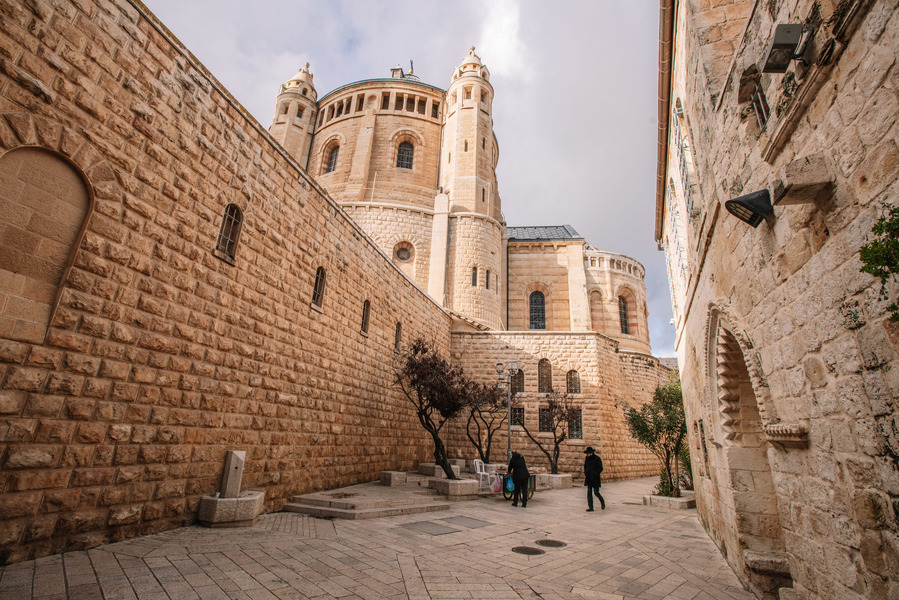
Plan Your Visit Location: Yemin Moshe neighborhood, JerusalemOpen Times: 24/7. Montefiore Windmill Visitor Center is open Sunday to Thursday from 10:00 to 17:00 (19:00 in summer) and Friday and Saturday from 10:00 to 14:00.Prices: Free. Entrance to the Montefiore Windmill is also free.Average Visit Duration: 1-2 hours.Notes for Visitors: If arriving by car you will need to park nearby and enter the neighborhood on foot as it is mostly a pedestrian-only area.Special Events: Although Yemin Moshe might be a sleepy quaint neighborhood, it is surrounded by beautiful parks where there are several outdoor performance venues. The parks, plazas, and open-air performance venues are often used for festivals and special events including the Chutsot Hayotser International Arts and Crafts Fair, and the Jerusalem Film Festival.Tours: Combine a private tour of Jerusalem with a visit to Yemin Moshe. Pro Tip: There is a free tour of the Montefiore Windmill on Fridays and Saturdays that must be pre-booked on the Windmill website.Yemin Moshe street sign in three languages, Hebrew, English and ArabicYemin Moshe is a charming Jerusalem neighborhood reminiscent of a quaint European village. It offers cobbled lanes and stone houses draped in vines and bougainvillea, with colorful window boxes and quaint eateries. Today it is one of the gentrified, luxury residential neighborhoods overlooking the Old City. This is a haven in the busy city yet close enough to walk to from the Old City. And if you’re wondering about the name it means “the right hand of Moses” not the biblical Moses, but Moses Montefiore who was responsible for the establishment of the neighborhood.Pro Tip: Yemin Moshe is not far from The First Station, and you could easily walk between both sites.Yemin Moshe and Mishkenot Sha'ananimIn 1859, Mishkenot Sha'ananim (Dwellings of Tranquility) was built across from Mount Zion, just a few steps from the Old City. It consisted of two elongated buildings, one was a shared space that answered the needs of the community and included a hospital, two synagogues, and a bakery with a communal oven. The other building was divided into 28 tiny apartments. The neighborhood was inhabited by the destitute.Pro Tip: The two original long buildings still exist. One is home to the Jerusalem Music Center and the other building is used by the Jerusalem Municipality to host honored guests. Among those who have stayed here have been Jean-Paul Sartre, Marc Chagall, and John Le Carre.Although MIshkenot Sha'ananim was built to accommodate the poor it was not enough, and soon the neighborhood needed to be extended to make room for new residents.The Neighborhood of Mishkenot Sha'ananim and the Montefiore WindmillHistory of Yemin Moshe, JerusalemAt a time when the residents of Jerusalem lived within the Old City walls, a crowded, yet expensive place to live, Yemein Moshe was built beyond the walls as a neighborhood and was intended for the poor who could not afford to live inside the city. The year was 1894, and the first two buildings constructed were called Mishkenot Sha’ananim. The project was funded by Moses Montefiore (1835-1874), perhaps the most famous British Jew at the time.Yemin Moshe was a simple neighborhood with larger homes than the original two Mishkenot Shaananim structures. The homes were one-story stone houses with red brick rooftops. The community shared an oven, and they supported themselves by running a printing press, textile factory, and windmill for grinding wheat.In 1948, the State of Israel was established and the War of Independence broke out with neighboring countries attacking on all sides. Jordanian forces took East Jerusalem, and Yemin Moshe found itself on the edge of the barbed wire fence that divided the city for 19 years. The neighborhood was abandoned as it was too dangerous to live in.In the 1960s the Yom Kippur War saw the entire city of Jerusalem return to the hands of the Israelis. After the war, the neighborhood underwent a complete makeover, the poor were moved out and luxury properties were built. Thankfully, many of the original structures as well as the character of the historic neighborhood survived.Points of Interest in Yemin MosheThe neighborhood isn’t overflowing with attractions, but it is worth visiting to enjoy the ambiance which is something unique and different from other areas of Jerusalem. The best way to explore Yemin Moshe is to simply wander along the picturesque alleyways.Pro Tip: The neighborhood has a lot of stairs that connect the different levels of the neighborhood which is built on a slope. It is not wheelchair-friendly. Many of the alleyways are pedestrian-only with no access for cars.Montefiore WindmillYemin Moshe’s most famous attraction is a beautiful stone windmill, built in 1857 three years before Mishkenot Sha’ananim was established. The windmill was built by Moses Montefiore using funds from the estate of Judah Touro. The intention was that the windmill would encourage the residents to make a living by running the mill and help them to become self-sufficient, grinding their own flour. The mill wasn’t a success because of the lack of wind in the area, and pretty soon it was abandoned. The stone windmill is perched on a hill offering breathtaking views of the city and serves as an iconic symbol of Jerusalem's past. Today the windmill houses a small museum dedicated to Montefiore, a visitor center, and a wine-tasting center.Pro Tip: The plaza by the windmill is sometimes used for outdoor performances by the Khan Theater’s repertoire company.Sunburst at the historic windmill in Yemin MosheJim Angleton CornerThis quiet spot is an observation point overlooking the walls of the Old City. It is situated near the Confederation House (also in Yemin Moshe). The observation point is in memory of Jim Angleton, a former Chief of Counterintelligence of the CIA, and it stands where the barbed wire fence divided the city for 19 years.Pro Tip: You’ll find at least three other memorial gardens around Confederation House, including the Amschel Rothschild Sitting Corner where there are benches for you to rest after climbing all the stairs in this neighborhood!Great Sephardi SynagogueBuilt in 1897 to be used by Yemin Moshe residents, it is built out of the same characteristic Jerusalem stone and has been restored. This is an active synagogue where services are held.Mishkenot Sha'ananimAs the first Jewish neighborhood built outside the Old City walls, Mishkenot Sha'ananim exudes historical charm. Its cobblestone streets, galleries, and quaint cafes create a picturesque setting, inviting visitors to explore and relish the unique atmosphere that defines Yemin Moshe. The buildings have now been turned into a cultural center and a music center as well as a guest house.Pro Tip: The closest Old City gate to Yemin Moshe is Jaffa Gate so you can very easily walk from the Old City to Yemin Moshe.Restaurants and CafesYemin Moshe's culinary scene adds a flavorful touch to the neighborhood. From charming cafes serving aromatic coffee to exquisite restaurants offering a diverse range of cuisines, the dining options reflect the rich tapestry of tastes within this historic enclave.Pro Tip: On two sides of the neighborhood there are some of Jerusalem’s best parks.
By Petal Mashraki

Hagana Museum, Tel Aviv

Plan Your VisitLocation:Beit Eliyahu Golomb House, 23 Rothschild Street, Tel AvivOpen Times: Sunday-Thursday 08:30-16:00, Fridays and Saturdays closed.Prices: Adults 20 ILS, seniors, soldiers, and children under 18 yrs 15 ILS, disabled visitors free.Average Visit Duration: 1 hour.Special Events: There are regular special evening and afternoon programs geared towards school children and groups. On Family Day, and Israeli school holidays there are special activities for parents and children.Relevant Tours: Tours of the museum can be arranged in advance and are available in English, Hebrew, Russian, and French. The museum may be able to offer a tour outside the museum of Rothschild Blvd. If you take a private Tel Aviv tour, remember to ask your guide to stop at this interesting attraction.Golomb House - The Hagana Museum, Tel Aviv(Image source:Avishai TeicherCC BY 2.5)The literal translation of ”Hagana” is defense, but in this case, the name of the museum refers to the armed Jewish force that operated in Palestine from the 1920s to the establishment of the State of Israel in 1948. The Hagana (or Haganah) fighting force protected Jewish settlements from Arab attacks in British Mandate Palestine. Following the British “white paper” that restricted immigration to Palestine, the Hagana organization assisted more than 100,000 Jews to immigrate illegally, escaping war-torn Europe. Later, the fighters of the Hagana participated in the War of Independence fighting side by side with other Jewish military groups and the newly founded Israeli Defense Force.The museum covers the formation and activities of the Haganah organization as well as its heroes, and major achievements. It is located in a house built by the Sharet family in the 1920s which was one of the first houses built in Tel Aviv. The house is the former home of Eliyahu Golomb, one of the founders of the Haganah organization. It was here that Haganah members met in secret to discuss and plan the defense of settlements and the illegal immigration of Jews to British Palestine.Pro Tip: The museum is located on one of Tel Aviv’s most beautiful boulevards, where you can see examples of Bauhaus architecture, and visit Independence Hall where Israeli independence was declared in 1948.What to See at the Hagana MuseumThree floors have been added to the original house and a different topic is covered on each floor. In addition, the museum has a large auditorium and a smaller audio-presentation room and it holds the Hagana archives. The museum displays use the latest museum technology to bring the subject matter to life. There are huge video screens, historic photographs, recreated scenes, models, and authentic artifacts.Original RoomsAt the entrance level of the house, two of the rooms have been preserved as they were in the early 1940s. These rooms are used for changing exhibitions.Eliyahu Golomb's apartment, the Hagana Museum (Image source:Hagit.B CC BY 4.0)Birth of the Defense ForceOn the first level, you can delve into the establishment of the organization in 1919, learn about its roots in Bar Giora and Hashomer, and discover the many daring missions and battles of the Hagana.Hagana on the BattlefieldAlthough their fighting methods were more guerilla warfare, this section of the museum looks at the Hagana’s battle against the British from 1945 to 1947. It also covers their weapons and brings to life the personal story of a young Palmach member and a young holocaust survivor who participated in several major battles. There is a moving audio presentation about the immigration ship, Exodus.Pro Tip: If you enjoy this museum then you might want to check out the Palmach Museum, Lehi Museum, and the Etzel Museum, all dedicated to the pre-state Jewish underground movements.War of IndependenceTake a journey through the events of the War of Independence and learn about the Hagana’s integration into the Israel Defense Force after the establishment of the State of Israel.Pro Tip: On Independence Day entrance to the museum is free, and there are special events and exhibits.Know Before You Go - Hagana MuseumThe museum is fully accessibleThe Hagana Museum is suitable for childrenDisplays are in Hebrew and EnglishA visit starts with a short film about the period
By Petal Mashraki

Eyal Ofer Pavilion for Contemporary Art

Plan Your VisitLocation: 6 Tarsat Street, Tel AvivOpen Times: Sunday-Monday closed. Tuesday 10:00-21:00, Wednesday 10:00-18:00; Thursday 10:00-21:00, Friday 10:00-14:00, and Saturday 10:00-18:00.Prices: Adults 50 ILS; students, Tel Aviv residents, and disabled visitors 40 ILS; senior citizens 25 ILS. Entrance is free for visitors under 18 years old; escorts of disabled visitors, and recruited army reservists (order 8).Average Visit Duration - 1-2 hours.Special Events: The museum hosts concerts, lectures, and special events that are advertised on its website.Notes for Visitors: Enjoy the museum’s Helena Wine Bar. The museum has audio guides in English and Hebrew, lockers, a museum store, and is fully accessible.Tours: Take a private Tel Aviv tour and include a stop at the Eyal Ofer Pavilion. If you are with a group it is possible to arrange a tour of the museum.Eyal Ofer Pavilion for Contemporary Art(Image source:Yair TalmorCC BY 3.0)This awe-inspiring museum is one of the Tel Aviv Museums of Art locations. Formerly the Helena Rubinstein Pavilion, this branch of the Tel Aviv Museum of Art is devoted to temporary exhibitions of contemporary art from Israel and abroad. The art covers a wide range of mediums from photography and paintings to installations and sculptures. The unique structure feels like a warehouse, or the framework of a building, with natural light flooding into the exhibition space. Art is displayed on the blank canvas provided by the barren walls and high ceilings of the museum building. If you’re interested in current artwork that will amaze, fascinate, and sometimes shock you, then don’t miss the Eyal Ofer Pavilion for Contemporary Art.History of the Eyal Ofer Pavilion Art MuseumThe history of the Eyal Ofer Pavilion for Contemporary Art goes hand in hand with the history of the Tel Aviv Museum of Art, although the museum has changed locations several times and today there are three branches of the museum in three different locations. So it can get a bit confusing!It all started in 1932, when Tel Aviv’s first mayor, Meir Dizengoff donated his home on Rothschild Blvd. to the city for use as a museum. In 1959, the Helena Rubinstein Pavilion for Contemporary Art, designed by the Israel Prize laureate architect, Yaakov Rechter, was opened. It was intended to be the new home of the Tel Aviv Museum of Art, but it was soon clear that a larger space was needed. And so in 1971, the museum was relocated from Dizengoff’s house to 27 Shaul Hamelech Street and it became the museum’s main building.At that time the pavilion was used to display miniature period rooms and a glassware collection. In 2019, the museum building needed a facelift, and a new donor, Eyal Ofer, was found to fund the renovations. The remodeling was designed by the original architect’s son. Further renovations were completed in 2023. The Eyal Ofer Pavilion for Contemporary Art continues to be an integral part of the Tel Aviv Museum of Art.Tel Aviv Museum of Art LocationsThe Tel Aviv Museum of Art includes the main building (Paulson Family Foundation Building) which holds the museum’s permanent collection of modern art plus changing exhibitions. Plus the Herta and Paul Amir Building which focuses on Israeli art and temporary exhibitions. Both these sections of the museum are on Shaul Hamelech Boulevard. Then there is the Eyal Ofer Pavilion which is in a different location in Tel Aviv on Tarsat Street.Pro Tip: The museum is located in Tel Aviv’s Cultural Square, close to other cultural venues including Israel’s national theater, Habima, and the Charles Bronfman Auditorium.
By Petal Mashraki