Israel Travel Blog


7 Common Mistakes Tourists Make in Jordan

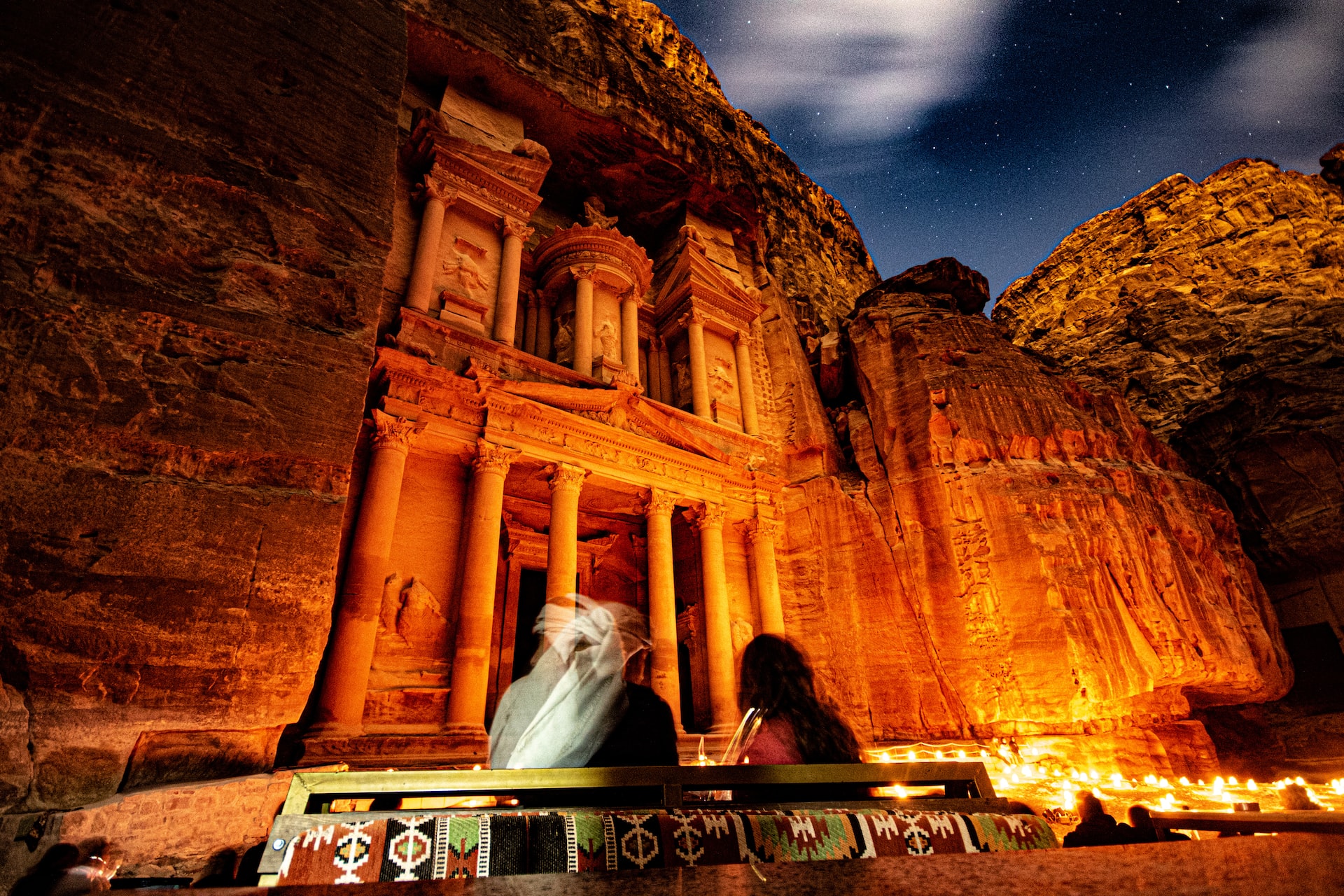
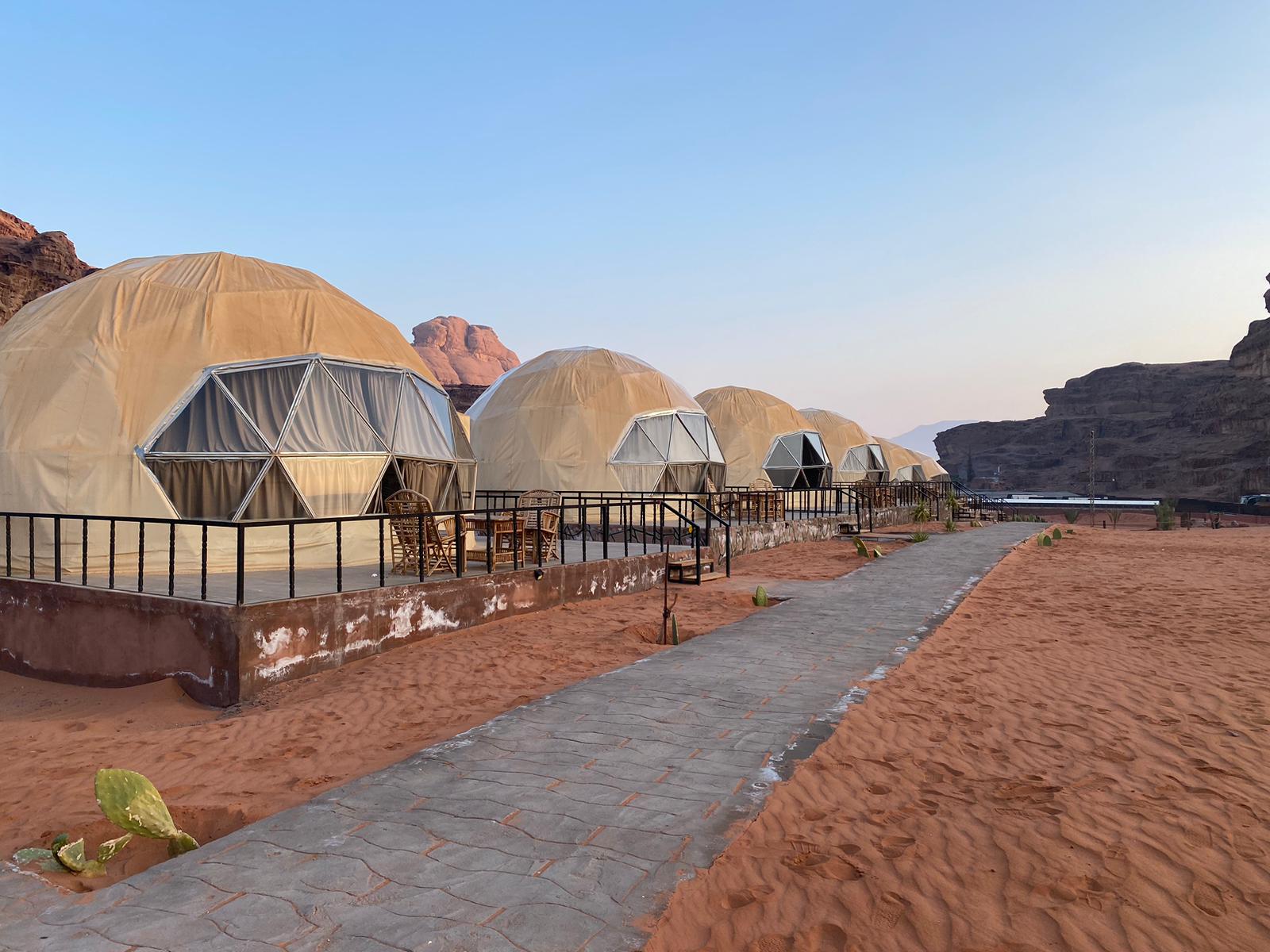
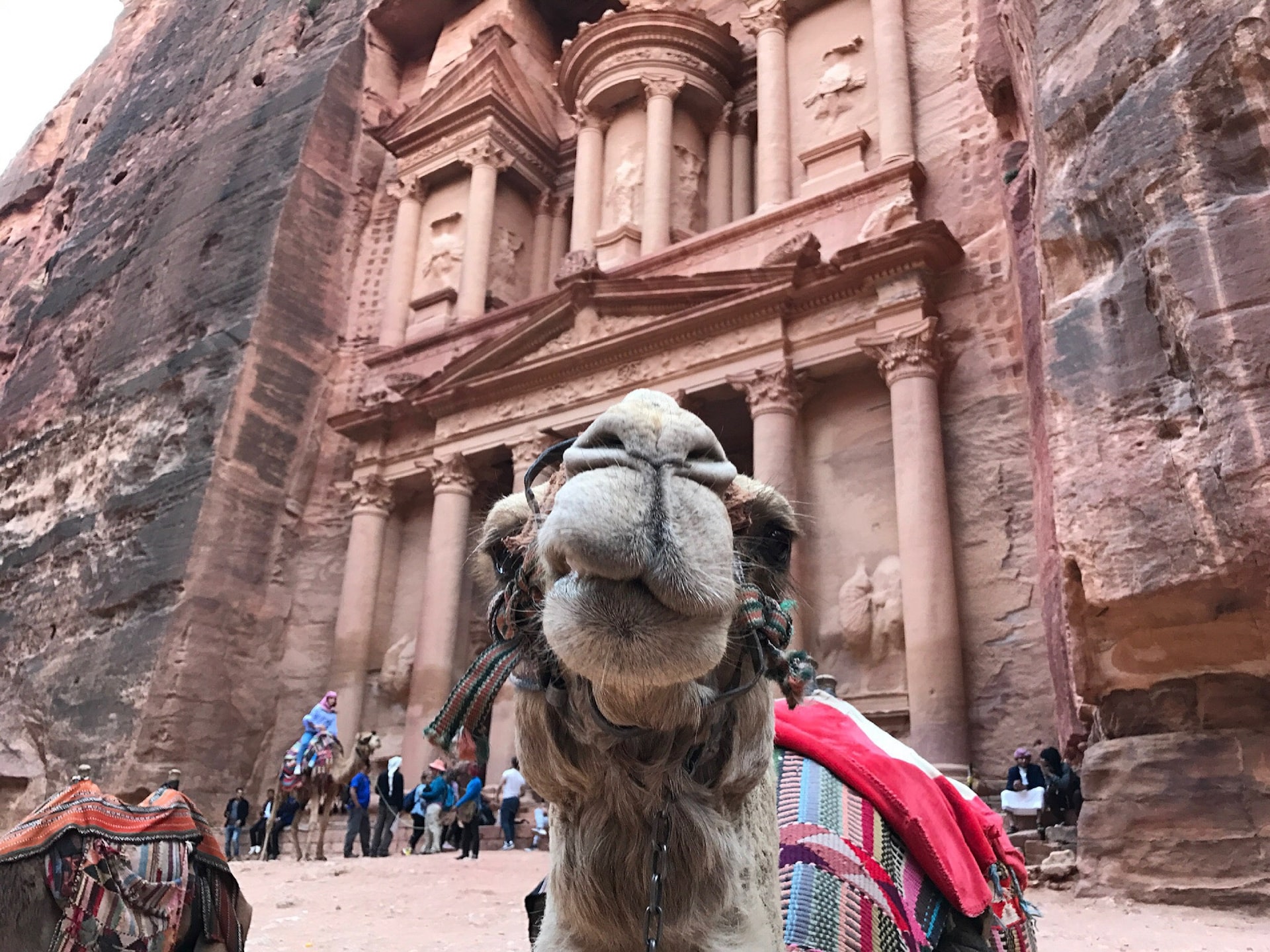
The kingdom of Jordan is filled to the brim with exotic attractions, fascinating history, and views you won't soon forget: from the ancient temples of Petra to the colorful landscapes of Wadi Rum that looks like an alien planet. It's not surprising that so many tourists flock to Jordan either by organizedPetra and Wadi Rum Tours or just traveling on their own. But many of them make these common mistakes that could cause unnecessary complications and even ruin their vacation. Here are the seven you must know to avoid. The sights are magnificent, and so are some of the mistakes tourists make1. Relying on credit cardsIn many parts of the modern world, we’re used to whipping out our credit cards for everything - from a large purchase to a cup of coffee. But this is not the case in many parts of Jordan, especially outside the capital; you’ll find that simply a Visa or Mastercard will leave you woefully underprepared when it’s time to settle the bill.Many post offices, grocery shops, cafes, and even restaurants will not take credit cards so do come prepared. The national currency is the Jordanian dinar (DOJ) and, if possible, change money beforehand, to be assured of the best rates.A Cafe in PetraIf you are arriving in Jordan from Israel, and have been in Jerusalem beforehand, there's an excellent place to change dollars (or shekels) into dinars is in the Old City: the Damascus Gate area, where exchange rates are quite competitive. Be prepared to bargain hard though.Keep in mind that while Jordan is not eye-wateringly expensive in the way London, Tokyo, NYC, and even Tel Aviv can be - it’s not super cheap, so err on the side of caution and bring more cash than you think you might need!2. Assuming that it won’t be coldThe fact that Jordan is situated in the Middle East leads many people to assume that the weather will always be hot, on a visit. This is not the case!Whilst summers in Jordan can be scorching, winter days can be rainy and, in the desert, temperatures will drop considerably the moment the sun has gone down.Petra at night. Don't forget to take a jacket!This means that if you’re visiting Petra and Wadi Rum between November and February, you need to bring warm clothing. This should include not just a sweater but a fleece jacket, scarf, hat, and gloves.If you want to be prepared, bring something waterproof to wear too; very occasionally there’s a torrential downpour and if you’re exploring a lost city, you may well be exposed to the elements!3. Thinking Petra is a One-Day stopMany people think a day trip to Petra will suffice when visiting Jordan, but we’d recommend putting aside more time because not only is it an extraordinarily beautiful place to explore (it has UNESCO status) but it’s also much larger than you think.The lost city of Petra incorporates not just the Siq passage and the famous Petra Treasury, but tombs, caves, and a ‘wow factor’ Monastery. If you only have a day in Petra, there’s no way you can fit all that in…after all, even if you hire a donkey, there’s a lot of walking involved!The amazing Petra MonasteryIf you stay overnight (i.e. take a2-day Petra tour) not only will you have the opportunity to see it by night - lit up by thousands of candles - but arrive early in the morning, to walk the narrow Siq passageway and arrive at the Treasury before the daytrippers all arrive, a few hours later.Accommodation in Wadi Musa (the town in which Petra is nestled) is plentiful, and many people love the Bedouin-style upmarket camping option - even better, if you travel onto Wadi Rum, afterward, you can sleep in a ‘Martian pod’ (they have transparent roofs, ensuite bathrooms and transport you to another dimension, hence the name!). Bottom line: Just a one-day trip to Petramight be great, but will leave you hungry for more.4. Thinking Horse and Doney rides are completely FreeEvery Petra Tourstarts at the entrance to the Petra Archeological Park, and every visitor immediately sees plenty of smiling locals offering to take them on a horse or donkey ride down the Siq. This ride is included in their ticket price, but tourists fail to realize the locals expect a big tip when the ride ends. To avoid quarrels, you should always settle the tip before you start and agree on an exact sum.These rides are not free. Donkeys at the Petra Archeological Park5. Ignoring local customsWherever you travel in the world, it’s good to follow local customs…vis a vis the ‘When in Rome’ rule. In this case, remember that however modern some parts of Jordan may look when you arrive (air-conditioning, Starbucks, and Zara clothing) - you are still traveling in the Middle East.Jordan is a conservative country in many respects, which means you need to pay heed to how you dress. A general rule of thumb is to cover the elbows and knees - no ‘short shorts’. Women will do well to wear loose clothing (swap your skinny jeans for some loose pants) and carry a scarf, in case a head covering is needed in a mosque.Drinking alcohol is acceptable in many places but not widespread and being drunk in public should be avoided at all costs. Moreover, if you are visiting during the month of Ramadan please make sure not to eat and drink in public, whilst locals are fasting.One final word of advice - Jordanians are friendly and helpful people and curious about tourists in their country but it may also be a good idea to avoid political debates, for fear they may become rather heated!6. Bringing Drones without a permit The beautiful sights of Petra can be a drone flyer's dream: navigating the Siq, seeing the huge treasury up close and personal, and much more. But note that the Kingdom of Jordan has very strict rules regarding drone flying.You can't enter drones in Jordan without a permit, and such drones will be confiscated at the border crossing! You must fill outthis form and email the CARChere; note the required documents and don't miss any.The use of drones in Petra is prohibited without prior, separate approval from the Petra Development and Tourism Region Authority (PDTRA). This is to ensure the safety of visitors and the protection of this site.Don't bring your drone without prior permits!If you want to fly a drone in Petra, you must obtain permission from the PDTRA beforehand. You can contact them throughtheir websiteor in person at the Petra Visitor Center. They will provide you with information on the application process and any fees involved.If you fly a drone in Petra without obtaining the necessary permission, you could face legal consequences, including harsh fines and confiscation of the drone. Additionally, you will be asked to leave the site.7. Walking around fearing for their safetySome people still treat Jordan as some sort of an Extreme Destination: something risky and therefore, exciting. While the Royal Tombs will make you feel like Indiana Johns and a Wadi Rum jeep tour can give you quite a rush - there's nothing perilousabout this country; People visit Petra with their kids. The fact that Jordan is situated in the Middle East does not make it unsafe. Far from it. Along with Israel, Jordan is a pretty safe country to visit. Crimes against the person are very unusual and the police are helpful (they speak English and you will see them at all major tourist sites).Jordanian Police car (by Dickelbers CC BY-SA 3.0)Additionally, if you travel with a company, you’ll have the use of a guide who speaks Arabic and knows the country well. This means you’re even more ‘protected’ in the event you need some help.Traveling in Jordan is a pleasant and safe experience. Of course, always watch your personal belongings because, like anywhere in the world, there are petty thieves around but, other than that, you have no need to fear. For more details, check out our 2023 analysis ofTourist Safety in Jordan.So what are you waiting for? Contact us and find out more about Israel and Jordan Tours - with our knowledgeable guides and professional staff, you’re assured of the trip of a lifetime.
By Sarah Mann

10-Day Israel Itinerary: Plan the Perfect Israel Trip

Nobody can truly experience Israel in just a few days; The country offers so many enchanting views, so much unique history, and countless attractions for every taste. Together, all of these tell a remarkable story that makes Israel such an exceptional, once-in-a-lifetime destination. This is why most travel experts agree: a 10-day Israel itinerary is the best way to make the most out of your trip. Let's see what such a vacation could look like, including must-sees, cultural gems, holy places, and the local's favourites.Fun in the sun at a Tel Aviv beachWhat to See in Israel in 10 Days?Israel’s small when it comes to land mass but enormous when it comes to attractions. With a 10-dayIsrael Itinerary, you won't have to decide whether Mediterranean beaches and culinary hotspots in Tel Aviv outrank exploring holy places in Jerusalem and hiking up in the north or down in the Negev desert. There are manyClassical Israel Tour Packages that will take you worry-free between the country's main points of interest.The crusader knights' hall in AkkoWhat Should I Pack for 10 Days in Israel?When packing for a 10-day vacation in Israel, you should consider the time of year you are visiting and the activities you plan to do. However, here is a general packing list that can help you prepare for your trip.Clothing: Take comfortable, breathable clothing for warm weather, as even the Israeli winter had plenty of sunny days. You should also take a Light jacket or sweater for cooler evenings. Swimwear is a must – you don't want to miss the beaches and the lovely Dead Sea. Not that most tours will include a reasonable amount of walking, so you should prefer sneakers or loafers.Outfits: Israel is a country with a rich cultural and religious history, and you may be visiting religious sites, such as temples and churches. Be sure to dress modestly in these areas and cover your shoulders and knees.Electronics: The Israeli outlets operate on a 230V power supply (and 50Hz), so you should have a C/H/M adaptor (2/3 pins). Universal power adaptors can be purchased in every airport, and most hotels will lend you an adaptor if you'll need one.10-Day Israel Itinerary: The Classic BestDays 1-2: Tel AvivThere’s so much to do in the City that Never Sleeps - whether you’re looking to sun yourself on one of the endless sandy beaches, take a bike ride around the city (Tel Aviv has many bike lanes and is flat, so this is a great way to get around), explore the colourful food scene, sit in a sidewalk cafe and people-watch or hit the town at night in one of the city’s trendiest cocktail bars.Do you like Gourmet Food? Tel Aviv is the place for youMust-visits include the Carmel Market, a stroll through the charming neighbourhoods of the Neve Tsedek and ‘the Kerem’ (the Yemenite Quarter) and a wander up Rothschild Boulevard. The Tel Aviv Museum of Art, Yitzhak Rabin museum and Ben Gurion’s House are all worth a visit too, and for architect fiends, there’s the wonderful Bauhaus scene.The lively streets of Tel AvivDays 3-4: JerusalemAh, Jerusalem! Home to three of the world’s major religions, beautiful, evocative, mysterious, magical…there are many words to describe this city but seeing it with your own eyes is something else. It’s easy to get lost here, spend weeks wandering the narrow backstreets, soaking up the charm of it all.The Western WallBut use your two days well and you can see plenty. The Old City deserves quite a few hours - walk the Via Dolorosa (retracing the footsteps of Jesus), visit the Church of the Holy Sepulchre, where he was crucified and resurrected, stare at the Dome of the Rock on Temple Mount and stand spellbound at the ancient Western Wall. If you have time, visit the Mount of Olives and gaze at panoramic views of the city from its top.The Church of the Holy SepulchreDay two belongs to the New City - visit the world-famous Israel Museum (housing the famous Dead Sea Scrolls, amongst other things) or Yad Vashem, Israel’s impressive and moving monument to the Holocaust. Take a stroll through Mahane Yehuda, the city’s liveliest market, and grab some typical Israeli street food. By night, take in views of the capital from the Bridge of Chord.Day 5: Bethlehem and JerichoJust a hop, skip and a jump from the capital, Bethlehem is sacred for Christians, since it’s the place of Jesus’ birth, and Jericho is perhaps the world’s continuously inhabited city. Visit the Church of the Nativity, stroll around Manger Square and at Jericho take a cable car to the top of the Mount of Temptation, giving you the chance to visit the monastery there and enjoy wonderful views.The city of BethlehemWhilst Bethlehem and Jericho are both in the Palestinian Authority, it’s safe to visit both these places and there are plenty of Bethlehem and Jericho Day Toursto choose from. These will easily arrange for guides to escort you there, dropping you off at the checkpoint in the morning and picking you up again later.Days 6-7: Masada, the Dead Sea and Ein GediSpend two days down in the Judean desert, taking in incredible sights and sounds. Masada, the ancient Herodian fortress, sits in the wilderness and gazing out at the desert from its top (reached by cable car or a long hike up!) is nothing short of stunning. There’s a reason it’s one of the country’s most beloved sites!TheMasada cable carThen onto the Dead Sea, for a few hours of relaxation, floating in salty waters, covering your body in black mud (it’s free and all over the place) and sitting with a cold beer or a glass of lemonade, staring over the water, to where Jordan lies.The following day, take a hike in Ein Gedi, one of Israel’s most beautiful nature reserves, where there are waterfalls, springs, and ibex all around you.Ein Gedi OasisAlternatively, treat yourself to a spa day, where you can be pampered with seaweed wraps and massages with oils and creams all made in the area, from the minerals found nearby. Finish the day back in Tel Aviv.Day 8: Caesarea, Rosh Hanikra and AkkoThe north of Israel is incredibly beautiful (at any time of the year) and a day spent visiting Caesarea, Rosh Hanikra and Akko is quite doable, if you get up early!Begin at the ancient harbour of Caesarea and walk through the remains of once a Roman city, marvelling at what is left of the harbour, hippodrome, frescoes, amphitheatre and aqueducts.The Caesarea AqueductThen, after a quick stop in Haifa to admire the Bahai Gardens, head to the grotto of Rosh Hanikra, close to the border with Lebanon, where you can take a cable car down into the caves, water splashing all around you - it’s also a perfect spot for photography and Instagram lovers!Finish the day in Akko (also known as Acre), an amazing Crusader city, whose old part is a UNESCO World Heritage site. Visit the painstakingly restored Knights’ Halls of the Hospitaller Fortress, the Turkish Bath and the Templars Tunnels (used in battles) then eat dinner at one of the excellent fish restaurants on the harbour, overlooking the Mediterranean. Head back to Haifa for the night.The Akko FortressDay 9: Nazareth and the Sea of GalileeBegin in Nazareth, the city where Jesus spent some of his formative years and visit the Church of the Basilica, where his mother Mary was visited by the Angel Gabriel, informing her that she was with child. Wander around the old city, through the ancient streets, and pick up some souvenirs from the Holy Land.Then onto the Galilee, for an afternoon of well-deserved time off, where you can spend a quiet afternoon overlooking the sea and enjoying a beautiful sunset and a good dinner.The Sea of GalileeDay 10: JaffaBefore you leave Israel, put some time aside for Jaffa, next door to Tel Aviv. This ancient city (renowned in the Bible as the place where Jonah fled God and ended up in the belly of a whale) has a renovated port area, a charming Artist’s Quarter (with narrow, cobbled streets), three historic churches (and the nearby wishing fountain and mosaics, telling Biblical stories).Five minute’s walk from there, past the Ottoman clock tower, lies the fantastic Shuk Hapishpishim - the Jaffa flea market. Whether you just like strolling or always like rummaging for a bargain, the market’s full of vintage items, retro clothing, furniture, prints and jewellery. All around are cafes, bars and restaurants, which stay open late into the night (many with live music).The Jaffa Sunset from the Tel Aviv boardwalkThis is just one way to spend 10 days in Israel without compromising on culture, nature, history or religious hotspots. If you want more ideas about travel in this unique country, check out our website for the packages, private trips and day excursions we offer, as well as our articles about life in Israel on our blog.
By Sarah Mann

Bedouin Hospitality in Jordan

Everyone who ever visited Jordan will happily show you breathtaking photos of the enormous temples of Petra, all carved into red cliffs. They'll tell you about the otherworldly landscape of Wadi Rum (no wonder several Star Wars movies were filmed there), the interesting local food, and the amazing weather. But if you'll ask what impressed them the most about this country, many will answer: ‘Bedouin hospitality' - And they'll be right.In Bedouin culture, the receiving of guests goes above and beyond what most of us can even understand - that is, every guest who visits them is treated like an actual member of their family!Jordan's amazing desert nomads are a fascinating cultureIndeed, in their tradition, anyone who arrives at their home must be welcomed in, no questions asked - and protected from any harm. Guests will be hosted for three days before they are even asked why they have arrived!For most westerners, this is beyond comprehension.Who are the Bedouins?The Bedouins are ancient Arab people, tribal in nature and living in extended families, who have spent thousands of years roaming the deserts of the Middle Eastern. In fact, in Arabic, Bedouin means ‘desert dweller’ and, historically, these are people who have practiced a nomadic lifestyle, wandering through harsh terrain across the Arabian Peninsula.Independent and quick thinking, their animal-herding skills and ability to migrate into the desert (in the rainy season) and then continue onto cultivated land in the dry periods mean that they can survive in all kinds of adverse circumstances.Bedouin girl in the Lost City of Petra (by Berthold Werner, CC BY 3.0)Bedouins are organized in clans - every ‘tent’ (in which they dwell) is a family and these families connect to form clans. Within the clan, unconditional loyalty is demanded. Bedouin society is patriarchal and there is a structure of kinship, which you see in their wide networks of blood relations (all descended through the male line of course).Leaders of clans then form a Council of Elders and although this Council doesn't have absolute authority, it is very powerful. In some situations, it is Sheikhs who rule the roost and in other smaller tribes, power is usually passed from father to son. Polygamy is also widely practiced and, not surprisingly, men with four wives will often sire large numbers of children!Bedouin Culture in JordanThe Bedouins in Jordan are one of the most well-known ethnic groups and many of today’s population are descended from them. What makes them so different from other groups is their wide-ranging kinship networks - the notion of community is taken extremely seriously.The other thing that cannot be disputed is their incredibly rich culture. Like the fellow clansmen in the Egyptian Sinai, Saudi Arabian, and the Sahara in north Africa, their dress, dwelling places and customs are still easily recognizable.Bedouin passing a rock bridge, Wadi RumBedouin Dress and LifestyleBedouin men wear ‘galabia’ (long gowns) and a keffiyeh’ (scarf) atop the head. You’ll see Bedouin women in long black gowns (called abayas or thwabs) which are beautifully embroidered (often in bright colors) and have long neck openings.If you like it, you could get one yourselfBedouin hospitality: What can you expect?If you really want to experience some authentic Bedouin hospitality, probably the best place to do it is in Wadi Rum. This area of the desert, made famous by Lawrence of Arabia, is a fantastic place to head if you want to camp under the stars, marvel at rock formations like the famous Seven Pillars of Wisdomand the Um-Fruth Rock Bridge, hike in empty spaces, and learn more about a very ancient way of life. These kinds of things might include:1. Drinking fantastic Arabic CoffeeServed on every conceivable occasion (from family dinners to weddings and funerals) this is one of the traditions visitors most appreciate when visiting Jordan. It really is a big production too - from roasting the beans, grinding them down, and then making the actual coffee on the fire, caffeine never tasted so good.The best dark coffee you'll ever drinkThe traditional grinder that Bedouins used was often made of pistachio wood and it’s said that it would ‘play a melody’ as the beans were grinding. This meant that everyone in the neighborhood knew coffee was brewing and that they were invited over!Today, when you arrive at Wadi Rum, it’s likely that the first thing your Bedouin host will do is invite you inside a tent, to drink Arabic coffee whilst you relax around the fire.There is definitely a specific etiquette to all of this. A ‘typical’ coffee-making ceremony will involve some drumming, whilst the beans roast on the fire. Once they have been cooled, they will be ground in a stone mortar, into which cardamom pods will be added. Finally, it will be served to you in teeny tiny cups called ‘feenghal’. The Bedouin black coffee is just splendid: the strong, rich taste is unequaled, rivaled only by Turkish coffee.Bedouin making coffeeFun fact: it’s traditional for Bedouins to serve their guests three cups of coffee - the first as a gesture of hospitality, the second for fun, and the third for protection now and in the future.2. Eating Bedouin BreadFor Bedouins, ‘arbood’ is a staple food - something that men would eat at lunch, years ago, whilst wandering across the desert, taking care of their sheep and goats, often miles from anywhere. It can also be made from just a few simple ingredients - flour, water, and salt, all kneaded together but then - and this is the twist - in a wood fire with hot ashes.The bread is prepared in the easiest way imaginable and it’s not leavened. Since ovens are not readily available, it is cooked in another way - the dough is placed over ashes and then covered with ashes. The dough is then turned with a stick, throughout the bake, to make sure it’s cooked evenly on both sides and the result is wonderful - a little chewy and with a powerful and slightly nutty flavor.Bedouin Bread3. Learning how to Make Kohl EyelinerWomen throughout the world use kohl as an eyeliner/mascara. What most don’t usually know is that it has an interesting history in the Arab world. For Bedouins, kohl is thought to protect against eye infections, not to mention strengthen eyesight, but is tied up with cultural tradition.There are references to kohl in poetry and Islamic texts and, in years past, it was made from the ashes of a gum tree, which they then mixed with olive oil until it turned into a powder. Indeed, Bedouin men wore it because they believed it would protect them both against sandstorms and the ‘evil eye’.Today, it’s an integral part of a woman’s beauty ritual and it is possible to watch it being made by local women before it is applied to your eyes!Bedouin woman4. See the Weaving of Goat-Hair TentsFor hundreds of years, the Bedouins have been making their own tents, out of animal hair. And it really isn’t as easy as it looks because apart from the fact that it needs to be done in the dry season (when the weather is already hot) it’s quite an effort, physically!In the past, these tents needed to be easily put up dismantled and transported and it was traditional to use either camel or goat hair that was densely woven. Mixed in with vegetable fibers, it became a fabric they could put over the poles.Today, many Bedouins still live in tents {called Bayt al-shar in Arabic) which are made out of black goat hair and, inside, divided with cloth curtains into areas for men, women, and cooking. Goat hair is a good material to use as it is ‘breathable’ and provides dense shade during the day and a little heat at night.If you do get a chance to see something like this, it is incredible to watch. The hair is spun into strands by Bedouin women who then weave it together into panels. It really is a simple and elegant design, and it makes you realize how the old ways could sometimes really be the best.A Bedouin Family (by Tanenhaus, CC BY 2.0)How do you get to Wadi Rum, Jordan?Many tourists travel to Israel and Jordan on the same vacation; They usually start in colorful Tel Aviv or majestic Jerusalem, then go south toward Eilat - Israel's best beach resort city. From there, they cross the border to the kingdom of Jordan and take a 2.5-hour ride through the enchanting desert.Israel and Jordan tours are the best way to see both countries knowing you won't miss any attractions, and enjoy the sights worry-free. For example, you can enjoy Eilat's wonderful coral beach and tax-free malls, then embark on a 2-dayPetra and Wadi tour.
By Sarah Mann

Better Ways: How to Get from Petra to Wadi Rum? (2023 UPDATE)

Jordan has an enormous amount to offer tourists but, without a doubt, it’s Petra that the majority of people come to see. This is not surprising - it’s an extraordinary spot, a true national treasure and a UNESCO World Heritage site to boot.But there’s another hidden gem in Jordan that more and more visitors are flocking to. It’s the Wadi Rum valley, a natural treasure, also called "The Valley of the Moon", that looks like an alien world; no wonder several Star Wars movies were filmed there.The Wadi Rum reserve is south of Petra, close to the border with Saudi Arabia; The travel distance is 105km (68 miles) and it takes about two hours. Today, we’re looking at how to travel between Petra and Wadi Rum, and the good news is that whether you’re splurging or on a budget, it’s really quite easy. Here are the best ways, updated and tested by our field teams.1. Taxi from Petra to Wadi RumThe city of Wadi Musa sits just outside the Petra Archeology Park and It’s easy to flag down a taxi on the main streets. All you need to do is negotiate the price before you set off. This should be somewhere between 35-40 JOD (after you’ve haggled) and since Petra welcomes many independent visitors, it’s also possible to split the cost with other solo travellers.One thing you should bear in mind, however, is to ask beforehand about the method of payment - some drivers will insist on cash so make sure you are in agreement before you leave town.Pros: FastCons: Payment issues, PriceWadi Musa2.Jordan Car RentalRenting a car in Jordan is quite simple and relatively inexpensive. It gives you tremendous flexibility, you can stop where you choose along the route, and - let’s face it - aren’t road trips great fun?Just note that you’ll need to rent the car either in Amman (the capital) or Aqaba (on the Red Sea, close to the border crossing with Israel) because Wadi Musa, where Petra is located, is really not much more than a small desert town.Pros: Flexibility, faster travel timeCons: Not available in Wadi Musa, and require rental and return in other citiesAmman's streets. Here you could find car rental agencies3. Organised tours in Petra and Wadi RumMany would argue thatPetra and Wadi Rum toursare the best way to combine these two attractions and, without a doubt, it’s the most convenient and hassle-free way to go. If you book a tour of Petra and Wadi Rum, you’ll be transported in a comfortable air-con bus, enjoy the services of a knowledgeable local guide and have accommodation set up for you in advance.This means that you don’t have to think about anything - cash for cab drivers, getting lost in your rental car, buses that are uncomfortable or stop endlessly to pick other passengers up along the way…it’s not an issue. Everything is arranged for you and that’s that.Pros: Worry-Free vacation, comfort, expert guides andCons: Some couldbe pricey. Here are some budget-smartIsrael and Jordan tours100% fun, zero hustle. Jeep Safari in Wadi Rum4.Petra to Wadi Rum byStandard BusThe most budget-friendly option is to take a bus. The local minibus departs daily from Wadi Musa Bus Station at 06:00. Not surprisingly, it will take you much longer than if you’re driving, so factor in about two and a half to three hours on the road, but it’s definitely an interesting experience and a chance to meet the locals.Pros: PriceCons: Longer travel timeStandard Buses are cheap, but take longer to arrive6.Petra to Wadi Rum byJETT BusAlternatively, you can take the JETT bus from Petra to Wadi Rum, which leaves every day at 05:00 from the front of the Visitors Centre. It’s comfortable, has air-con, there are bathrooms on board and the journey time is around 90 minutes. It costs 15 JOD and it’s advisable to book a ticket in advance.Pros: Shorter travel timeCons: Not cheap and not always available if you didn't book aheadJETT Bus (image: official JETT website)7. Private Transfer from Petra to Wadi RumTaking a private transfer is the most expensive but definitely the most convenient option. Once booked and paid for, all you have to do is wait for the driver to arrive at your hotel. Then sit back and enjoy the ride. You can organise these with the reception at your hotel or book them online easily.Pros: ComfortCons: PriceTransfer Van in JordanHow do I enter Wadi Rum?Once you've arrived, stop at the Visitor’s Centre and show your Jordan Pass, which gives you free admission. Otherwise, the cost of entry is 5 JOD. Then it’s up to you what you want to see in this spectacular desert.And you really are spoilt for choice, trust us. From hiking in spectacular canyons, visiting the Lawrence Springs and the Seven Pillars of Wisdom, gazing at dunes, camel riding, taking a trip in a hot air balloon, rock climbing, star gazing, hiring a jeep or simply enjoying a sunset, there’s no shortage of things to keep you occupied for at least a couple of days.The Martian landscape of Wadi RumIs it possible to see Petra and Wadi Rum in one day?Technically yes, but everyone who ever visited Jordan will advise against it. The fact is that both of these places deserve your time and attention and trying to cram them into one day will probably leave you exhausted and frustrated. It’s better to allow a minimum of two days if you really want to enjoy yourselves.Plan a trip to Petra and Wadi Rum from IsraelTourists who visit Israel and enjoy the wonders of Jerusalem and the colours of Tel Aviv tend to include Jordan in their vacation as well. An organised Petra and Wadi Rum tour from Eilator a Tel Aviv to Petra 2-Day tourcould give you time to really see and experience the beauty of these two places, with a guide to make sure you get the most out of your experience. The guide will deal with all the formalities and every possible issue, so you can focus on your fun and adventure.If you’d like any further information about the tours we offer to Jordan, feel free to contact us and take a look at our blog, which is full of useful information if you’re planning a trip either to Petra, Wadi Rum or Israel.
By Sarah Mann

7 Reasons You Should Visit Wadi Rum from Israel

If you’re vacationing in Israel or looking for an ‘off-the-beaten-path’ trip, then there’s no better place to head to than Wadi Rum, in Jordan.Located in the south of the country, close to the Saudi Arabian border, you’ll find an astonishing landscape that will, in all probability, take your breath away.Welcome to Wadi RumIn the heart of the Jordanian desert, Wadi Rum boasts towering cliffs, dark caverns, narrow gorges, impressive mountains, sweeping dunes, and refreshing springs. Even better: it suits not just those who are looking for beauty and solitude, but adrenaline junkies as well. So let's start with 7 reasons you should visit Wadi Rum, and then talk about how to get there.1. The Martian Scenery Will Blow Your MindAlso known as ‘The Valley of the Moon’, because its desert landscape looks so utterly alien. In Arabic, a wadi is a usually dry riverbed (save for a short rainy season) and ‘rum’ means ‘elevated’ or ‘high’. This gives you an idea of how dramatic the scenery in this part of Jordan is.Just like Mars. Wadi RumYou'll find no roads or buildings in Wadi Rum, and the only thing around you visible will be sandstone and granite mountains. It really does look like the moon’s surface, which is why it’s a popular film location (both ‘Dune’ and ‘The Martian’ were filmed here, and several Star Wars movies).Whether you want to hike, climb, or take a jeep tour, this extraordinary landscape will make this trip unforgettable.Wadi Rum camps. yes, this is Earth2. The Spectacular ColorsThere are dunes all around Wadi Rum and they are truly astonishing - if you want an idea, think of ‘Lawrence of Arabia’ (which was also filmed here). Yellow, red, and orange - they are wonderful to look at and the photos you'll snap will make all your friends jealous. Wadi Rum Jeep trips are an amazing opportunity for photography loversIt’s also possible to ride between the dunes on buggies and jeeps. And for the more adventurous, there’s sandboarding, where you climb to the top of a dune and then slide down it on a board, with both your feet attached. The most popular of these is known as ‘Big Red’.Dunes are a truly unique natural phenomenon and whether you want to climb them or just stare at them, Wadi Rum is the place to do it.Wadi Rum Dunes3. The Authentic Bedouin ExperienceWadi Rum is a Bedouin community; Bedouins are nomads who have roamed Jordan’s empty spaces for hundreds of years. With a reputation for warm hospitality, staying at a Bedouin camp in Wadi Rumand living life as they have done for thousands of years is a marvelous experience.ProTip: Sorry, Italy - but Bedouins make the best coffee on earthThe Bedouin camps in Wadi Rum are not uncomfortable either - in fact, some of the tents in which visitors stay are utterly deluxe, with air-con, hot showers, balconies, and mink blankets to keep you warm at night! And when you factor in the traditional Jordanian cuisine you’ll be served, you’ll quickly realize that this is not camping - this is glamping.Finally, if you really want to push the boat out, we’d suggest booking one of the ‘martian tents’. Also known as ‘star pods’ or ‘bubble tents’, they have transparent panels built in, allowing you to look out at the stars. It’s the closest you may ever come to thinking you’re in outer space, and the little extra cost is well worth it.Martian tents in Wadi Rum4. An Uninterrupted Date with the Milkey WayDon't miss stargazing tours in Wadi Rum; This place sits in the middle of a huge desert, which makes it - for the most part - quite undeveloped. The skies, therefore, are an inky black at night, save for the twinkling stars.Most of us live in cities and aren’t used to seeing clear skies. But in Wadi Rum, for approximately 300 days a year, you’ll be guaranteedperfect visibility. With its low latitude and high altitude, it really is one of the best places to stare at the sky and trace the outline of the Milky Way.The stars await. Wadi Rum Stargazing5. It’s a Rock-Climber’s ParadiseWadi Rum is home to some astounding rock formations, all of which were formed millions of years ago (geologists believe it was between two separate Ice Ages). Indeed, the entire valley is cut out of sandstone (soft and white quartz) and granite, making for stunning scenery and remarkable views.Just look at these rock formations!No wonder then that it’s such a utopia for rock climbers; there are limitless opportunities. Do take a guide, however - the topography is complicated and because of the endless streams and canyons, it can be very challenging.Of course, if you don’t want to strap on gear and dangle from the top of a ledge, you can simply trek. However, please don’t forget to take a lot of water (even in the winter, you’ll need to be drinking at least 2 liters per day). Moreover, if you’re going without a guide, take a buddy and let people know your route in advance - finding yourself lost in the desert is no joke!The famous Seven Pillars of Wisdom, in Wadi Rum (by Daniel Case CC BY-SA 3.0)6. It's so close to Petra!You should not come to Jordan without making a trip to Petra (which is 110 km away, about a 2-hour drive). This fabled lost city, built by the Nabateans 2,300 years ago, is the country’s most visited attraction and once you’ve seen it for yourself you will understand why.The Petra Treasury‘The Rose City’ as it is known (because the rocks out of which it is carved are rose-pink, although they change color throughout the day) is quite spellbinding, from the narrow Siq passageway through which you walk to the renowned Petra Treasury (once a tomb and a temple).Note that a single day there might allow you to see some of the attractions of the Petra Archaeological Park, but you'll miss many special gems.Dozens of ancient temples and shrines, all carved into the rosy cliffs. PetraFor those who want to spend more than a day in this lost city,2-day Petra toursare highly recommended; this way, they'll have enough time to explore the whole park, and see the High Place of Sacrifice and the Petra Monastery - both are well worth the trek. Plus, you’ll be able to return to Petra at night and see it lit up with thousands of candles.7. You can Combine Wadi Rum with a trip to IsraelIt’s extremely easy to travel to Jordan from Israel - and many visitors like to see both countries on the same vacation. They usually start in central Israel, where they enjoy many attractions in Tel Aviv - an unstoppable celebration of a city - and the ancient splendor of Jerusalem. Then they take a bus ride or a flight to Eilat, Israel's No.1 resort city, and cross the border to Aqaba, Jordan. Wadi Rum is a few more hours by bus from there.Church of the Holy Sepulchre, JerusalemMany visitors don't like to handle all the details and possible mishaps on their way to adventure - and prefer to travel worry-free, so they just take an organized tour.Here at Bein Harim, we offer such package Israel and Jordan Tours (focusing on historical, religious, and ‘classical Israel’ themes) as well as day trips and privately-guided tours. We’ve been in business a long time and with our professional staff and expert guides (all certified by the Ministry of Tourism) we can make your trip to Israel and Wadi Rum everything you dreamed of - and then some.Interested? Feel free to contact us, and learn more about Israel and Jordan in the Bein Harim Blog.
By Sarah Mann

Is it Safe to Travel to Jordan? (2023 UPDATE)

Is Jordan a safe destination for tourists? how about families with young kids? and lone women? How helpful are the local police? Our updated field research has all the answersWhen we’re asked ‘Is travelling to Jordan safe?’ we answer, unequivocally, ‘you bet’. How can we tell? because we don’t just offer day trips to Petrafrom Israel and overnight trips for tourists: many of our staff, friends and family travel across the border too. And if it’s not safe for us, then why would we advise you to travel there?Let’s take a closer look at what travelling in Jordan entails, and why you can feel confident in booking a trip there, whether it’s simply to Petra or a wider tour of the country, taking in Wadi Rum, Amman and Jerash.Is it safe to visit Petra? Sure it isGeneral Safety in JordanFirst of all, we’re happy to say that violent crime is extremely rare when travelling around Jordan. Occasionally, a visitor will have to cope with an incident of petty theft, just like in any other tourist destination around the world. Luckily, there’s a wide police presence in most parts of Jordan; Locals appreciate the safety and they feel you should too.Moreover, the Jordanian police themselves are capable and anxious to help any traveller in trouble. So if you follow some common sense rules (be respectful if you’re near a mosque, choose long pants over shorts if in doubt, and don’t eat food or drink beverages in public when Muslims are fasting during Ramadan), you will be fine.Jordan Police Patrol (by Dickelbers CC BY-SA 3.0)Is it safe for families to travel to Jordan?If we know one thing, it’s that Jordanians love foreign children and will welcome your kids with open arms.Middle Eastern culture is strongly family-oriented and it’s quite normal to take your children everywhere with you, even out to restaurants in the evening. Jordanians (and also Israelis) are no strangers to family-friendly vacation plans and accommodation is bound to be equipped with cots, high-chairs and the like. Moreover, guides, hotel staff and taxi drivers are all consistently helpful when it comes to meeting the needs of the younger members of the trip.Bringing your kids to Jordan is more than a good vacation idea - it’s actually educational. After all, this is a country full of history and archaeology, not to mention the natural beauty of the desert. What better way to capture your child’s imagination than by showing them the Middle East in person, not via a book or laptop screen?You can take the whole bunchIs there a great deal of crime in Jordan?No. There might be incidents of petty theft, and irritating panhandlers - but this is par for the course on any vacation. Attentive Police officers are present in most parts of the country and make sure every visitor will get the best possible service and protection.Crime? Not more than in other countries. And the Camels won't biteIs it safe for women to travel to Jordan?Yes! Many women travel to Jordan each year, both on organised trips and independently, and will tend to tell you that they felt comfortable the entire time. Particularly in more touristy areas, such as Petra and Wadi Rum (did you know Star Wars movies were shot there?), you will see many people on vacation, in all probability quite a lot of them speaking English too! It’s always a good idea, however, for women to dress modestly in Jordan. This doesn’t mean putting on a burka, by the way! Rather, to avoid any unwanted attention, choose clothing that is loose and covers the arms and legs and wear a hat/sunglasses. This isn’t just to ward off intrusive starring either - it will protect you from sunburn! The key, as a woman travelling in the Middle East, is to always be aware of your surroundings and show cultural sensitivity. If you were in Tel Aviv for a day or two, it would be easy to put on a short dress and go out on the town alone. That may not work quite as well elsewhere. Nevertheless, we’re happy to say that, with a little common sense and awareness of local customs, any woman can travel safely in Jordan.Visit Petra worry-freeIs it safe to travel to Jordan solo / independently?An increasing number of people are travelling to Jordan alone, and almost all of them will tell you they had no problems. English is widely spoken in the capital and in tourist areas like Petra and Wadi Rum. Buying a visa for Jordan is usually possible on the border itself and finding a taxi or using a public minibus to get around, once you’ve arrived, is not difficult.What you should bear in mind, however, is that travelling solo in Jordan is not necessarily going to save you time or money. Whilst you can book accommodation online and find local restaurants at which to eat, you won’t have the services of a guide (who knows the area well) and, in the event of a medical mishap, bad weather (which may close roads) or any emergency, you will have to cope alone, which can be frustrating and exhausting.You can do it alone. But why would you?Moreover, travelling alone isn’t much cheaper than booking an organised trip to Jordan, because the company you use will take care of visa requirements, and entry fees to places like Petra and have accommodation lined up for you. Indeed, many people who book a trip to Petra rave about the Bedouin campsites they stay in (which are pretty glamorous, with excellent local food and mink blankets to keep you warm at night).At the end of the day, it’s all about personal preference and whilst we would say that a solo traveller should feel safe travelling around Jordan, the convenience of an airconditioned bus with a knowledgeable guide, and everything is done for you, actually lends a feeling of security to the trip.Enjoy your trip to Jordan - and tag us here at Bein Harim Tours on Instagram, if you would like us to share your photos. Happy travels!
By Sarah Mann

How to Travel to Petra from Israel (2023 UPDATE)

Petra is a perfect spot for everyone who wants to make the most of their vacation in Israel. The majestic, ancient city sits right across the border, and getting there is easier than you thinkEverybody knows there are plenty ofattractions in Israel to keep any tourist excited: Sunbathing on white sand beaches, exploring theOld City of Jerusalem, touring the scenic Sea of Galilee and Golan Heights or even hiking down the Ramon Crater in the Negev desert. And that’s just for the opening act!But if you're looking for something out of the ordinary, just take a hop, skip and jump across the country’s southern border, and visit Petrain Jordan. A UNESCO World Heritage site, it was voted one of the seven New Wonders of the World in 2007 and its beauty and history are, without a doubt, awe-inspiring.And because it is such a small country, travelling from Tel Aviv to Petra or from Jerusalem to Petra can be much more simple than most people think.Just use one of the following methods, and make the most of your Vacation in Israel.1. The long road: Taking Public TransportHow far is Petra from Israel? Once you've crossed the southern border in Eilat, it's about 2 hours drive.Israel has a cheap and efficient public transport system so if you’re on a budget or want to travel independently, it can be done. Buses to Eilat (on the Red Sea) run several times a day and go from both Jerusalem and Tel Aviv; they take approximately 5 hours and cost around 80 NIS one way.From the Eilat bus station, you can either take a taxi (around 35 NIS) or a public bus (4 NIS) to the Yitzhak Rabin border crossing. It’s a quick 15-minute journey and for most travellers, a visa is necessary, although usually visas can be obtained on the border. Once you’ve crossed over, you can take a taxi to Aqaba (a 10-minute journey) then once in the city find a public bus or minivan that will take you directly to Wadi Musa (about a two-hour ride).You can also negotiate with taxi drivers directly at the Jordanian border, although this will be a more costly option as you have limited bargaining power!2. The easy way: Joining an Organised TourThere are a large number of Petra toursfrom Israel on offer and if you like things being handled for you, want to make the most of the time that you have and don’t want the inconvenience that can come from travelling independently, this is by far and away the most simple and efficient way of travelling.Whether you take an overnight trip, decide to see more of Jordan on a classical tour (which might include a visit to Wadi Rum or Jerash) or don’t have much free time and want to squeeze Petra into one day, the right organised tour will fit your needs.For example, we use only expert, qualified guides - all of whom are experienced and knowledgeable (tours are offered both in English and Spanish) and comfortable, air-conditioned vehicles so you won’t swelter in the hotter months.Moreover, you won't have to worry about paperwork at the border because our Israeli representatives (based in Eilat) will take care of your visa application and be on hand, on the infrequent occasions that problems arise.Accommodation is in comfortable hotels, on a bed and breakfast basis - there are three classes of the hotel (price structured) from which to choose.And if you’re really on a tight schedule, our Petra tours from Israelinclude day toursto Petra from Eilat, where an awful lot can be squeezed in (though be prepared for an extremely early start!)3. For road hogs: Renting a CarIf you want to travel independently but prefer to do it on your terms, then think about renting a car in Israel to make the journey down to Eilat; the desert views are lovely.Just be aware that youwill not be allowed to drive from Eilat to Aqaba, so once you arrive at the Red Sea port, you will need to hand in your rental and travel by cab to theYitzhak Rabin border. Once across the border, you can either take a taxi directly to Wadi Musa or journey to Aqaba and find transport there (see ‘Taking Public Transport’ above).4. Just sit back: Book a Private TransferIf you want to travel to Petra alone or in a small group, this can also be arranged, using our private transfer service from Jerusalem or from Tel Aviv to Eilat. Bein Harim can also organise a car, driver and private guide for your trip and, of course, all visa requirements will be taken care of for you.Bottom Line: let's Petra!Petra really is an extraordinary destination that everyone should see, when in the Middle East, so consider making it a part of your itinerary if you’re coming to Israel. And remember - it's easy to just add this Gem to your travel plans and just make it a Jerusalem to Petra Tour.
By Sarah Mann

Can You Drink the Water in Jordan? [2023 UPDATE]

When you’re planning a vacation, you’ll have plenty on your mind - what clothes to bring, whether to rent a car and what kind of accommodation you’re looking for. But there’s something else that’s often on people’s minds before they fly - the question of eating and drinking in another country.Making a trip to Jordan can leave a lot of people anxious - will it be very hot? will I find food to my taste? and - as often as not - will I be able to drink the local water? And this is a great question - which we’re here to answer today.How is the water in Jordan?Before we get going, however, we’d like to point out that if you’re traveling to this part of the Middle East in the warmer months, you’re going to need to be drinking water constantly. Temperatures can be scorching and, without even realizing it, if you’re not glugging down fluids constantly you could end up exhausted, bad-tempered, and - worst case scenario - so dehydrated you can barely move!Let’s take a look at the water supply in Jordan - where it originates from, whether is it safe to drink, and where you can buy bottles of the stuff when you’re not in your accommodation. Because when it comes to staying in shape on your holiday, drinking water is a top priority!Is the water in Jordan safe to drink?It’s one of the most frequently asked questions by our customers; The basic answer is ‘yes’ insofar as the local water supply in parts of Jordan you might be visiting - Amman, Petra, Wadi Rum, Aqaba - have clean and safe supplies. The nation itself is grappling with major water scarcity issues (it’s the second most water-scarce country in the world) but when you’re traveling around, you probably won’t be aware of it.The Beautiful Wadi MujibIn general, a lot of Jordanians will tell you that whilst you can drink the local water, it doesn’t always taste as pleasant as you might like - sometimes a little salty. Now this doesn’t mean it will make you sick - but it does mean that, as a result, many locals use bottled water for drinking and tap water for brushing their teeth and you might want to consider doing the same.Should I boil the water in Jordan before drinking it?Anyone who has ever camped in the great outdoors will tell you that a tried-and-tested tip is to boil your water before you drink it. Now, of course, this can be a bit time-consuming but it’s not difficult - and the chances are that you might be in a hotel or Bedouin camp where there’s a kettle to hand. Once you’ve boiled the water, you can let it cool down and then store it in your room for future use.Desert Glamping in Wadi RumSomething else we always tell prospective clients is to bring a reusable water bottle or thermos flask with them. This means you fill it up before you leave for the day. If you forget it, don’t worry - just reuse a plastic bottle you’ve purchased on arrival.The other good thing is that many of the hotels in Petra and Wadi Rum have installed water purification systems for their guests, which means you can drink water from the tap that isn’t just safe but tastes pleasant.Nevertheless, if you want to buy bottled water that is an option too…How much is a bottle of water in Jordan?This very much depends on where you’re buying. The world over, it’s common to find that in tourist attractions, prices of things like water can rise to eye-watering prices, which is why - if you want to be kind to your wallet - it’s good to plan.The cheapest place to buy bottled water in Jordan is in supermarkets or local stores. There, you can buy not just one bottle but packs - and if you buy in bulk, you’ll save money.Jordanian Water: Camel-approved, and that's officialAs a rule of thumb, expect to pay about 0.35 JOD (Jordanian dinars) for a large bottle, which is $0.50. Of course, if you buy a pack of six or twelve, the cost will drop even further. Whilst you might balk at this (because you’ll think that carrying around all these bottles will weigh you down). remember that you should be drinking a minimum of two liters a day wherever you are in the world. So, if it’s spring or summer in the Middle East and you’re trekking in Petra or exploring the Wadi Rum desert, temperatures are high. chances are you’ll want to be consuming far more.Finally, once you’re inside Petra, you’re going to pay a premium for the stuff - and you really will be at the mercy of local vendors, so do consider bringing as much as you can carry before you arrive at the Visitors Gate. On the bright side, as the day goes on, your backpack will become substantially lighter!How much is a bottle of imported or mineral water in Jordan?Tourist areas in Jordan cater to all kinds of tastes, so you can be sure it’s possible to buy imported water, both in stores and at hotel bars and local restaurants. Israel exports a great deal of water to Jordan so don’t be surprised if you see Israeli brands, alongside a couple of European brands.Local or imported, the water's greatIf you’re going out to dinner in a restaurant, also bear in mind that ordering water (whether it’s tap or from a purification system) is not free. Any drink that you order will have to be paid for - so check the prices carefully. To give you a general idea, a six-pack of mineral water in Jordan’s Carrefour supermarket will cost about 4 JOD. but the same bulk buy of Evian or Volvic will cost almost three times the price.What’s the water supply like in Jordan?As we mentioned above, Jordan is one of the most water-scarce countries in the world - there’s only 97 m3 of available water per capita each year - and the absolute water scarcity threshold is 500 m3 per capita per year.All of the country's large water sources are close to the country’s borders, which means it need to be brought long distances inland - this is expensive, particularly with the recent rise in fuel costs.A water canal along the Siq, a smooth gorge that serpentines on the way to the Petra TreasuryEven more troubling, climate change is threatening the livelihoods of many Jordanians who work in agriculture, and depend entirely on the success of their crops. Rainfall has decreased precipitously in recent decades and warmer temperatures mean that when rain does fall, it often evaporates incredibly quickly. So, yes, water is a precious commodity in this country.What are Jordan’s water sources?Because much of Jordan is desert terrain, the country receives only 100 mm of rainfall a year - and this is very little, compared to most of the world. In the meantime, groundwater makes up over half (54%) of its supply. There are 12 groundwater basins in Jordan and 80% of this water is contained within just three aquifers; Disi, Amman-Wadi Es Sir, and the Basalt aquifer.The Jordan River in ancient timesOf this supply, over three-quarters goes to the agricultural industry. The major surface water resources are the Jordan River and Yarmouk River, but these are shared with Israel and Syria, so what is left is never really enough.What Else Can I Drink in Jordan, save for Water?Whilst Jordan is not as rigid in its social attitudes as many other countries in the Middle East, it is still quite conservative when it comes to its drinking culture.You’re much more likely to see local people drinking mint tea, Arabic coffee, and soft drinks than you are alcohol - in fact, religious Muslims abstain from alcohol altogether.The local Bedouine make the herb tea you'll ever drinkMoreover, throughout the month of Ramadan, many Jordanians will be fasting from sunrise to sundown and not touching any fluids at all. This means that if you are visiting the country at this time, you really should refrain from eating and drinking in public (at least sip from your water bottle discreetly).Fruit juices are also in good supply - and a great source of vitamin C.Where can I drink alcohol in Jordan?Many restaurants in Jordan do not serve alcohol - either they have no license or there is not sufficient demand. But in most of the big hotels in Amman and Petra, it will be possible to indulge - either some local beer and wine or hard liquor in the form of imported gin, vodka, and whisky. Of course, it won’t be particularly cheap, since it’s heavily taxed, so bear this in mind.Tourists and young locals drink beer, but most of the Jordanian population avoid alcoholAnd finally, an important word of caution - that public displays of drunkenness are very much frowned upon - especially at beaches, tourist spots, and in the street. So if you do want to live it up a bit, then drink in a hotel bar or restaurant - and remember that ‘moderation’ is the word of the day.If you’re looking to travel to Jordan, then why not consider booking a trip with us? Established almost 40 years ago, we offer a range of organized packages, day trips, and privately guided tours, including day trips and overnights to Petra, glamping, jeep tours, camel riding, and hikes around Wadi Rum and a ‘classical Jordan’ package for those who want to take a deep dive into the country’s history.For more information about the tours we offer, feel free to contact us by email or phone and if you’re curious about our country, take a look at our blog, where we discuss all aspects of life in Israel.
By Sarah Mann

The Best Places to Eat Sufganiyot in Tel Aviv

Everyone in Israel has their favourite time of the year. It might be spring, when the flowers bloom, summer where you can spend all day (and night) at the beach, fall (when the weather is perfect) or winter (when the rains - and even some snow - finally arrive).And it’s the same with the Jewish holidays - some people love the atmosphere of Passover, and the traditional seder meal. Others love Rosh Hashanah (the Jewish New Year), with moving prayers and apples dipped in honey. There are those who enjoy Shavuot, when it’s traditional to eat dairy products and take your kids to visit a kibbutz. And then there’s Hanukkah.Yes, Hanukkah, the festival that falls every December (the month of ‘Kislev’ in the Jewish calendar) which, although a minor festival in the year, is loved by all - the lighting of candles every night for eight nights, children spinning the dreidel and collecting chocolate coins and then the sugary treats no-one wants to miss out on - sufganiyot.Sufganiyot (a cross between a beignet and a jelly donut) are something you’ll see everywhere at this time of the year - not just in bakeries but in supermarkets across the country. Traditionally, sufganiyot were a humble affair - deep-fried in oil, filled with a tiny dollop of strawberry jam, and dusted with powdered sugar.But, today, with the blooming of so many bakeries in Israel there’s an extraordinary range of them - from simple to gourmet. And what better way to celebrate Hanukkah than by indulging? Here are our trips for the best places to eat sufganiyot in Tel Aviv this month…1. RoladinRoladin really sets the tone for sufganiyot in Israel each year, and although they're pretty pricey, they’re definitely worth it. With a seemingly never-ending supply of flavours (think tiramisu, salted caramel, cheesecake and creme brulee) these are truly bites of heaven.The presentation of the donuts is also very ‘wow’. With flakes and sprinkles and little ‘syringes’ where you can ‘inject’ some of the flavour into your donut before biting in, if you have to choose one bakery to hit at Hanukkah, it should be Roladin.Roladin Sufganiyot. Photo credit: roladin.co.il2. LehamimLehamim (which is another good chain in Israel) can always be relied upon to come up with the goods - and whilst they serve very ‘classic’ donuts, they don’t skimp on the quality (like all of their baked goods, they only use the most top-end ingredients).Lehamim’s sufganiyot usually come in three flavours - quality strawberry jam. Belgian chocolate ganache and dulce de leche. And the fact is that when you bite into one you’ll realise that you don’t need bells and whistles to make something like this tasty.Lehamim BakerySufganiyot. Photo credit:Lehamim Bakery Facebook Page3. Cafe XohoFor vegans, finding great sufganiyot in Tel Aviv can sometimes be a challenge but Cafe Xoho won’t let you down. This hipster cafe in the heart of Tel Aviv, and a stone’s throw from Gordon Beach, pushes the envelopeEgg and dairy-free creations, using almond-nut butter, are delicious - in the past, they’ve come up with beetroot-flavoured icing and fruity toppings - their menus in general are creative and few leave this cafe disappointed. Grab one and head down to one of Tel Aviv’s best beaches…4. ShemoShemo was established by the fabulous pastry chef, Miki Shemo, and is renowned for its patisserie and, in true Hanukkah style, always lives up to the challenge.In previous years, their donuts (which are famously light) have grown more ‘ambitious’ in flavour varieties, sprinkles and toppings. White chocolate ganache, pecan and lemon, plus lots of glitter atop their creations, will greet you as you walk through the door and you will be hard-pressed not to buy just one. Yum.Miki Shemo Special Sufganiyot. Photo credit: SHEMO Bakery Facebook Page5. Boutique CentralIf you’re looking for something decadent, then head to Boutique Central (with locations all over Israel). Along with all the classic fillings, they also sell sufganiyot which are styled like brioche and baked (rather than fried) which comes in the shape of a cake!Fillings of the donuts include Nutella, pistachio, lemon, creme patisserie and caramel - and with stores all across the country, they can be counted on to keep you happy. Additionally, they don’t forget the one million Russians who live in the country and last year produced a creation for ‘NovyGod’ (their version of ‘Sylvester’) which is celebrated at this time.Boutique Central Sufganiyot. Photo credit: Boutique Central Facebook Page6. DallalLocated in the beautiful old neighbourhood of Neve Tzedek, the Dallal Bakery is famous for its delicious pastries (particularly their Danishes, which are reputed to be the best in the city).They won’t let you down over the Hannukah season either - in the last few years, they’ve served visitors with creations made of raspberry ganache, coconut and ‘milk jam’. Dallal has an outdoor seating area, perfect for taking a break, and the vibe is always chilled. And if you want to take yours away, the beach is just a couple of minutes walk…
By Sarah Mann

Christmas in Nazareth

Tucked away up in Galilee, less than an hour’s drive from the Mediterranean city of Haifa, lies Nazareth. Charming, beautiful, and fascinating, it’s a wonderful place to visit, whether you’re a Christian pilgrim, someone fascinated with ancient places, or just a curious tourist.The sky over Nazareth, Israel. Photo byYousef EspaniolyonUnsplashAnd the best time to go? Well, spring and fall have the optimum climate, summer in Israel is glorious but hot and then there’s the winter and, of course, the Christmas period. Yes, Christmas in Israel is really something worth experiencing, especially in Nazareth, since this is the city where Jesus spent some of his early years, and where his parents were also raised. Indeed, on any day tour of Nazareth and Galilee, visitors will explore the Church of the Annunciation (where the Angel Gabriel appeared before the Virgin Mary, announcing that she was with child) and the Church of St. Joseph, built over what was once the carpentry workshop of Mary’s husband, Joseph. Let’s take a closer look at Nazareth and what you can expect to see if you’re traveling to Israel this December and hoping to experience some of the Christmas festivities there.Christmas Festivities in IsraelIsrael’s largest Arab city, with a sizable Christian population, Nazareth really comes to life at this time of the year. Here are some of the dates you might want to put in your diary if you’re planning a trip. December 6th, 2022 - This is the day that the city’s famous Christmas tree will be lit. Located by the Greek Orthodox Church of the Annunciation, it really doesn’t matter whether you’re a Christian or not when watching the lights being switched on - trust us, the crowd is going to be packed with a mixture of locals, tourists and Israelis from all over the country who’ve come to enjoy the experience. Here’s a really nice video by ‘@Relaxing Walker’ of the Night Illuminations in Nazareth in 2021 to give you an idea of how fun it is.Annunciation Church, Nazareth, Israel.Photo credit: © ShutterstockDecember 11th, 2022 - in the heart of the city, at Mary’s Well Square, there will be the annual Nazareth Christmas market. As always, it’s going to be a jolly affair, with arts and crafts, food stalls, entertainment, and market stalls selling all kinds of local produce, including hot chestnuts. sweet treats and artisan foods from farms in the area, including spices, coffee, cheeses, and olive oils. And if you’re looking to pick up some souvenirs from Israel to take home, the stalls will also be selling traditional Arab jewelry, fabrics, and clothing, all of which make a perfect gift for someone close to you. There will also be singers, bands (on a stage specially erected) and - of course! - Santa Claus will be making an appearance. With lights twinkling and carols being sung, it really will be a lovely day.December 24th, 2022 - The festivities kick off at 3 pm, when the Christmas Parade takes off, beginning at Mary’s Well and proceeding down Paulo VI street. There will be scouts, musicians, and dancers, all in brightly-colored costumes. At 5.30 pm (at which time it will already be pitch black) there’ll be a fantastic firework display, free of charge, which will thrill both kids and adults. Dress up warmly and don’t forget your gloves and hat either! At 7 pm Midnight Mass will take place in the Basilica of the Annunciation. This is an ancient tradition that sees Christians across the globe (including in Nazareth) come together for a jubilant celebration of the Nativity of Jesus who, as told by the Bible, was born in a manger, in a stable in Bethlehem. It is held at midnight since the tradition has it that this was the exact moment Jesus arrived in the world. St. Joseph's Church, Nazareth, Israel.Photo credit: © ShutterstockDecember 25th, 2022 - On Christmas Day itself, all over the city festive services and masses will be held. They will be incredibly joyful, with candles lit and carols and hymns sung. For Christian pilgrims, this really is one of the most special days of the year and, along with Jerusalem and Bethlehem, one of the most popular places in Israel to celebrate the birth of Jesus.Nazareth is also just a short drive away from the Sea of Galilee (in Hebrew ‘the Kinneret’) which makes for a fine day out, whether you want to explore the many churches of Jesus' Ministry in Galilee, including the Church of the Apostles at Capernaum, the church on theMount of Beatitudes (where Jesus gave his famous ‘Sermon on the Mount’) or the Church of the Multiplication (where Jesus performed the miracle of transforming two fishes and five loaves of bread into sufficient food to feed a crowd of five thousand). And for anyone wanting to undergo the experience of baptism, close to the city of Tiberias lies Yardenit, where Christian pilgrims can immerse themselves in the Jordan River, much the way John the Baptist immersed Jesus, thousands of years ago, we offer both organized tours and day trips all across Israel.And because we’ve been in business for over 25 years, we have a wealth of experience. Our guides are top-notch, friendly, informative, and professional, and speak many languages. Finally, we use comfortable transport, with air-conditioning for hot summer days. Contact us by email or phone to find out more about our tours or have a read of our blog to find out more about the amazing country of Israel. You can also join ourChristmas Eve in Bethlehem Tourwith pickups from Jerusalem and Tel Aviv!Rooftop view of Nazareth, Israel. Photo byJonny GiosonUnsplash
By Sarah Mann

What's on Israel - December 2022

December might be one of Israel’s more ‘chilly’ months but it’s still a popular time to travel - whether you’re a Christian pilgrim, who wants to spendChristmas Eve in Bethlehem, looking for a city break in non-stop Tel Aviv, or craving a bit of sunshine down on the Red Sea, in Eilat.Nativity scene on dark background.Photo byMyriam ZillesonUnsplashThere are plenty of things going on all across the country in the last month of 2022, and here are a few ideas for you, if you’re travelling to Israel and looking for activities, for yourself or with your family. Even better, quite a few of them are free, so you won’t have to break the bank whilst you enjoy yourself.Christmas Markets in Jaffa, Nazareth and JerusalemNo doubt, Christmas in Israel is something extraordinary. Christmas markets are a big thing in Europe, but the good news is that you don’t have to fly to Berlin, Paris or London this December to get a taste of them. Just hop on a plane to Israel and soak up some of the Christmas atmospheres here…In Jaffa, one of Israel’s oldest and most beautiful cities, the Christmas tree (next to the Ottoman Clock Tower) will be lit up on 5th December at 17.30 and then on the weekends of 10th-11th and 17th-18th December, there will be holiday performances, artisan booths and family-friendly activities.In Nazareth, the action takes place on 9th December, at Mary’s Well Square, a stone's throw from the Basilica of the Annunciation. After some children's activities in the afternoon, the evening will get busy with stalls selling arts and crafts as well as local produce, as well as local singers, bands and even an appearance from Santa! Christmas tree in Bethlehem. Photo credit: © ShutterstockIn Jerusalem, head to the YMCA (opposite the famous King David Hotel) between the 6th and 8th of December which gives both locals and tourists the chance to pick up all kinds of Christmas products, including pastries, sweets, handmade crafts and spicy wine…with a huge Christmas tree to admire for good measure.Christmas Eve in Bethlehem and Christmas Day in Jerusalem - 24th and 25th December 2022There are always many Christian pilgrims travelling to Israel at this time of the year, to celebrate the birth of Jesus in Bethlehem (where on Christmas Eve there is a midnight mass) and services in Jerusalem the following day, at churches across the Old City, including the ancient and beloved Church of the Holy Sepulchre.Whatever your faith or belief, it is quite fascinating to attend any of these services or even just to stand on the Via Dolorosa, in Jerusalem’s Old City, and watch pilgrims walking this sacred path. And if you just want an old-fashioned carol concert, you can head down to the YMCA, in downtown Jerusalem, and join in with all kinds of performers, to ring in this holiday.Nativity set inspired by the Gospel accounts of the birth of Jesus. Photo byGareth HarperonUnsplashHanukkah celebrations across Israel - 18th to 26th December 2022This eight-day ‘Jewish Festival of Lights is always popular in Israel and is celebrated widely by both children and adults. This year, Hanukkah falls between the 18th to 26th of December and across Israel, there will be commemorative lightings in City Squares, ‘sufganiyot’ (doughnuts) for sale in every bakery and a few parties beside!Something else incredibly nice about being in Israel at the time of this festival is that when you’re walking in the streets, you’ll see many ‘Hannukiot’ (eight-branched candelabra) lit up in windows everywhere. This is because it’s considered to be a commandment in Jewish sacred texts to “publicise the miracle” - the miracle being that after the Jews’ victory over a tyrant, they went to the Temple to light lamps and the oil miraculously burned for eight days instead of one…Holiday of Holidays in Haifa - 8th to 26th December 2022This annual festival takes place every weekend in December in Haifa and this year is no exception. From the 8th to the 26th of the month, over each Thursday to Saturday, the largest city on the northern coast plays host to all kinds of events in Israel in December 2022 that are held to celebrate tolerance and unity between three major world religions - Christianity, Islam and Judaism.There will be cultural activities, markets, performances and events both for children and adults, all designed for everyone to put aside their differences, so they can get together to enjoy themselves. Sounds good, doesn’t it?Aerial view of Haifa Bahai Gardens, Israel. Photo byShai PalonUnsplashInternational Exposure at the Suzanne Dellal CentreThe Suzanne Dellal Center, which is home to all kinds of performance art and modern dance, will be hosting its annual ‘International Exposure’ event from 30th November to 4th December 2022. Artistic directors, presenters and curators of contemporary dance and performance will be coming from across the globe to experience Israel’s dance culture first-hand. The programme, as ever, will be diverse, with large established companies rubbing shoulders with small, independent performers. Moreover, the Suzanne Dellal Center is located in the heart of Neve Tzedek, one of Tel Aviv’s oldest and most beautiful neighbourhoods, full of narrow streets and charming houses. So as well as enjoying a dance performance, you can grab a drink in one of the best Tel Aviv bars, explore some boutiques stores on the famous Shabazi Street or go for dinner in the neighbourhood, in of Tel Aviv’s top restaurants.And as well as all of the above, Israel’s ‘regular’ activities - museums, art galleries, national parks, nature reserves, food markets and second-hand markets are all open, which means you’re not going to get bored or go hungry. So whether you’re looking to hike in the Negev, ski on Mount Hermon (providing snowfalls!), jetski down on the Red Sea or take a day trip to Petra from Eilat, Israel is waiting for you. If you are interested in day tours or private excursions in Israel, contact us!The Negev Desert, Israel. Photo byJulia GavrilenkoonUnsplash
By Sarah Mann

What’s on in Israel in November 2022

As October draws to an end, Israel enters its more ‘wintery’ season, though anyone coming on holiday from North America or northern Europe will most likely find the weather to be quite clement. Whilst it’s not quite warm enough to swim in the Mediterranean, there are still going to be lots of sunny days - particularly in Eilat, on the Red Sea.A tourist on the observation deck in Jerusalem looks at the Al-Aqsa Mosque.Photo byDawid MatyszczykonUnsplashWhat are the events in Israel in November?Actually, November can be a fine time to visit Israel - it’s less crowded and accommodation is more readily available and a little less costly. When it’s not raining (which is much of the time) you can walk on the beaches in Tel Aviv, spend time walking the ancient streets of Jerusalem's Old City, attend cultural events in Israel, or rent a car and head north to Galilee and the Golan.For desert lovers, it’s also a good time of the year to hike - you won’t be wiped out by the scorching temperatures (just remember that it gets very chilly down in the Negev at night). So if you’ve got a penchant for rappelling down the side of the crater at Mitzpe Ramon, hiking in wadis such as Ein Avdat, or exploring Timna National Park and its ancient copper mines, November is the right time for it. In the meantime, if you’re looking for special events in Israel this November 2022, here are a few ideas from us. Enjoy!1. Tel Aviv Run Night - 2nd NovemberThis ten-kilometre race around the White City is a good chance for any runner to dust off their Nikes and hit the ground running. Open to men, women and children over the age of 14, the organisers style it as an ‘adrenaline-filled urban run in Tel Aviv’ and this isn’t far off the mark.Once you’ve registered (which is essential) you’ll get a kit (including a special t-shirt) and you can cover your 10k in your own time, whilst thousands of spectators will cheer you on. And afterwards, if you’re not too tired, you can go out to celebrate - there are many excellent restaurants in Tel Aviv.People running in the city. Photo byFitsum AdmasuonUnsplash2. Red Sea Jazz Festival - 10th to 12th NovemberFor any jazz lover, the Red Sea Jazz Festival - held in Eilat (close to the Israel-Jordanian border, and from there just a two-hour drive to the ancient city of Petra) can’t be missed. For three days, the city will host musicians from both Israel and around the world - this year, it’s featuring the Anat Cohen Quartetinho, Jacob Collier, the Ariel Bart Quintet, Third World Love and quite a few more. Eilat’s a great place to escape to, not just for jazz but also for sunbathing (temperatures are a toasty 25 degrees or so on November days), diving, jet skiing, or just hanging out with happy mammals at the city’s famous Dolphin Reef.3. Achinoam Nini (‘Noa) at the Jerusalem TheatreThe amazing Israeli singer Achinoam Nini - known professionally as Noa - is back and if you manage to pick up a ticket to her concert at the Jerusalem Theatre, consider yourself lucky. Noa has been singing since the 1990s but really put herself on the map with her Eurovision Song Contest entry in 2009, entitled ‘There Must Be Another Way’. She’s performed across the world at venues as spectacular as Rome’s Colosseum, Carnegie Hall and at the Montreux Jazz Festival. Mixing and matching languages and musical styles, to hear her mellifluous tones is a real treat. And if you’re going to be in Jerusalem for the concert, then why not do some exploring beforehand, at the Israel Museum, in the Old City or wandering in the Ein Kerem neighbourhood?Dome of the Rock, over the skyline of the Old City of Jerusalem. Photo byLevi Meir ClancyonUnsplash4. Take a trip to the Golan HeightsThere’s nothing ‘in particular’ going on in the Golan this November but do you really need a reason to travel there? Stunning scenery, beautiful national parks and nature reserves and chestnuts on the ground (it’s the season) make it a great getaway, whether you want to stay a couple of days or hunker down.Nestled in Merom Golan is a fantastic hotel, named after the area, where you’ll get all of your creature comforts as well as extraordinary views of Mount Hermon, and the chance to wander in ancient forests and explore vineyards, orchards and boutique artisan stores in the area. They even have an authentic ‘cowboy restaurant’ named ‘Ha Bokrim’ where you can eat meat that really is farm to table - their farm! All of the animals are reared there and the restaurant also showcases wines local to the region. View from above on the border between Israel and Syria, Mount Bental.Photo credit: © Shutterstock5. Visit Oded Hirsch’s ‘Inventing the Wheel’ exhibition at the Haifa Museum of ArtRunning until the end of 2022, at the Haifa Museum of Art, Oded Hirsch is a man who likes to invent problems and challenges - and then solve them. His solutions (and scenarios) are sometimes absurd and often hilarious - and give the viewer food for thought. For instance, why is it necessary to pull a tractor out from the ground in which it is buried and then bring it to the museum? Hirsch might argue that it is the action itself. This exhibition boasts video, sculptural and photographic work and is primarily based on people working - digging, carrying, and sweating by their brows. In an age where everything is high-tech, Hirsch argues that the actions of these labourers are real. Haifa is also a fine city to wander around, view the Bahai Gardens, wander around the old neighbourhood of Wadi NisNas or visit the Mount Carmel National Park. 6. Enjoy the ‘Photo Is:Rael International Photography Exhibition’ - 23rd November to 3rd DecemberBack for its 10th year. This fine exhibition - which is being held in Tel Aviv - will be showcasing some of the finest photographers, both in Israel and around the world. Taking place over 10 days, it’s not just exhibitions you can see - there will also be dance, video, art and musical performances. This year’s theme is ‘Action’ - who knows what this will entail? The exhibition is being held at the Einav Centre and City Garden, and there are activities for the entire family as well as guided tours, led by Shichi Aman.Interested in day tours around Israel? Then don't hesitate to book a tour with Bein Harim!Bahai Gardens, Haifa.Photo credit: © Shutterstock
By Sarah Mann

Yom Kippur

Yom Kippur is a festival that comes around, annually in Israel every September/October, depending on the Jewish calendar. And it is a festival like no other. Why? Well, because most biblical festivals for Jews are connected either to historical events or agriculture/nature.Children riding bicycles in Tel Aviv on Yom Kippur.Photo byYoav AzizonUnsplashPassover commemorates the Israelites fleeing slavery in Egypt. Shavuot is a harvest festival and Sukkot reminds us of all the years Jews wandered in the desert, before making it to the Promised Land. But Yom Kippur is about neither of these. Nor does a festive meal take place during this time. On the contrary, it is a time to engage in abstinence, denying themselves small pleasures and looking inside their souls. This day represents the antithesis of excess.Without a doubt, if you ask any Israeli what the holiest day in the year is they will answer ‘Yom Kippur.’ And even if you are not religious, this is a day of calm and quiet in Israel that really is appreciated by many! Curious about what it’s all about? Well, learn a little more here…What does the name Yom Kippur mean in Hebrew? What kind of day is it?The Hebrew phrase stands for ‘Day of Atonement’. Put simply, Yom Kippur is the most solemn day of the Jewish Year. It is a day of reflection, self-examination, and atonement for sins. It is a time for every Jew to stop and think about things that usually pass them by in daily life. What is the meaning behind this day? Yom Kippur falls ten days after Rosh Hashanah - the Jewish New Year - and these ten days are often referred to as the ‘Days of Awe’. According to Jewish tradition, it is on these days that God decides the fate of each person - on Rosh Hashanah, Jews are inscribed into the ‘Book of Life’ and on Yom Kippur, our destinies are sealed.White yarmulke/kippah for Yom Kippur/Rosh Hashanah. Photo byJoey DeanonUnsplashWhy do Jews fast on Yom Kippur?Not eating or drinking is one of the five major prohibitions of Kippur - the other four being anointing the body with oil, bathing, sexual relations, and the wearing of leather shoes. This is all to do with the idea of denying oneself comforts - and aiming to be like an angel (because angels do not have worldly needs). When does Yom Kippur fall in 2022?Yom Kippur this year takes place from nightfall to nightfall on Tuesday 4th October until Wednesday 5th October. The approximate times for the beginning and end of this holy day are 18.17 to 19.16 in Israel. What should you say to someone on Yom Kippur?There are two appropriate greetings over Kippur - one is ‘gmar chatimah tovah’ (which literally means ‘good final sealing’ in Hebrew and refers to the God sealing our fate, as explained above. The other is quite simple and is ‘tzom kal’ which means ‘easy fast’ although some orthodox Jews prefer to use the expression ‘meaningful fast’.Yom Kippur shofar final blast. Photo Ri_Ya by via PixabayWhat happens in Israel on Yom Kippur?If you are visiting Israel over this period, you will be struck by what an extraordinary time it is. In fact, nothing we can write here can really describe just how special it is. This is the ONLY day of the year in which everything comes to an entire standstill. All shops, restaurants, cafes, and bars are closed. Ben Gurion airport suspends flights for the duration. Most striking of all, there are no cars on the road (it is a tradition, and respected by all Israelis, not to drive on this day). If you’re in Jerusalem, the atmosphere will be incredibly holy. You will hear no laughter or chatter and all you will see in the streets is people walking to and from the synagogue. However, if you’re in Tel Aviv (which is a more liberal and secular city) you’ll be struck at how many children (and adults) are riding their bikes up and down the main roads and even the highways! Will I be able to buy food anywhere on Yom Kippur or travel?No. It’s very important for anyone on vacation in Israel on this day to know that you will not be able to buy food in supermarkets or restaurants, order delivery, or travel in the country using public transport. You MUST make preparations beforehand so that you aren’t caught off guard.Go to a store well in advance and buy provisions to tide you through the period. It really is imperative that you do this, otherwise, you might end up - inadvertently - not eating yourself for 25 hours! Even if you’re in a hotel, the restaurant will be closed, both for breakfast and lunch.Jewish father and son praying together at the Western Wall, Jerusalem. Photo byAnton MislawskyonUnsplashWhat happens in the synagogue on Yom Kippur?There are a number of different services that are held throughout Yom Kippur - beginning at dusk and continuing into the next day. Prayer is intensive and soulful - many people spend the majority of this festival at the synagogue. Kol Nidrei is the first and one of the most moving prayers recited - the liturgy is moving and the melodies are haunting. The prayer - or some would argue ‘statement’ - declares that all vows are ‘absolved, remitted, canceled, and declared null and void. This is less to do with the idea that Jews cannot be trusted (!) and more so with the idea of asking God to forgive us for all public statements made in the previous year that were contrary to Jewish ideals! Kol Nidrei is a prayer recited in Aramaic (an ancient Semitic language) and with great devotion, as are all of the other prayers throughout the 25 hours. There are memorial prayers named ‘Yizkor’ (‘Remember’ in Hebrew), the ‘Viddui’ (Hebrew for ‘confession’) as well as a reading from the Book of Jonah (the biblical figure who, famously, in trying to escape God, fled Jaffa by boat and was swallowed by a whale). Kippur ends with a service called ‘Neilah’ which means ‘Closing of the Gate’.Hayarkon Street in Tel Aviv on Yom Kippur.Photo byYoav AzizonUnsplashWhy do people in the synagogue wear white on Yom Kippur?White symbolizes purity and on Kippur Jews strive to be as good and pure as angels. Also, white is the color in which Jews are traditionally buried, and therefore, if you follow the analogy, we must take the view on Yom Kippur that every moment matters because we live life meaningfully, knowing that death could come to us at any moment.What traditionally happens after the day ends?Once Neilah is over, people will head home, or to the houses of friends, and break their fast. This can involve anything from a cup of tea/coffee and a bowl of soup or a huge meal where people eat until they are sated! After the intensive prayers and not having eaten or drunk for 25 hours, rest assured everyone is grateful for the chance to relax and indulge a little! We hope you’ve found the above interesting and if you’re interested in learning more about Israel or booking a trip, don’t hesitate to contact us. We offer organized tours and day trips all over Israel - from the Dead Sea and Masada to the hills of Galilee and from holy sites in Jerusalem to food tours in Tel Aviv’s Carmel Market, we promise you a holiday you won’t ever forget.The interior of a synagogue. Photo byLainie BergeronUnsplash
By Sarah Mann

Sukkot in Israel

Welcome to our series of blogs on the Jewish ‘High Holidays’ which, arguably, are the most attended holidays in the Jewish calendar. They last for a period of almost three weeks, and although they do not run consecutively the run-up to them is a very busy time in Israel.A man chooses an etrog in Sukkot, the four species.Photo byEsther WechsleronUnsplashFirst, as we wrote previously, there’s Rosh Hashanah - the Jewish New Year - and in Israel this is celebrated for two days, beginning and ending at nightfall. Ten days later, is the most solemn day of the year, Yom Kippur. Also known as the Day of Atonement, Yom Kippur is a chance for Jews to reflect, pause, and atone for their sins - Orthodox Jews fast for 25 hours and all public life in Israel (including flights, public transport, and even drivers on the road) ceases, even in the usually vibrant city of Tel Aviv.The next, and one that is much-loved, is the one we are looking at today - Sukkot. Unlike Yom Kippur, this is a cheerful holiday, lasting for a week, and is really a chance for Jews to ‘give thanks’ for things often taken for granted, such as shelter and food. Let’s take a closer look at this holiday and what it entails…When does Sukkot begin?What does Sukkot mean?Sukkot begins five days after Yom Kippur, on the fifteenth day of Tishrei. In the Gregorian calendar, this means it falls sometime between September and October. What does Sukkot mean? ‘Sukkot’ in Hebrew means ‘booths’ and remembers the booths (temporary shelters) that the Israelites built to protect themselves when they were wandering in the wilderness for 40 years, after their exodus from Egypt and freedom from slavery under the Pharaoh.What is the main theme of Sukkot?Sukkot is one of Judaism’s three ‘pilgrimage festivals’ (the other two being Passover and Shavuot). Historically, this was a time when Jews were able made a ‘pilgrimage’ to the Temple in Jerusalem. The main ‘theme’ of this holiday is thankfulness and ‘togetherness’, thanking God for the harvest and also for deliverance from Egypt, and spending time with loved ones. The other biblical theme is that Sukkot marks the completion (and new beginning) of the annual Torah reading, of which a portion is read every week in the synagogue.Hasidic Jew at the Western Wall, Jerusalem.Photo byJoshua SukoffonUnsplashWhy do Jews build booths in their home at this time of the year?Yes! It really is. It’s an amazing sight, especially in Israel, where not only do people put up booths (sukkot) in their homes - on balconies usually - but also in the streets, and in restaurants! It’s a great activity for children too - building a ‘sukkah’ (sukkot is plural) is something every youngster looks forward to, because it’s a chance to get creative, not to mention live a bit differently for a week. It is customary to build your sukkah soon after Yom Kippur, even though there are few days remaining before Sukkot begins.What do the booths look like?No sukkah ever looks the same in Israel (which is why this holiday is so special) and no space is too small to build a sukkah in! Even if you don’t have a patio, a balcony will do. The important ‘rule’ when building is that your structure needs to be temporal i.e impermanent. It needs to have at least three walls but - usually - the roof is made out of branches of trees, or reeds. What is Important: all (or at least part) of its roof should be open to the sky - after all, it is a dwelling not meant to last! Many people hang seasonal fruits from the roofs of their sukkah (think apples, grapes, pomegranates) to thank God for nature's gifts. Some children love fairy lights and draw cards and paintings. (Warning: be careful with the fairy lights - you don’t want to inadvertently start a fire!) What do you do in a Sukkah?It’s traditional to eat your meals in the sukkah and some very Orthodox Jews may even sleep in it (although in colder countries this is not advisable, since you could end up with pneumonia!) You can also rest in one, read a book, hang out with friends, and have nightly celebrations with live music.The citrons at the Festival of the Booths, known also as Tabernacle. Photo by al-ex via FreeImagesWhat are the ‘four species’ of Sukkot?Excellent question! If you’re visiting Israel at this time of the year, you’ll see these four species being sold in markets and stores, in the run-up to the holiday. The four species (‘arba’at ha-minim’ in Hebrew) are the lulav, the etrog, the myrtle, and the willow. These are all mentioned in the Torah (the Hebrew Bible) as being associated with Sukkot and the waving of the four of them is considered to be a commandment, by observant Jews. Tell me more about the lulav, etrog, myrtle, and palm… Historically, these four species were all waved in the Temple at Jerusalem for all seven days of the festival. The lulav is a cluster of plants - one palm, two bouts of willow, and three of myrtle. The etrog is a citron (not quite like a lemon, but with some similarities). Together, they make up the four species, and, for ritual purposes, the etrog is held in the left branch and the palm branch (intertwined with the willow and myrtle) in the right.What happens in the synagogue at Sukkot?Sukkot is an incredibly joyous occasion. In stark contrast to the solemnity of Kippur, this is a time of celebration. In synagogues across Israel (and all over the world) the Torah scrolls are taken out of the Ark and congregants parade around the sanctuary - men, women, and children alike.There’s great merriment, with singing and dancing and all of this is a reminder that, in life, we should always take a little time each day to be happy and thankful for our wonderful world. After all, every day is precious but life is also fragile and - like the booths in which meals are eaten - temporal. On the seventh day of Sukkot, the four species (talked about above) are carried around the synagogue seven times. During certain Psalms (Hallel), Jews wave them up and down and forward the four points of the compass. This is an indication that God is everywhere - and also omnipotent.Lulav, one of the 4 species of plants for Sukkot. Photo byal-exviaFreeImagesWhat foods are commonly eaten at Sukkot?There’s no one particular food that Jews are commanded to eat (at Passover, there’s a seder plate, and at Shavuot one always eats dairy products) but since Sukkot is a harvest festival, many fruits and vegetables will appear on the table! Expect to see carrots, squash, zucchini, and the like, as well as fruits like apples.Some people, in a symbol associated with the ‘abundance’ of harvest, may serve vegetables that are stuffed - peppers, cabbage, and grape leaves, for instance. Moreover, there will always be ‘traditional’ Jewish foods on the table, such as matzah ball soup, roast chicken, and - of course - the lovely slightly-sweet challah bread that is eaten every Friday night, on the Jewish Shabbat.Is visiting Israel over Sukkot popular?It’s an incredibly popular time of the year for visitors - not just Jews, who want to eat in kosher restaurants with sukkahs, but anyone who wants a beach holiday, because the weather is still so good in Israel. The only thing to note is that it can be very crowded because Israeli children are on holiday this week - this means that families will be traveling around Israel, so national parks, nature reserves, and museums will all be very busy.A religious Jew chooses an etrog for Sukkot.Photo byal-exviaFreeImagesOn the other hand, it’s a great chance to see Israelis out and about and having fun, and - as noted before - weather-wise it is perfect. You can enjoy lots of sun without having to escape the heat of the Israeli summer, and the chances are you will see no rain either - that does not usually arrive until November.Can I take an organized tour around Israel over Sukkot?Absolutely. In fact, because public transport is so crowded, it can be an excellent idea to take an organized tour or day trip around Israel - this means you’ll travel around in a comfortable (and air-conditioned bus) and have the services of a professional guide, as well as entrance fees and tickets for attractions being bought beforehand for you, so you don’t have to waste time standing in line.So if you want to explore the holy sites in Jerusalem or churches of Galilee, float at the lowest point on earth at the Dead Sea or take a food tour at Tel Aviv’s Carmel Market, get in touch with us - by phone or email. We’ve been in business for over 35 years and guarantee you an experience you’ll never forget. Also, feel free to take a look at our blog, if you want more ideas about where to visit or just to get an overview of life in the Holy Land. Happy holidays to you all!The Judean Desert from the Masada Cable Car, Israel. Photo credit: © Shutterstock
By Sarah Mann