Israel Travel Blog


Is It Safe To Travel In Israel?

After a surreal year, with all of us dealing with the effects of a global pandemic, our urge to travel has never been stronger for many. Summer is here and looking for a place to travel that’s beautiful, safe, family-friendly and offers cultural and historical landmarks too is top of everyone’s list. Israel, a very popular tourist destination for quite a few years now, fits all the above criteria so why do some people still feel a certain reluctance in visiting this country?Acre beachfront.Photo credit: © Dmitry MishinSome of it, of course, comes from fear of the political situation in the region and, for sure, one can’t deny that Israel is located in the Middle East. However, Israel is also a highly developed country, with outstanding infrastructure, healthcare, and tourist facilities, and nearly everyone here speaks good (if not fluent) English. Not to mention the thousands of citizens who also manage well in Russian, French, and Spanish. Throw in the wonderful Mediterranean sea, fantastic Israeli beaches, fabulous food, and friendly locals, and what’s not to like?Personal Safety vs. Fear of ConflictThe fact is that, for tourists, Israel is an incredibly safe country to visit. You can easily walk the streets of Tel Aviv or Jerusalem at 2 am with complete confidence (in Tel Aviv, there’ll be a fair few cafes still open) and incidents of petty theft and harm to the person are rare. So where does the fear of visiting Israel come from? To an extent, the international media, which from time to time creates an image of the country that is quite incongruous with the situation on the ground. There’s also groups such as BDS (‘Boycott, Divestment, Sanctions’) and other organizations that seek to portray Israel as an apartheid state, with oppression and violence at every turn.The reality, however, is quite different, as many tourists see within days, if not hours, of flying in. As we have said before, Israel is extremely modern, not just by Middle East standards, but by world standards. It uses cutting-edge technology in everyday life, has English and French signs in every major tourist hotspot, and its locals, as a rule, are extremely friendly and hospitable (Israelis love to find out what people think of their country). It’s not uncommon for taxi drivers and barmen to ask if you have someone to eat Friday night dinner, or try and introduce your daughter to their eligible son! Welcome to the Levant…!Nevertheless, putting aside all the above, let’s look at the two major reasons behind the fears some people have when considering traveling to Israel for the first time. Rather than downplaying them, let’s explore the facts on the ground and see if the perception matches reality. If you haven’t guessed, the two major fears people currently have concern COVID-19 and the political situation with the Palestinians in the West Bank and Gaza.Old Jaffa seafront, Israel.Photo credit: © Dmitry Mishin1. COVID-19It is completely understandable to be fearful of Covid-19; after all, this is a virus that has brought the world to its knees and many countries are still suffering terribly. However, Israel is not one of them. On the contrary - Israel is the world leader when it comes to vaccinations - as early as January 2021, it had opened inoculation centers all over the country and was vaccinating thousands of people a day. Now, with summer here, Israel is the envy of the world - it is the first country to have achieved herd immunity, masks are no longer mandatory, either in public or private, cafes, restaurants, and museums are once busier and Tel Aviv's beaches are full. Israel is most definitely a ‘green’ country and can’t wait to welcome you. Even better, because of its low infection rates, you will not generally be subject to quarantine in your home country, when you return from your holiday. Obviously, this is a fluid situation but, as of late June, the timeline for Israel’s reopening to tourists looks like this: at the current moment (i.e. mid-June) most hotels in Israel have reopened and a small number of tourists (who have first-degree relatives in the country) are permitted to enter. From July 1st, 2021, individual tourists will be able to enter Israel, subject to certain provisions. This includes visitors who are fully vaccinated - you will need to show a negative PCR test, a vaccination certificate, and undertake a PCR test on arrival at Ben Gurion airport.Israel will open initially to tourists from countries where governments have signed reciprocal agreements. The list is constantly being updated but is expected to include the USA, UK, and all EU countries. Other states will soon be applying for reciprocity. At the same time, day trips across the country will resume. If for any reason, a member of the group needs medical attention, the hospitals in Israel are some of the best in the world, so you need not fear. To check the latest COVID-19 restrictions in Israel read this article.Caesarea Aqueduct Beach.Photo credit: © Dmitry Mishin2. The Arab-Israeli ConflictNo one would deny that the political situation in this region is rather complicated and, unfortunately, will probably not be solved any time soon. However, as with many ‘troubled’ regions of the world, that does not mean that it is unsafe to visit as a tourist - rather it means simply using your common sense and exercising a little more caution than you normally would.At this point, most foreign embassies advise that their citizens do not travel to the West Bank. However, as tensions flare up and then abate, the situation can change and in more ‘peaceful’ moments tour companies like ours do offer guided trips to the West Bank to some interesting and important sites there (Bethlehem and Jericho tours). Once in Israel, check with your guide who can give you the lie of the land and advise you as to your safety. The political situation is explained in greater detail in this link. Why It’s Secure to Travel in IsraelNow for the good news - it is safe to travel in Israel. The upshot of having to spend over seventy years dealing with terror means that there is a lot of security in public places. Let’s start with Ben Gurion Airport - it’s easily the most well-guarded airport in the world, with (strict protocols in place that most tourists don’t even notice) to ensure your safety.The same goes for bus and train stations, shopping malls, museums, and top tourist sites in Israel such as the Old City of Jerusalem - you may sometimes be asked to open your bag - so a guard can inspect its contents - before going inside, but this is the extent of the inconvenience you will suffer. In daily life, you’ll be surprised at just how ‘normal’ things are - Israelis love their free time and enjoy nothing more than a swim at the beach or a cup of coffee with friends in their local cafe.Sunset in Tel Aviv, Old Port area.Photo credit: © Dmitry MishinSomething else you will notice is young soldiers - of both sexes! That’s because Israel has compulsory national service which begins at the age of 18. Men have to serve three years and women two and their jobs are varied - from combat units and cyber security to clerks in offices, platoon cooks, and paramedics.On Sunday mornings, the buses can be really full - that’s because soldiers who’ve had weekend leave will be returning to their bases. Most of them speak excellent English and if you do end up sitting next to one in a cafe or on public transport, don’t be surprised if you end up chatting to them.Take Responsibility for Your Own SafetyFor the most part, as we’ve said, Israel is extremely safe but we can’t emphasize enough that you should take responsibility for your own safety - by using basic common sense and occasionally exercising a little causation in what you think could end up becoming a tense situation. As with anywhere in the world, you travel, there’s no guarantee that nothing bad will ever happen but there are always steps you can take to minimize danger and unnecessary risks.Here are a few dos and don'ts we recommend following in Israel, to make things as easy as possible for you:Montefiore Windmill in Mishkenot Sha’ananim neighborhood, Jerusalem. Photo credit: © Dmitry MishinList of Dos:1. Listen to your tour guide - they’re knowledgeable and experienced and, as locals, will have their finger on the pulse at all times. It’s also their job to keep you informed, so don’t feel embarrassed to ask as many questions as you want!2. Stay up to date with the news - situations unfold rapidly in this part of the world and if you’re ‘in the know’ that can be very helpful. There are also Israeli radio and TV stations that broadcast in English (i24 and YNet), as well as favorites like CNN and the BBC.3. Distance yourself from provocative or violent demonstrations, should you run into them. Don’t stop for a photo-op to show to friends back home - you might find yourself in the thick of a crowd you then can’t extricate yourself from.List of Don’ts:1. Never try to cross a border where it is not allowed. There will usually be signs to warn you and guards in the area but, if in doubt, err on the side of caution. Whilst it might seem fun to break the rules for a Facebook or Instagram post, you could really end up in a lot of trouble with the Jordanian or Palestinian authorities. Remember you are a guest in another country and aim to be responsible for your own safety.2. Don’t travel to the West Bank alone. If things are quiet, you can take a day tour to Bethlehem and Jericho with a tour company that has years of experience and local connections, which always helps. There are day tours and excursions operating both to Bethlehem and Jericho and they ensure you’ll have a seamless transition from Israel to the area controlled by the Palestinian Authority.Bethlehem rooftop view.Photo credit: © ShutterstockIf you travel alone, not only will you have to deal with checkpoints (where, as an individual, you may have to queue for a long time) but, if worse comes to worst, and trouble breaks out, you may find yourself unable to return to Israel, especially if it's over a religious holiday (when the border between Israel and the West Bank sometimes shut for security reasons). 3. Choose a trusty Israeli tour operator.This is imperative. Do plenty of research, find out how long they’ve been in business, and read their reviews. Check their credentials and reviews on TripAdvisor and don’t be afraid to call them and ask questions before you book - a good tour operator won’t have anything to hide.Beaches, Mountains, Deserts and History - Israel Has It AllTo sum up, then, we can say in no uncertain terms that first-time visitors who join tours in Israel might have a few nerves beforehand but in no time (and we’re talking hours, not days) come to realize that Israel isn’t just a safe destination but an amazing one too. With beaches, mountains, deserts, religious sites, places of archaeological and historical significance, and endless family-friendly attractions, there’s not much to complain about. Add to that the growing ‘food’ culture, the easy beat of Tel Aviv, the gravitas of holy Jerusalem, diving in Eilat, skiing in the Golan Heights, kayaking down the Jordan River, or drinking wine in some very fine Galilee vineyards, trust us when we tell you you’re going to have a holiday you’ll never forget. So now you know, what are you waiting for? Get planning your vacation in Israel and packing because it is open for business - and ready to greet you with open arms.Camel riding at the sign indicating sea level near the Dead Sea, Israel.Photo credit: © Shutterstock
By Sarah Mann

48 Hours in Jerusalem: Recommended 2-Day Itinerary

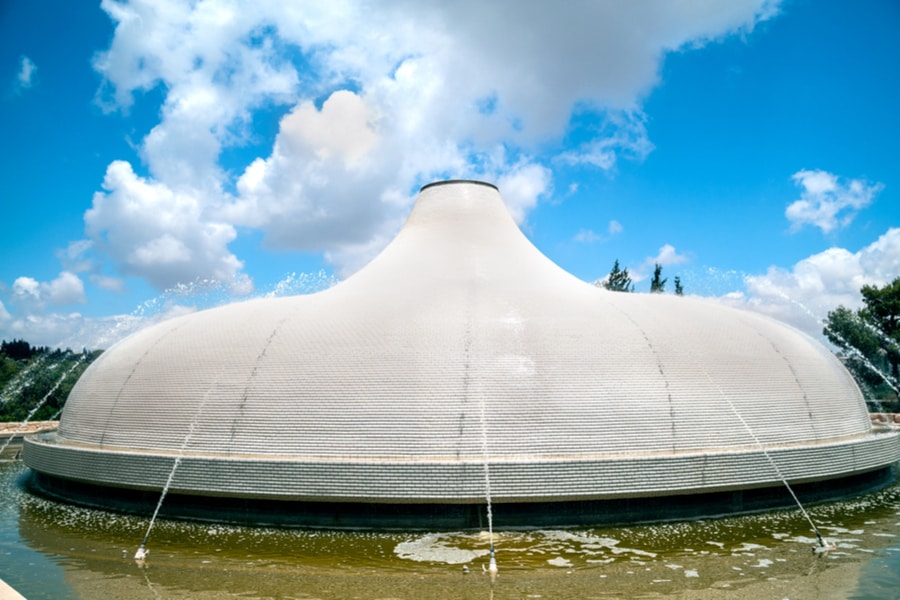
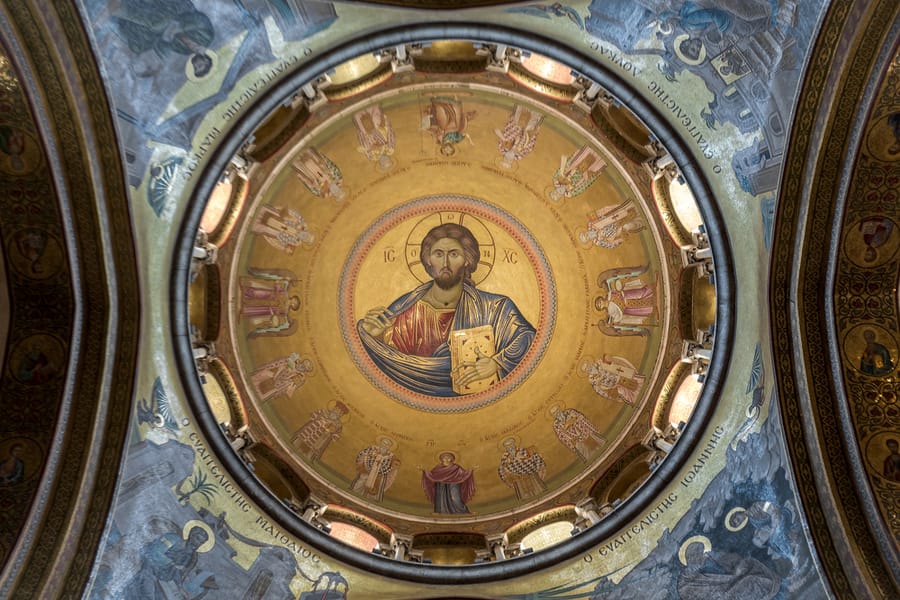
Home to three of the great world faiths - Christianity, Judaism and Islam - Jerusalem is arguably one of the holiest cities on the planet. No surprise then that millions of visitors flock to it, to worship inJerusalem churches, synagogues and mosques, explore its endless historical sites, learn more about its conquests and ancestors or just to soak in the atmosphere of this extraordinary place. To do justice to Jerusalem, you’d need many days if not weeks, to wander the city but if you’re short of time, and want to see as much as you can, then - providing you rise early (to avoid the long queues) and put on some sturdy footwear - you can pack in a lot in a couple of days. Catholic Cemetery, Mount Zion, Jerusalem.Photo credit: © Sofia EmeliyanovaGetting Around JerusalemIn terms of getting around, the new and modern light railway is a joy to use and, of course, within the Old City, you’re confined to walking anyway. Consider taking part in the best-reviewed Jerusalem tours if you need some fellow travelers. On a practical level, we’d advise dressing modestly (long trousers for men and skirts or dresses below the knee/tops with sleeves for women) to show respect for many of the holy places. Finally, if possible, try and plan your trip between Monday-Thursday, since Friday-Sunday are days of rest for Muslims, Jews, and Christians respectively. Here, then, is our guide to Jerusalem in 48 hours...good luck and enjoy!Day 1. The Old City and Temple MountThe Old City has an atmosphere and energy that’s hard to describe - full of winding alleyways, exotic smells, places of worship on every corner, and 16th-century Ottoman walls, the city has immense religious and cultural symbolism. Its actual size is not large - it measures less than a square kilometer - but boasting thousands of years of history, and drought over tooth and nail by invaders, it really does pack a holy punch! The Old City itself is divided into four quarters - Christian, Jewish, Muslim, and Armenian - with many buildings laying underneath the streets themselves. The present street plan dates back more or less to Byzantine times and is bisected by an east-west road (thus the four quarters). Bethesda Pools, Jerusalem. Photo credit: © ShutterstockChristian Sites in the Old City of JerusalemArriving through the Jaffa Gate, every visitor, whatever their faith, should walk the Via Dolorosa, which leads to the Church of the Holy Sepulchre. Treading the path Jesus walked, on his journey to the cross, is an extraordinary experience - stop at the different stations (marked on the ancient stone walls) and if you want to really soak up the atmosphere, go on Fridays at 3 pm, when the Franciscan Custodians of Holy Places lead a procession. The Church of the Holy Sepulchre is the holiest site for Christians in the entire world - this is where Christ was crucified, buried, and resurrected and the atmosphere inside is extraordinary. (Fun fact: the walls of the church are inscribed with thousands of crosses, inscribed by Crusaders who traveled across Europe hundreds of years ago and slept in the church).The Convent of the Sisters of Zion (a Catholic nunnery), the Garden Tomb (around the City Walls), the Coptic Orthodox Patriarchate, and St. Anne’s Church are also popular Christian sites within the Old City. For history buffs, consider taking a Jerusalem Half Day Tour and, at its conclusions, continuing on to explore alone.Church of the Holy Sepulchre. Photo credit: © ShutterstockJewish Sites in the Old City of JerusalemWithout a doubt, a visit to the Western Wall (or “‘Kotel’ in Hebrew) is an experience no tourist ever forgets. Jews from across the globe come to pray here since it is their most holy site (the last retaining wall of the Second Temple built by Herod in Roman times). It is open to all, free and both Jews and non-Jews are permitted to walk close to the wall, pray there and place notes in the crevices of its walls.As well as the Kotel, there is much to see in the Jewish quarter. Walk along the Cardo - the remains of a street that existed back in Roman-Byzantine times, where merchants sold their wares - and look out for the Madaba Map (an astonishing mosaic that depicts ancient Jerusalem). A hidden gem often overlooked is the Hurva Synagogue. Built in 1700, burnt down in 1720 then re-inaugurated in 1864, this was one of the most impressive synagogues that stood in the Old City before 1948. Badly damaged by shelling in the War of Independence, it was subsequently demolished but in 2010 underwent major renovations to restore its beautiful exterior. Today it is possible to take a guided tour around it - look out for the tallest Ark of the Covenant in the world! David Playing the Harp before Saul, Jerusalem.Photo credit: © ShutterstockFor archaeology lovers, the Burnt House is a must-visit. After the Six-Day War in 1967, Israeli archaeologists began digging in the Jewish Quarter of the Old City and found something quite astonishing - a house six meters below street level, concealed by a layer of ash. This ‘Burnt House’ dates back to the time of the Second Temple and is believed to have been the home of upper-class Jews. They were the Katros family and we know this because archaeologists found a stone weight, inscribed with their name on it.Not exactly in the Old City but not far away it is the City of David – and this can easily be joined on a City of David and Underground Jerusalem Tour.Muslim Sites in the Old City of JerusalemA visit to the Temple Mount and the Dome of the Rock will be of particular interest to any Muslim since, after Mecca and Medina, the Dome of the Rock is Islam’s third most holy site. Constructed in 691-692 CE, it is instantly recognizable shimmering gold roof and blue-tiled exterior houses a sanctuary in which lies the Foundation Stone - where Mohammed (according to legend) ascended to heaven. Since non-Muslims are not allowed to enter the Dome of the Rock itself, we would recommend joining a tour of the area.The Western Wall, Jerusalem. Photo credit: © Dmitry MishinThe entire Muslim quarter is a fascinating place to explore, with tiny stores selling spices, sweet delights, vegetables, and household goods. The bazaar-like atmosphere is very Levantine - don’t be afraid to bargain either, as it’s expected! The area around the Damascus Gate is particularly lively, and a good place to grab a Turkish coffee (strong and black, with a hint of cardamom), a piece of baklava, and watch the world go by. If you have the energy, walk outside the City Walls and up to the Mount of Olives, to see a spectacular sunset.After a power nap, spend the evening at one of Jerusalem’s excellent restaurants or bars in the New City, visit the Light and Sound Show at the Tower of David, or simply stroll through the fancy Mamilla Mall. Jerusalem is also home to the Cinematheque on Hebron Road, which hosts many documentary film festivals and boasts a lovely cafe, with light bites and fabulous views. Day 2. The New CityJerusalem is home to a number of excellent museums, two of which you could easily spend the entire day at. We would highly recommend both of them, the first being Yad Vashem - the national monument to the Holocaust - and the second the Israel Museum, which houses a spectacular collection of art, Judaica, sculptures, and the astonishing Dead Sea Scrolls. At a pinch, you could visit one in the morning and another in the afternoon... although that might be a little overwhelming.Shrine of the Book, Israel Museum, Jerusalem. Photo credit: © ShutterstockYad Vashem - The World Holocaust Remembrance CenterA visit to Yad Vashem is an extraordinary experience, leaving many moved to tears and all walking away with an indelible memory of their trip. Presenting the experience of the Holocaust (‘Shoah’ in Hebrew) from a uniquely Jewish experience, it takes the visitor on a remarkable journey, emphasizing the experiences of individuals through personal possessions, testimonies, and surviving artifacts. The museum actually contains over 27,000 items that were donated by survivors over the years, including chess sets and the distinctive yellow stars that Jews were forced to pin to their clothes.Visitors walk through a large museum, at first being confronted by the Nazi rise to power, then exploring the ghettos in which Jews were forced to live and finally coming face to face with the grim reality of life in concentration camps, for the few deported who were not immediately murdered. The space visitors walk through is 180 meters long and formed like a spike with its top edge (a skylight) protruding. Deliberately designed with varying heights and differing degrees of light permeating the rooms, the idea is for it to symbolize the complexity of the Jews’ predicament as well as the idea of rebirth after destruction. The Museum also holds a Hall of Names (remembering the six million murdered) and a space to honor Righteous Gentiles, who risked their lives to save Jews.A visit to Yad Vashem is by no means a ‘fun’ way to spend a few hours. It is difficult and sometimes overwhelming to make this journey, but incredibly worthwhile and something that is recommended for every visitor to Israel, as a way to understand the collective trauma of the Holocaust that still reverberates throughout Israeli society today.Yad Vashem Holocaust Museum, Jerusalem.Photo credit: © ShutterstockThe Israel MuseumRegarded as one of the world’s leading museums, the Israel Museum offers visitors a slice of fine art, archaeology, ceramics, Jewish culture, a variety of exhibitions. as well as a beautiful Sculpture Garden, guided tours, workshops, a miniature model of the Second Temple and the opportunity of a lifetime - walking through the ‘Shrine of the Book’ building which houses the Dead Sea Scrolls.Visitors can enjoy art by European and Israeli artists alike, wander through the independent photography department, ponder over drawings and works in the design and architecture section, and take an unparalleled journey into the history and archaeology of the land of Israel.The Shrine of the Book, housing the scrolls discovered at Qumran (in the Dead Sea region) in 1947 is a highlight for all visitors. The white dome symbolizes the lids of the jars in which the scrolls were discovered and the corridor inside representing the cave itself. The building itself is astonishingly beautiful and considered a triumph by many modern architects. Fun for the Kids in JerusalemIf you’re not traveling alone, and need family-friend activities to amuse the kids fear not - there’s the Jerusalem Time Elevator, the Bloomfield Science Museum, the Biblical Zoo, or Aquarium, which youngsters will love. Located in the southwest of the city, the Zoo has all kinds of activities for children including workshops, night tours, and a petting zoo. From elephants and tigers to Ibex and Black Howler Monkeys, it’s got plenty to amuse you for several hours! The Aquarium, next door, is also an ideal place to visit on sweltering summer and rainy winter days since it’s all enclosed.Traveling around Jerusalem with kids.Photo credit: © Dmitry MishinBiblical Archaeology in JerusalemFor anyone interested in biblical archaeology, Jerusalem is a paradise. To get the most out of your time in the city, however, we would recommend joining a tour such as In the Footsteps of Jesus - which includes a visit to the Pools of Bethesda, Church of St. Anne, and the Pater Noster, and a chance to see both the Garden of Gethsemane and the Mount. of Olives.An Evening at “The Shuk”After another quick rest, head off for an evening at the lively Mahane Yehuda market, directly off Jaffa Street in the heart of the city. In the last ten years, this has become the hottest spot in town for eating and drinking at night, with all kinds of food (Persian meets tapas meets Italian meets fish and chips), craft beers, and live music. If you’re lucky enough to be there on Thursdays, you’re in for a treat - it’s packed out but completely atmospheric and provides every visitor to Jerusalem with a snapshot of its inhabitants - old and young, religious and secular, foodie-lover or flaneur! After a fun evening out, go home and sleep. You deserve it, after your action-packed 2-day itinerary in Jerusalem.Mahane Yehuda Market. Photo credit: © Dan Porges
By Sarah Mann

How to Get from Tel Aviv to Jerusalem

Tel Aviv and Jerusalem are Israel’s two largest cities, as well as being huge tourist centres, meaning that the majority of visitors want to see both. Luckily, the two cities aren’t far apart - in fact, by European or North American standards, travelling between them is easy and cheap. Making a day trip takes minimal effort (indeed, some Israelis commute between the two cities five days a week) and whether you want to plan ahead or just wake up and decide to head off, it’s your choice. Here, we look at some of the different ways you can make the 54 km (33 mile) journey.A statue of King David playing harp, Jerusalem.Photo credit: © Shutterstock1.How to Travel Between Tel Aviv and Jerusalem byBusThe Tel Aviv to Jerusalem bus service is highly recommended since it’s inexpensive and efficient, with buses leaving every 15 minutes from early morning to late at night. The Egged company runs this very popular service and if there is no traffic your journey should take between 45-55 minutes. If you want to know if it’s safe to travel from Tel Aviv to Jerusalem, then the answer is a resounding yes. Bus drivers are trained to high standards and, moreover, if any kind of problem arises, someone will inevitably offer you assistance - Israelis are very hospitable people and love to help! There are two central bus stations in Tel Aviv that operate this service:- The Central Bus Station (Tachana Merkazit) located on Levinsky Street in the south of Tel Aviv, close to HaHagana train station. This operates bus line 405- The Terminal 2000 station, on Namir Road/Arlozorov Street, in the north of Tel Aviv, which operates line 480.Either you can pay the driver when you board the bus (cash is fine) or use a Rav Kav card. These cards can be purchased at many points in the city and loaded up with credit which can be used on buses within the city as well as longer journeys around the country. You can also buy a ticket beforehand from a machine (most machines have an ‘English’ option) or a staff member at one of the counters. The cost of a one-way ticket is 19 NIS and there is a discount if you buy a return-trip ticket.All buses arrive at the Central Bus Station in Jerusalem, which is very close to the main highway and the Bridge of Chords. From here, it is very easy to navigate your way around Jerusalem - either by bus, the light railway (which runs all the way down to the Old City), or a taxi. The Jerusalem bus station also has an array of shops selling clothes, electronic goods, and food/beverages, so if you're desperate for a coffee or you’ve forgotten your phone charger, never fear.As with all cities in Israel, there is no public bus service on Shabbat i.e. from Friday afternoon until Saturday evening, after dark.Old City market, Jerusalem. Photo credit: © Shutterstock2.How to Travel Between Tel Aviv and Jerusalem by TrainAfter decades of talks that came to nothing and plans that regularly collapsed, the high-speed rail link connecting Israel’s two largest cities opened in 2019. The Tel Aviv to Jerusalem train is, without a doubt, a fantastic way to travel between the cities - it’s a direct service, using a spacious two-level train and it takes between 36 and 43 minutes, depending on which of the three Tel Aviv stations you depart from. These stations are:- Savidor Center - like the Terminal 200 bus station (see above), Savidor is on the corner of Namir Road and Arlozorov Street.- Shalom train station - close to the famous Azrieli Towers, this station is located on the HaShalom Interchange on the Ayalon Highway - HaHagana railway station- the most southern of the three stations is also located on the Ayalon Highway, north of Highway 1 and 200 meters easy of the Tel Aviv Central Bus Station.A one-way ride costs 23.50 NIS and for much of the day, the train runs every 15-20 minutes. As with the Egged buses (see above) you can use your Rav Kav card or buy tickets from cashiers or machines in the station. You will arrive at the state-of-the-art, Yitzhak Navon station in Jerusalem, complete with modern design, vaulted ceilings, and beautiful wall mosaics. It’s also one of the world’s deepest stations (80 meters deep) and conveniently located on Jaffa Street, with access to city buses, taxis, and the famed light railway, which will transport you to downtown Jerusalem and the Old City in just a few minutes. Jerusalem light railway, Israel. Photo credit: © Dmitry Mishin3. Taxi - Shared or PrivateIn all of the major cities in Israel, you will see small yellow vans standing at their main bus stations. These are called ‘sheruts’ and basically, they are ‘shared taxis.’ They take 10 passengers and are not owned by the government, which means that they run on Shabbat (unlike Egged buses and trains, which stop between Friday afternoon and Saturday evening). All you need to do is climb in and pay the driver in cash (22 NIS). Once the seats are all filled, off you go! (Bear in mind that you might have to wait a few minutes for the sheruts to fill up). Sheruts leave from the Tel Aviv Central Bus Station on the ground floor, just outside the main entrance, and can drop you either close to the Jerusalem bus station or downtown, close to Tzion Square and a short walk from the Old City.For more comfort (and if you’re willing to pay a premium) then it’s possible to take a private taxi from Tel Aviv to Jerusalem. Either ask your concierge to arrange this service for you or download the Gett Taxi app (as yet, there is no Uber in Israel). Expect to pay around 350 NIS door to door (and more at night or on Shabbat). Buses on Mount of Olives, Jerusalem.Photo credit: © Shutterstock4. Private TransferA Tel Aviv to Jerusalem private transferis a comfortable and convenient way to travel and is easily organized through a trusted tour operator. You will be driven in a vehicle that is comfortable and air-conditioned and, of course, if you wish to make a detour along the way (to visit the village of Abu Gosh, for example, or grab a cup of coffee at the ‘Elvis Diner’ then that’s your prerogative). You should expect to pay around 700 NIS for this service.5. Organized Trips to JerusalemIf you’re based in Tel Aviv, but want to visit Jerusalem and see as much as you can in a set period of time, it’s really worthwhile considering one of the many Jerusalem tours on offer. Taking a guided trip in Israel really takes the hassle out of everything - you’ll have a driver, a guide and - whether it’s one, two, or three days - the chances are you’ll get to see quite a bit more than if you’re traveling under your own steam. There are all kinds of Israel day tours and Jerusalem tour packages available - whether you want to explore the Old City, visit ancient churches, wander the world-class Israel Museum or take a stroll in the vibrant, bustling Mahane Yehuda market, there’s something that will suit you. Jerusalem is a city that offers a taste of everything - culture, history, architecture, food, and scenery. It’s probably one of the most extraordinary cities you’ll ever visit so soak it up.The Wailing Wall, Jerusalem.Photo credit: © Dmitry Mishin6. Rent a CarRenting a car in Israel is not difficult - there are plenty of companies around and prices are reasonable. GalCal, Hertz, Shlomo Sixt, and Hagar are some of the most reputable names, and booking via their websites (all in English) is easy. All you need is your international driver’s license, your passport, and a credit card. Allow about half an hour to sort out the paperwork and then you’ll be good to go.There are two major routes that you can take - either Road 1 or Road 443, via Modiin. Traffic is notoriously bad on these roads early in the morning and later, after the workday ends, so try and plan your journey in quieter hours, otherwise, your journey could double in time. Also, bear in mind that parking is limited and expensive in Jerusalem itself, so if you’re visiting just the Old City itself (rather than combining your city trip with a tour of Masada and the Dead Sea for example), you’ll be better off using public transport or taking an organized Jerusalem tourfrom Tel Aviv.Montefiore Windmill, Jerusalem. Photo credit: © Dmitry Mishin
By Sarah Mann

Must-See UNESCO Sites on a Visit to Israel: A Treasure Trove Waiting to be Explored

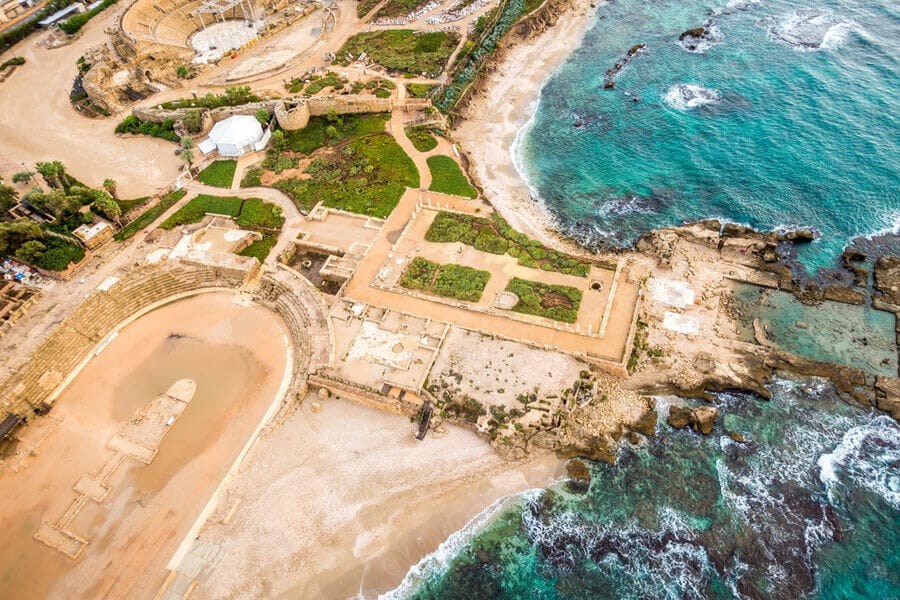
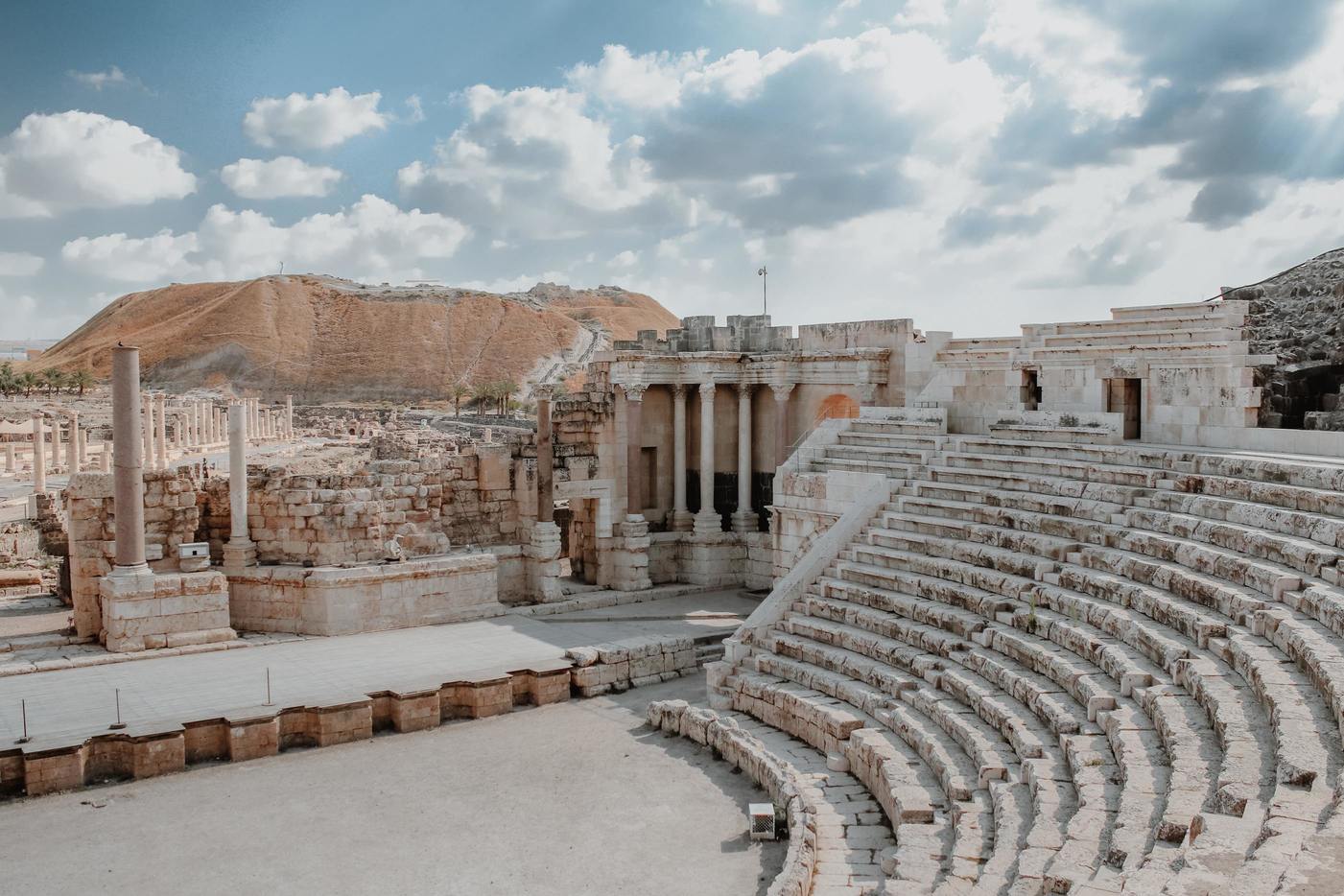
Did you know that there’s nowhere else in the world offering such a dense concentration of UNESCO World Heritage Sites than the small country of Israel? Israel may be tiny (it’s about the size of the state of New Jersey) but it’s a treasure trove of astonishing and unique locations. Both in its cities and the countryside, natural and manmade wonders dot the landscape, from north to south, showcasing over 3,000 years of religious, historical, and cultural diversity.Cable car to Masada Fortress.Photo credit: © ShutterstockWhat are World Heritage Sites?The ‘World Heritage’ status assigned to these locations designated for places on earth that are considered to be of outstanding universal humanity. As a result, they have been placed on a Heritage list, with the aim of them being protected for future generations to enjoy and appreciate. And what makes the concept of ‘World Heritage’ truly exceptional is that it is applied universally.World Heritage sites belong to and can be visited by people from every corner of the globe, regardless of the territory they call home. From the moment a place is declared a World Heritage Site, the country and the organization that owns it are obligated to protect it and its surroundings from any development that does not adhere to the character and spirit of the site. Once a site is on this list, not only will it benefit from such prestige, but it’s likely that more of an awareness of and pride in the site will develop, from the people who live in its locality. And of course, there’s the knock-on effect of increased tourism....peoples’ curiosity is piqued and they’re ready to find out for themselves what all the fuss is about.Today, we’re looking at some of these extraordinary places in Israel, and not just those currently on the list but others on a tentative list i.e. places that Israel wants to nominate for future inclusion. Judge for yourself - and then start planning your trip!Ein Kerem, Jerusalem.Photo credit: © Shutterstock1. The Bahai Gardens, HaifaThese beautifully styled and manicured gardens, sloping down in 19 separate terraces for almost one kilometer, and are one of Israel’s most famous and most-visited sites. The Bahai - a relatively modern religion - was founded by a Persian who named himself ‘ Bab’ and Haifa is considered to be one of his adherents' most holy sites. Divided into three parts, the bottom sits next to the German Colony, the middle houses the ‘Shrine of the Bab’ (with its distinctive gold top) and the upper sits next to the Louis Promenade. Against the backdrop ofMount Carmel, the array of fountains, ponds, masses of flowers, and sculptures are a sheer delight. A visit to the Bahai Gardens is a must when in Israel, a highlight of a private tour of Caesarea, Haifa, and Acre. Bahai Gardens, Haifa.Photo credit: © Shutterstock2. The Biblical Tels of Megiddo, Hazor, Beer ShevaOf around 200 tels (prehistoric settlement mounds) in Israel, these three are the most important, all containing substantial remains of cities with biblical connections and the first two afford astonishing views of the Jezreel Valley. At the end of the trail, descend into the underground water system, built around 8 BCE, and marvel at its engineering, which gave residents access to freshwater without having to leave the city walls. Why not visit them as part of a customized private tour of Megiddo and Nazareth?3. The Caves of Maresha and Beit GuvrinDating back over 2,000 years, and comprising over 250 underground chambers, Beit Guvrin once was a First Temple-era settlement and today you can still see the remains of a Roman amphitheater. Its quarried limestone rock caves were once used as cisterns, baths, places of worship, and even oil presses. Combining Maresha and the nearby Soreq Stalactite Cave on a private tour is a fine way to spend a few hours.Beit Guvrin National Park. Photo credit: © Shutterstock4. The Incense RouteThe ancient Incense Route once ran from Yemen, Oman, and Arabia through to Jordan and Palestine, with traders carrying spices and perfumes to barter and sell. The 100 km stretch passing through Israel includes desert cities in the Negev - Mamshit, Haluza, Shivta, Avdat...all four boast archaeological remains including a bathhouse, burial caves, and water systems.5. MasadaThe ancient Roman fortress of Masada, built by Herod the Great, and nestled in the Judean Desert, is a truly magnificent structure, which can be ascended either on foot or by cable car. Untouched for more than 13 centuries, it's hard not to stand open-mouthed, as you look out over the Dead Sea and take in the magnificence of the views and the fortification in which you stand. For the best experience, it's recommended to join one of the organizedMasada tours.Masada fortress, Israel.Photo credit: © Shutterstock6. Necropolis of Bet ShearimThis impressive archaeological site, located in the foothills of the Lower Galilee contains an astonishing necropolis - a largely designed cemetery with elaborate tomb monuments. Carved out of soft limestone and boasts more than 30 burial caves, many of the caves were pillaged by robbers in the 8th century. Although only a part of it has been excavated, the necropolis has been compared to a stone-inscribed book - its sarcophagi, mausoleums, and catacombs have elaborate symbols and figures carved into them, as well as inscriptions in Hebrew, Aramaic, and Greek. The Necropolis is easily visited as part of a customized private tour to Mount Tabor, Tsipori, and Beit Shearim.7.AcreThe Underground Crusader City of Acre was built during the 12th century and destroyed in 1291 when the Mamluks conquered it and built their own city on the ruins. After painstaking excavation and restoration, visitors can now visit this ancient site and see the massive Crusader halls, passages, the Templars' tunnel, and chambers.The Templars' Tunnel, Acre. Photo credit: © Shutterstock8.Sites of Human Evolution at Mount Carmel: Nahal Me’arot / Wadi el-Mughara CavesLocated on the western slopes of Mount Carmel, this site includes the caves of Tabun, Jamal, el-Wad, and Sikhul, representing about 500,000 years of human evolution. The Natufian burial sites and early stone architecture show the transition from a hunter-gatherer to an agricultural lifestyle. Not surprisingly, the caves today are a key site for historians and archaeologists, because they yield so much information about the prehistory of the Levant.9. White City of Tel Aviv – the Modern MovementBased on urban planning by Patrick Geddes, the White City was constructed throughout the 1930s and reflects modern, organic planning concepts. The buildings were all designed by European architects who had learned their craft before immigrating. The result? A thriving urban center. The White City has been well preserved in all kinds of city design (profiles of streets, proportions of open and closed spaces, green areas). In many of the beautiful Bauhaus buildings, which can best be seen on a Tel Aviv Bauhaus tour, details of staircases, railings, front doors and curved balconies are much the same as they were 90 years ago. Museum of the History of Tel Aviv-Yafo (Beit Ha'ir), The White City of Tel Aviv.Photo credit: © Dmitry MishinNow Let’s Take a Look at the 18 Sites on the Tentative ListTriple-Arch Gate at Dan & sources of the Jordan - this ancient structure dating back from the Canaanite period of the Bronze Age was built around 1750, out of the mud. Composed of three arches, it once stood 7 meters tall and today features two towers. The arches are the oldest ever found in Israel.Early synagogues in the Galilee - these include Meron, Gush Halav, Navorin, Bar-Am, and Beit Alpha and Korazim, and Capernaum by the Sea of Galilee. These were the first buildings representing monotheistic space, where people worshipped without idols. You can visit Beit Alpha with a Megiddo and the Jezreel Valley Private Tour.The Galilee Journeys of Jesus & the Apostles - this route begins in thecity of Nazareth, winding through Tsipori, Kfar Kana, and Magdala, around the Sea of Galilee and ending at Tiberias. The route is like a thread connecting the pilgrim sites in Galilee most sacred to Christianity (easily covered withGalilee Tours), combined with cultural and natural sites, beautiful scenery, and local communities.The Sea of Galilee and its ancient sites - many of these are mentioned above and can be visited with group tours such as Nazareth and Sea of Galilee tour and Sea of Galilee Tour.The Church at Mount of Beatitudes, near the Sea of Galilee, Israel.Photo credit: © ShutterstockHorvat Minnim (Khirbat al-Minya) - an Umayyad-built palace in eastern Galilee, on the northern end of the Sea of Galilee.It is home to one of the earliest mosques in Palestine.Arbel - Mount Arbel in the Lower Galilee, on the way to Tiberias, features 4 villages - Arbel, Neve, Shueb, and Horns of Hittin - all with stunning views of Mount Hermon in the Golan Heights.Degania - arguably the “mother of all kibbutzes” this Jewish settlement was established in 1910, making it the earliest socialist Zionist farming community in the land of Israel.Beit Shean - the ruins of this ancient city are now protected within the grounds of a National Park and date back to the Late Neolithic period. It is mentioned in the Bible in connection with the battle of the Israelites against the Philistines on Mount Gilboa: the bodies of King Saul and three of his sons were hung on the walls of Beit Shean.Caesarea – contains magnificent remains including a large Roman amphitheater and a historic port. With its impressive ruins and beautiful Mediterranean backdrop, this ancient Herodian city is easily visited on any number of Caesarea tours.Caesarea National Park from above.Photo credit: © ShutterstockMount Zion in Jerusalem - located just outside of the Old City, this Jerusalem hill has been called Mount Zion since the Middle Ages, even though Jewish scripture refers to the Temple Mount by the same name. Holy to Jews, Muslims, and Christians, it is home to a number of important sites and landmarks including King David’s Tomb, the Chamber of the Holocaust, the Room of the Last Supper, and the Protestant Cemetery. Visit Mount Zion with one of the Jerusalem tours.The White Mosque in Ramle - located in the heart of ancient Ramle, the White Mosque was first built in 8 CE, when the town first proposed. The ruins today date from the end of the 12th century, when it was renovated upon the orders of Saladin. The tower is 30 meters high and between it and the mosque ruins are three subterranean water reservoirs.Makhteshim Country - the Negev desert, in Israel’s south, is a colorful and rocky terrain and is dominated by a number of ridges and deep, breathtaking valleys. Makhtesh, in Hebrew, means crater and the valleys have common features: they are surrounded by steep limestone walls. The Ramon crater is the most impressive of them, at 38 km long and 450 meters deep.Dome of the Rock and Mount Zion at sunrise, Jerusalem, Israel.Photo credit: © ShutterstockMount Karkom - located in the southern Negev desert at the northern edge of Nahal Paran, this is one of the world's best examples of rock engravings.Timna - situated in the Arava desert, close to Eilat on the Red Sea, Timna is rich in copper ore and historians believe that there have been mines in existence there since 5 or 6 BCE. Set in around 15,000 acres, with steep cliffs and red-pink mountains surrounding it, Timna is a spectacular natural attraction.The Crusader Fortresses - Montfort, Belvoir and Atlit, and Arsuf are four remarkable fortresses built between the 12th and 15th centuries and their attention to detail and size are astonishing. Each fortress represents a different Crusader Order - Teutonic, Hospitaliers, and Templars. As the decades passed, the balance of power shifted constantly between Crusading Fortresses and regional Muslim armies - today they offer a fascinating glimpse into this ancient world.Apollonia (Arsuf) Crusader Fortress.Photo credit: © Dmitry MishinThe Great Rift Valley - the Hula Valley is a small part of the Great Rift Valley and a bird lover’s paradise. The main migrating season is in the fall, when pelicans, herons, storks, and cranes arrive in huge flocks, along with birds of prey and other winged species.Liftah (Mye Naftoah) - this abandoned Palestinian village contains numerous original dwellings, a spring, agricultural terraces, and partly preserved landscapes. It includes unexcavated archaeological remains of earlier periods.Ein Kerem - this charming village on the edge of Jerusalem, with lush greenery, contains remains from the Iron Age. Christians believe that Ein Kerem is the birthplace of Saint John the Baptist. Other holy sites in Jerusalem are, as yet, unlisted since ownership is contested and therefore there is no settled status. However, the West Bank does have some inscribed World Heritage sites of its own including Bethlehem (the birthplace of Jesus) and the archaeological site Tel es-Sultan, both of which can be visited on a group tour of Bethlehem and Jerichoor with private tours.The Church of St. Catherine, Bethlehem.Photo credit: © Shutterstock
By Sarah Mann

How to Get from Tel Aviv to Eilat: From Culture to Chillout

A great many of Israel’s visitors want to see as much of the country as they can on their trip, and two of the spots they prioritize are Tel Aviv and Eilat. Tel Aviv, the beating heart of the country’s centre, is close to Ben Gurion airport and an ideal place to spend a first night after arrival and even a few more days afterwards, enjoying cafe life, cultural pursuits and some fine dining. Eilat, nestled on the Red Sea, is a popular destination too, especially in the winter when temperatures are warm and swimming and sunbathing are a top pastime. With its breathtaking views (look one way you can see Jordan, look the other there is Egypt, and look behind you for pinkish, orange-red hued mountains) it’s perfect for chilling out, snorkelling and a little hiking in the nearby Timna Park. If you’re feeling adventurous you can also join aPetra tour from Eilat.Eilat beach.Photo credit: © ShutterstockFrom Tel Aviv to Eilat - Four Ways to Do ItThe distance from Tel Aviv to Eilat is 281 kilometers. There are 4 ways to travel from Tel Aviv to Israel's southernmost resort: bus to Eilat, rental car, plane, and private transfer. Below, we’re going to give you some helpful pointers to make sure everything goes as smoothly and easily as possible along the way. Luckily, Israel is a small country, so no journey ever takes that long (even when on desert roads!) but having the ‘lie of the land before you set off is always a good idea.Unfortunately, Israel does not yet have a direct train running between the two cities. The proposed high-speed rail link has been talked about for years but, unfortunately, the project is currently at a standstill. To date, the furthest you can travel by train is to Beer Sheva and Dimona (a tiny town a little way on). There is a small stretch of railway that passes beyond Dimona, running out to some phosphate mines in the Tzin Valley, but the train that heads there is for cargo only and functions on an 'as and when' basis.Red Sea, Eilat, Israel. Photo by Vitaliy Paykov on UnsplashInsider TipsOf course, you could take the train as far as Beer Sheva and then catch a bus onto Eilat, but this would mean making a change and, if you have a lot of luggage or small children, it could be inconvenient and tiresome. Still, it’s possible - and let’s give you some insider tips. Firstly, reserve a seat on the Beer Sheva - Eilat bus three days in advance. Try and book one in the middle (not over the wheels) - number 18 is ideal! Look for a seat on the shady side (no. 17 if you’re traveling in the morning and no. 19 if in the afternoon).Book a train to Beer Sheva and make sure you leave plenty of time for your connection. After arriving (the journey is approx. 1 hour 10 minutes), exit the train station and turn left. You will see the bus station right in front of you. If you need to use the bathrooms, it’s better to do so in the train station - they tend to be cleaner than the ones in the bus station!Grab a snack or a light bite in the bus station, which has all kinds of eateries, plus coffee shops. We recommend the shawarma and also the bourekas (pastry filled with salty cheese or potatoes). Pick up some water too - the driver will probably stop for a coffee break at Yotvata Inn, but that won’t be for another two hours or so, and if you’re traveling in the summer, it’s essential not to let yourself become hydrated. Egged intercity buses in Israel. Image: via Egged Facebook pageA tip: when you arrive at Yotvata, you’ll have time to stretch your legs but also to pop inside and treat yourself to one of their famous Italian-style ice creams, which come in a marvelous range of flavors (we recommend the mascarpone and figs). There’s also a fantastic date-flavored frozen yogurt and mango sorbet for those who prefer to avoid dairy. Yotvata also has a gift store where they sell boxes of juicyMedjool dates, all grown on their own kibbutz. Now onto the direct options.Getting from Tel Aviv to Eilat by BusThe bus is a pretty good option and, as buses go, it’s a comfortable journey with varied and beautiful landscapes. At around 70 NIS one-way, it’s also rather cheap (public transport is heavily subsidized in Israel). The national bus service is called Egged and their green and white logo is easily recognized. We’d recommend booking a seat in advance, just to guarantee that you won’t be turned away, but if you want to take a chance, just show up with cash (or a loaded Rav Kav card) and if there’s a spare seat, the driver will welcome you aboard. Tickets can be ordered online via Egged’s website (in Hebrew) or by phone at 03 694-8888 or *2800 (many of the operators speak English as well) using a credit card. Vintage Egged bus from the Egged Bus Museum in Holon.Photo credit: © Dmitry MishinEgged ScheduleSunday-Thursday: This is the Israeli work week and buses leave regularly, with line 394. This is located at Platform 601, on level 6 of the Central Bus Station on Levinsky Street. Buses leave regularly i.e. every 90 minutes, with the first one departing at 06.30. On Friday, the last bus usually leaves around 14.00. This is because the Jewish Shabbat begins when dusk falls on Friday and public transport in Israel generally stops running a couple of hours before. On Saturdays (i.e. the Jewish Shabbat) buses depart a little before the end of the day (i.e. before night falls) - sometimes as early as 14.00 from Tel Aviv. Always check the timetable carefully and, if possible, call up in advance to confirm your departure, as all times are subject to change, depending on adverse weather conditions (e.g. flash floods in the Negev).Self-Service Tickets with EilatomatAnother thing to bear in mind is that if you decide to book tickets in advance (through the website or the Customer Service Center) you will need to collect them from a self-service ticket machine named Eilatomat. These machines can be found in the central bus stations of Tel Aviv, Jerusalem, Tel Aviv, Rishon le Zion, Haifa Hof ha-Carmel, Haifa Central, Hadera, Rehovot, Beer Sheva, and Netanya. A ticket can be collected from an Eilatomat ticket machine up to 2 hours before boarding and then shown to the driver when you enter through the front door. We recommend arriving 20 minutes in advance, as the lines can be long! Antique Egged buses from the Egged Bus Museum in Holon. Photo credit: © Dmitry MishinGetting from Tel Aviv to Eilat with a Rental CarIt’s relatively simple and not particularly expensive to rent a car in Israel if you want to drive. Both Ben Gurion airport and Tel Aviv have a number of car rental businesses, including Eldan, Hertz, Tamar, and Shlomo Sixt. Just bring your passport and driver’s license and you should be issued with a vehicle within 30-45 minutes. The journey from the country’s center to the far south will take between four to five hours (depending on your speed and if you stop for a coffee break in Mitzpe Ramon, where you can admire the views of the crater and even pop in on the Artist’s Quarter or if you’re with young kids, the Alpaca Farm). From Mitzpe to Eilat, the road is winding and narrow (and it’s where accidents often happen) so please take particular care, especially at night, when there will be long stretches of road with no light. If you are easily car sick, we would advise taking this journey in the day, when it’s easier to stop and take a breath! The scenery is also beautiful - the desert landscapes are arid and rugged, and as you drive through the Arava, the rocks will turn pink, orange, and red in color.Sunset inEilat area. Photo credit:© Oksana MatsGetting from Tel Aviv to Eilatby PlaneThis is a fast option and an excellent idea if you need to travel straight to Eilat, after arrival in Israel at Ben Gurion Airport. The internal flight will take just under an hour and Arkia, Israel’s domestic carrier operates a service every couple of hours. After a long, international flight, taking trains, buses, or renting a car could quickly turn into an ordeal, particularly if you’re very jetlagged. Flights cost around $100, so save yourself time and energy - with Arkia, you’ll be in Ramon airport in no time. From there, it’s a 15-minute journey to Eilat, either by taxi or local bus. Of course, if you want to see desert scenery, you can always catch the bus back to Tel Aviv, on your return leg, or rent a car.Musical fountain in Eilat.Photo credit: © Oksana MatsGetting from Tel Aviv to Eilat with a Private TransferIf you are based in Tel Aviv, the quickest and most convenient way of all would be to book a private transfer to Eilat. This ‘door-to-door’ service means you’ll be picked up and dropped off exactly where you choose - and you can also break the journey if you choose (a pit stop at Beer Sheva, Mitzpe Ramon, or the famous dairy store at Yotvata Kibbutz - see above). Make sure to choose a trusted tour operator, who will answer all your questions in advance and tailor the experience to your specific needs.Now you’re ready. Don’t forget your COVID-19 Vaccination Certificate, sunglasses, sunscreen, and a snazzy bathing suit. Everything else is optional! Trust us, you’re going to have a fine time. Shalom and enjoy!Getting to Eilat by camel is not an option anymore.Photo credit:Muhammad Abo Omar
By Sarah Mann

5 of the Dead Sea’s Top Hotels and Spas

Situated 1,400 feet below sea level, which makes it the lowest point on earth you can travel to whilst remaining out in the open, the Dead Sea (or the ‘Salt Sea’) as it's often known is a truly magical destination. Set a short drive from Jerusalem, in the Judean desert and surrounded by breathtaking scenery, this is not just a place of enormous tranquility but one that ‘feels’ different. That’s because it actually is - the saline in the sea means that visitors are actually breathing in healthy mineral-rich air.Breathe in the Mineral-Rich AirTruly, spending time at the Dead Sea lets you experience a whole new atmosphere. With a unique body of water in which you can float, to your heart’s content, proven healing qualities that reside in the air, and the attractions of the ancient fortress of Masada and lush oasis of Ein Gedi on your doorstep, it’s no wonder this is perhaps Israel’s top tourist attraction. It’s also a mecca for those with skin complaints (eczema, psoriasis) looking for a relaxation tour and it's often commented that the sulfur baths work magic on anyone feeling run-down.Luxurious, Elegant, and Designed for PamperingSo where to stay? Well, the area has all kinds of accommodation but in this article, we’ll be focusing on the higher end of the market - five of the top hotels (each with their own spa) that offer you comfort, style, and sophistication, with all the amenities you’d expect, and a few extra touches too. The Dead Sea’s perfect for a spa break, a romantic getaway, or just a couple of days away from the daily grind. All of these hotels are located in the Ein Bokekpart of the Dead Sea, and all very close to the shore. Attractions such as Masada and Ein Gedi are close by, for anyone who wants to join one of numerous Dead Sea tours. And because the Dead Sea is just 45 minutes drive from Jerusalem and 2 hours from Tel Aviv, you don’t have to think twice before heading down there.Ein Gedi Nature Reserve.Photo credit: © ShutterstockHere are some of our recommendations, for a break that will exceed your expectations, in terms of accommodation, cuisine, spa facilities, and breathtaking scenery.1.Milos Hotel Dead Sea - Ein BokekThis luxury hotel, owned by the Herbert Samuel group, offers five-star private beachfront accommodation all the while drawing on the colors and textures of Greece. All rooms have rainfall showers and Nespresso machines and the deluxe offering comes with your own private pool.Milos has a pool with a gazebo (perfect for afternoon cocktails), a gym, a gaming room for younger guests, and a spa that offers a Turkish hammam, dry sauna, dead seawater pool, and sulfur bath.The main restaurant is built in stone in the style of a Greek taverna, the stone having been shipped in from Saloniki. It boasts an excellent chef who, according to reviews, visits each table at dinner. Guests have rated Milos highly on Tripadvisor, and commented on the professional, courteous staff. Guests on Booking.com have rated it at 9.2 for a couples getaway. Milos also offers occasional special offers which are published each afternoon, at 2 pm, for same-day check-in, so for a last-minute break, you can’t do better.Details: Milos Hotel, Ein Bokek, tel: 08 668 8100Milos Hotel Dead Sea, Ein Bokek. Photo: Herbert Samuel Hotels2.Herods Dead Sea – The Premium Collection by FattalHerods is an award-winning hotel that offers guests a rejuvenating and luxurious experience at the shores of the Dead Sea. With its own private beach, luxury rooms and suites, royal spa facilities, and innovative cuisine, it is the perfect place for anyone looking to be pampered. Herods ‘Vitalis’ spa is considered to be the jewel in the crown of this hotel, boasting a variety of heated and health-centered pools (seawater, sweet water, and sulfur), a Turkish bathhouse, solarium, and an array of mud pack, facial and cosmetic treatments. Extra touches include magic shows, free bicycle hire, a ‘fun area’ for kids, and a ‘Welcome Baby’ service. The hotel offers two restaurants, the ‘Rothschild’ bar (with excellent homemade desserts) and a Health Bar which serves natural and fresh shakes. Rooms are tastefully designed and the Executive range comes with a sunbathing balcony and free international calls. Reviews on Booking.com rate Herods as ‘Exceptional’ and ‘Superb’ and comment that breakfast and dinner went beyond expectations. Details: Hamei Zohar, Neve Zohar Tel: 03 511-0000Herods Dead Sea Hotel. Photo: Herods Hotels3.Daniel Dead Sea HotelSet in the heart of the Dead Sea’s Ein Bokek area, The Daniel hotel boasts 320 luxury rooms, 12 of which are lavishly decorated suites. Wifi is free throughout and all rooms come with LCD TVs and black-out curtains. Some offer sea views whilst others overlook the Edom Mountains. As you would expect from a luxury hotel, The Daniel has its own private beach and indoor and outdoor pools, as well as a fitness center with a gym and workout rooms. There are children’s activities available and entertainment in the lobby most evenings. Guests arriving by car have access to free parking.The Daniel offers a range of spa treatments, including massages, a steam room, and wellness treatments, There is a tennis court available for those who wish to practice their strokes! Guests reviewing the hotel on Booking.com are particularly happy with the buffet breakfast, which they say has an excellent variety of items. For special prices at the Daniel, take a look at the Trivago website which offers excellent prices.Details: Ein Bokek, Dead Sea Tel: 08 668-9999Daniel Dead Sea Hotel. Photo via ichotels.co.il4. Leonardo Club Hotel Dead Sea - All InclusiveThe Leonardo Club hotel is located on a private beach in Ein Bokek and offers guests a wonderful location with breathtaking views of both the Dead Sea and the surrounding mountains. It boasts 368 beautiful designed rooms, set in two wings, with the deluxe option offering guests a balcony with sea views. There is miniature golf on site, a games room and also free bicycle rental. The Leonardo is the only hotel in the Dead Sea which boasts its own water park, with three amazing slides, ideal for family fun. The fact that it is all inclusive means delicious cuisine and drinks (soft and certain alcoholic) are available 24/7. Guests on Tripadvisor rate the food as tasty and plentiful, with one commenting “GREAT food; hats off to the cook.” Le Spa at the Leonardo offers guests facilities including a heated seawater pool, a sulfur pool, and a modern sauna, as well as a wide variety of high-quality health and rejuvenation treatments.Detials: Ein Bokek, Hamei Zohar 08 668-9444Leonardo Club Hotel Dead Sea. Photo vialeonardo-hotels.com5.Isrotel Dead Sea Resort & SpaNestled at the foot of the mountains that surround it and just moments from the shore of the Dead Sea, the Isrotel offers its guests an experience of complete tranquility where, as they put it, ‘pampering and relaxation always come first.” Given a rating of five stars by the Ministry of Tourism, each newly-renovated room (which is bigger than your average hotel room) has a balcony and is stylishly designed.Isrotel’s spa, ‘Esprit’ offers a wide range of rejuvenation treatments including massages, mud packs, and seaweed masks. Also on offer are a sulfur pool, massage rooms, sauna, steam bath, and a private sun deck. The hotel’s ‘Ranch’ restaurant is an American-style affair, with a wide range of meats on offer - a carnivorous paradise. Guests can also ‘chill out’ at the poolside, where kids light bites are served, as well as shakes and cocktails. Reviews on Booking.com describe the hotel as ‘Superb’ and ‘Excellent’ and comment on how efficient the booking and check-in process is. One noted that on a particularly hot day, staff was handing out free ice cream and cold drinks to guests.Details: Ein Bokek, Dead Sea Tel: 08 688-966Isrotel Dead Sea Resort & Spa. Image: Isrotel hotelsPractical Travel InformationThere are several ways to reach the Dead Sea: rental car, bus, taxi, and private transfer.Rental car: Renting a car in Israel is pretty simple and not incredibly expensive. Try Hertz, Eldan, or Avis, who are all located at Ben Gurion Airport, as well as in the major cities. Don’t forget to bring your driver’s permit!Bus: Buses run regularly to the Dead Sea from all parts of the country - Tel Aviv, Jerusalem, and the south (Eilat, indirectly. There is no direct route from Eilat to the Dead Sea - you will have to change buses in Beer Sheva)From Jerusalem: The number 486 travels from the Jerusalem Central Bus Station (platform 5) direct to the Dead Sea.From Tel Aviv: the 421 travels from the Central Bus Station direct to the Dead Sea. It is advisable, and more often than not, necessary to book a ticket for these buses in advance. This can be done by calling Egged on *2800 or 03-694 8888. It is also possible to book tickets directly through their website. Please note: there is no public transport in Israel over Shabbat which means that from Friday afternoon to Saturday night, it is not possible to travel by Egged.Taxi: A taxi from Jerusalem to the Dead Sea should take about 45 minutes and cost in the region of 350-400 NIS. A taxi from Tel Aviv will take between 90 minutes to 2 hours and cost around 700 NIS.Private transfer: A private transfer from the airport or your hotel to the Dead Sea is another option, and is quick and convenient. Your Israeli tour operator will be glad to advise you in this regard. Get packing!Rejuvenating Dead Sea mud. Photo credit: © Shutterstock
By Sarah Mann

Honeymooning in Israel - Where Romance and Adventure Make for the Perfect ‘Marriage’

We all know that planning a wedding takes effort which is understandable since for many people it’s the most important day of their life. But what about what comes afterwards? How do you want to begin your married life and what factors do you take into consideration when it comes to planning the first trip you’ll take together? Choosing a destination that ticks the right boxes is incredibly important because this isn’t just a holiday, it’s your honeymoon!Just married. Photo by Derek Thomson on UnsplashWhere Modernity and History Come TogetherWe might be a bit biased, but we think Israel is the place of honeymoon dreams. It’s a modern, developed country with every amenity you could wish for, combined with oodles of history and culture. It’s small enough to travel around easily but incredibly diverse in terms of landscapes and climates. There’s extraordinary nature, astonishing archaeological sites, history at your fingertips and miles and miles of pristine white sandy beaches and aquamarine Mediterranean waters to enjoy.Yes, whether you’re a sun worshipper, a culture buff, an avid nature lover or a city slicker, Israel has it all. With four climate zones, you can ski in the Golan Heights in the morning and dive in the Red Sea at night...or hike in a crater at sunrise and be overlooking a Crusader castle by sunset. With its blue flag beaches, hip hotels, fabulous cuisine and breathtaking scenery, Israel is one of the best honeymoon destinations, and here are a few of the ideas we have in mind, to help convince you...View of Safed against the backdrop of the Sea of Galilee.Photo credit: © Shutterstock1. All Coupled UpThere’s nothing more appealing for many Israelis than the prospect of heading off to a ‘zimmer’ for a romantic weekend in one of the country‘s most beautiful areas - the Galilee - and for honeymooners, we think this is a perfect idea. The word Zimmer comes from the German ‘room’ but this unique accommodation goes way beyond that. Zimmers are self-contained units that often take the form of cabins and are rustic yet luxurious, with hot tubs, stylish furnishings and extravagant breakfasts. Pastoral and private, there’s no better place to begin your married life than in these rural retreats, with no one but you and your beloved - oh, and the birds, of course!A house in Safed,the highest city in Galilee and in Israel.Photo credit: © Shutterstock2. Urban LivingFor city lovers who yearn for an ‘urban’ holiday, then Tel Aviv fits the bill nicely. With its hip boutique hotels, stylish fine dining scene combined with the romantic backstreets ofJaffa and the smart boutiques of the Neve Tzedek neighbourhood, it’s a great choice for a honeymoon in Israel.The city has all kinds of stylish hotels, many with rooftops that offer stunning views of the skyline and bars where you can enjoy a coffee by day and an aperitif before dinner. By day, stroll the Rothschild Boulevardand tiny streets,soak up the atmosphere; by night, lounge at a cocktail bar, before eating al fresco at some modern Mediterranean spot then dance until the wee hours at one of the city’s hottest clubs.Neve Tzedek.Photo credit: © Dmitry Mishin3. Sunrises and SunsetsHolding hands and watching the sunrise over Masada, in the magnificent Judean desert has got to rank as a seriously romantic activity. On any Israel tour, a trip to the ancient fortress of Masada is a must, but climbing it early in the morning really is a wonderful idea. Sitting atop the ruins, as the sun hits your face, before taking a cable car back to the bottom and heading off to the Dead Sea for a float in the world’s lowest body of water adds a touch of fun to the activity too. Slather yourself in mud, or even take a spa treatment at one of the hotels on the promenade. You can also combine all three, by taking an organised Masada Sunrise and Dead Sea Tour,which includes time at Ein Gedi - hiking, animal spotting and a refreshing dip in David’s Waterfall. Similarly, why not enjoy a sunset in the beautiful north of the country, in the Golans (nature, history and a foodie’s delight), or on a boat trip around the Sea of Galilee? Or atop an abandoned fortification at Mount Bental, on a private tour of the Golan Heights? This part of the country is renowned for its spectacular landscapes and beautiful wildlife (eagles, deer and jackals). You can climb the Nimrod Fortress (the largest Crusader-era castle in Israel) or take a detour to the Hamat Gaderhot springs. The area is a paradise for foodies too, with its locally sourced cheeses and olive oils as well as several chocolatiers providing sweet treats for locals and visitors! Wine lovers are advised to visit one of the boutique wineries and indulge in some tastings. All of these private tours are custom-made too, so it’s entirely up to you where you travel...Sunset in Tel Aviv.Photo credit: © Dmitry Mishin4. Out of the Comfort ZoneIf you’re in Israel to relax but want a few activities thrown in, save for the classical day tours or private excursions, why not step out of your comfort zone and try something you’ve never tried before? Head south to the Negev desert, to stargaze and look for meteors at the amazing Mitzpe Ramon crater, before experiencing some local hospitality in the form of a night in a Bedouin tent. Or take a hike around Timna national park before heading to Eilat for some diving or snorkelling in the Red Sea.There’s also plenty of hiking in the Negev desert, and a trip to the spectacular Ein Avdat canyon, near Kibbutz Sde Boker (home to Israel’s first Prime Minister, David Ben Gurion and his burial place) is well worth it. If you’re looking for more ideas, take a look at our Israel tour packages page, to inspire you.Traditional Bedouin flatbread getting baked on a tabun in the Negev desert.Photo credit: © Oksana Mats5. A Little Bit of LuxuryEveryone loves pampering and what better time for it than on an Israel honeymoon? The country has some incredibly luxurious hotels, and we’d recommend indulging in at least one or two nights in them! Jerusalem boasts the Waldorf Astoria, the pinnacle of style with its eclectic and elegant architecture and furnishings. Try their afternoon tea - it’s to die for. Or head to King David, with its stunning views over the Old City and palatial limestone walls. In Tel Aviv, we’d recommend the Norman - luxurious bedrooms, fine dining and the famous ‘Library Bar’ - perfect for an evening aperitif. We’d also be remiss if we didn’t mention ‘the Jaffa’ too - a modern luxury set in 19th-century grandeur. With its minimalist style, sumptuous bedrooms, lavish bathrooms and all kinds of luxury amenities, this is - by and standards - a ‘lifestyle’ hotel, and perfect for newlyweds.Rosh Hanikra Grottoes, Israel.Photo credit: © Shutterstock6. Roots SchmootsIf you are Jewish, it might be a dream of yours to hold your wedding in Israel but if that’s not possible, then come here afterwards - as part of the Honeymoon Israel.This unique project offers young couples, just married or in the early years of their union, a nine-day subsidized honeymoon in Israel program. The idea is to give them an immersive travel experience and - whatever their personal backgrounds - make them feel at home both in the country and in the Jewish community.The trip around the country involves outings to the top tourist spots in the country as well as unusual experiences i.e. eating dinner with locals that you wouldn't get on a classical Israel tour package. There will also be time to explore alone, with your partner and, of course, at the end of the nine days you are free to stay on longer if you want to see more of the country.Banias National Reserve.Photo credit: © Shutterstock7. Adrenaline RushIf you’re a couple that craves excitement, then an Israeli honeymoon won’t disappoint. With miles and miles of coastline and rivers too, there are all kinds of water sports - sailing, surfing, kayaking on the Jordan river and jeep safari tours through rugged desert terrain. Explore the tunnels on a tour of the City of David and Underground Jerusalem, or head off to Acre, another Crusader City, with its stone walls and winding streets.For the truly adventurous, explore some of the country’s caves - Sorek (the Stalactite Cave) in the Judean Mountains has wooden walkways which make it easy to explore. Malcham, close to the Dead Sea, has huge spaces and vertical shafts over 400 feet deep! Or what about the Maresha Caves in Beit Guvrin National Park, in which you can find cisterns, olive presses and burial caves of the Phoenicians.Beit Guvrin National Park. Photo credit: © Shutterstock8. Small PleasuresTake pleasure in the small things! If you’re in Tel Aviv, eat ice cream on a hot day (the city has some fabulous artisan gelaterias) take a stroll on the beach promenade (‘Tayelet’), hunt for vintage items in Jaffa’s flea market then have lunch at Jaffa port, watching fisherman pull in their catch. Hire a bike and explore the city by cycling the boulevards or head to Yarkon Park and rent a paddleboat, which you can take all the way down to Luna Park (what’s more romantic than a ride on a Ferris wheel at night?). Also, consider a Jerusalem tour package - have a guide walk you through the Old City, from one ancient spot to the next, soaking up an atmosphere that’s 2,000 years old. Jerusalem might not have beaches and 24/7 activity, but it has a charm all of its own.City of David Archaeological site.Photo credit: © Shutterstock9. Getting LostFor those who like to live on the wild side, head to the central railway station of the city you’re staying in, buy a ticket to a place with the most exotic or unusual sounding name you can find and take a day trip there. Wander the streets, grab some street food and get lost. Just remember not to miss the last train home! Here are a few of our recommendations, on the ‘unusual’ front:Ein Hod - a charming artist’s village on the foot of a hill in the Carmel, between the mountain and the sea! It doesn’t just offer accommodation either - there are workshops for those with a creative inner spirit!Ein Kerem - this tranquil village in the west of Jerusalem will delight every honeymooner - full of history, its lush vegetation is downright gorgeous (and if you’re there in February, look out for the almond blossom).Caesarea - famous for its Herodian architecture, the city also boasts the Ralli modern art museum - filled with Spanish and Latin American art, its Moorish courtyard is the perfect place for honeymooners to sit and swoon over each other.Safed- magical and holy, wander through the ancient streets and let yourself be enveloped by its mysterious and intoxicating atmosphere. Don’t forget to visit the Artist’s Quarter while you’re there.Safed street.Photo credit: © Shutterstock10. Do as the Locals DoThis one sounds rather odd, but why not just ask a local? Israelis are notoriously friendly and apart from loving to help, they love to give advice! They also have opinions on everything - particularly the best places to see in what they consider to be the greatest country in the world.They won’t name the tourist spots either - they’ll tell you about the places they grew up in, went to as teenagers, or travelled en route to their army base! Places like the underground water cisterns in Ramle, the Druze village of Daliat-el-Carmel, and the Latrun monastery. They are all hidden tourist gems and most visitors to Israel never make it to them. To sum up, then, we think that you’ll love taking a honeymoon in Israel. The adventures the two of you will have in this exciting, beautiful and unusual country are ones you are guaranteed to love and the memories you’ll make we think will stay with you for years to come. Congratulations on tying the knot and see you soon!The Wedding Church at Cana, where Jesus performed the miracle of turning water into wine.Photo credit: © Shutterstock
By Sarah Mann

A Little History About the Dead Sea

Less than an hour’s drive from Jerusalem and surrounded by the breathtaking scenery of the Judean desert, lies the Dead Sea (‘Yam ha Melach’ in Hebrew). Landlocked between Israel and Jordan, it has the lowest elevation (423 metres below seal level) on earth and is an extraordinary natural wonder due to the high saline (salt) levels it contains. The result of this salty water? Not only is it impossible to dive there (and it’s deep), it’s impossible even to swim! However, with its warm, arid temperatures and endless blue skies, it's also one of Israels’ most popular attractions, not just for tourists but for its citizens, who flock there to relax, hike, or indulge in ‘therapeutic treatments’ such as sulphur baths and mud packs, or simply soak up the sun’s rays, which are excellent for skin ailments such as eczema and psoriasis.The Dead Sea.Photo credit: © ShutterstockWhy is the Dead Sea Unique?Apart from the fact that its salt content is so high, and that it’s situated at the lowest point on earth, the Dead Sea is unique because it’s actually full of life. Not life as we’d consider it - no fish or animal can survive there - but life in the form of minerals that aid and heal the body. The evidence is indisputable - in fact, both King Herod and Cleopatra visited the area to indulge in its healing properties. Today, it is still recommended by doctors worldwide as an excellent destination for the treatment of skin ailments, arthritis, and high blood pressure. And because of its desert location, there is very little rainfall, making it a popular year-round attraction. Whether you’re looking for a stone massage, an aromatic salt exfoliation body scrub, or a rejuvenating mud scalp treatment, you’ll be able to find it here.Mineral-rich Dead Seamud mask. Photo credit: © ShutterstockGeology of the Dead SeaAbout 2 million years ago, the land between the Sedom Lagoon (which connected to the Mediterranean through the Jezreel Valley) rose incredibly high, leading to the creation of this landlocked lake. As tectonic plates shifted, the floor of the valley shifted accordingly; at the same time, the arid desert climate led to the lake evaporating. As the years passed, the lake shrank and about 7,000 years ago, this resulted in what we know today.More recently, water from the Jordan River flowed into the Dead Sea but today, with water diverted from the Galilee, its only source of water is from flash floods and sulfur springs. Since water is continually evaporating (due to the desert climate) this means that the Dead Sea is actually shrinking, leaving behind crusty salt crystals which end up ‘snowing down’ up to 10cm worth on the seafloor each year. No wonder it’s impossible to swim here - the water concentration is so dense that your body automatically becomes lighter, leaving you floating to the surface!Amazingly though, at the same time, the Dead Sea still helps support a complex ecosystem. How? Freshwater springs and oases along the shore are home to many indigenous species of fish, plants, and mammals - including ibex and leopards. There are also over 300 species of birds in the area, including eagles, kestrels, and honey buzzards (all of which pass over, on their migration from Europe to Africa).A salt flat on the shores of the Dead Sea.Photo credit: © ShutterstockThe Dead Sea in Ancient TimesThere are many references in the Bible to the Dead Sea, with it called by other names, including the ‘Salt Sea’, the ‘Stinking Sea’, and the ‘Eastern Sea’. Historically, it has been regarded as more of a territorial boundary than a ‘destination’ - nevertheless, many important biblical settlements, including Ein Gedi, Qumran, and the ancient fortress of Masada were positioned there.Archaeologists also believe that the destruction of Sodom and Gomorrah (referred to in Genesis as two notoriously sinful cities, and subsequently destroyed by God) happened in this area. The famous Old Testament story of Lot’s wife - who disobeyed God’s command not to look back and was then turned into a pillar of salt - is also believed to have taken place here. Fun fact: strange formations of salt, which resemble pillars, can be seen in the south-eastern corner of the sea, and have been nicknamed ‘Lot’s Wife’ by tour guides!TheQumran Caves near the Dead Sea.Photo credit: © ShutterstockThe Qumran Caves and the Dead Sea ScrollsQumran, nearby, is also home to the spot at which an astonishing discovery was made in 1949, when a shepherd boy (looking for a lost member of his flock) wandered into a cave and stumbled upon what, today, is named the Dead Sea Scrolls. Approximately 2,000 years old, and dating back to 3 BCE, these documents (made of animal skin, papyrus, and even forged copper) give us extraordinary and valuable insights into the Essenes, a community who had fled Jerusalem for this remote area, so as to continue with its unique way of life.Today, the Dead Sea Scrolls are a highlight of any visit to the Israel Museum in Jerusalem. Housed in an astonishing building named ‘The Shrine of the Book’ visitors enter this stunning white dome (an architectural masterpiece, designed to represent the lid of the jars in which the scrolls were found) to view these ancient Biblical manuscripts (also known as the Aleppo Codex). For any history lover, a private tour of the museum is highly recommended.The Shrine of the Book, which houses the Dead Sea Scrolls, Jerusalem. Photo credit: © ShutterstockThe Dead Sea Today - Shrinkage and SinkholesToday, there’s no point in pretending that isn’t a crisis on the horizon - the Dead Sea has a fraction of what it used to gain from its original water flow from the Jordan River. On top of that, the tiny amounts that remain are being diverted for other purposes - industry, irrigation, and hydroelectric power. To maintain its current size, it would need an infusion of 150 billion gallons of water annually and it receives about 10% of that. Time-lapse photography by Noam Bedein shows the alarming and dramatic changes that have occurred even in the last few years, as this landlocked lake literally dries up.And as if this were not problematic enough, there’s another problem with which to contend - sinkholes. As the Dead Sea shrinks, the freshwater aquifers along its perimeter recede; the water diffuses into salt deposits beneath the surface then slowly dissolves until the earth suddenly collapses (usually with no advance warning). In the last 15 years, over 1,000 sinkholes have arisen, swallowing up date palms, parts of the road, and even some buildings. More than one beach has even had to close, as a result. Scientists even fear that if things continue, the nearby springs that feed oases in the Judean desert will die too, leaving a vibrant ecosystem at great risk.A gazebo on the Dead seashore.Photo credit: © ShutterstockSocial Activism and Environmental ProjectsLuckily, it’s not all bad news. As more and more scientists and environmentalists speak out, highlighting the threat posed to the area, an increasing number of social activism projects are being set up, to counter this dangerous trend, Friends of the Earth Middle East, for instance, is part of a coalition of 21 environmental groups which have developed proposals to encourage individuals to conserve household water use. Moreover, the Dead Sea-Red Sea project is planning on opening a desalination facility in the area and, using advanced technology, aims to provide clean drinking water for millions of people in the region. Scientists are also trying to persuade local farmers in the area to plant different kinds of crops from those that exist now - olives, dates, and certain flowers, for instance, don’t require fresh water. And perhaps the most well-known venture is the Dead Sea Revival Project, which aims to become a leading NGO for environmental education and activism. Producing films, multimedia presentations, and photographic exhibitions, they aim to raise awareness not just amongst tourists and Israeli citizens but on a global level. Their fascinating ‘Virtual Museum’ allows you to tour the Dead Sea from your electronic device, and see for yourself the beauty of the place, as well as get involved in projects and enter competitions, all designed to highlight awareness of the challenges faced in preserving the area. Ibexes in Ein Gedi Nature Reserve.Photo credit: © ShutterstockSites and Activities in the Surrounding AreaFor any visitor to Israel, a day trip to the Dead Sea may well be one of the great highlights. But it’s not just the salty water itself that will leave people speechless, but also a large number of additional sites to explore and activities to join, all in the immediate area. For those, not a fan floating in salty water, or slathering themselves in black mud, a simple stroll along the promenade (from which Jordan is clearly visible) is highly recommended. All along are different beaches, with kiosks, cafes, showers, and sun loungers for rent. At some, it’s also possible to pop into hotels and enjoy their spa treatments. For the more adventurous, why not join a jeep safari? These four-hour adventures will take you inland, across rugged terrain, and let you see the beauty of the Judean desert up close and personal. These tours usually pass Qumran, where the Dead Sea Scrolls were found, and also the ancient Murbaat caves. You’ll have the chance to experience some local Bedouin hospitality along the way, in the form of hot tea inside a large tent.A jeep safari in the Judean desert.Photo credit: © ShutterstockFor those who crave an adrenaline rush, there’s the possibility of rappelling down cliff faces in Wadi Qumran or skydiving off the face of the magnificent Masada fortress. If you’re looking for outdoor activity, but something not too extreme, then the hiking opportunities in the area are endless - Metsuke Dragot, David’s Waterfall, Einot Tzukim, Dodim’s Cave, and the Ein Gedi hot springs are all incredibly beautiful. The trails range in difficulty but there are 10 classed as ‘moderate’ which most people can manage. (Look out for the picnic areas, if you need a rest, and stop to look at the mountain goats on the slopes!)Another possibility, especially if you want someone else to do the hard work, is to take an organized Masada and Dead Sea tour, or combineMasada at sunrise, Ein Gedi, and the Dead Sea? Or, if you want a little culture thrown in, mix Jerusalem with a trip to the Dead Sea? For nature and history lovers, it might be worth taking a private guide to explore Qumran and Ein Gedi, who will know the best spots for you to spy ibex, eagles, and rock badgers. Or if you’re simply in the mood to kick back, then book the Dead Sea Relaxation Tour - it will revive every pore in your body!Qasr al Yahud, the baptismal site on the Jordan River.Photo credit: © ShutterstockThe Dead Sea is also very close to Jericho and the Jordan River, which give you the opportunity of visiting not just this small but ancient town but also the ancient baptismal site of Qasr al Yahud, where John baptized Jesus and where pilgrims still visit today, to dip themselves in the water. Sitting there, in the desert, by the Jordan, you truly feel you are in the wilderness. (Fun fact: historically, Christian pilgrims who traveled here from Jerusalem would be transported on camels - the journey took some days!)The fact is that the Dead Sea and its surrounding environment have something for everyone - and especially with a guided group touror a private excursion, with all the logistics dealt with for you, you’ll have time to take it all in. With its breathtaking hilltop fortress of Masada, a must-see for any tourist in the region, delicate ecosystem, and unique history, it’s the perfect destination for first-time and returning visitors. All you need to do is pack a broad-brimmed hat, comfortable shoes, sunglasses, and sunscreen and arm yourself with a bottle of water. Then start exploring - we don’t think you’ll ever forget what you see!Camel riding near the Dead Sea.Photo credit: © Shutterstock
By Sarah Mann

How to Choose a Great Tour Operator in Israel - 11 Tips

So you’ve decided to visit Israel. Well, first of all, congratulations - you’ve made a fine choice. This is a country that has something for everyone - historical and religious sites, culture galore in the form of museums, are galleries, high-quality guided tours, theatre and live music, not to mention mountains, deserts and miles and miles of beautiful coastline. Finding ways to spend your days here is no problem.Tourists on a Bahai Gardens tour, Haifa. Photo credit: © Dmitry MishinThe big question is, if you’re coming in a group, then how do you go about choosing a good tour operator? Google a search and you’ll be confronted with a wealth of information that can, all too quickly, become overwhelming. As tour operators ourselves, we know how important it is to make a good choice of the company because, let’s face it, from the moment you land, you’re going to be in the hands of these people. Here are a few things we think are worth taking into consideration before you press the ‘book now’ button…1. Check if the Tour Operator is Registered with the ITOAMembership of the Israel Incoming Tours Operators Association means that the tour operator is both professional and reliable, using qualified and only licensed tour guides. IOTA membership means you can have peace of mind, knowing that the organization you’re booking with has passed a credibility test.Jerusalem courtyard, Old City.Photo credit: © Dmitry Mishin2. Don’t Necessarily Go with the Lowest PriceWhen a price looks too good to be true, that means it probably is. Sure, grabbing a bargain is a great thing, but if you aren’t careful, you could end up spending more in the long run because you haven’t read the fine print. In some cases, cheap prices mean that you’ll be paying your own entrance fees, be limited in terms of pick up and drop off points, and may even end up compromising on the quality of your accommodation and guides.Another thing is that higher prices don’t always mean you’re being fleeced. Reputable tour operators work with fleets of buses and a maintenance supervisor (rather than cheaper operators, that may be leasing smaller vehicles). And, of course, licensed, accredited tour guides are going to have higher fees - but you’re paying for their knowledge and experience. Our advice? Check carefully as to what is and isn’t included in the price, before you make your decision because cheap in the short term could be costly in the long term.Byzantine Cardo, Jerusalem.Photo credit: © Dmitry Mishin3. Do Your Research. Check the Reviews on Trip AdvisorIf 90% of the reviews you read are positive, then it’s pretty safe to say that the tour operator is trustworthy. Ask around too - maybe you have friends or colleagues who’ve been in Israel and they can recommend someone? Hearing first hand about someone’s trip, or reading a well-written review, will give you crucial insights into the company you are looking at. So take your time when looking around - because carrying out some homework will always pay dividends.4. Define Your Specific NeedsThere are so many different kinds of Israel tourson the market - and one size never fits all. Some people don’t mind being in a large group….other travelers seek something smaller and more intimate. Certain travelers want a trip that’s packed full of historical sites and places of worship; others want more ‘fun’ attractions such as wine-tasting and a chance to shop. Entrance to the Tower of David, Jerusalem.Photo credit: © Dmitry MishinAsk yourself what you really want. Are you looking for a tour that takes you to museums and galleries, with group dinner each night? Or are you looking for something with a bit of free time included, letting you spend occasional afternoons or evenings alone? Also, check with the tour operator if there’s flexibility in the schedule, or whether you’re committed to the entire itinerary. Equally importantly, ask if it’s possible to be collected or dropped off in another city, if you’re arriving before the group, or departing after them.5. What’s Their Customer Service Like?Customer service is probably one of the most important things you’re going to be looking for when making a decision about a tour operator. First and foremost, make sure that there will always be a direct phone number you can call, 24/7 if any problems arise. It’s essential to be able to speak to a real live human too, rather than an automated service that some companies use out of hours. Also, find out what the tour operator’s policy is if an outing can’t take place, because someone in the group is late for morning pick-up, or the tour bus breaks down? Check reviews too - when people feel let down, they will often write about it publicly. The Western Wall, Jerusalem. Photo credit: © Shutterstock6. Are They Tech-Savvy?Not all tour operators in Israel have an online booking system that is constantly being updated, in real-time. When you use a reputable company, they have access to very smart, unique software, which ensures that the moment you book, you're confirmed, which means you know you’re on the list. This gives you real peace of mind.7. Are All the Major Attractions You Want to See Included in the Tour? Whether you’ve been to Israel before or it’s a ‘once in a lifetime trip for you, you’ll want to know that a fair few of the attractions you want to see are included in the trip. This is where choosing the ‘right’ Israel tour package comes in - for pilgrimstours to Jerusalem, Nazareth and the Galilee are all key.Multiplication Church, Tabgha.Photo credit: © ShutterstockFor history lovers, visits to Roman and Crusader sites like Caesarea and Acre are a must. For culture vultures, a visit to Jerusalem’s Israel Museum will be imperative. And for many, no trip to Israel would be complete without a day in Tel Aviv, the Non-Stop City, with its Bauhaus architecture, thriving food scene, and lively nightlife. Choose carefully - because even in two weeks you won’t be able to see everything! 8. Take a Look at the About Us Pageon the Website. This will give you in-depth information on how long they’ve been in business, what services they offer, and if they collaborate with other travel companies around the world (always a good sign). A reputable Israeli tour operator won’t have anything to hide - after building up their business over the years, and learning from their mistakes, they will not fear transparency!Gamla, an ancient Jewish city, Golan Heights. Photo credit: © Shutterstock9. Don’t Be Afraid to Ask Lots of Questions. A good tour operator will be happy to answer all of your questions. After all, you’re the customer and you’re paying for this experience, so it should measure up to your expectations. Check to make sure that all of the main attractions you want to see are included. Ask what happens on free days and if you’ll need to budget for your own lunches and dinners. Double-check on what’s included and what is not. And feel free to ask away about who is leading your trip - a tour guide can really make or break your trip! What’s the conclusion then? Well, we might be biased but we think you could do far worse than to consider Bein Harim Tourism Services for your tour operator. We are, indeed, a member of IOTA, and with our own fleet of minibusses and supervisors (under the eagle eye of a maintenance officer) you’ll travel in comfort. The vast majority of reviews about us on Tripadvisor are positive, so you can book with confidence. And we offer a round-the-clock service, for any problems or mishaps that may arise, which means you have complete peace of mind, should anything go awry.Tour of Masada.Photo credit: © Shutterstock10. Test of TimeSomething else about us that’s important for you to know is that we’ve been in business a long time. Bein Harim was established in 1993, which lets you know we’re not a ‘fly-by-night’ company. We’re well known for our high-quality tours, all offered at affordable prices, and our years of hard work and listening to the customer mean we’ve built a well-deserved reputation. We work with small and large groups, classical Israel tour packages, Christian, Jewish and Muslim trips, Petra and Jordan tours,airport transfers,and ship to shore excursions. We can pick you up and drop you in a number of cities, including Jerusalem, Tel Aviv, Herzliya, and Netanya, as well as Ben Gurion airport.And for those interested in traveling privately, if you book a private tour with us, we can customize it according to your exact requirements. If you want to visit a boutique vineyard in the Golan Heights, visit a chocolate-making workshop in Jerusalem or abseil down the side of the crater at Mitzpe Ramon, we can make it happen. We want to make sure our customers don’t just have a wonderful trip but go home telling other people about it. Brochures and websites are important but we think you can’t beat word of mouth. Dome of the Rock, Temple Mount, Jerusalem.Photo credit: © Shutterstock11. Don't Compromise on the Quality.To sum up, whether you’re a Christian pilgrim, a history buff, or a culture lover, we’ve got a tour that’s right for you. From theDead Sea and Masada Day Toursto ‘Petra from Eilat’ we can make sure you have a holiday you’ll remember for years to come. We operate a highly sophisticated booking system too, allowing you to book tours that are 100% guaranteed to depart, the moment you receive confirmation. And, as we’ve mentioned before, should any problems arise, we’re here for you night and day.So if you’re looking for a tour operator that has the passion, dedication, and experience you expect, why not take a look at some of our Israel and Jordan tour packages on offer? We’ll be happy to talk to you, either on the phone or by email, and answer all of your questions.Blooming almond in Israel.Photo credit: © Dmitry Mishin
By Sarah Mann

Holidays in Israel - A Short Guide to What, When and Why?

The Jewish calendar has a surprising number of holidays and they are observed today in Israel in a wide variety of ways. Whilst some of the population are more observant of religious tradition than others, there is a cultural element even to the most solemn holidays and, across Israel, you will find families and communities coming together to celebrate them in their own different ways.Pomegranates, traditional Rosh Hashanah fruit. Photo byDelfina IacubonUnsplashIn the Home, in Schools and in the Street….Celebrations!Holidays in Israel aren’t just celebrated in the synagogues either - in the home, families raise glasses to them, in schools children learn about them and in the streets, people dance to celebrate them. Such holidays are woven into the fabric of everyday life, and it’s worth remembering that many of them have been practiced for over 2,000 years! Each one has its own traditions and special quirks and here’s a short overview of what they are, when they happen, and why Israelis love them so much…Shabbat, the Day of RestThe Jewish Shabbat is celebrated weekly and always begins on a Friday night (when dusk falls). It is just as important as any other holy day in the festival calendar and, many argue, the cornerstone of Jewish tradition. Jews who observe Shabbat diligently will not use electricity, write, travel other than by foot, and will spend the day at prayer, eating celebratory meals (including the famous Friday night dinner), and resting.The Jewish Shabbat, as a tradition, is observed in homes across Israel (whether religious or not) with families coming together to catch up after their hectic weeks. If you are invited to one, you are sure to enjoy it.Traditional Shabbat Challah. Photo by Evgeni Tcherkasski on UnsplashRosh Hashanah, the Jewish New YearRosh Hashanah (in Hebrew, literally, ‘Head of the Year’) celebrates the Jewish New Year and is a joyous festival. The festivities include prayers at synagogue (where a shofar - ram’s horn - is blown), a large meal (including challah bread and apples dipped in honey - to symbolizethe hope for a sweet new year), and - in Israel - the exchanging of gifts. The ancient ceremony of ‘tashlich’ is carried out on the first afternoon - it is traditional to go to the sea, or any body of water, and throw breadcrumbs or pebbles in - this symbolizes the ‘casting away’ of one’s sins. For religious Jews, all of this is a chance for ‘spiritual renewal and great contemplation. Indeed, the days beginning with Rosh Hashanah and culminating in Yom Kippur (see below) are known in Hebrew as the ‘Yamim Noraim’ - the Days of Awe.Apples and honey, traditional Rosh Hashana treat. Photo by Vladimir Gladkov on UnsplashYom Kippur, ‘Day of Atonement'Yom Kippur is the holiest day of the year in the Jewish calendar and, in Israel, all life comes to a standstill. Every business and school is closed, airplanes do not take off or land, and the streets are deserted by cars. Religious Jews will fast for 25 hours (no food and no water), wear white, and spend large parts of the time in synagogue, praying for forgiveness from God for their personal sins. According to Jewish belief, this is the day in which God will pass judgment on every individual for the coming year - so it is seen as a chance to repent and ask for a chance of forgiveness. Less observant Israelis take the opportunity to enjoy the silence, in the streets and highways or simply sit at home, quietly, with a book. It really is astonishing to be in Israel at this time and watch the entire country grind to a halt.Yom Kippur in Tel Aviv. Photo by Yoav Aziz on UnsplashSukkot, ‘The Festival of Tabernacles’Another fun festival, especially for children, is Sukkot which follows Yom Kippur and lasts 7 days. Historically, it was one of the three pilgrimage festivals where the Israelites were commanded to travel to the Temple. Today, Israelis celebrate by building a succah - a temporary, free-standing structure with three walls which they decorate with palm leaves. It is traditional to eat meals inside and decorate the interior with the ‘four species’ (four different plants, mentioned in the Torah). These are a lulav, etrog, hadass, and aravah. At the synagogue, people walk around carrying these four plants and recite special prayers known as ‘Hoshanot’. In Israel, families often take vacation time and travel around the country there are many attractions, concerts, and activities for kids to enjoy.A man holding etrog. Photo by Esther Wechsler on UnsplashSimchat Torah, Rejoicing of the TorahSimchat Torah immediately follows Sukkot and is a festival of unbridled joy. Jews dance around the synagogue holding Torah scrolls, to mark the reading cycle of these holy manuscripts, and, in Israel, it is common to see Israelis dancing in the street. This is a major religious holiday so, like Shabbat, the Jewish New Year, and Yom Kippur, religious Jews will not work, drive or watch TV.Hanukkah,‘Festival of Lights’Hanukkahis celebrated in the winter and commemorates the ‘miracle of the oil’ at the time of the Second Temple. It lasts for eight days and each night, candles are lit on a special candelabrum (similar to a menorah). Two special foods that are eaten are latkes and sufganiyot. Latkes are potato pancakes, fried and served either with apple sauce or sour cream. Hanukkiyah, the Hanukkah Menorah. Photo by Element5 Digital on UnsplashSufganiyot are donutswith jelly inside (although, in the last few years, all kinds of creations have hit the bakeries in Israel, including those with creme patisserie and chocolate inside!) Children spin a ‘dreidel’ (a toy with Hebrew letters on the side) and it is traditional to give them ‘gelt’ (chocolate money) and small gifts. Truly, a holiday loved by kids and dreaded by adults for the weight that can be put on!Tu B'Shvat, the New Year for TreesThis holiday of tree planting for trees is fun for all the family but especially young children. Keren Kayemeth LeIsrael (KKL or the Jewish National Fund) was established in 1901 and to this day remains committed to developing the land by planting trees.Fun fact: Israel is one of the few nations in the world that began the 21st century with more trees than it had 100 years previously. KKL is committed to sustainable forest management and planting greenery in arid parts of the country. Tel Aviv’s mayor, Ron Huldai, is also a huge advocate of tree planting, and the boulevards, like Rothschild, are testimony to his commitment.Olive trees in Latrun. Photo credit: ©Dmitry MishinPurim, the Feast of LotsPurim commemorates the bravery of Esther who saved the Jews of Persia from being wiped out. It is a festival of enormous merriment in Israel and it is a great tradition both for children and adults to dress up and attend parties. Jews also attend synagogue in costume, where they read from the Book of Esther and shout and boo at the name of ‘Haman’ (Esther’s enemy) and drink a lot of wine! Attending an adloyada (carnival parade) is a wonderful tradition, as is the eating of ‘Hamantaschen’ cookies (triangle-shaped, to look like ears) filled with poppy seeds. Religious Jews also send ‘mishloach manot’ (baskets of food) to family, friends, and charities.Yom haAtzmaut, Independence DayYom haAtzmaut is a fantastic national holiday, loved by all Israelis, it celebrates Israel’s independence day. The evening kicks off with torch lighting in Jerusalem and fireworks displays all over the country. There are parties that continue late into the night and the following day, it’s a time-honored tradition to attend a barbeque and eat until you can’t move! If you’re at the shoreline at around midday, make sure to watch the flyovers that the Israeli Air Force carry out - their daring skills bring shouts of ‘oohs’ and ‘aahs’ from every child who dreams of becoming a pilot!Israeli flag over Masada Fortress. Photo credit: © Dmitry MishinThe Eight-Day Festival of PassoverThis joyous festival falls in the spring (March/April) in Israel and commemorates the exodus of the Jews from Israel, who fled slavery under the laws of the cruel Pharaoh. It is a real holiday of freedom and loved by everyone. It is traditional at this time of the year to hold a ‘seder’ (in Hebrew ‘Order’) where the ‘Haggadah’ book is read, recounting the story of the Jews flight, including the miraculous parting of the waves of the Red Sea. At Passover, bakeries in Israel close because it is a religious commandment to eat only ‘matzah’ (unleavened bread) for the holiday. This lets Jews remember that their ancestors fled Egypt in such haste that their bread had no time to rise. In the Haggadah, the matzah is called ‘the Bread of Affliction’ but the festival is also a reminder of liberty and the fact that, after 2,000 years, with the establishment of the State of Israel, the Jews became a free people in their own landThe Read Sea. Photo byFrancesco UngaroonUnsplashShavuotShavuot, ‘Festival of Weeks’, falls seven weeks after Passover. It is a pilgrimage holiday that marks the end of the spring harvest and also the giving of the Torah to Moses on Mount Sinai and is much loved in Israel. It is traditional to eat dairy produce (Israelis love to serve cheesecakes and blintzes) and wear white clothing, with flowers. Shavuot is celebrated in earnest on the kibbutz, with the tradition of ‘bringing forth the first fruit’. Historically, this was an opportunity for the farmers to display their achievements, after a year of hard work in the fields. Today, families take their children there to enjoy the produce, and youngsters often even have a chance to ride a tractor! Cheesecake, a traditional treat for Shavuot.Photo byChinh Le DuconUnsplashTu b’Av, the Israeli Version of Valentine's DayCelebrated as the ‘Day of Love’ this is the ‘kosher’ alternative to Valentine’s Day! In ancient times, young Jewish men and women would go out, dressed in white, and dance in the vineyards of Judea. Early zionist writers (such as Y.L Gordon and Mapu) tried to breathe new life into the tradition, but Tu B’Av didn’t really catch on again until the 1990s when merchants in Israel suddenly realized the economic benefits of selling flowers and chocolates!Where’s the Best Place to Spend Some of These Holidays?The other good question is where in Israel should you try to be over some of these holidays, in фorder to get the most of the experience? Well, at Purim, there are parties all over the country but don’t miss the opportunity to see an adloyada. These ‘carnivals’ are so much fun, with floats, music, and dancing. The two most popular take place in Holon (near Tel Aviv) and Sde Boker, in the Negev desert. If you’re in Israel over ‘the Day of Love’ then why not take a romantic escape to a guesthouse in the Galilee, wander in a nature reserve (Banias or Tel Dan), or simply watch the sun go down on Tel Aviv’s Mediterranean coastline, before enjoying a good meal?Banias Nature Reserve, Golan Heights.Photo credit: © ShutterstockShabbat, of course, comes around weekly, and, after a short Friday night service at the synagogue, is celebrated in the home. Israelis are very hospitable so it’s quite possible you’ll be invited as a guest to someone’s home for a meal.There is also aGet Shabbatprogram running where you can be paired with a host family, and we’d highly recommend it. Most of the families are traditional and observe Shabbat customs, so you’ll see blessings made over candles, wine and bread too and really get a feel for the whole experience.For Passover, you’ll feel the spirit of freedom everywhere but, of course, if you want to see more of the religious traditions then head to Jerusalem, and in particular the Western Wall, for the ‘Birkat Kohanim’ (Priestly Blessing). In terms of being a tourist, the only day you really will be limited is Yom Kippur, so if you’re visiting at this time make preparations in advance (or with your Israeli tour operator) for a ‘day off.’ In the meantime, as we say in Hebrew ‘ Chag Sameach’ or ‘Happy Holiday!’Jerusalem Day Celebration at the Western Wall, Jerusalem. Photo credit:©Western Wall Heritage Foundation
By Sarah Mann

The Ideal Vacation in Tel Aviv

We take vacations not just because we have free time, but to escape the daily grind and change our reality. We all have dreams about what our ideal trip might be and what we’ll do there to make it an amazing experience. Of course, so much depends on the place you’re going to and the fact is that few people don’t enjoy a vacation in Tel Aviv. With its non-stop vibe, stunning Bauhaus architecture, cosy, independent coffee houses, friendly locals and kilometres of sandy white beaches, it’s hard not to fall in love with this city.Panoramic view of Tel-Aviv Beach. Photo credit: © ShutterstockThe Huffington Post once hilariously remarked, “New York and Ibiza had a sexy baby and they called it Tel Aviv”. But they hit the nail right on the head. This is a city with atmosphere, charm, style, and buzz. A city for those in love and a city for those who want to fall in love. Come to Tel Aviv and see for yourself - step outside your comfort zone, meet the locals, and create memories of this Mediterranean city that you’ll never forget. Here are a few pointers, in the meantime.Romance or Relaxation?Tel Aviv is a paradise for lovebirds - stylish boutique hotels, world-class eateries, cocktail bars galore, and fabulous Mediterranean sunsets. Stroll the streets of charming Neve Tzedek, wander through the historic Jaffa, take a paddleboat down the river in Yarkon Park, or just head to the seashore. Each Tel Aviv beach has its own vibe - whether for surfers, drummers, the LBGT crowd, or the volleyball aficionados. Grab yourself a sunbed and umbrella, slop on some protection then lie back and count the shades of blue in the sea, whilst your sweetie lies beside you. Few things can be better.And fear not, if you’re alone (or at least not ‘loved up’) Tel Aviv still has plenty of charm for friends or solo travelers. With its endless streets cafes, lively promenade (with dedicated bike lanes, making for a perfect cycling outing or a Tel Aviv bike tour), and two port areas - the Namal and Jaffa port, it’s easy to while away the daylight hours strolling around, stopping for a light bite, cold lemonade or a cleverly-designed cocktail.Young woman walking on the beach in Tel-Aviv, Israel. Photo credit: © ShutterstockFrom Street Eats to Elegant DiningOnce the sun goes down, Tel Aviv really comes into its own with dining options. For those who keep kosher (i.e abide by the Jewish dietary laws), you’ll find plenty of options - from pizzerias to steakhouses, you won’t go hungry. The basic premises of ‘kosher’ means not mixing milk and meat products so if you’re curious to eat in one of these Tel Aviv kosher restaurants, you’ll need to choose first whether you’re in the mood for some creamy cheeses and milky desserts, or a schnitzel, steak or shawarma!As for vegetarians and vegans - well, Tel Aviv is a veritable paradise. The city is a world capital when it comes to plant-based eateries, drawing on its reputation for Mediterranean cuisine - for starters think olives, green vegetables, juicy fruits, hummus, falafel, sabich, tahini, and potato bourekas!If you’re on a budget, stop at Ha Kosem (which, in Hebrew means ‘The Magician’) - it’s one of the best falafel joints in the city, and the recipe for their chickpea ball creations is a closely guarded secret! For elegant vegan cuisine in Tel Aviv, try Meshek Barzilay in Neve Tzedek - creative plates combined with boho chic make for a memorable meal.Flowering magnolia tree in Jaffa. Photo credit: © ShutterstockTel Aviv Street Tours - Eating Like a LocalWhether you’re traveling as a part of a couple, wandering the city with a friend, or venturing out alone, if you’re a foodie then there’s no better way to see Tel Aviv than with a local guide, who can give you a whole new perspective on what’s good to eat. Join aTel Aviv street food tourif you need guidance.One of the most popular spots in the city is the Carmel Market - selling everything under the sun (from lemonade, pomegranates, and exotic spices to Shabbat tablecloths, toys, and souvenirs, a new and popular activity for foodies is to take a culinary tour. One tour we’d recommend is with Tal Goring, of ‘Loca Local’. Not only will she take you around the market, explaining its history and introducing you to the stall-owners, she’ll then help you buy produce from them. After this, you’ll stroll back to her house, have some mint tea, and then be taught how to prepare a few local dishes. Once cooked, you’ll all sit at her table and enjoy the fruits of your hard work. You’ll meet some new friends too, all fellow foodies! It doesn’t get more authentic than this.If you’re not a fan of cooking, then why not takeCarmel Market Food Tour? You’ll indulge in all kinds of local treats - from Yemenite bread and a variety of hummus spreads to purple olives, local cheese, and fine wines. Don’t fill up too fast either - the baked goods and sweet treats are to die for.Carmel Market Fruit stalls.Photo credit: © Dmitry MishinHave an AdventurePart of the allure of a vacation is the chance to get out of your comfort zone so why not have an adventure and explore one of Tel Aviv’s diverse neighborhoods on your own? The streets are safe, almost everyone speaks English and we guarantee that the locals will be delighted to meet you - your average ‘Tel Avivi’ is notoriously friendly.Sarona- once home to German Templars, in Ottoman Palestine, Sarona boasts a covered market that’s a foodie’s paradise, and the architecture isn’t bad either!Florentin -hip and happening, this is the best place in the city to take a street art tour and see why Tel Aviv’s a rising star in this field. Florentin is named for Solomon Florentin, who owned this land in the late 1920s.Neve Tzedek -one of the city’s most charming neighborhoods, and full of tiny, winding streets, it's hard not to fall in love with this place. Literally, the name of the neighborhood means Abode of Justice, it is also one of the names for God.The Namal- Tel Aviv Port, known in short as the Namal, is one of the most popular attractions in Tel Aviv with 4.3 million visitors annually. It has a boardwalk and a lively food market.Jaffa- with its winding alleys, picturesque galleries, charming flea market, and ancient buildings, this is a must-visit attraction when you’re on vacation. Wander at leisure, or take a Jaffa Flea Market TourRothschild Boulevard- this elegant and stylish boulevard is home to a number of extraordinary beautiful 1930s and 1940s buildings, renovated and remarkable. Take a classic Bauhaus tour and find out just why Tel Aviv’s known as the White City.Classical Bauhaus Architecture, in Tel Aviv, Israel. Photo credit: © ShutterstockOut on the TownTel Aviv’s got a well-deserved reputation for bars and clubs, and the mixology that’s going on is quite impressive too. Cocktail bars that you have to try include ‘Spicehaus’ (where drinks are served up in chemistry beakers), the Imperial (upscale and plush, with Asian-inspired bar bites), ‘Bellyboy’ with its outlandish and innovative drinks menu, and the classy ‘Library Bar’ at the Norman Hotel (which, arguably, serves the best martini in Tel Aviv).Jaffa and Florentin, in particular, are hotspots for nightlife and, in case you didn’t know, Tel Aviv has some fabulous bars and nightclubs. Florentin is a particularly young and trendy neighborhood, where a lot of 20-somethings live and when the sun comes down, it really starts to get lively. You can party to your heart’s content here until the wee small hours; indeed, some Tel Avivis go to ‘morning raves’ at the end of a party night out. Just remember, the real nightlife doesn’t get going here until about 2 am.Our tip: have a power nap before you head out!DJ in one of Tel Aviv clubs. Photo credit: © ShutterstockPrinted MatterIf you want to understand more about the vibe of Tel Aviv, there’s plenty you can read about (via the internet, or with books). We recommend:Tel Aviv Noir’ by Etgar Keret & Assaf Gavron -14 extremely readable stories, giving you the chance to see a more ‘hidden’ side of the city.‘When I Lived in Modern Times’ by Linda Grant -the story of a young girl arriving in Palestine as a state struggles to be born.‘Rhyming Life and Death’ by Amos Oz -the evocative story of an author who, bored with his fame, has traveled to Tel Aviv to promote his latest book.‘The Way to the Cats’ by Yehoshua Kenaz -a story of aging and uncertainty, which is a delightful read.Neve Tzedek, Tel Aviv. Photo credit: © Dmitry MishinCulture and HistoryWhether you’re staying a couple of days or a couple of weeks, it’s always useful to figure out your itinerary and decide what your ‘must visit’ and ‘must do’ activities should include. Tel Aviv’s not just about beaches and food joints - it’s also the perfect place for a cultural odyssey, in the form of museums, galleries, and performance venues. When it comes to museums, you can take your pick! The Tel Aviv Museum of Modern Art houses impressive permanent and temporary exhibitions, Nahum Gutman’s house in Neve Tzedek showcases his paintings, the Steinhardt Museum is full of treasures of nature, the Ilana Goor Museum (Goor was self-taught and never studied art) is full of beautiful sculptures and the Rabin Centre gives you a little history into the life of Israel’s famous Prime Minister, who was tragically assassinated in 1995. If it’s a performance that you’re hankering after, then check out one of Tel Aviv’s numerous music and dance venues - Yarkon Park and the Nokia and Bloomfield Stadiums and the Zappa Club host live music and have hosted the great and the good, including Madonna, Ringo Starr, and the Rolling Stones. For classical music, take in a performance at the Mann Auditorium by the Israeli Philharmonic or some opera at the Cameri Theatre.Ilana Goor Museum, Jaffa.Photo credit: © Dmitry MishinTheatre lovers won’t be disappointed at productions hosted by the Gesher troupe (who marry Russian classics with contemporary Israeli playwrights) or even some Yiddish theatre. And when it comes to dancing, you should not miss a performance of the famous Batsheva troupe, whose home is the beautiful Suzanne Dellal Centre in Neve Tzedek.You should also leave enough free time to wander around some places of historical interest unless you want to book a private Tel Aviv tour Israel’s Hall of Independence, on Rothschild Boulevard, is where David Ben Gurion proclaimed the famous Declaration of Independence in 1948. The Palmach Museum lets you experience the gripping story of the years leading up to the creation of Israel, by following a group of friends on their journey. And the Diaspora Museum is a must for anyone fascinated by the history of the Jews, spanning over two thousand years, from the time of Abraham to the modern-day state. A trip to any of these places will really give you a sense of modern-day Israel and help you understand the history of this fascinating country a little better.Minaret of a Sea Mosque in the Old City of Jaffa, Israel. Photo credit: © Dmitry MishinRelax and Kick BackIt’s often been said that Tel Aviv’s the kind of city that tends to grow on visitors...at first glance, it seems noisy, crowded, and a bit chaotic, leaving you wondering if you should head for the hills! But as you get to know it, its charm and flair tend to seep inside you...leaving you craving just one more day on its streets. Of course, many people who visit the City that Never Sleeps don’t have too much time to stand still, so here are a few tips on how to get the most out of 2 days in Tel Aviv.Finally, whether you’re having a romantic break, exploring with friends, or spending some quality time with yourself, the most important thing is to relax and have a great time. The weather is so good for much of the year that you can walk everywhere (or be adventurous, and hire a City Bike or electric scooter). Soak up the atmosphere, grab an iced coffee or some mint tea, and hit those streets. Decide on one of various Tel Aviv day tours. After your obligatory falafel, stroll on the promenade and chillout time, gaze at a glorious sunset over the Mediterranean, take a breath and remind yourself that you’re on vacation - and you deserve to be enjoying it.Tourist on the beach, Tel Aviv. Photo credit: © Dmitry Mishin
By Sarah Mann

7 Tips for an Ideal Vacation in Jerusalem

Seven is often considered to be a lucky number, especially in Western culture. But it’s incredibly auspicious in Jewish tradition too. Why? Well, seven represents God’s creation of the world (six days for the physical, then the seventh day of rest - for Jews, Shabbat). The Jewish holiday of freedom - Passover - has seven days. Under the Jewish wedding canopy, where the bride and groom stand, a rabbi will recite seven blessings. In the Bible, there are mentions of the seven species, with which the land of Israel is blessed. Even Israel’s national symbol, the menorah (candelabrum) has seven branches! So when planning your ideal vacation in Jerusalem, we thought we’d carry on the tradition and give you seven tips to make it everything you hoped it would be…The Western Wall.Photo credit: © Dmitry Mishin1. How Many Days Should I Stay? What Season is Best?How long should you spend in Jerusalem? Well, how long is a piece of string? No, seriously, Jerusalem is so extraordinary, so magical and so spectacular that some might argue you could spend a lifetime there (or at least your entire vacation). But let’s work on the basis that you’re not coming to stay forever - meaning that you will need to plan your itinerary according to how long you have for your entire trip to Israel (factoring in places such as the Galilee, the Negev desert, the Golan Heights and - of course - the non-stop city of Tel Aviv). We think that at the very least you will need 2 full days to explore the main attractions (the endless sites in the Old City, the Israel Museum, Yad Vashem, and Mahane Yehuda Market) but you’d be on your feet all day and barely scrape the surface of the city. If you have more time, allow 3-5 days which will let you move at a more leisurely pace and see Bethlehem, or even take a day trip to the Dead Sea and Masada. In terms of when to travel, the most popular months to visit Jerusalem are April to October (unless you can’t bear the heat, in which case skip July and August). The spring and fall are always lovely in Jerusalem, whilst winter days are more chilly and rainy (once in a while, the city even gets snow), although attractions will definitely be less crowded in the colder months. Do remember to check when the major Jewish and Christian Holidays fall - Passover, Easter, Sukkot (a Jewish harvest festival) and Christmas are always very busy and flights, accommodations, and attractions all book up way in advance.Jerusalem in winter. View from Mt Scopus. Photo credit: © Dmitry Mishin2. What Kind of Trip Should I Take?Choosing how to travel very much depends both on your budget or personality. GuidedJerusalem day tours are ideal for anyone who doesn’t want complications and hassle on their holiday or doesn’t want to travel alone. Whether you’re interested in history, religion, or archaeology, there’s a Jerusalem tour package that will suit your needs, and guides in Israel are incredibly well-versed in everything that makes the country so fascinating.However, it’s also easy and safe to travel independently and, if and when you feel the urge for company, you can always take an organized Jerusalem day tour. Since you will land at Ben Gurion airport (which is about 40 minutes drive from Tel Aviv) you will need to travel to Jerusalem under your own steam - either by train or with an airport transfer. Once in the city, there are all kinds of day tours on offer - for art lovers at museums, foodies at Mahane Yehuda Market, and history buffs within the ancient walls of the Old City.Tower of David, Jerusalem. Photo credit: © Dmitry Mishin3.Do I Need a Visa? What About My Driver’s Licence?For a large number of tourists, no visa is required and you will automatically be granted a 90-day stay, at Ben Gurion Airport. If you are not one of the lucky ones covered under this Exemption Agreement, then you will need to apply for a visa. More information about this can be found on this dedicated Foreign Ministry page. Renting a car is easy and not particularly costly - all you need is a valid driver’s license and your passport and you’re good to go. For more information about driving in Israel as a tourist, click here. Just remember, once you’re off, that you’re in the Levant, and the driving might be a bit more ‘chaotic’ than what you’re used to, in Europe or America!Moses Montefiore Windmill, Jerusalem.Photo credit: © Dmitry Mishin4. What Kind of Accommodation Should I Book?Jerusalem is awash with accommodation, ranging from the cheap and cheerful to the utterly decadent. It goes without saying that much of this decision is about the budget (and yes, we’re sorry, but staying in Jerusalem is expensive, whichever way you cut it). However, there are plenty of humble lodgings and modest places for rent, which are both clean and comfortable. If you’re looking for privacy but still want some comfort, try the Agron Hostel, located between downtown Jerusalem and leafy Rehavia. There’s also the Austrian Hospice (run by priests and nuns) located on the Via Dolorosa in the Old City, which affords marvelous views from its terrace. (Our tip: try their apple strudel - it’s homemade and delicious!). And if you want to splash the cash, well - don’t worry! Classy Jerusalem hotels like the Mamilla, King David and Wardolf Astoria won’t leave you disappointed. With their amazing views, fine dining and stunning architecture, we guarantee you won’t regret the experience. And, after all, you’re on vacation, so why not treat yourself to a touch of luxury?View of Jerusalem from the roof of the Austrian Hospice. Photo credit: © Dmitry Mishin5. What Should I See? How Do I Fit in as Much as Possible?Jerusalem is a city with an enormous amount to see - both inside the walls of the Old City and outside. Whether you’ve two days or twenty, you don't want to miss the ‘classic’ sites i.e. the Western (Wailing) Wall, the Dome of the Rock, the Church of the Holy Sepulchre, not to mention the surrounding Mount of Olives, Garden of Gethsemane and perhaps a tour of the city’s underground tunnels! Luckily for you, we’ve already done the research and compiled a list of the city’s top attractions, entitled “Jerusalem: Top Activities and Tours”.And whilst we’re on the subject, the museums and art galleries of the city are a great treat for visitors, as is a stroll in some of the city’s most beautiful neighborhoods (tranquil Ein Kerem, bustling, lively Nachlaot, and the trendy German Colony). Another way of approaching it is to combine Jerusalem with some other sites. Why not try a Jerusalem, Masada, and Dead Sea tour - an unforgettable three-day experience. Or, for pilgrims, head up to the North and the West Bank for a break, with a Christian Jerusalem, Nazareth, and Bethlehem tour? A monk in Jerusalem.Photo credit: © Dmitry MishinAnd if you prefer to be alone, exploring with one of our experienced guides, go ahead and book one of Jerusalem private tours - it can be customized exactly to your specific requirements. Jerusalem has sights that many people have never even heard about - such as Marc Chagall’s magnificent stained glass windows, at the Hadassah Hospital. With their exquisite color, each window depicting one of the twelve tribes of Israel, they are a must-see for any modern art lover.Another hidden gem, often overlooked, is the Museum of Islamic Art, close to Katamon. Housing ancient pages of the Quran, pottery, glass, and luxury items such as jewelry and ornaments, it tells the story of Islamic art from the 7th to the 19th century and has justly earned its reputation for being one of the most important collections of its kind in the world.Jerusalem Knights Festival-2018.Photo credit: © Dmitry Mishin6. What Should I Read to Prepare Myself?Preparing for a trip to Jerusalem also involves transporting yourself back in time, via the printed word, and here are a few ‘classics’ to help you in this regard.The Bible - whether you’re a believer, an agnostic, or a committed atheist, there’s no doubt about it that the Bible is possibly one of the greatest pieces of literature around. As a collection of literary genres, written over many centuries, it encompasses letters, poetry, and some quite visionary writing. Arguably the world’s most famous, and popular book, it’s easy to purchase too. When in Jerusalem don't forget to visit the Bible Lands Museumdedicated to the history of the people of the Bible.“The Jewish War“by Joseph Flavius - this wonderfully detailed and evocative account of the Jewish rebellion against Rome between 66 and 70 AD (culminating in a mass suicide at the Masada Fortress) is marked by all kinds of treacheries and atrocities. Flavius’ account provides much of what we know about the history of the Jews under Roman rule. Riveting.Oculusin thedomeof the Church of the HolySepulchre.Photo credit: © Dmitry Mishin“A Tale of Love and Darkness“by Amos Oz - Oz is a giant in the field of Israeli literature and his beautiful autobiography is guaranteed to move even the hardest heart. Telling the tale of his childhood, growing up in Jerusalem, during the last years of the British Mandate and before the establishment of the modern Israeli state, Oz dazzles and his words move many to tears, and his story is so compelling, you may well not be able to put the book down. Translated into 28 languages, it has sold over a million copies to date. A true masterpiece.“The Master and Margarita“by Mikhail Bulgakov - a story of the supernatural and the mythical, this Russian author wrote with elements of romanticism, realism, and mysticism. His rich and buoyant narrative moves back and forth between Moscow and ancient Jerusalem, weaving into the pages scenes that range from a Satanic ball to the murder of Judas in Gethsemane. A Russian classic!TheGardenofGethsemane, Jerusalem. Photo credit: © Dmitry Mishin“The Book of Intimate Grammar” by David Grossman - Grossman is another one of Israel’s great novelists and he does not disappoint in this beautiful novel. The protagonist, Aron Kleinfeld, is the ringleader amongst the boys in his Jerusalem neighborhood, set in a time of ‘false’ innocence, just before the Six-Day War in 1967. The book mirrors the author’s perception of Israeli society at that time - reflective, insecure, and complex. Grossman’s insights into adolescent psychology are right on the money.“The Innocent Abroad”by Mark Twain - by all accounts, Twain did not enjoy his trip to the Holy Land, complaining bitterly and endlessly about desolate landscapes and rocky terrain. The one exception he made was for Jerusalem, where he stated: “Perched on its eternal hills, white and domed and solid, massed together and hooped with high gray walls, the venerable city gleamed in the sun...the thoughts Jerusalem suggests are full of poetry, sublimity, and more than all, dignity.” Highly recommended!Jerusalem square.Photo credit: © Shutterstock7. Is It Safe?Many visitors arriving in Israel for the first time, feel a little nervous. We’re happy to alleviate your fears and tell you that traveling in Jerusalem is really very safe (although if you want to wander around Mea Shearim or the East of the city, you may feel more comfortable with a guide). The streets are extremely safe to walk, but if you want a bit more reassurance, then there are also plenty of day tours on offer. Public transport is cheap and efficient, and almost everyone speaks English. Something else - Israelis love to help so the chances are that if you stop one and ask for directions, you might well end up being invited for coffee or if you’re lucky, Shabbat dinner! And once you’ve done that, you really will want to stay forever (or at least begin planning your next vacation in Jerusalem... Enjoy yourself in the beautiful, awe-inspiring, and quite unique city called Jerusalem!Antique shop in the covered alleyway of Jerusalem Old City Market. Photo credit: © Dmitry Mishin
By Sarah Mann

How to Plan Your Perfect Vacation in Israel

There’s nothing we all look forward to more than a good vacation and after a year of Corona, we’ve never needed one more than now! Of course, life after the pandemic means we’re a lot more health-conscious and we want to stay as safe as possible when travelling abroad. That’s why Israel, whose vaccination record is the envy of the world, is a great choice. Here are a few tips from us on how to make it a trip you’ll never forget:Jerusalem courtyard.Photo credit: © Dmitry Mishin1. Vaccines and Travel InsuranceLet’s start with the question on everyone’s mind - what are the Corona regulations? Well, first of all, and it probably goes without saying, all visitors will need to have been vaccinated. From 23rd May 2021, along with a Vaccination Certificate (or Certificate of Recovery), you’ll be able to enter Israel but only as part of an organized tour package. It is hoped that by July, this will be extended to individual travelers.The following guidelines apply to all tourists:No more than 24 hours before you fly, fill out a passenger statement form - once approved, you will have entry clearance.Take a COVID-19 PCR test at least 72 hours before departureAfter arriving at Ben Gurion airport, show both the entry clearance and negative COVID-19 test result to staff.Take another COVID-19 test at the airport, as well as a serology test (to show that there are antibodies in your blood).If the results are good, you’re free to start enjoying yourself! Don’t forget to carry a copy of your Vaccination Certificate on you, whilst traveling, to show where necessary. We should also point out that Israel has a healthcare system that is the envy of the world so, in the event that you do feel unwell, you will be assured of first-class treatment (by the way, nearly all medical professionals here speak excellent English). Just make sure you have comprehensive cover from a good travel insurance policy.Tourist at HaBonim Beach, Israel.Photo credit: © Dmitry Mishin2. When? Low or High Season?Another excellent question. Israel has a subtropical climate, with long, hot summers and cool winters (although not too much rain and quite a few sunny days). If you love the heat (and sunning yourself on a beach) and then July to September will suit you perfectly (remember that in Jerusalem, the heat is dry but on the coast, it is more humid). However, if you want to hike in the Negev or Arava desert (or ski at Mount Hermon!), then the winter months will suit you better.The high season in Israel isn't just the summer though - it also includes the Jewish holidays (Passover in April and the High Holidays in September/October). Prices will be higher than and attractions busier. As a rule of thumb, spring and fall are always recommended for a vacation, with plenty of blue-skied and sunny days, allowing you to travel in shorts and sandals and eat outdoors at night. And if you want to travel in January and February, whilst it may be a little more cold and rainy, it still won’t resemble the wintery months of Europe - and there will be less of a crowd at the major attractions.Spring in Latrun, Israel.Photo credit: © Dmitry Mishin3. Plotting an ItineraryA lot depends on how long you’re coming for - 7 days or 2 weeks in Israel- and it is never enough. At present, you need to travel as part of an organized tour package which actually has many advantages in any event - the services of an experienced tour guide, the chance to see a lot in a short space of time, pre-booked accommodation and the opportunity to make new friends. Whilst it’s possible to pack a lot in, over a week, we’d recommend one of Israel and Jordan tour packages, which, as well as offering you all kinds of Israel attractions, include a free day (useful for relaxing, shopping, and sunbathing!) and a day trip to the ancient city of Petra in Jordan.View from Rosh Hanikra, Israel.Photo credit: © Dmitry Mishin4. Choose your Travel Style/PartnerOnce you’ve booked your vacation, think about what kind of trip you want it to be - are you a solo traveler, a couple, a family, interested in a historical/archaeological tour, or visiting as a pilgrim?Solo travelers - hopefully, by July 2021, solo travel will be permitted once more. Israel’s a very easy country to explore alone - almost everyone speaks English and public transport is cheap and air-conditioned. And if you do find yourself wanting either the services of a guide or a bit of company, there are a wide range of day tours in Israel to choose from.For couples - if you’ve rented a car, why not spend a couple of nights at a zimmer? These privately-owned units can be found all over the country, and are often quiet, pastoral, and very romantic - the perfect place to get away from it all.For families - Israel's an incredibly child-friendly destination. Whether it's a museum, nature reserve, water park, beach, or zoo, your kids are bound to have a ball.For historians - if you love history or archaeology, you’ve hit the motherload. Classical tour packages give you the opportunity to explore extraordinary sites such as Jerusalem,Rosh Hanikra, and Masada.Pilgrimage - a visit to Israel is often a once-in-a-lifetime experience for Christian pilgrims and Christian tour packages are a fantastic way to enjoy what is bound to be both an emotional and moving journey, whilst you walk in the footsteps of Jesus.Via Dolorosa, Jerusalem. Photo credit: © Dmitry Mishin5. Visas and FormalitiesFor many visitors, obtaining a visa for your Israel vacation is not an issue. In such cases, entry for 90 days is automatic (don’t forget your Corona Vaccination Certificate!) It is a good idea to check and see if you are on the list of countries with which Israel has an Exemption Agreement. If you are not, you can find further information about visa applicationson the country’s Foreign Affairs dedicated page.Tourists in Jerusalem.Photo credit: © Dmitry Mishin6. Booking AccommodationIsrael has all kinds of accommodation available - from luxurious five-star hotels and romantic zimmers, to self-catering apartments, youth hostels, campsites, and even Bedouin tents! Kibbutz accommodation gives visitors a chance to see how Israelis live, as does renting a small apartment in Jerusalem or Tel Aviv, where you will quickly get to know the neighborhood. Many places offer a reasonable cancellation policy, and never more so than now. When booking any kind of accommodation make sure to check that you can cancel your stay at short notice - flexibility really matters!Nimrod's castle.Photo credit: © Dmitry Mishin7. Transportation in IsraelTraveling around Israel is easy, whether you prefer public transport, taxis, car rental, or the services of a personal driver, it’s up to you. From Ben Gurion airport - taxis can be found by a stand outside the entrance to the arrival gate. There is also a reasonably priced train service that runs frequently to all major cities in Israel. Airport transfers are an excellent idea for those who want peace of mind.Buses and trains - public transport in Israel is good - buses run often and are cheaply priced - a good idea is to buy an electronic green Rav Kav card and load it up with the money. The new train route between Tel Aviv and Jerusalem takes only 29 minutes and at a cost of 21.50 NIS ($6.50) is a bargain. Please note that there is no public transport on Shabbat (i.e 2 hours before Shabbat begins on Friday and an hour after it ends on Saturday). Of course, if you aretraveling in Israel as part of a guided tour, this won’t be a problem.Taxi in Jerusalem street.Photo credit: © Dmitry MishinTaxi - you can hail taxis on the street easily or use the ‘Gett’ app.Renting a car - this is easy and not too costly.Guided tours in Israel- to maximize what you can see in a day, and skip the hassle of driving, why not take a guided day tour? All of our guides are experienced and knowledgeable and we use comfortable air-conditioned buses (ideal in the hot summer months).Sataf Forest, Judean highlands.Photo credit: © Dmitry Mishin8. Top AttractionsIt’s hard to know what to see first in Israel. Jerusalem is a must, of course - both the Old City, which is home to the Church of the Holy Sepulchre, the Western (Wailing) Wall, Dome of the Rock and many other places of great historical significance. Outside the ancient walls, the Israel Museum (a treasure trove of art, sculptures, and home to the Dead Sea Scrolls) and Yad Vashem (Israel’s incredibly moving Holocaust museum) are must-visits. Nor should anyone leave Jerusalem without a visit to the lively, bustling Mahane Yehuda market. In the north of the country, the Sea of Galilee and the many pilgrim sites (the Mount of Beatitudes, Capernaum, Yardenit) are always popular, and a short drive north, to the Golan Heights, is a delight in itself, not just for the scenery but as a chance to explore some boutique wineries. On the coast, don’t forget Haifa (with the impressive Bahai Gardens) the beautiful Crusader City of Acre and Caesarea, with its impressive Roman ruins. Jerusalem rooftop view.Photo credit: © Dmitry MishinNo trip to Israel would be complete without a swim in the Dead Sea and a visit to Masada, the ancient fortification located high in the Judean desert. Ascend by cable car (or if you’re fit, climb up the winding path) and enjoy outstanding views. If you like the desert, Mitzpe Ramon (with its crater) and Timna Park in the Arava are perfect hiking spots and from Timna, Eilat, on the Red Sea, is just a hop, skip, and a jump.Don’t forget to spend a couple of days in Tel Aviv too. The White City as it is known, because of its beautiful Bauhaus buildings, is packed with cafes, restaurants, small stores, fine museums, and some phenomenal beaches (all with their own unique flavor). With its wonderful promenade (Tayelet) from which you can walk all the way from the Old Port (Namal) to historic Jaffa, local coffee shops, and lazy beat, Tel Aviv is the ideal way to end your perfect vacation.Tel Aviv coastline.Photo credit: © Dmitry Mishin9. Calendar of Local EventsThere are cultural events happening year-round in Israel, so whatever time of the year you visit, the chances are that there will be something great to see, hear or do. If you’re in Tel Aviv in the spring, don’t miss the Annual ‘Leila Levan’ (‘White Night’) where the city comes to life with free performances in every neighborhood - jazz, opera, klezmer, and cover bands - from 8 pm until 5 am. Or why not catch some free opera in Yarkon Park (a huge green space in the city’s north), along with the locals? If you like to dance, don’t miss the Batsheva troupe, whose home is the Suzanne Dellal Center in the Neve Tzedek neighborhood, or a show at the Cameri Theatre (we’d recommend ‘The Wandering Israeli’). You should also try and visit the impressive amphitheater at Caesarea and enjoy a performance by some Israeli or international singer. And for jazz aficionados, you can’t do better than make a trip down to the Red Sea - their annual Jazz Festival in Eilat offers world-class music with spectacular views thrown in for good measure. In Jerusalem don't miss the Israel Festival with 3 weeks of performances around the city, as well as the Jerusalem Festival of Light.Jerusalem Knights Festival-2018.Photo credit: © Dmitry Mishin10. A Little HebrewWhilst almost everyone in Israel speaks some English (and many speak it fluently) it’s always a good idea to learn a few words and phrases beforehand. Not only will it make your life a little easier, but you can have fun at the Israeli ‘shuks’ (markets) when bargaining for souvenirs. Modern Hebrew looks intimidating (especially because of the way it's written!) but once you’ve learned a few expressions, you’ll be surprised at how simple it can be. You’ll also be amazed at how pleased locals are to hear you making an effort - there’s nothing like thanking someone in their own language to put a smile on their face. Check out our Hebrew-English dictionary for visitors for some tips.Banias Nature Reserve.Photo credit: © ShutterstockThe choice between traveling on your own andpre-arranged tour packagesis often a pain. Israel’s a small country so it’s easy to cover a lot of ground quickly, but there’s no doubt that it punches above its weight in every respect - weather, food, landmarks, scenery, cultural events, and pristine beaches. Whether you’re a culture vulture, a foodie, a pilgrim, or a sun-lover, there’s a perfect vacation waiting for you.
By Sarah ,Mann

Jaffa

Jaffa is an ancient port city in Israel, mentioned in the Bible and renowned for its association with Jonah, Solomon, and Saint Peter as well as the mythological story of Andromeda and Perseus. There are many interesting attractions in the Old City of Jaffa plus a church, great fish restaurants, and quaint lanes with specialty stores. However, if you follow those meandering lanes downwards you will find yourself coming out on the water’s edge of the actual port. The Jaffa Port underwent a complete facelift in 2012 when it was cleaned up and new businesses moved into the revamped hanger that stands near the water. The dream was to create a food market similar to the ones at Tel Aviv Port and the Sarona complex however the market didn’t really get off the ground. The port failed to become a top destination and is still a hidden gem to most!Jaffa aerial view. Photo credit: © ShutterstockThe Old JaffaWhen people refer to Old Jaffa they are talking about the restored ancient city perched on a cliff at the southern end of Tel Aviv’s beachfront promenade. Jaffa Port lies directly below Old Jaffa; a historic gateway to the Holy Land which has also been significantly restored. Both these two Tel Aviv-Jaffa attractions offer endless things to see and do. For the last 6,000 years, Jaffa Port has welcomed travelers, immigrants, and armies. The city is associated with the legends of Andromeda and the Biblical figures of Jonah and St. Peter. The city has been ruled by Egyptians, Philistines, Alexander the Great, Romans, Napoleon, Muslims, Crusaders, and the Ottomans. Each has left its mark on the city. Today Jaffa is home to a mixed population of Christians, Jews, and Muslims. Old Jaffa is built from pristine cream-colored stone similar to the Old City of Jerusalem. The windows of Jaffa homes are painted bright blue and window boxes overflow with colorful blooms. Visitors can discover trendy restaurants, picturesque alleyways, historic churches, archaeological remains, and a unique artists’ colony.When you arrive in Old Jaffa’s central Kdumim Square you will see a magnificent fountain with stone characters representing the zodiac signs. Each of the alleyways in Old Jaffa leading down to the port is named after a zodiac sign. On Kdumim Square you will find the Old Jaffa Visitors Center. Here there is the “Images of Jaffa”, a multi-sensory experience that introduces visitors to the history of Jaffa. The Jaffa Old City.Photo credit: © Dmitry MishinThe center also holds archaeological remains from Jaffa’s ancient past. In the restaurants that flank the square, you can find delicious culinary delights from Middle Eastern cuisine and seafood to Yemenite and French food. Some of the restaurants offer brilliant views across the sea all the way to Tel Aviv’s beachfront. From Old Jaffa you can look out to sea and spot Andromeda’s Rock. This group of rocks jutting out of the water is associated with the Greek legend of Perseus and Andromeda. Andromeda had been chained to the rocks as a sacrifice to the sea monster Cetus when Perseus rescued her.Attractions in Old Jaffa include the Home of Simon the Tanner where St. Peter is said to have spent the night. While here he had a dream which was interpreted as a message from God telling Peter that non-Jews should be welcomed into Christianity.Jaffa is the site of Ramses Gate which has survived 4,000 years since Egyptians ruled Jaffa. The intricately carved gate was once part of a grand Egyptian palace. Make a wish on the Wishing Bridge as you enter Park HaPisga. In the park, there are several works of art and canons left here by Napoleon in 1799. Visit St Peter’s Church built in 1654 and dedicated to the saint who visited Old Jaffa.The narrow stone alleyways of Old Jaffa are lined with over 50 galleries, design stores, and art studios. Among the most well-known galleries, there is Adina Plastelina, the Ilana Goor Museum, and a gallery of Ethiopian art. Artists live and work here, displaying and selling their creations to the public. The Antiquities Museum of Tel Aviv-Jaffa is housed in an Ottoman-era building. Here you can see archaeological remains excavated in Jaffa. When the sun goes down Old Jaffa comes alive with restaurants and cafes. People come to Old Jaffa at night to enjoy the cool sea breeze, beautiful surroundings, and the view across the sea to Tel Aviv’s glittering lights.Discover Jaffa PortThe Jaffa Port.Photo credit: © ShutterstockIt is possible to walk from Tel Aviv's beach promenadeall the way to Jaffa Port. At the southernmost point of Tel Aviv is the Charles Clore Park. From here the Sea Wall Promenade leads you all the way to the old port. Jaffa Port has Old Jaffa as a backdrop; built on the cliffs overlooking the water. Today the port no longer welcomes pilgrims and travelers by water but it is a port for fishermen and sailboats.You can walk along the edge of the water and imagine Jonah setting sail for Tarshish; Jaffa oranges being shipped from here across the globe or the first Jewish immigrants arriving in Palestine. As you walk out on the pier look back at Jaffa and see the red and white striped lighthouse. You can also look up towards St Peter’s bell tower.As you immerge from the lane which leads down to the port you will be just a few meters from the water. A jetty juts out into the water where you can get brilliant views of the Tel Aviv coast. Local boys like to show off their acrobatic skills jumping off fishing boats into the water and couples often come down here to get their pre-wedding photos taken. After you’ve enjoyed the waterside you can continue exploring the businesses along the water’s edge. The boats at Jaffa Port.Photo credit: © ShutterstockThe NaLagat (Please Touch) Center is run by and for the hearing and visually impaired. The center has a theatre where you can see performances by hearing-impaired actors about their challenges. There is also a restaurant called Black Out in the center where the diners sit in the dark and are served by visually impaired waiters. The center holds workshops and activities to teach about how handicapped people experience the world. In the large modern hanger alongside the NaLagat Center there are a number of businesses, an ice-cream shop, and fine dining restaurants. The best thing to eat if you dine here is fish; specialty fish restaurants use fish which was probably caught in the waters you see from the windows. There are also several art galleries where local artists display their creations. There are several retail outlets including the Women’s Courtyard at The Port where Israeli designer clothing is sold at outlet prices. On Fridays in the summer from 10 am to 5 pm there is the free live entertainment; market stalls; family activities and yoga lessons all free or for a small fee. The “Almina” Theatre presents children’s theatre productions for a small fee and offers workshop activities for kids after the show.Jaffa Flea MarketJaffa flea market.Photo credit: © Dmitry MishinTo get a feel of a real Middle Eastern character there is nothing better than a tour in one of Israel’s traditional markets or shuks. Perhaps one of the most atmospheric is the Jaffa shuk. The Jaffa flea market consists of several parts. There is a long street where each storefront spills onto the sidewalk selling antiques, some genuine junk.Here many avid antique collectors scourge the second-hand furniture stores, Persian carpet stores, and bric-a-brac stores which sell mainly old things rather than antique things. One street over there is a covered bazaar, a narrow row of vendors sell from hole-in-the-wall stores an assortment of clothing, old and new, jewelry, and second-hand goods. The clothes and other items for sale hang above your head and on every available stretch of wall. Outside in the open air, the Jaffa market continues with household goods, DIY equipment, ceramics, toys, musical instruments, and even the kitchen sink. You will also find local places to eat in this area which is safe to walk about in even if you are on your own.The Jaffa Shuk HaPishpeshim (flea market) is a vibrant, dynamic area with lots to see and many exciting stores and stalls. In the last few years, the area has become not only a fun and unique place to shop and people watch but also a hidden gem for foodies. Among the junk and antiques are several outstanding restaurants some of which are housed in historic buildings and serve both local and international food. Here are just a few of the many Jaffa Flea Market’s finest dining establishments.Shuk Hapishpeshim restaurant, Jaffa.Photo credit: © ShutterstockPuaa, 8 Rabi Yohanan- This unique restaurant/café is in the heart of the flea market. It was established in 1999 and is named after the owner. The place is magical, with décor featuring many authentic antiques and memorabilia including the furniture, pictures on the walls, and tableware. The menu is unpretentious and the food wholesome and homely yet unique and innovative. There are dishes like broccoli and cashew pasta, spinach with raw tahini and faro, and date syrup salad. There is a good selection of Israeli boutique wine. On Tuesday nights you can get amazing fish and seafood cooked on the grill situated on the outside porch and in winter there are live performances on Thursday evenings.Fleamarket, 7 Rabi Yohanan -The décor of this restaurant will take your breath away. The eclectic furniture comes from flea markets in Israel and abroad; the ceilings are high and the walls feature exposed brick and dark wood. Fleamarket has a large bar with an open kitchen. The restaurant is managed by top Israeli restaurateurs led by Shy Gurevitch. Fleamarket serves mainly seafood and Asian menu with several local and European dishes. The restaurant has a breakfast, brunch, and evening menu. At Fleamarket they give some classic Israeli dishes a gourmet twist like adding truffle to Israeli shakshuka. They also give an Israeli twist to some International classics like adding mangold to eggs Benedict. The menu reads like a European fine dining establishment with dishes like beef Carpaccio, sea bream tartar, and mushroom and truffle risotto. There are kid’s dishes and vegetarian dishes as well as a good selection of alcohol and cocktails.Sifo, 3 Nachman Street -This is one of the more recent additions to the Jaffa flea market culinary scene yet it has been attracting the attention of local foodies. It is located down a narrow lane full of character. The restaurant was opened in 2011 and is run by Chef Idan Mezner. As the name implies they specialize in seafood – si (sea) fo (food). The flavors and styles of the dishes are diverse including fusion dishes that blend Middle Eastern flavors with international flavors. Diners have the option of eating from the cold kitchen, hot kitchen, or the chef specials and desserts. Popular dishes on the menu include the fish patties with Ethiopian tahini, the red mullet fish in Arak, and the kubbeh soup with seafood.Leimech, 11 Amiad Street -In among the market stalls is this modest street bar. The bar was named after Noah’s father in the Bible who lived to an incredible age of 777; maybe because he took things easy and enjoyed a good drink like this bar’s patrons. The bar serves Thai beer on tap and simple dishes from the Far East and the Middle East. The bar often hosts live musical performances.Yasso-Saloniki, 4 Olei Zion -This Greek restaurant celebrates the Greek culture in every way – from the décor and music to the menu. On the walls are framed photos of the owner and his family plus some celebs that have eaten here.Onza, 3 Rabbi Hanina Street, Shuk HaPishPeshim -The tables of this popular seafood and Greek restaurant spill out onto the cobbled streets of the market. It is always buzzing with people coming here for the food, music, and atmosphere. Indoors there is a large bar and a few tables while on an upper level you’ll find an area for large groups. The atmosphere is created by great music, dim lighting, and an upbeat vibe. Food is prepared by Chef Yossi Shitrit and on the menu, you’ll find fish, seafood, meat, and vegetarian dishes. Don’t miss happy hour on Saturdays from 4 pm to 6 pm.Charcuterie Restaurant, 3 Rabbi Hanina -You’ll smell the delicious aroma of BBQ meat before you even reach this restaurant. The chairs and tables are spread out over the cobbled stones of a narrow lane as diners wait to sample delicious smoked and barbecued meat as well as handmade sausages. If you’re a confirmed carnivore then this is the place for you. If you prefer fish or pasta you can find some non-meat dishes on the menu as well. The best time to come here is on weekends after 10 pm when the music is loud and the crowd turns the place into a street party.Lima Nippo, 6 Rabbi Tanhum -Where Japan meets Peru! Lima Nippo is a sleek fine dining establishment with refined décor and artistically presented food. The menu includes Japanese and Peruvian fusion dishes, a new trend in the culinary world. When Japanese immigrated to Peru in the 20th century the Nikkei cuisine was born. Dishes on the menu include pineapple duck, beef tartar with miso.Jaffa Old City House decoration.Photo credit: © ShutterstockJaffa flea market is not only a gourmet destination but a one-of-a-kind experience and it's better to explore it with a guided tour. It is possible to combine an excursion to Jaffa with one of various Tel Aviv trips.
By Petal Mashraki