A prophet reaches the waterfront at Jaffa, pays his fare, and boards a ship heading away from the task he has been given. The voyage will bring a storm, an extraordinary rescue, and a second chance. Yet the most challenging part of Jonah’s story comes after the famous fish, when he must face the possibility that mercy can reach people he would rather see punished.
Jonah the prophet is the central figure in the Book of Jonah, a short biblical book about flight, repentance, and divine compassion. His journey begins with a command to go to Nineveh, takes an unexpected turn at sea, and ends with a question about the value of human life. For visitors to Israel, Jaffa offers a direct connection with the story: it is the port named in the account of his departure.
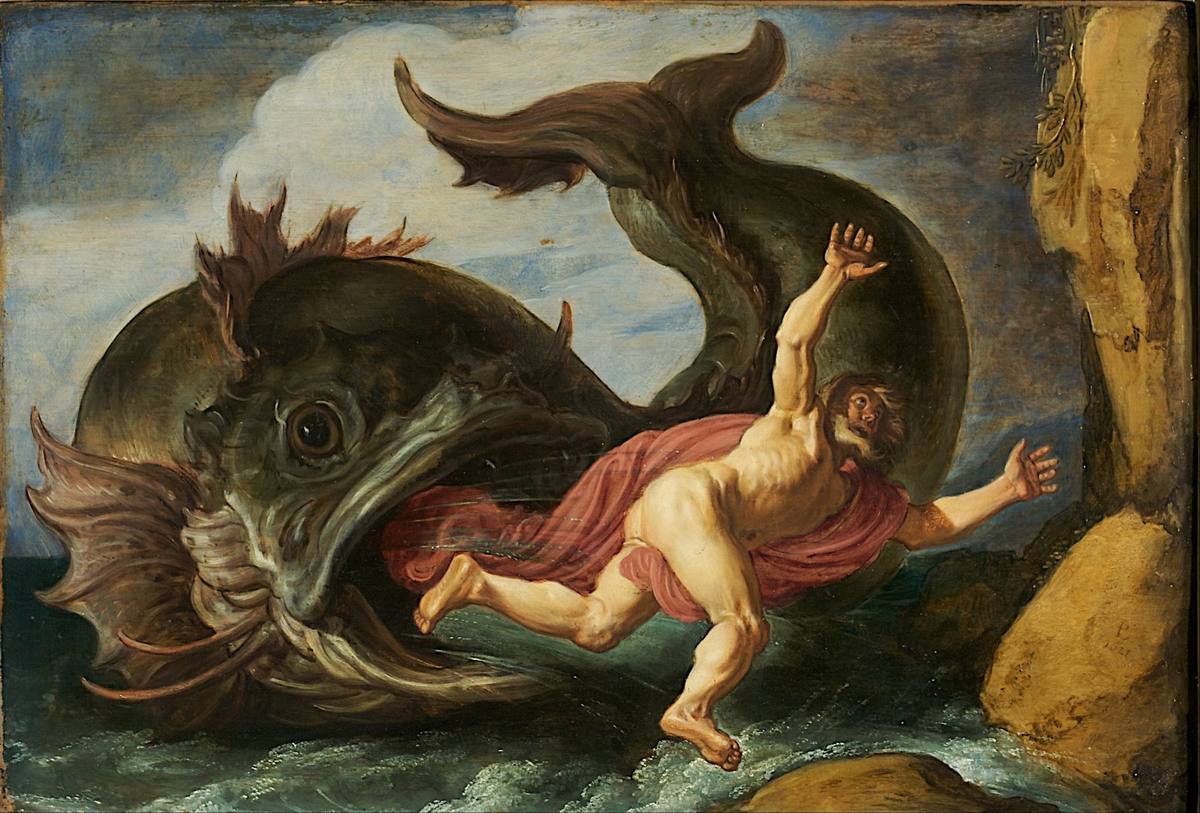
The Book of Jonah introduces him as Jonah, son of Amittai. Another biblical passage, 2 Kings 14:25, names a prophet of the same name and parentage from Gath-hepher, associated with the reign of Jeroboam II in the northern kingdom of Israel during the eighth century BCE.
Gath-hepher is generally associated with the area near modern Mashhad, close to Nazareth in Galilee. That geographical association helps place the prophet in the landscape of northern Israel, although the Book of Jonah does not describe his childhood or provide a full biography.
His name means “dove” in Hebrew. His book belongs to the collection of the Twelve Minor Prophets, called “minor” because of the books’ length rather than their importance. Unlike many prophetic books, it concentrates on a story about the prophet himself instead of a long collection of his speeches.
In brief, Jonah refuses a mission, escapes by sea, is swallowed by a great fish, prays, and receives another opportunity to go to Nineveh. The city responds to his warning, but its survival troubles him. That final tension is essential to understanding the book.
God commands Jonah to go to Nineveh and speak against its wickedness. Nineveh was an important Assyrian city, whose ruins lie near Mosul in present-day Iraq. It is not a destination in Israel.
Instead of setting out for Nineveh, Jonah goes to the coast and boards a ship for Tarshish. The precise identification of Tarshish remains debated, with southern Spain among the proposed locations. The story establishes it as his chosen escape destination without giving modern travelers a securely identifiable port to plot on a map.
Why does he run? Jonah explains himself later, in chapter 4: he knew God to be compassionate and willing to withhold disaster. He resents the mercy that could follow Nineveh’s repentance. His resistance is therefore more complicated than simply being afraid of a difficult journey.
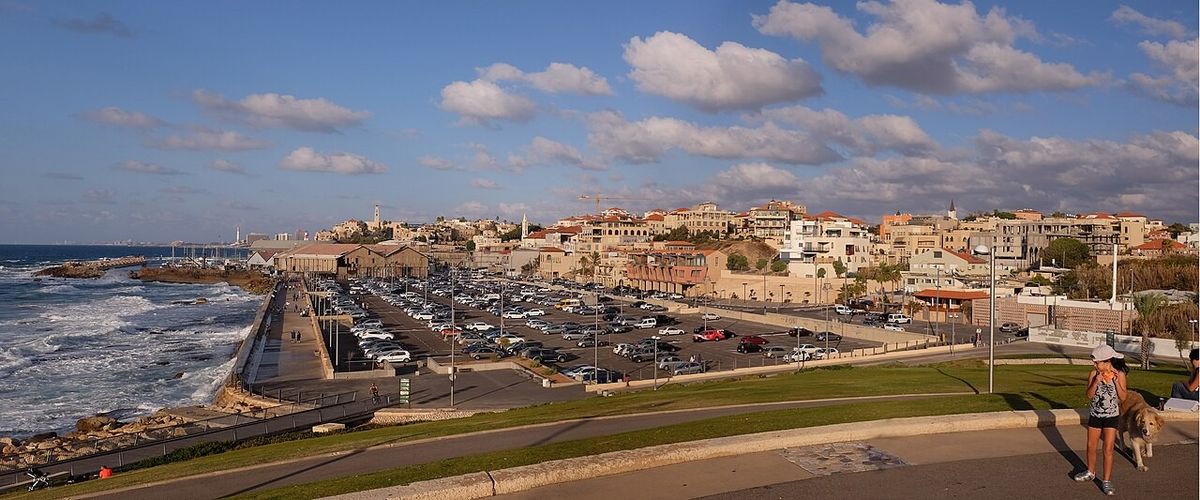
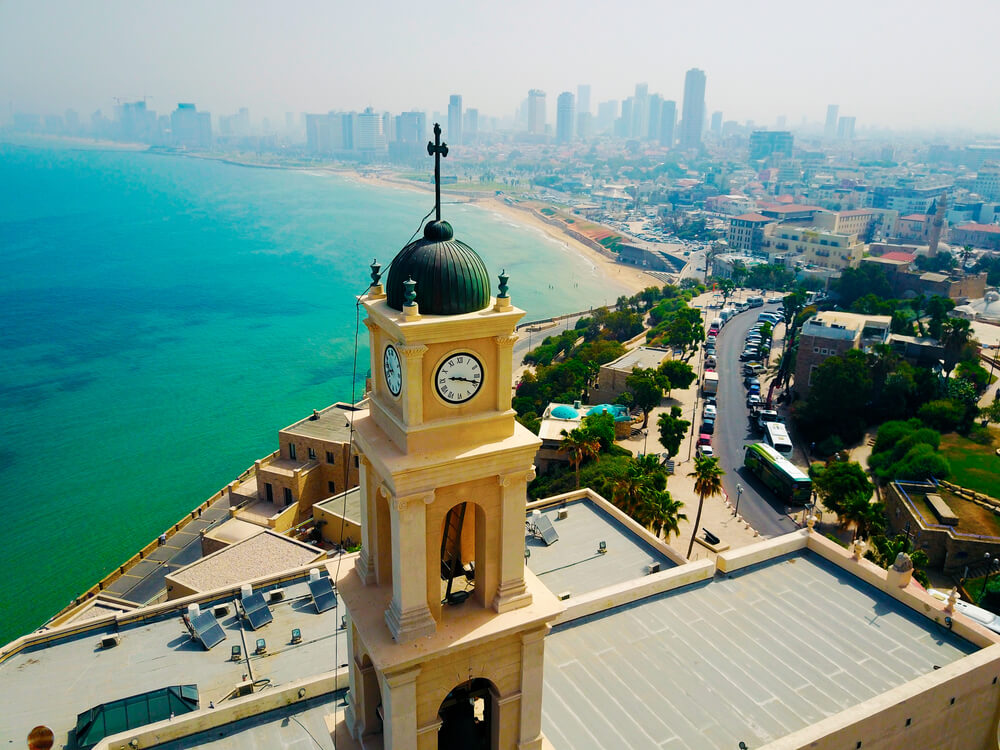
The place called Joppa in many English Bible translations is Jaffa, or Yafo, now part of Tel Aviv-Yafo. Jonah 1:3 describes him going down to the port, finding a ship bound for Tarshish, and paying his fare.
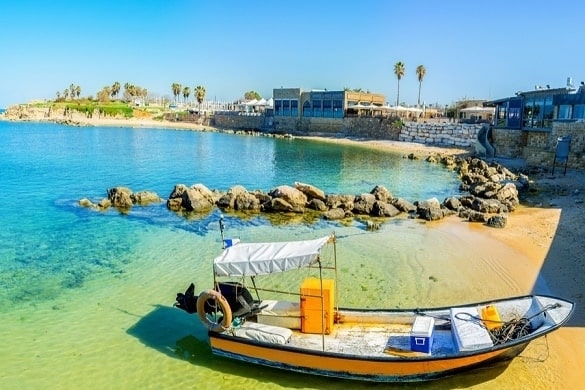
At Jaffa Port today, fishing boats and the Mediterranean horizon provide a natural setting for reading that passage. The modern waterfront has changed over many centuries. Visitors are encountering the port city named in the text, rather than an identified surviving quay where Jonah’s ship has been located.
From the harbor, the lanes of Old Jaffa climb toward viewpoints above the sea. For travelers interested in biblical connections, exploring the area through our Tel Aviv tours can add context to a waterfront that might otherwise be just a scenic stop. Choose an itinerary that includes a Jaffa walking tour.
Once the ship is at sea, a violent storm threatens to break it apart. The sailors cry out to their gods and throw cargo overboard to lighten the vessel. Jonah, meanwhile, is asleep below deck until the captain calls him to pray.
The crew casts lots, and the lot falls on Jonah. Questioned by the sailors, he identifies himself as a Hebrew who worships the God who made both sea and dry land. He tells them to throw him into the water so that the storm will subside.
The sailors do not immediately obey. They first try to row back to land. Only when that fails do they pray and cast him overboard, after which the sea becomes calm. Their efforts to preserve his life are an important detail in a story that repeatedly asks who shows concern for others.
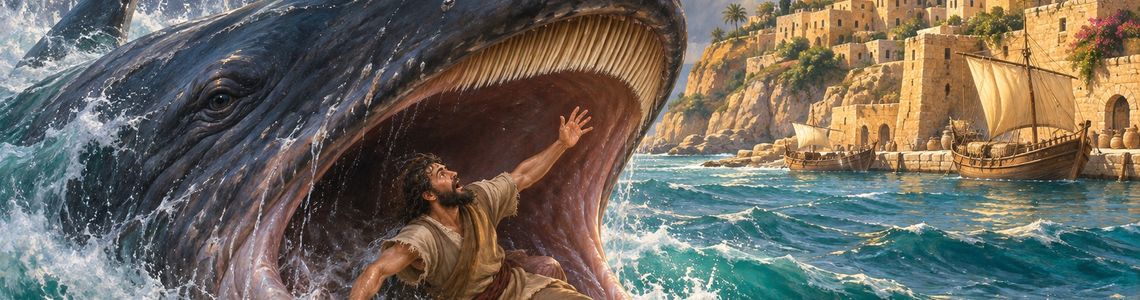
Then comes the episode familiar as Jonah and the whale:
“Now the LORD had prepared a great fish to swallow up Jonah.” (Jonah 1:17, KJV)
The narrative presents the fish as part of God’s intervention. Jonah’s descent into the sea does not become the end of his story.
The Book of Jonah describes a “great fish.” It does not name a species. “Jonah and the whale” is the familiar English expression, reinforced by centuries of storytelling and art, but the passage itself does not identify a particular animal.
There is no need to turn the episode into a confident zoological explanation. Within the biblical story, the focus is the extraordinary preservation of Jonah and what follows from it.
Jonah 1:17 says he remained inside the fish for three days and three nights. Those words become significant in later Christian interpretation, but within Jonah’s own story they introduce a period of prayer before his return to dry land.
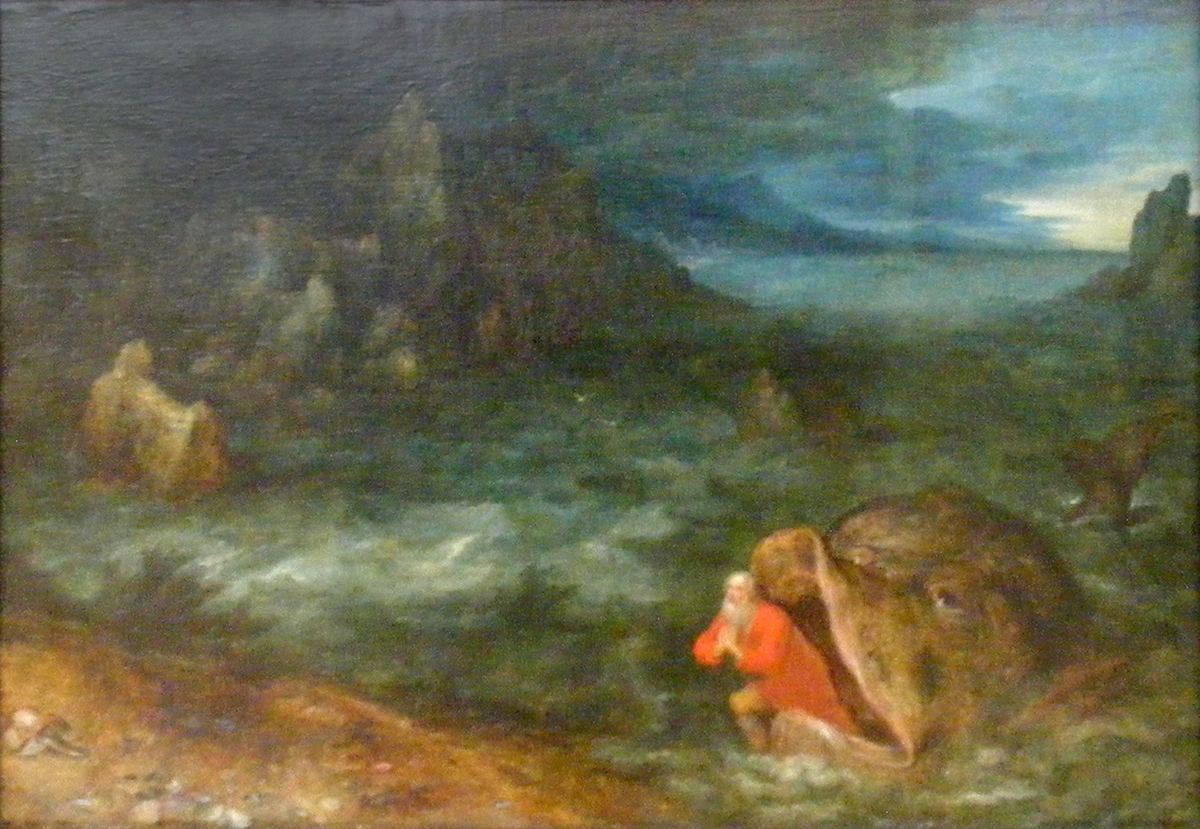
Chapter 2 gives Jonah’s prayer from inside the fish. Its language moves through the depths of the sea, surrounding waters, and the fear of being cut off. It also recalls turning toward God’s holy Temple.
The prayer expresses distress and gratitude for deliverance. It is not a detailed explanation of life inside the fish, and it does not resolve every difficulty in Jonah’s character. He has been rescued, but the final chapter will show that he still struggles with the extent of God’s compassion.
God commands the fish to release Jonah onto dry land. The book does not name the place where this happens, so it should not be presented as a proven landing spot on an Israeli beach.
Then the command to go to Nineveh comes again. This time, Jonah sets out.
In Nineveh, Jonah announces that the city faces destruction in forty days. The response reaches across the population. People fast and put on sackcloth, and the king rises from his throne, removes his royal robe, and joins the acts of repentance.
The royal decree calls for people to abandon their evil ways and violence. The narrative emphasizes changed behavior, not simply an outward performance. When God sees their response, the threatened destruction does not occur (Jonah 3:10).
Jonah is angry. Having experienced deliverance himself, he finds it hard to welcome deliverance for Nineveh. He leaves the city, makes a shelter, and waits to see what will happen.
God causes a plant to grow and shade him, bringing Jonah relief. Then a worm attacks the plant, it withers, and a scorching wind makes him miserable. The Hebrew name of the plant is kikayon; translations differ in how they render it, so a precise botanical identification is unnecessary.
The contrast brings the book to its final question. Jonah grieves over a plant he did not cultivate, while God expresses concern for a great city with more than 120,000 people described as unable to distinguish their right hand from their left, and many animals. The text does not supply Jonah’s answer. It leaves readers to consider the reach of compassion for themselves.
In Jewish tradition, the Book of Jonah is read as the haftarah during the afternoon service on Yom Kippur, the Day of Atonement. Its themes connect closely with the day: turning away from wrongdoing, accepting responsibility, and seeking mercy.
Nineveh’s response shows the possibility of change, while Jonah’s attempted escape confronts the desire to avoid a difficult obligation. The story also challenges the reader to recognize compassion beyond familiar boundaries. These themes help explain why such a short book holds an important place in the Jewish religious calendar.
In the New Testament, Jesus refers to the “sign of Jonah.” Matthew 12:39–41 connects Jonah’s three days and nights in the great sea creature with the Son of Man’s time in the heart of the earth. Christian interpretation understands this as pointing toward Jesus’ death and Resurrection.
Luke 11:29–32 also invokes Jonah and the response of the people of Nineveh, emphasizing the call to repentance. These passages explain Jonah’s importance in Christianity while remaining distinct from the Book of Jonah’s own narrative and its place in Jewish tradition.
Jaffa is the clearest starting point for following Jonah’s story in Israel. Begin with the harbor, read the account of his departure, and continue into the lanes and viewpoints of the Old City. The sea gives the opening chapter a setting you can experience without needing to identify an exact ship, pier, or landing place.
Wear comfortable shoes for the slopes and stone paving, and allow time to enjoy the waterfront alongside the history. A visit can bring together the biblical story, Jaffa’s maritime past, and the everyday life of the city today.
Explore our Tel Aviv tours, including options for exploring Old Jaffa, to find a visit that fits your interests. With a guide, the port and surrounding streets become more than a collection of photo stops: they offer a way to understand the stories connected with this historic gateway to the Holy Land.
Join Us
Keep in Touch


 Login / Register
 Contact


 Certificate of Excellence
 Guaranteed Departure
 Low Prices Guaranteed
 24/7 Support